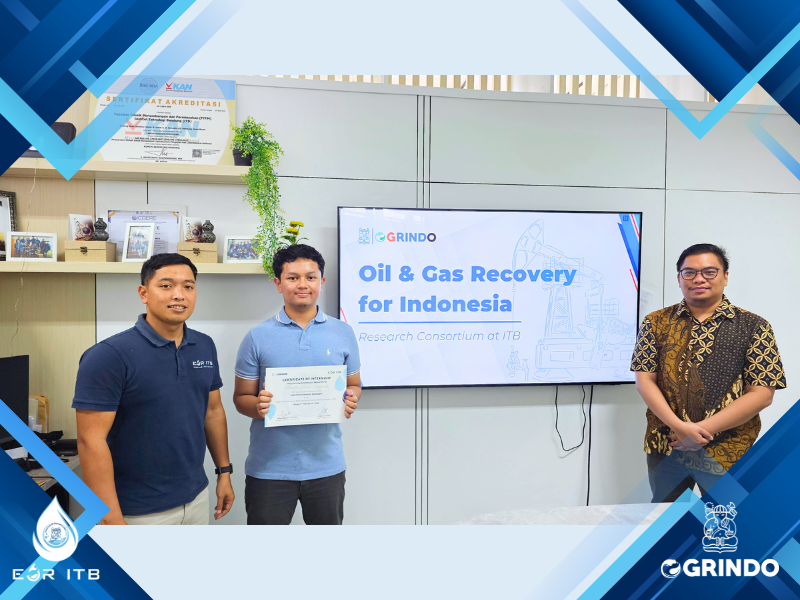
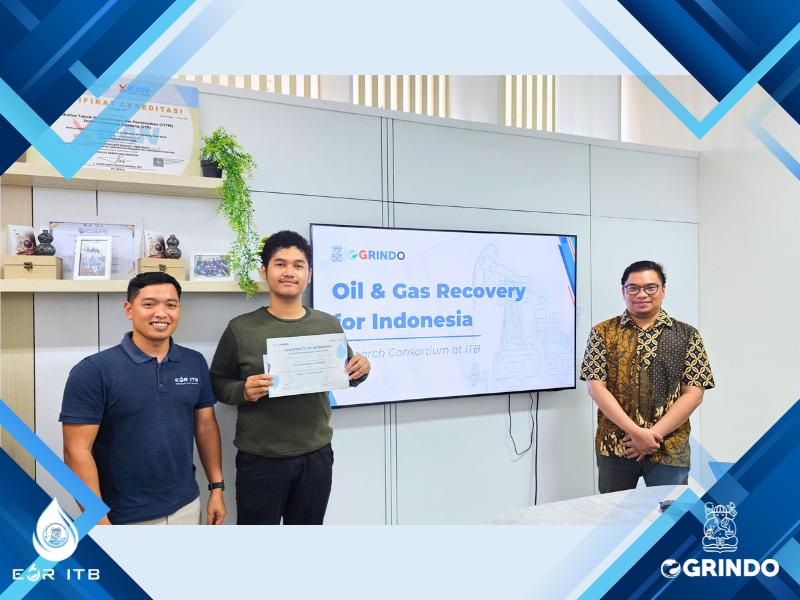
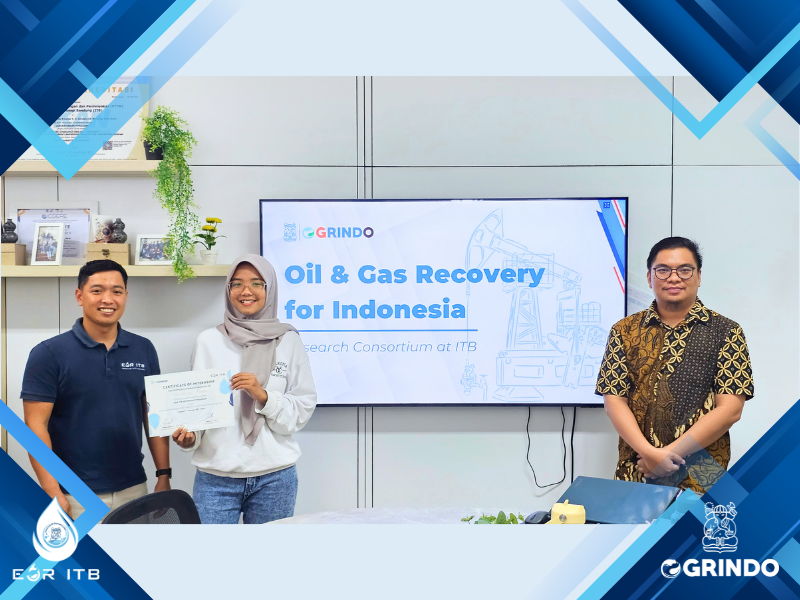
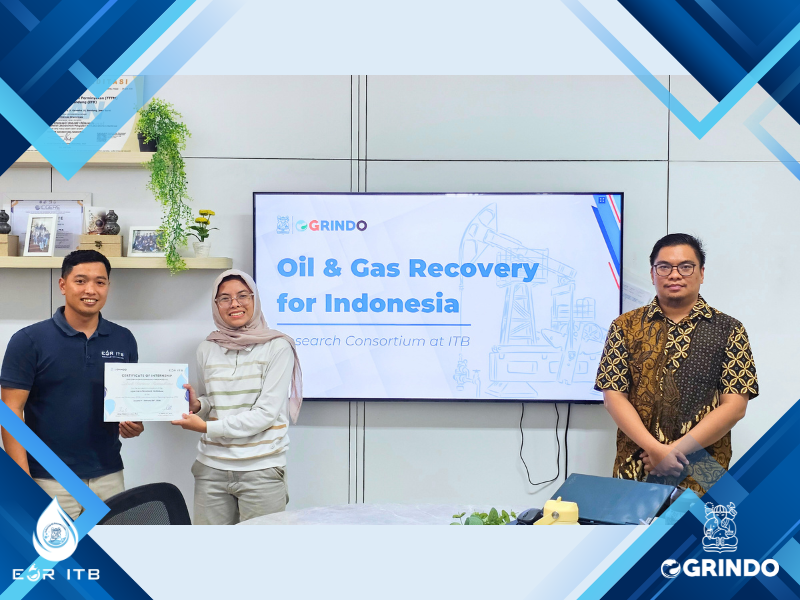
Monday, February 2, 2026 marked an important milestone for the participants of the Internship Program at the EOR Laboratory ITB who had completed a series of intensive learning activities over the past two months. Final Presentation session held in the Meeting Room of Lab EOR ITB, Energy Building 7th Floor ITB, served as the official closing of the program as well as a reflection on the in-depth study process in the field of Chemical Enhanced Oil Recovery (EOR).
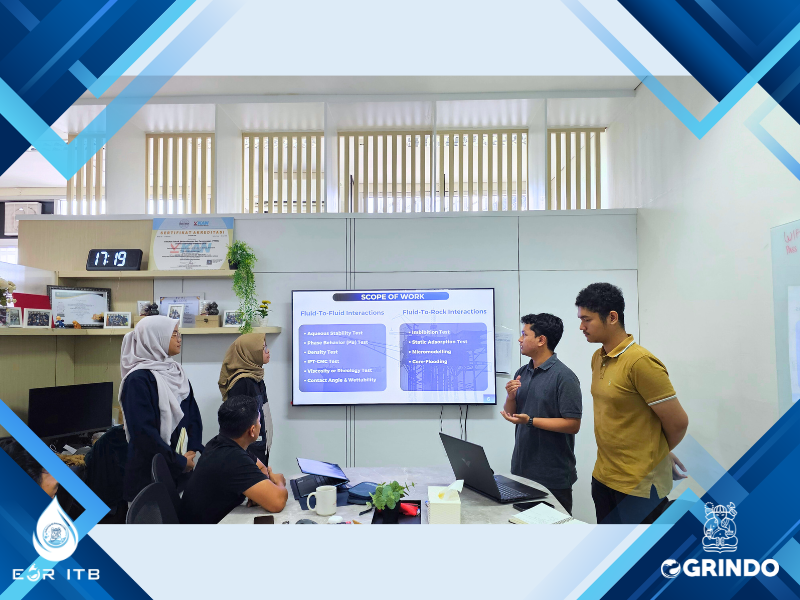
This internship program was designed under a hybrid scheme for two months, consisting of one month onsite at the EOR Laboratory ITB and one month offsite (online). This approach provided a balance between hands-on laboratory experience and conceptual deepening, technical discussions, as well as independent literature studies.
Comprehensive Study of Chemical EOR
During the program, participants explored three main components in the implementation of Chemical namely surfactants, polymers, and the ASP (Alkali–Surfactant–Polymer).
In the surfactant study, participants learned about the mechanism of interfacial tension (IFT) reduction between oil and water to enhance the mobilization of trapped oil within reservoir rock pores. This understanding becomes key to improving oil recovery efficiency in the later stages of production.
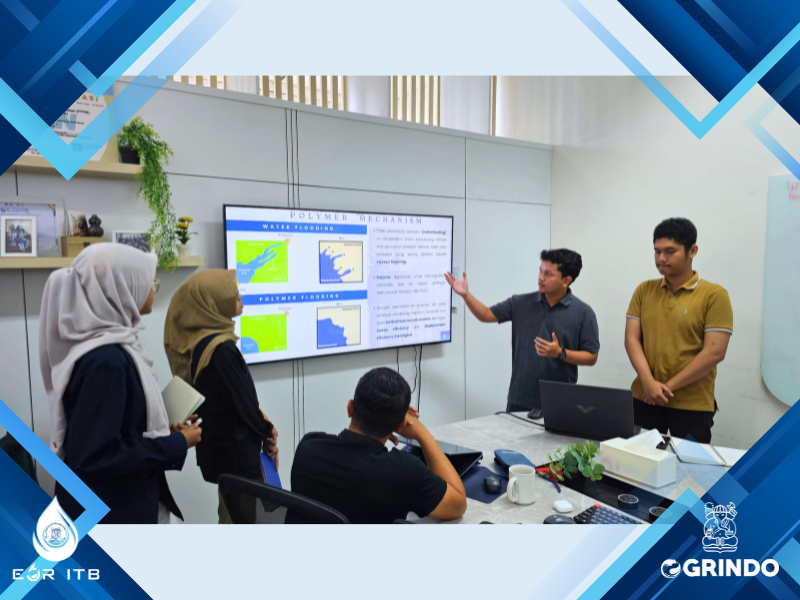
In the polymer study, the focus was placed on increasing the viscosity of the injection fluid to improve the mobility ratio and enhance sweep efficiency. The analysis of rheological characteristics and polymer stability became an essential part of evaluating the performance of the chemical injection system.
Meanwhile, in the ASP system, participants studied the integration of alkali, surfactant, and polymer as a combined approach aimed at increasing oil recovery through the synergy of mutually supportive chemical mechanisms.
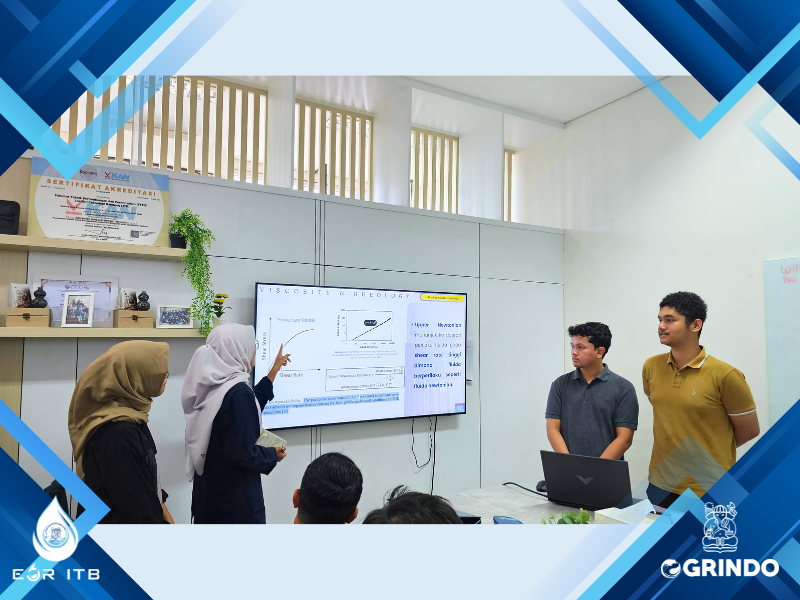
Through the final presentation session, participants presented the results of their analysis, conceptual understanding, and the applicative implications of the studies conducted. This presentation demonstrated their ability to integrate theory, laboratory practice, and field implementation relevance.
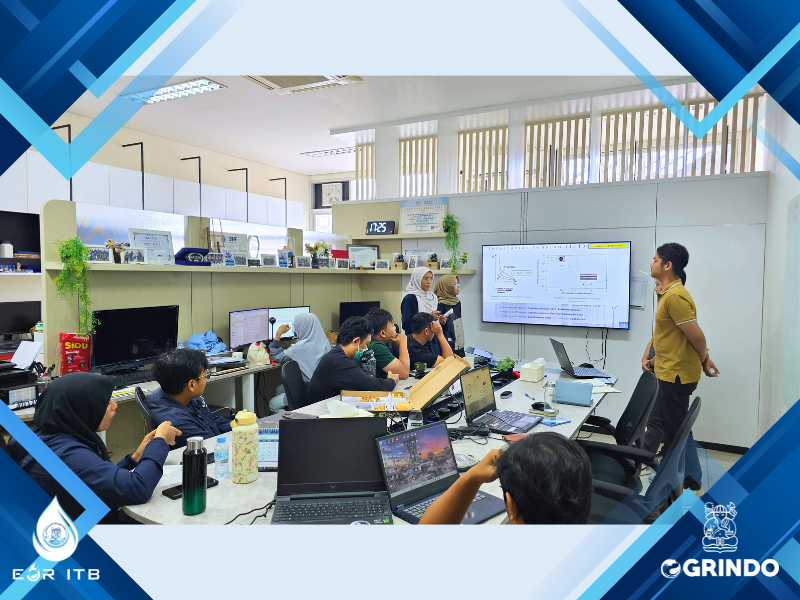
Strengthening EOR Talent Competencies and Academic–Industry Integration
The Final Presentation activity demonstrated how collaboration between research institutions and academic programs can produce talent ready to enter both research and the petroleum industry. The hybrid learning scheme provided flexibility while ensuring in-depth technical understanding aligned with current energy industry needs.
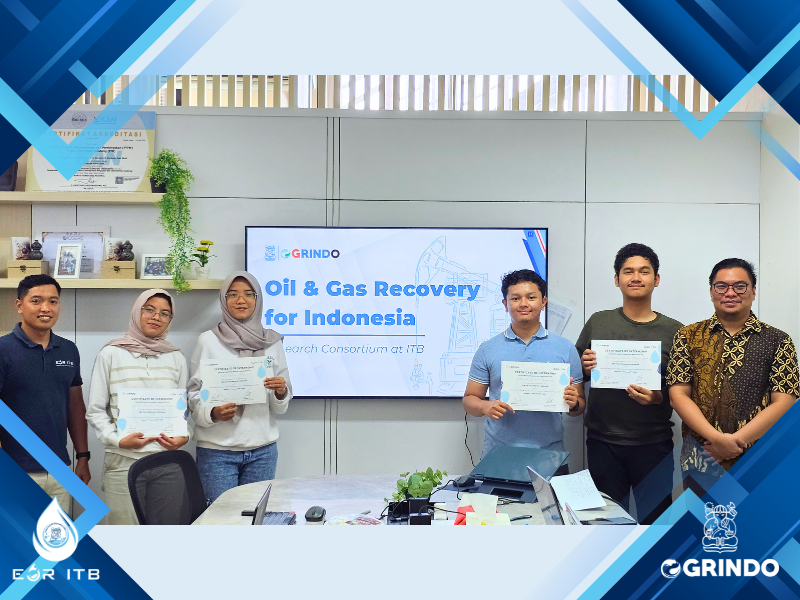
The active participation of the interns during the presentation session reflected their ability to translate fundamental scientific principles and advanced engineering concepts into applicable technical solutions within the context of Chemical EOR. Their in-depth understanding of surfactant mechanisms, polymer characteristics for mobility control, and ASP system integration demonstrated their readiness to comprehend the complexity of modern reservoir challenges.
This program not only focused on theoretical mastery, but also emphasized practical relevance to real industry challenges, particularly in efforts to enhance production in maturereservoirs. This initiative further strengthens a collaborative learning ecosystem that bridges academia with the professional competency needs of the energy sector.
Through this program, Lab EOR ITB together with OGRINDO ITB reaffirmed their role as a center for capacity building and talent strengthening in the field of Chemical EOR, ready to contribute to the oil and gas industry and the national energy sector.
Interested in Collaborating or Joining the Next Program?
The Lab EOR ITB Internship Program is part of a continuous commitment to competency development and the strengthening of a science-driven and industry-oriented energy research ecosystem.
For further information regarding:
- The next internship program
- Chemical EOR research collaboration
- Laboratory testing and evaluation
- Training and capacity development programs
Please contact:
📧Laboratorium EOR ITB: eor@itb.ac.id
📧OGRINDO ITB: info@ogrindoitb.com
We are open to academic collaboration, industry research partnerships, and talent development initiatives in the field of subsurface and technology of Enhanced Oil Recovery.