Surfactant flooding is one of the Chemical Enhanced Oil Recovery (EOR) methods that plays an important role in increasing oil recovery by reducing interfacial tension (IFT) and mobilizing oil trapped within the pores of reservoir rock. This study evaluates the performance of two commercial surfactants through the analysis of the relationship between capillary number and residual oil saturation using a modified transparent micromodel approach combined withigital image analysis. This approach provides a deeper understanding of fluid displacement dynamics in porous media during the surfactant flooding.
Research Background and Objectives
Surfactant flooding has long been developed as one of the Chemical EOR methods that is effective in improving oil mobility within the reservoir. By reducing the interfacial tension between oil and water, surfactants allow oil that was previously trapped within rock pores to be more easily mobilized and produced.
In laboratory studies, surfactant flooding performance is often analyzed using the Capillary Desaturation Curve (CDC), which describes the relationship between changes in residual oil saturation and capillary number. Capillary number itself is the ratio between viscous forces—which are influenced by fluid viscosity and injection rate—and capillary forces, which are influenced by the interfacial tension between two immiscible fluids.
This study aims to evaluate the performance of two commercial surfactants by analyzing how changes in the capillary number can affect the reduction of residual oil saturation. To increase the capillary number, the value of interfacial tension between surfactants and crude oil was modified until reaching the ultra-low IFT condition, allowing the capillary number to increase by three to five orders of magnitude.
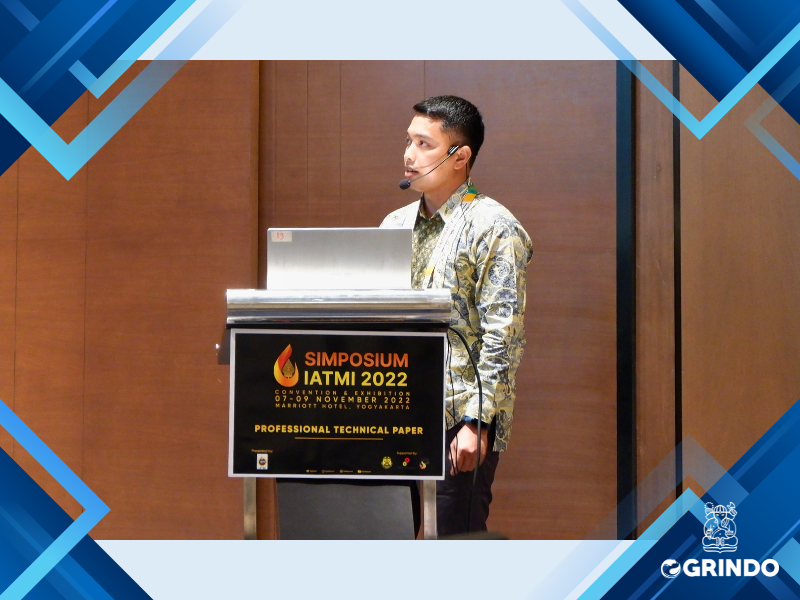
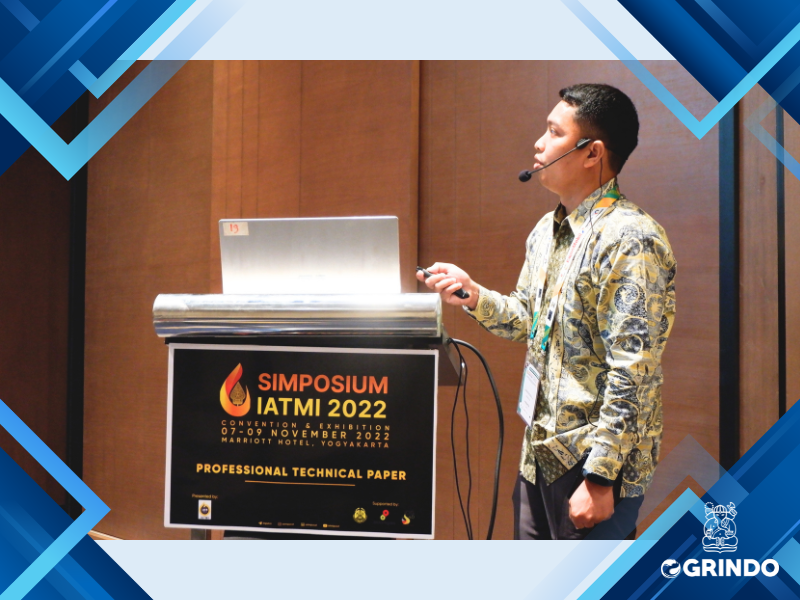
Experimental Approach Using a Modified Micromodel
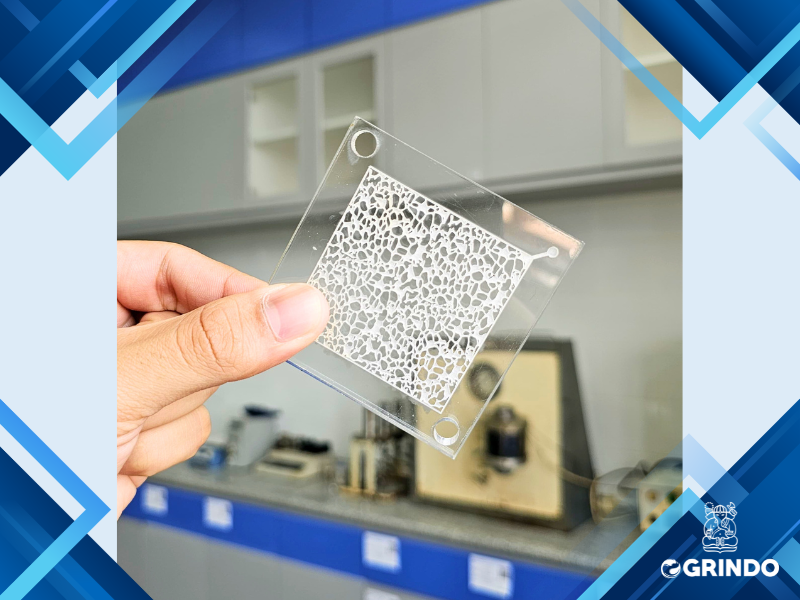
This study uses a transparent modified micromodel that enables direct visualization of fluid movement in porous media. This approach provides a clearer picture of the oil displacement process during surfactant injection.
To represent reservoir conditions more realistically, the micromodel was modified by adding quartz and cement, allowing fluid–rock interactions to be observed more representatively. The experimental process was then analyzed using Digital Image Analysis (DIA) to calculate important parameters such as initial oil saturation, residual oil saturation, water saturation, and surfactant saturation quantitatively.
This study consists of two main testing stages: a static test to evaluate fluid compatibility through CMC–IFT testing, and a dynamic test using the micromodel to directly observe the surfactant flooding process within porous media.
Research Results and Insights
The results of the study show that the reduction of interfacial tension between the surfactant solution and crude oil directly influences the reduction of residual oil saturation, which ultimately increases oil recovery.
However, the study also shows that the lowest interfacial tension does not always result in the highest oil recovery . This finding provides an important perspective that an increase in capillary number at a certain level is sufficient to improve oil mobilization, without always having to reach the condition of ultra-low IFT.
The approach using a modified micromodel also demonstrates significant potential as an experimental method that is simpler, faster, and more cost-efficient compared to conventional methods such as coreflood test, while still being able to provide detailed insights into fluid–rock interactions at the pore scale.
Publication Access and Research Collaboration
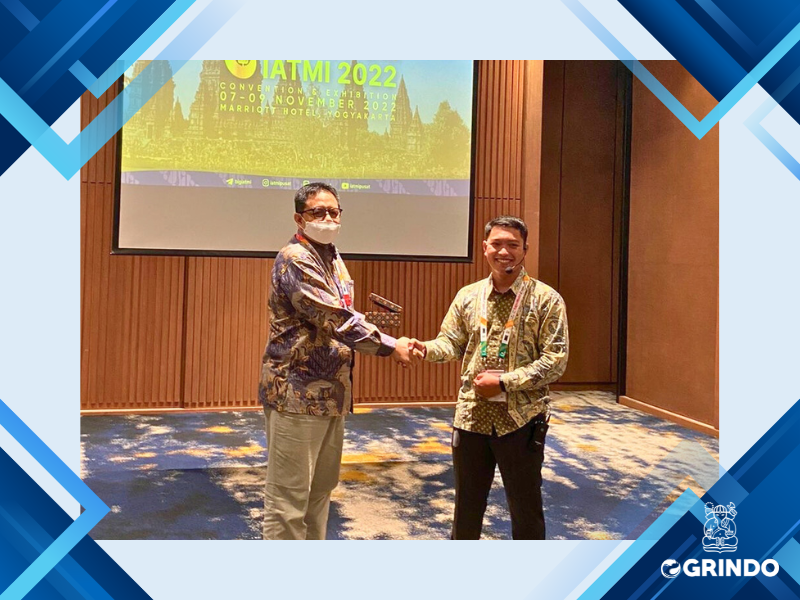
This article summarizes the key points of the scientific publication that can be accessed in full through the Publications di website OGRINDO ITB.
🔗 Read the full publication here
OGRINDO ITB actively develops various research initiatives in reservoir engineering, enhanced oil recovery, dan teknologi subsurface technology to support the needs of the energy industry.
Interested in Collaboration?
📩 Interested in discussing or exploring research collaboration in the field of Chemical EOR?
We welcome opportunities to collaborate with industry partners, research institutions, and academic communities.
Email: info@ogrindoitb.com