Categories
News Article

CCUS: Indonesia’s Strategic Solution Toward a Low-Carbon Future

Indonesia is currently at a crucial stage in its journey toward a low-carbon energy future. As energy demand continues to rise and global pressure to reduce emissions intensifies, Carbon Capture, Utilization, and Storage (CCUS) technology emerges as one of the most strategic solutions to maintain the balance between energy security and environmental sustainability.

Indonesia’s CO₂ Emission Profile

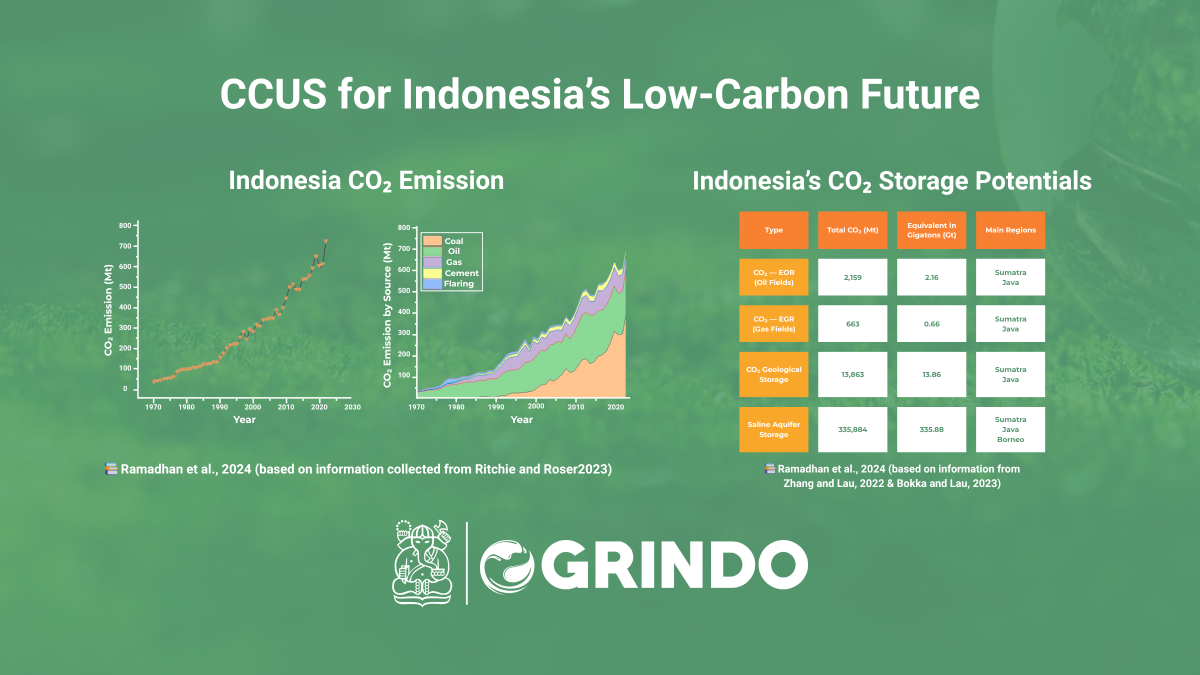
As one of the most populous countries in the world, Indonesia contributes significantly to global carbon emissions. Recent data show that Indonesia’s carbon dioxide (CO₂) emissions have sharply increased from 35.8 million tons (Mt) in 1970 to approximately 729 million tons (Mt) in 2022. This surge is mainly driven by the dominance of fossil fuels—such as coal, oil, and natural gas—in the national energy mix.
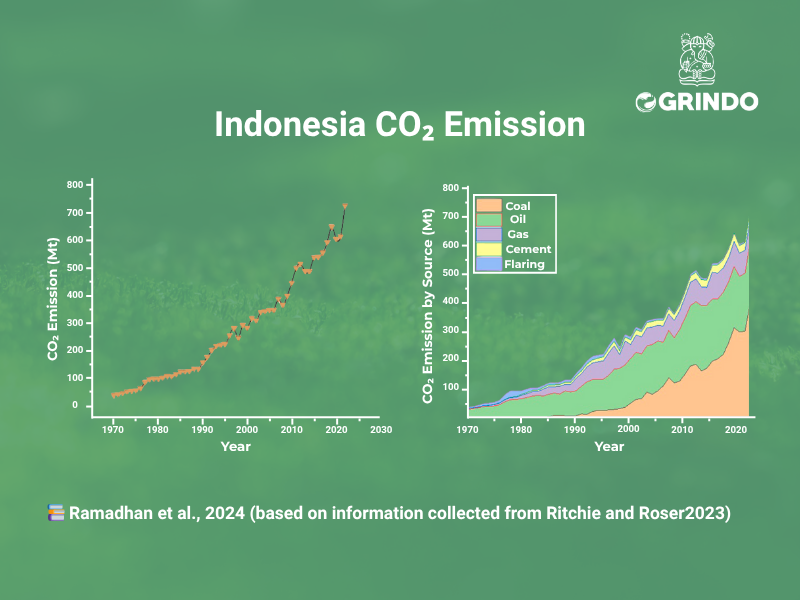
Figure 1. CO₂ Emission Trends in Indonesia (1970–2022). Source: Ramadhan et al. (2024) based information from Ritchie & Roser (2023).

Rapid economic and population growth accelerate the increase in energy demand, while the use of renewable energy remains relatively low. This condition underlines the urgency for Indonesia to adopt emission reduction technologies such as CCUS to achieve the Net Zero Emission 2060 target.

The technology of CCUS offers a concrete solution: capturing carbon emissions directly from their sources (such as factories, refineries, or power plants) and safely storing them underground to prevent their return to the atmosphere.

Potential CO₂ Storage Sites in Indonesia

According to Ramadhan et al. (2024) in Energy Geoscience, Indonesia possesses gigaton-scale carbon storage capacity—one of the largest in Southeast Asia. This potential is distributed across several major geological formations:

  1. Depleted Oil & Gas Reservoirs
    Mature oil and gas fields offer great potential for Enhanced Oil/Gas Recovery (EOR/EGR) while serving as CO₂ storage sites. Total capacity: approximately 2,822 MtCO₂ (≈ 2.82 GtCO₂). Main locations: Sumatra and Java.
  2. Saline Aquifers
    Underground saline aquifer formations provide the largest storage capacity. Total capacity: 335,884 MtCO₂ (≈ 335.8 GtCO₂). Main locations: Sumatra, Java, and Kalimantan (Borneo).
  3. Geological Storage Zones
    Areas with porous rock layers, such as sandstone and limestone, also have potential for long-term, safe, and stable carbon storage. Total capacity: 13,863 MtCO₂ (≈ 13.86 GtCO₂). Most located in Sumatra and Java.

With a total potential exceeding 350 GtCO₂, Indonesia holds a tremendous opportunity to become a carbon storage hub in the Asian region.
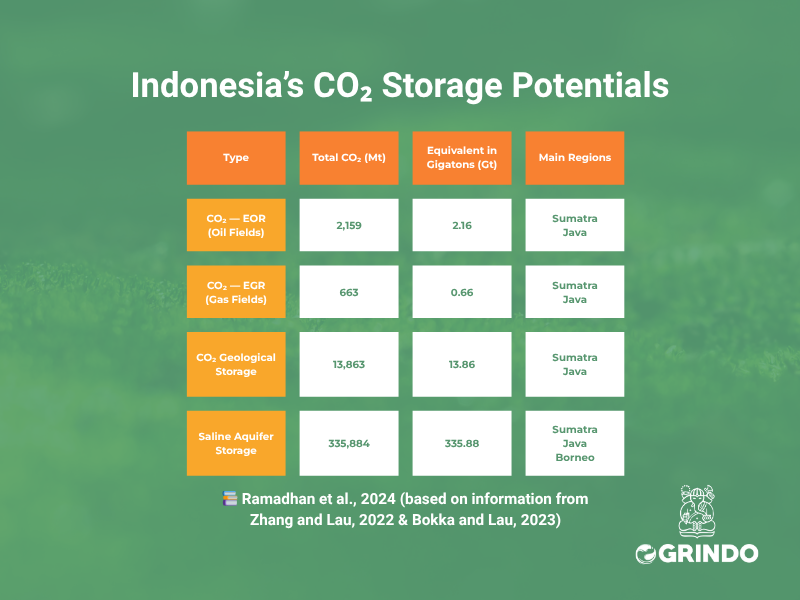
Figure 2. Carbon (CO₂) Storage Potential in Indonesia by Geological Formation Type. Source: Ramadhan et al. (2024) based information from Zhang & Lau (2022); Bokka & Lau (2023)..

Map of CCUS Project Development in Indonesia

Currently, various CCUS projects have been developed and are being implemented across Indonesia, including:

  • Tangguh CCUS (West Papua) – Target operation 2026
  • Sakakemang CCS (South Sumatra) – Target operation 2028
  • Central Sumatra Basin CCUS Hub – Target operation 2028
  • Kutai Basin and Sunda Asri CCUS Hubs (Kalimantan & Java) – Target operation 2029
  • Ramba EOR (South Sumatra) – Target operation 2030

These initiatives demonstrate Indonesia’s strong commitment to integrating research, technology, and industry in reducing national carbon emissions.
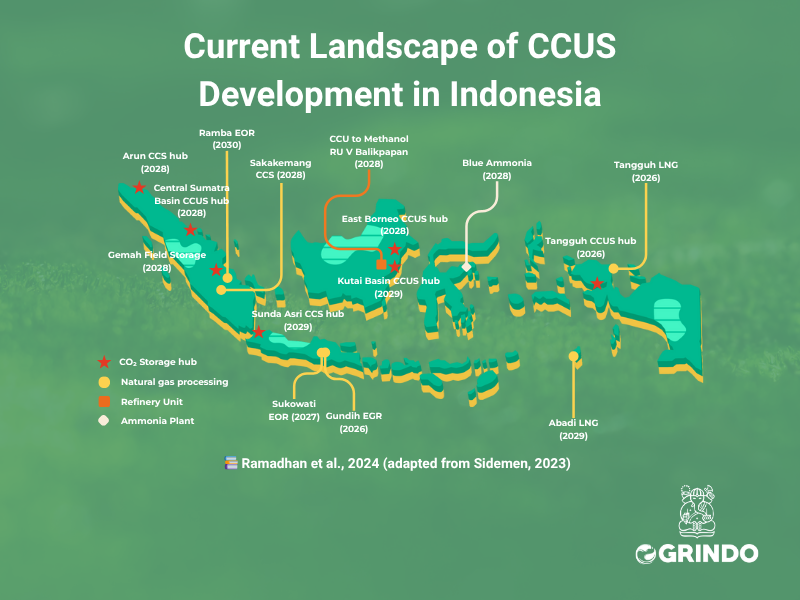
Figure 3. Map of CCUS in Indonesia. Source: Ramadhan et al. (2024) based information from Sidemen (2023).

Why CCUS Matters for Indonesia

Climate change has become a real global challenge, and Indonesia stands at the forefront of efforts to reduce carbon emissions without compromising economic growth. Amid the growing energy demand and dependence on fossil fuels, Carbon Capture, Utilization, and Storage (CCUS) technology serves as a strategic solution that bridges the transition toward clean and sustainable energy.

Through the implementation of CCUS, Indonesia can gain several key benefits that directly impact the energy, industrial, and environmental sectors, including:

  • Significantly reducing carbon emissions from heavy industry and energy sectors.
  • Maintaining national industrial competitiveness amid global carbon policies and regulations.
  • Extending the lifespan of national oil and gas assets through CO₂-based Enhanced Oil Recovery (EOR) projects.
  • Attracting investment and technology transfer in clean energy and low-carbon innovation.
  • Supporting the Net Zero Emission 2060target while opening new opportunities for a green economy.

With its rich geology and technical expertise in the energy sector, Indonesia has a strong foundation to lead CCUS implementation in Asia—becoming a bridge between academic research, technology, and real-world industrial application.

Conclusion

The technology of Carbon Capture, Utilization, and Storage (CCUS) is not merely a concept of the future but a real solution that has already begun implementation in various regions across Indonesia. The deployment of CCUS will be the key to transitioning toward a low-carbon economy, while strengthening Indonesia’s position as a leader in sustainable energy in Southeast Asia.

To achieve this, cross-sector collaboration—among government, industry, and research institutions such as OGRINDO ITB—will be a critical success factor.

📩 Let’s Collaborate!
For research collaboration, industrial partnership, or further information about CCUS innovation, contact us via email: info@ogrindoitb.com

📚 References:

  • Ramadhan, R., Mon, M. T., Tangparitkul, S., Tansuchat, R., & Agustin, D. A. (2024). Carbon Capture, Utilization, and Storage in Indonesia: An Update on Storage Capacity, Current Status, Economic Viability, and Policy. Energy Geoscience, Vol. 5, 100335.
  • Ritchie, H., & Roser, M. (2023). CO₂ and Greenhouse Gas Emissions. Our World in Data.
  • Zhang, L., & Lau, H. (2022). Carbon Storage Assessment in Southeast Asia. Energy Reports, 8, 1250–1265.
  • Bokka, S., & Lau, H. (2023). Economic Feasibility of Carbon Capture, Utilization, and Storage (CCUS) in Developing Economies. International Journal of Greenhouse Gas Control, 127, 103765.
  • Sidemen. (2023). Current Landscape of CCUS Development in Indonesia.
Categories
News Article

EOR ITB Laboratory Goes to Korea: Weaving Together Solidarity and New Innovation

In line with the spirit of OGRINDO (Oil and Gas Recovery for Indonesia) in strengthening research collaboration and national energy innovation, the EOR ITB Laboratory continues to foster synergy not only in research activities but also in team cohesion, which serves as the foundation of every step toward innovation.

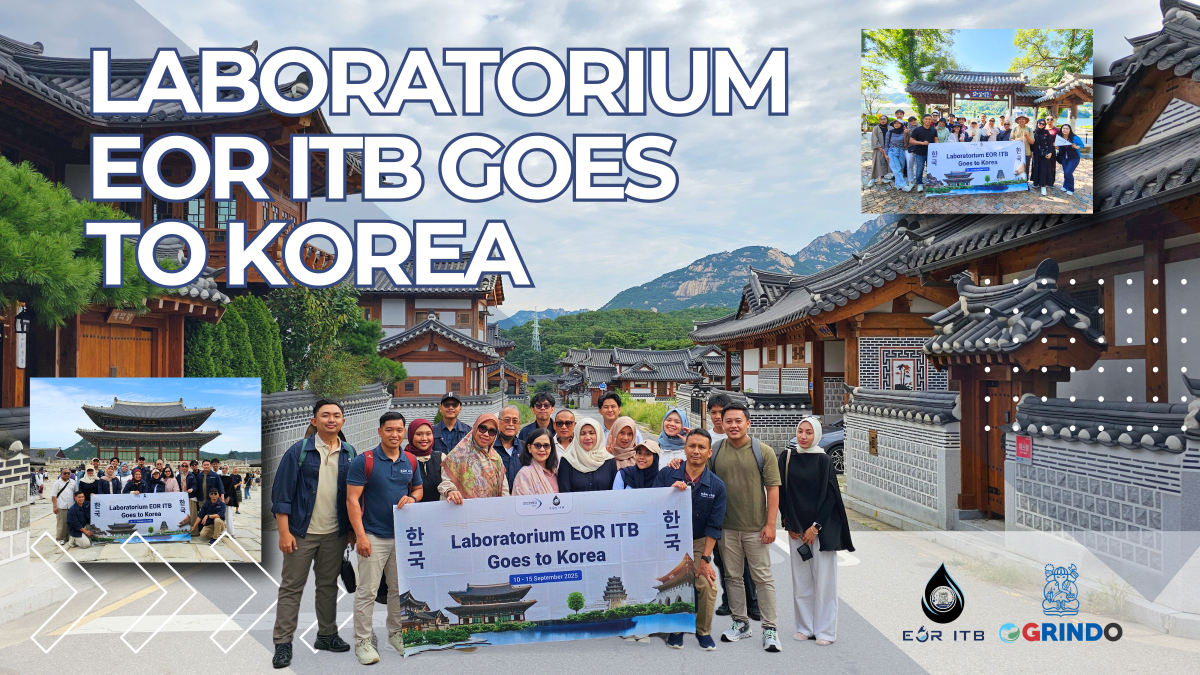
Through the Lab EOR ITB Goes to Korea program held on September 10–15, 2025, the team had the opportunity to enjoy a refreshing atmosphere outside the laboratory—uniting enthusiasm, creativity, and togetherness in an inspiring journey across the Land of Ginseng.

A Journey Full of Inspiration

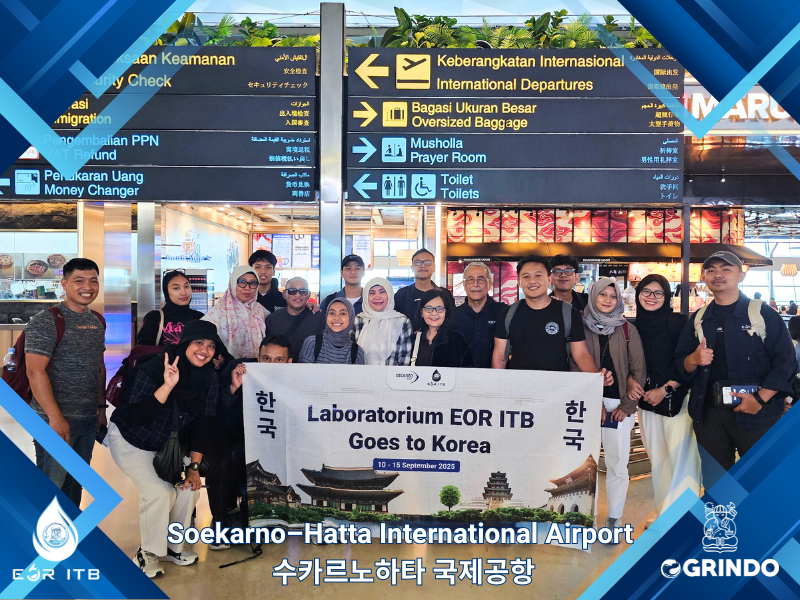
Figure 1. The Lab EOR ITB team ready to begin their journey to South Korea from Terminal 3 Ultimate, Soekarno–Hatta International Airport, Jakarta.

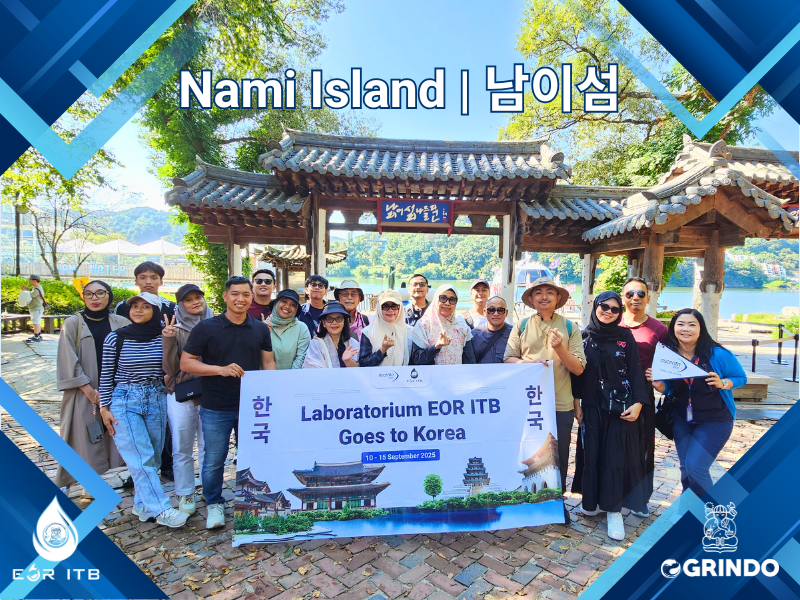
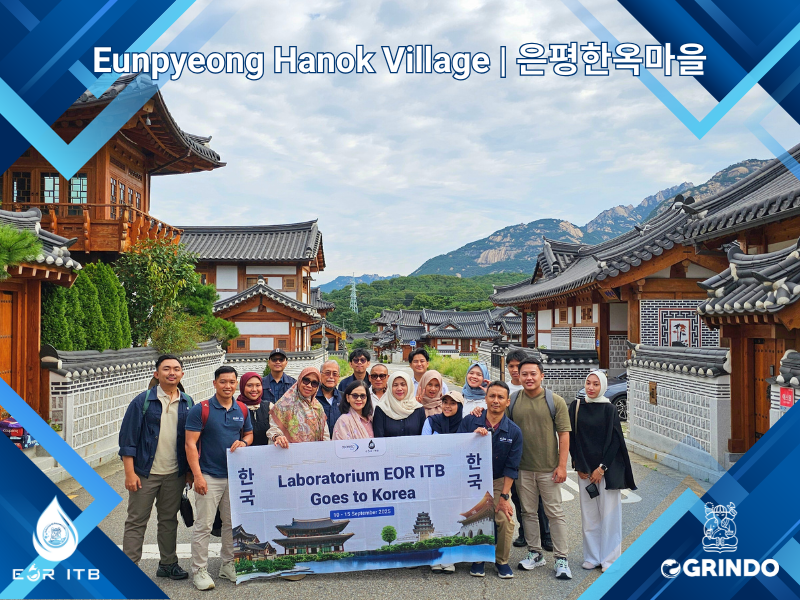
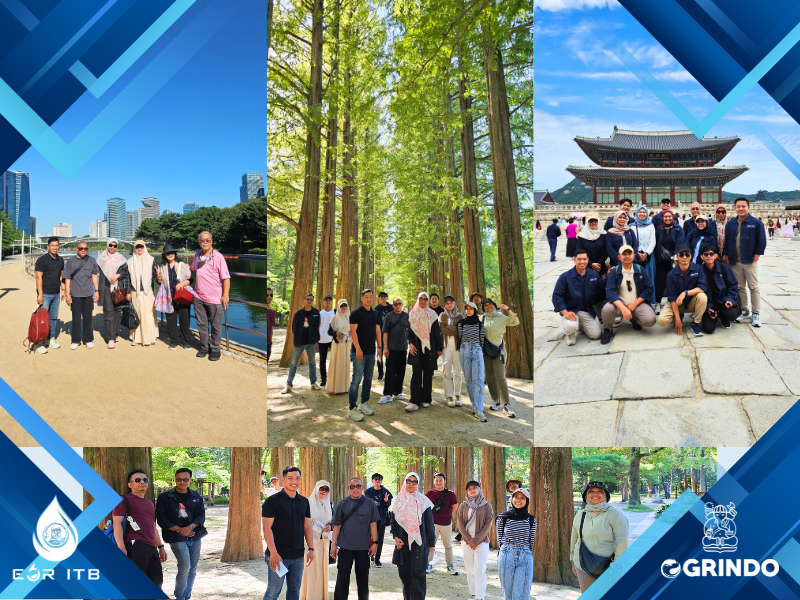
The journey began with a departure from Terminal 3 Ultimate, Soekarno-Hatta International Airport, to Incheon, with a transit in Kuala Lumpur. Upon arrival in Korea, the team was greeted by the beautiful scenery of Songdo Central Park, followed by a visit to Nami Island, an iconic filming location of the legendary drama Winter Sonata. The second day continued with visits to Eunpyeong Hanok Village and Gangnam COEX Mall, before finally checking in at the hotel for some rest.

Figure 2. Enjoying the scenic beauty of Songdo Central Park and the iconic atmosphere of Nami Island, the legendary filming site of Winter Sonata.
Figure 3. Strolling through Eunpyeong Hanok Village, a traditional area blending classic Korean architecture with a stunning mountain backdrop.

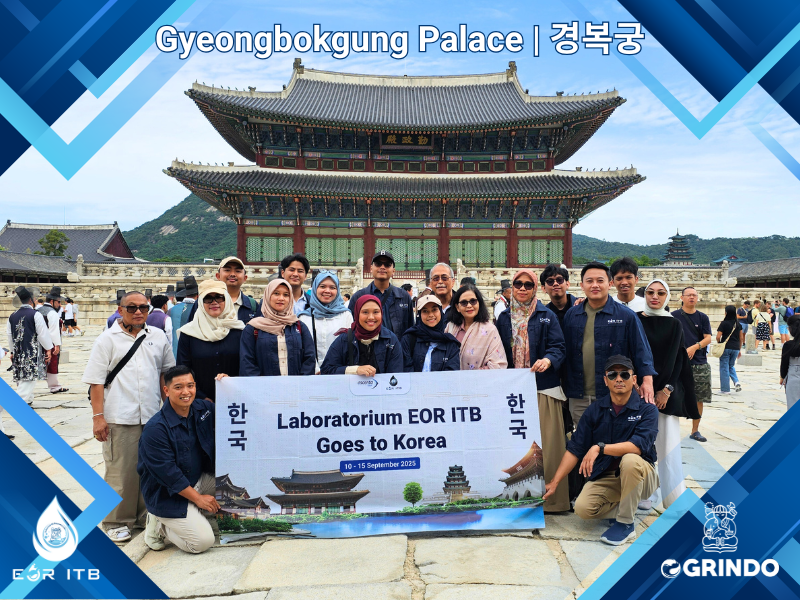
The third day was filled with cultural and historical exploration, starting from Gyeongbokgung Palace, passing by the Blue House and Gwanghwamun Square to see the statues of King Sejong the Great and Admiral Yi Sun-Shin, both significant historical figures. The team also visited Donuimun Museum Village, Itaewon Mosque, and enjoyed the city’s panoramic view from Namsan Seoul Tower.

Figure 4. Exploring Korean history and culture at Gyeongbokgung Palace, the grand royal palace of the Joseon Dynasty.

Next, on the fourth day, the group got to know more about Korean culture and lifestyle through visits to the National Ginseng Museum, K-Cosmetic Shop, and Amethyst Shop. The adventure continued to HIKR Ground, Insadong Antique Street, Trick Eye Museum, and Hongdae Youth Avenue, where the lively atmosphere of youth and creativity could be felt throughout.

The fifth day became a delightful moment with making kimbap and hanbok wearing, followed by shopping at the Duty Free Shop and Myeongdong Street, both known for their bustling charm. Before returning home, the team stopped by a local supermarketto buy souvenirs, then headed to Incheon Airport for the flight back to Jakarta.

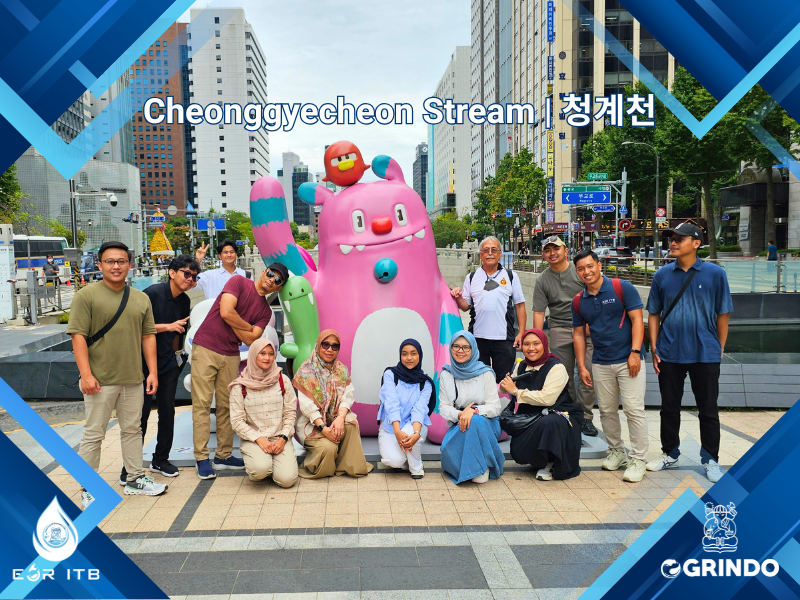
Figure 5. A cheerful moment at Cheonggyecheon Stream, an iconic public space in the heart of Seoul filled with art and creativity.

Team Building: From the Laboratory to the Warmth of Togetherness

Although this trip did not focus on laboratory visits, the values of togetherness and teamwork became the heart of the entire journey. At every destination, team members shared stories, laughter, and new experiences that strengthened their bonds with one another.

This casually designed team building activity served as a moment of reflection for researchers and staff to get to know their colleagues beyond the professional context. From here, a sense of trust and unity flourished—something that will naturally carry over into the research environment.

Figure 6. Memorable moments from Lab EOR ITB Goes to Korea 2025—uniting spirit, creativity, and collaboration beyond the laboratory.

Bringing New Spirit Back to the Laboratory

Returning from Korea, the EOR ITB Laboratory brought home more than just wonderful memories. The journey became a source of renewed energy—reigniting motivation, collaborative spirit, and gratitude to continue contributing to sustainable energy research.

Innovation does not only grow within the laboratory but also from the people behind it: a solid, creative, and collaborative team. With this renewed spirit from the journey, Lab EOR ITB is ready to continue advancing together with OGRINDO, moving forward toward an innovative and sustainable energy future for Indonesia.

✨ Lab EOR ITB – Uniting Science, Innovation, and Togetherness for Indonesia’s Energy Future
📧 For information and research collaboration, contact: info@ogrindoitb.com

Categories
News Article

CCUS in Action: Global Success Stories and Lessons for Indonesia’s Low-Carbon Future

In facing the challenge of climate change, Carbon Capture, Utilization, and Storage (CCUS) technology has become one of the proven, real-world solutions globally. From offshore CO₂ storage to natural mineralization into rock, flagship projects in Norway and Iceland have demonstrated that carbon emissions can not only be controlled but also utilized to create new economic value. With a scientifically verified track record of implementation, CCUS has now become a vital pillar in the transition toward a cleaner and more sustainable energy future.

Toward a Low-Carbon Future Through the Implementation of Scientifically Verified CCUS Technology

Amid the urgency of the global energy transition, Carbon Capture, Utilization, and Storage (CCUS) technology has become one of the main pillars in efforts to reduce carbon emissions. Through implementation in various countries, CCUS has proven effective not only in reducing greenhouse gas emissions but also in enhancing economic efficiency and energy industry sustainability.
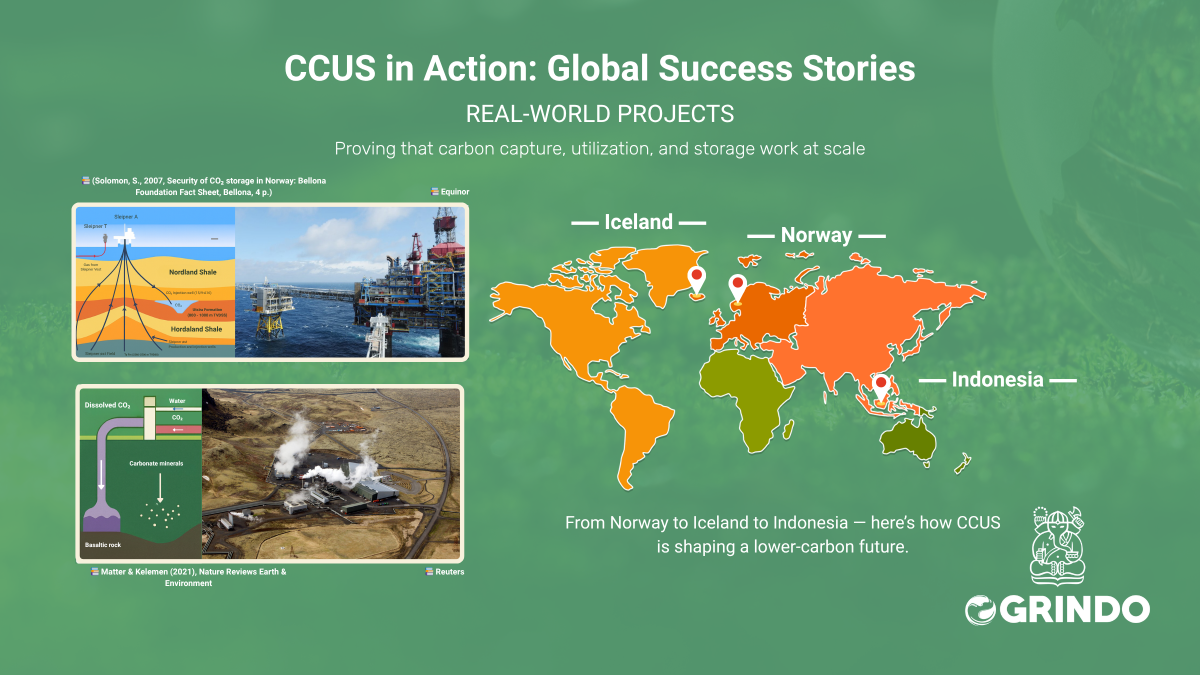
The following two global success stories show that low-carbon solutions are not merely concepts — they are already a reality.

Sleipner (Norway): A Pioneer in Offshore CO₂ Storage

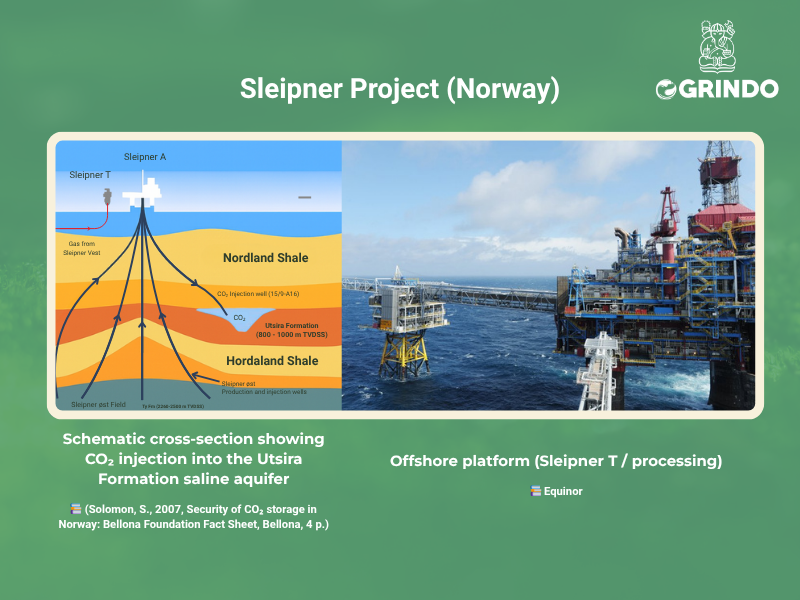
Launched in 1996 by Equinor (formerly Statoil), the Sleipner Project is located in Sleipner West gas field, approximately 250 km southwest of Stavanger, Norway, in the Central North Sea. This project is the world’s first commercial CCS project, injecting CO₂ separated from natural gas into the Utsira Formation situated about 800–1000 meters below sea level. To date, more than 16 million tons of CO₂ have been safely stored in the Utsira Formation. The success of Sleipner is supported by rigorous 3D seismic and gravimetric monitoring systems, ensuring no CO₂ leakage from the storage layer. With efficient storage costs, the project proves that CCS can operate safely and economically while complying with Europe’s strict environmental regulations.

Diagram and platform of the Sleipner Project in the North Sea, Norway — the world’s first commercial CCS project, which has safely stored more than 16 million tons of CO₂ since 1996. Source: Solomon (2007), Bellona Foundation; Equinor.

CarbFix (Iceland): Turning CO₂ into Stone

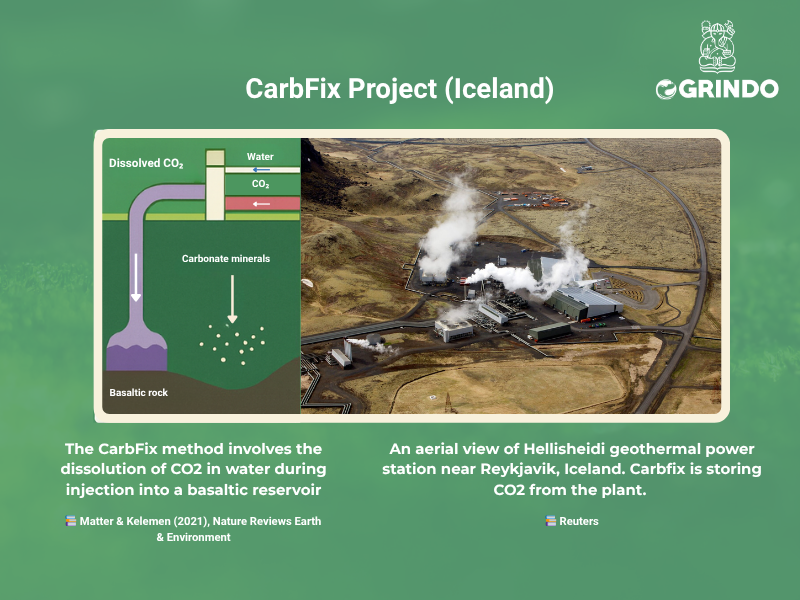
Beneath Iceland’s basaltic subsurface, the CarbFix Project transforms the concept of CCS into something more permanent — natural mineralization. By dissolving CO₂ into water and injecting it into reactive basalt rocks, more than 95% of the CO₂ is converted into carbonate minerals.
The advantage of this method lies in long-term storage security: carbon is converted into solid minerals, eliminating the risk of leakage. To date, CarbFix has stored more than 100,000 tons of CO₂ beneath Iceland. The rapid mineralization method developed by the project is now being adapted in various countries — including Norway, the United States, and India — through research initiatives applying similar principles to permanently store carbon in basaltic rocks.

Process schematic and location of the CarbFix Project at the Hellisheidi Geothermal Power Plant near Reykjavík, Iceland. The project permanently converts CO₂ into carbonate rock beneath the basaltic subsurface. Source: Matter & Kelemen (2021), Nature Reviews Earth & Environment; Reuters.

What Indonesia Can Learn

Indonesia has a carbon storage potential of approximately 400 gigatons of CO₂ across various geological formations — including oil and gas reservoirs, deep sandstones, and saline aquifer distributed in Sumatra, Kalimantan, and Java. This potential places Indonesia among the countries with the largest carbon storage capacity in Southeast Asia.
However, experiences from Sleipner (Norway) and CarbFix (Iceland) show that the sustainability of Carbon Capture, Utilization, and Storage (CCUS) implementation depends not only on technology but also on a robust supporting ecosystem: regulation, collaboration, and public trust.

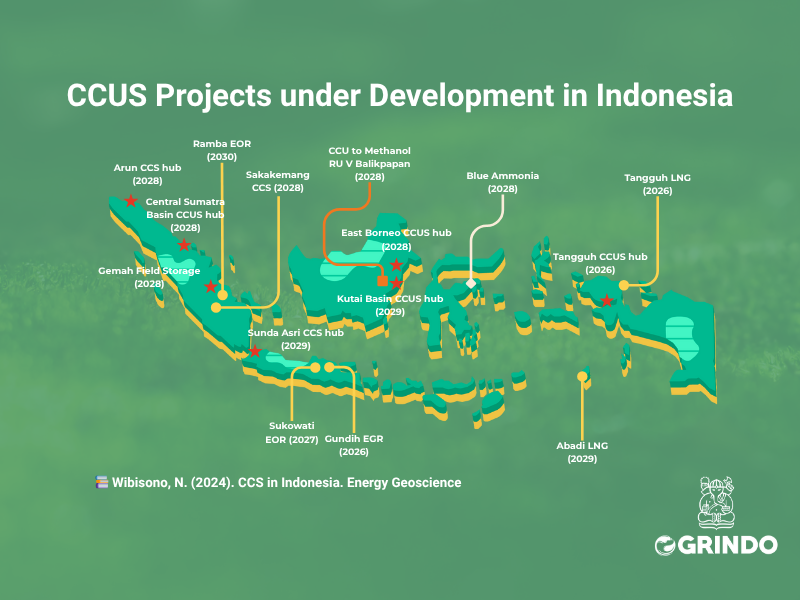
Map of CCS/CCUS projects currently under development in Indonesia. The illustration highlights potential carbon storage locations in key strategic regions. Source: Wibisono, N. (2024), “CCS in Indonesia,” Energy Geoscience.
1️⃣ Strong and Adaptive Regulatory Framework
An important step has begun with Presidential Regulation No. 14 of 2024 concerning the Implementation of Carbon Capture and Storage (CCS) Activities, which serves as Indonesia’s first national legal framework comprehensively regulating CCS implementation. This regulation defines key terms, licensing mechanisms, and business and technical schemes for CCS. It provides clarity on CO₂ storage rights, responsibilities, and post-closure monitoring mechanisms.

In addition, the Ministry of Energy and Mineral Resources (ESDM) has issued a Technical Guideline for CCS/CCUS Implementation, serving as a reference for industries and research institutions in conducting feasibility studies, injection design, and field monitoring.

2️⃣ Cross-Sector Collaboration
In line with global practices, the successful implementation of CCS/CCUS in Indonesia requires synergy among the government, the energy industry, academia, and research institutions. This is where the role of the Bandung Institute of Technology (ITB) and OGRINDO ITB becomes crucial — bridging laboratory research, reservoir modeling, and field testing with industry needs.
Collaboration with national oil and gas companies such as Pertamina Subholding Upstream and international partners also opens vast opportunities for CCS/CCUS pilot project , particularly in mature oil fields.

3️⃣ Scientific Monitoring and Data Transparency
From the experiences of Sleipner and CarbFix, it has been proven that science-based monitoring and data transparency are key factors in maintaining public trust and long-term project sustainability. Sleipner, for instance, has conducted 4D seismic monitoring and gravimetric surveys for over 20 years to ensure CO₂ storage safety, while CarbFix makes its research data publicly available to promote innovation and global collaboration.

A similar approach can be applied in Indonesia — by establishing open monitoring and reporting systems accessible to government, academia, and the public, thereby strengthening trust in CCUS implementation.

Through this integrated approach, Indonesia has a great opportunity to replicate global success and realize its first commercial CCS/CCUS project by 2026, as outlined in the National Energy Transition Roadmap. Currently, several national energy companies have initiated CCS/CCUS feasibility studies at multiple oil and gas fields, including the Gundih Field (Central Java) and the Tangguh Field (West Papua), both targeted as pilot projects before 2026. These early implementations will lay the foundation for a long-term carbon storage ecosystem in Indonesia. The success of these pilot projects will mark a crucial milestone in achieving the Net Zero Emission 2060 target. Net Zero Emission 2060.

🌱 From Research to Action

CCUS technology is not merely a future solution — it is a strategic investment to ensure national energy sustainability and industrial competitiveness in the green transition era. Through collaborative research, technological innovation, and knowledge transfer, OGRINDO ITB is committed to supporting the development of CCS/CCUS from laboratory stages to field-scale implementation.

With clear policies, multi-sector collaboration, and strong scientific foundations, Indonesia is ready to move from research to real-world implementation — turning carbon from a burden into an opportunity to build a clean, globally competitive energy future.

📩 Interested in collaborating on CCS/CCUS research?
📩 Contact us: info@ogrindoitb.com

Let’s accelerate the journey toward Net Zero Emission 2060 and build a resilient, clean, and globally competitive Indonesian energy future.

📚 References

  • Furre, A.-K., Eiken, O., Alnes, H., Vevatne, J. N., & Kiær, A. F. (2017). 20 years of monitoring CO₂-injection at Sleipner. Energy Procedia, 114, 3916–3926.
  • Snæbjörnsdóttir, S. Ó. et al. (2020). Carbon dioxide storage through mineral carbonation. Nature Reviews Earth & Environment, 1, 90–102.
  • Ramadhan, R. et al. (2024). Carbon capture, utilization, and storage in Indonesia. Energy Geoscience, 5, 100335.
  • CarbFix Official Website
Categories
News Article

Dr. Ir. Boni Swadesi, S.T., M.T., IPU: Building Synergy in EOR Research and Innovation with OGRINDO ITB

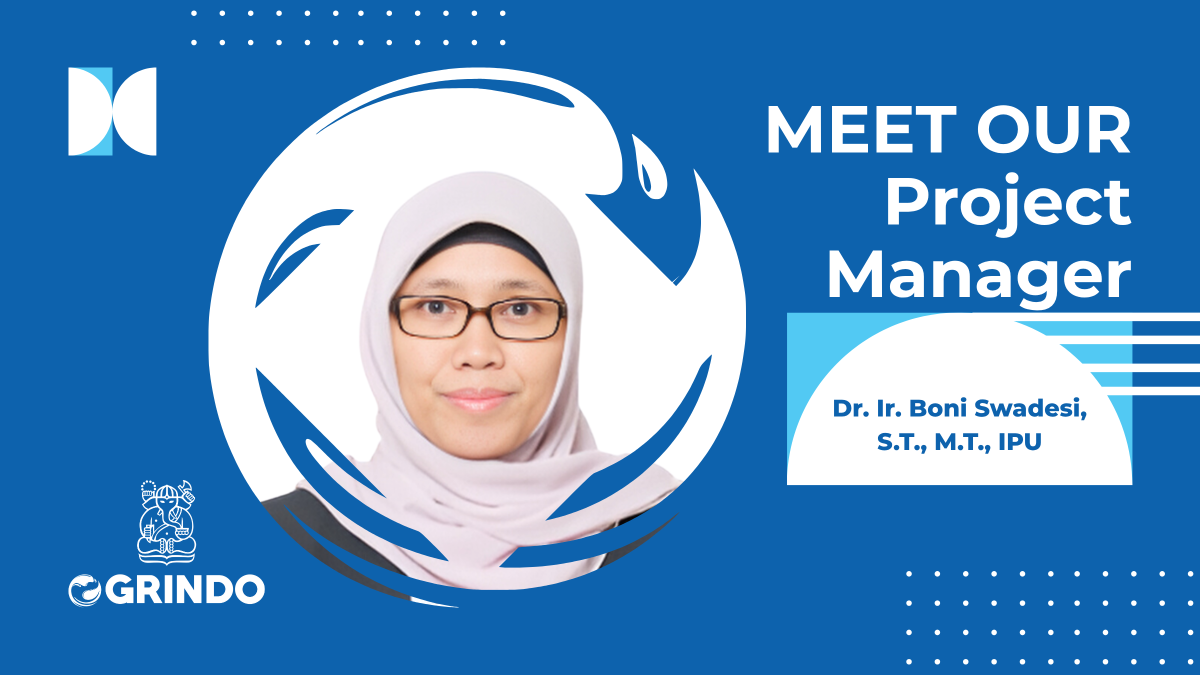
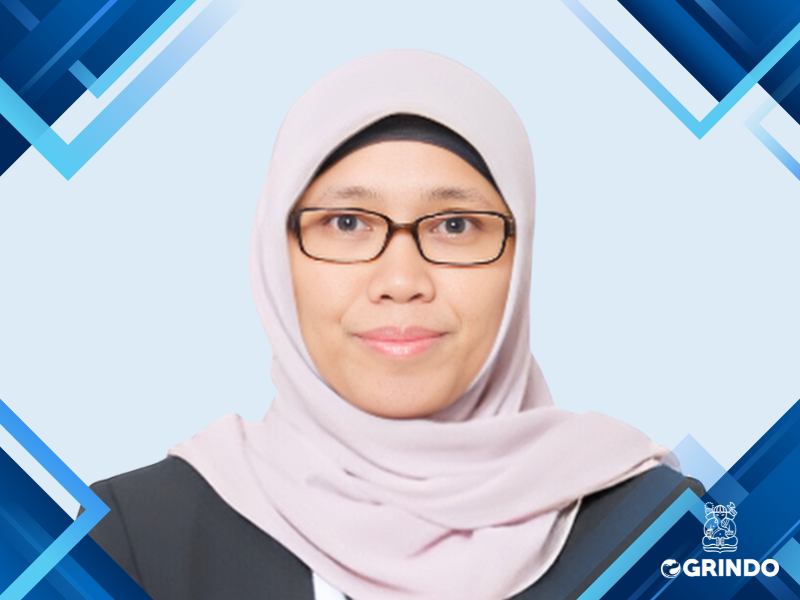
Dr. Ir. Boni Swadesi, S.T., M.T., IPU – Project Manager of OGRINDO ITB, who plays an active role in strengthening research and collaboration in the field of Enhanced Oil Recovery (EOR).

With more than two decades of experience in petroleum engineering, Dr. Ir. Boni Swadesi, S.T., M.T., IPU is one of the key figures behind the advancement of research and development of Enhanced Oil Recovery (EOR) technology in Indonesia. Currently, she serves as the Project Manager of OGRINDO ITB, coordinating various research projects and strategic collaborations between academia, industry, and research institutions to promote the sustainable application of EOR technology.

🧠 Educational and Scientific Background

Dr. Boni earned her Bachelor’s degree in Petroleum Engineering from UPN “Veteran” Yogyakarta, the university where she now serves as a lecturer and also as the Head of the Petroleum Engineering Department. Her passion for research led her to continue her Master’s and Doctoral studies at the Institut Teknologi Bandung (ITB), both in Petroleum Engineering.
Her research focuses on the integrated surfactant injection mechanism for light oil in sandstone reservoirs, as well as the development of 1D and 2D polymer injection models to evaluate the squeezing and sweeping mechanisms in the EOR process.

⚙️ Professional Contributions and Achievements

As both an academic and practitioner, Dr. Boni is actively involved in various leading research projects at EOR Lab ITB, LAPI ITB, and OGRINDO ITB. Some of the key projects she has led or coordinated include:

  • Field Trial Polymer Injection at the Tanjung Field – Pertamina EP, covering implementation, evaluation, and field monitoring.
  • Chemical EOR Optimization Study for Kaji Semoga Field (PT Medco E&P) and Kenali Asam and Tempino Fields (PT Pertamina EP).
  • Formulation and Development of Micromodel cEOR, a miniature technology for laboratory-scale chemical injection studies that has become one of ITB’s flagship research facilities.

As a productive researcher, Dr. Boni has contributed to numerous scientific publications in both national and international journals, discussing topics such as reservoir fluid behavior, reservoir mechanics, and the development of experimental and numerical models for chemical injection optimization.

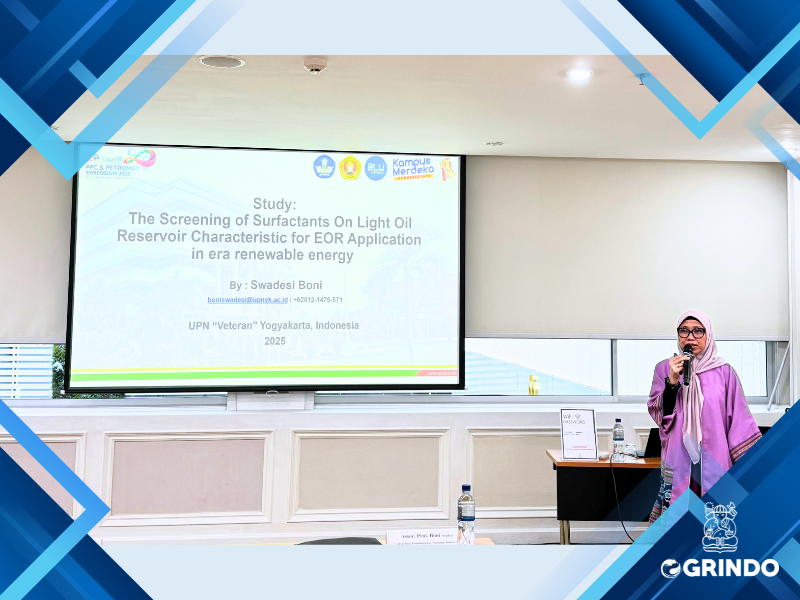
Dr. Boni Swadesi presenting her study on surfactant characteristics for light oil in EOR applications in the era of renewable energy.

🤝 Strategic Role at OGRINDO ITB

In her capacity as Project Manager of OGRINDO ITB, Dr. Boni plays a vital role in strengthening OGRINDO’s position as a platform for national energy research and innovation collaboration. She ensures that every research effort does not stop at the laboratory stage but can be implemented in the field to enhance national energy productivity and efficiency.
In addition, Dr. Boni actively fosters strategic partnerships with oil and gas industries such as Pertamina Subholding Upstream and Medco E&P, while also promoting the integration of EOR research with the development technology of Carbon Capture, Utilization, and Storage (CCUS).

🌱 Dedication to Education and Innovation

Amid her busy schedule, Dr. Boni remains committed to mentoring students and young researchers in reservoir engineering and chemical EOR. For her, the success of research is not only measured by technical outcomes but also by the ability to nurture a new generation of competent, ethical, and sustainability-minded energy engineers.

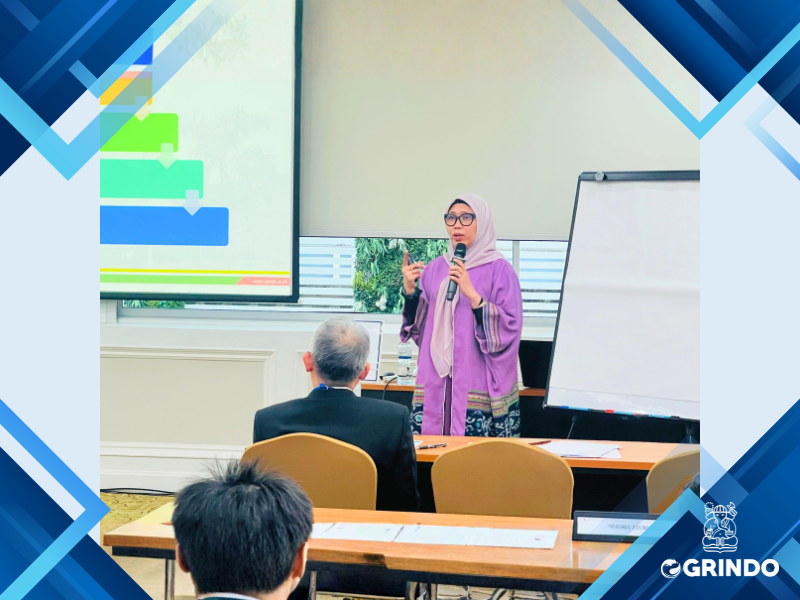
Dr. Boni Swadesi sharing her insights on EOR research and encouraging cross-disciplinary collaboration at academic and energy industry forums.

With a collaborative spirit and strong vision, Dr. Ir. Boni Swadesi, S.T., M.T., IPU stands as a true example that research and innovation can move hand in hand to support national energy independence and strengthen Indonesia’s position in the development of sustainable oil and gas technologies.

Categories
News Article

OGRINDO ITB and Pertamina Subholding Upstream Explore Research Collaboration for Indonesia’s Energy Future

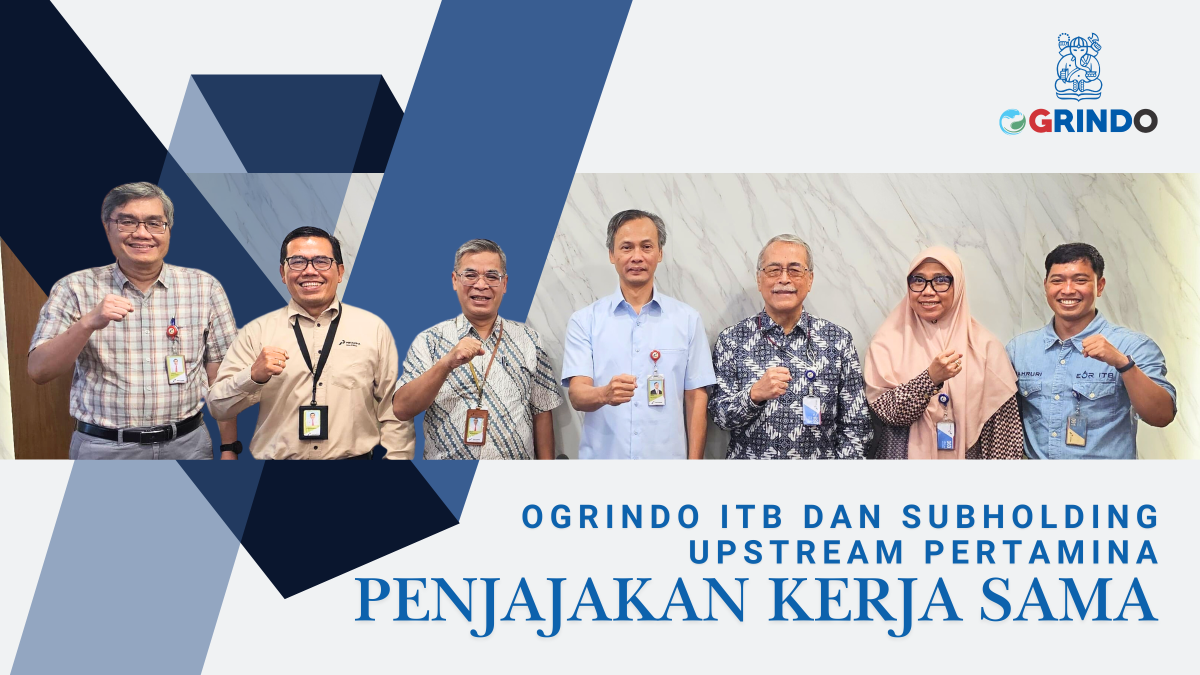
Jakarta, September 23, 2025 – The research consortium Oil and Gas Recovery for Indonesia (OGRINDO) ITB continues to strengthen its role as a bridge between academia and the national energy industry. Located at the Boardroom, 25th Floor, PHE Tower, South Jakarta, OGRINDO ITB held a meeting to explore research collaboration with Pertamina Subholding Upstream as a strategic step to foster research innovation in Indonesia’s upstream oil and gas sector.

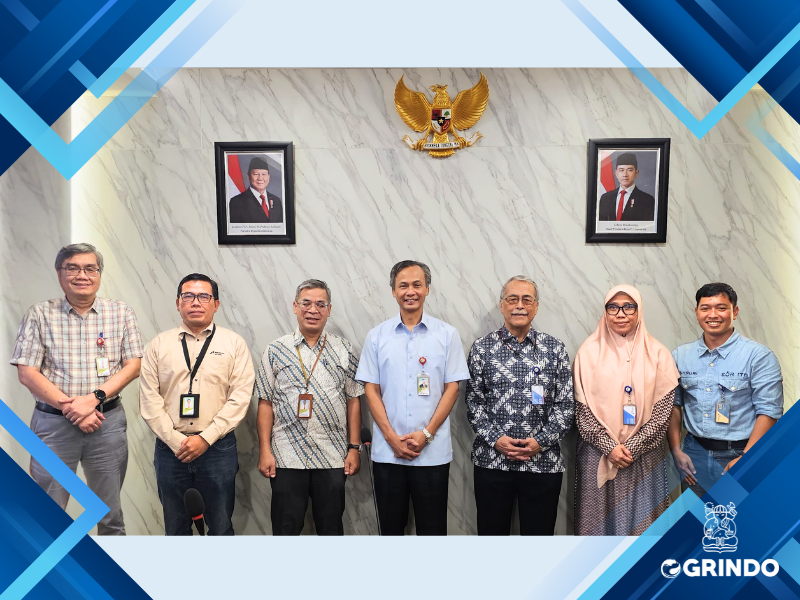
The meeting, which took place from 08.00 to 09.30 WIB, was attended by leaders from both parties. From OGRINDO ITB were Prof. H. Septoratno Siregar, Dr. Boni Swadesi, and Ir. Mahruri, S.T., M.Sc., while Pertamina Subholding Upstream was represented by Edy Karyanto, Mery Luciawaty, Benny Hidajat Sidik, and Asep Samsul Arifin.

Figure 1. Representatives of OGRINDO ITB and Pertamina Subholding Upstream in a meeting to explore research collaboration at PHE Tower.

Strengthening National Oil and Gas Research Collaboration

In this meeting, Prof. Septoratno and Dr. Boni presented OGRINDO’s journey as an oil and gas research consortium with more than 20 years of experience addressing energy challenges through research and innovation. OGRINDO has partnered with various universities and industries to deliver science-based solutions, ranging from Enhanced Oil Recovery (EOR) to CO₂ storage and utilization technologies in support of the low-carbon energy transition.

Pertamina Subholding Upstream welcomed this initiative positively and recognized OGRINDO’s great potential for synergy, particularly through the Upstream Innovation (UI) and Research and Technology Innovation (RTI). This collaboration is expected to accelerate the application of research results into real solutions in the field, from optimizing oil and gas production to implementing environmentally friendly technologies.

Delivering Sustainable Energy Solutions Together

OGRINDO ITB invites energy companies, research institutions, and universities to join in research and innovation partnerships. Together, we can develop technologies that strengthen national energy resilience while driving the transition toward low-carbon energy.

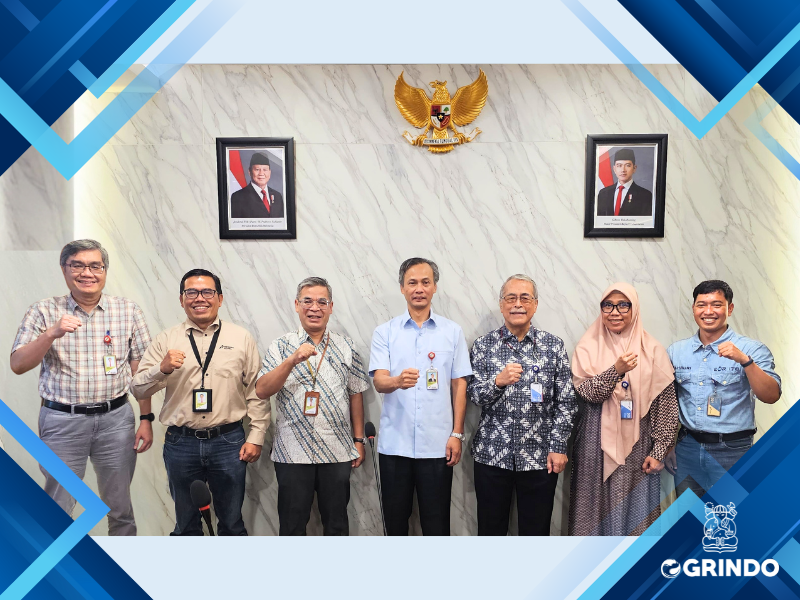
Figure 2. The spirit of collaboration between OGRINDO ITB and Pertamina Subholding Upstream to strengthen oil and gas research.

For more information on collaboration programs, research proposals, or partnership opportunities, please contact:
📩 Email: info@ogrindoitb.com
🌐 Website: www.ogrindoitb.com
Let’s realize Indonesia’s energy future that is innovative, efficient, and sustainable together with OGRINDO ITB.