Categories
News Article

EOR Laboratory ITB in Collaboration with OGRINDO ITB Portfolio: Supporting Enhanced Oil Recovery Projects from Laboratory Evaluation to Field Implementation

The successful implementation of Enhanced Oil Recovery (EOR) is determined not only by laboratory testing results but also by the ability to translate research findings into solutions that can be effectively implemented in the field. From reservoir evaluation, laboratory testing, and conceptual design to field implementation and performance monitoring, every stage requires an integrated approach.

As part of OGRINDO ITB, EOR Laboratory ITB contributes to the advancement of Enhanced Oil Recovery technologies through research, laboratory evaluation, reservoir studies, field implementation, and project performance monitoring. Supported by OGRINDO ITB as a research consortium and collaboration platform, research outcomes are connected with industry needs to deliver practical, science-based solutions that support the development of Indonesia's oil and gas sector.

To introduce our experience, capabilities, and integrated approach, we proudly present the Portfolio EOR Laboratory ITB in Collaboration with OGRINDO ITB.

Introducing the EOR Laboratory ITB Portfolio

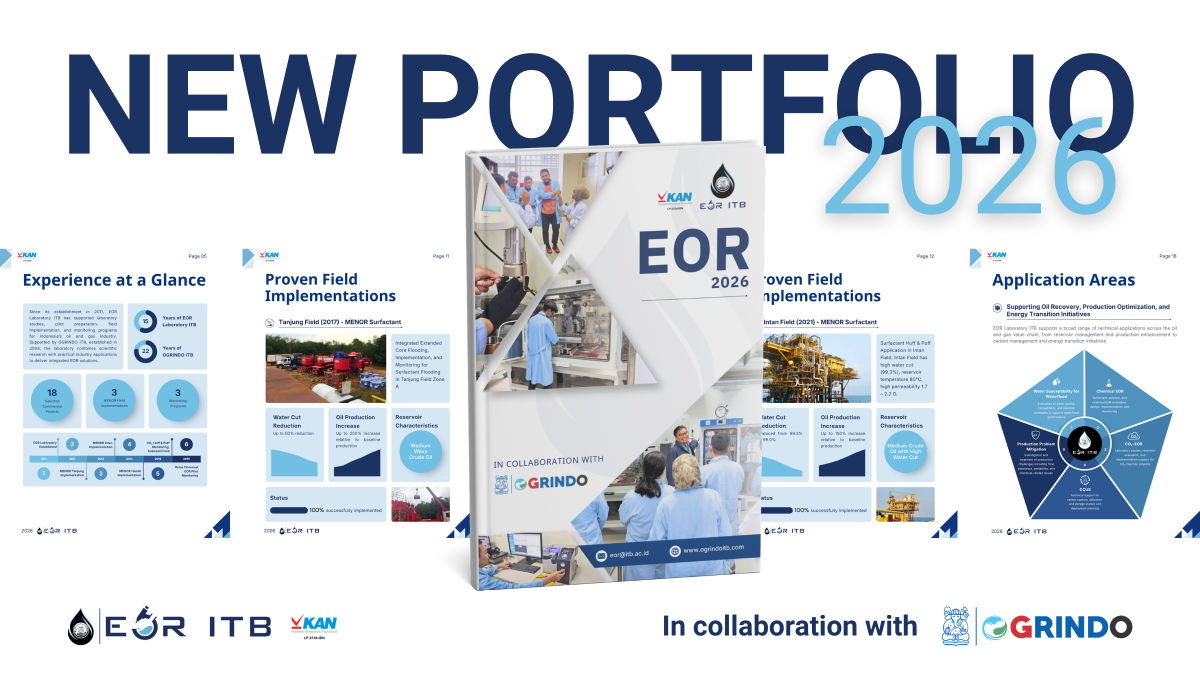
This portfolio is designed to provide a comprehensive overview of EOR Laboratory ITB's experience and capabilities in supporting Enhanced Oil Recoveryprojects, from laboratory evaluation to field implementation and performance monitoring.

Readers will discover how scientific research is integrated with industrial experience through anIntegrated Project Workflow, commercial project experience, field implementation of EOR technologies, and monitoring activities that support project performance evaluation.

More than simply introducing the laboratory, this portfolio demonstrates how research, technical evaluation, and collaboration can deliver practical solutions for the energy industry.

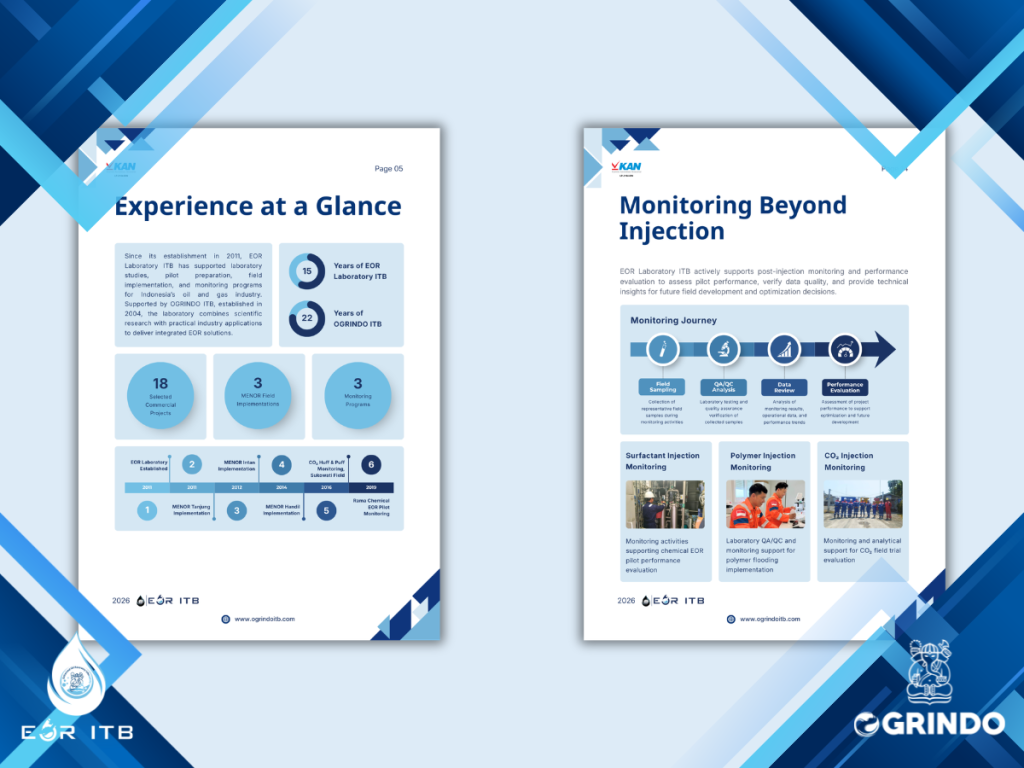
Figure 1. EOR Laboratory ITB's track record in supporting laboratory studies, field implementation, and monitoring activities across Indonesia's oil and gas industry.

Collaboration Between EOR Laboratory ITB and OGRINDO ITB

EOR Laboratory ITB is a laboratory dedicated to the development, evaluation, and implementation of Enhanced Oil Recovery technologies for the oil and gas industry. The laboratory is part of OGRINDO ITB (Oil and Gas Recovery for Indonesia), a research consortium established by the Petroleum Engineering Study Program, Faculty of Mining and Petroleum Engineering, Institut Teknologi Bandung (ITB).

As a research consortium and collaboration platform, OGRINDO ITB connects academia, industry, and research partners to advance technologies in reservoir engineering, Enhanced Oil Recovery, and energy transition. Through this collaboration, EOR Laboratory ITB contributes to delivering innovative and practical solutions to address the challenges of Indonesia's energy industry.

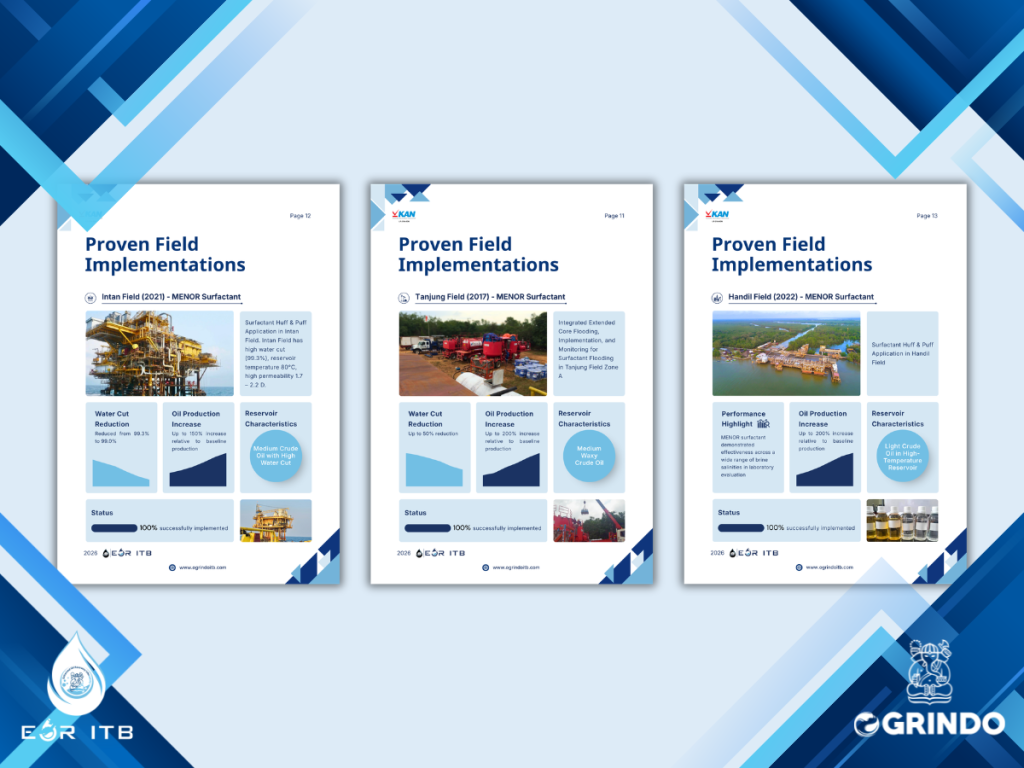
Figure 2. Successful implementation of MENOR Surfactant across various oil and gas fields in Indonesia.

What Will You Find in the Portfolio?

This portfolio presents a wide range of information relevant to energy companies, research institutions, academics, and prospective collaboration partners, including:

  • Profile of EOR Laboratory ITB and OGRINDO ITB
  • Integrated Project Workflow from laboratory evaluation to field implementation
  • Commercial and industrial project experience
  • Proven Field Implementations across various oil and gas fields in Indonesia
  • Monitoring Beyond Injection for project performance evaluation
  • Technical expertise
  • Laboratory equipment
  • Laboratory activities
  • Laboratory achievements and awards
  • Collaboration opportunities and partnership information

Through this portfolio, readers will gain insights into how experience, technical expertise, and collaboration among laboratories, academia, and industry are developed to support the sustainable implementation of EOR technologies.

Supporting the Industry Through an Integrated Approach

Each reservoir has unique characteristics that require different technical approaches. Therefore, the success of an EOR project depends not only on laboratory research but also on the integration of technical evaluation, field implementation, and performance monitoring.

Through the collaboration between EOR Laboratory ITB and OGRINDO ITB, a wide range of activities—including reservoir studies, laboratory testing, Chemical EORevaluation, implementation, and field monitoring—can be carried out in an integrated manner.

This integrated approach enables every stage, from laboratory evaluation and reservoir studies to field implementation and monitoring, to be connected within a single workflow that supports data-driven decision-making. As a result, research does not stop in the laboratory but evolves into practical solutions that are ready to address the challenges of the oil and gas industry.

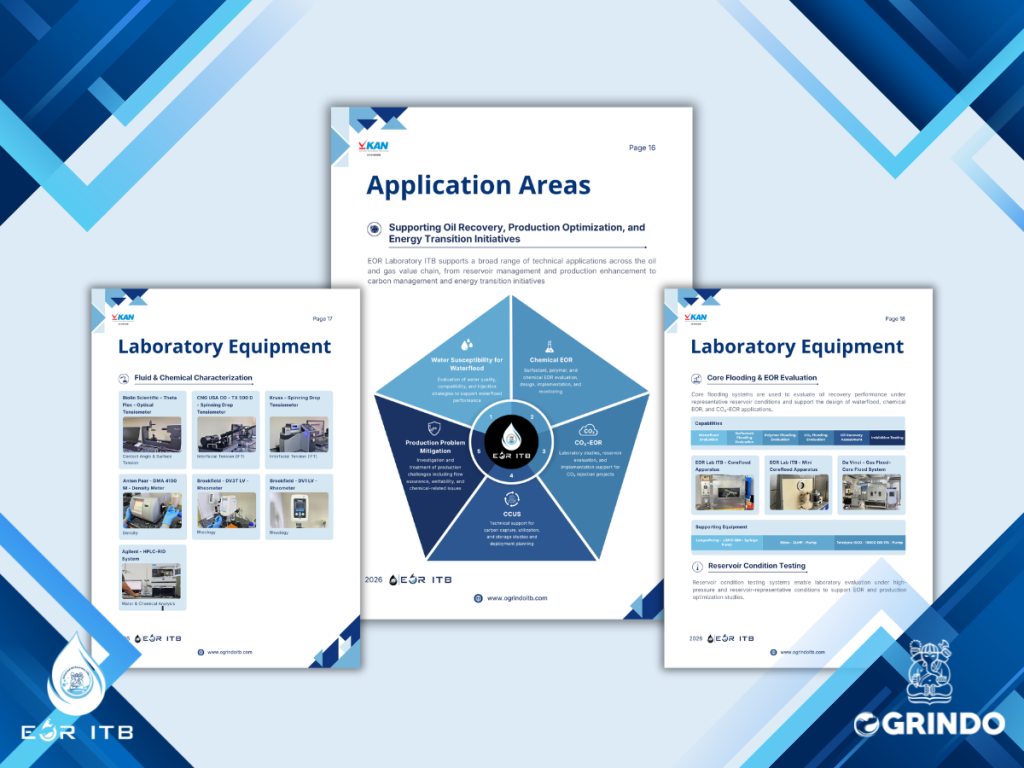
Figure 3. Technical expertise and laboratory equipment at EOR Laboratory ITB supporting a wide range of oil and gas studies and field implementations.

Download the Portfolio EOR Laboratory ITB

Interested in learning more about the experience, capabilities, laboratory facilities, and projects supported by EOR Laboratory ITB?

Download the Portfolio EOR Laboratory ITB in Collaboration with OGRINDO ITB through the link below:
📄 Download Portfolio

This portfolio provides a comprehensive overview of project experience, technical capabilities, project implementation, and collaboration opportunities in supporting the advancement of Enhanced Oil Recovery in Indonesia.

Let’s Collaborate

EOR Laboratory ITB, together with OGRINDO ITB, welcomes collaboration opportunities with energy companies, research institutions, universities, and strategic partners in the development of Enhanced Oil Recovery technologies and energy transition initiatives.

If your organization requires support in reservoir studies, laboratory evaluation, Chemical EOR, field implementation and monitoring, or technology development, we are ready to become your trusted collaboration partner.

🌐 Website: www.ogrindoitb.com
📧 OGRINDO ITB Email: info@ogrindoitb.com
📧 EOR Laboratory ITB Email: eor@itb.ac.id

Categories
News Article

QA/QC Laboratory in Chemical EOR Pilot Monitoring in an Offshore Field

As part of the commitment to providing accurate and traceable analytical data, Lab EOR ITB together with OGRINDO ITB collaborates with Yayasan LAPI ITB in implementing a laboratory QA/QC (Quality Assurance dan Quality Control) program. This program supports the monitoring activities of a Chemical Enhanced Oil Recovery (EOR) pilot in an offshore field.

In the implementation of a Chemical EOR pilot, the success of performance evaluation depends not only on the chemical injection process in the field but also on the quality of the data obtained during monitoring activities. Laboratory data generated through monitoring activities provide the information needed to support the performance evaluation of the Chemical EOR.

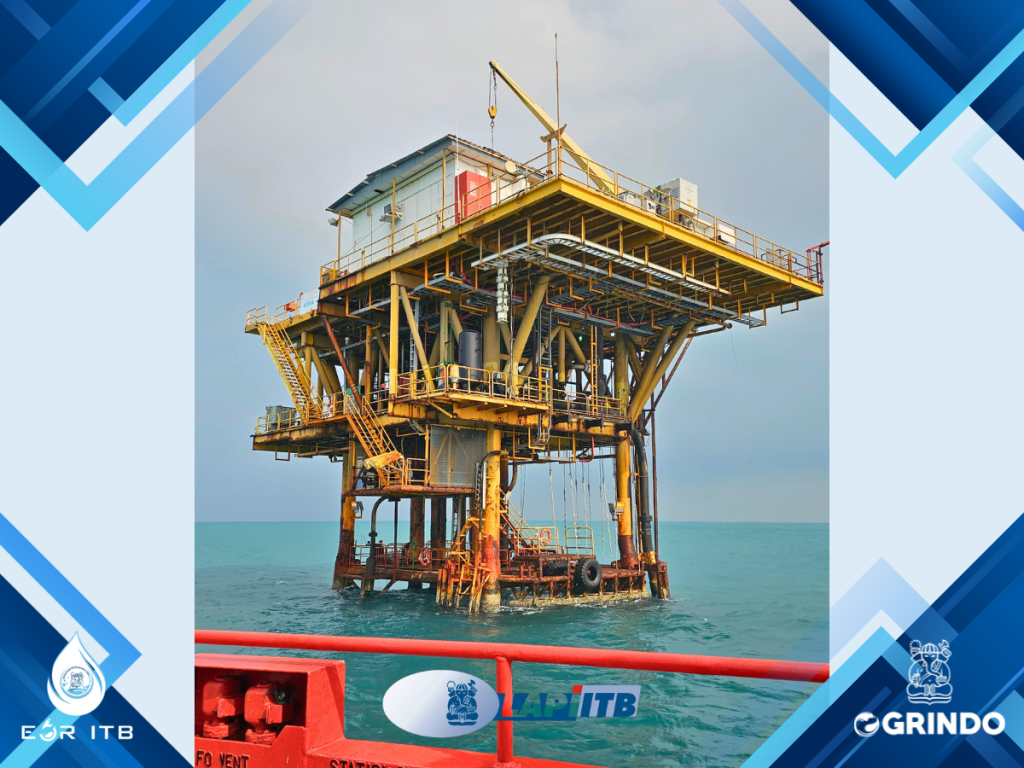
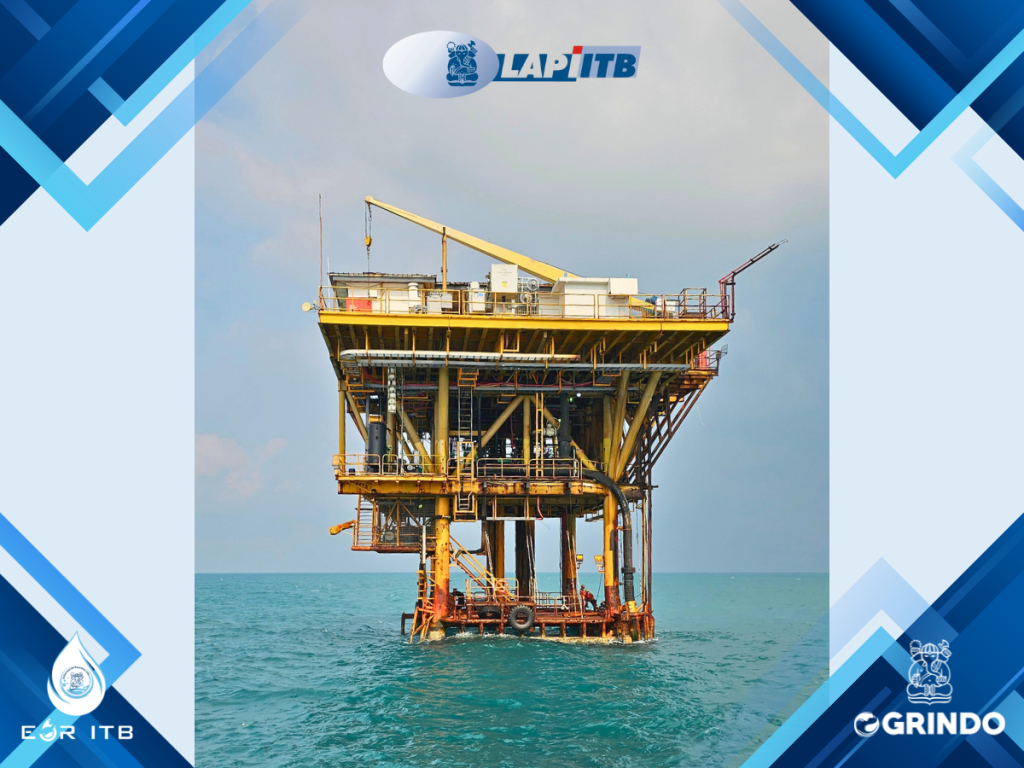
Figure 1. The facility of offshore serving as the location for the monitoring program of Chemical EOR.

Monitoring the Chemical EOR Pilot from the Field to the Laboratory

The monitoring journey begins with the implementation of injection through the presence of a field laboratory team that supports monitoring activities and quality testing directly in the field. All activities are conducted based on established procedures to ensure that the monitoring process is carried out consistently throughout the pilot implementation.

The monitored samples include polymer powder, injection water, polymer solution to be injected, as well as production fluids from wells located within the injection pattern. Through systematic QA/QC procedures, every stage of testing, quality verification, and result documentation is performed to ensure that the generated monitoring data remain consistent, accurate, and traceable.

Ensuring Chemical Quality and Injection System Conditions Meet the Target

Quality control is carried out at various stages before and during the injection process. The quality of polymer powder is evaluated through packaging condition inspection, visual observation, viscosity measurement, and total solid analysis.

In addition, injection water quality is monitored through testing of conductivity, equivalent salinity, total suspended solids (TSS), iron (Fe) content, dissolved oxygen (DO), and pH. These parameters provide insights into the condition of the injection system that may influence the performance of Chemical EOR.

The polymer solution to be injected also undergoes testing to ensure that its condition and performance remain within the targeted specifications. The evaluation includes visual condition, solution homogeneity, dissolved oxygen (DO) content, viscosity at reservoir temperature conditions, polymer concentration, and filtration ratio (FR).

Monitoring Production Response to Evaluate Pilot Performance

Monitoring does not stop after chemical are injected into the reservoir. The team also conducts observations of production fluids from wells within the injection pattern to understand the reservoir response to polymer injection.

Several monitored parameters include wellhead pressure (WHP), bottom hole pressure (BHP), injection rate, oil production rate improvement, water cut, and production fluid conditions. Additional testing, including polymer viscosity and concentration, evaluation of flocculationphenomena, emulsion stability, and the presence of bacteria in the effluent is also conducted as part of the pilot performance evaluation.

Through this series of monitoring activities, the team ensures that the quality of polymer powder, injection water, and polymer solution remains within the target specifications. The obtained data are also used to monitor the presence and behavior of polymers within the production system and support the evaluation of production well responses throughout the pilot implementation.

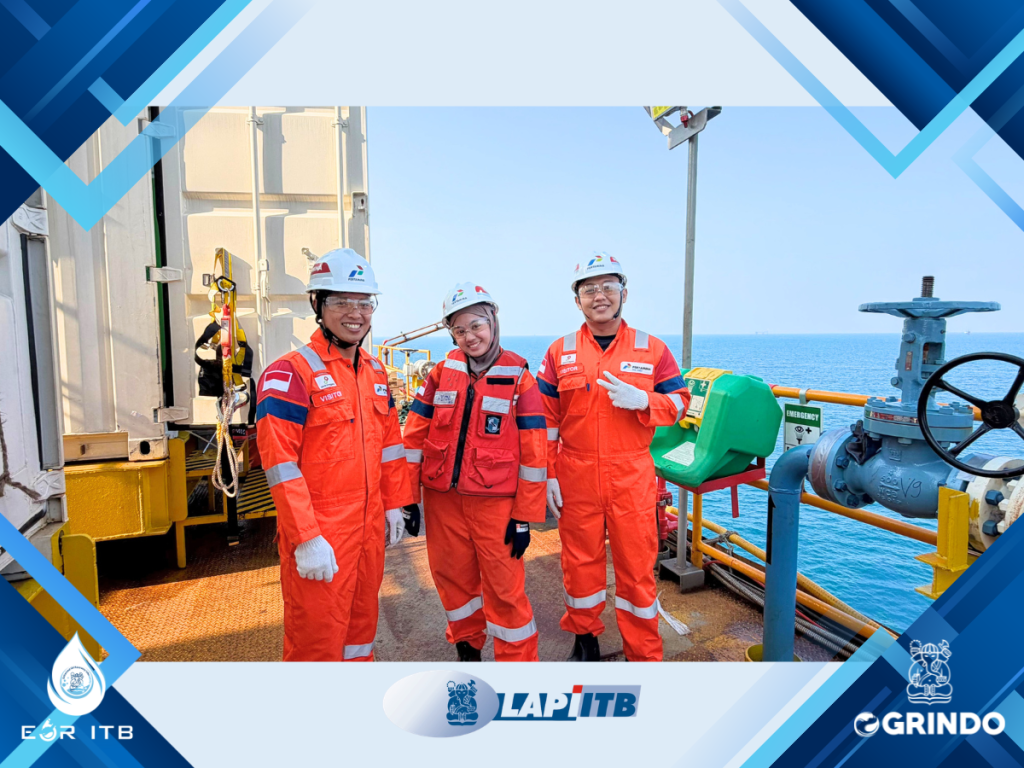
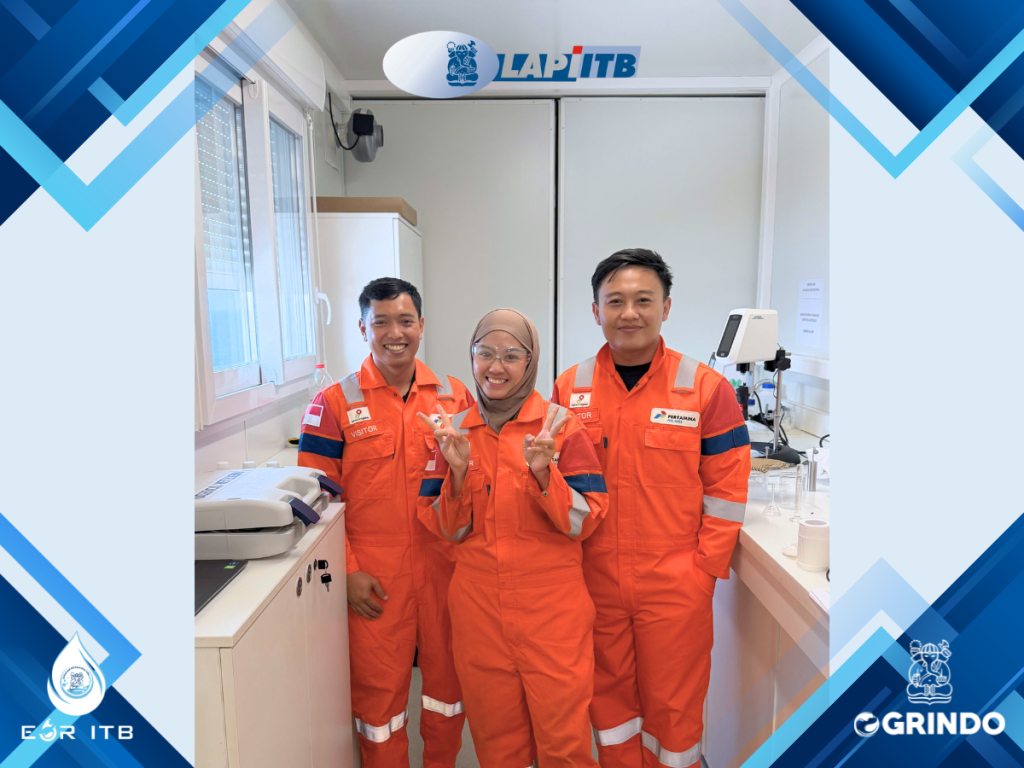
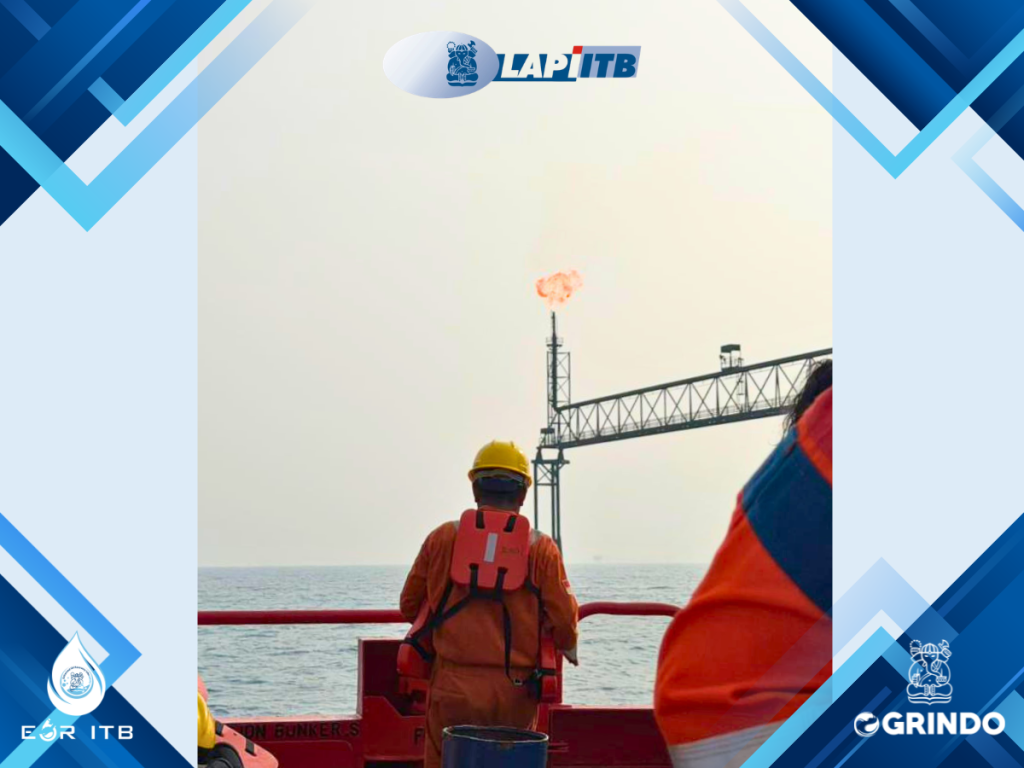
Figure 3. Monitoring activities conducted within the offshore production facility environment during the implementation of Chemical EOR.

Laboratory QA/QC as the Foundation of Reliable Data for Evaluation Chemical EOR

The laboratory QA/QC program is an integral part of monitoring activities, ensuring that all testing processes are conducted according to established procedures. Through the implementation of structured QA/QC procedures, the generated monitoring data can be used to support the performance evaluation of the pilot Chemical EOR.

The collaboration between Lab EOR ITB, OGRINDO ITB, and Yayasan LAPI ITB reflects the synergy between academia and industry in providing science-based technical support for the development of technology Enhanced Oil Recovery in Indonesia.

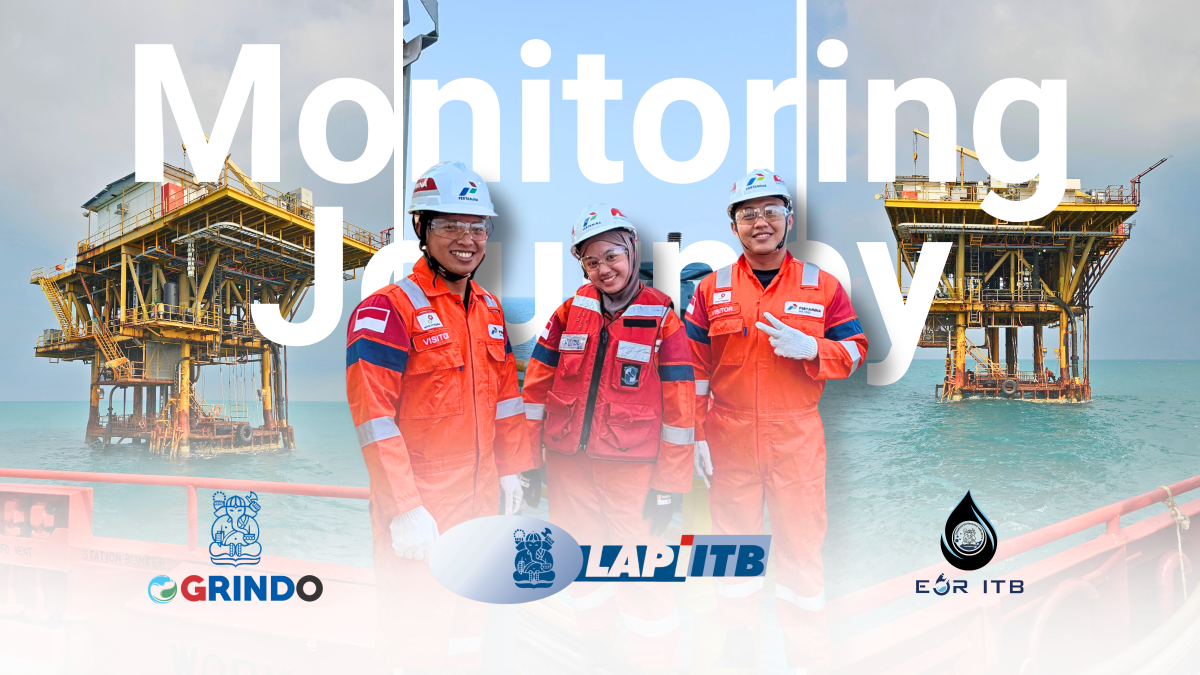
Figure 4. The monitoring journey supported by the systematic implementation of laboratory QA/QC throughout the pilot Chemical EOR.

Let's Collaborate with Us

With experience in research, laboratory testing, and technical support in the field of Enhanced Oil Recovery (EOR), Lab EOR ITB and OGRINDO ITB are ready to be your partners in providing data-driven solutions for various challenges in the oil and gas industry.

For further information regarding research collaboration, laboratory testing, or technical studies, please contact:
📧 OGRINDO ITB
info@ogrindoitb.com
📧 Lab EOR ITB
eor@itb.ac.id

Categories
News Article

Training HPLC – RID Part 2: Hands-on System Operation and Polymer Sample Analysis

Analysis using High Performance Liquid Chromatography (HPLC) with Refractive Index Detector (RID) is one of the important methods in the characterization of chemical EOR such as surfactants and polymers, particularly to support research needs and application of Enhanced Oil Recovery (EOR). Mastery of this method requires not only theoretical understanding but also the ability to operate the instrument and interpret data accurately. Therefore, OGRINDO ITB together with the EOR Laboratory ITB conducted Training HPLC–RID Part 2, which focuses on hands-on practice and comprehensive system operation, including method setup, system operation, and troubleshooting during testing.

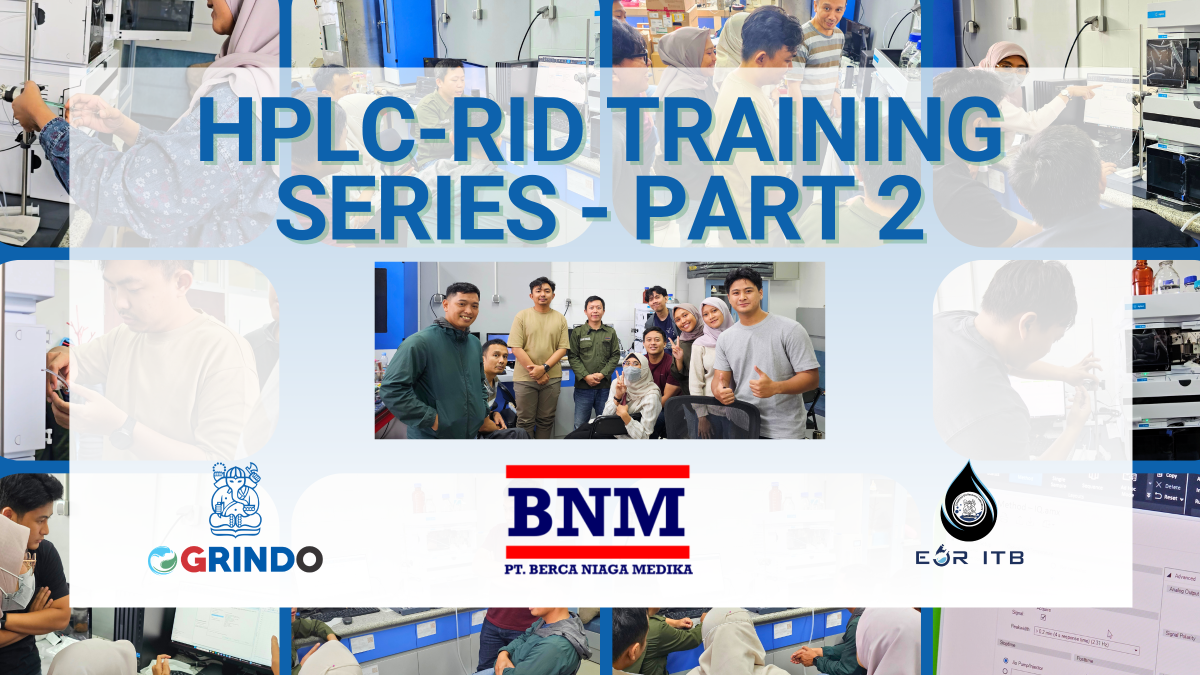
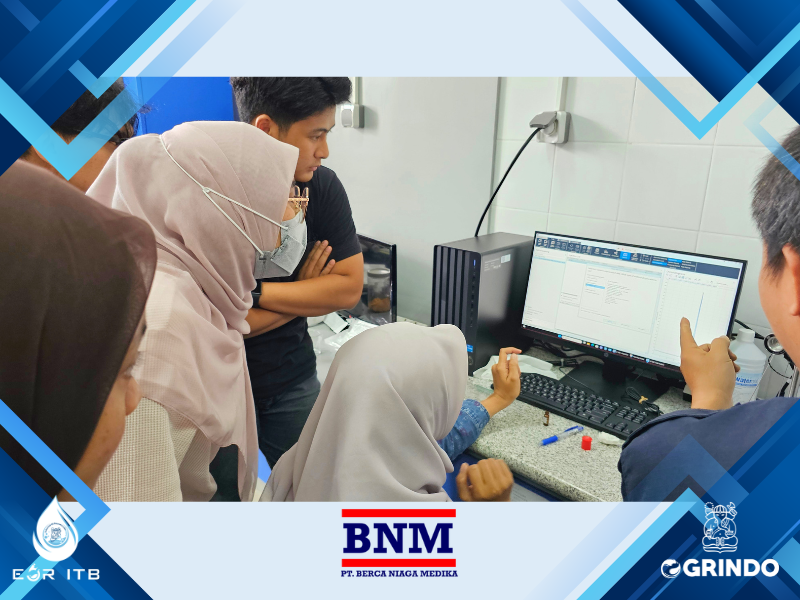
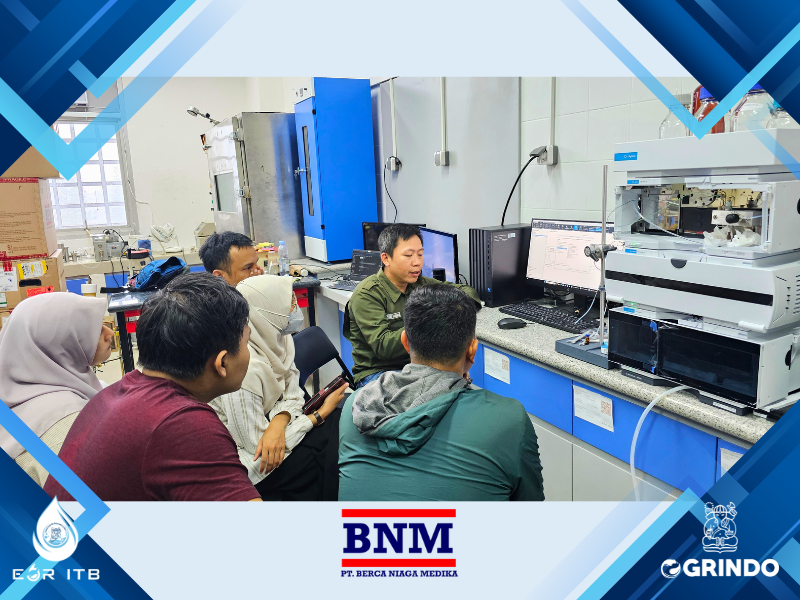
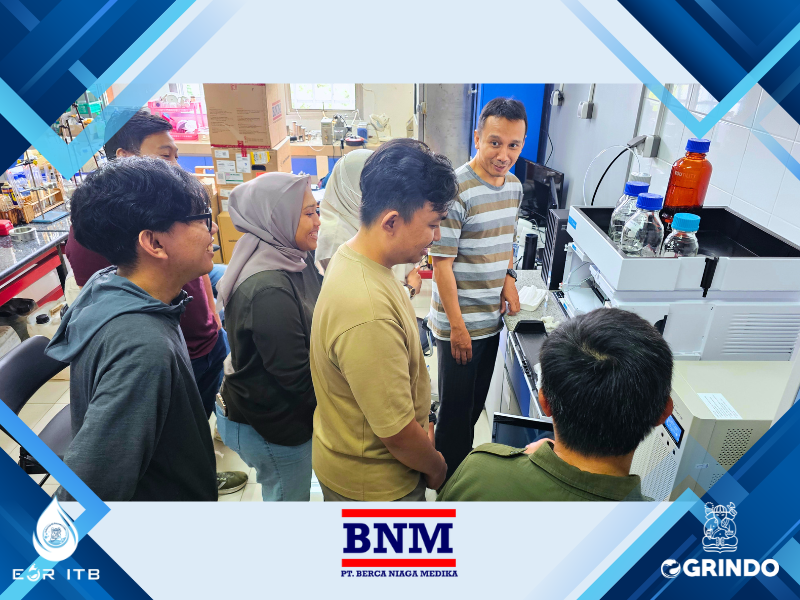
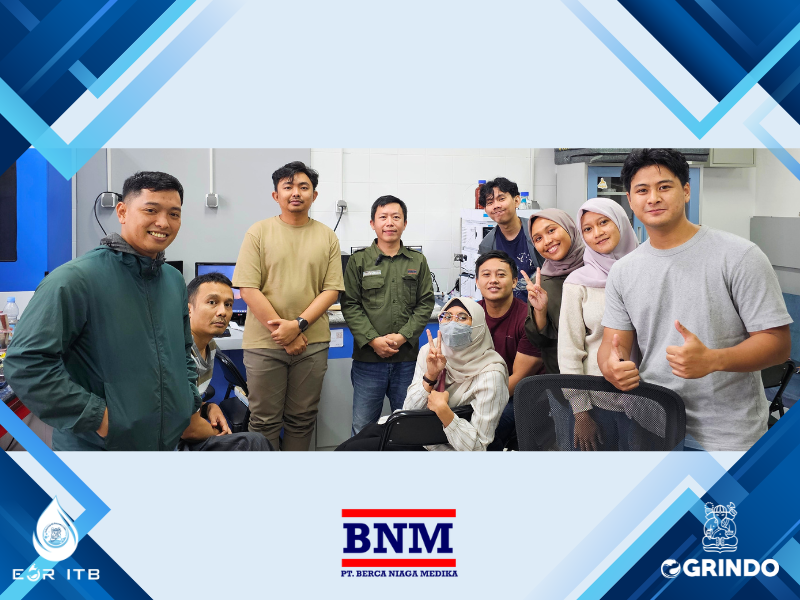
Figure 1. HPLC–RID Part 2 training with PT. Berca Niaga Medika and the EOR Laboratory ITB and OGRINDO ITB team.

Hands-on Operation and System Setup of HPLC–RID

Mastery of the instrument does not stop at understanding theory—but at the ability to operate the system directly and interpret its response in real-time.

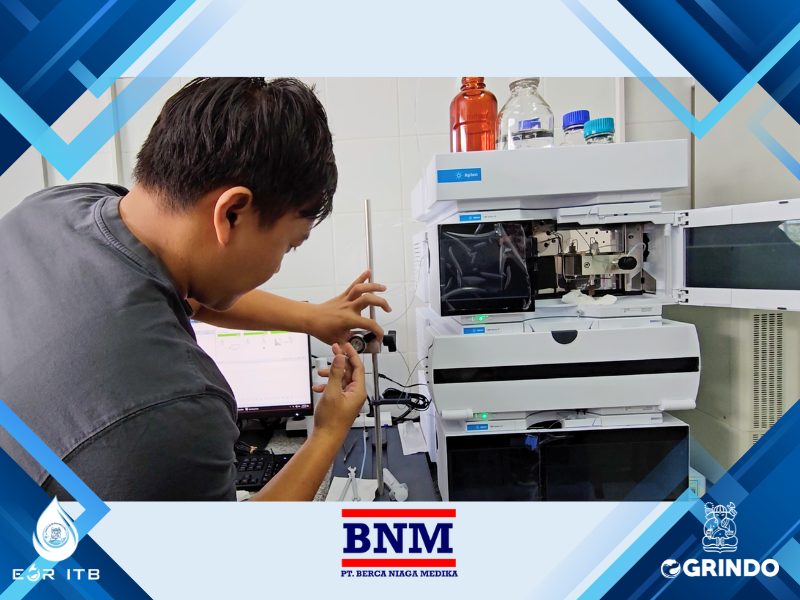
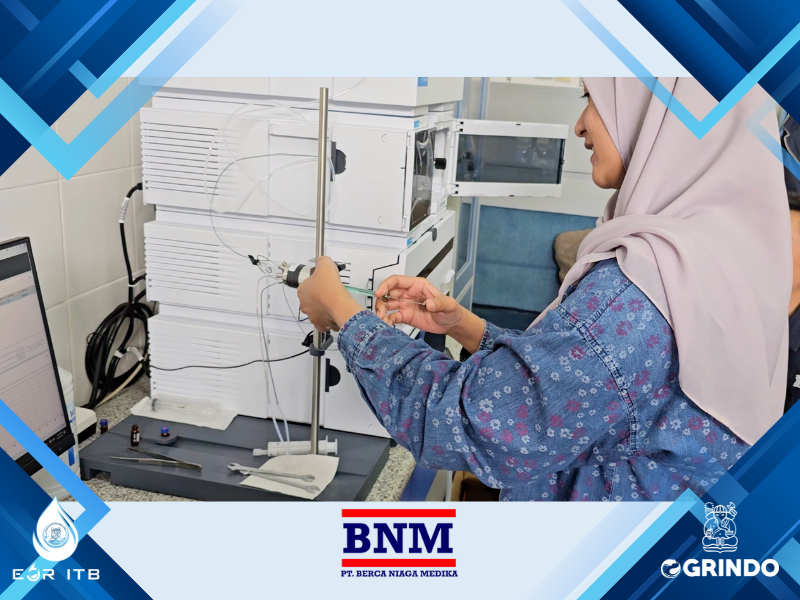
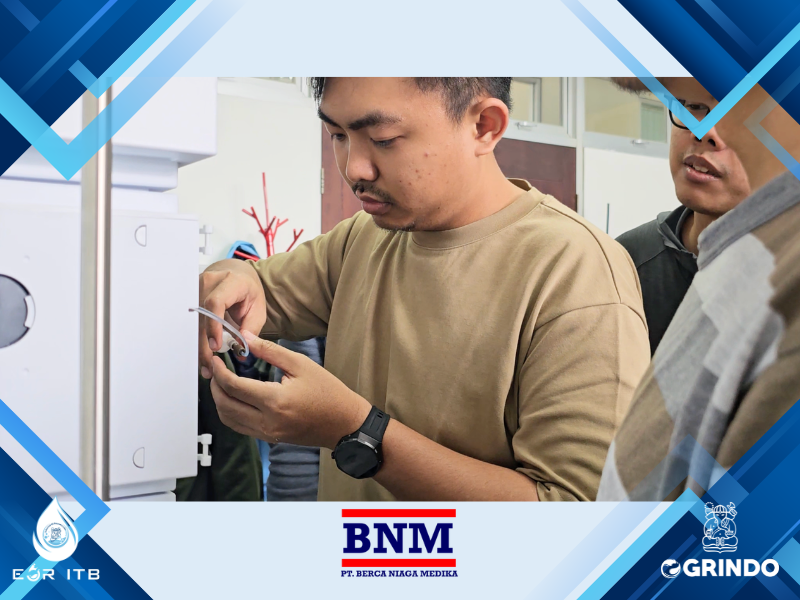
In this session, the training focused on hands-on operation of the HPLC–RID system comprehensively. Participants started from the initial stage of instrument operation to the analysis running process, emphasizing systematic and safe working procedures.

The activities began with:

  • Procedures for turning on the instrument according to the operational sequence
  • Ensuring the system is in a ready condition
  • Recognizing indicators on the software and instrument as signs that the system has started running

Next, participants performed:

  • Checking system readiness before analysis
  • Setting up methods in the software, both for acquisition and data processing
  • Adjusting important parameters such as baseline, retention time, and peak integration

During this process, participants also directly observed the system response to each parameter setting. This is important to understand how parameter changes can affect the resulting chromatogram.

In addition, the training also emphasized conditions that commonly occur during testing, such as unstable baseline yang tidak stabil, noise , or poorly detected peaks. Participants were guided to recognize these symptoms and understand initial handling steps so that the analysis process can continue properly.

This hands-on approach is key to building participants’ confidence in independently operating the HPLC–RID system in a laboratory environment.

Figure 3. Method setup and data analysis process using HPLC software for chromatogram acquisition and interpretation.

Hands-on Polymer Sample Analysis

After understanding system operation and method setup, participants then directly applied this knowledge through polymer sample testing to evaluate system performance.

As the main part of the training, polymer samples were tested with several concentration variations to evaluate the RID detector response and the consistency of the analytical method used.

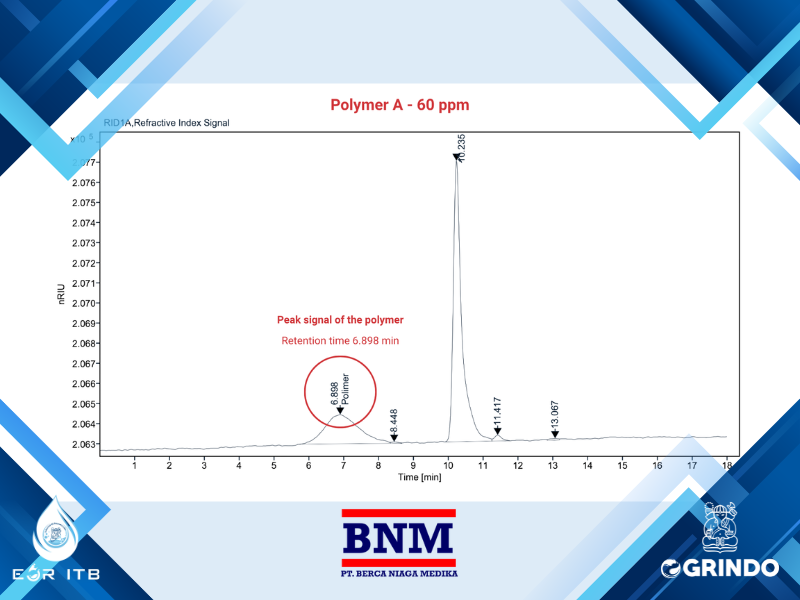
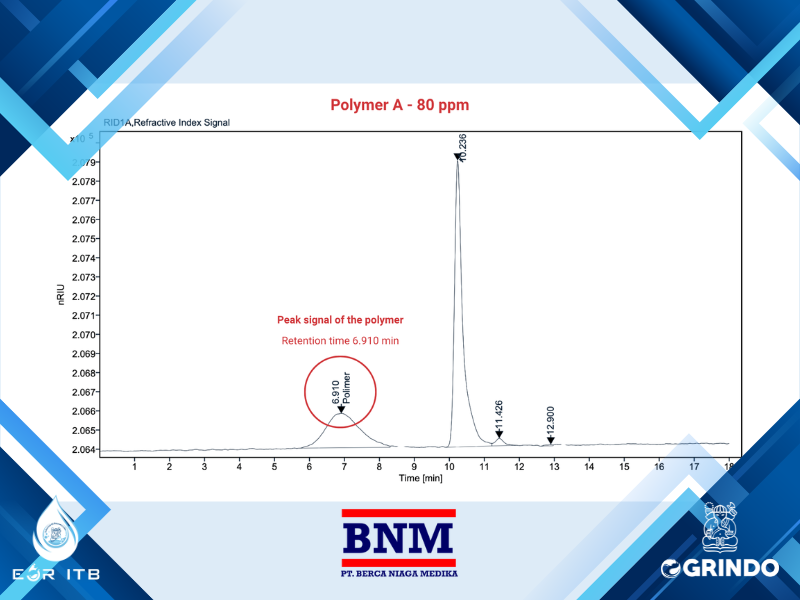
The chromatogram results show that the polymer peak is consistently detected at a retention time of approximately 6.6 – 6.9 minutes, indicating stable system conditions during the analysis.

In addition, an increasing trend in peak area is observed with increasing sample concentration, indicating that the detector response is proportional to the amount of sample tested.
Summary of Polymer Test Results
60 ppm | RT: 6,898 menit | Area: 9.950
80 ppm | RT: 6,910 menit | Area: 12.414
100 ppm | RT: 6,677 menit | Area: 15.431

Figure 5. Chromatogram of HPLC–RID analysis of polymer sample (60 ppm) showing the main peak at a retention time of approximately 6.898 minutes.
Figure 6. Chromatogram of HPLC–RID analysis of polymer sample (80 ppm) showing the main peak at a retention time of approximately 6.910 minutes.

Brief Analysis of Test Results

The test results show that the method used has provided consistent and reliable responses. The relatively stable retention time at each concentration variation indicates that the system conditions were well maintained during the analysis.

On the other hand, the increase in area values in line with concentration indicates that the RID detector is capable of providing a proportional response to the amount of polymer analyzed. This indicates that the method has good potential for use in quantitative analysis.

However, at this stage, a calibration curve has not yet been applied, so the results obtained are still indicative and have not been used for absolute quantification.

Enhancement of Laboratory Analytical Competence

Through this hands-on session, participants gained practical experience in conducting HPLC–RID analysis comprehensively, from system operation to interpretation of test results. Participants also learned to understand the relationship between method parameters, instrument conditions, and the quality of the resulting chromatogram.

This approach not only improves technical skills but also builds analytical capabilities required in research and laboratory testing activities.

Conclusion

Training HPLC–RID Part 2 provides a comprehensive understanding of system operation and polymer sample analysis through hands-on practice. With a combination of instrument mastery, method understanding, and data interpretation, this training is expected to improve analysis quality and human resource readiness in supporting industrial and research needs, particularly in the EOR field.

Interested in Collaborating?

OGRINDO ITB and the EOR Laboratory ITB open opportunities for collaboration in the form of training, research, and laboratory analysis services that can be tailored to the needs of industry and academia.

For more information, please contact:
📧 OGRINDO ITB: info@ogrindoitb.com
📧 Laboratorium EOR ITB: eor@itb.ac.id

Enhance your analytical capabilities with us through research-driven training and best-practice collaboration.

Categories
News Article

Training Surfactant Screening for EOR: Transforming Research Outcomes into Practical EOR Strategies

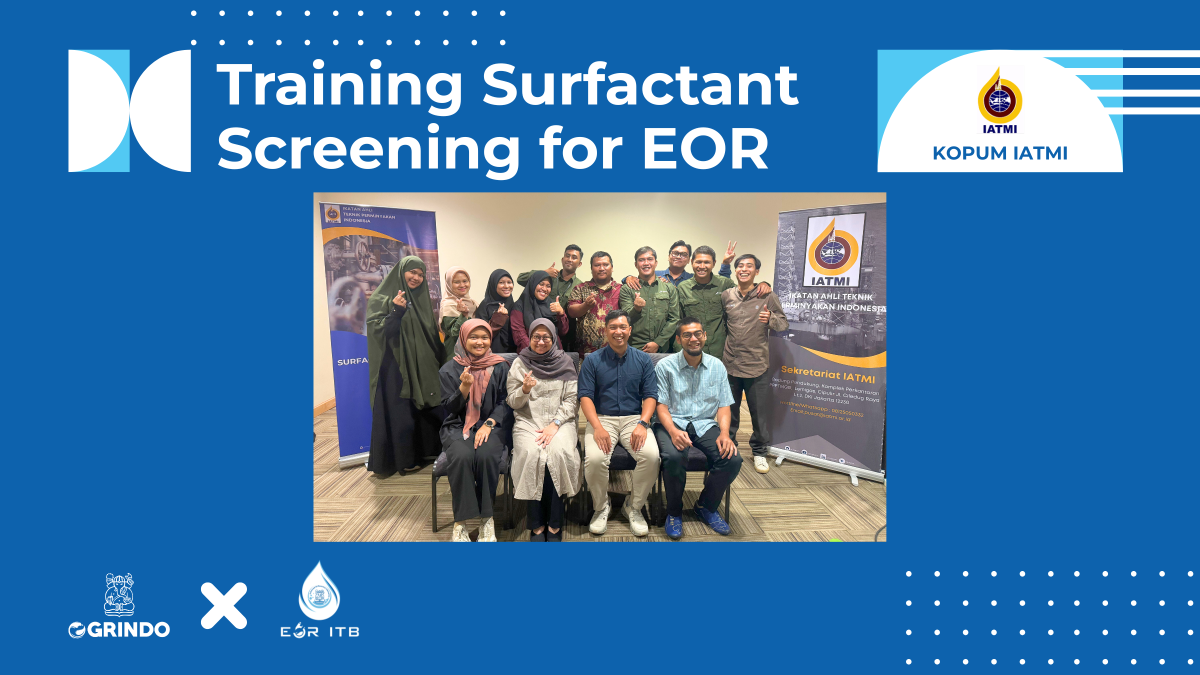
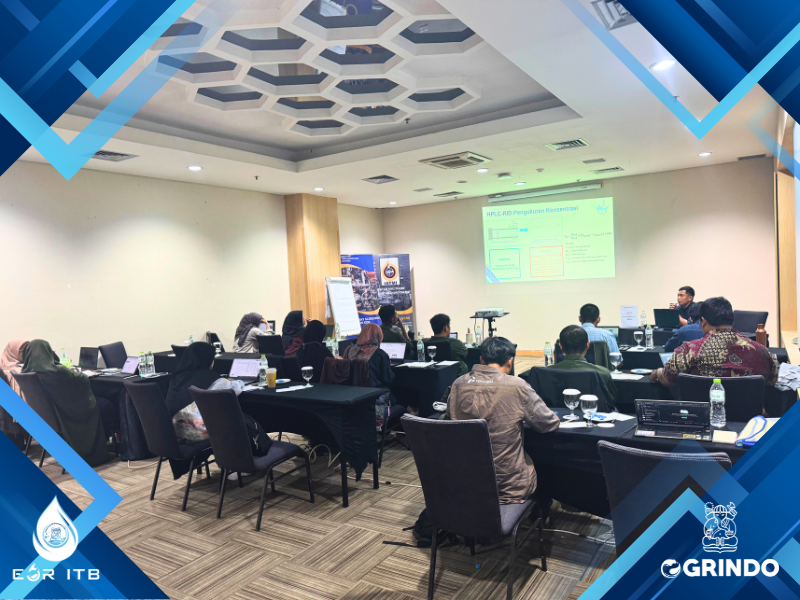
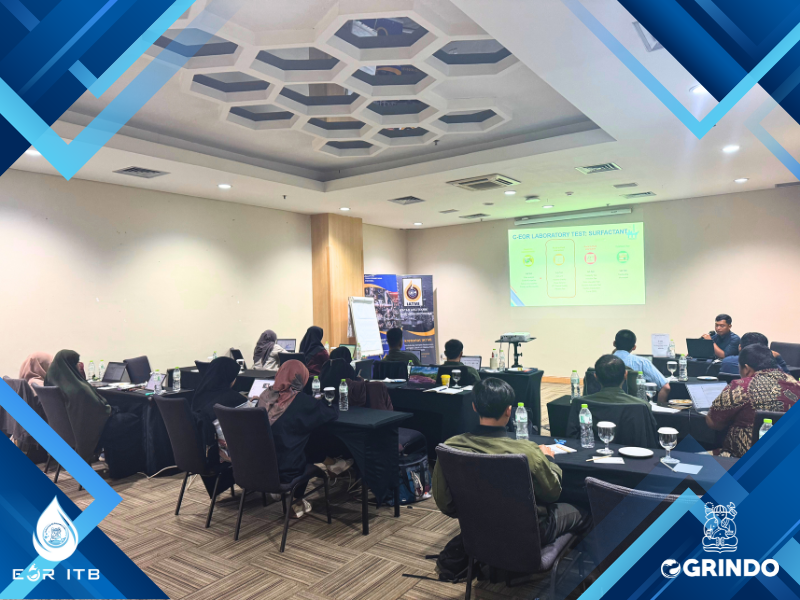
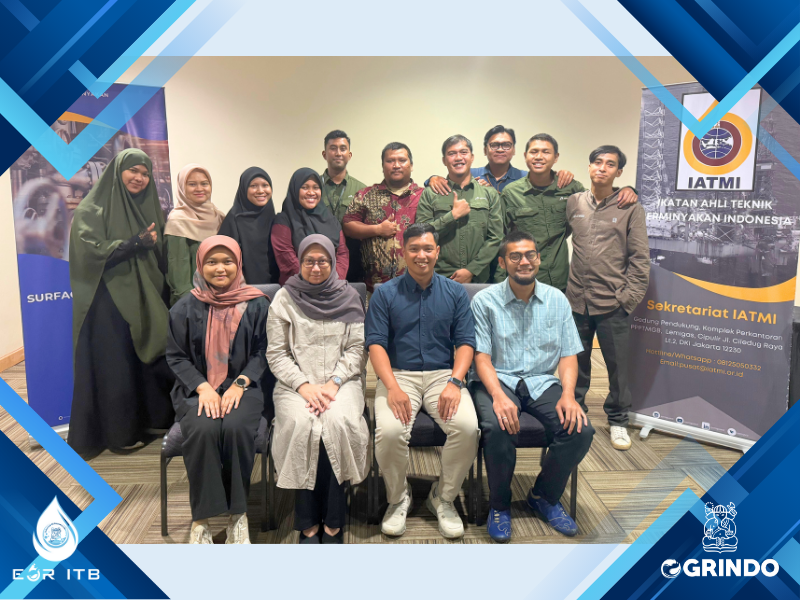
Efforts to increase national oil and gas production amid the decline of existing field production require the application of Enhanced Oil Recovery (EOR) technology that is increasingly mature, measurable, and research-based. In response to this challenge, the Training Surfactant Screening for Enhanced Oil Recovery (EOR) was conducted on Tuesday, 9 December 2025, at Best Western Premier The Hive, Cawang, DKI Jakarta.

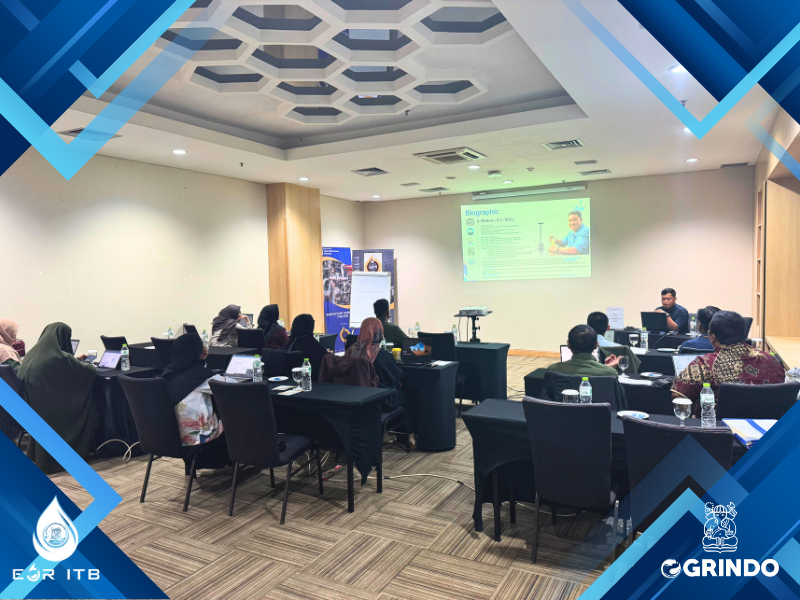
This training featured Ir. Mahruri, S.T., M.Sc., Project Manager of the EOR Laboratory ITB as well as a Researcher at OGRINDO ITB, as the main speaker. The activity was organized by KOPUM IATMI (Koperasi Jasa Usaha Mandiri Ikatan Ahli Teknik Perminyakan Indonesia) and was attended by professionals from Pertamina RTI.

This training served as a strategic momentum to enhance technical capacity and strengthen the competencies of petroleum professionals, particularly in supporting the development and optimization of EOR technology implementation across various oil and gas working areas in Indonesia.

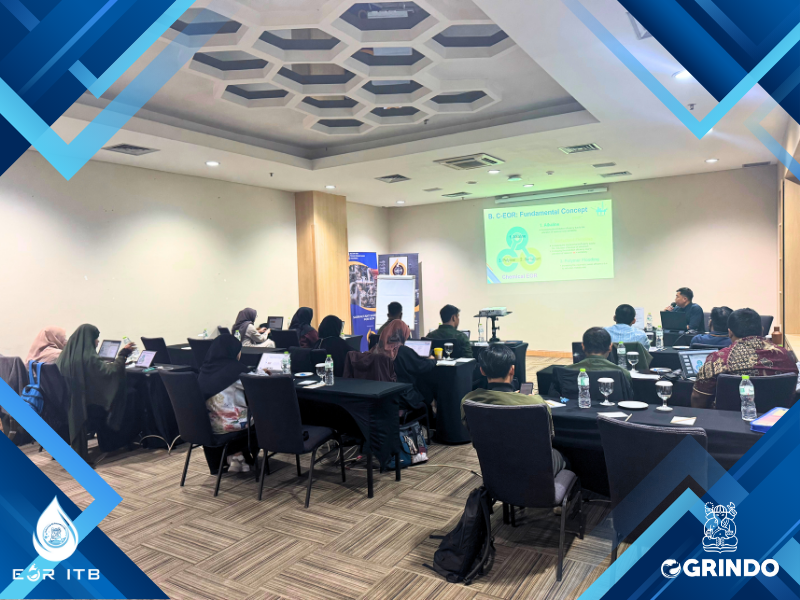
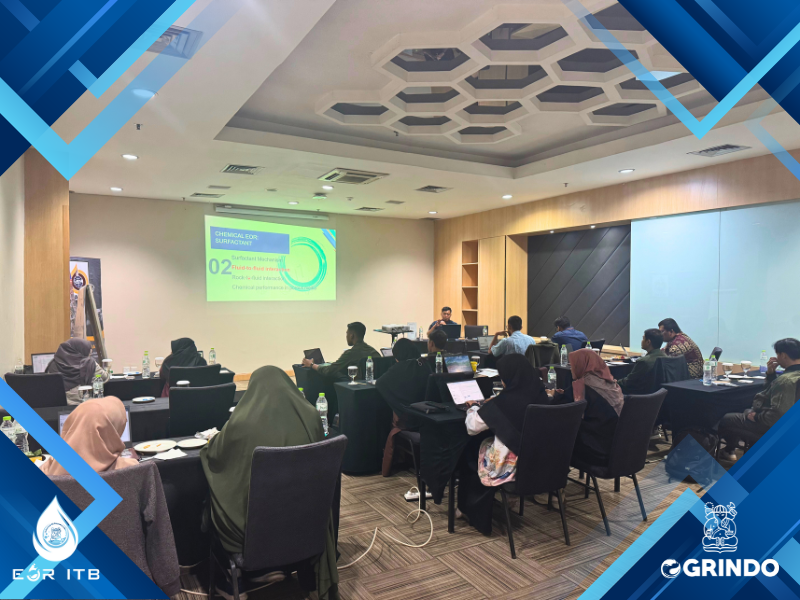
Figure 1. Ir. Mahruri, S.T., M.Sc. delivering fundamental concepts of Chemical Enhanced Oil Recovery (C-EOR).

Urgency of EOR Implementation in Indonesian Oil and Gas Fields

In the opening session, Ir. Mahruri presented a comprehensive overview of the stages of oil production—ranging from primary recovery, secondary recovery, to Enhanced Oil Recovery. It was conveyed that although waterflood and gas flood methods have been widely implemented, a significant portion of oil remains trapped in the reservoir due to limitations of conventional displacement mechanisms.

In this context, EOR emerges as a strategic solution to:

  • Drain residual oil that is microscopically trapped,
  • Increase recovery factor,
  • Extend the productive life of existing oil and gas fields.

Globally, the contribution of EOR to world oil production continues to increase, particularly in countries with maturefields. Indonesia has significant potential to optimize EOR, especially Chemical EOR, in both sandstone and carbonate reservoirs.

Chemical EOR and the Strategic Role of Surfactants

The main focus of this training was Chemical EOR, with an emphasis on surfactant flooding. Fundamentally, Chemical EOR aims to modify the physicochemical properties of reservoir fluids and rocks through the injection of chemical agents such as alkali, surfactants, and polymers.

Ir. Mahruri explained that surfactants play a crucial role in:

  • Reducing the interfacial tension (IFT) between oil and water to achieve ultra-low IFT conditions,
  • Forming microemulsions capable of mobilizing residual oil,
  • Altering rock wettability (wettability alteration),
  • Improving displacement efficiency and imbibition processes.

The success of surfactant flooding is highly dependent on a comprehensive screening and laboratory evaluation process to ensure that the applied surfactants are truly compatible with reservoir characteristics.

Surfactant Screening: From Concept to Laboratory Evaluation

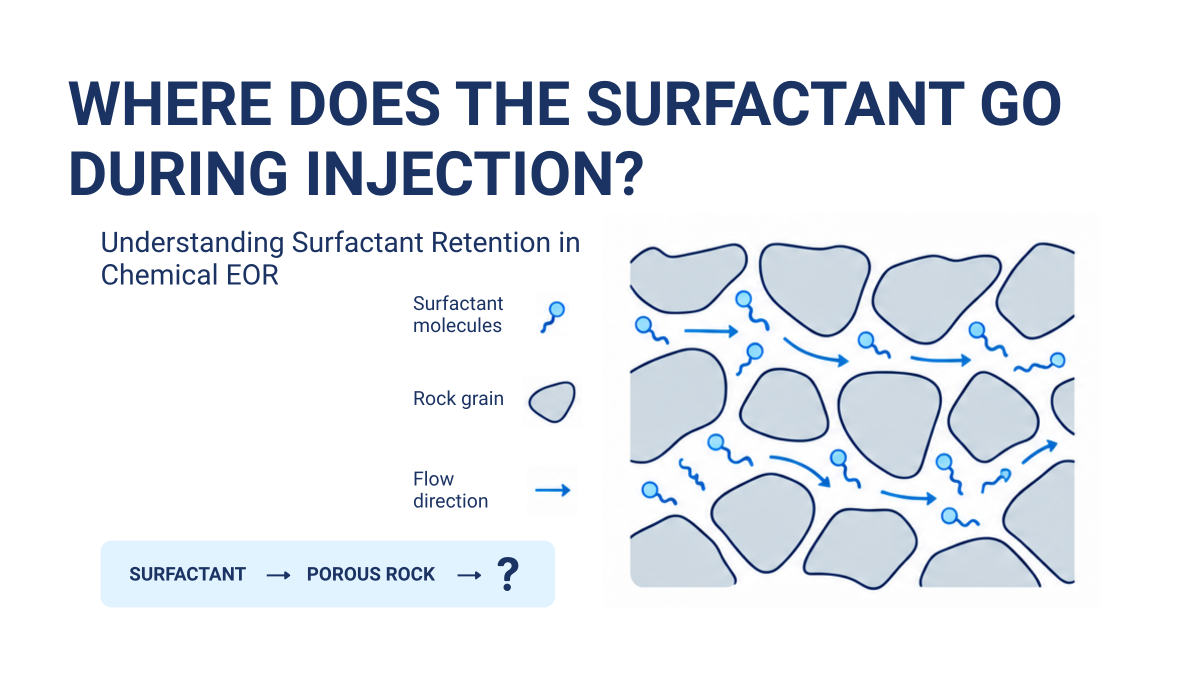
One of the main strengths of this training was the in-depth discussion of the laboratory-based surfactant screening workflow, covering fluid–fluid and rock–fluidinteractions, as well as chemical performance in porous media.
Several key tests discussed included:

  1. CMC–IFT Test
    Determines the optimum surfactant concentration to achieve the lowest IFT value. An effective surfactant is expected to reach ultra-low IFT (<10⁻² mN/m) at an economically feasible concentration.
  2. Aqueous Stability Test
    Evaluates surfactant stability and compatibility in injection brine and native brine reservoir to avoid the risk of precipitation and plugging.
  3. Phase Behavior Test
    Assesses microemulsion formation (Winsor Type III) as the main indicator of surfactant effectiveness in mobilizing residual oil.
  4. Thermal Stability & Filtration Test
    Ensures surfactant stability at reservoir temperature and minimizes potential injectivity issues during the injection process.
  5. Wettability, Adsorption, and Imbibition Test
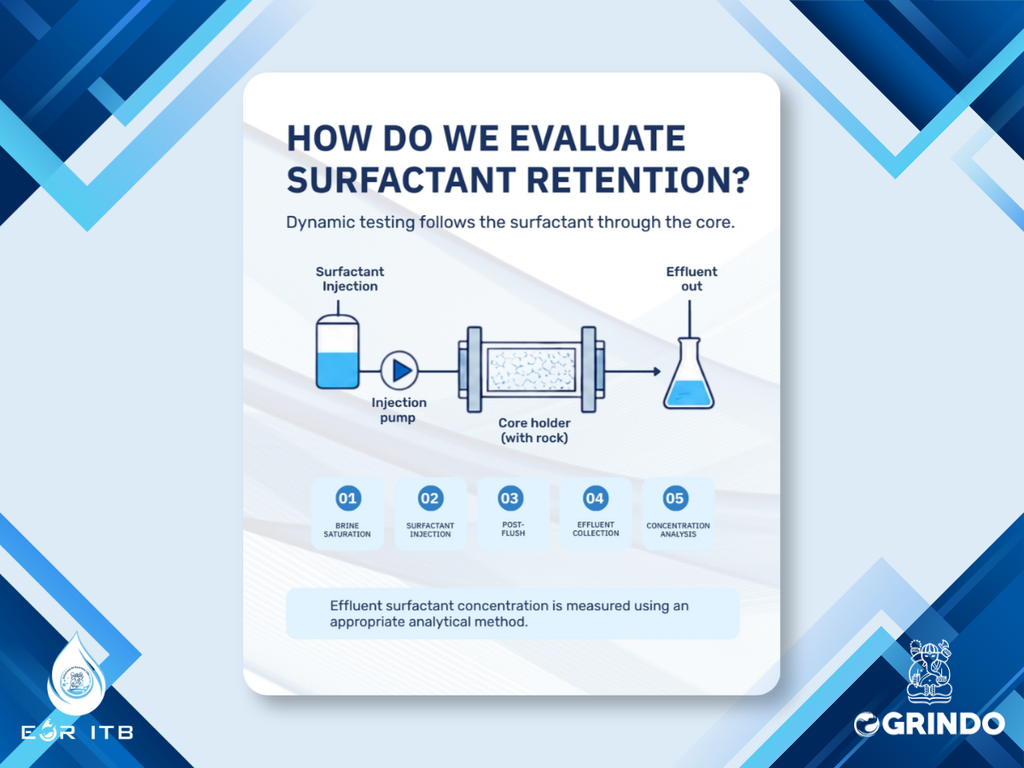
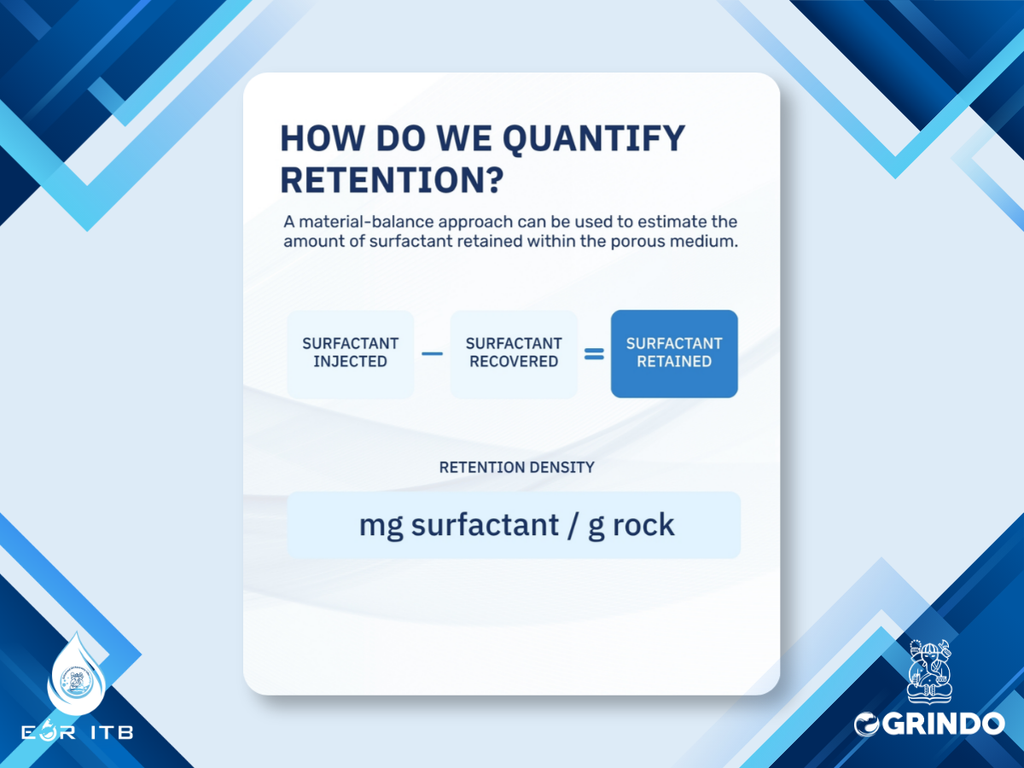
    Evaluates the ability of surfactants to alter rock wettability and minimize surfactant loss due to adsorption.
  6. Coreflooding and Micromodel
    Advanced stages to dynamically simulate surfactant performance in porous media while visualizing displacement mechanisms in two dimensions. displacement secara dua dimensi.

This series of tests emphasizes that Chemical EOR is not merely a chemical injection process, but an integrated scientific approach that must be supported by strong and representative laboratory data.

Bridging Research and Field Implementation

Through this training, participants gained not only conceptual understanding but also practical insights into how research outcomes and laboratory test results can be translated into EOR strategies ready for field implementation.

The discussion also addressed common challenges in Chemical EOR implementation, including:

  • Polymer adsorption and degradation,
  • Surfactant sensitivity to salinity and temperature,
  • Risks of plugging, scaling, and corrosion,
  • Economic considerations and surface facility readiness.

Various case studies and lesson learned from EOR implementations both domestically and internationally enriched participants’ perspectives on the complexity as well as the opportunities of this technology.

Opening Opportunities for Strategic Collaboration

Through this activity, OGRINDO ITB and the EOR Laboratory ITB reaffirmed their commitment to supporting the development of EOR technology based on research, laboratory testing, and close collaboration with industry.

Opportunities for collaboration are open for:

  • Research and development of Chemical EOR,
  • Surfactant screening and laboratory evaluation,
  • EOR feasibility studies,
  • Technical training and consultancy,
  • Industry–academia collaborative projects.
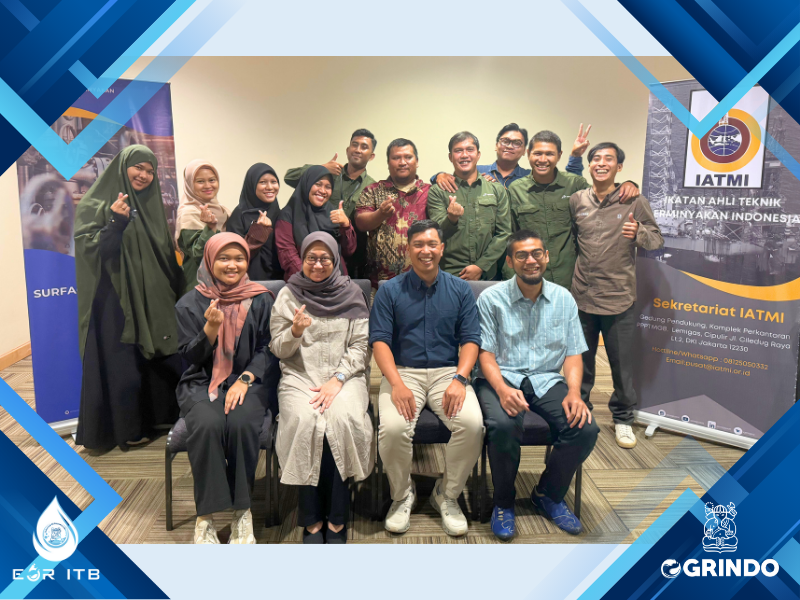
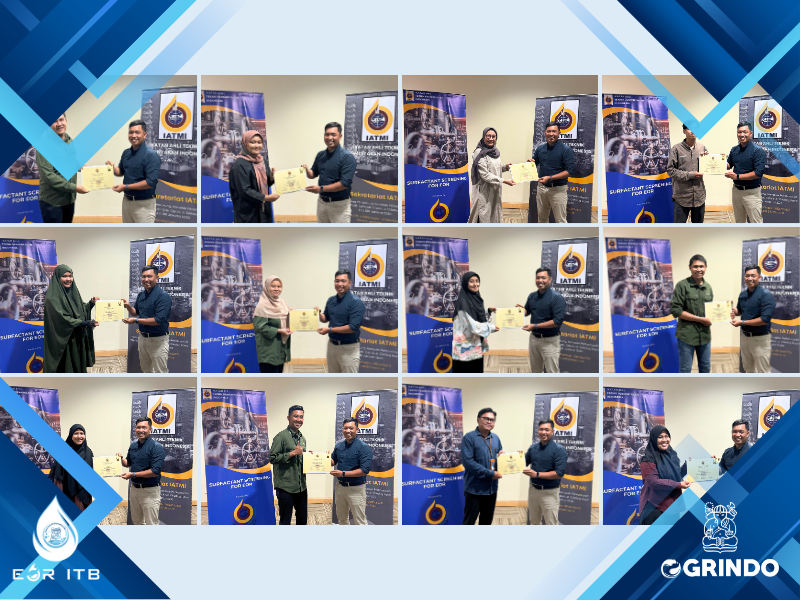
Figure 4. Certificate handover to participants of the Training Surfactant Screening for Enhanced Oil Recovery (EOR) as a form of technical competency strengthening.

📩 Collaboration contacts:

OGRINDO ITB: info@ogrindoitb.com
EOR Laboratory ITB: labifteoritb@gmail.com

This training serves as a tangible example of how synergy between research, laboratories, and industry can accelerate the adoption of practical, effective, and sustainable EOR technologies to support national energy security.

Categories
News Article

Dr. Ir. Boni Swadesi, S.T., M.T., IPU: Building Synergy in EOR Research and Innovation with OGRINDO ITB

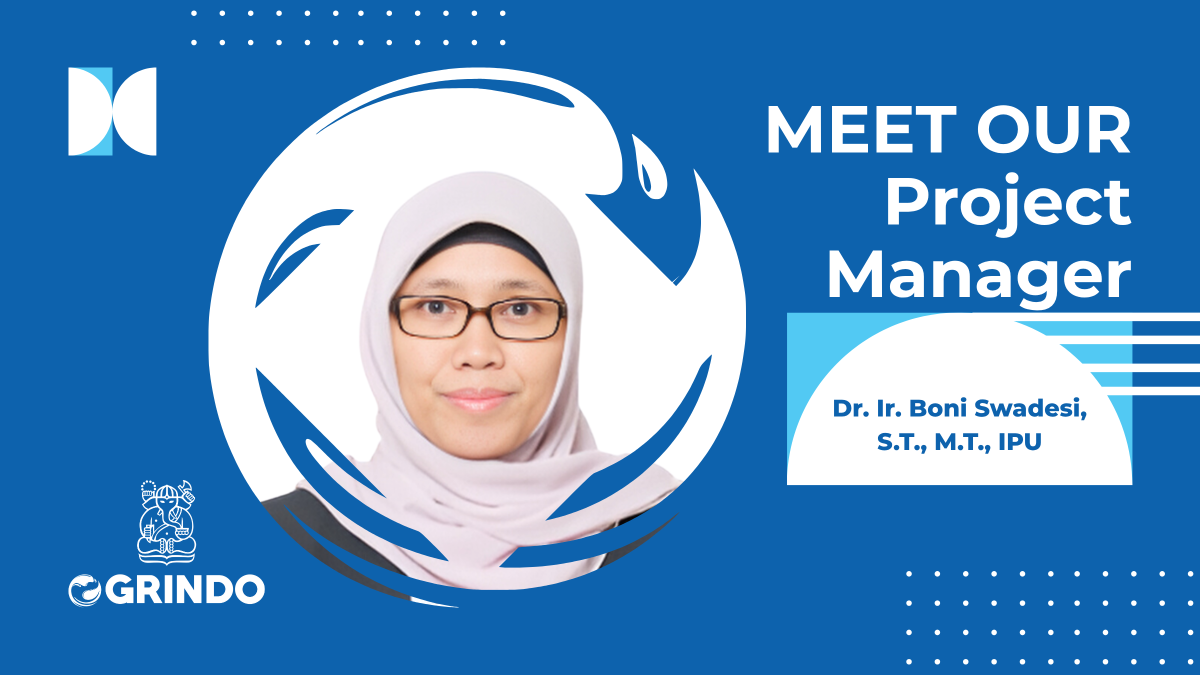
Dr. Ir. Boni Swadesi, S.T., M.T., IPU – Project Manager of OGRINDO ITB, who plays an active role in strengthening research and collaboration in the field of Enhanced Oil Recovery (EOR).

With more than two decades of experience in petroleum engineering, Dr. Ir. Boni Swadesi, S.T., M.T., IPU is one of the key figures behind the advancement of research and development of Enhanced Oil Recovery (EOR) technology in Indonesia. Currently, she serves as the Project Manager of OGRINDO ITB, coordinating various research projects and strategic collaborations between academia, industry, and research institutions to promote the sustainable application of EOR technology.

🧠 Educational and Academic Background

Dr. Boni earned her Bachelor’s degree in Petroleum Engineering from UPN “Veteran” Yogyakarta, the university where she now serves as a lecturer and also as the Head of the Petroleum Engineering Department. Her passion for research led her to continue her Master’s and Doctoral studies at the Institut Teknologi Bandung (ITB), both in Petroleum Engineering.
Her research focuses on the integrated surfactant injection mechanism for light oil in sandstone reservoirs, as well as the development of 1D and 2D polymer injection models to evaluate the squeezing and sweeping mechanisms in the EOR process.

⚙️ Professional Contributions and Achievements

As both an academic and practitioner, Dr. Boni is actively involved in various leading research projects at EOR Lab ITB, LAPI ITB, and OGRINDO ITB. Some of the key projects she has led or coordinated include:

  • Field Trial Polymer Injection at the Tanjung Field – Pertamina EP, covering implementation, evaluation, and field monitoring.
  • Chemical EOR Optimization Study for Kaji Semoga Field (PT Medco E&P) and Kenali Asam and Tempino Fields (PT Pertamina EP).
  • Formulation and Development of Micromodel cEOR, a miniature technology for laboratory-scale chemical injection studies that has become one of ITB’s flagship research facilities.

As a productive researcher, Dr. Boni has contributed to numerous scientific publications in both national and international journals, discussing topics such as reservoir fluid behavior, reservoir mechanics, and the development of experimental and numerical models for chemical injection optimization.

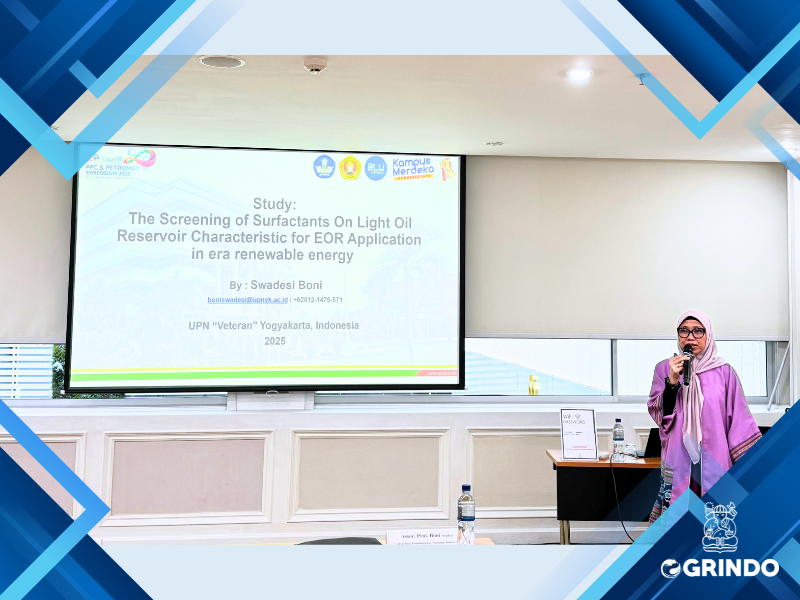
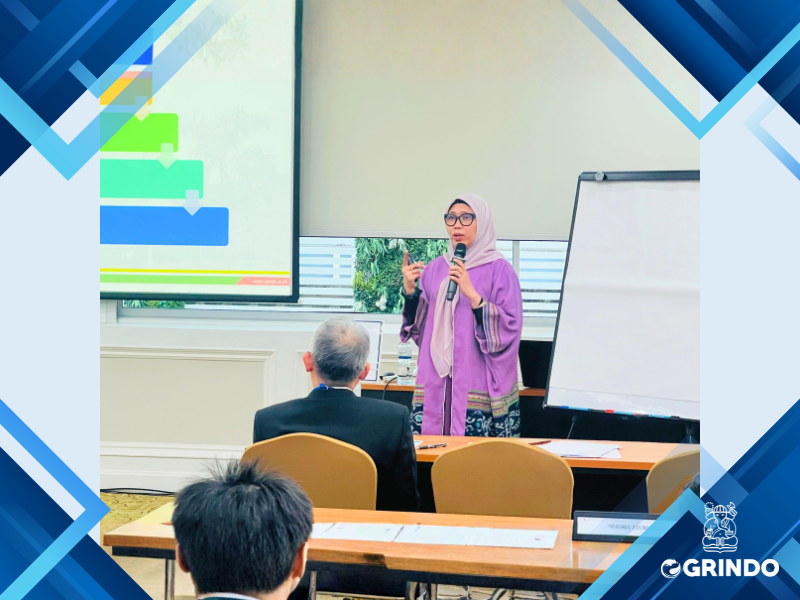
Dr. Boni Swadesi presenting her study on surfactant characteristics for light oil in EOR applications in the era of renewable energy.

🤝 Strategic Role at OGRINDO ITB

In her capacity as Project Manager of OGRINDO ITB, Dr. Boni plays a vital role in strengthening OGRINDO’s position as a platform for national energy research and innovation collaboration. She ensures that every research effort does not stop at the laboratory stage but can be implemented in the field to enhance national energy productivity and efficiency.
In addition, Dr. Boni actively fosters strategic partnerships with oil and gas industries such as Pertamina Subholding Upstream and Medco E&P, while also promoting the integration of EOR research with the development technology of Carbon Capture, Utilization, and Storage (CCUS).

🌱 Dedication to Education and Innovation

Amid her busy schedule, Dr. Boni remains committed to mentoring students and young researchers in reservoir engineering and chemical EOR. For her, the success of research is not only measured by technical outcomes but also by the ability to nurture a new generation of competent, ethical, and sustainability-minded energy engineers.

Dr. Boni Swadesi sharing her insights on EOR research and encouraging cross-disciplinary collaboration at academic and energy industry forums.

With a collaborative spirit and strong vision, Dr. Ir. Boni Swadesi, S.T., M.T., IPU stands as a true example that research and innovation can move hand in hand to support national energy independence and strengthen Indonesia’s position in the development of sustainable oil and gas technologies.