Categories
News Article

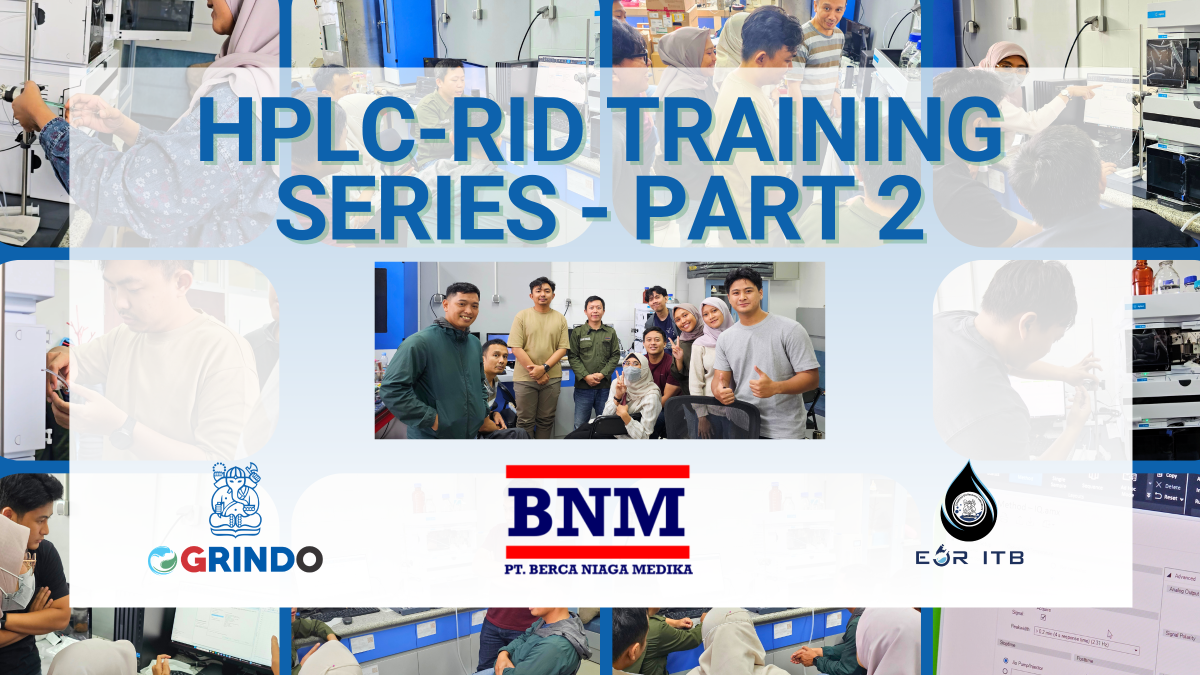
Training HPLC – RID Part 2: Hands-on System Operation and Polymer Sample Analysis

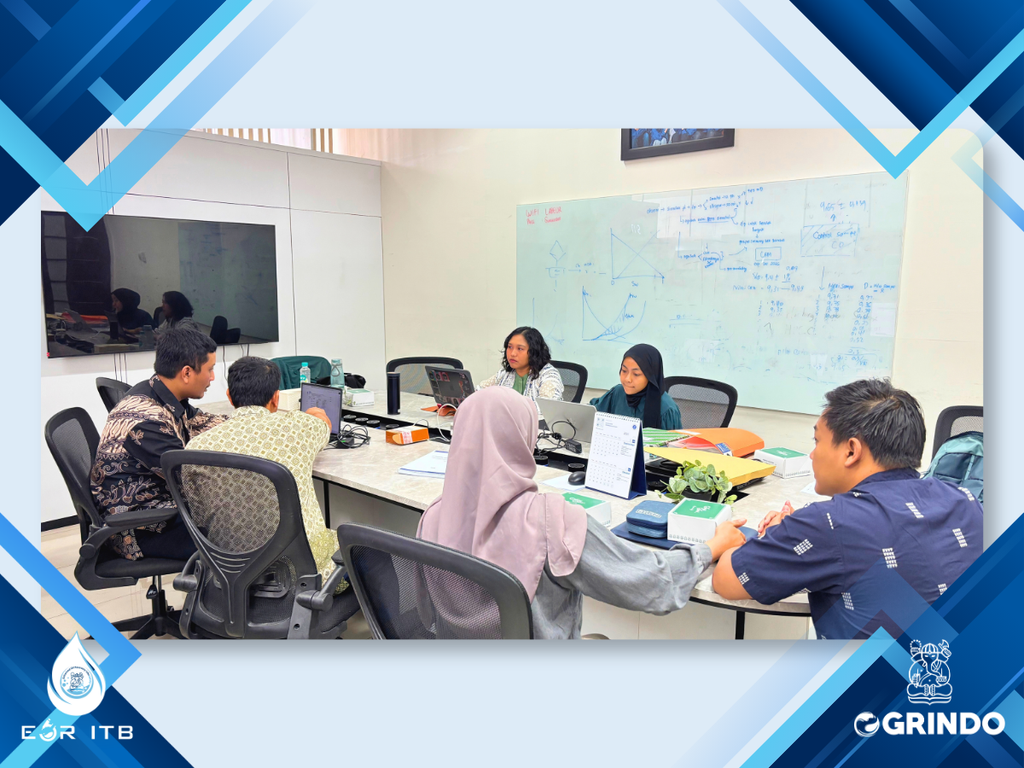
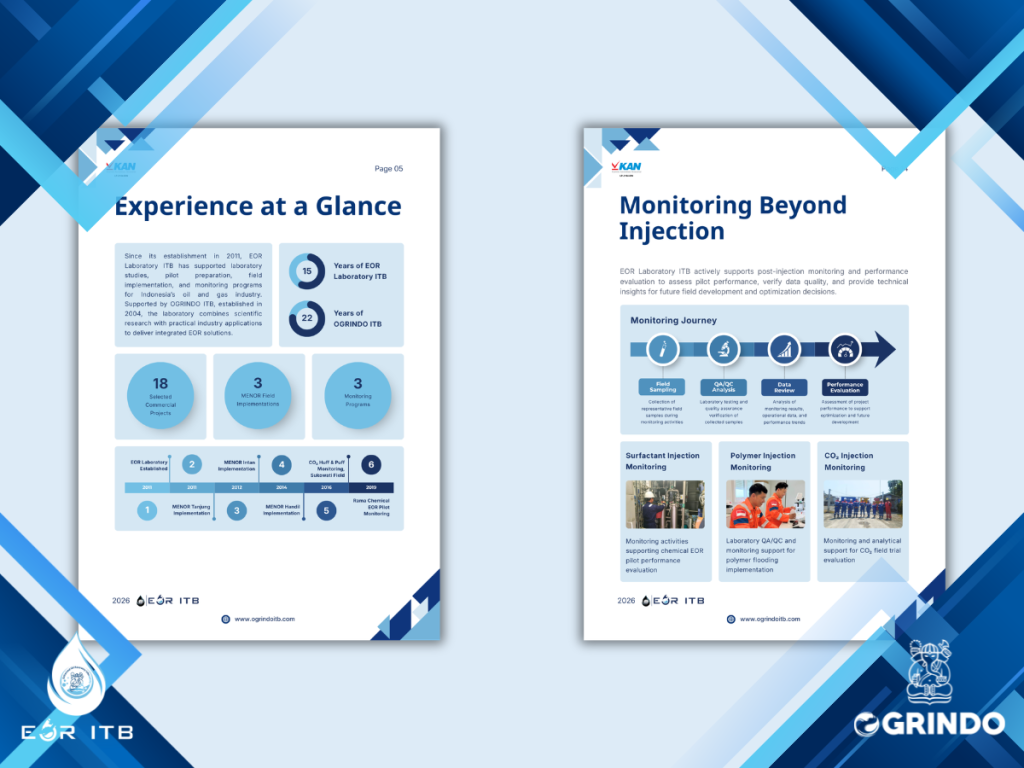
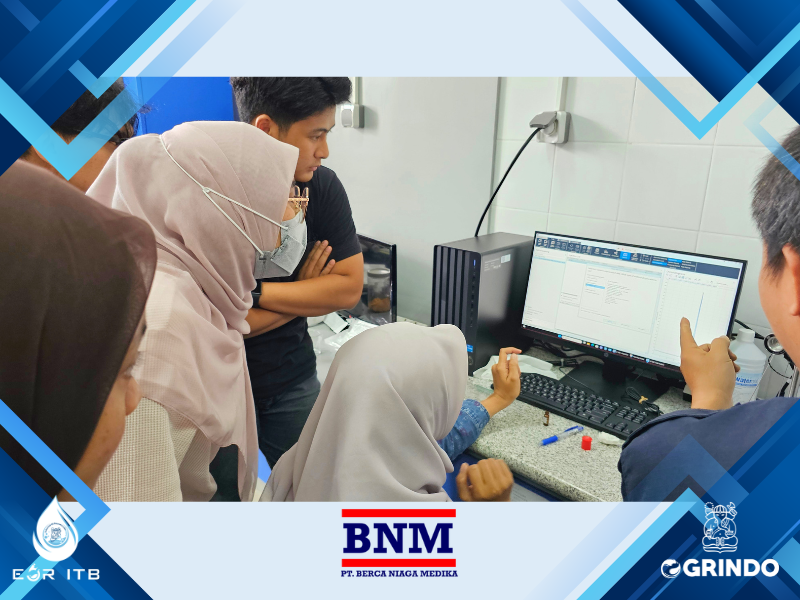
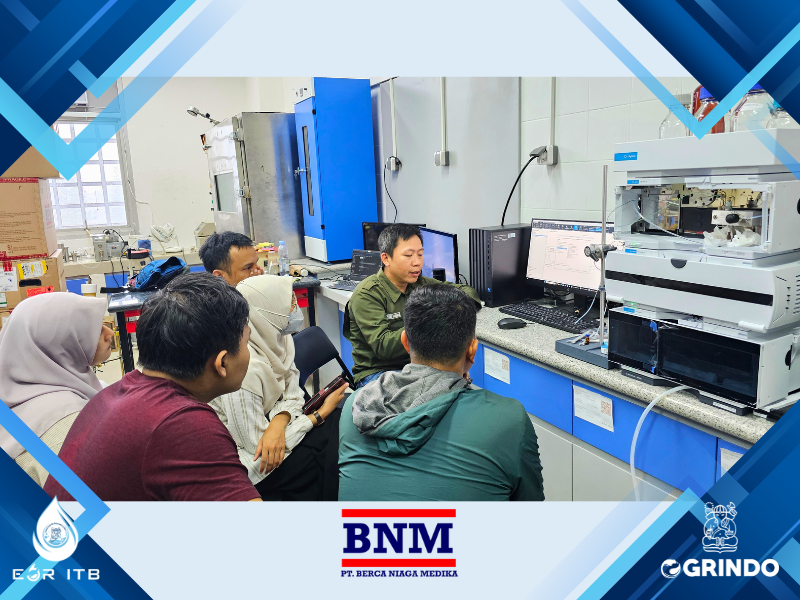
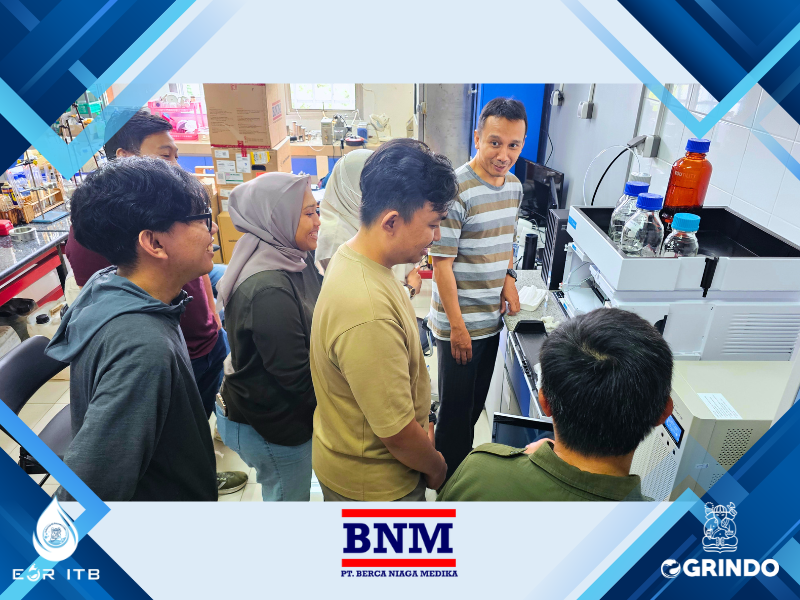
Analysis using High Performance Liquid Chromatography (HPLC) with Refractive Index Detector (RID) is one of the important methods in the characterization of chemical EOR such as surfactants and polymers, particularly to support research needs and application of Enhanced Oil Recovery (EOR). Mastery of this method requires not only theoretical understanding but also the ability to operate the instrument and interpret data accurately. Therefore, OGRINDO ITB together with the EOR Laboratory ITB conducted Training HPLC–RID Part 2, which focuses on hands-on practice and comprehensive system operation, including method setup, system operation, and troubleshooting during testing.

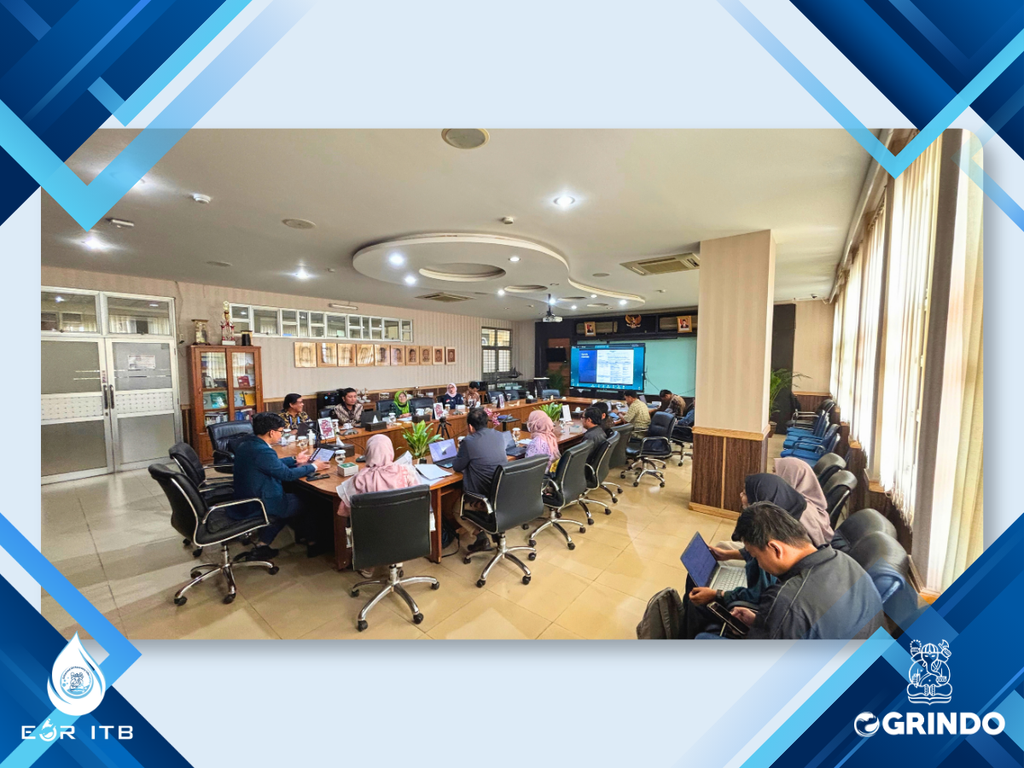
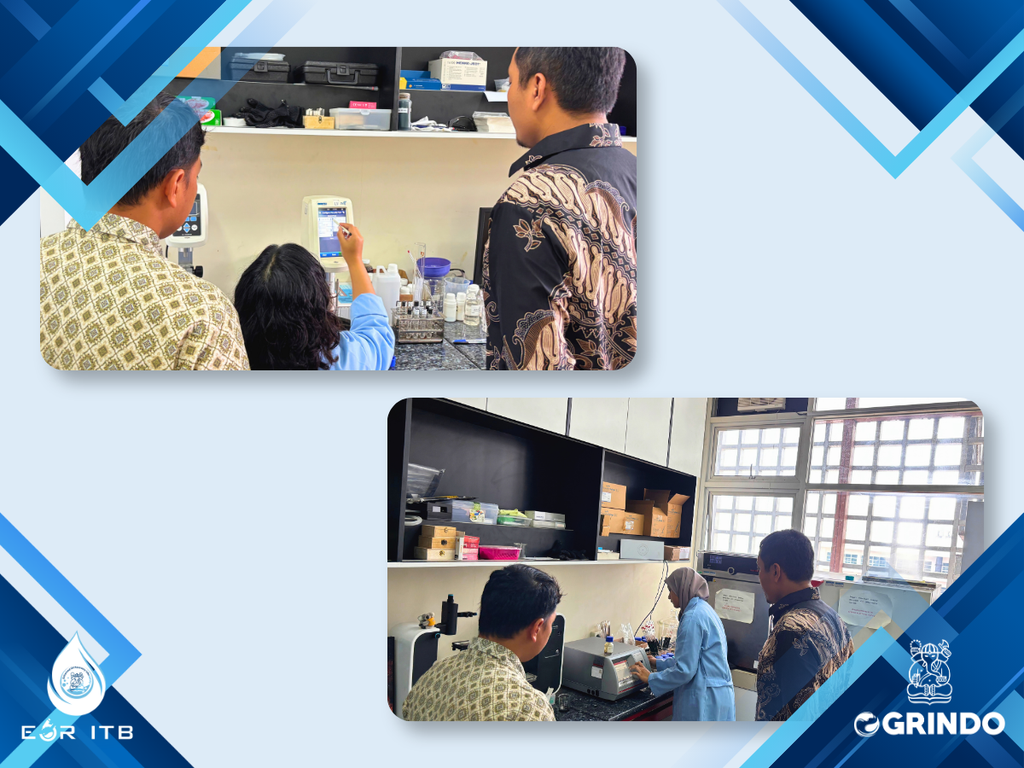
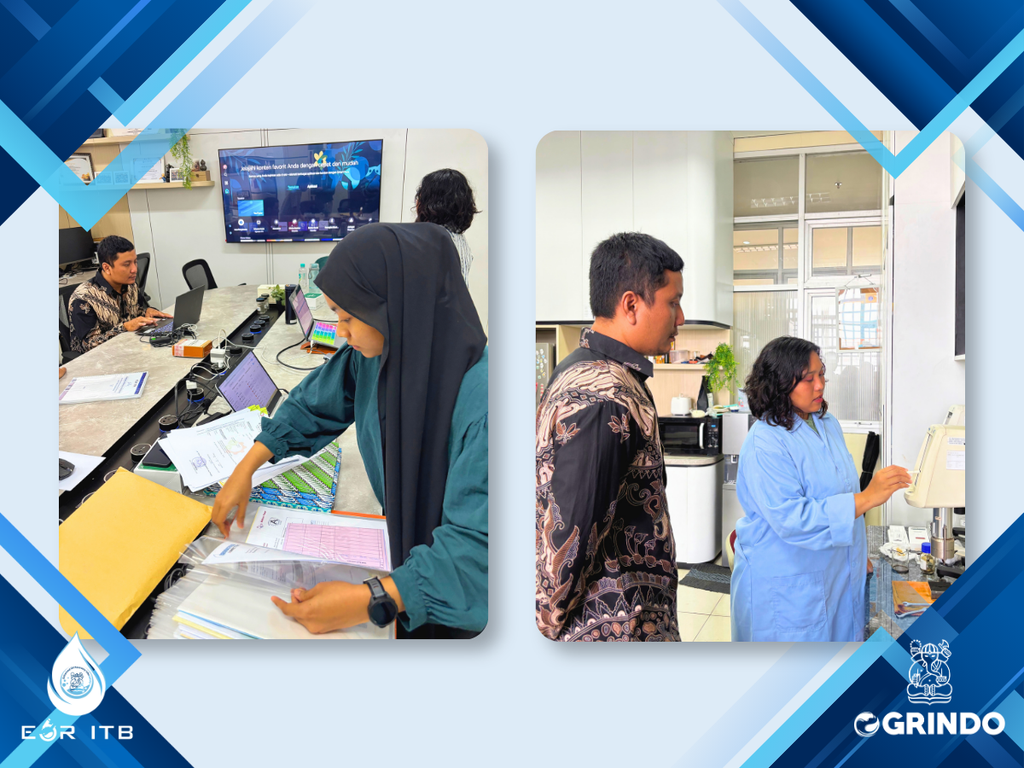
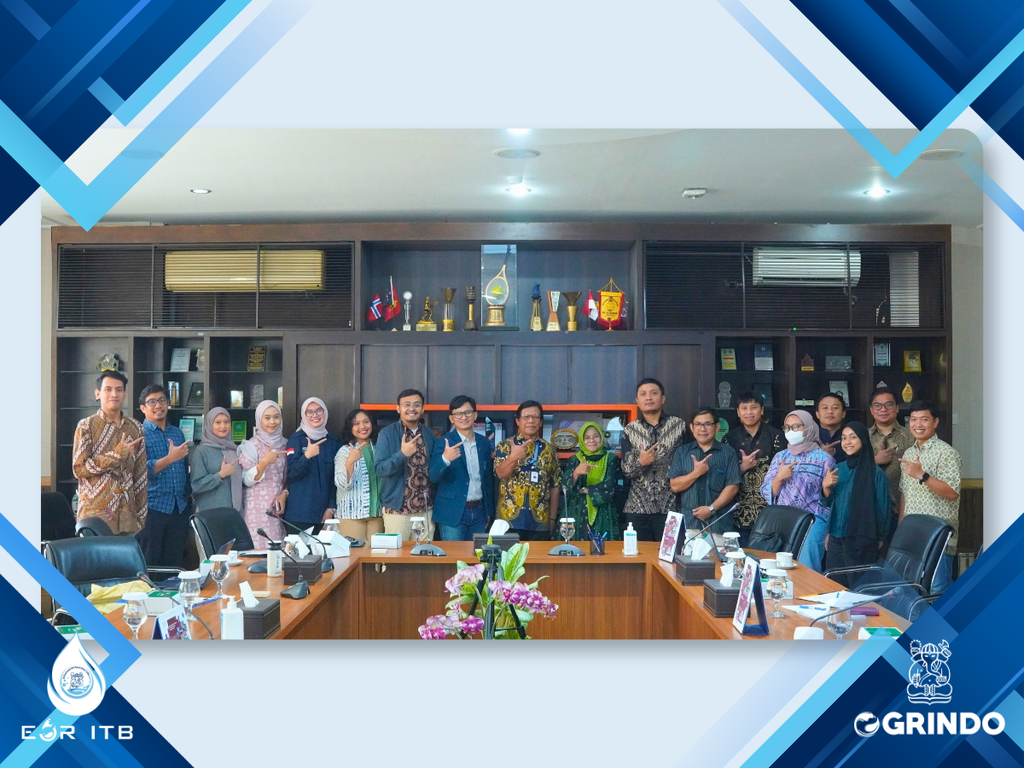
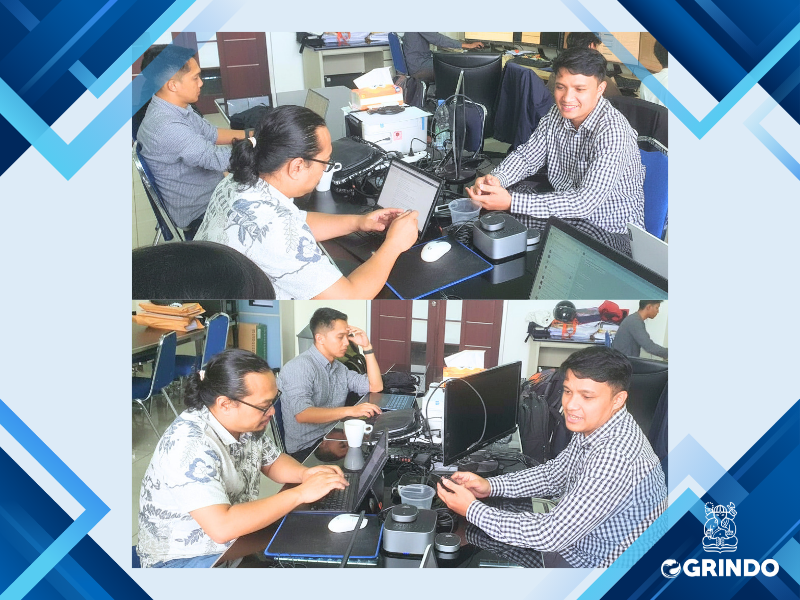
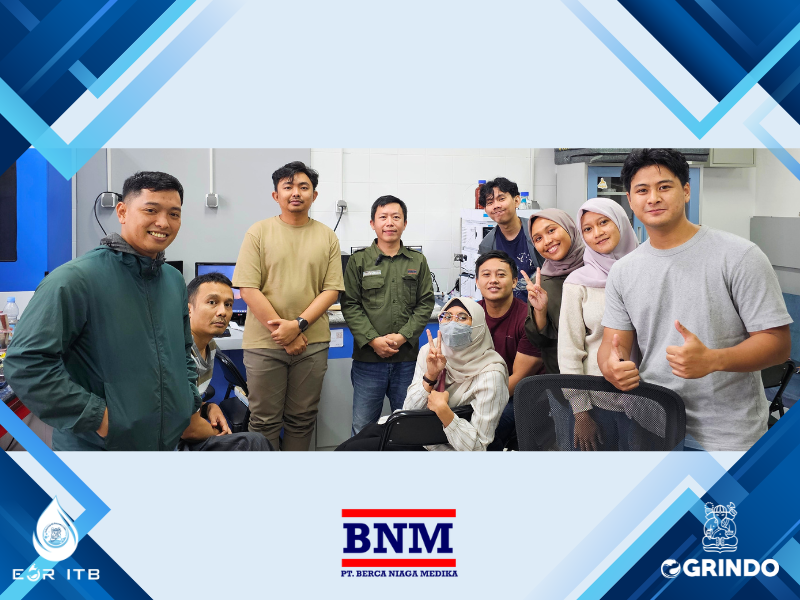
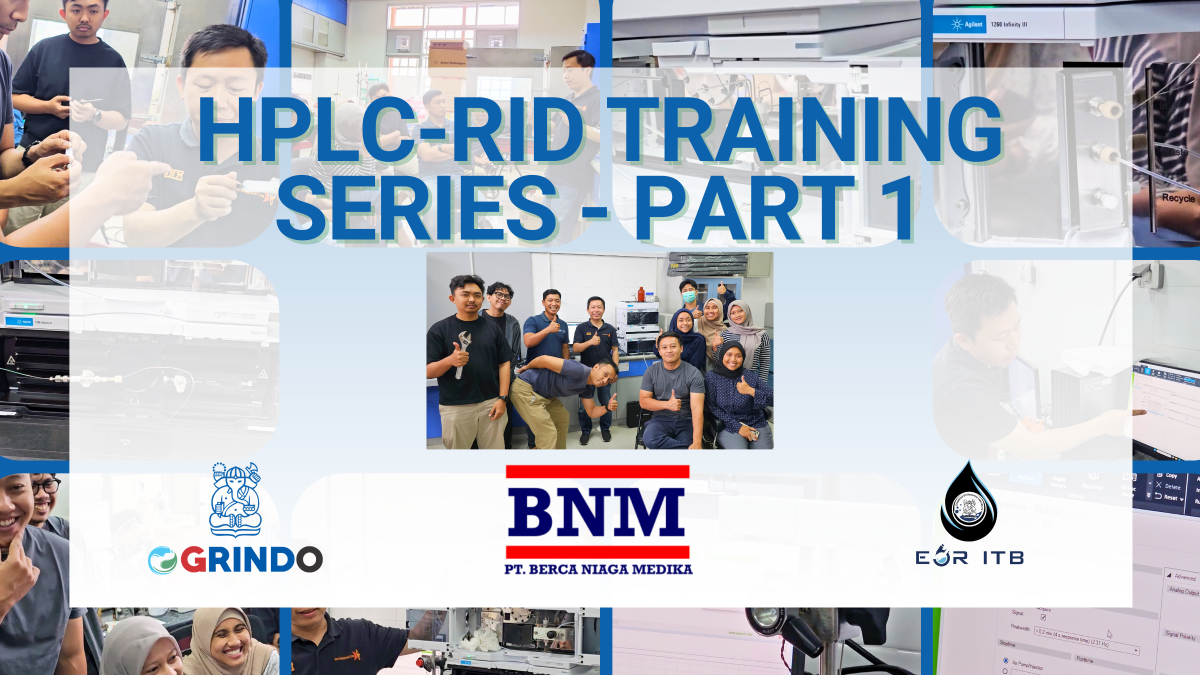
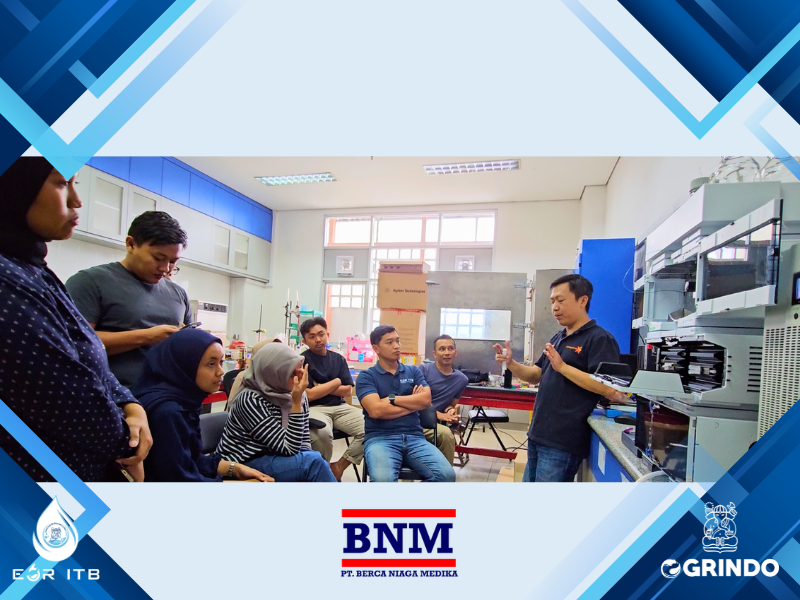
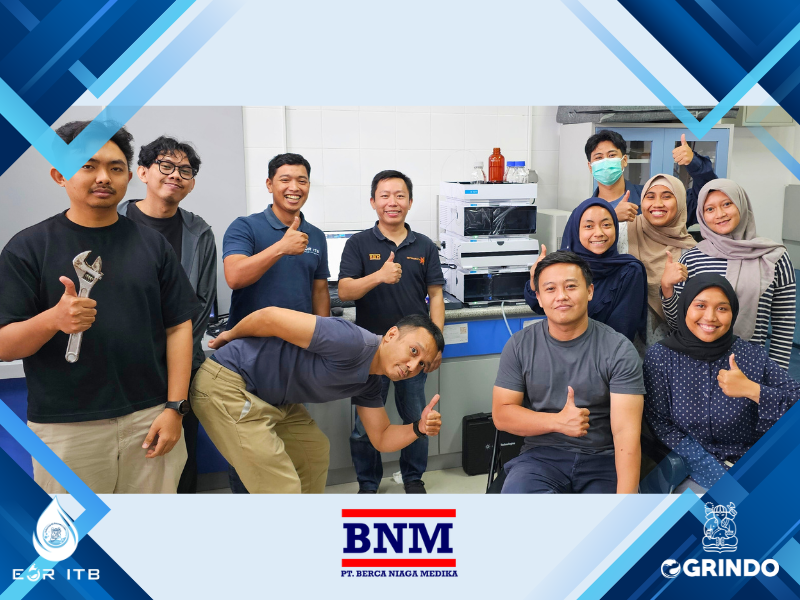
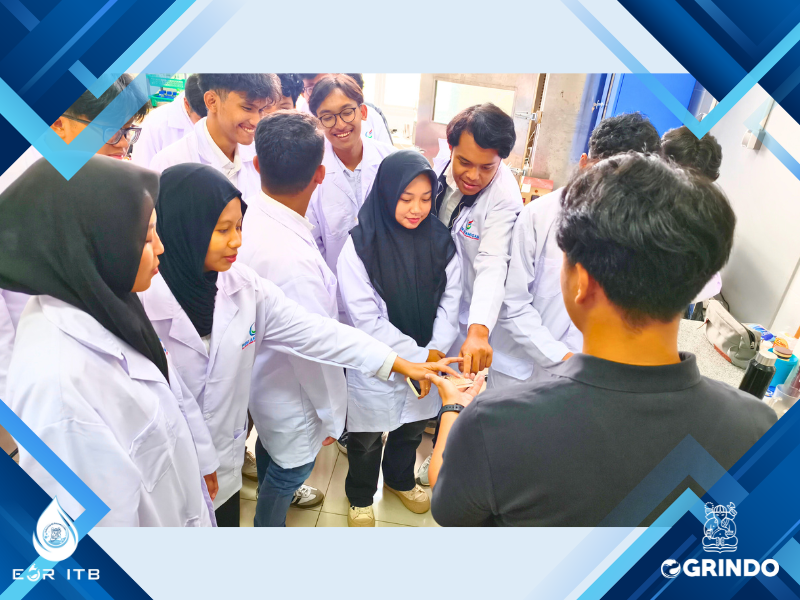
Figure 1. HPLC–RID Part 2 training with PT. Berca Niaga Medika and the EOR Laboratory ITB and OGRINDO ITB team.

Hands-on Operation and System Setup of HPLC–RID

Mastery of the instrument does not stop at understanding theory—but at the ability to operate the system directly and interpret its response in real-time.

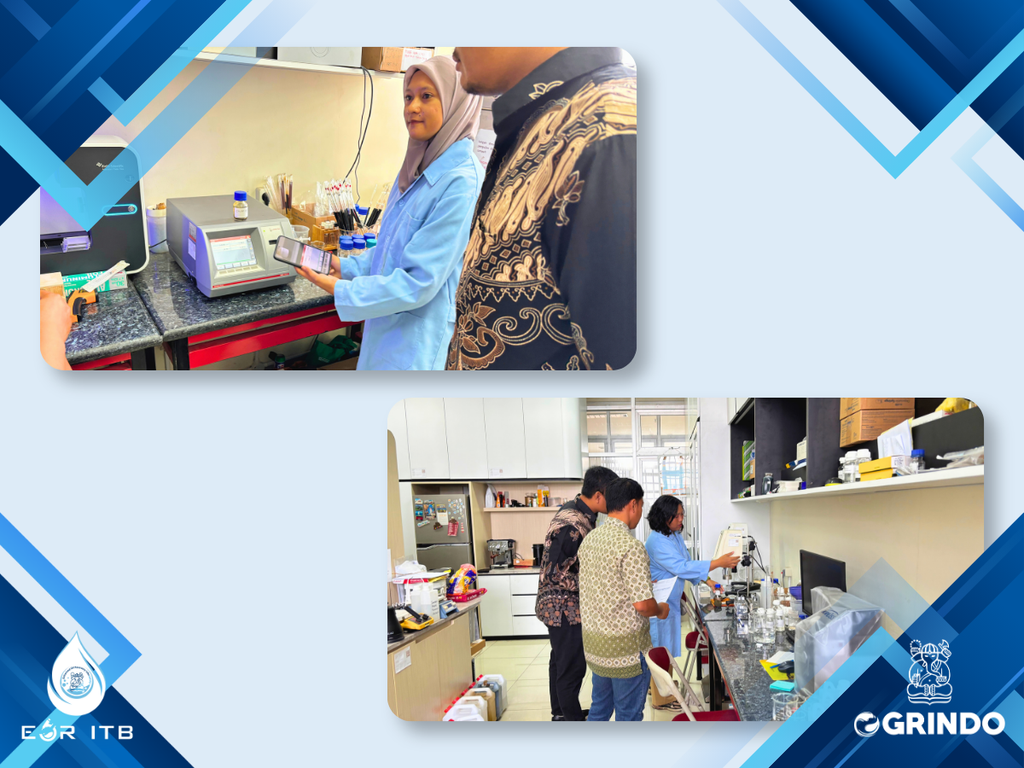
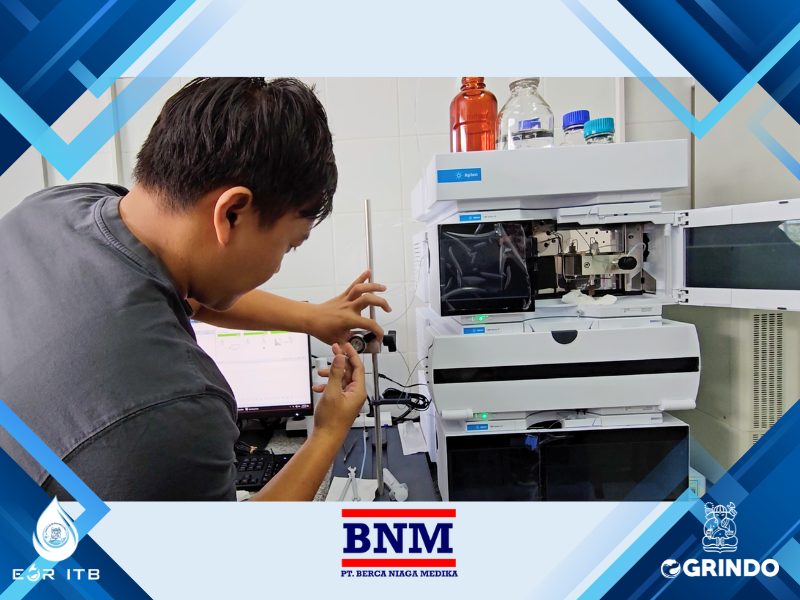
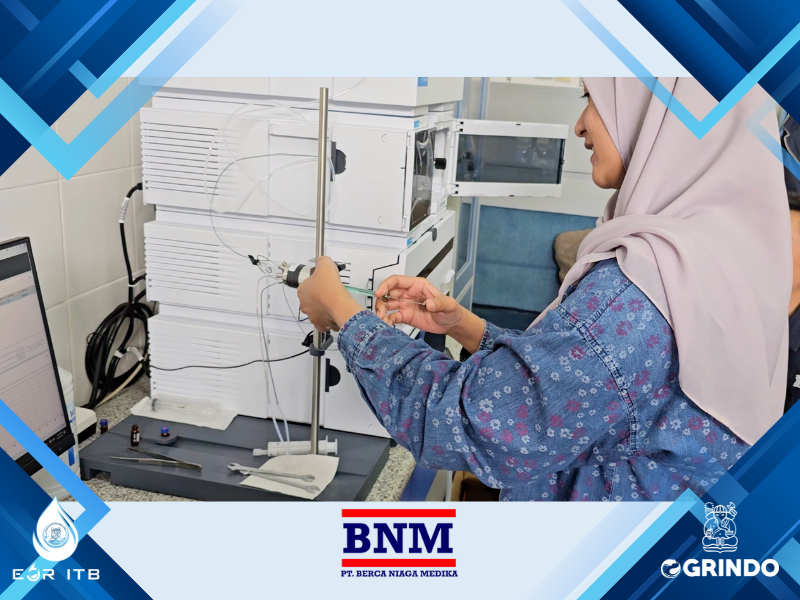
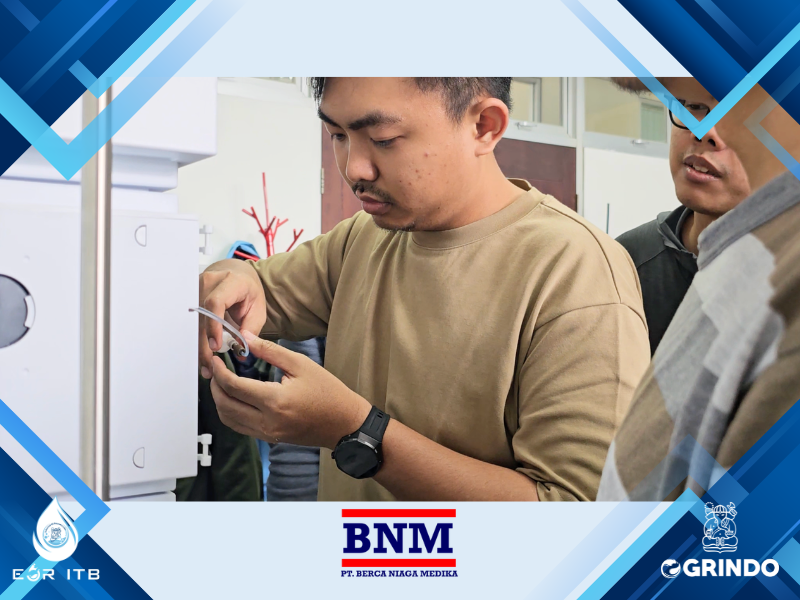
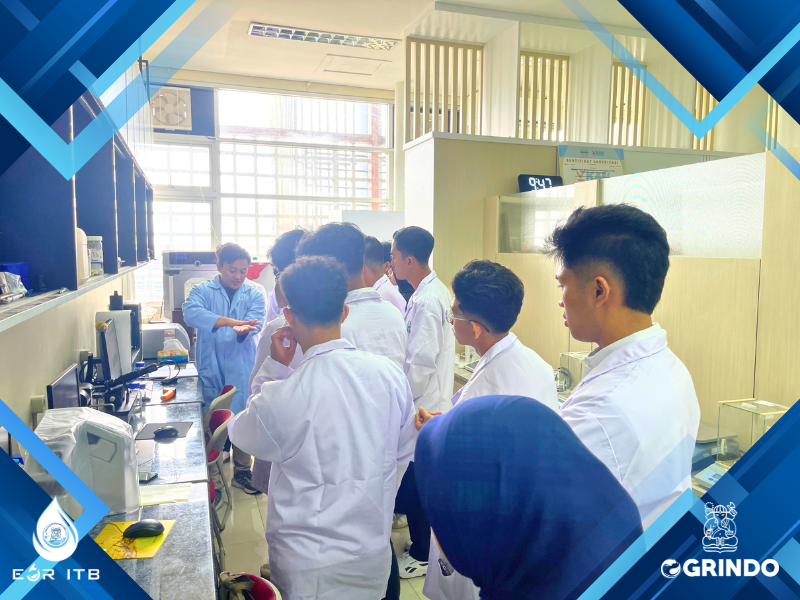
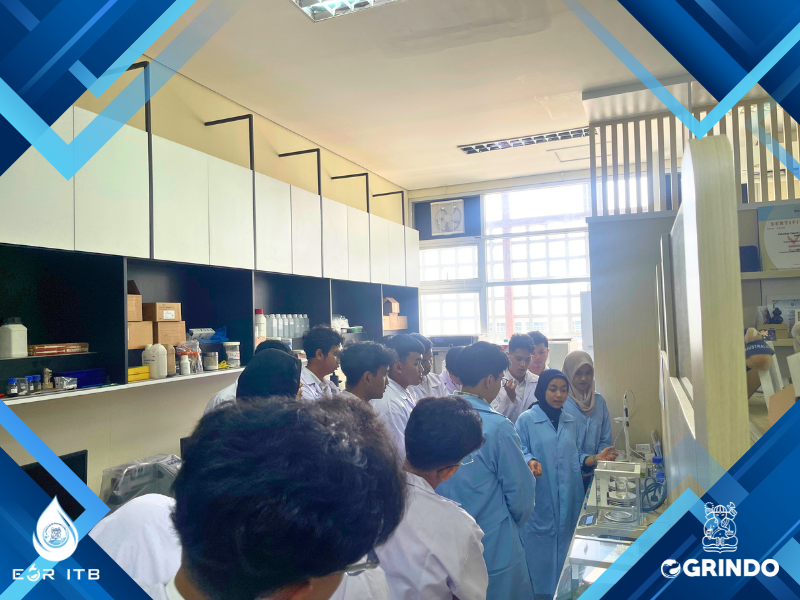
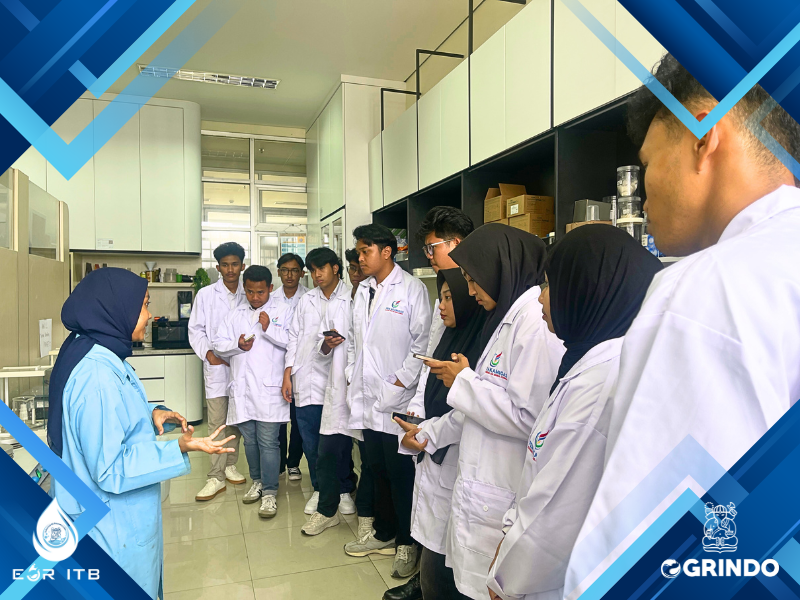
In this session, the training focused on hands-on operation of the HPLC–RID system comprehensively. Participants started from the initial stage of instrument operation to the analysis running process, emphasizing systematic and safe working procedures.

The activities began with:

  • Procedures for turning on the instrument according to the operational sequence
  • Ensuring the system is in a ready condition
  • Recognizing indicators on the software and instrument as signs that the system has started running

Next, participants performed:

  • Checking system readiness before analysis
  • Setting up methods in the software, both for acquisition and data processing
  • Adjusting important parameters such as baseline, retention time, and peak integration

During this process, participants also directly observed the system response to each parameter setting. This is important to understand how parameter changes can affect the resulting chromatogram.

In addition, the training also emphasized conditions that commonly occur during testing, such as unstable baseline yang tidak stabil, noise , or poorly detected peaks. Participants were guided to recognize these symptoms and understand initial handling steps so that the analysis process can continue properly.

This hands-on approach is key to building participants’ confidence in independently operating the HPLC–RID system in a laboratory environment.

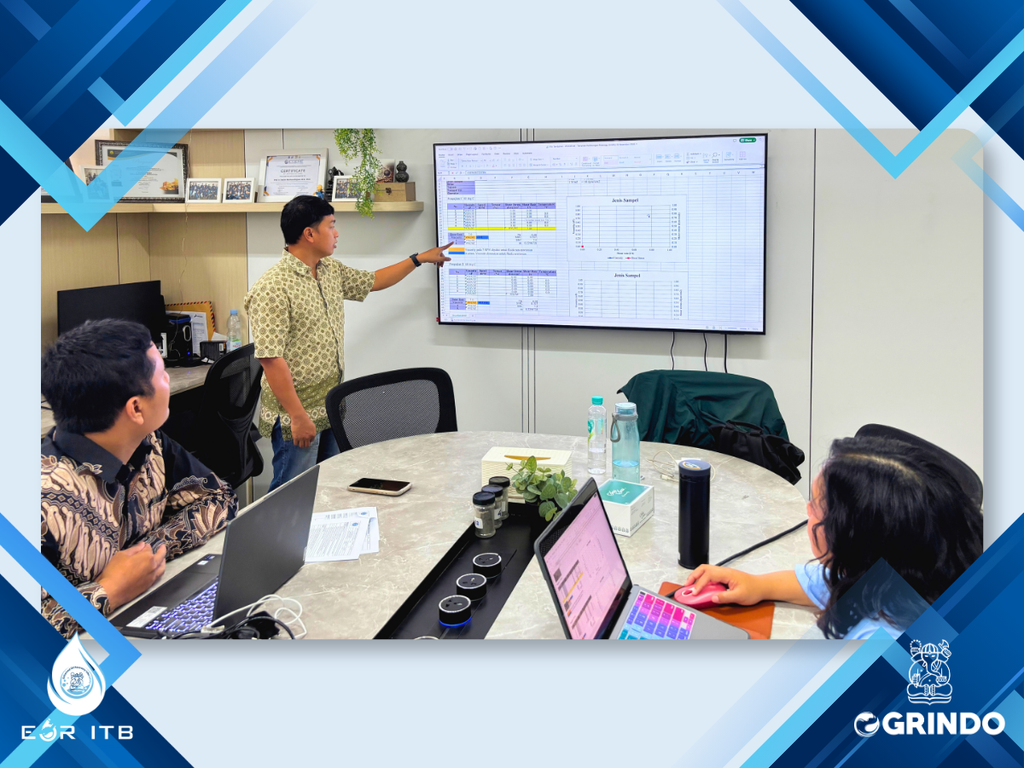
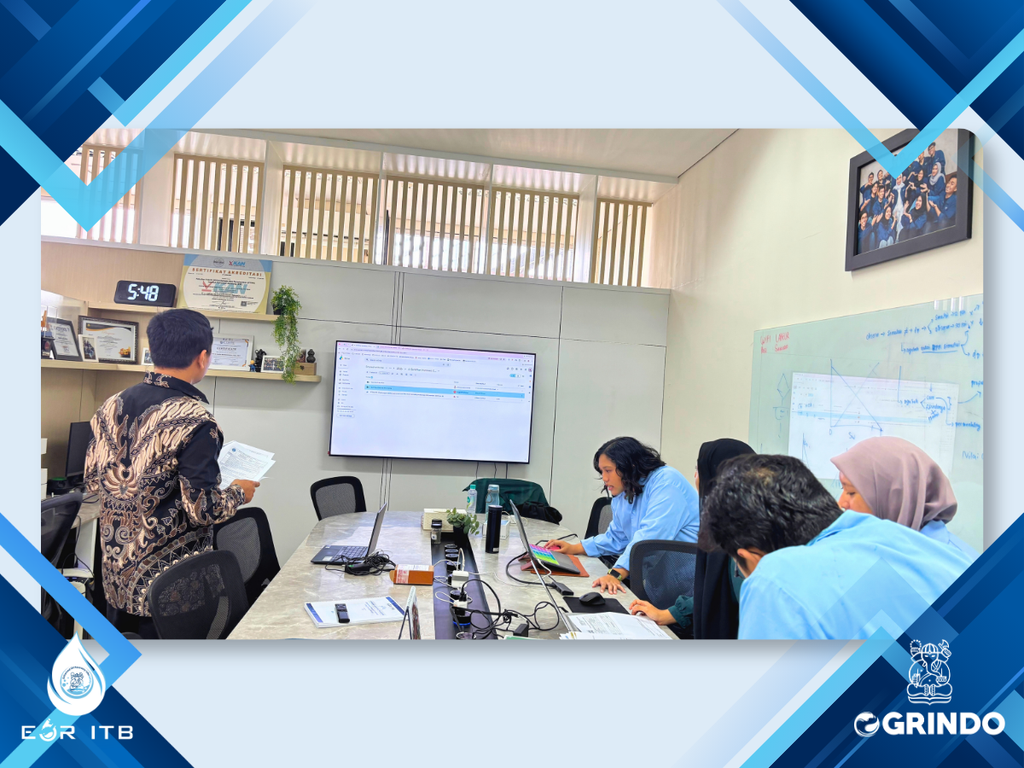
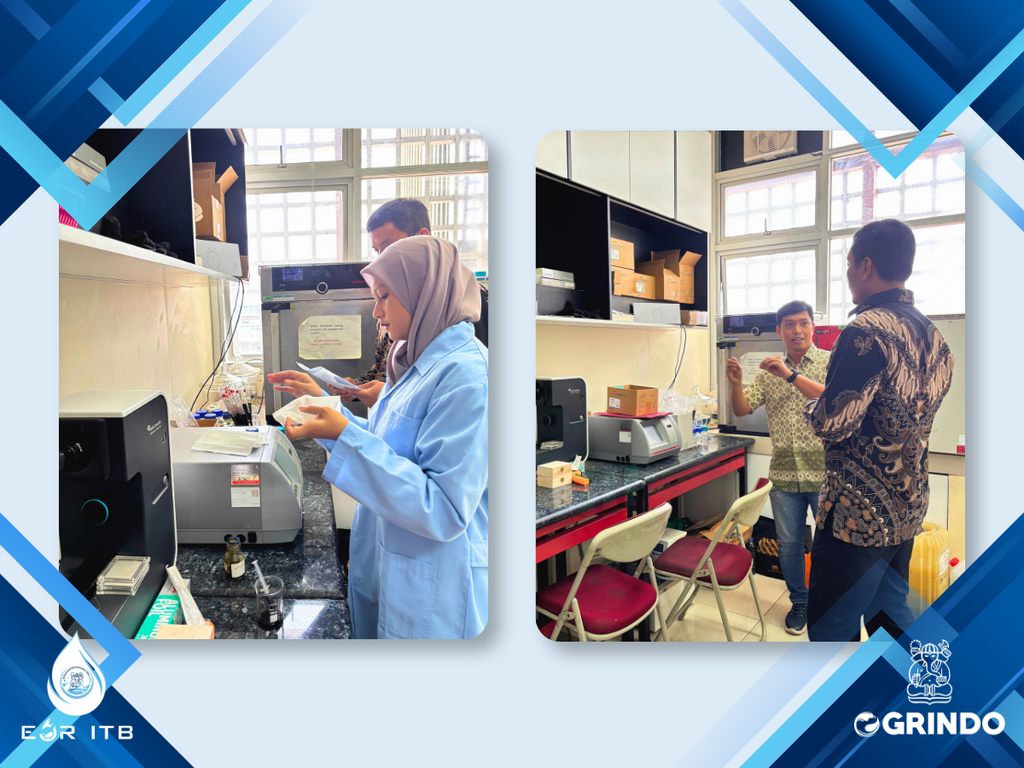
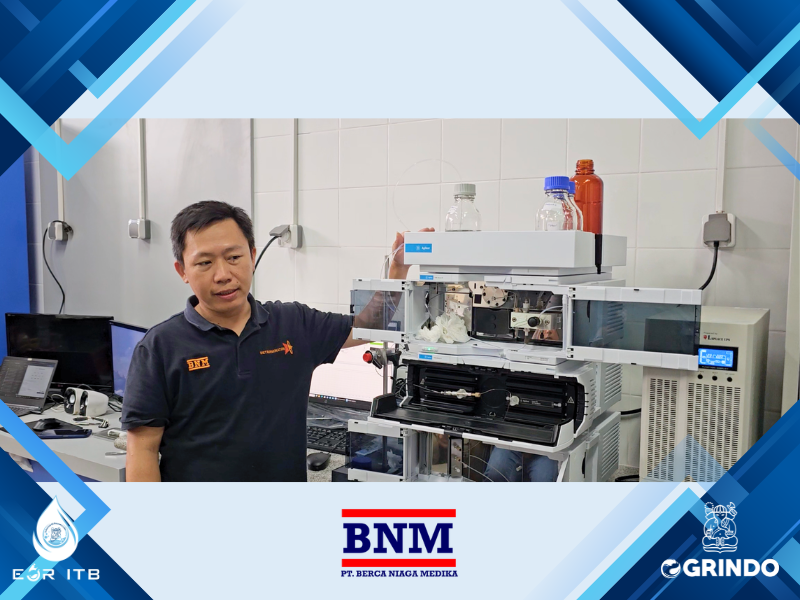
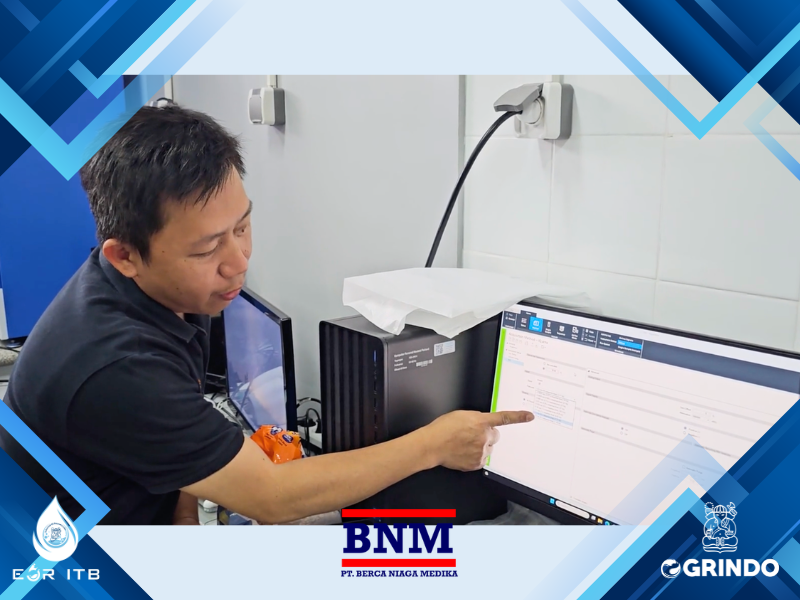
Figure 3. Method setup and data analysis process using HPLC software for chromatogram acquisition and interpretation.

Hands-on Polymer Sample Analysis

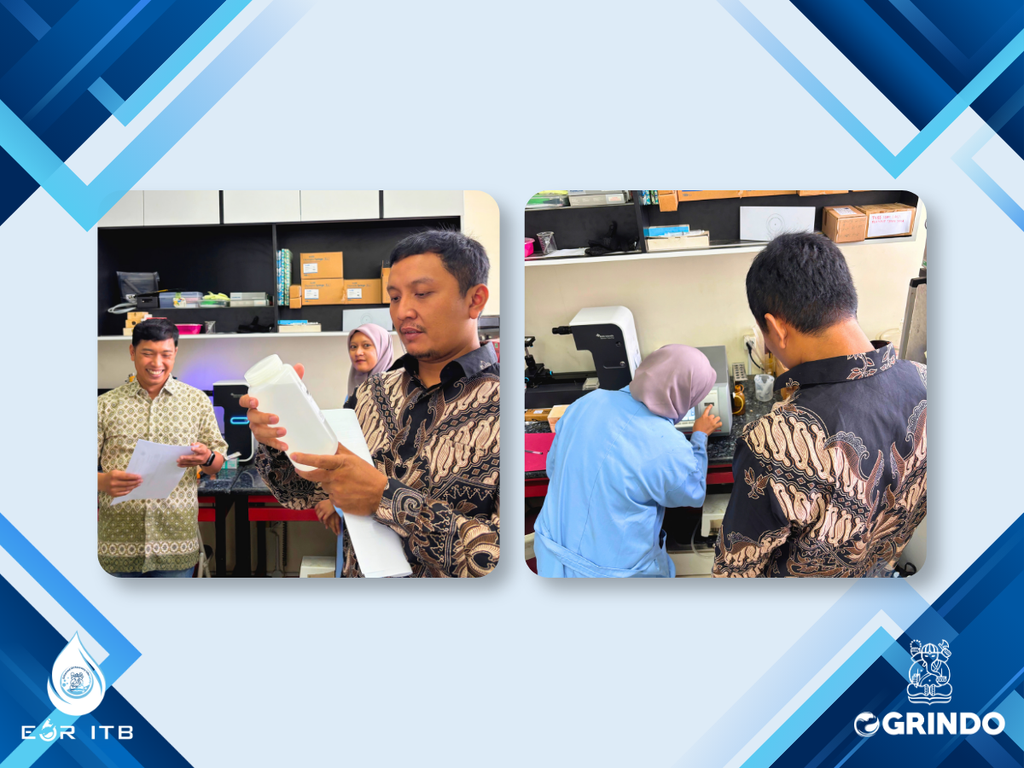
After understanding system operation and method setup, participants then directly applied this knowledge through polymer sample testing to evaluate system performance.

As the main part of the training, polymer samples were tested with several concentration variations to evaluate the RID detector response and the consistency of the analytical method used.

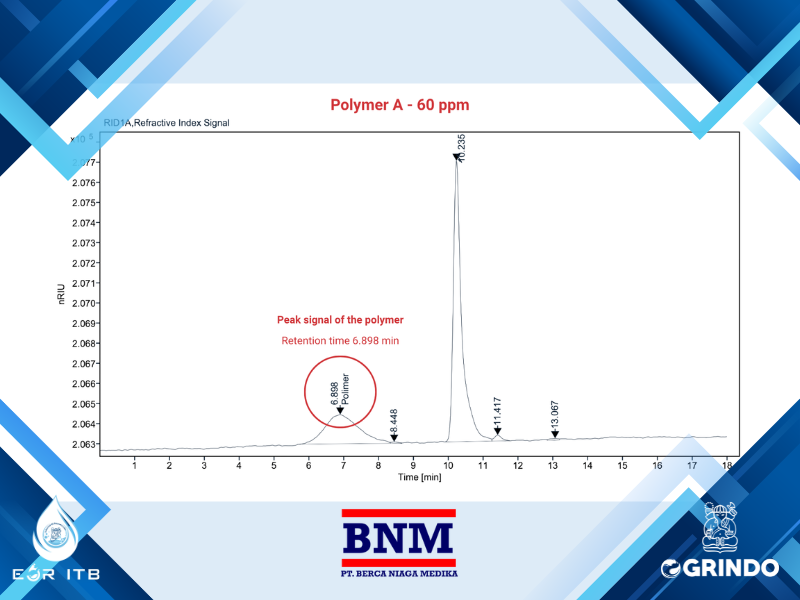
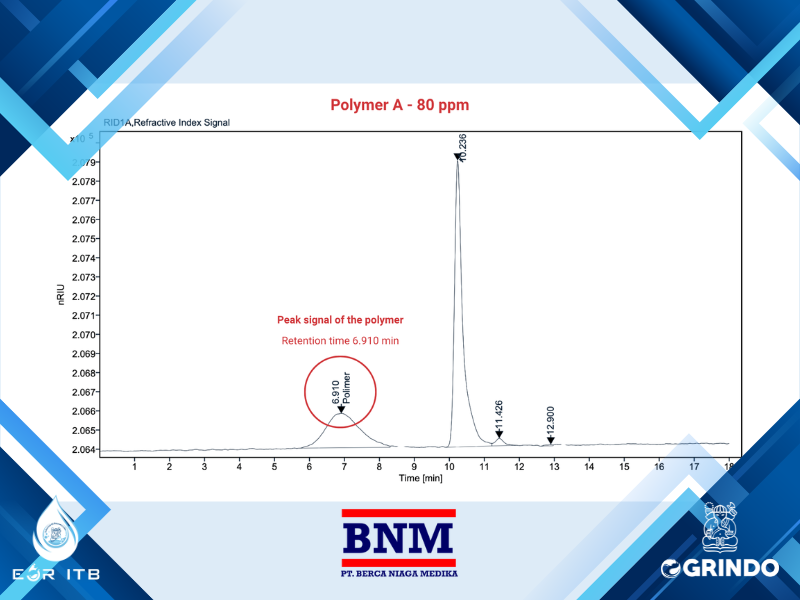
The chromatogram results show that the polymer peak is consistently detected at a retention time of approximately 6.6 – 6.9 minutes, indicating stable system conditions during the analysis.

In addition, an increasing trend in peak area is observed with increasing sample concentration, indicating that the detector response is proportional to the amount of sample tested.
Summary of Polymer Test Results
60 ppm | RT: 6,898 menit | Area: 9.950
80 ppm | RT: 6,910 menit | Area: 12.414
100 ppm | RT: 6,677 menit | Area: 15.431

Figure 5. Chromatogram of HPLC–RID analysis of polymer sample (60 ppm) showing the main peak at a retention time of approximately 6.898 minutes.
Figure 6. Chromatogram of HPLC–RID analysis of polymer sample (80 ppm) showing the main peak at a retention time of approximately 6.910 minutes.

Brief Analysis of Test Results

The test results show that the method used has provided consistent and reliable responses. The relatively stable retention time at each concentration variation indicates that the system conditions were well maintained during the analysis.

On the other hand, the increase in area values in line with concentration indicates that the RID detector is capable of providing a proportional response to the amount of polymer analyzed. This indicates that the method has good potential for use in quantitative analysis.

However, at this stage, a calibration curve has not yet been applied, so the results obtained are still indicative and have not been used for absolute quantification.

Enhancement of Laboratory Analytical Competence

Through this hands-on session, participants gained practical experience in conducting HPLC–RID analysis comprehensively, from system operation to interpretation of test results. Participants also learned to understand the relationship between method parameters, instrument conditions, and the quality of the resulting chromatogram.

This approach not only improves technical skills but also builds analytical capabilities required in research and laboratory testing activities.

Conclusion

Training HPLC–RID Part 2 provides a comprehensive understanding of system operation and polymer sample analysis through hands-on practice. With a combination of instrument mastery, method understanding, and data interpretation, this training is expected to improve analysis quality and human resource readiness in supporting industrial and research needs, particularly in the EOR field.

Interested in Collaborating?

OGRINDO ITB and the EOR Laboratory ITB open opportunities for collaboration in the form of training, research, and laboratory analysis services that can be tailored to the needs of industry and academia.

For more information, please contact:
📧 OGRINDO ITB: info@ogrindoitb.com
📧 Laboratorium EOR ITB: eor@itb.ac.id

Enhance your analytical capabilities with us through research-driven training and best-practice collaboration.

Categories
News Article

Analysis of Surfactant Flooding Performance through Capillary Number Using a Modified Micromodel

Surfactant flooding is one of the Chemical Enhanced Oil Recovery (EOR) methods that plays an important role in increasing oil recovery by reducing interfacial tension (IFT) and mobilizing oil trapped within the pores of reservoir rock. This study evaluates the performance of two commercial surfactants through the analysis of the relationship between capillary number and residual oil saturation using a modified transparent micromodel approach combined withigital image analysis. This approach provides a deeper understanding of fluid displacement dynamics in porous media during the surfactant flooding.

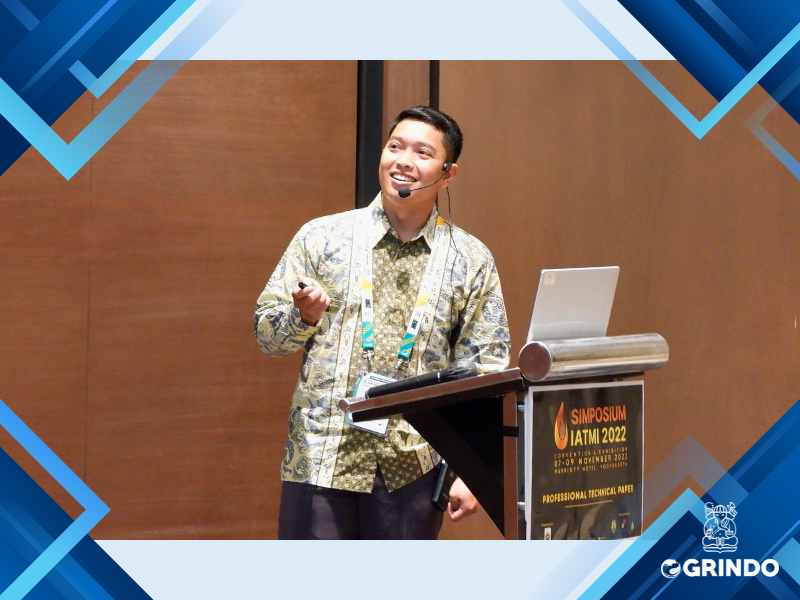
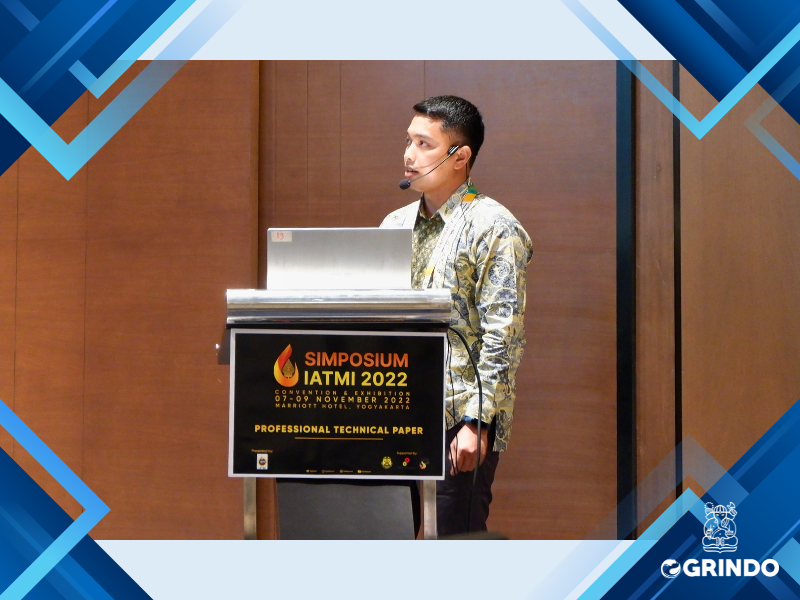
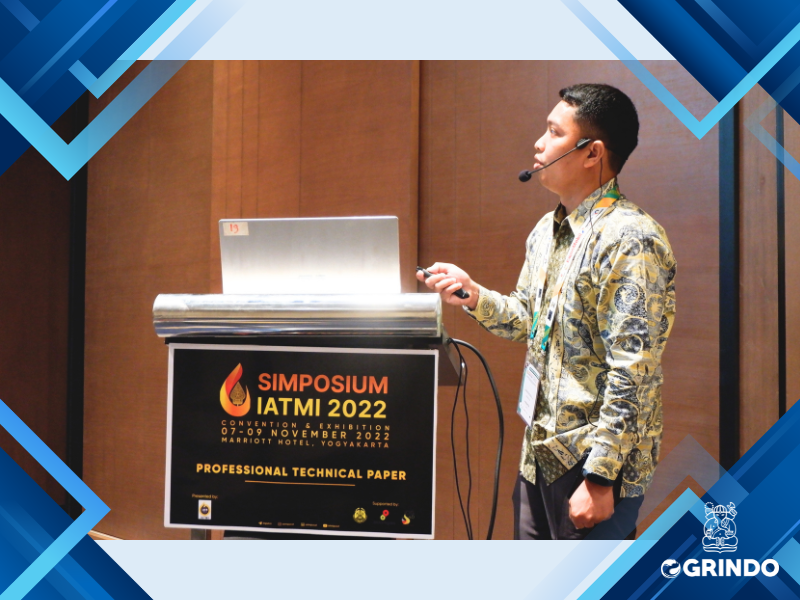
Figure 1. Presentation of research results on surfactant flooding performance at the IATMI Symposium 2022.

Research Background and Objectives

Surfactant flooding has long been developed as one of the Chemical EOR methods that is effective in improving oil mobility within the reservoir. By reducing the interfacial tension between oil and water, surfactants allow oil that was previously trapped within rock pores to be more easily mobilized and produced.

In laboratory studies, surfactant flooding performance is often analyzed using the Capillary Desaturation Curve (CDC), which describes the relationship between changes in residual oil saturation and capillary number. Capillary number itself is the ratio between viscous forces—which are influenced by fluid viscosity and injection rate—and capillary forces, which are influenced by the interfacial tension between two immiscible fluids.

This study aims to evaluate the performance of two commercial surfactants by analyzing how changes in the capillary number can affect the reduction of residual oil saturation. To increase the capillary number, the value of interfacial tension between surfactants and crude oil was modified until reaching the ultra-low IFT condition, allowing the capillary number to increase by three to five orders of magnitude.

Experimental Approach Using a Modified Micromodel

This study uses a transparent modified micromodel that enables direct visualization of fluid movement in porous media. This approach provides a clearer picture of the oil displacement process during surfactant injection.

To represent reservoir conditions more realistically, the micromodel was modified by adding quartz and cement, allowing fluid–rock interactions to be observed more representatively. The experimental process was then analyzed using Digital Image Analysis (DIA) to calculate important parameters such as initial oil saturation, residual oil saturation, water saturation, and surfactant saturation quantitatively.

This study consists of two main testing stages: a static test to evaluate fluid compatibility through CMC–IFT testing, and a dynamic test using the micromodel to directly observe the surfactant flooding process within porous media.

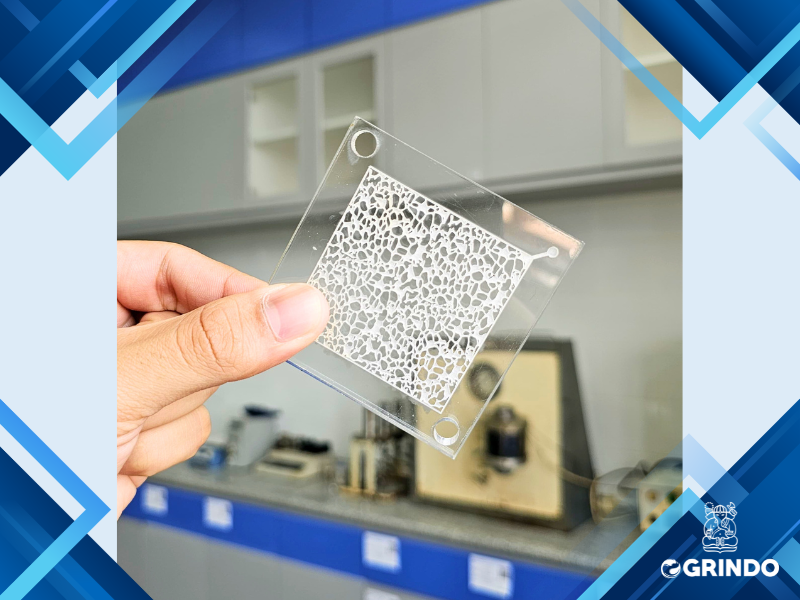
Figure 3. Example of a modified transparent micromodel used in the study to visualize fluid movement in porous media during the surfactant flooding.

Research Results and Insights

The results of the study show that the reduction of interfacial tension between the surfactant solution and crude oil directly influences the reduction of residual oil saturation, which ultimately increases oil recovery.

However, the study also shows that the lowest interfacial tension does not always result in the highest oil recovery . This finding provides an important perspective that an increase in capillary number at a certain level is sufficient to improve oil mobilization, without always having to reach the condition of ultra-low IFT.

The approach using a modified micromodel also demonstrates significant potential as an experimental method that is simpler, faster, and more cost-efficient compared to conventional methods such as coreflood test, while still being able to provide detailed insights into fluid–rock interactions at the pore scale.

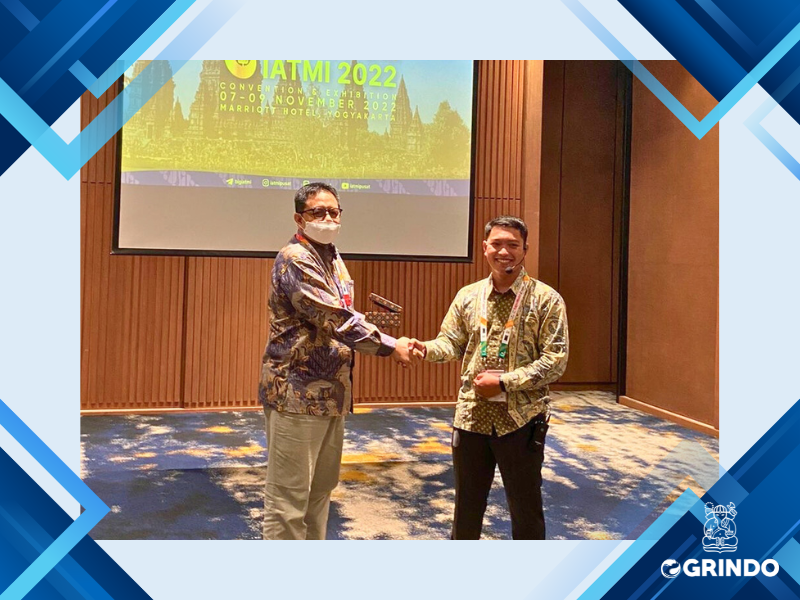
Figure 4. Award presentation at the IATMI Symposium 2022 for contributions to a professional technical paper discussing the analysis of surfactant flooding using a micromodel experiment.

Publication Access and Research Collaboration

This article summarizes the key points of the scientific publication that can be accessed in full through the Publications di website page on the OGRINDO ITB website.
🔗 Read the full publication here

OGRINDO ITB actively develops various research initiatives in reservoir engineering, enhanced oil recovery, dan teknologi subsurface technology to support the needs of the energy industry.

Interested in Collaboration?

📩 Interested in discussing or exploring research collaboration in the field of Chemical EOR?
We welcome opportunities to collaborate with industry partners, research institutions, and academic communities.
Email: ogrindo@itb.ac.id

Categories
News Article

Training HPLC – RID Part 1: System Introduction for Precise Analysis

In an effort to maintain accurate, precise, and reproducibleanalytical quality standards, OGRINDO ITB and the EOR Laboratory ITB organized an HPLC–RID Training in collaboration with PT. Berca Niaga Medika. This activity aims to strengthen the team's understanding of the High Performance Liquid Chromatography (HPLC) system with a Refractive Index Detector (RID), ensuring optimal instrument operation and generating reliable data to support research and applications of Chemical EOR.

Figure 1. Technical discussion session during the HPLC–RID Training with the team from PT. Berca Niaga Medika at the EOR Laboratory ITB.
Figure 2. Training participants enthusiastically taking part in the discussion and introduction session of the HPLC–RID system at the EOR Laboratory ITB.

HPLC 1260 – RID System at the EOR Laboratory ITB

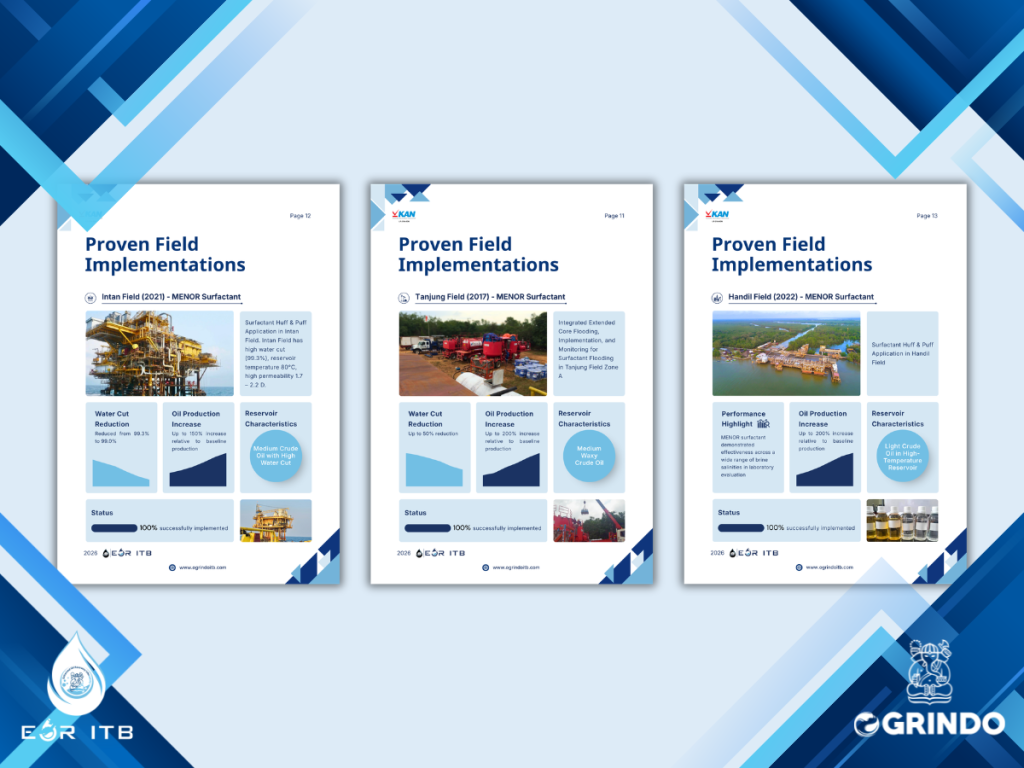
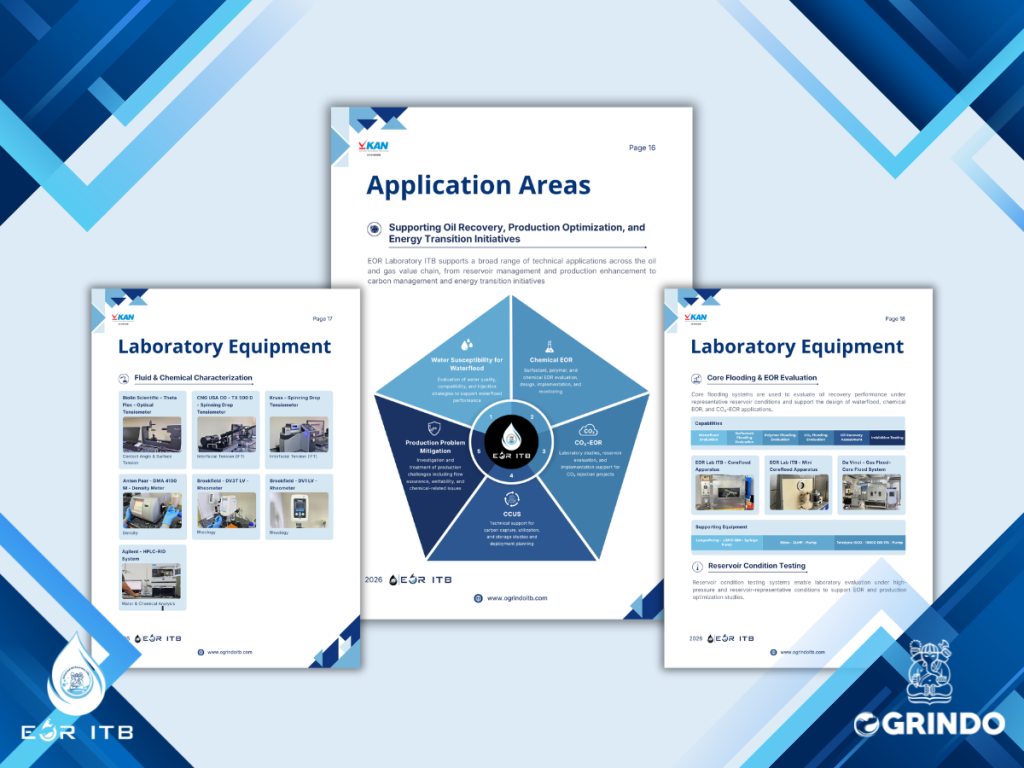
The EOR Laboratory ITB utilizes an HPLC type 1260 equipped with an RID detector system and a manual injector. This configuration is highly suitable for analyzing compounds such as polymers and surfactants, particularly in studies of chemical adsorption onto rock, detection and quantification of polymers and surfactants in monitoring wells, as well as evaluation of injection performance in Chemical EOR schemes. Understanding each component is key to maintaining system stability and ensuring the quality of analytical results.

Figure 3. The instructor explaining the configuration and main components of the HPLC–RID system used in the sample analysis process.

Main Components and Their Functions

  1. Mobile Phase Reservoir
    A container used to store the solvent (mobile phase) that will flow through the system. The quality and cleanliness of the mobile phase greatly determine pressure stability and the baseline chromatogram.
  2. Isocratic Pump
    The system used is isocratic, meaning it uses a single, constant mobile phase composition throughout the analysis. In contrast, gradient systems allow changes in the composition of 2–4 solvents through softwarecontrol, isocratic systems are simpler and more stable for routine methods with relatively consistent sample matrices.
  3. Manual Injector
    The injection process is carried out manually using a 20 µL loop and a precision syringe (typically 50 µL) to ensure consistent injection volume and repeatability maintain.
  4. HPLC Column
    The column is the core of the separation process. The column compartment is equipped with a heater with temperatures up to 85°C to maintain temperature stability and consistency retention time.
  5. Refractive Index Detector (RID)
    RID operates based on differences in refractive index between the mobile phase and sample components. This detector is highly sensitive to temperature changes, solvent composition, and the presence of air bubbles, making system stability a crucial factor.
Figure 4. Demonstration of the sample injection process using a syringe in the system of manual injector HPLC.
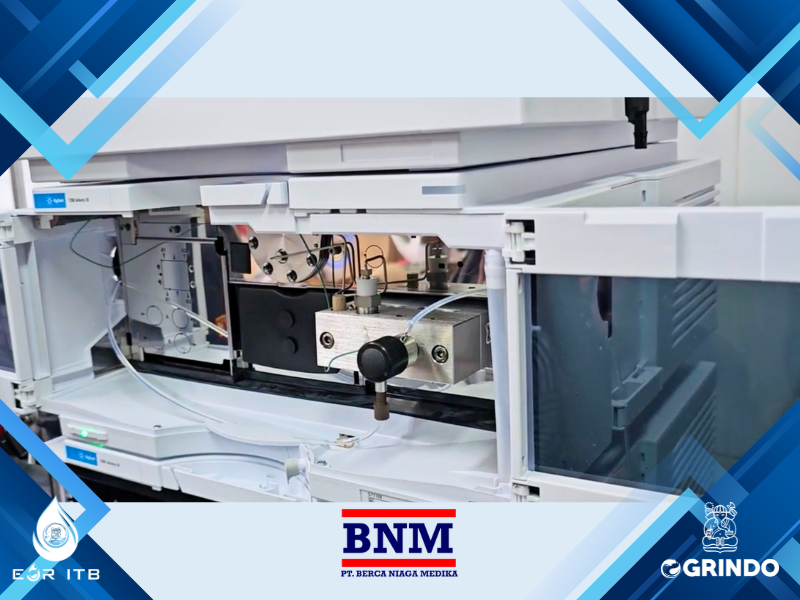
Figure 5. Internal view of the HPLC system showing the flow path of the mobile phase toward the column and detector.

System Stability Begins with the Mobile Phase

One of the main topics discussed during the training was the importance of ensuring that the mobile phase is free from air bubbles (bubble).

Indications that the System Contains Bubble:

  • Pressure graph fluctuates abnormally
  • Baseline unstable
  • Changes in retention time compared to previous methods

To prevent these issues:

  • The mobile phase must be filtered and sonicated (degassing).
  • The system should first be run with water before switching to the main mobile phase to ensure no air is trapped in the flow path.
  • If bubbleare detected, remove the air until the pressure becomes stable before starting the analysis.
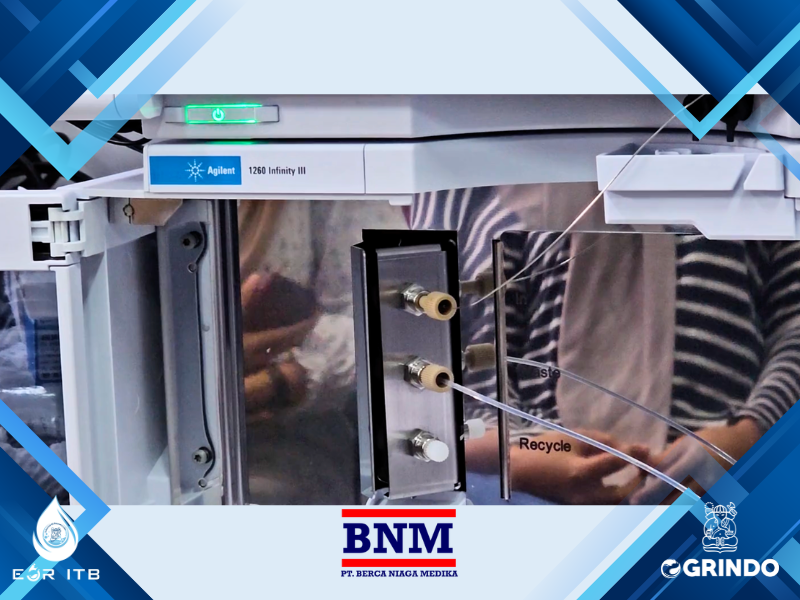
Figure 6. Detailed view of tubing connections and flow paths in the HPLC system that require stable pressure and must be free of air bubbles.

Purging Pump: A Mandatory Step Before Analysis

Purging is performed to remove air from the system. The general purging procedure is as follows:

  • Run the mobile phase with flow rate ±2 mL/min for approximately ±2 minutes.
  • If the pressure is still unstable or bubble are present, the flow rate can be increased up to 4 mL/min (maximum 5 mL/min according to system limits).
  • The process continues until the pressure stabilizes.
  • The duration of purging depends on the system condition.
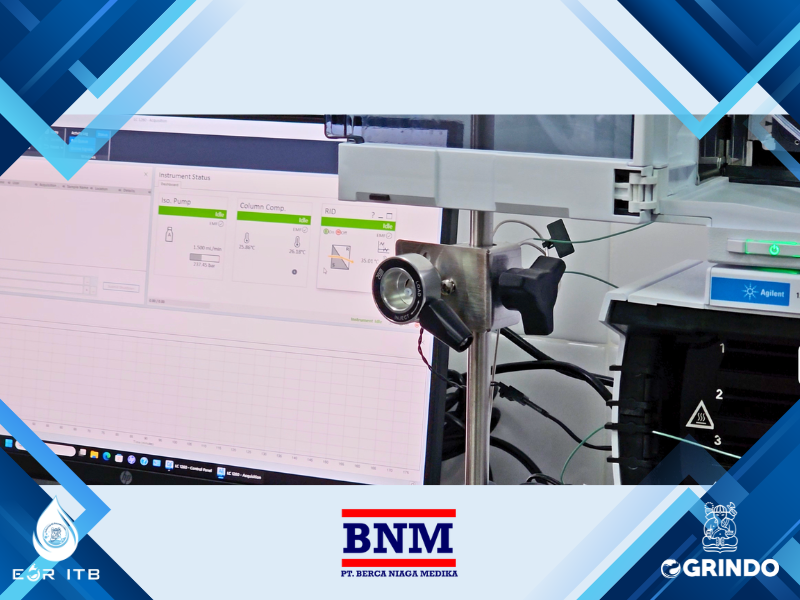
Figure 7. The HPLC instrument software interface used to monitor system conditions and record chromatogram data during the analysis process.

Maintaining Column Performance and Data Accuracy

Several best practice emphasized during the training:

  • Use a mobile phase that is clear and free from turbidity
  • Avoid excessively high viscosity, as it can increase system pressure.
  • High viscosity over time can accelerate column saturation.
  • Stabilize column temperature to maintain consistency of retention time.
  • Perform gradual flushing when changing solvents with different characteristics.

In the early stages, the system may still show good results. However, without proper procedures, column performance may gradually decline and affect the validity of analytical data.

Figure 8. Explanation of method settings and monitoring of HPLC analysis parameters through the instrument software system.

Building a Culture of Precise Analysis

Training not only focuses on how to operate the instrument but also builds a comprehensive understanding of working principles, potential operational risks, and the importance of standard procedures in maintaining data integrity.
With well-maintained systems and proper procedures, HPLC–RID becomes a strategic instrument in supporting polymer and surfactant analysis for the successful implementation of Chemical EOR.

Figure 9. Group photo of participants and the instructor after the HPLC–RID instrument operation practice session.

Interested in Collaborating?

OGRINDO ITB and the EOR Laboratory ITB open opportunities for research collaboration, laboratory testing, and analytical method development for both industrial and academic needs.
📩 Contact us:
ogrindo@itb.ac.id
eor@itb.ac.id
Let us achieve more precise analysis, more stable systems, and more reliable data to support sustainable energy innovation.

Categories
News Article

Final Presentation Internship Lab EOR ITB: Strengthening Chemical Enhanced Oil Recovery Competencies

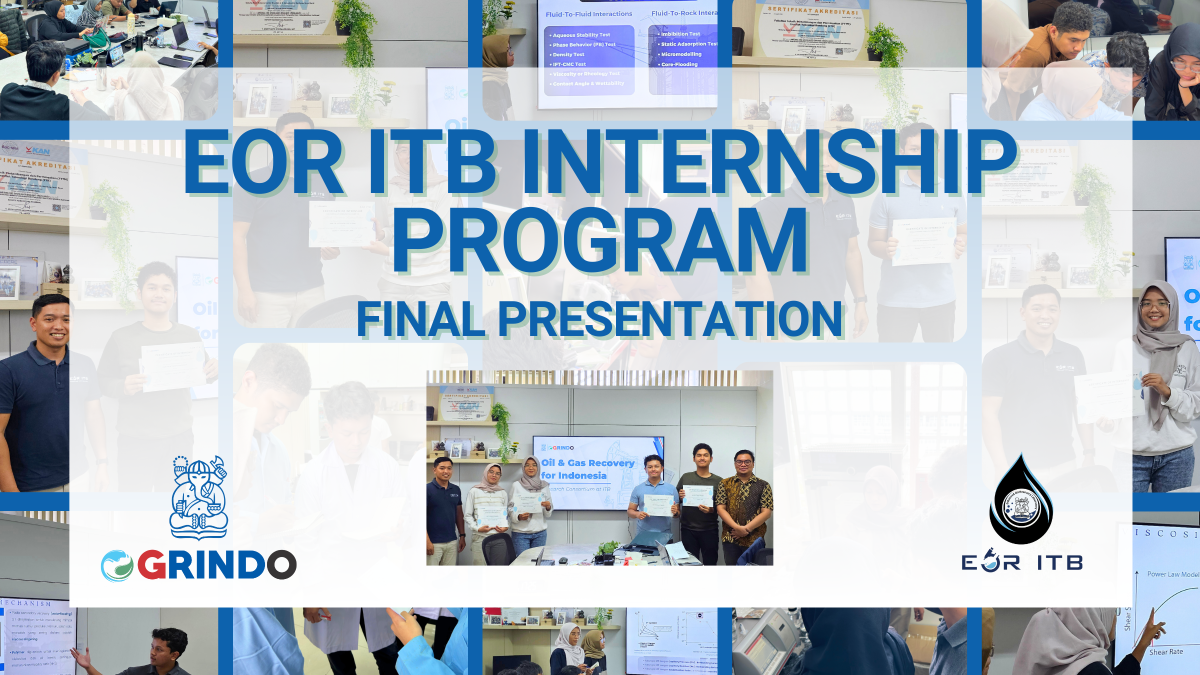
Monday, February 2, 2026 marked an important milestone for the participants of the Internship Program at the EOR Laboratory ITB who had completed a series of intensive learning activities over the past two months. Final Presentation session held in the Meeting Room of Lab EOR ITB, Energy Building 7th Floor ITB, served as the official closing of the program as well as a reflection on the in-depth study process in the field of Chemical Enhanced Oil Recovery (EOR).

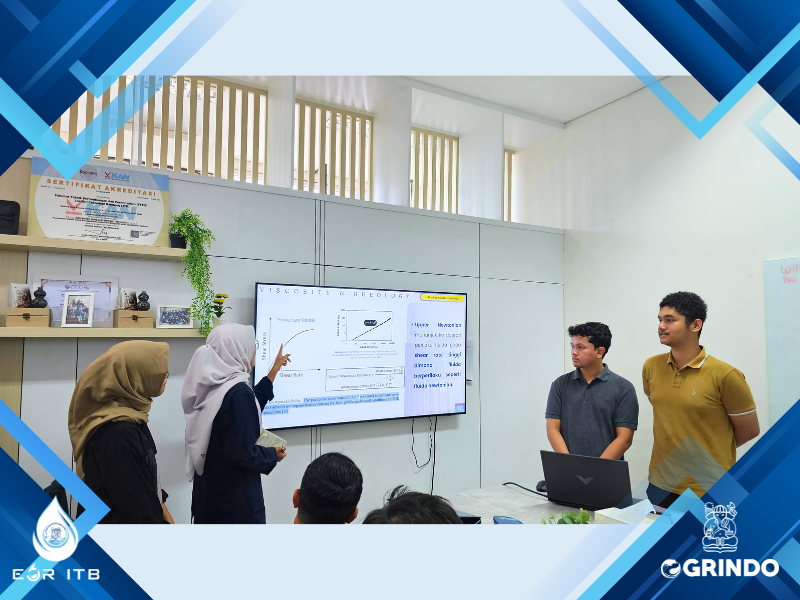
Figure 1. Participants presented a comprehensive evaluation covering laboratory test design, data interpretation, and the development of workflow implementation for Chemical EOR.

This internship program was designed under a hybrid scheme for two months, consisting of one month onsite at the EOR Laboratory ITB and one month offsite (online). This approach provided a balance between hands-on laboratory experience and conceptual deepening, technical discussions, as well as independent literature studies.

Comprehensive Study of Chemical EOR

During the program, participants explored three main components in the implementation of Chemical namely surfactants, polymers, and the ASP (Alkali–Surfactant–Polymer).

In the surfactant study, participants learned about the mechanism of interfacial tension (IFT) reduction between oil and water to enhance the mobilization of trapped oil within reservoir rock pores. This understanding becomes key to improving oil recovery efficiency in the later stages of production.

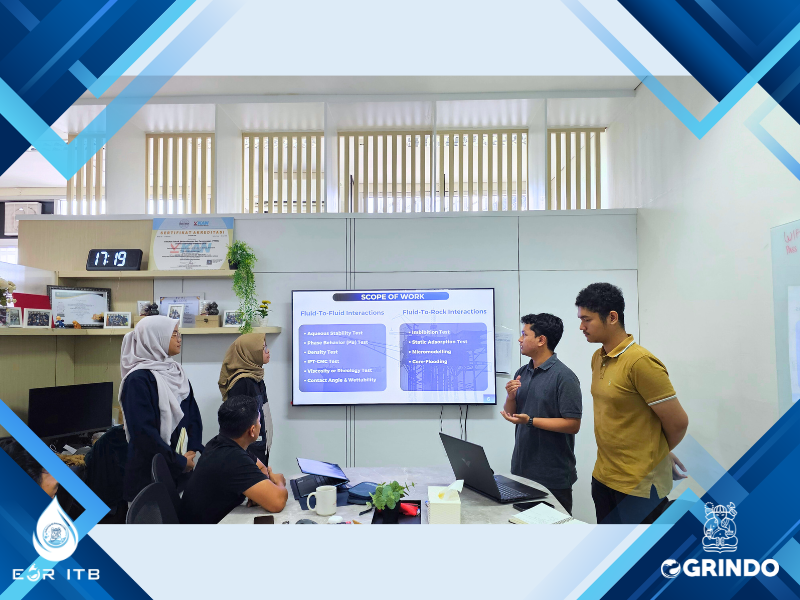
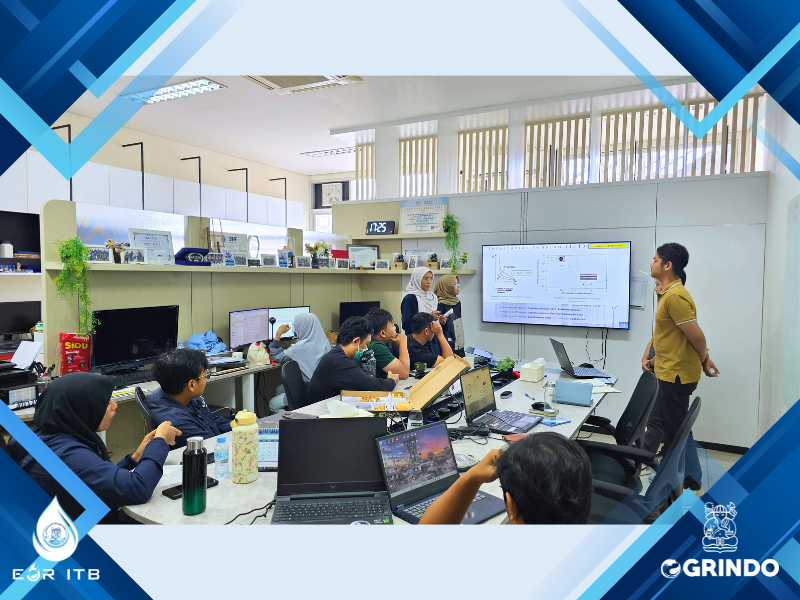
Figure 2. Participants presented a comprehensive analysis related to polymer mechanisms, adsorption behavior, and Chemical EOR implementation strategies at the field scale.

In the polymer study, the focus was placed on increasing the viscosity of the injection fluid to improve the mobility ratio and enhance sweep efficiency. The analysis of rheological characteristics and polymer stability became an essential part of evaluating the performance of the chemical injection system.

Meanwhile, in the ASP system, participants studied the integration of alkali, surfactant, and polymer as a combined approach aimed at increasing oil recovery through the synergy of mutually supportive chemical mechanisms.

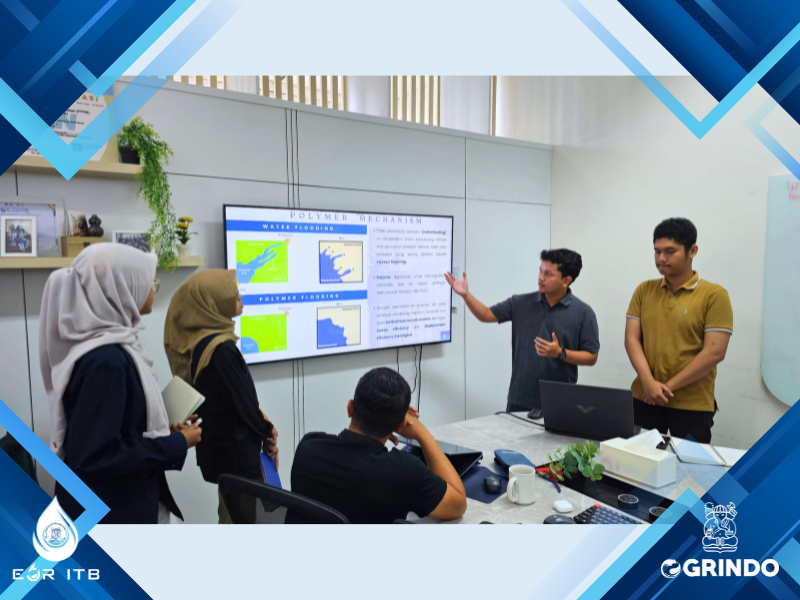
Figure 3. Viscosity analysis, shearsensitivity, and reservoir compatibility as key parameters in the design of polymer flooding.

Through the final presentation session, participants presented the results of their analysis, conceptual understanding, and the applicative implications of the studies conducted. This presentation demonstrated their ability to integrate theory, laboratory practice, and field implementation relevance.

Figure 4. An active discussion session between participants, researchers, and supervisors in examining the practical challenges of Chemical EOR implementation.

Strengthening EOR Talent Competencies and Academic–Industry Integration

The Final Presentation activity demonstrated how collaboration between research institutions and academic programs can produce talent ready to enter both research and the petroleum industry. The hybrid learning scheme provided flexibility while ensuring in-depth technical understanding aligned with current energy industry needs.

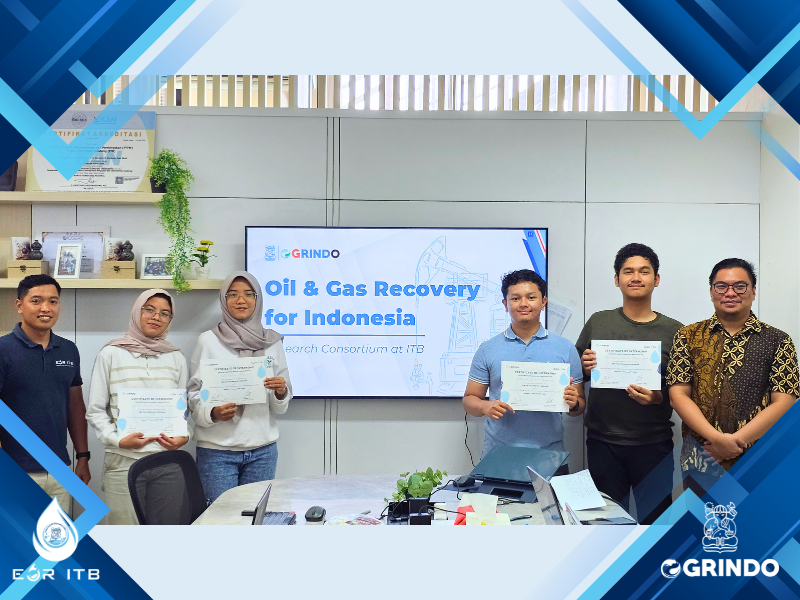
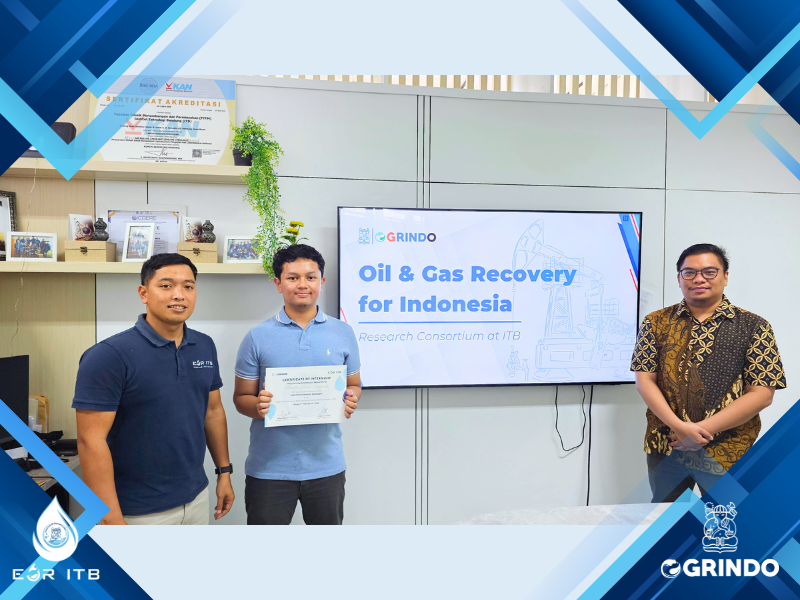
Figure 5. Appreciation for the dedication, analytical rigor, and technical contributions of participants throughout the Chemical EOR competency strengthening program.

The active participation of the interns during the presentation session reflected their ability to translate fundamental scientific principles and advanced engineering concepts into applicable technical solutions within the context of Chemical EOR. Their in-depth understanding of surfactant mechanisms, polymer characteristics for mobility control, and ASP system integration demonstrated their readiness to comprehend the complexity of modern reservoir challenges.

This program not only focused on theoretical mastery, but also emphasized practical relevance to real industry challenges, particularly in efforts to enhance production in maturereservoirs. This initiative further strengthens a collaborative learning ecosystem that bridges academia with the professional competency needs of the energy sector.

Through this program, Lab EOR ITB together with OGRINDO ITB reaffirmed their role as a center for capacity building and talent strengthening in the field of Chemical EOR, ready to contribute to the oil and gas industry and the national energy sector.

Interested in Collaborating or Joining the Next Program?

The Lab EOR ITB Internship Program is part of a continuous commitment to competency development and the strengthening of a science-driven and industry-oriented energy research ecosystem.

For further information regarding:

  • The next internship program
  • Chemical EOR research collaboration
  • Laboratory testing and evaluation
  • Training and capacity development programs

Please contact:

📧Laboratorium EOR ITB: labifteoritb@gmail.com

📧OGRINDO ITB: info@ogrindoitb.com

We are open to academic collaboration, industry research partnerships, and talent development initiatives in the field of subsurface and technology of Enhanced Oil Recovery.

Categories
News Article

PEM Akamigas Student Study Excursion at the EOR ITB Laboratory

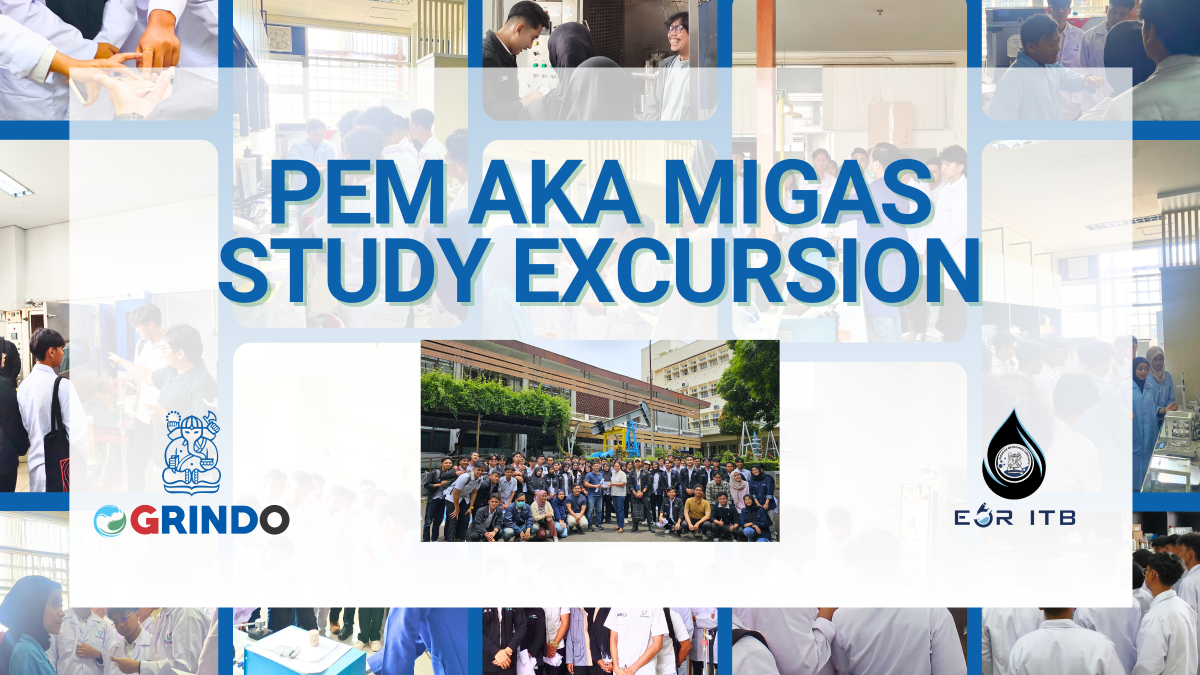
Students from the Polytechnic of Energy and Mineral (PEM) Akamigas carried out a study excursion to the Petrophysics Laboratory and the Enhanced Oil Recovery (EOR) Laboratory of Institut Teknologi Bandung on January 27, 2026. This activity was part of the learning program for the Even Semester of the 2025/2026 Academic Year and aimed to provide direct experience in the application of petroleum engineering and technology subsurface.

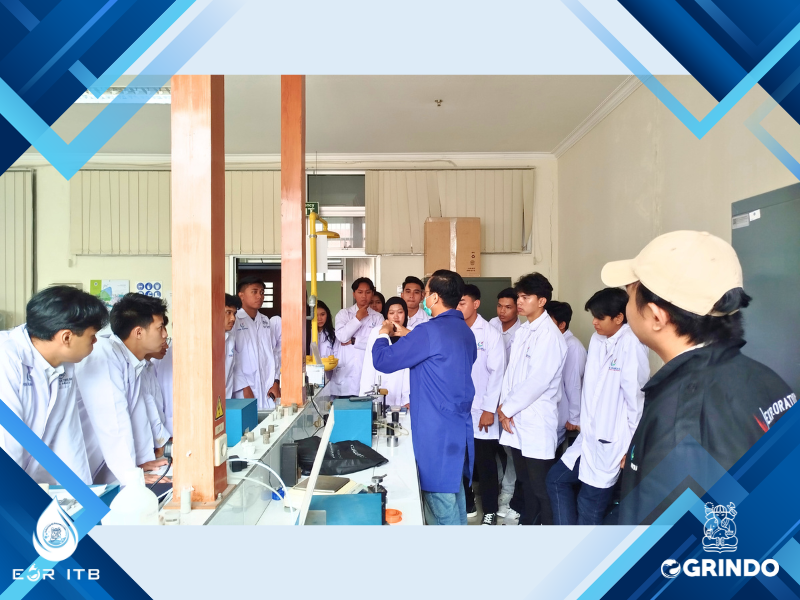
Figure 1. PEM Akamigas students participating in the study excursion activities at the EOR ITB Laboratory.

Background of the Activity

The Polytechnic of Energy and Mineral (PEM) Akamigas is a vocational higher education institution in the field of energy, oil, and gas under the Ministry of Energy and Mineral Resources. One of the programs offered is the Diploma IV Program in Oil and Gas Production Engineering.

As part of the academic agenda for the Even Semester of the 2025/2026 Academic Year, PEM Akamigas conducted an academic visit in the form of a study excursion to the Petrophysics Laboratory and the Enhanced Oil Recovery (EOR) Laboratory of Institut Teknologi Bandung. This activity served as a direct learning opportunity for students to understand the application of knowledge in research activities, commercial projects, and challenges within Indonesia’s oil and gas industry.

Collaboration between OGRINDO ITB and the EOR ITB Laboratory

This academic visit was carried out through the synergy between the EOR ITB Laboratory and OGRINDO ITB as part of the subsurface research and technology development ecosystem at Institut Teknologi Bandung. This collaboration reflects a shared commitment to supporting academic activities, human resource development, and knowledge dissemination in the field of energy and petroleum engineering.

Through this collaboration, the EOR ITB Laboratory serves as a research-based learning facility, while OGRINDO ITB supports the integration of laboratory activities with applied research contexts and broader scientific development.

Implementation of the Academic Visit

The academic visit was attended by students of the Oil and Gas Production Engineering Program at PEM Akamigas who were enrolled in the Practical Enhanced Oil Recovery and Practical Formation Evaluation courses. A total of 59 students, accompanied by supervising lecturers, participated in the series of activities conducted at the EOR ITB Laboratory.

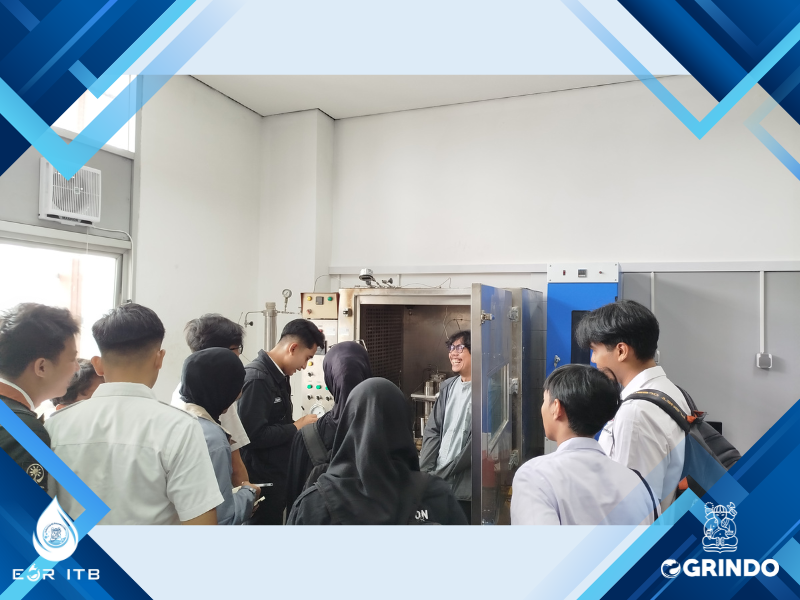
During the visit, students received explanations regarding laboratory facilities, testing activities, and an overview of research and technology development, particularly in the analysis of rock physical properties and chemical enhanced oil recovery. Direct interaction between students and the laboratory environment became an essential part of the practice-based learning process.

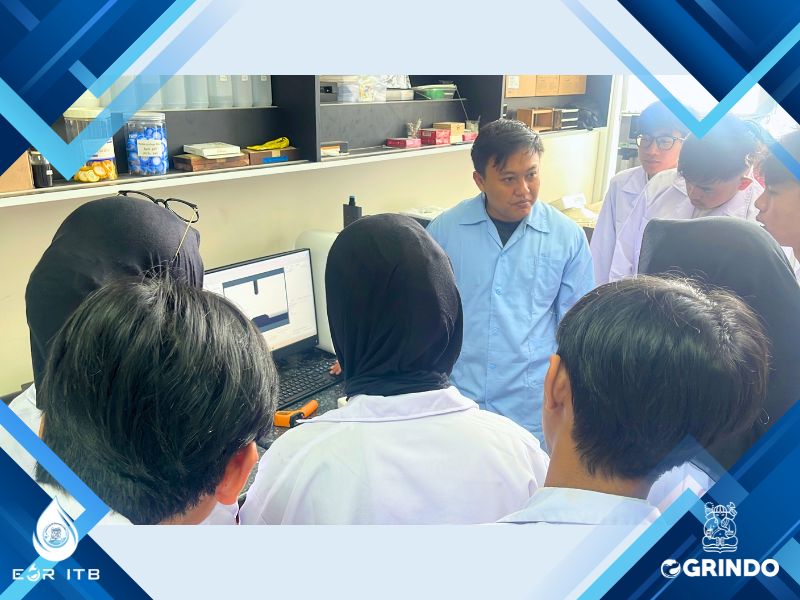
Figure 4. Discussion of testing results and laboratory data interpretation with the EOR ITB team.

Date and Location of the Activity

The academic visit of PEM Akamigas students to the EOR ITB Laboratory was conducted on:
Date: January 27, 2026
Location: Enhanced Oil Recovery (EOR) Laboratory, ITB Enhanced Oil Recovery (EOR) ITB
All activities were carried out in an orderly and well-coordinated manner in accordance with the applicable laboratory regulations.

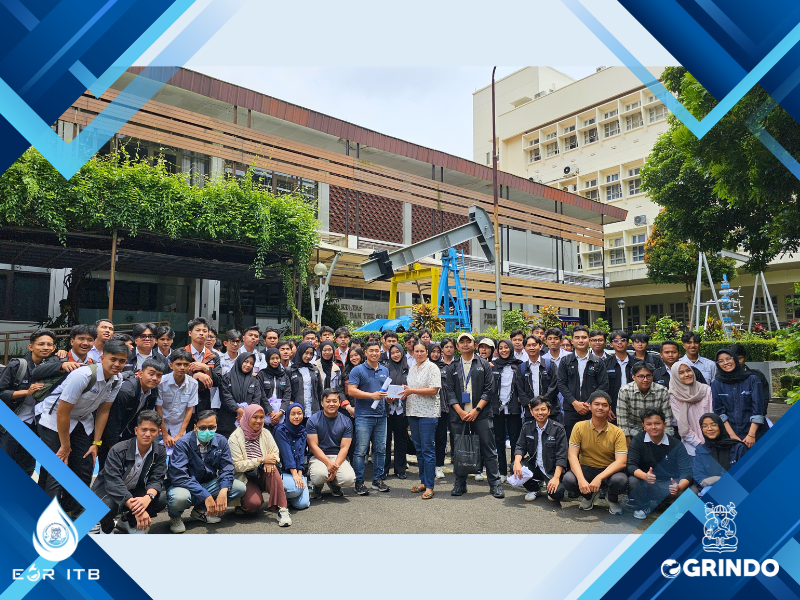
Figure 5. Group photo of PEM Akamigas students with representatives of the EOR ITB Laboratory and OGRINDO ITB in front of the Department of Petroleum Engineering Building, Institut Teknologi Bandung.

Conclusion

The implementation of this academic visit highlights the importance of collaboration between vocational education institutions and university research environments in supporting the enhancement of student competencies. The synergy between PEM Akamigas, the EOR ITB Laboratory, and OGRINDO ITB is expected to continue as part of ongoing efforts to strengthen learning, research, and technology development in the field of energy and petroleum engineering.

For institutions, industry partners, or other parties interested in establishing collaboration, further discussions, or obtaining information regarding research activities and laboratory facilities, please contact OGRINDO ITB via email at info@ogrindoitb.com or the EOR ITB Laboratory at labifteoritb@gmail.com.

Categories
News Article

Initiation of a Strategic Collaboration between OGRINDO ITB and the Enhanced Oil Recovery (EOR) Laboratory of ITB with China National Logging Corporation (CNLC)

OGRINDO ITB, in collaboration with the Enhanced Oil Recovery (EOR) Laboratory of Institut Teknologi Bandung (ITB), has officially initiated a strategic collaboration with China National Logging Corporation (CNLC), a company specializing in oilfield services and petroleum technology. This collaboration is undertaken through a collaborative feasibility study focusing on core analysis and laboratory-based qualification testing of CNLC's chemical agent products. This initiative represents an initial step toward establishing a research and technical collaboration aimed at supporting the development of Enhanced Oil Recovery (EOR) technologies in Indonesia.

Figure 1. Initial technical discussion between the CNLC team, OGRINDO ITB, and the EOR Laboratory of ITB at ITB’s laboratory facilities.

Background of the Collaboration Initiation

CNLC has expressed its interest in conducting a technical feasibility study to evaluate the applicability, performance, and compatibility of chemical agent under representative reservoir conditions. This study is intended as part of the initial assessment stage prior to potential field implementation of the technology in Indonesia.

In this context, Institut Teknologi Bandung (ITB), through the collaboration between OGRINDO ITB and the Enhanced Oil Recovery (EOR) Laboratory of ITB, is regarded as a partner with relevant capabilities and experience in reservoir characterization, core analysis, and laboratory-scale chemical EOR testing. The selection of the most appropriate laboratory platform will be determined based on facility readiness and institutional considerations on the part of ITB.

Scope of the Collaboration Initiation

This collaboration initiative is still at an early stage, with the main scope including:

  • Initial discussions on the plan and approach for the technical feasibility study
  • Alignment of the preliminary scope of work among the parties
  • Review of laboratory capabilities and available testing procedures at ITB
Figure 2. Review of EOR laboratory facilities and equipment as part of the technical collaboration initiation.

The outcomes of this initiation stage are expected to serve as a technical foundation for the development of further collaboration, either in the form of joint research or future industrial applications.

CNLC Technical Visit to ITB

As part of the collaboration initiation process, a technical visit by the CNLC Asia Pacific team to ITB is planned for January 2026. The visit will include joint technical discussions as well as laboratory visit to directly review chemical EOR testing facilities.

Figure 3. In-depth technical discussion on feasibility study approaches and chemical EOR testing.

The visit agenda will focus on the following:

  • Initial technical discussions between CNLC and ITB
  • Discussion of laboratory testing requirements and specifications
  • Review of EOR laboratory facilities and capabilities within the ITB environment

These activities are expected to strengthen mutual understanding of the proposed study approach and ensure alignment between technical requirements and available facilities.

Figure 4. Technical presentation on testing methodologies and the capabilities of the ITB EOR Laboratory.

Role of OGRINDO ITB and the EOR Laboratory of ITB in the Collaboration

In this initiative, OGRINDO ITB and the Enhanced Oil Recovery (EOR) Laboratory of ITB collaborate in a synergistic manner, with OGRINDO ITB acting as a bridge between industry needs and research activities, while the EOR Laboratory of ITB serves as the primary executor of laboratory testing and technical evaluation. With experience in chemical EOR testing, core analysis, and supporting studies for EOR technology implementation, OGRINDO ITB is committed to supporting the technical evaluation process in an objective and data-driven manner.

Figure 5. Demonstration of EOR laboratory testing facilities to support data-driven technical evaluation.

Future Collaboration Prospects

The collaboration initiation between OGRINDO ITB, the EOR Laboratory of ITB, and CNLC reflects a shared commitment to promoting international collaboration in research and development of EOR technologies. Going forward, this collaboration is expected to evolve into broader cooperation, supporting research capacity building, knowledge transfer, and the application of EOR technologies tailored to reservoir characteristics in Indonesia.

OGRINDO ITB welcomes this initiative and hopes that the ongoing collaboration initiation process will serve as an initial step toward a productive and sustainable partnership.

Figure 6. Group photo of the CNLC team, OGRINDO ITB, and the EOR Laboratory of ITB during the initiation of the strategic collaboration.

Information and Collaboration Opportunities

OGRINDO ITB is open to research collaboration opportunities, feasibility studies, and technology development in the fields of Enhanced Oil Recovery (EOR) and reservoir characterization. For further information or collaboration inquiries, please contact:
📧 Email: info@ogrindoitb.com
Categories
News Article

Ardhi Hakim Lumban Gaol, S.T., M.Sc., Ph.D.: Strengthening the Integration of Research, Technology, and Subsurface Implementation at OGRINDO ITB

Ardhi Hakim Lumban Gaol, S.T., M.Sc., Ph.D. is an academic and petroleum engineering practitioner with extensive experience in the development of integrated subsurface studi, Enhanced Oil Recovery (EOR), as well as the application of digital technologies and machine learning for oil and gas field optimization. With an international educational background and a strong professional track record, Dr. Ardhi plays an important role in bridging academic research with the needs of the national energy industry.

Figure 1. Dr. Ardhi Hakim Lumban Gaol, Ph.D. delivering a presentation at ITB Energy Summit 2025.

Educational Background

Dr. Ardhi completed his Bachelor’s degree in Petroleum Engineering at the Bandung Institute of Technology (ITB) in 2009. His strong interest in reservoir modeling and fluid flow encouraged him to pursue further studies at Texas A&M University, United States, one of the world’s leading centers in petroleum engineering. At this institution, he earned a Master of Science degree in 2012 and a Doctor of Philosophy (Ph.D.) degree in 2016.

His doctoral research focused on two-phase flow modeling in gas wells with liquid loadingissues, which was subsequently published in various reputable international journals and conferences. This academic foundation has become a strong basis for the analytical and science-based approach that he continues to apply to this day.

Academic and Scholarly Activities

Since 2013, Dr. Ardhi has been actively serving as a lecturer in the Petroleum Engineering Study Program at ITB. In his role as an educator and researcher, he has been involved in the development of strategic research in the fields of reservoir engineering, EOR, carbon capture, storage and utilization (CCS/CCUS), as well as the application of data analytics and machine learning for reservoir performance evaluation and forecasting.

In addition to research and teaching activities, Dr. Ardhi is also actively involved in academic-strategic initiatives and national energy forums. He is recorded as the Chairman of ITB Energy Summit 2025, a strategic forum that brings together academics, industry, and policymakers to discuss challenges and the direction of Indonesia’s energy transition. This role reflects his leadership capacity in orchestrating cross-sector discussions and strengthening ITB’s position as a reference for strategic thinking in the energy sector.

His active involvement in the scientific community is reflected in his membership in the Society of Petroleum Engineers (SPE) and the Society of Indonesian Petroleum Engineers (IATMI), as well as his contributions to various international scientific publications.

Professional Experience and Areas of Expertise

In addition to academia, Dr. Ardhi has extensive professional experience as a consultant and lead engineer in various strategic studies within the national oil and gas industry. He has led and contributed to field development optimization studies, reserves certification, design of waterflood and EOR, well integrity, and CCS/CCUS studies for various operators and institutions, including Pertamina Group, SKK Migas, INPEX, and other energy companies.

His areas of expertise include reservoir simulation, integrated EOR, subsurface data management, smart well monitoring, and the application of big data analytics and machine learning for technical decision-making. He is also proficient in various industry-standard software such as Petrel, Eclipse, Intersect, tNavigator, IPM, as well as Python and C++ programming for advanced technical model development.

Strategic Role at OGRINDO ITB

As a Senior Researcher at OGRINDO ITB, Dr. Ardhi Hakim Lumban Gaol holds a strategic role in strengthening research capacity and based on subsurface engineering. He is actively involved in the design, supervision, and evaluation of complex studies covering reservoir characterization, Enhanced Oil Recovery (EOR), CCS/CCUS studies, and the application of digital technologies for technical decision-making.

In this role, Dr. Ardhi not only contributes as a technical expert, but also serves as a research methodology advisor, quality assurance lead, and a bridge between academic approaches and practical industry needs. His extensive experience as a project leader and senior petroleum engineer in various national strategic projects adds significant value in ensuring that the solutions delivered by OGRINDO ITB are applicable, credible, and data-driven.

With a combination of academic expertise, field experience, and mastery of advanced technologies, Dr. Ardhi makes a significant contribution to supporting OGRINDO ITB’s vision as a center of excellence in petroleum engineering research and services that is oriented toward scientific excellence, industry needs, and energy sustainability.

Collaboration and Further Information

Through the role of Dr. Ardhi Hakim Lumban Gaol, Ph.D. as Senior Researcher at OGRINDO ITB, OGRINDO ITB continues to open opportunities for research collaboration, technical studies, and the development of innovative, science-based subsurface solutions to support the energy industry.

📩 Interested in collaborating with OGRINDO ITB?
Please contact us via email at info@ogrindoitb.com
or visit www.ogrindoitb.com for more information.

Categories
News Article

EOR Laboratory ITB Internship Program

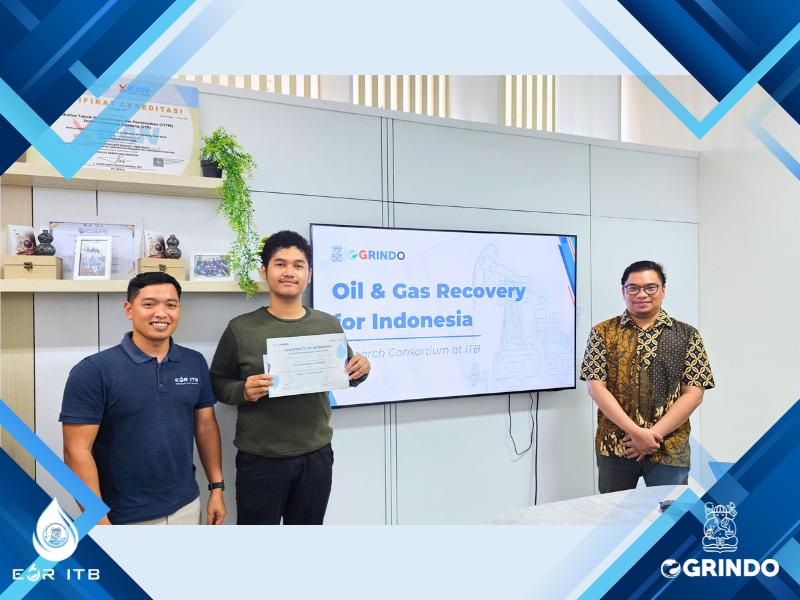
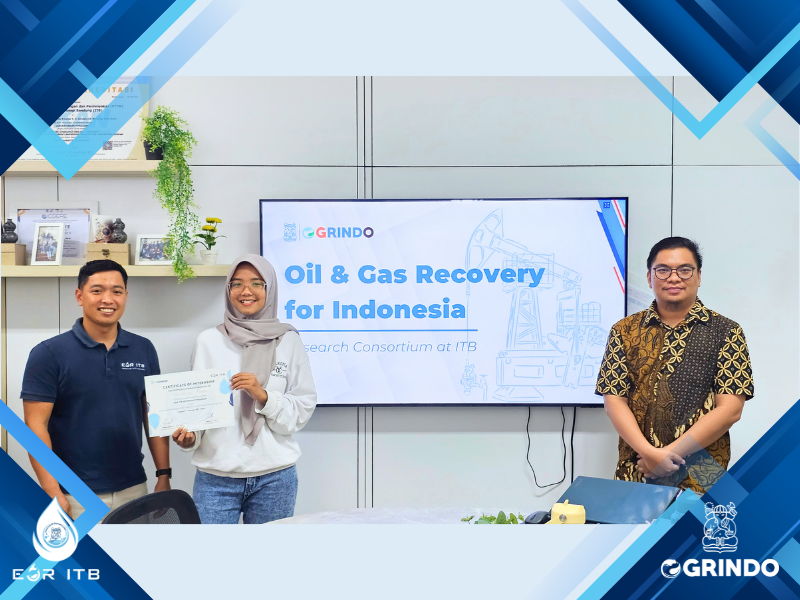
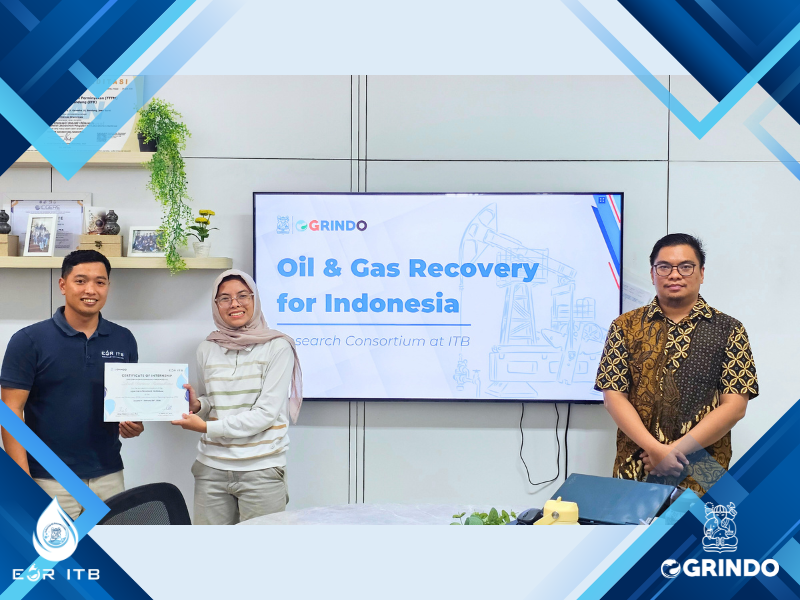
As part of its ongoing commitment to human resource development and the strengthening of the energy research ecosystem, the Enhanced Oil Recovery (EOR) Laboratory of ITB officially launched the Lab EOR ITB Internship Program for the first time. This internship program is designed as an integrated learning platform that bridges the academic world with real-world practices in a professional research laboratory.

This program is attended by four selected students from the Petroleum Engineering Study Program of UPN Veteran Yogyakarta, who successfully passed a competitive selection process. The implementation of this program is expected to serve as a strategic initial step in developing future energy researchers and practitioners who are competent, adaptive, and possess strong integrity.

Figure 1. Opening session of the Lab EOR ITB Internship Program , which began with participant introductions, program briefing, and the explanation of laboratory rules and regulations.

Background and Objectives of the Program

The energy industry, particularly the upstream oil and gas sector and Enhanced Oil Recovery technology, requires human resources who are not only strong in theoretical knowledge but also skilled in practical applications. Recognizing this need, Lab EOR ITB presents this internship program with several main objectives, including:

  1. Equipping students with real work experience and testing activities in the EOR laboratory,
  2. Providing opportunities to be directly involved in research- and experiment-based hands-on projects berbasis riset dan eksperimen,
  3. Training and developing students’ soft skills such as communication, teamwork, problem solvingand professional ethics,
  4. Strengthening fundamental concepts in petroleum engineering and Chemical EOR through an applicative approach.

Through this program, students not only learn how it works, but also why it matters in the context of research and industry.

Figure 2. Lab EOR ITB Internship participants observing laboratory instrument operations and learning directly through hands-on practice at the workbench.

Part of Community Service and Social Contribution

More than just an academic program, the Lab EOR ITB Internship Program represents a tangible form of Lab EOR ITB’s concern for the community. This program is part of the Community Serviceinitiative, in which the laboratory not only focuses on research projects and industry collaboration, but also on community service through education and the development of young talents.

In this context, Lab EOR ITB opens access to inclusive, structured, and high-quality learning for students as a concrete contribution to strengthening the national research ecosystem.

Figure 3. Lab EOR ITB Internship participants attentively listening to and taking notes during explanations of laboratory research activities.

Competitive and Transparent Selection Process

The enthusiasm for this program is reflected in the high number of applicants. In this inaugural batch: batch perdana ini:

  • 80 Petroleum Engineering students registered at the initial stage,
  • Through administrative selection, the applicants were narrowed down to 10 top students,
  • The final stage was conducted through a Focus Group Discussion (FGD) process to assess critical thinking skills, communication abilities, and readiness to collaborate.

All participants in this inaugural program came from Universitas Pembangunan Nasional (UPN) Veteran Yogyakarta. From the entire selection process, four students were ultimately selected as those most aligned with the objectives and needs of the program.

This selection process was designed to ensure that participants are not only academically excellent, but also possess strong motivation, work ethics, and growth potential.

Figure 4. Lab EOR ITB Internship participants directly observing the use of laboratory equipment and samples.

Collaboration and Contributions with OGRINDO ITB

Although this program was initiated by Lab EOR ITB, the implementation of the internship is also supported by contributions from a broader research ecosystem, including OGRINDO ITB. This program reflects the synergy between academic laboratories and applied research groups in supporting student capacity development.

This contribution aligns with OGRINDO ITB’s vision of promoting impactful research, strengthening human resource competencies, and ensuring the sustainable development of energy technologies in Indonesia.

Expectations and Long-Term Impact

Through the Lab EOR ITB Internship Program, it is expected that participants will gain valuable experiences that serve as important provisions for their academic and professional journeys. On the other hand, this program is also expected to become a foundation for the implementation of sustainable and increasingly inclusive internship programs in the future.

Going forward, Lab EOR ITB opens opportunities to accept students from various universities across Indonesia, in order to expand the program’s impact and strengthen national academic collaboration networks. This initiative aligns with the spirit of community service and the development of young talents in the energy sector.

Lab EOR ITB believes that the best investment for the future of energy lies in human development. This Internship Program marks the first step in that long journey.

Figure 6. A vibrant laboratory atmosphere—EOR ITB internship students engaging in discussions, conducting experiments, and learning together throughout the internship program.

Information and Collaboration Opportunities

Lab EOR ITB invites students, academics, and industry partners to stay engaged with the development of the Lab EOR ITB Internship Program and various other research initiatives. For educational institutions or organizations interested in collaboration, opening internship opportunities, or exploring research and community service partnerships, we are open to further discussion.


For more information, please contact:
📧 OGRINDO ITB: info@ogrindoitb.com
📧 Lab EOR ITB: labifteoritb@gmail.com
Let us work together to contribute to the development of young talents and the advancement of national energy research

Categories
News Article

Ivan Kurnia, S.T., M.Sc., Ph.D.: Strengthening Chemical EOR Research and Energy Transition at OGRINDO ITB

With more than 15 years of experience in petroleum engineering, Ivan Kurnia, S.T., M.Sc., Ph.D. is a Senior Researcher at OGRINDO ITB with a strong track record in Chemical Enhanced Oil Recovery (EOR) research, matureoil field revitalization, and Carbon Capture, Utilization, and Storage (CCUS). He has produced numerous scientific publications in reputable international journals and has been actively involved in research projects and industry collaborations at both national and international levels.

Figure 1. Ivan Kurnia, S.T., M.Sc., Ph.D. as Senior Researcher at OGRINDO ITB.

Educational Background

Dr. Ivan Kurnia pursued formal education in Petroleum Engineering through a strong and well-structured academic pathway. He earned his Bachelor of Engineering (S.T.) degree from Institut Teknologi Bandung (ITB), and subsequently completed his Master of Science (M.Sc.) and Doctor of Philosophy (Ph.D.) degrees at the New Mexico Institute of Mining and Technology, United States—an institution well known for its excellence in reservoir research and enhanced oil recovery.

As recognition of his professional competence, Dr. Ivan has also completed the Professional Engineer Program in Petroleum Engineering at ITB, further strengthening his role as both an academic and a practitioner.

Research Expertise and Scientific Contributions

Currently, Dr. Ivan is actively engaged as a lecturer and researcher at Institut Teknologi Bandung, while also serving in a strategic role as Senior Researcher at OGRINDO ITB. His areas of expertise include:

  • Chemical Enhanced Oil Recovery (EOR), including surfactant formulation, interfacial tension (IFT) measurement, phase behavioranalysis, and coreflood
  • Revitalization of oil field mature
  • Carbon Capture, Utilization, and Storage (CCUS)
  • Reservoir modeling and simulation

Dr. Ivan’s research contributions have been published in various reputable international journals and global scientific forums, covering topics such as surfactant–nanoparticle synergy for EOR, salinity design in alkali-surfactant-polymer (ASP) flooding, and insights from surfactant–polymer and alkali–surfactant–polymer coreflood experiments. These publications serve as an important scientific foundation for the development of data-driven and practical EOR technologies.

Project Experience and Industry Collaboration

In addition to his academic activities, Dr. Ivan has extensive experience in applied projects and industrial services. He has been involved in various studies related to chemical EOR, CCUS, gas injection, and reservoir modeling, and has worked within multidisciplinary teams involving academics, oil and gas operators, and other stakeholders.

Figure 2. Dr. Ivan with the team during research discussions and coordination of industrial projects.

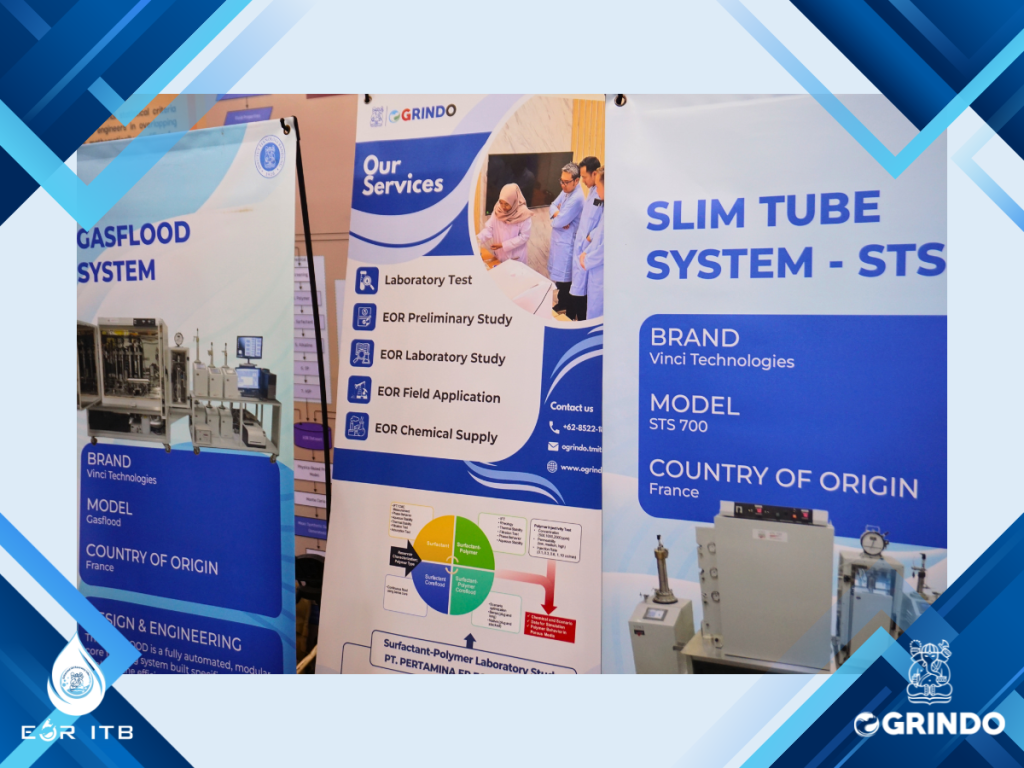
He also serves as the person in charge and manager of strategic laboratory equipment, such as gasflood systems and slim tube apparatus, which support experimental research activities and feasibility studies of EOR technologies at OGRINDO ITB. Through an approach that integrates fundamental research with field requirements, Dr. Ivan contributes to delivering innovative yet realistic technical recommendations that can be implemented by the industry.

Beyond his role in research and industry collaboration, Dr. Ivan Kurnia is also entrusted with an organizational role as Deputy Coordinator for Internal Audit. In this capacity, he contributes to strengthening governance, transparency, and accountability in the implementation of research activities and professional services, thereby supporting institutional sustainability and credibility.

Figure 3. Dr. Ivan conducting an internal audit at the Department of Petroleum Engineering.

Leadership Role and Global Contribution

Dr. Ivan’s commitment to the development of the energy community is reflected not only in his research activities but also in his leadership at the international level. In September 2025, he was appointed as the Chair of the Organizing Committee of the International Conference on Green Energy and Resources Engineering (ICGERE).

The conference serves as a strategic platform that brings together academics, industry practitioners, and policymakers from various countries to discuss technological innovation, resource management, and the future of sustainable energy. This role underscores Dr. Ivan’s capacity as a bridge between research, industry, and global energy policy.

Strengthening OGRINDO ITB’s Role in Research and Energy Transition

With a combination of international education, more than 15 years of experience, reputable scientific publications, active involvement in industrial projects, and professional leadership, Ivan Kurnia, S.T., M.Sc., Ph.D. stands as one of the key pillars in strengthening OGRINDO ITB’s research capacity and professional services.

Through a collaborative and science-based approach, OGRINDO ITB is ready to serve as a strategic partner for industry, government, and academic institutions in the development of EOR technologies, mature reservoir management, and energy transition initiatives. mature, serta inisiatif transisi energi.

📩 Interested in collaborating with OGRINDO ITB?

Please contact us via email at info@ogrindoitb.com or visit www.ogrindoitb.com for more information.
Categories
News Article

Training Surfactant Screening for EOR: Transforming Research Outcomes into Practical EOR Strategies

Efforts to increase national oil and gas production amid the decline of existing field production require the application of Enhanced Oil Recovery (EOR) technology that is increasingly mature, measurable, and research-based. In response to this challenge, the Training Surfactant Screening for Enhanced Oil Recovery (EOR) was conducted on Tuesday, 9 December 2025, at Best Western Premier The Hive, Cawang, DKI Jakarta.

This training featured Ir. Mahruri, S.T., M.Sc., Project Manager of the EOR Laboratory ITB as well as a Researcher at OGRINDO ITB, as the main speaker. The activity was organized by KOPUM IATMI (Koperasi Jasa Usaha Mandiri Ikatan Ahli Teknik Perminyakan Indonesia) and was attended by professionals from Pertamina RTI.

This training served as a strategic momentum to enhance technical capacity and strengthen the competencies of petroleum professionals, particularly in supporting the development and optimization of EOR technology implementation across various oil and gas working areas in Indonesia.

Figure 1. Ir. Mahruri, S.T., M.Sc. delivering fundamental concepts of Chemical Enhanced Oil Recovery (C-EOR).

Urgency of EOR Implementation in Indonesian Oil and Gas Fields

In the opening session, Ir. Mahruri presented a comprehensive overview of the stages of oil production—ranging from primary recovery, secondary recovery, to Enhanced Oil Recovery. It was conveyed that although waterflood and gas flood methods have been widely implemented, a significant portion of oil remains trapped in the reservoir due to limitations of conventional displacement mechanisms.

In this context, EOR emerges as a strategic solution to:

  • Drain residual oil that is microscopically trapped,
  • Increase recovery factor,
  • Extend the productive life of existing oil and gas fields.

Globally, the contribution of EOR to world oil production continues to increase, particularly in countries with maturefields. Indonesia has significant potential to optimize EOR, especially Chemical EOR, in both sandstone and carbonate reservoirs.

Chemical EOR and the Strategic Role of Surfactants

The main focus of this training was Chemical EOR, with an emphasis on surfactant flooding. Fundamentally, Chemical EOR aims to modify the physicochemical properties of reservoir fluids and rocks through the injection of chemical agents such as alkali, surfactants, and polymers.

Ir. Mahruri explained that surfactants play a crucial role in:

  • Reducing the interfacial tension (IFT) between oil and water to achieve ultra-low IFT conditions,
  • Forming microemulsions capable of mobilizing residual oil,
  • Altering rock wettability (wettability alteration),
  • Improving displacement efficiency and imbibition processes.

The success of surfactant flooding is highly dependent on a comprehensive screening and laboratory evaluation process to ensure that the applied surfactants are truly compatible with reservoir characteristics.

Surfactant Screening: From Concept to Laboratory Evaluation

One of the main strengths of this training was the in-depth discussion of the laboratory-based surfactant screening workflow, covering fluid–fluid and rock–fluidinteractions, as well as chemical performance in porous media.
Several key tests discussed included:

  1. CMC–IFT Test
    Determines the optimum surfactant concentration to achieve the lowest IFT value. An effective surfactant is expected to reach ultra-low IFT (<10⁻² mN/m) at an economically feasible concentration.
  2. Aqueous Stability Test
    Evaluates surfactant stability and compatibility in injection brine and native brine reservoir to avoid the risk of precipitation and plugging.
  3. Phase Behavior Test
    Assesses microemulsion formation (Winsor Type III) as the main indicator of surfactant effectiveness in mobilizing residual oil.
  4. Thermal Stability & Filtration Test
    Ensures surfactant stability at reservoir temperature and minimizes potential injectivity issues during the injection process.
  5. Wettability, Adsorption, and Imbibition Test
    Evaluates the ability of surfactants to alter rock wettability and minimize surfactant loss due to adsorption.
  6. Coreflooding and Micromodel
    Advanced stages to dynamically simulate surfactant performance in porous media while visualizing displacement mechanisms in two dimensions. displacement secara dua dimensi.

This series of tests emphasizes that Chemical EOR is not merely a chemical injection process, but an integrated scientific approach that must be supported by strong and representative laboratory data.

Bridging Research and Field Implementation

Through this training, participants gained not only conceptual understanding but also practical insights into how research outcomes and laboratory test results can be translated into EOR strategies ready for field implementation.

The discussion also addressed common challenges in Chemical EOR implementation, including:

  • Polymer adsorption and degradation,
  • Surfactant sensitivity to salinity and temperature,
  • Risks of plugging, scaling, and corrosion,
  • Economic considerations and surface facility readiness.

Various case studies and lesson learned from EOR implementations both domestically and internationally enriched participants’ perspectives on the complexity as well as the opportunities of this technology.

Opening Opportunities for Strategic Collaboration

Through this activity, OGRINDO ITB and the EOR Laboratory ITB reaffirmed their commitment to supporting the development of EOR technology based on research, laboratory testing, and close collaboration with industry.

Opportunities for collaboration are open for:

  • Research and development of Chemical EOR,
  • Surfactant screening and laboratory evaluation,
  • EOR feasibility studies,
  • Technical training and consultancy,
  • Industry–academia collaborative projects.
Figure 4. Certificate handover to participants of the Training Surfactant Screening for Enhanced Oil Recovery (EOR) as a form of technical competency strengthening.

📩 Collaboration contacts:

OGRINDO ITB: info@ogrindoitb.com
EOR Laboratory ITB: labifteoritb@gmail.com
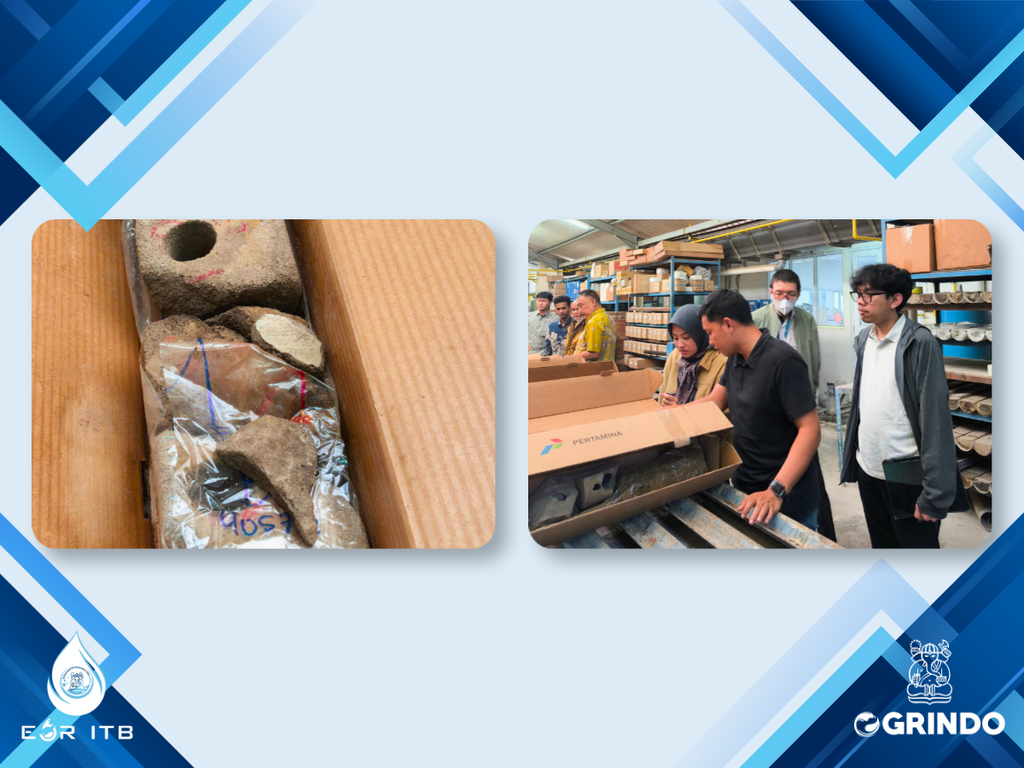
This training serves as a tangible example of how synergy between research, laboratories, and industry can accelerate the adoption of practical, effective, and sustainable EOR technologies to support national energy security.