Categories
News Article

ITB Energy Transition Summit 2025: Driving the Acceleration of Indonesia’s Energy Transition Through Multi-Sector Collaboration

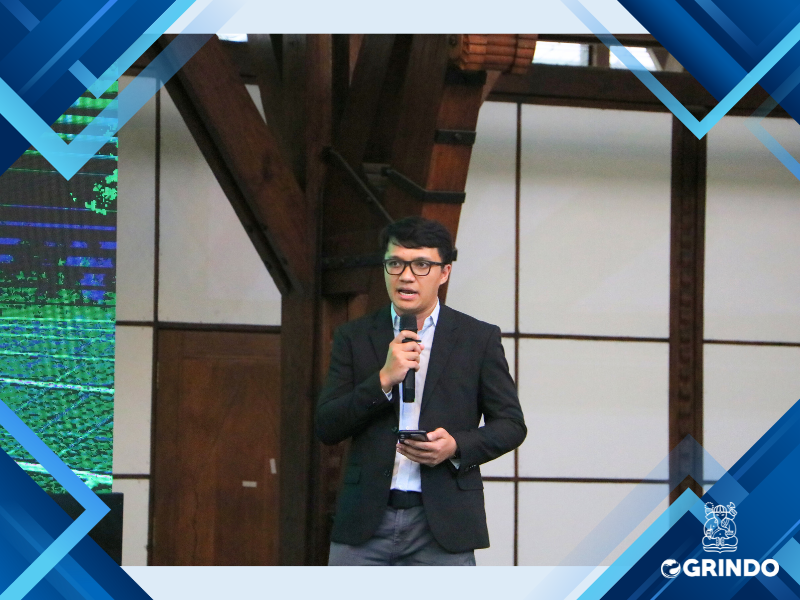
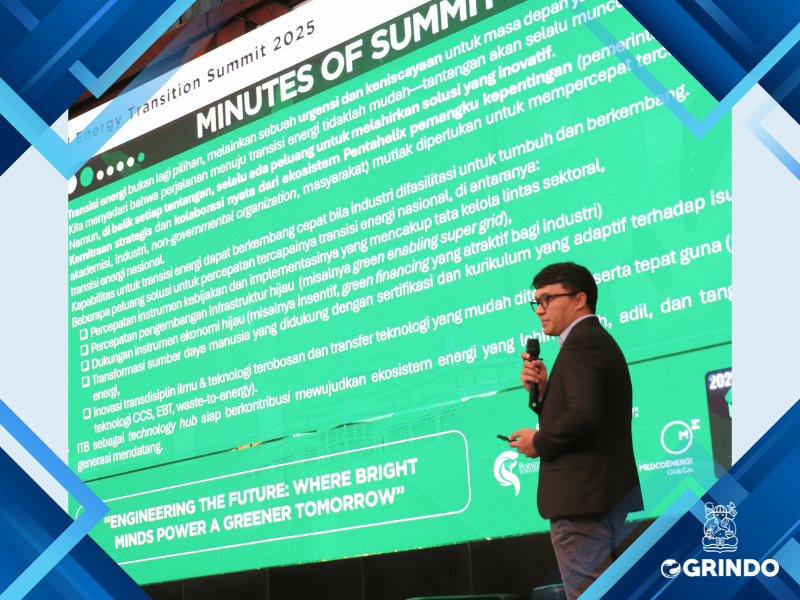
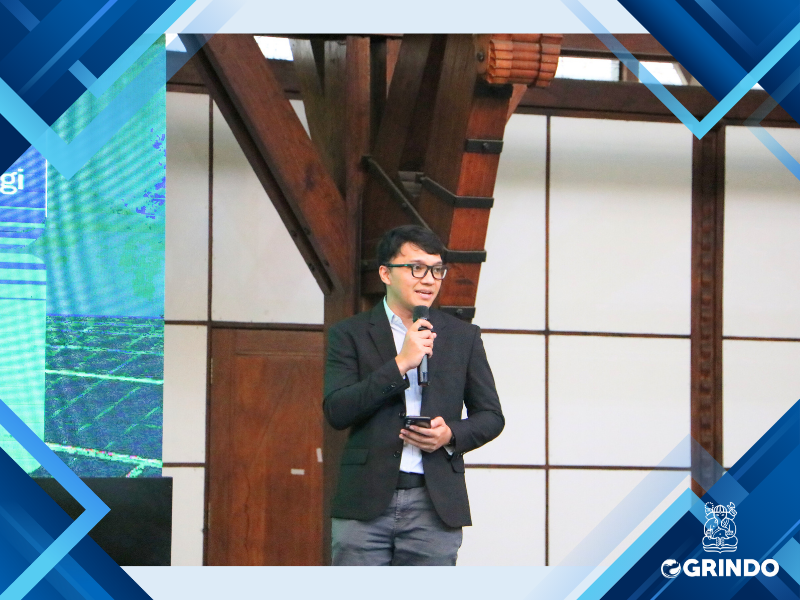
Bandung, 13 November 2025 — Several researchers from OGRINDO ITB participated in the ITB Energy Transition Summit 2025, an academic and stakeholder forum organized by Institut Teknologi Bandung and coordinated by the Research Group of Drilling, Production, and Oil and Gas Management (TPPMM) as a platform for scientific collaboration to accelerate the national energy transition. The event brought together government, the energy industry, research institutions, academics, and students to discuss policy direction, challenges, and strategic opportunities for Indonesia’s energy transition and energy security.

As a form of institutional contribution, this event was designed to strengthen ITB’s support toward the government’s efforts to accelerate the national energy transition process. The forum is expected to serve as a strategic dialogue space to generate policy recommendations, strengthen cross-sector synergy, and推动 the implementation of strategies toward a cleaner, more modern, and more sustainable Indonesian energy system.

🎤 Opening and Keynote: Awakening Awareness, Sharpening the Direction of Change

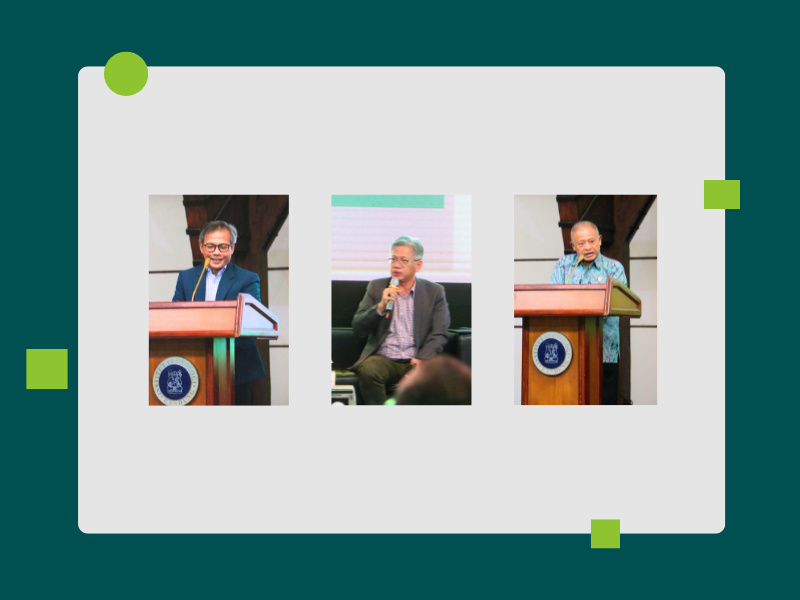
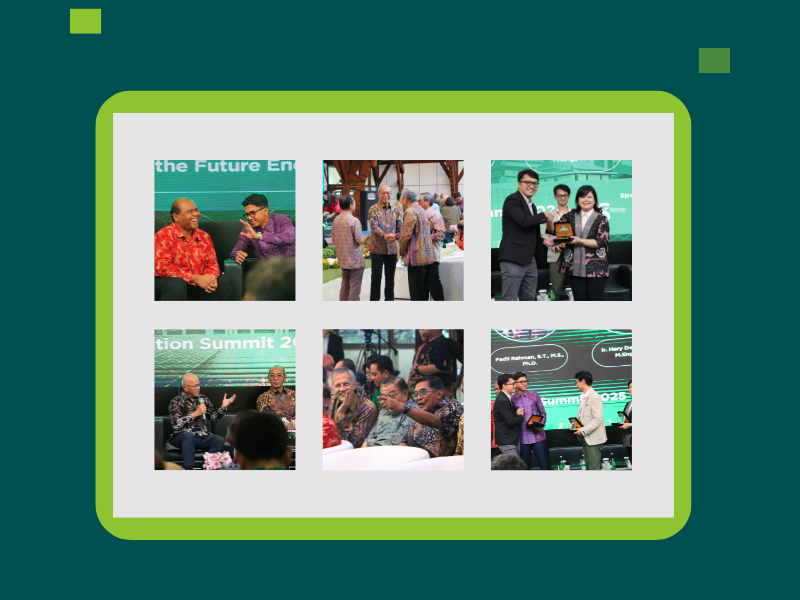
Figure 1. Opening of the ITB Energy Transition Summit 2025 by Prof. Syafrizal and keynote speech by Prof. Purnomo Yusgiantoro on the urgency of energy transition for national energy security.

The event began with remarks from Prof. Dr. Eng. Ir. Syafrizal, S.T., M.T., IPM, as Dean of FTTM ITB representing the Rector of ITB. In his opening speech, he emphasized the important role of universities in producing scientific foundations, strategic research, and technological innovations that can support the acceleration of the energy transition.

The atmosphere of the forum became more engaging when Prof. Ir. Purnomo Yusgiantoro, M.Sc., MA, Ph.D. delivered his keynote speech highlighting Indonesia’s strategic position in the global map of energy transition and energy security. He asserted that the energy transition is no longer a choice but an urgency and inevitability to ensure a sustainable future while strengthening national energy security.

In his presentation, Prof. Purnomo emphasized that Indonesia’s success depends not only on technological readiness, but also on the ability to build an integrated collaborative ecosystem — involving government, industry, research institutions, and the younger generation as drivers of innovation. This perspective aligns with Indonesia’s overarching energy transformation direction that requires cross-sector synergy, accelerated innovation, and long-term policy sustainability.

The transition to the panel session then deepened the discussion through technical and strategic analyses from policy, industry, and academic perspectives.

🧭 Panel Session 1: Aligning Policies, Ecosystems, and Energy Transition Initiatives

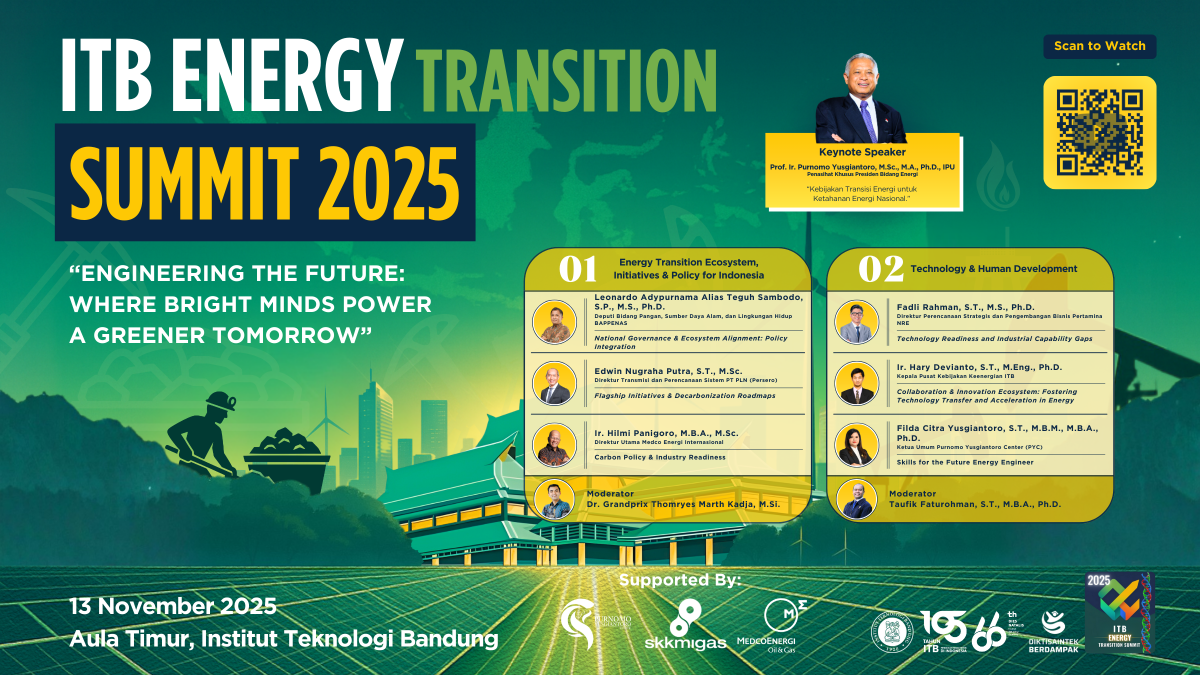
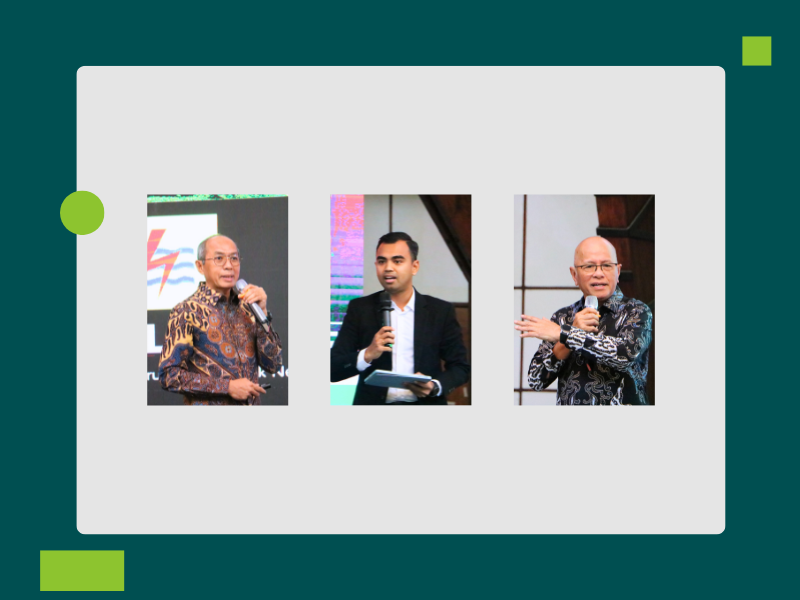
The first panel, titled “Energy Transition, Ecosystem, Initiative, Policies for Indonesia", was moderated by Dr. Ir. Grandprix Thomryes Marth Kadja, M.Si., lecturer and researcher at ITB.

Speakers in Panel Discussion 1:
Togu Santoso Pardede, S.T., MIDS, Ph.D. – Bappenas
2. Edwin Nugraha Putra, S.T., M.Sc. – PT PLN (Persero)
3. Ir. Hilmi Panigoro, M.B.A., M.Sc. – Medco Energi Internasional

The first session discussion illustrated how policies, industry, and infrastructure must move harmoniously in shaping the national energy transition ecosystem. The speakers emphasized that transformation cannot stand alone — policies must align with industry readiness, while industry actors require regulatory certainty and a consistent roadmap to guide investment and technological development.

This panel highlighted the crucial role of government in providing long-term vision and solid policy foundations, while industry ensures that innovation, funding, and field implementation can follow the transformation direction. With this integrated approach, the energy transition is expected not only to remain a discourse, but to materialize into concrete actions across every level of the national energy system.

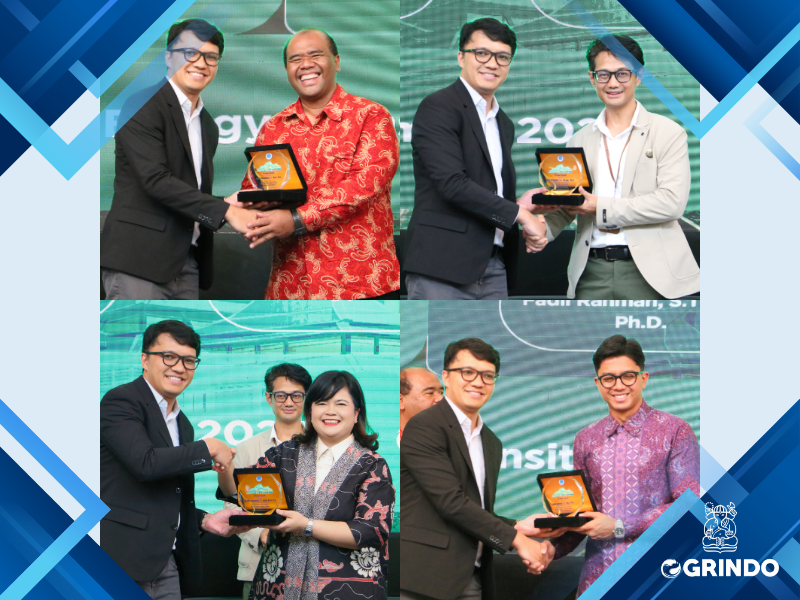
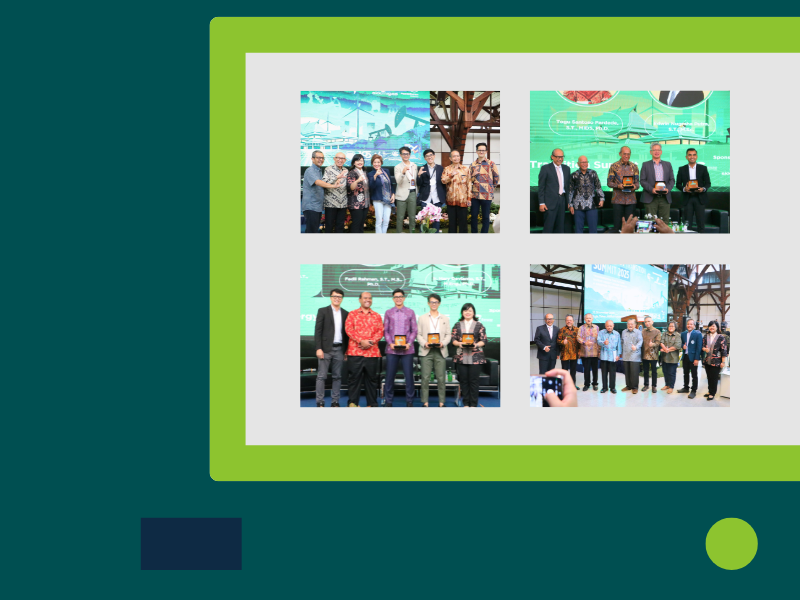
Figure 2. Panel Session 1 featuring stakeholders from Bappenas, PLN, and Medco Energi, moderated by Dr. Grandprix Kadja.

🚀 Panel Session 2: Technology and Human Resource Development as Catalysts of Transformation

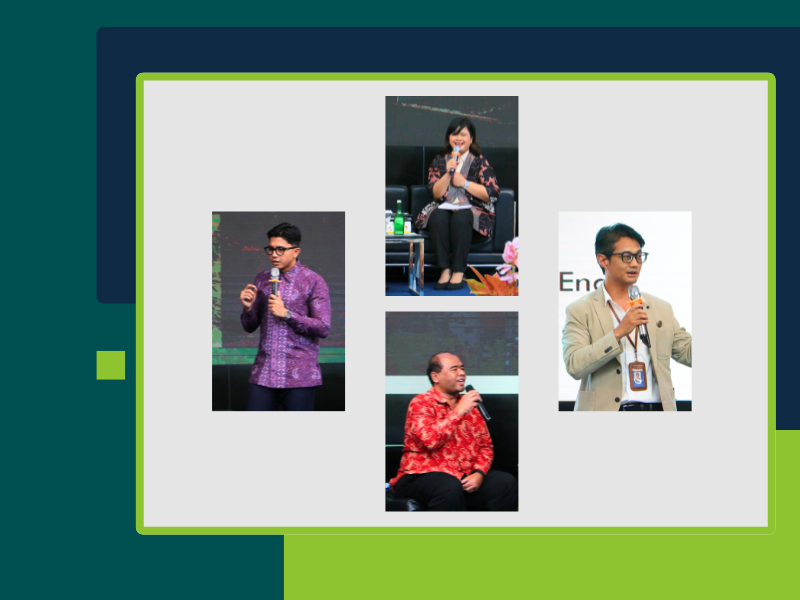
The second session raised the theme “Technology and Human Development”, with Taufik Faturohman, S.T., M.B.A., Ph.D. as moderator.

Speakers in Panel Discussion 2:
1. Fadli Rahman, S.T., M.S., Ph.D. – Pertamina NRE
2. Ir. Hary Devianto, S.T., M.Eng., Ph.D. – Pusat Kebijakan Keenergian ITB
3. Filda Citra Yusgiantoro, S.T., M.B.M., M.B.A., Ph.D. – Purnomo Yusgiantoro Center

The second panel focused on two main pillars of the energy transition: technology and human resources. The discussion flowed from future technologies such as CCUS, green hydrogen, and digitalization of the energy system — all of which are considered to hold great potential to accelerate Indonesia’s energy sector transformation. The speakers emphasized that technology can only deliver optimal impact if supported by competent and adaptive human resources.

During this session, the perspective developed that investment in technology must go hand in hand with investment in human capacity development. Universities, industry, and research institutions need to build a learning and innovation ecosystem capable of producing multidisciplinary talents. Research–industry collaboration and relevant curricula are key factors for Indonesia to remain competitive in the rapidly changing global energy landscape.

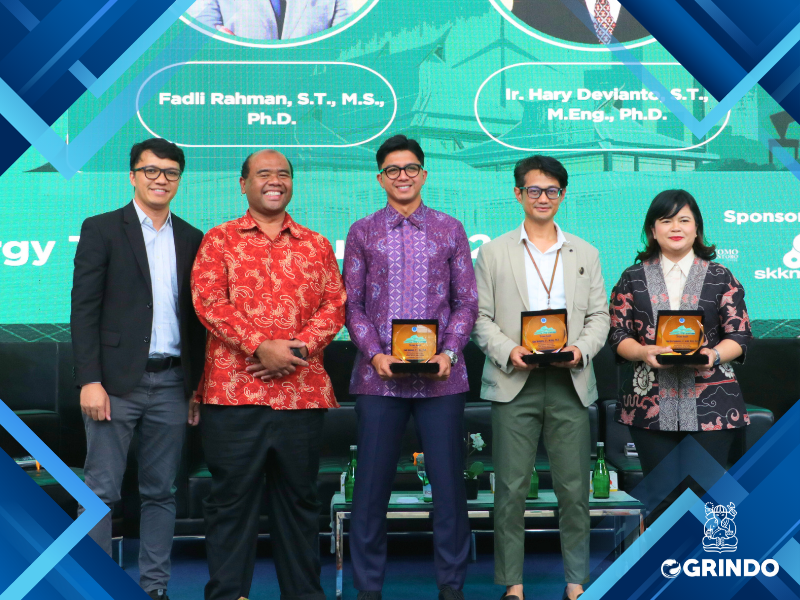
Figure 3. Panel Session 2 with speakers from Pertamina NRE, ITB Energy Policy Center, and Purnomo Yusgiantoro Center, moderated by Dr. Taufik Faturohman.

🔍 Key Summary (confirmed several strategic points:)

confirmed several strategic points: menegaskan beberapa poin strategis:

  • the urgency of science- and policy-based cross-sector collaboration,
  • the need for a roadmap that is integrated and consistent energy transition,
  • the importance of investment in low-carbon technology,
  • and the strengthening of human resource capacity as the main pillar of successful energy transformation.

These findings serve as important references for stakeholders in designing subsequent policies and strategies to accelerate Indonesia’s energy transition.

To watch the complete series of events, including keynote and panel discussion sessions, the live recording of the ITB Energy Transition Summit 2025 can be accessed via the following link:

🔗 Can be accessed via the following link:

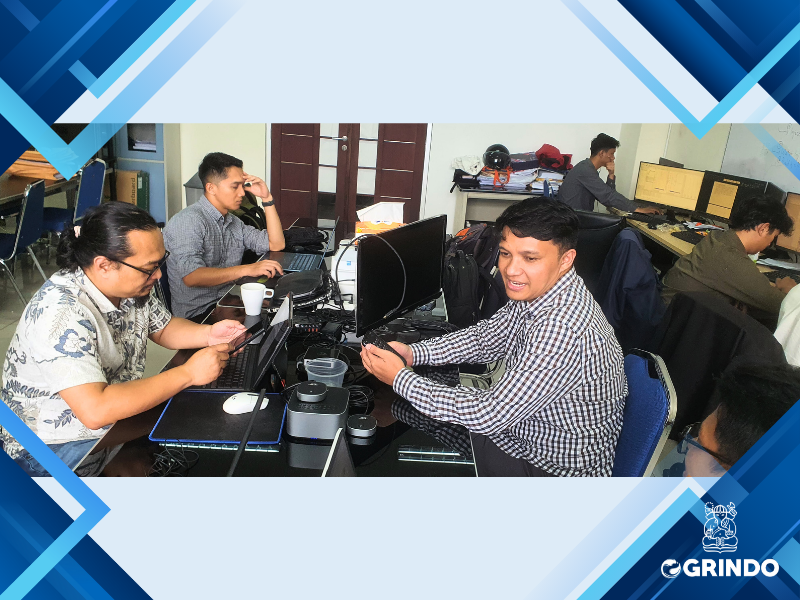
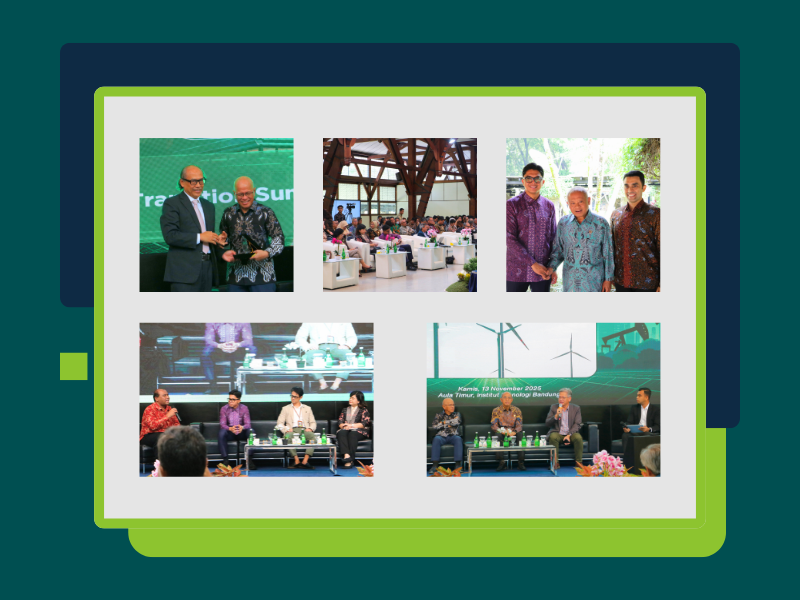
Figure 4. Atmosphere of discussions, Q&A, and networking among participants, showcasing multi-sector strategic collaboration to accelerate Indonesia’s energy transition.
Figure 5. Atmosphere of discussions, Q&A, and networking among participants, showcasing multi-sector strategic collaboration to accelerate Indonesia’s energy transition.
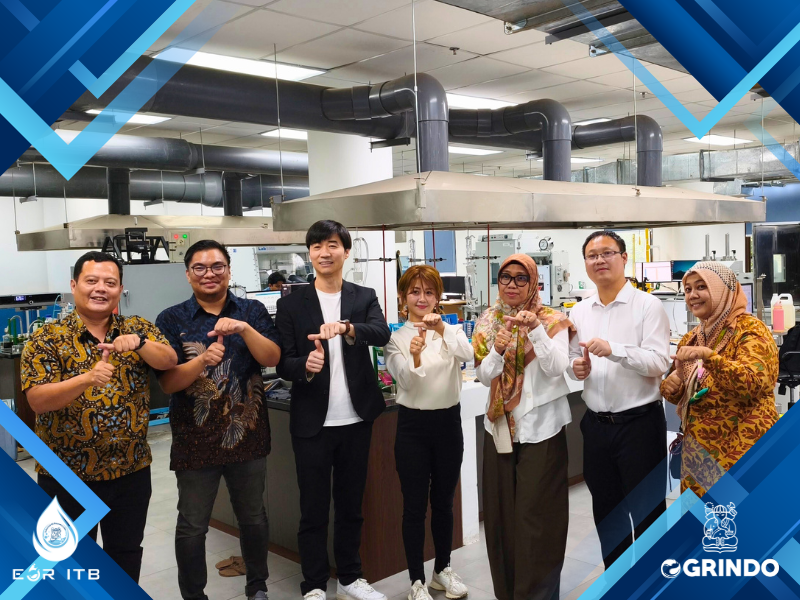
Figure 6. Group photo session of speakers, moderators, and government representatives attending the event.

🎓 ITB as a Bridge of Scientific Knowledge and Real Action

Through this event, ITB once again demonstrated its role as a knowledge hub capable of bridging science, policy, and real field implementation. The collaboration built in this forum is expected to continue developing into sustainable initiatives and actions to build a cleaner and more resilient energy future for Indonesia.

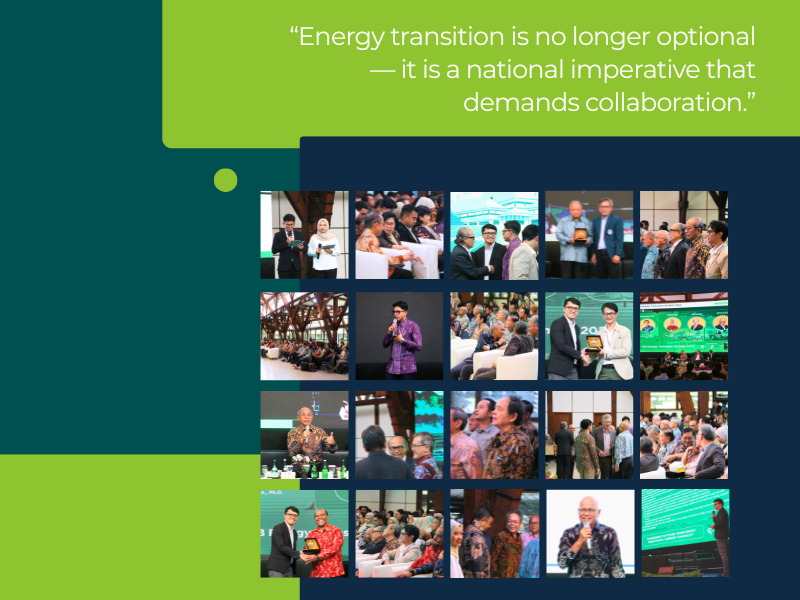
Figure 7. Documentation recap of the ITB Energy Transition Summit 2025.
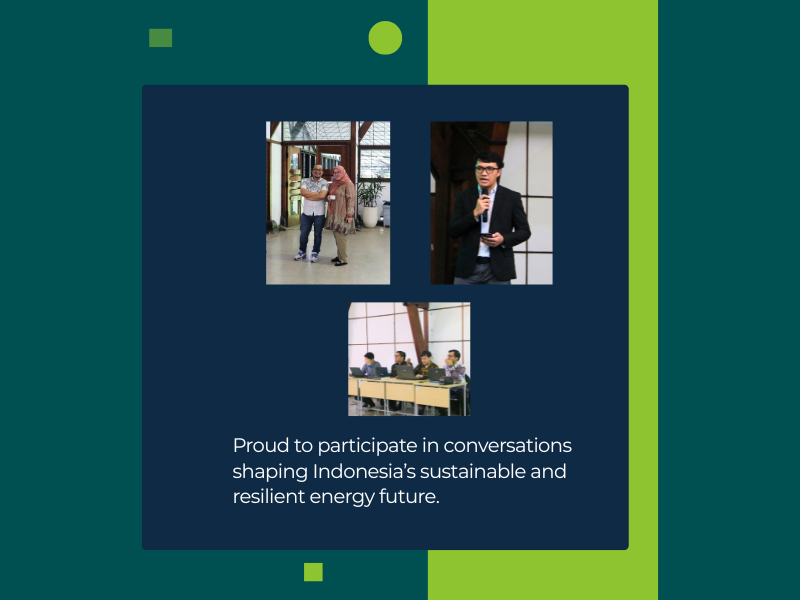
Figure 8. The organizing committee of the ITB Energy Transition Summit 2025 is proud to have contributed to this event.

For government institutions, industry, and research partners who wish to collaborate in energy transition programs, research, or low-carbon energy technology development:

📧 Contact us via email: info@ogrindoitb.com
We welcome opportunities for collaboration, scientific discussion, and strategic partnerships to strengthen Indonesia’s energy ecosystem together.

Categories
News Article

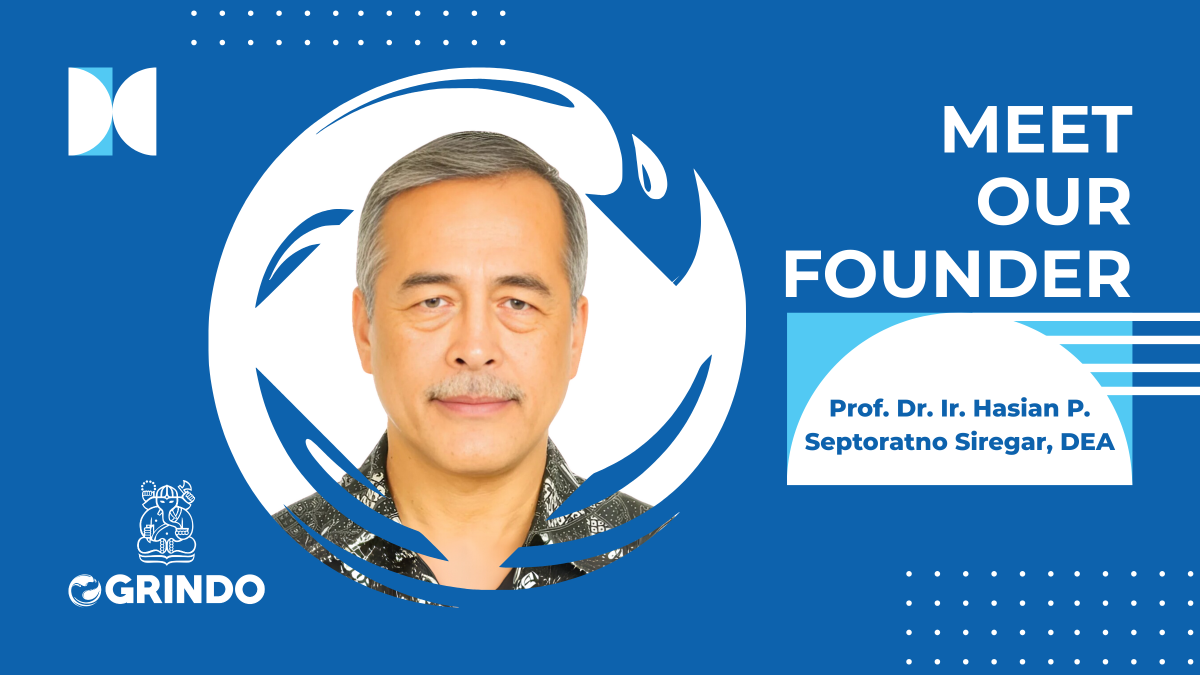
Prof. Dr. Ir. Hasian P. Septoratno Siregar, DEA – Founder of OGRINDO ITB & Expert in Enhanced Oil Recovery in Indonesia

For more than four decades, Prof. Dr. Ir. Hasian Parlindungan Septoratno Siregar, DEA, has been one of the key pillars in the advancement of Indonesia’s petroleum industry. As the founder of Oil and Gas Recovery for Indonesia (OGRINDO) at Institut Teknologi Bandung (ITB), he has led numerous breakthroughs in Enhanced Oil Recovery (EOR) that directly contributed to increasing national oil and gas production. His track record encompasses education, research, teaching, academic leadership, and strategic partnerships with industry—cementing his reputation as one of the most influential EOR maestros in Indonesia.

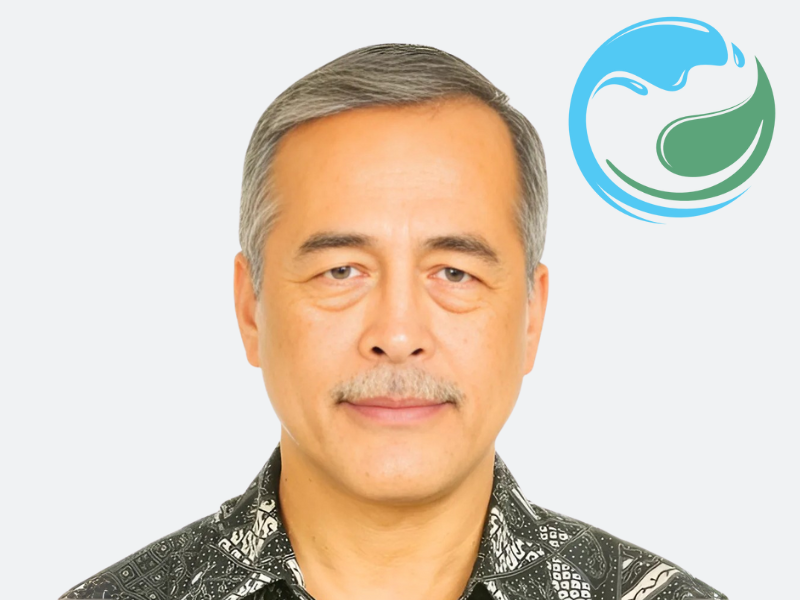
Prof. Dr. Ir. Hasian Parlindungan Septoratno Siregar, DEA – Founder OGRINDO ITB & Expert in Enhanced Oil Recovery Indonesia

Interesting Facts about Prof. Siregar
📌 Founder of OGRINDO ITB – Initiated the national oil and gas research consortium.
📌Indonesia’s EOR Expert – Leading research in chemical flooding and immiscible displacement
📌Educator for 46+ Years – Teaching at ITB since 1975, supervising ±200 undergraduate theses, ±40 master’s theses, and ±15 doctoral dissertations.
📌Extensive Field Experience – Involved in project development several oil fields in Indonesia such as Minas, Handil, Bunyu, Arjuna Offshore, and Tiaka.
📌National Awards – National Exemplary Lecturer (1986) and Satyalancana Karya Satya 30 Years (2009).

The Beginning of His Academic Journey
His passion for petroleum engineering began at the Petroleum Engineering Department of ITB, where he earned his bachelor’s degree in 1975. He then continued his studies in France and obtained a Diplôme d’Études Approfondies (DEA) from Université Paul Sabatier, Toulouse (1978), in the field of Porous Media Mechanics. Not stopping there, he pursued a doctoral degree at Université de Bordeaux I, Talence (1980), with a dissertation on polymer flow studies for EOR applications—research that became a significant foundation in the development of Enhanced Oil Recovery.
Dedication to Education
Upon returning to Indonesia, Mas Septo—as he is fondly called—resumed his service as a faculty member at Petroleum Engineering ITB until 2021. He taught courses such as Enhanced Oil Recovery, Immiscible Displacement, Chemical Flooding, and Advanced Optimization Techniques.

In addition to teaching, he served as Department Secretary (1986–1989), Deputy Head of the Research Center (1999–2002), Head of the Petroleum Reservoir Engineering Research Group (2006–2015), and led the OPPINET research consortium (2001–2021) as well as OGRINDO (2004–2021).

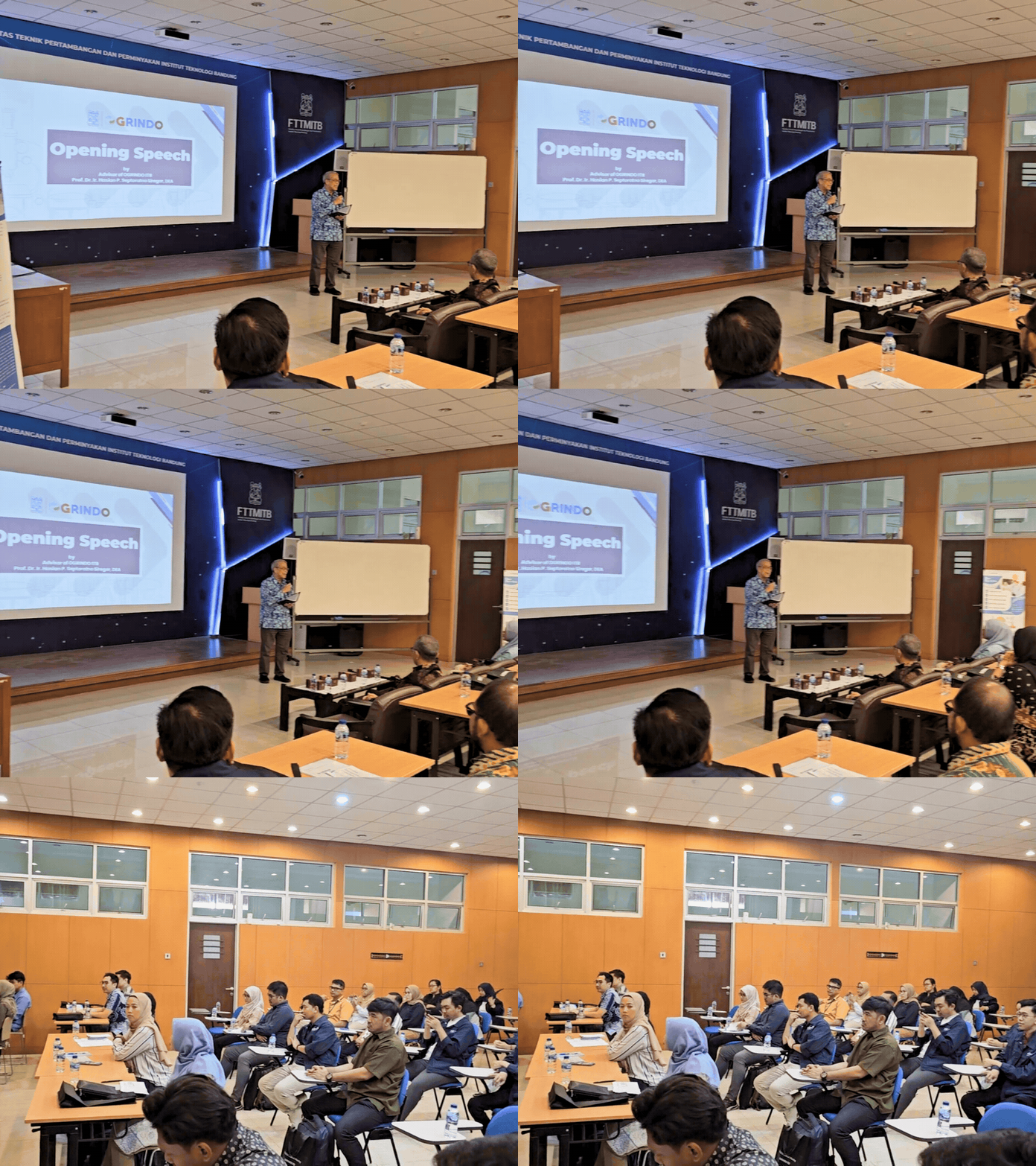
Prof. Hasian P. Siregar at Annual Meeting OGRINDO

Pioneer in Research and Innovation
Mas Septo initiated two major research consortia at ITB: Optimization of Pipeline Network (OPPINET) and Oil and Gas Recovery for Indonesia (OGRINDO). Both programs became bridges of collaboration between academia and industry, delivering EOR technologies ready to be applied in the field. His research and consultancy covered various oil and gas projects in Indonesia, from Minas Field (Riau), Handil and Bunyu (Kalimantan), Arjuna Offshore (West Java), to Tiaka (Sulawesi).

Role in Industry and Organizations
Since 1975, he has been involved in various industrial projects and consultancy works, for Pertamina, foreign oil and gas contractors, as well as research institutions such as PPPTMGB LEMIGAS. He was also a member of the BPMIGAS Technical Advisory Committee for the surfactant EOR project in Minas Field alongside professors from Texas, USA. His reputation has made him frequently invited as a speaker in numerous strategic discussions in the oil and gas sector. He has been a member of the Society of Petroleum Engineers (SPE) since 1975 and has been active in various other professional organizations, including IATMI and IPA.

Now, although retired from ITB, Prof. Dr. Ir. Hasian P. Septoratno Siregar, DEA, remains actively driving innovation through OGRINDO ITB and various industry collaborations. With his dedication and experience, he continues to inspire the younger generation of petroleum engineers to advance Enhanced Oil Recoverytechnology for the nation’s energy independence.