Categories
News Article

KAN Accreditation Surveillance 1 at EOR Laboratory ITB: System and Competency Evaluation

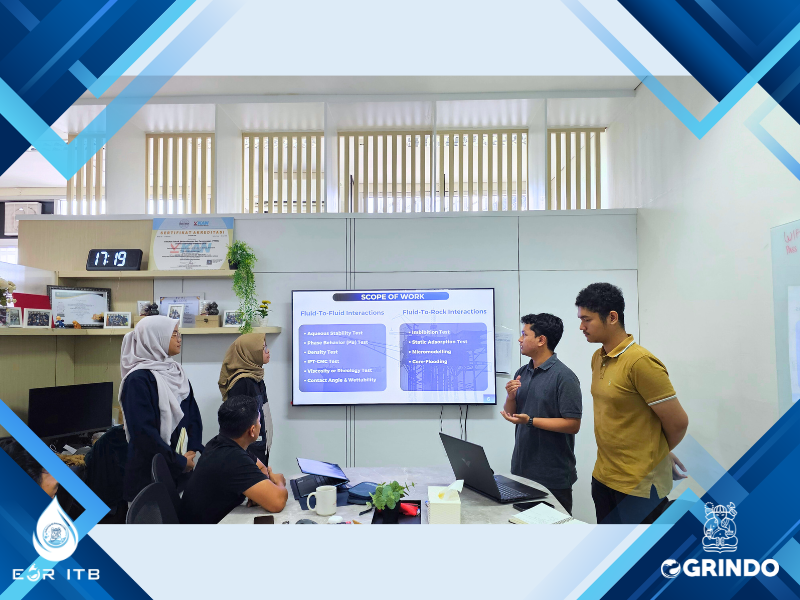
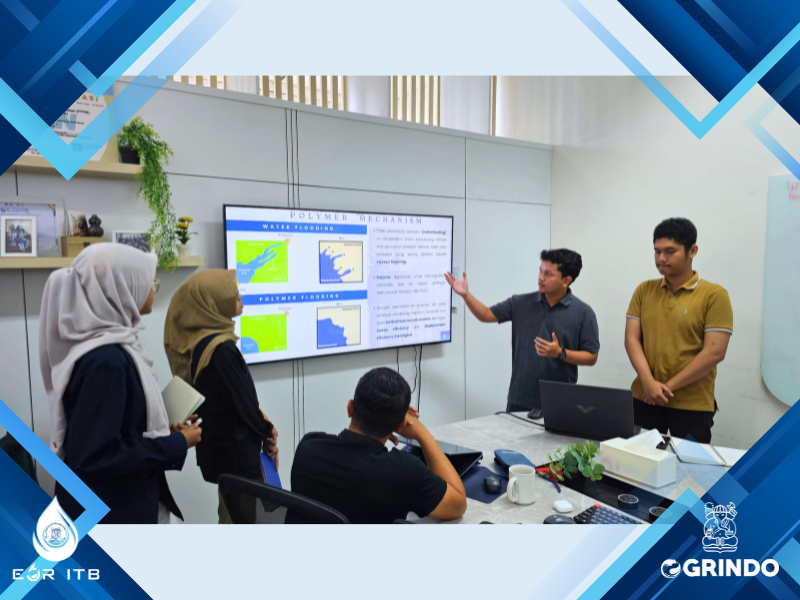
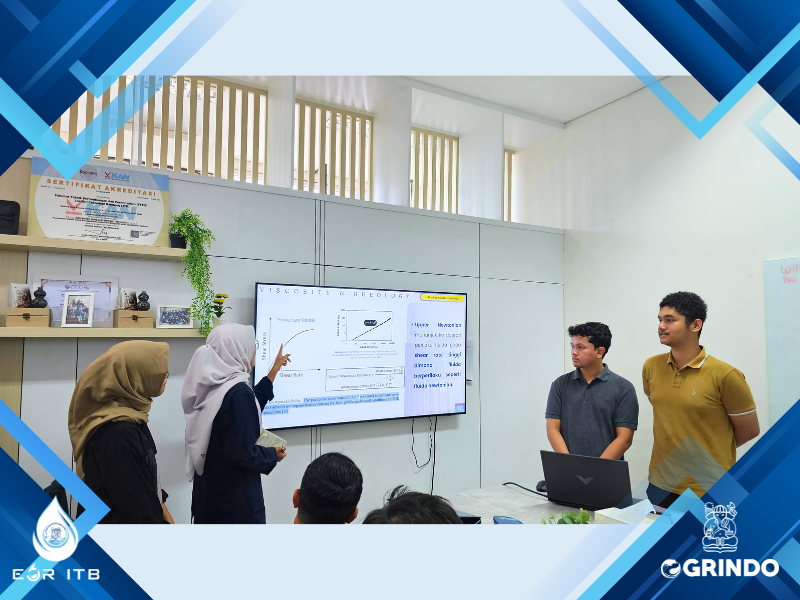
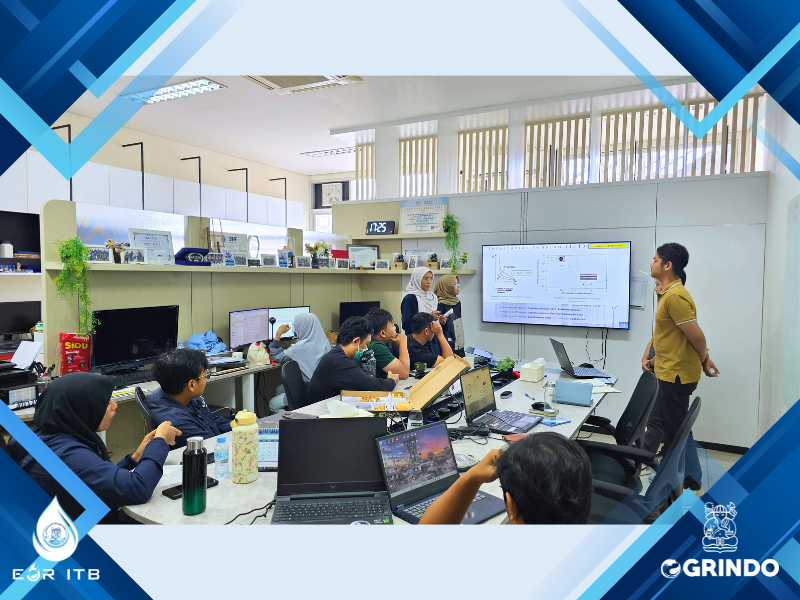
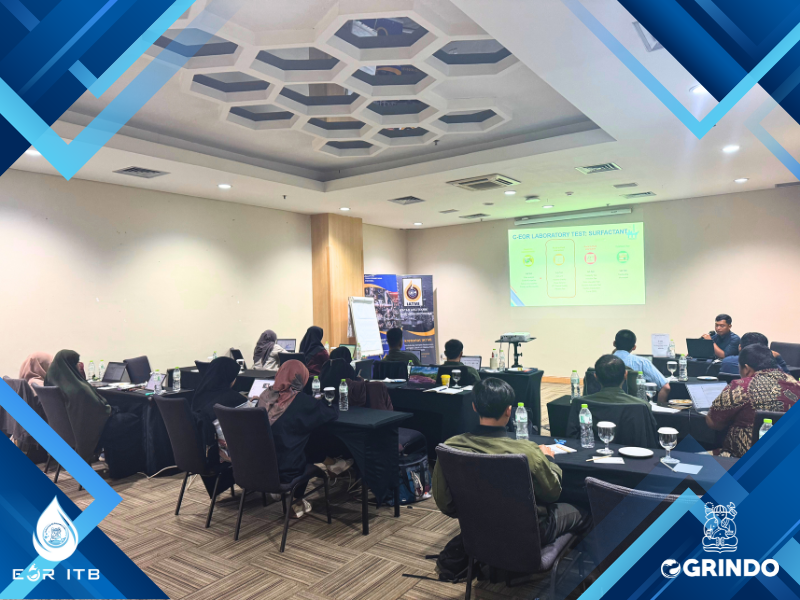
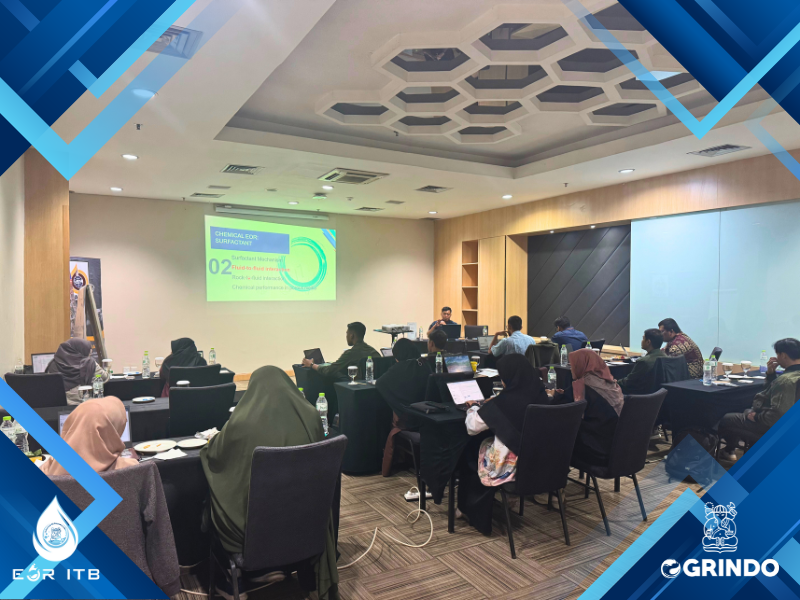
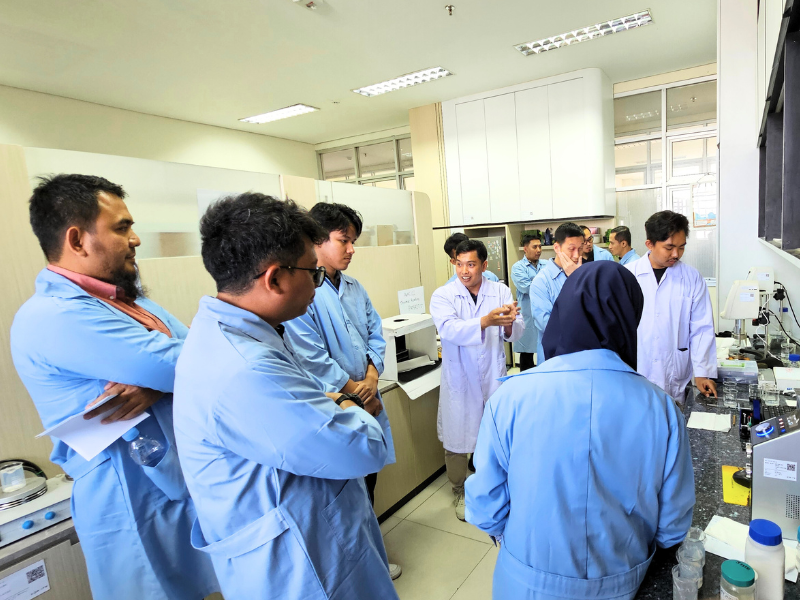
Maintaining the quality of laboratory testing activities depends not only on complete documentation but also on the consistent implementation of systems and personnel competency in conducting tests. These aspects were part of the evaluation during KAN Accreditation Surveillance 1 at EOR Laboratory ITB, held on October 1, 2026.

This activity was part of the series of Surveillance 1 assessments conducted at laboratories within the Faculty of Mining and Petroleum Engineering (FTTM), ITB. Each laboratory underwent an evaluation process according to its respective systems, activities, and accreditation scope.

EOR Laboratory ITB is part of OGRINDO and conducts testing activities in accordance with the applicable systems and requirements within its accreditation scope.
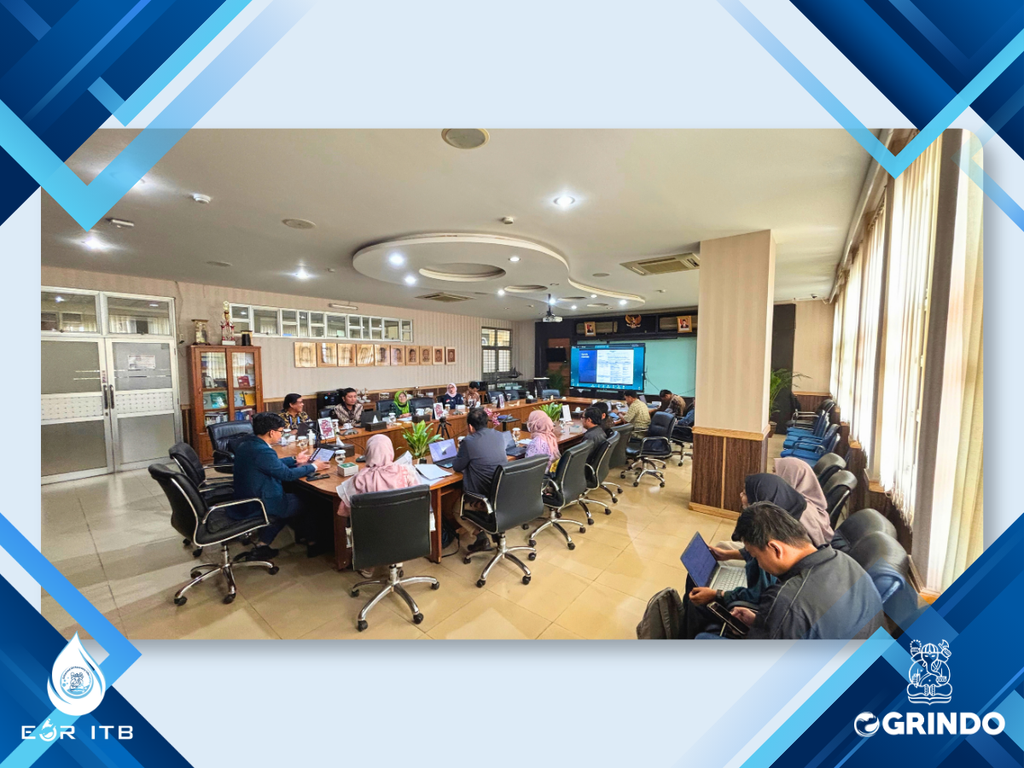
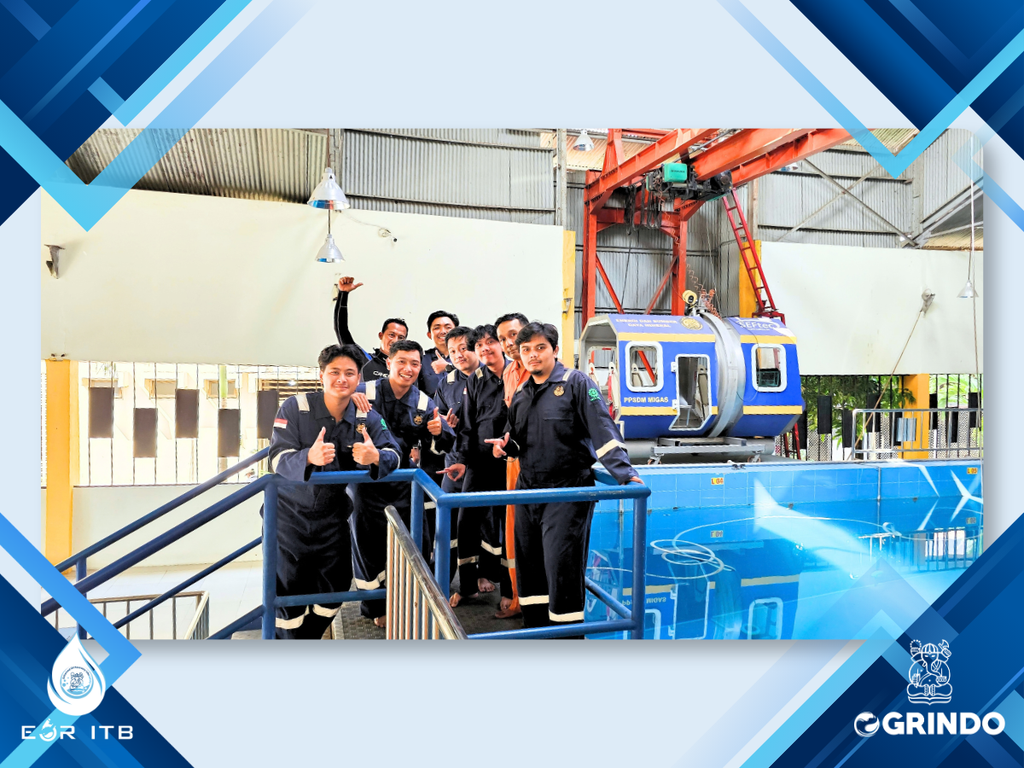
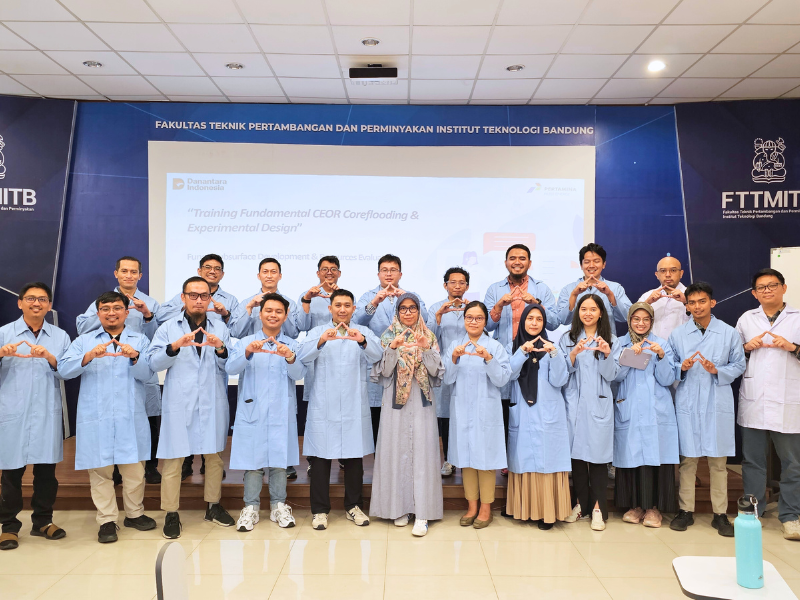
Figure 1. FTTM ITB staff gathering for a group photo before the KAN Accreditation Surveillance 1 assessments began at their respective laboratories.

What Is KAN Accreditation Surveillance 1?

Surveillance 1 is an evaluation activity conducted to ensure that a laboratory continues to implement its management system and perform testing activities in accordance with accreditation requirements.

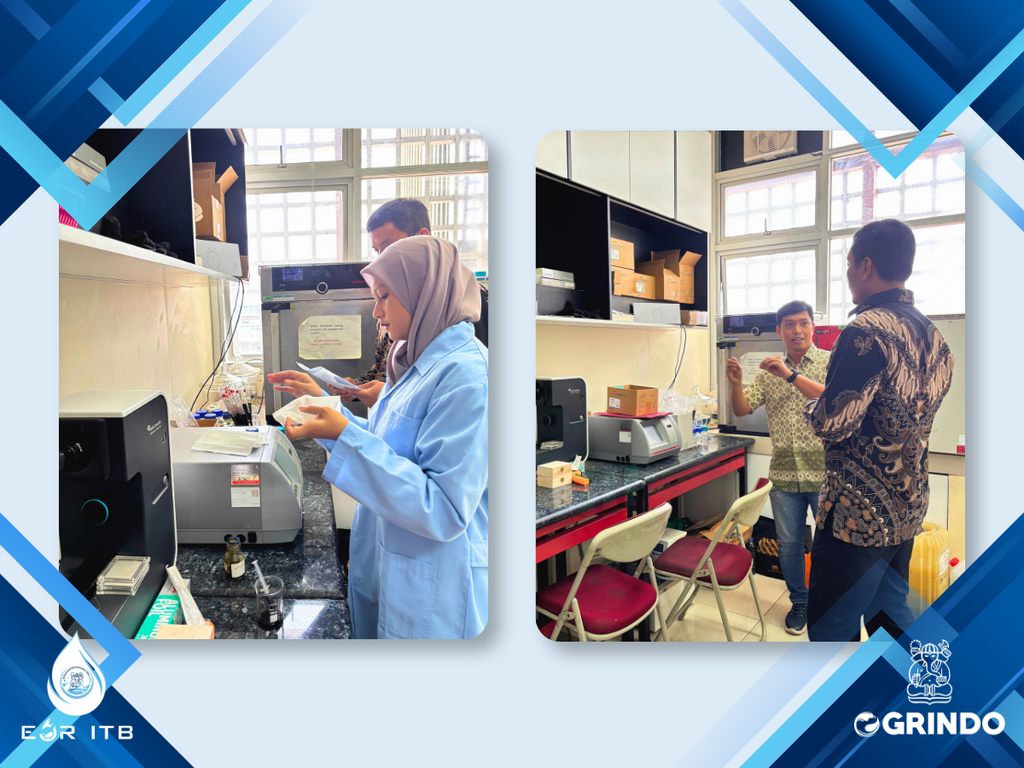
During the process, assessors evaluate the implementation of the laboratory system by reviewing documents, records, and various supporting evidence. The evaluation also includes direct observation of testing activities to assess the implementation of methods, the use of equipment, and personnel competency.

Therefore, Surveillance 1 does not only assess the availability of documents but also examines how the established system is implemented in laboratory activities.
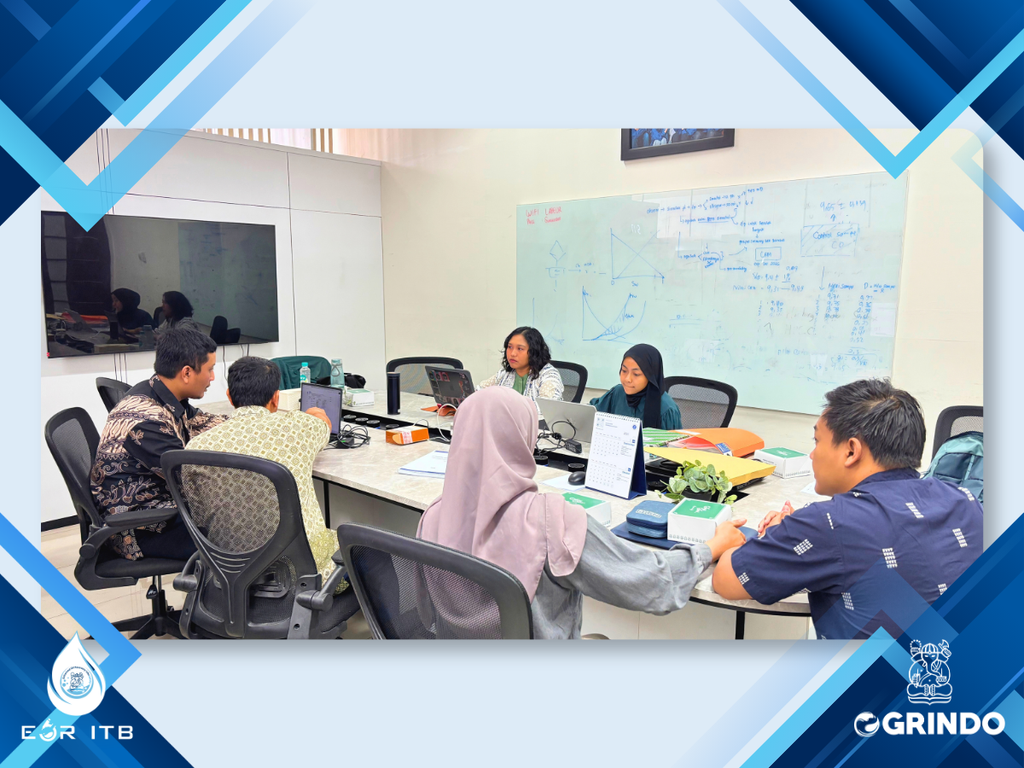
Reviewing Laboratory Documents and Records

One part of Surveillance 1 involves reviewing documents and records used in laboratory activities.

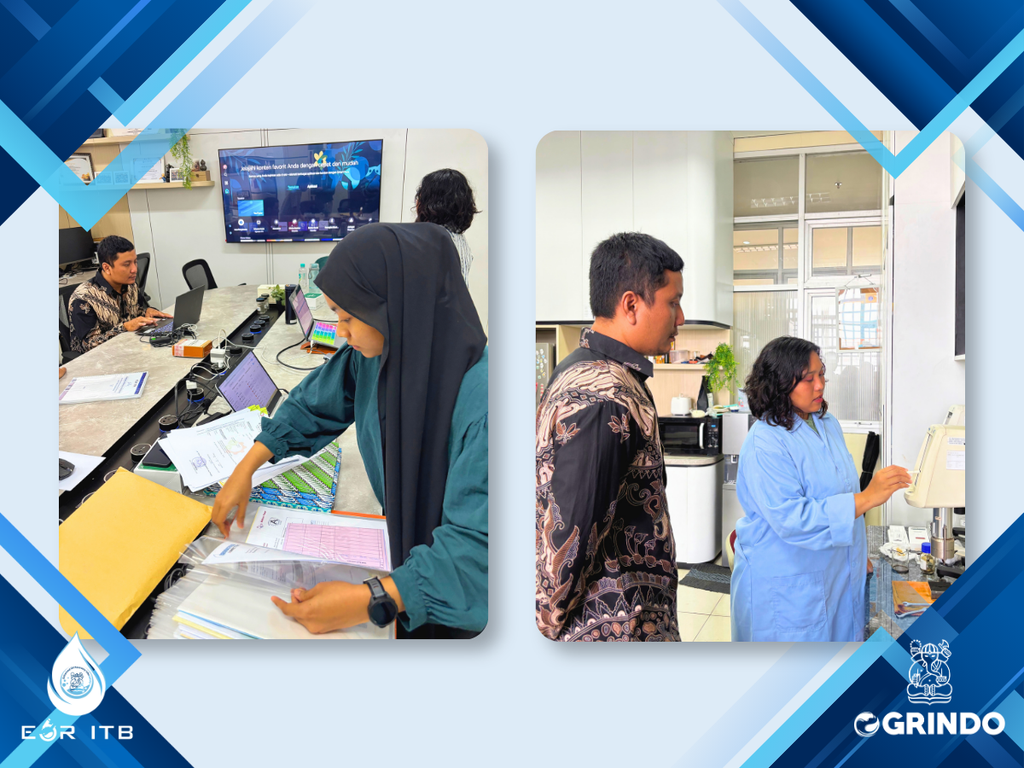
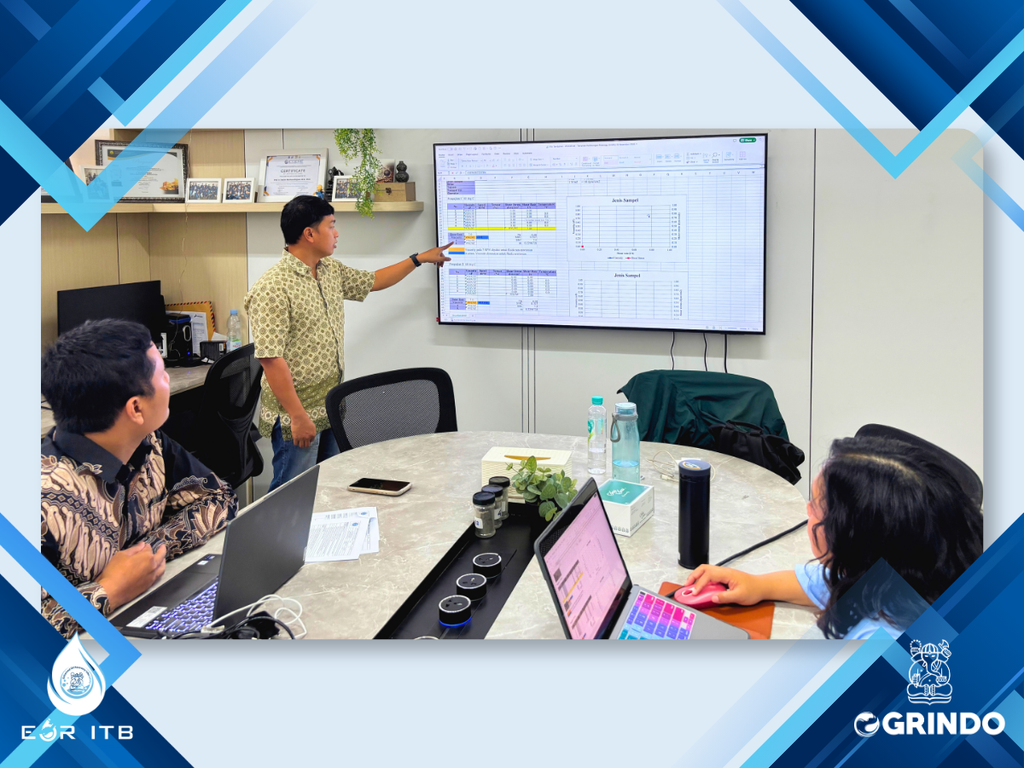
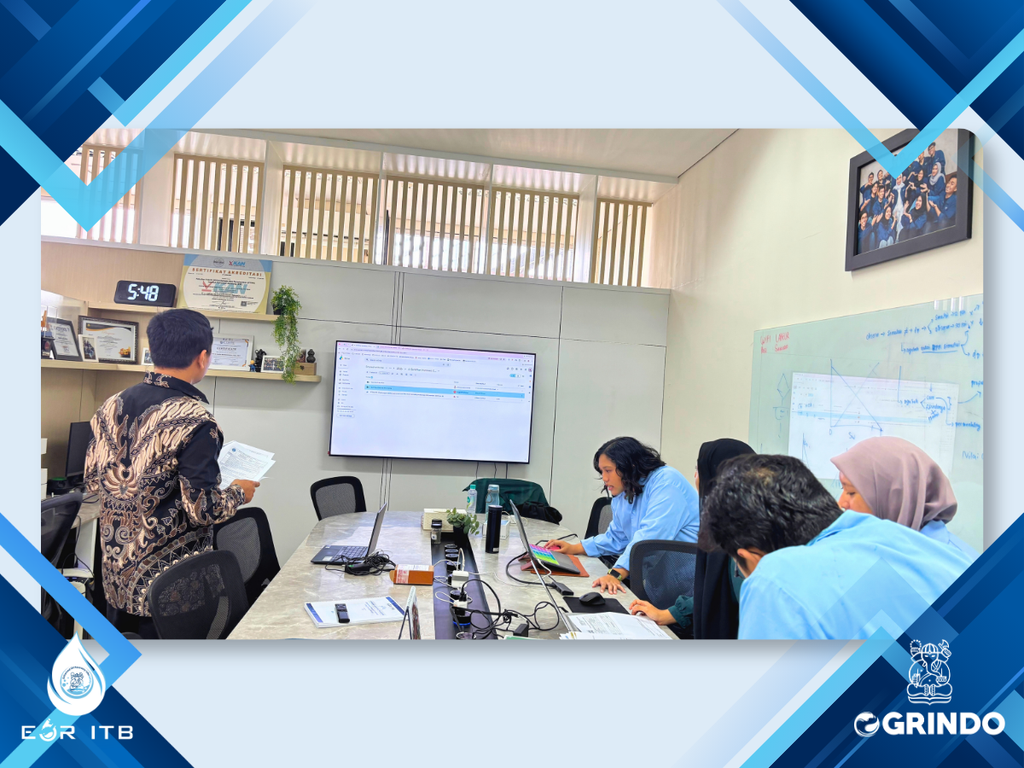
The EOR Laboratory ITB team showed the locations where documents were stored and explained how they were implemented and controlled. The assessors also reviewed various supporting evidence related to testing activities, including equipment calibration certificates, Certified Reference Material (CRM), testing records, and other relevant documents.

This review provided an overview of how documents and records are managed, controlled, and used as part of laboratory activities.
Testing Observation and Personnel Competency

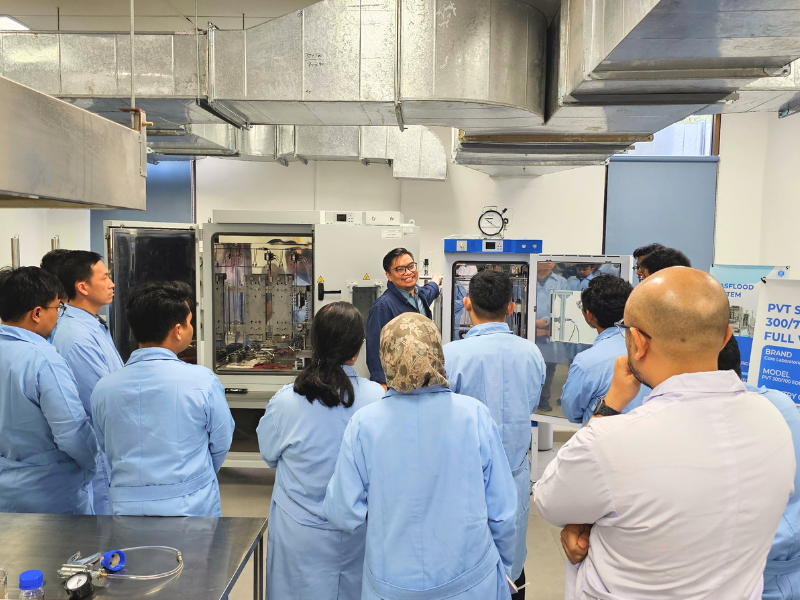
In addition to reviewing documents and records, Surveillance 1 includes direct observation of testing activities.

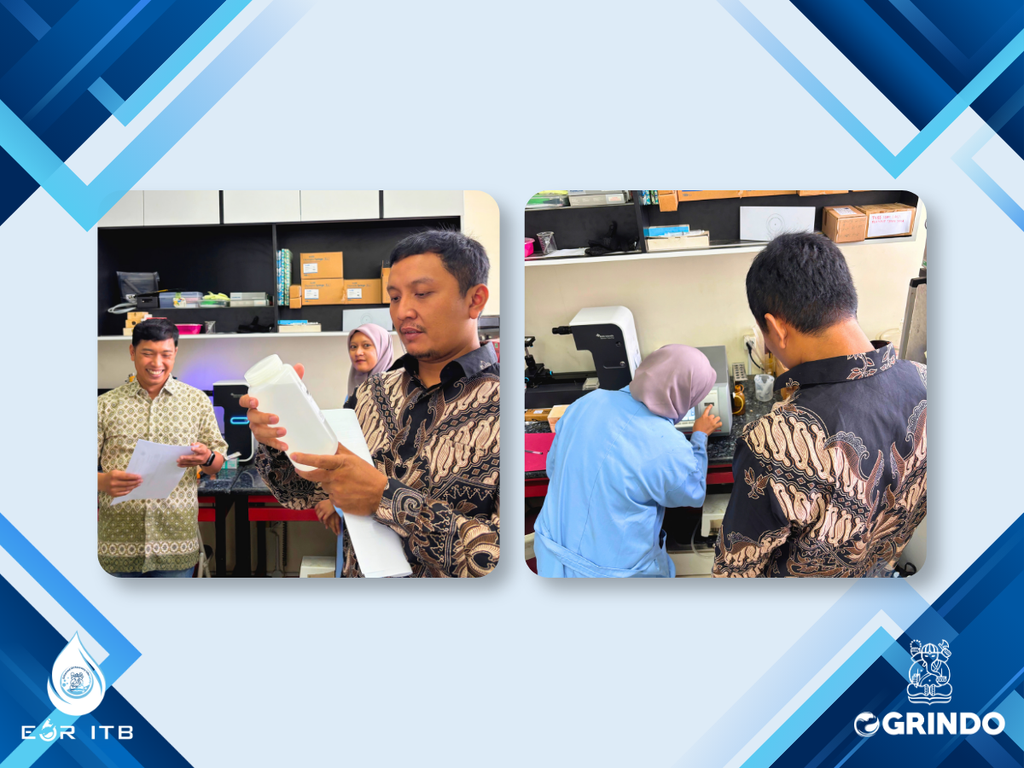
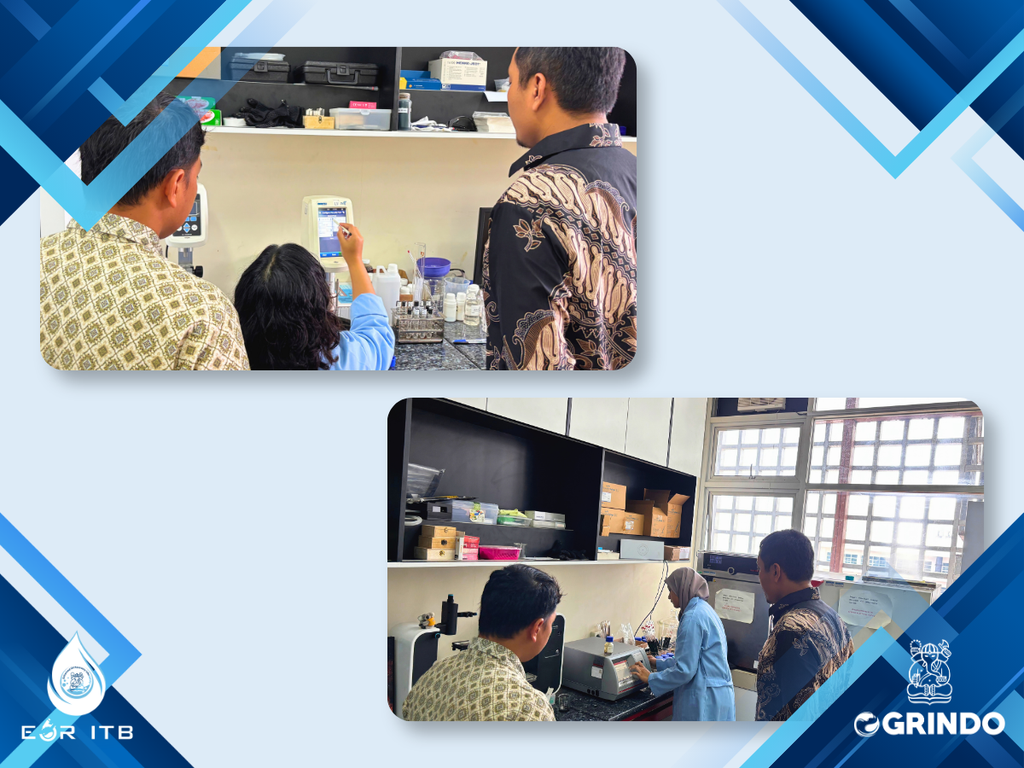
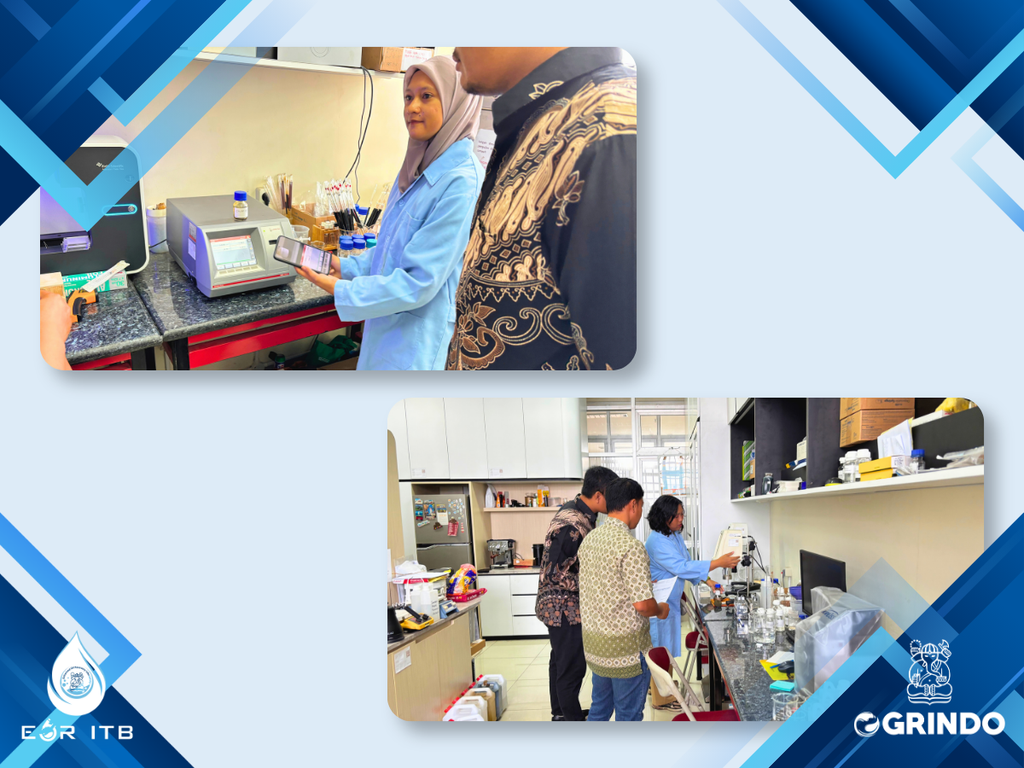
At this stage, laboratory personnel demonstrate the testing process and explain how the equipment works and how it is used. The assessors also observe how personnel handle errors or issues that may occur with the instruments during the testing process.

The test results are then recorded in a worksheet and submitted to the assessors as part of the evidence of testing activities.

This observation is an important part of evaluating both the implementation of procedures and personnel competency in conducting testing activities.
Ensuring System Implementation in Practice

Surveillance 1 demonstrates that laboratory evaluation goes beyond reviewing the completeness of documentation. The practical implementation of systems and personnel competency are also important aspects of the evaluation process.

Through the review of documents, records, supporting evidence, and direct observation of testing activities, assessors evaluate how established requirements are implemented in laboratory operations.

For EOR Laboratory ITB, as part of OGRINDO, this activity is part of the ongoing efforts to maintain the implementation of systems and competency that support the quality of laboratory testing activities.
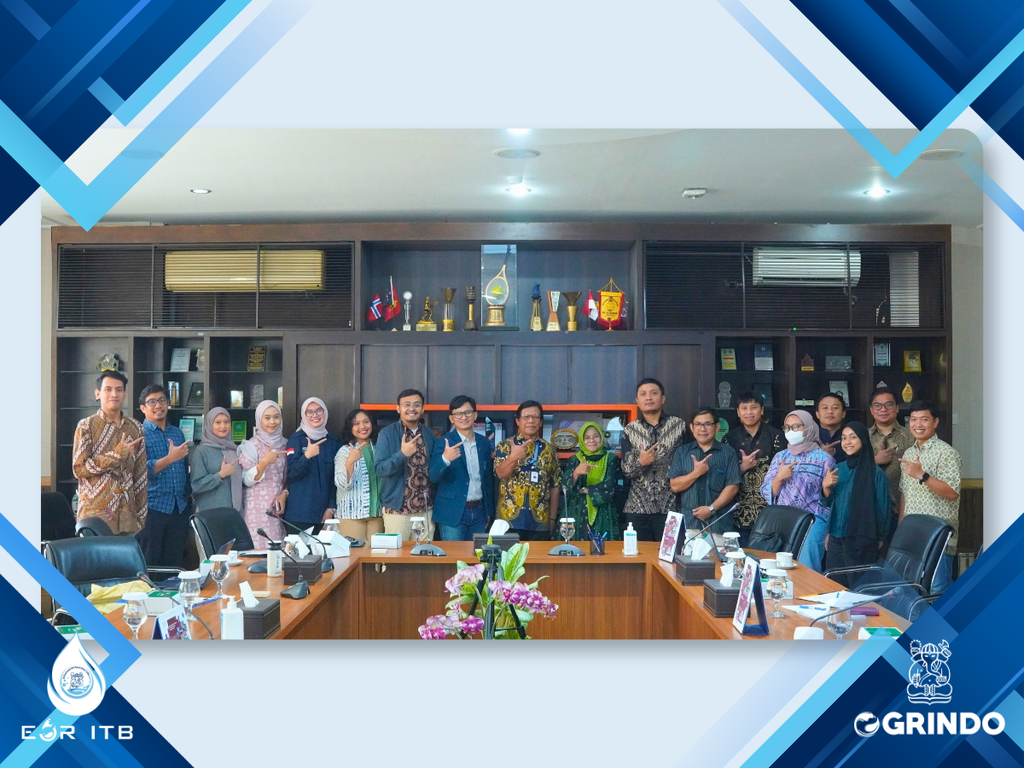
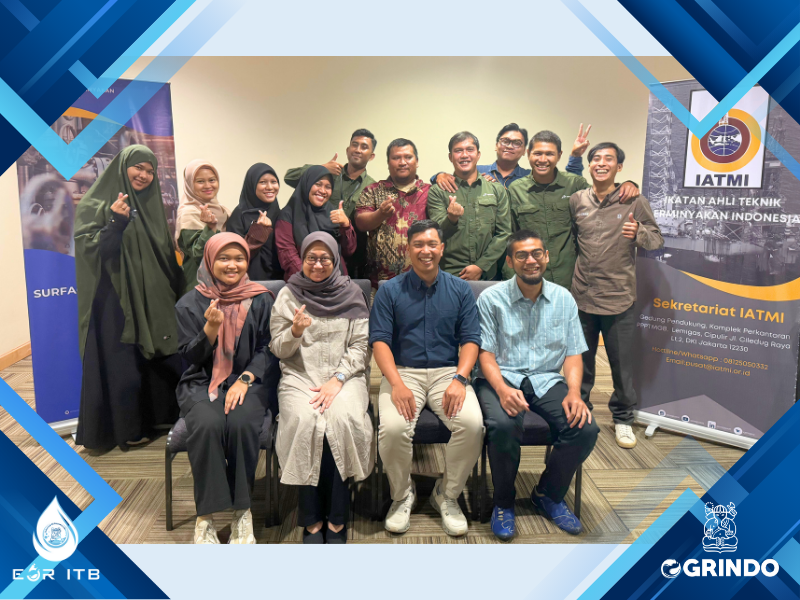
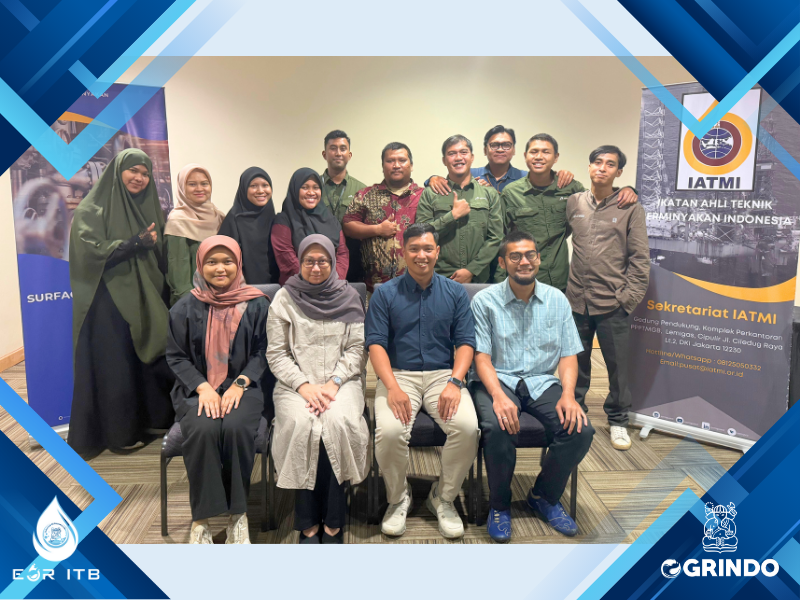
Figure 5. FTTM ITB staff gathered for a group photo at the closing of the KAN Accreditation Surveillance 1 assessment series.

Contact Us

For more information about testing activities and services at EOR Laboratory ITB, please contact:

EOR Laboratory ITB
Email: eor@itb.ac.id

For information about OGRINDO and collaboration in research and development related to enhanced oil recovery technology and energy, please contact:

OGRINDO
Email: info@ogrindoitb.com
Categories
News Article

Basic Sea Survival (BSS) Training: Preparation for Offshore Activities

Activities in an offshore environment require more than just technical readiness. An understanding of marine safety and the ability to respond to emergency situations are important aspects to consider before conducting visits or work at facility offshore.

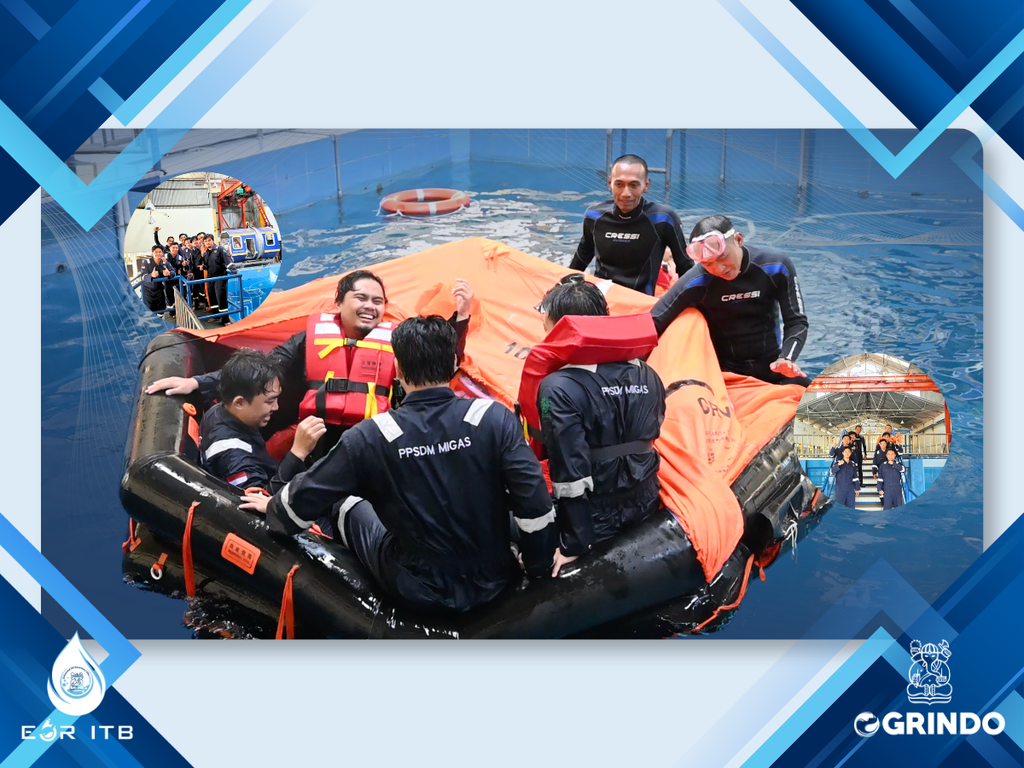
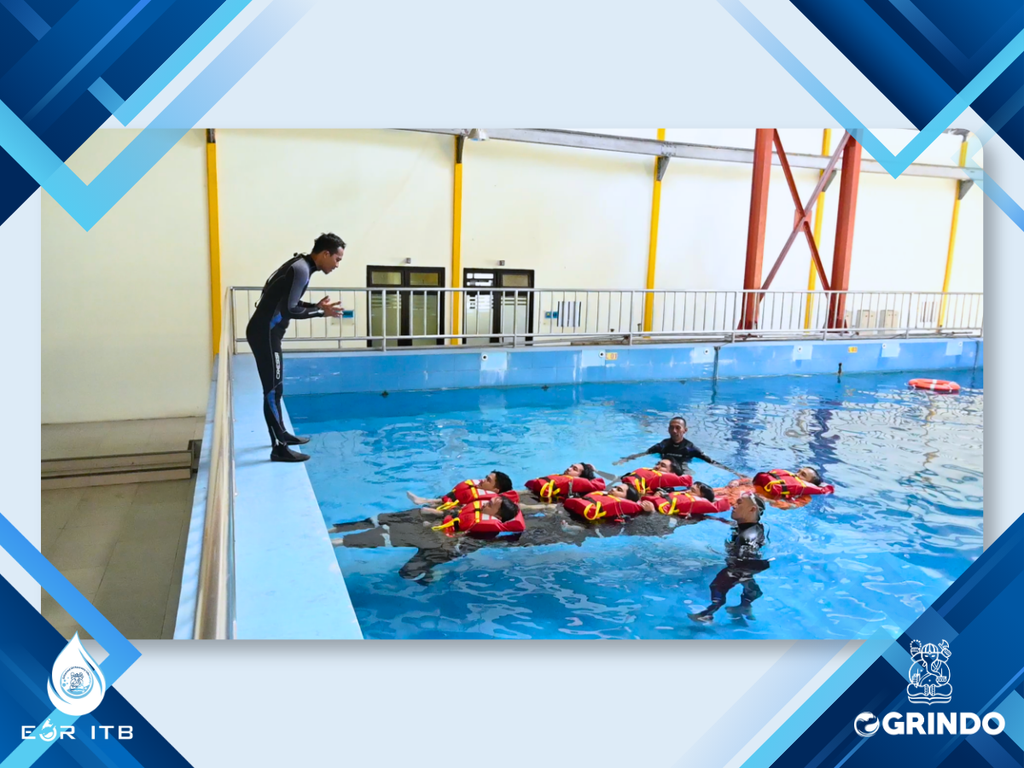
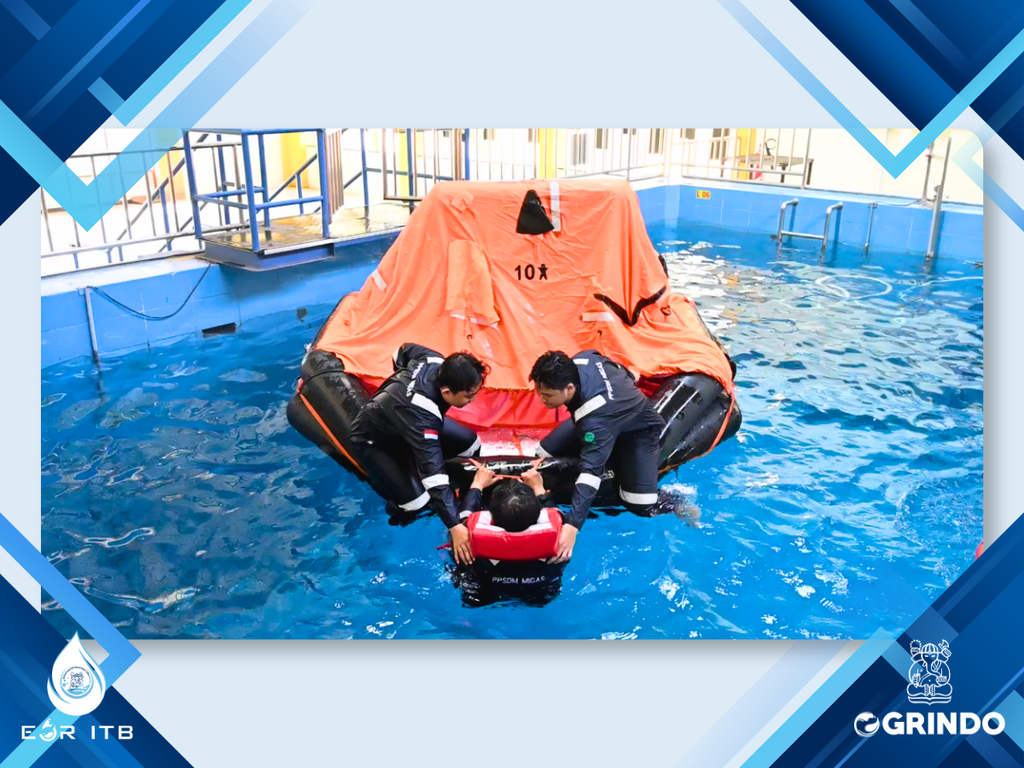
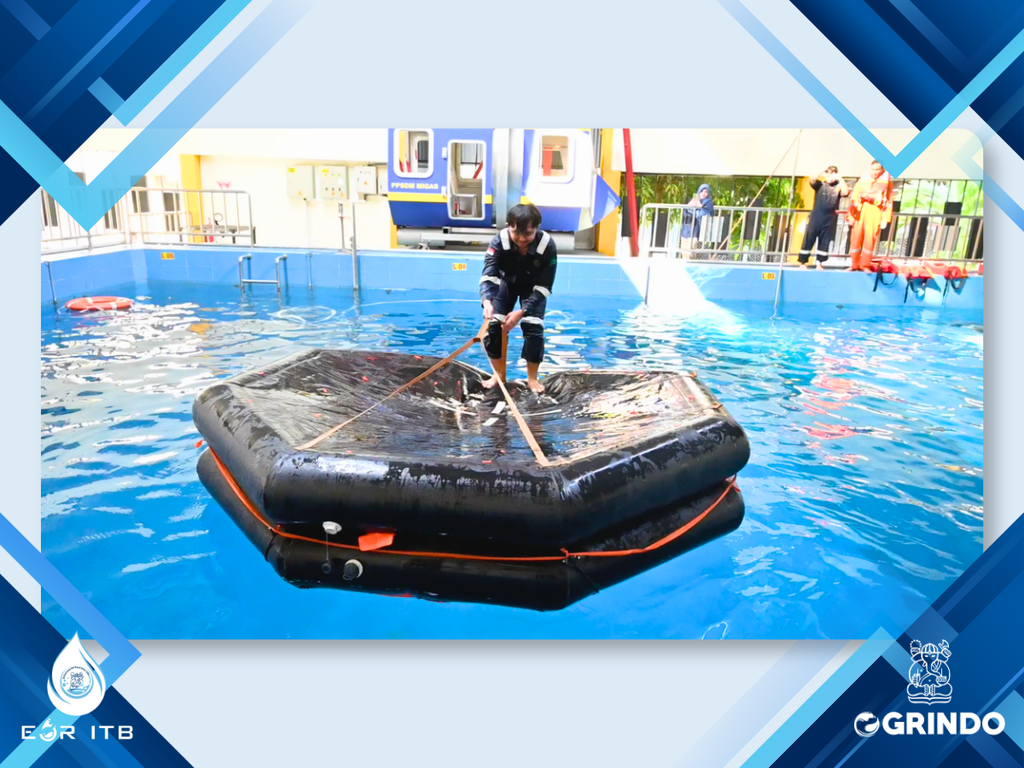
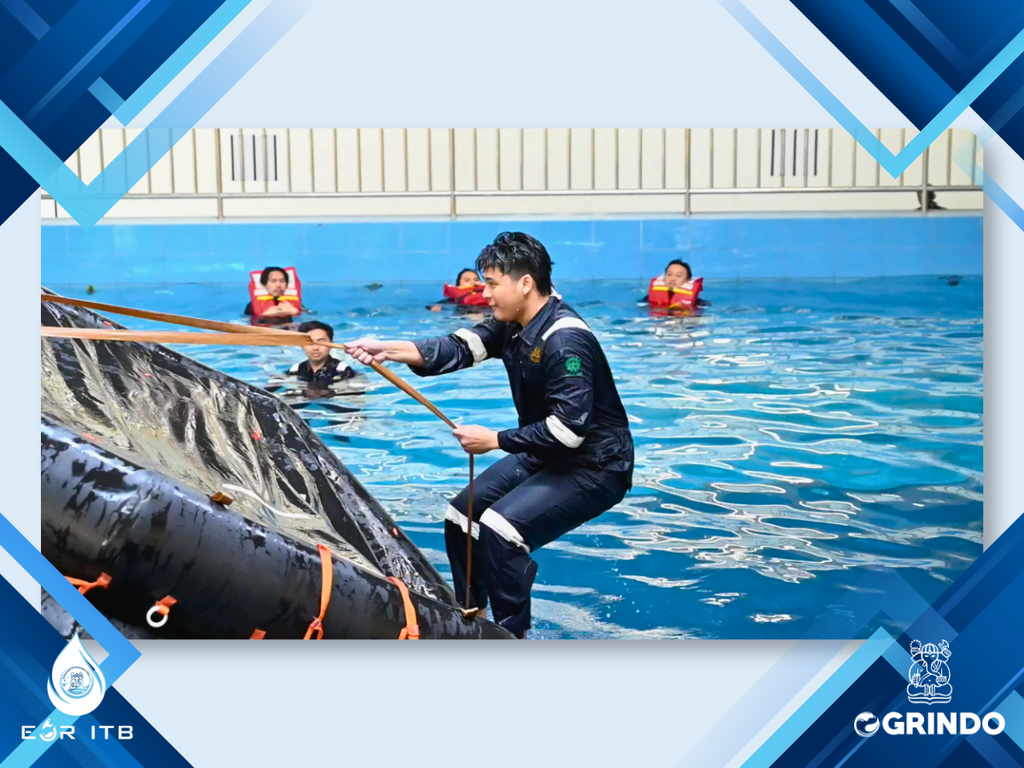
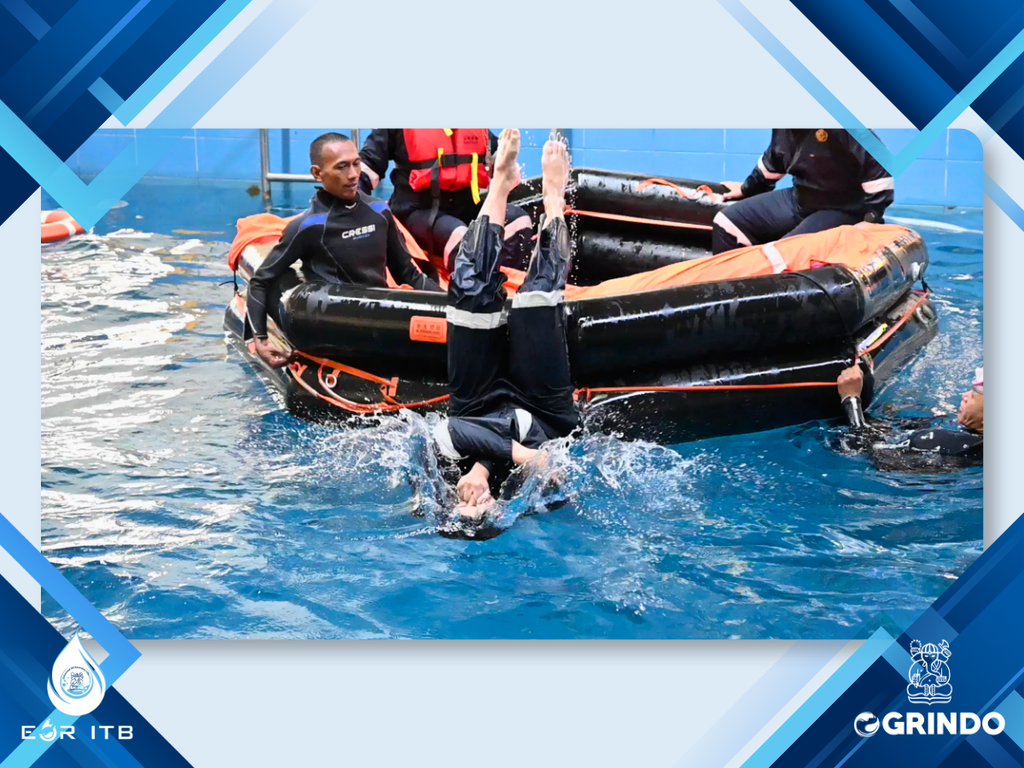
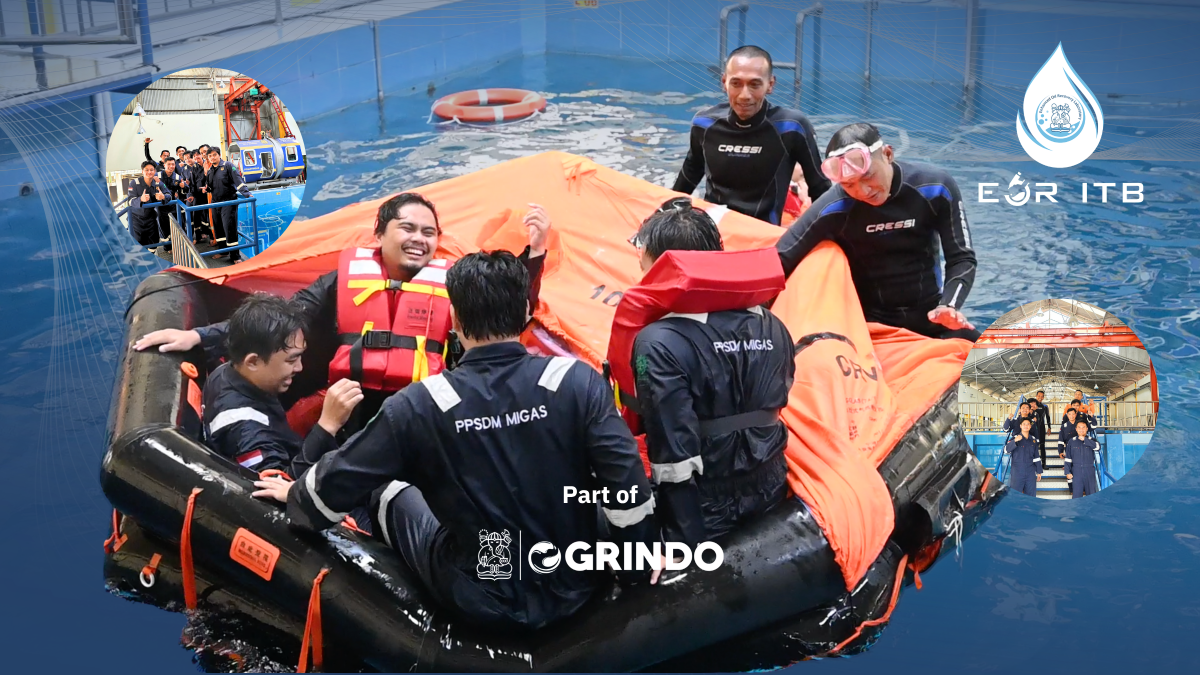
As part of this preparation, the EOR Laboratory ITB, which is part of OGRINDO ITB, participated in Basic Sea Survival (BSS) Training on 16–17 September 2026. This training provided theoretical and practical training on marine safety, survival techniques, and the introduction to safety equipment as part of the preparation for activities in an environment offshore.

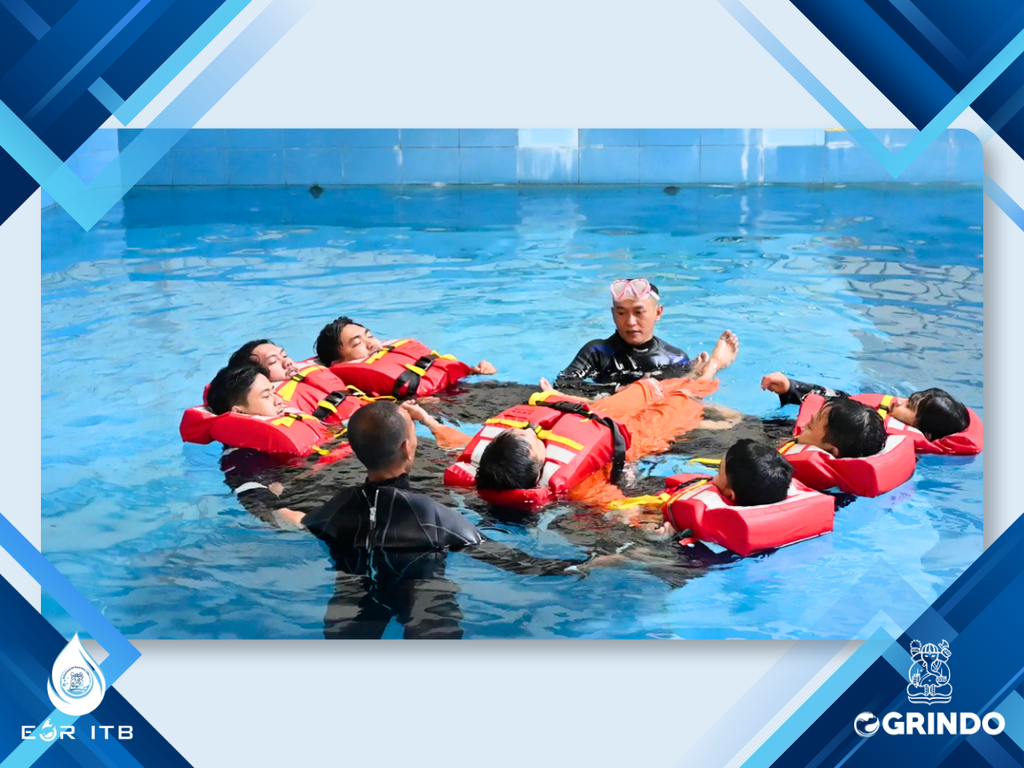
Figure 1. Training Basic Sea Survival (BSS) training to enhance readiness and skills in responding to emergency situations at sea.

What Is Basic Sea Survival (BSS) Training?

Basic Sea Survival (BSS) Training is a training program that provides an understanding and practical experience of safety and survival techniques in a marine environment.

The materials covered in this training included Basic Marine Safety, Sea Survival Techniques, and Equipment Familiarization. The training was conducted through a combination of theoretical sessions and practical activities so that participants not only understood safety principles but also gained experience in applying them.

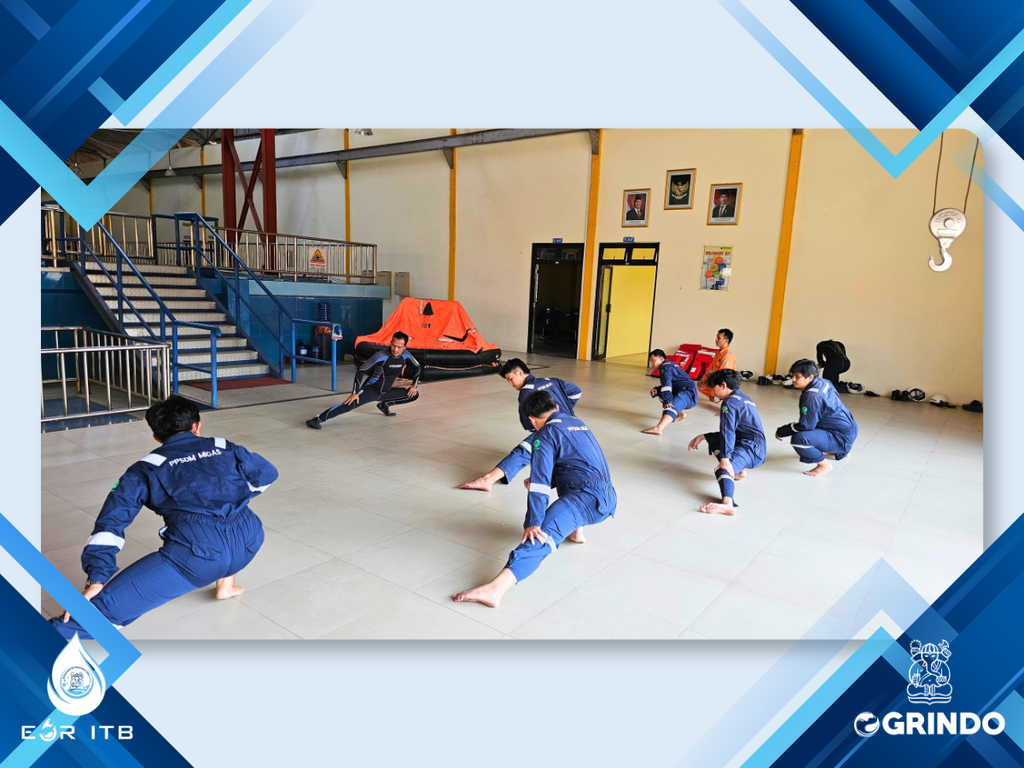
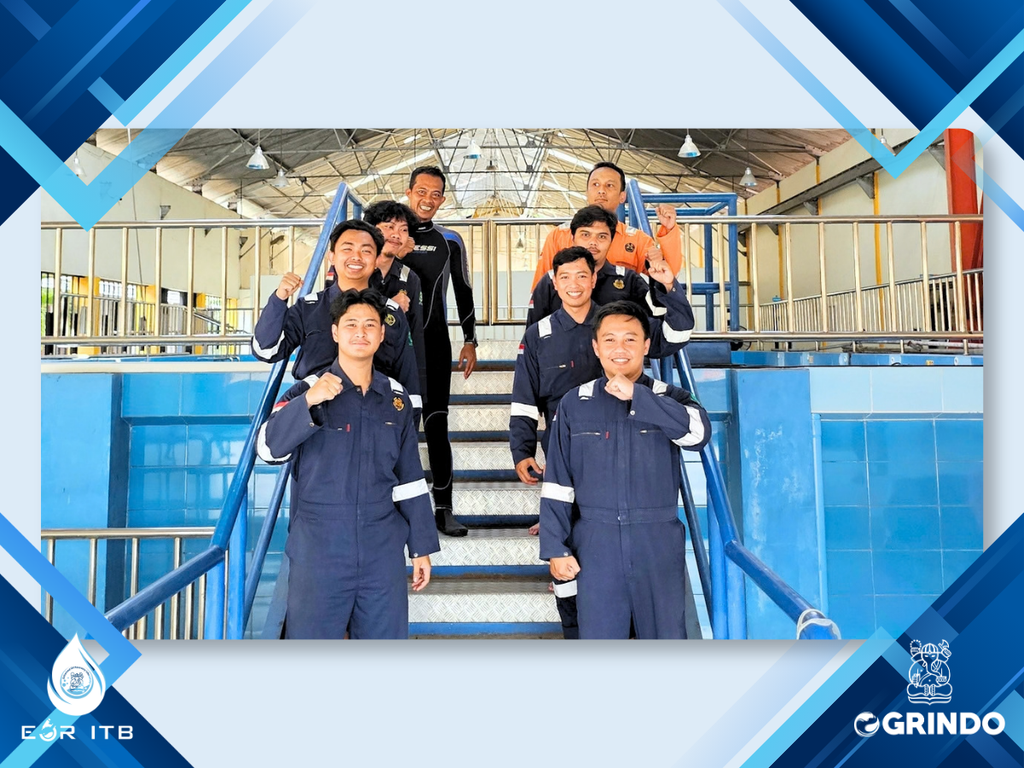
Figure 2. Participants performing warm-up exercises as part of the preparation before taking part in the practical session Basic Sea Survival (BSS).

Learning through Practice and Simulation

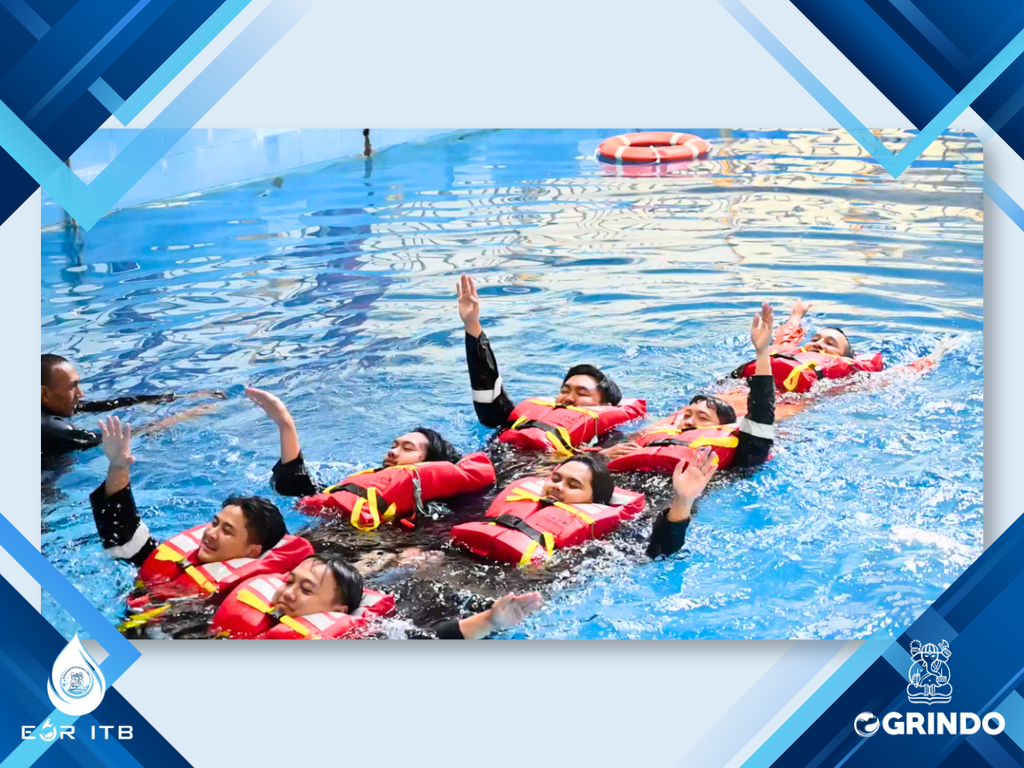
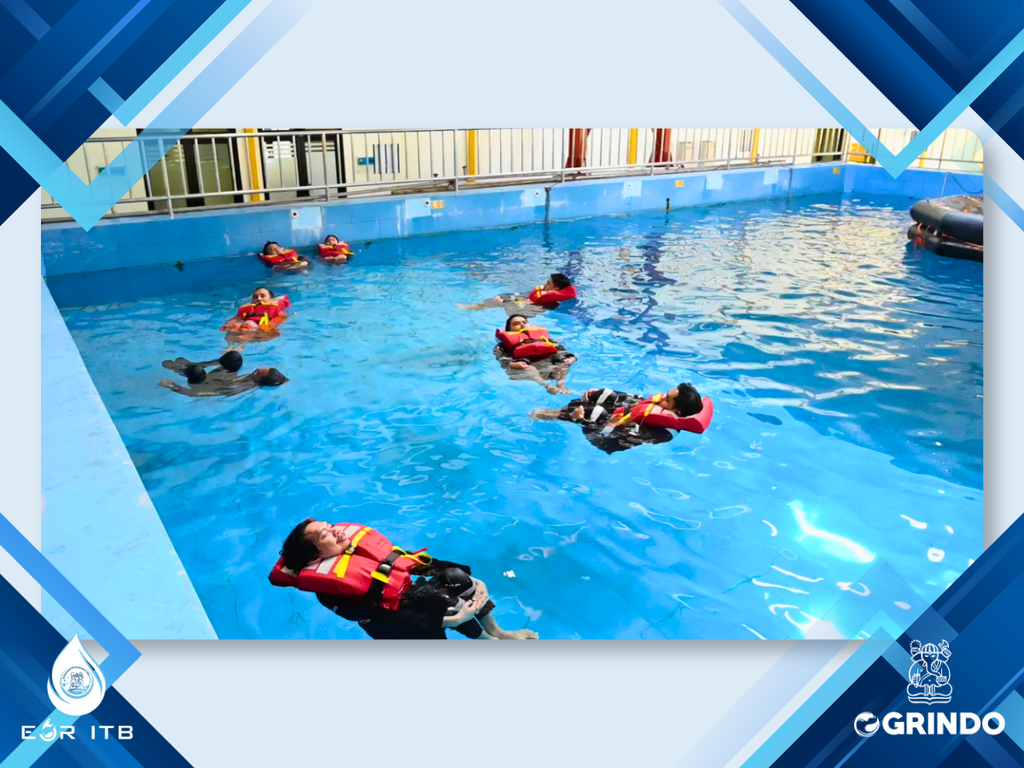
One of the important parts of the Basic Sea Survival (BSS) Training was the opportunity to directly practice safety procedures.

After receiving training on basic marine safety, survival techniques, and equipment familiarization, participants took part in a series of practical activities. This session provided an opportunity for participants to apply the knowledge they had gained while building their readiness to respond to conditions in a marine environment.

Through a combination of theory and practice, participants could understand that preparedness for emergency situations requires not only knowledge of procedures but also an understanding of safety equipment and the ability to apply those procedures appropriately.

Why Does BSS Training Important for Activity Offshore?

Unlike activities on land, the offshore environment presents conditions and risks that require specific preparedness. Therefore, an understanding of marine safety and the procedures to follow in emergency situations is an important part of preparation before entering such an environment.

For personnel supporting field activities, Basic Sea Survival (BSS) Training provides knowledge of marine safety principles, survival techniques, safety equipment, and preparedness through practical activities.

This preparedness complements technical competencies when personnel are required to support activities outside the laboratory environment.

Building Readiness Beyond the Laboratory

The activities of the EOR Laboratory ITB are not limited to the laboratory. In supporting research, testing, and field activities, personnel may also be involved in activities in offshore.

Participating in Basic Sea Survival (BSS) Training is one form of preparation to ensure that safety is also given proper attention when activities are conducted outside the laboratory environment.

For the EOR Laboratory ITB and OGRINDO ITB, personnel readiness is an important part of supporting activities and collaboration in the oil and gas sector, both in the laboratory and in the field.

Safety Starts with Preparation

Safety depends not only on equipment and procedures but also on the readiness of each individual to understand and apply them appropriately.

Through Basic Sea Survival (BSS) Training, the EOR Laboratory ITB team strengthened its basic knowledge and skills in marine safety as part of the preparation to support activities in an offshore.

Learn. Practice. Respond.

Would you like to learn more about the activities and services of OGRINDO ITB and the EOR Laboratory ITB?

Contact us at:
OGRINDO ITB: info@ogrindoitb.com
EOR Laboratory ITB: eor@itb.ac.id
Website: www.ogrindoitb.com

Categories
News Article

Understanding Surfactant Retention in Chemical EOR

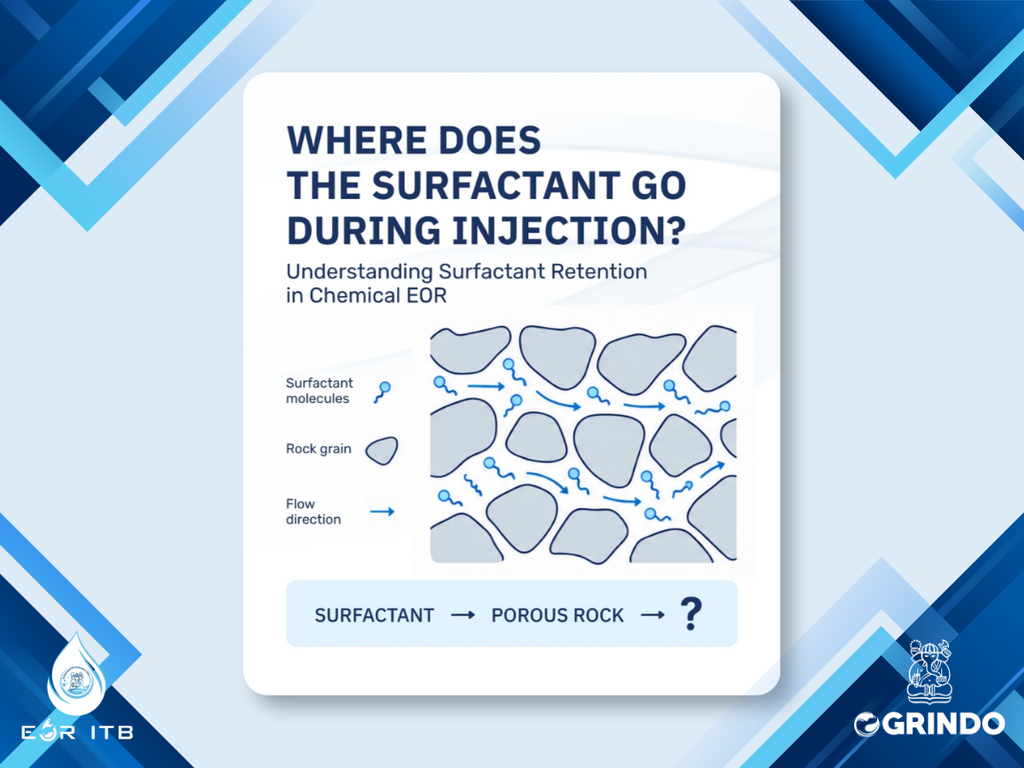
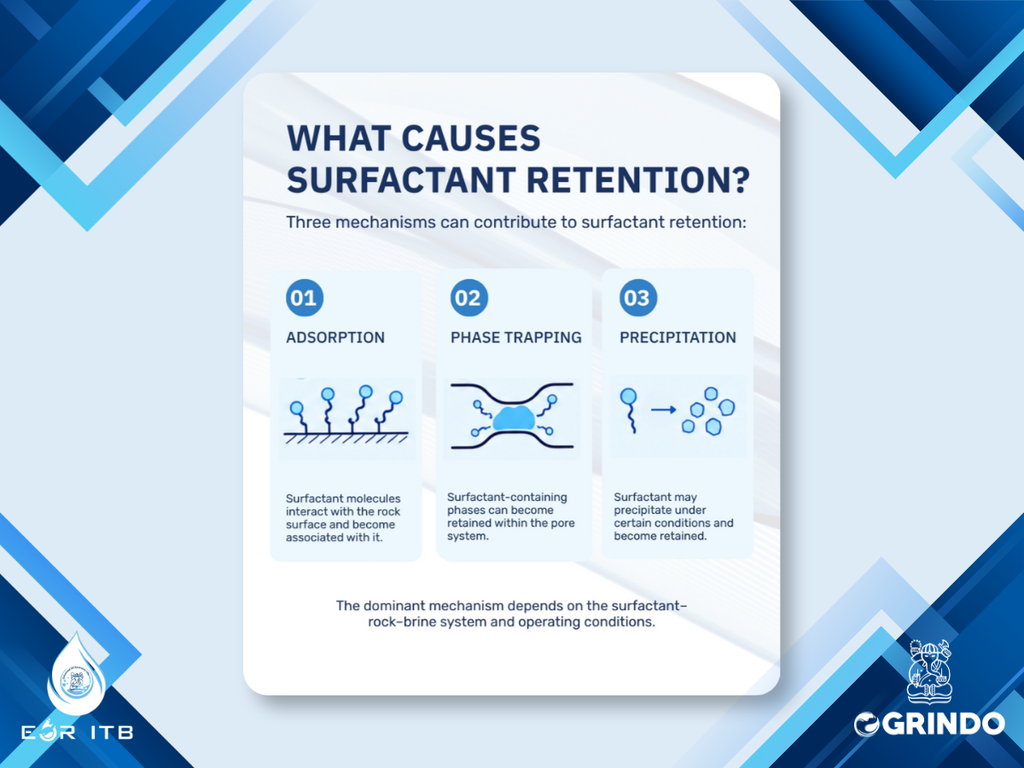
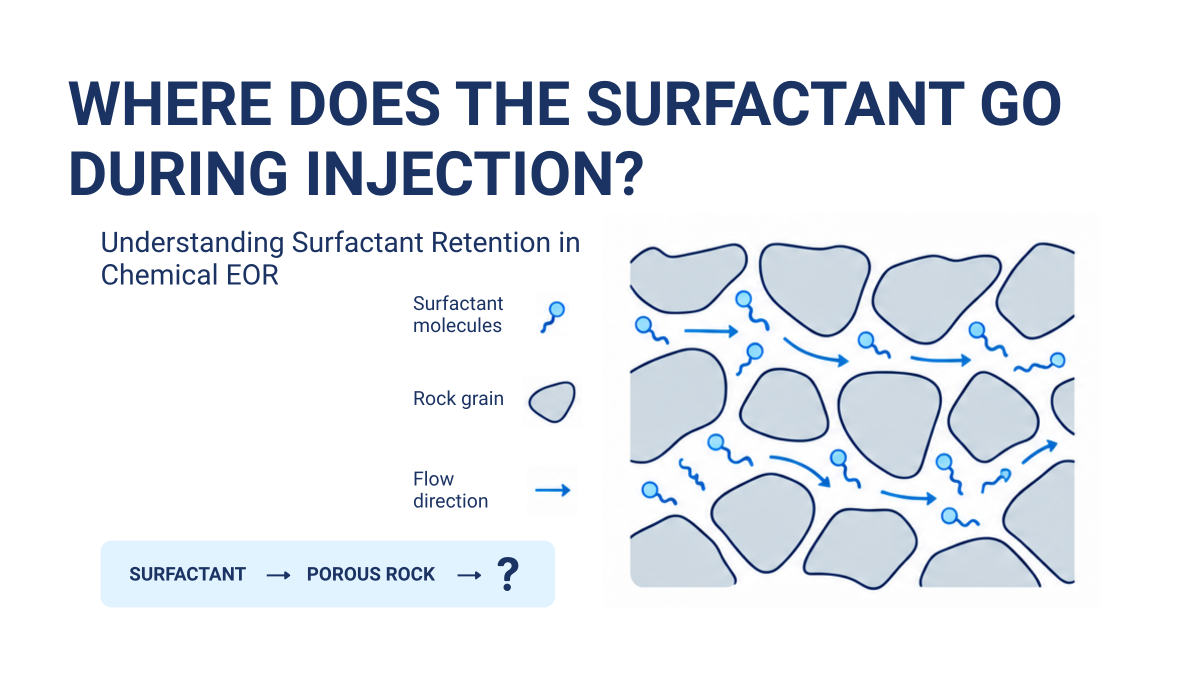
In surfactant flooding, surfactants are injected into the reservoir to help increase oil recovery, one of which is by reducing the interfacial tension (IFT) between oil and water. However, not all injected surfactants will continue to move with the fluid phase. Some surfactants may be retained within the porous media through several mechanisms. Understanding surfactant retention is important for evaluating how surfactants are transported through the rock and how retention can affect the efficiency of chemical in Chemical Enhanced Oil Recovery (EOR).

Figure 1. Surfactant flow through porous rock during injection.
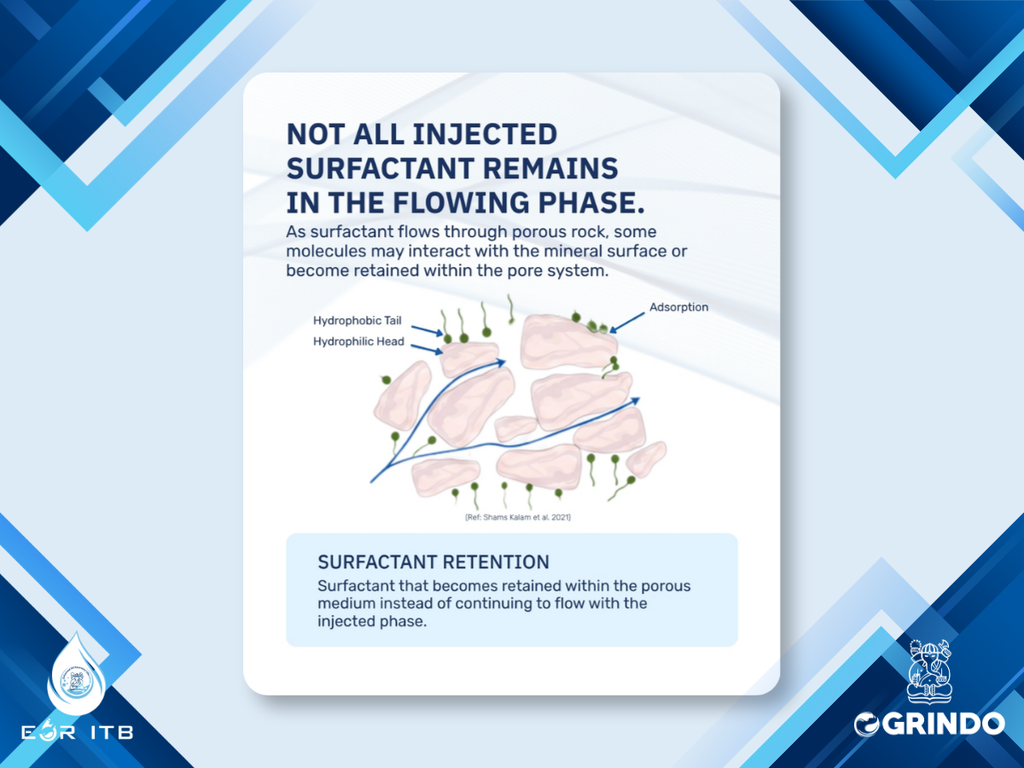
Figure 2. Surfactant retention due to interactions with mineral surfaces and the pore system.

What Happens to Surfactants in Porous Media?

When surfactants flow through the rock, their molecules can interact with the rock surface and the fluids within the pores. These interactions can cause some surfactants to be retained within the porous media.

Several mechanisms of surfactant retention includes:

  • Adsorption, which is the interaction of surfactant molecules with the rock surface, causing the surfactants to be adsorbed onto the surface.
  • Phase trapping, which is the retention of surfactants due to the distribution and interactions between phases within the pores.
  • Precipitation, which is the formation of precipitates or solid phases under certain conditions, causing some surfactants to no longer remain in the flowing fluid phase.

These mechanisms can affect surfactant transport within the porous media.

Figure 3. Several mechanisms of surfactant retention.

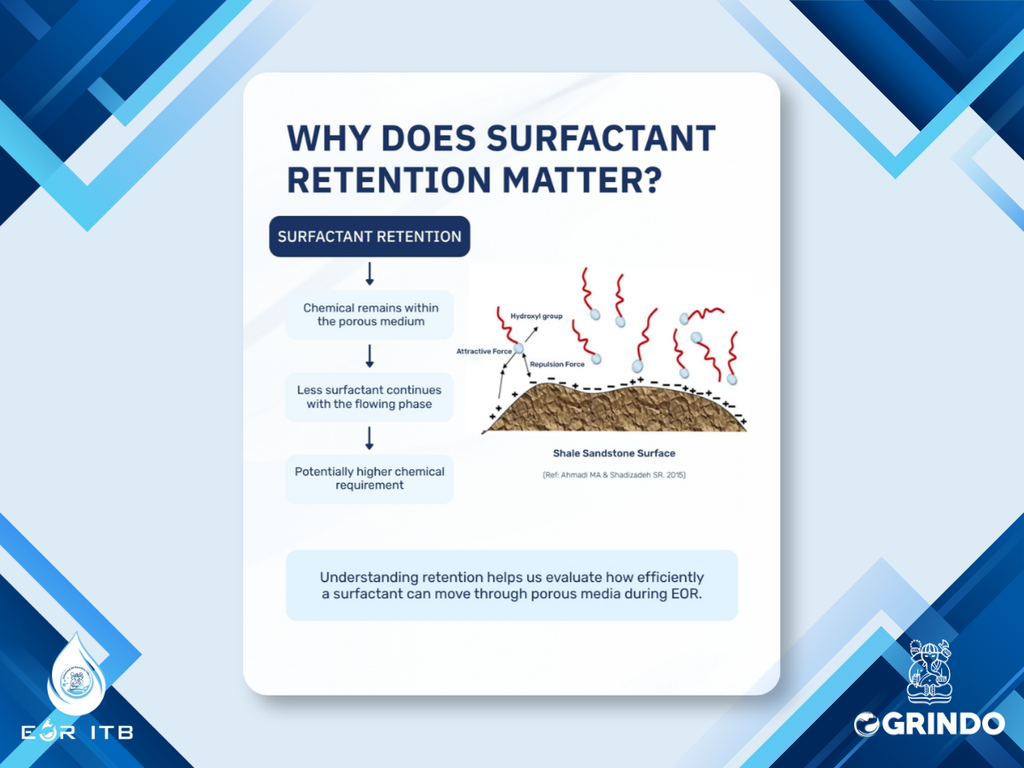
Why Does Surfactant Retention Important?

Retained surfactants no longer move with the flowing phase. Retention higher can reduce the amount of surfactant that continues to move through the porous media and potentially increase the requirement chemical to reach the target area.

Therefore, retention is one of the important aspects in evaluating chemical behavior and efficiency in chemical state in the Chemical EOR. However, retention is not the only parameter for assessing surfactant performance. The evaluation may also include IFT, phase behavior, stability, wettability, and the performance of coreflood.

Figure 4. Why surfactant retention is important.

How is Retention Evaluated in the Laboratory?

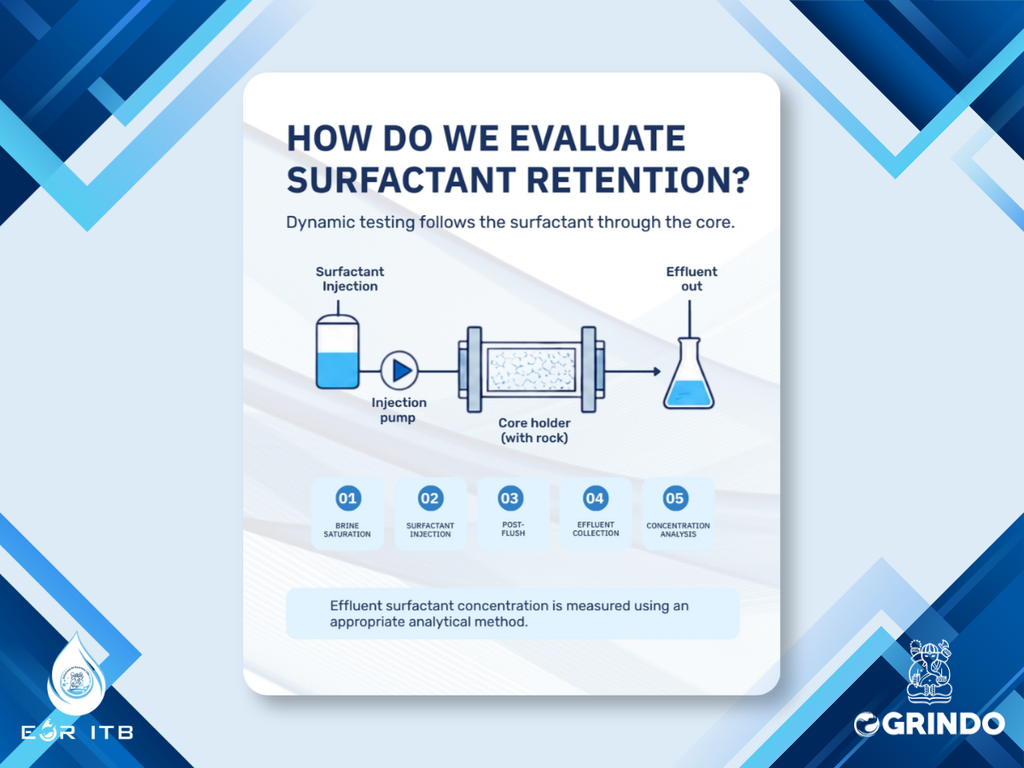
Retention can be studied through both static and dynamic tests. In dynamic tests such as coreflood, surfactant is flowed through a core plug, and then effluent the effluent collected and analyzed.

In simple terms, the test can be conducted through the following stages:

Brine saturation → Surfactant injection through the core → Post-flush → Effluent collection → Concentration analysis

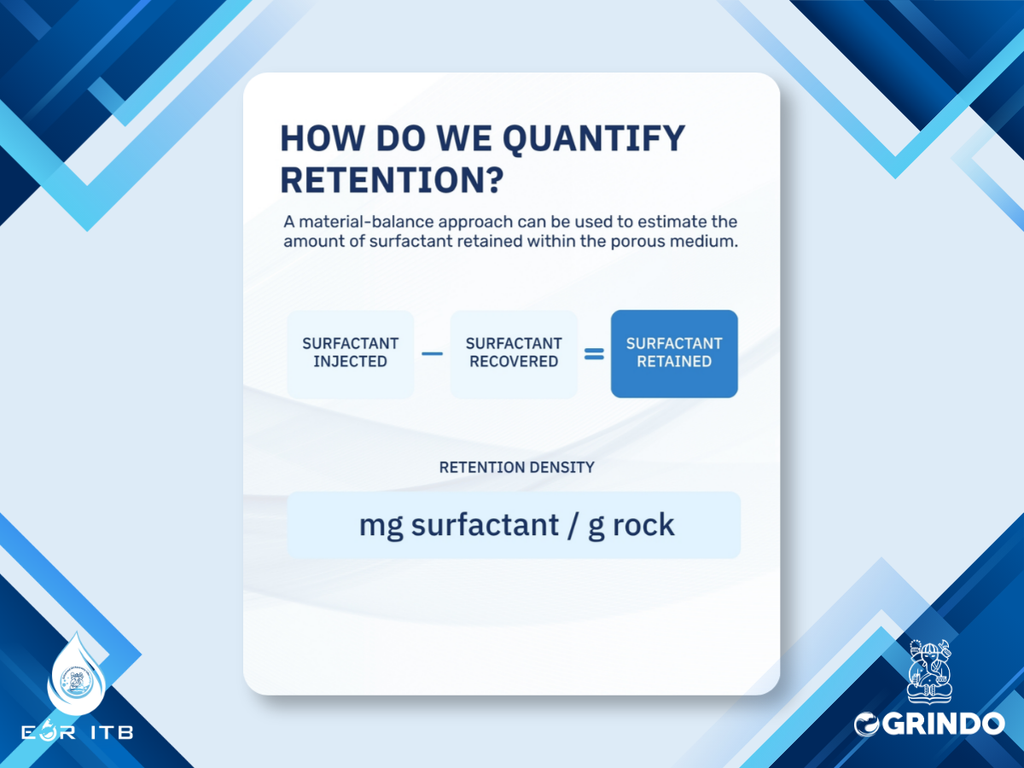
In simple terms, the amount of surfactant injected is compared with the amount of surfactant recovered from the effluent. Based on the material balanceapproach, the difference between the two can be used to estimate the amount of surfactant retained within the porous media:

Surfactant injected − Surfactant recovered = Surfactant retained

The result of retention can be expressed, for example, in mg of surfactant/g of rock.

Figure 5. Stages of the dynamic test conducted to evaluate surfactant retention.
Figure 6. How to estimate the amount of surfactant retained in porous media using an approach of material balance.

Factors Affecting Retention

The extent of surfactant retention can vary in each system and is influenced by various factors, including:

  • rock type and mineralogy
  • surfactant type and concentration
  • brine composition and salinity brine
  • pH
  • temperature
  • the interactions of rock–surfactant–brine

Therefore, testing under conditions relevant to the reservoir system is an important part of evaluation Chemical EOR.

From Laboratory to EOR Application

The data of surfactant retention provide an overview of how surfactants are transported through porous media and can be used as one part of the screening and evaluation of Chemical EOR.

In its application, the data of retention do not stand alone. The test results need to be considered together with other parameters such as IFT, phase behavior, stability, wettability, and coreflood performance to provide a more comprehensive understanding of chemical behavior and performance.

Thus, the testing of retention—particularly under dynamic conditions—can help connect evaluation chemical in laboratory with the need of design and development Chemical EOR.

For Information and Collaboration
EOR Laboratory ITB
Email: eor@itb.ac.id

OGRINDO ITB
Email: info@ogrindoitb.com
Website: www.ogrindoitb.com

Categories
News Article

EOR Laboratory ITB Goes to Yogyakarta: Strengthening Teamwork and Professionalism

Within the OGRINDO ITB research environment, the success of a team is determined not only by technical capabilities, but also by teamwork, communication, and mutual trust. As part of OGRINDO ITB, the EOR ITB Laboratory recognizes that building a solid team is an important part of creating a professional and collaborative working environment.

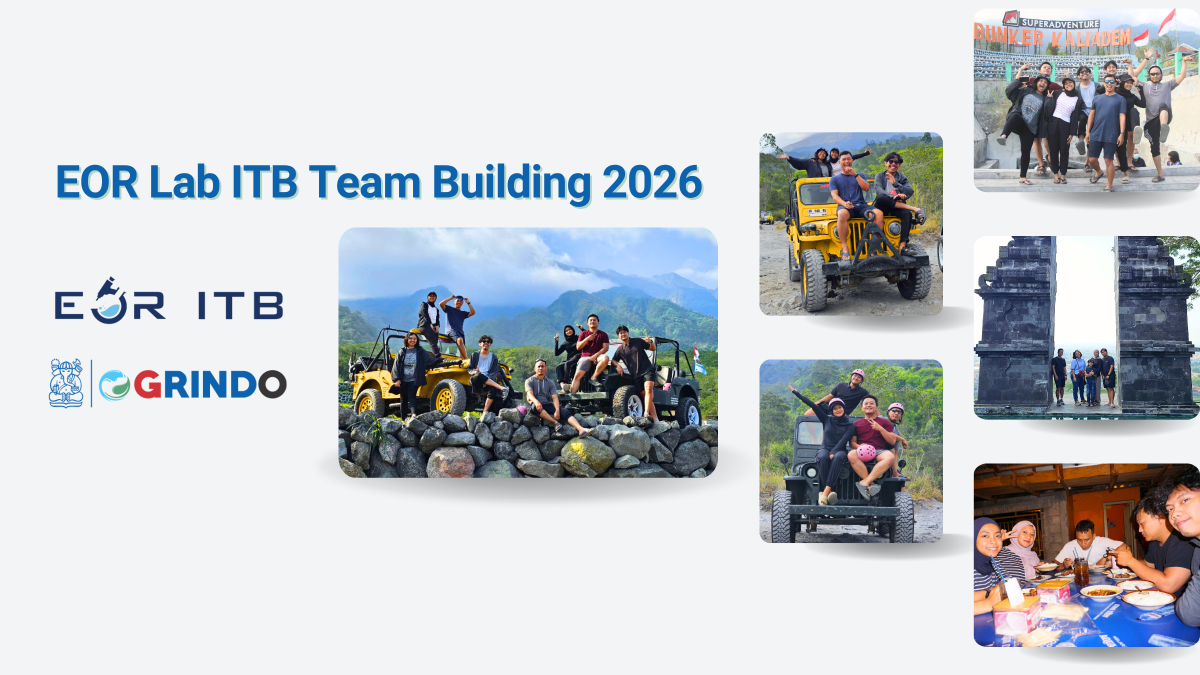
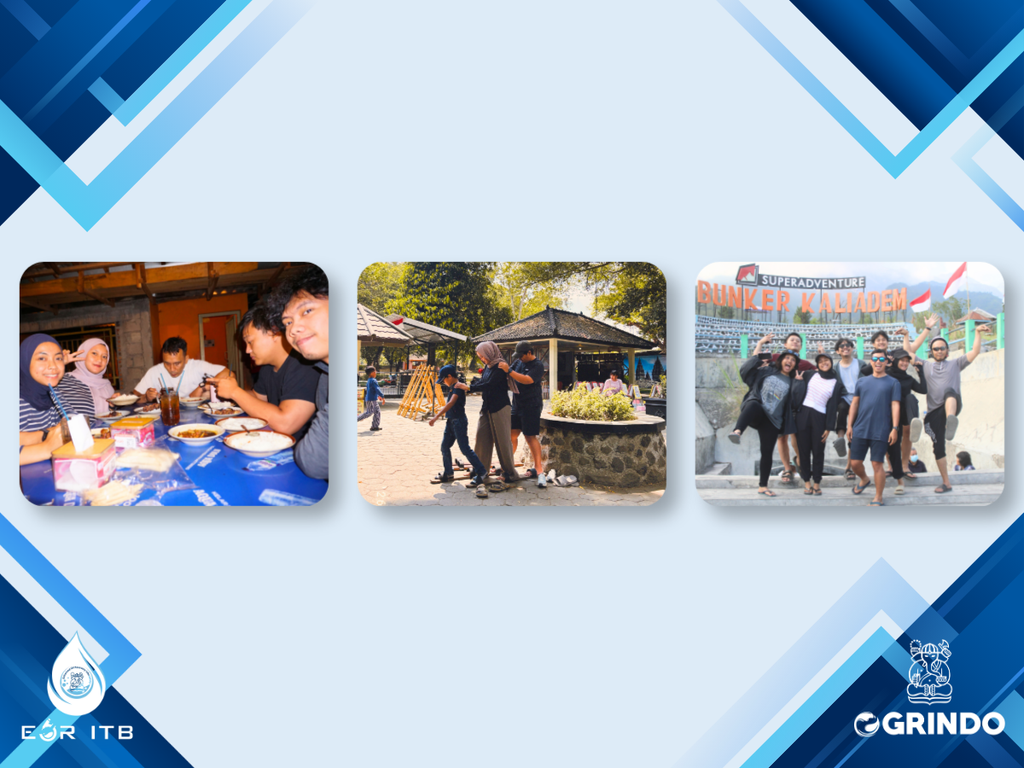
To strengthen these aspects, the Laboratorium EOR ITB Goes to Yogyakarta activity was held from August 22–25, 2026. Over four days and three nights, this activity provided an opportunity for all team members to interact, share experiences, and build connections beyond their laboratory routines.

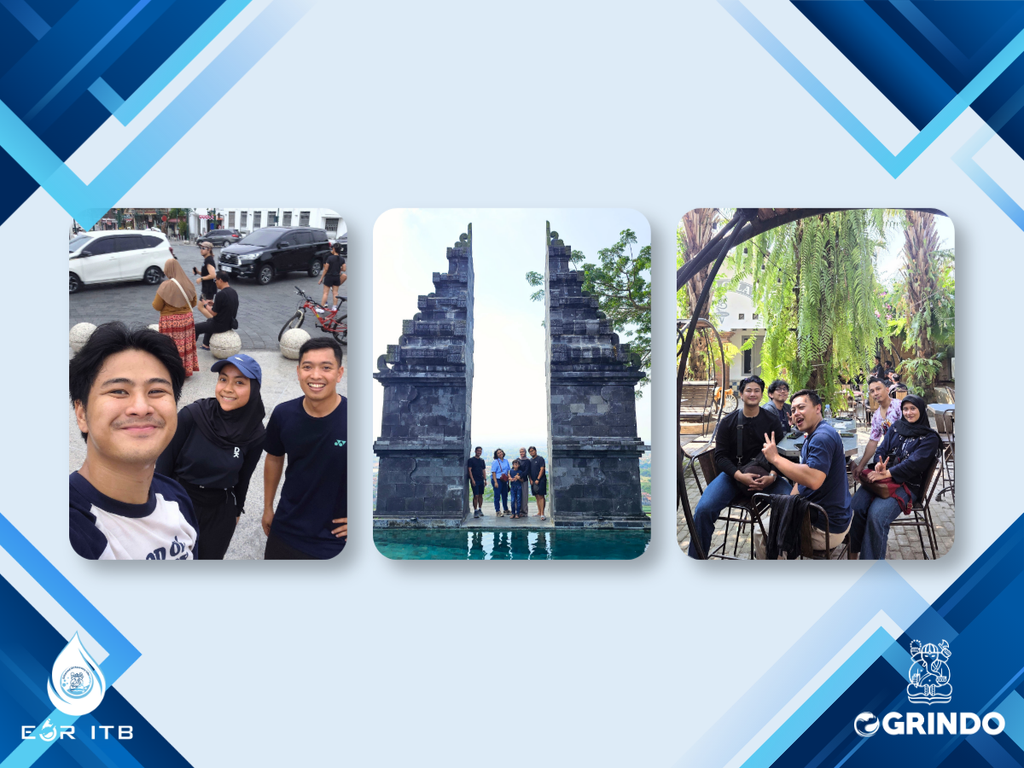
Figure 1. The Lab EOR ITB team during the team building experience in Yogyakarta.

Building Teamwork Through Shared Experiences

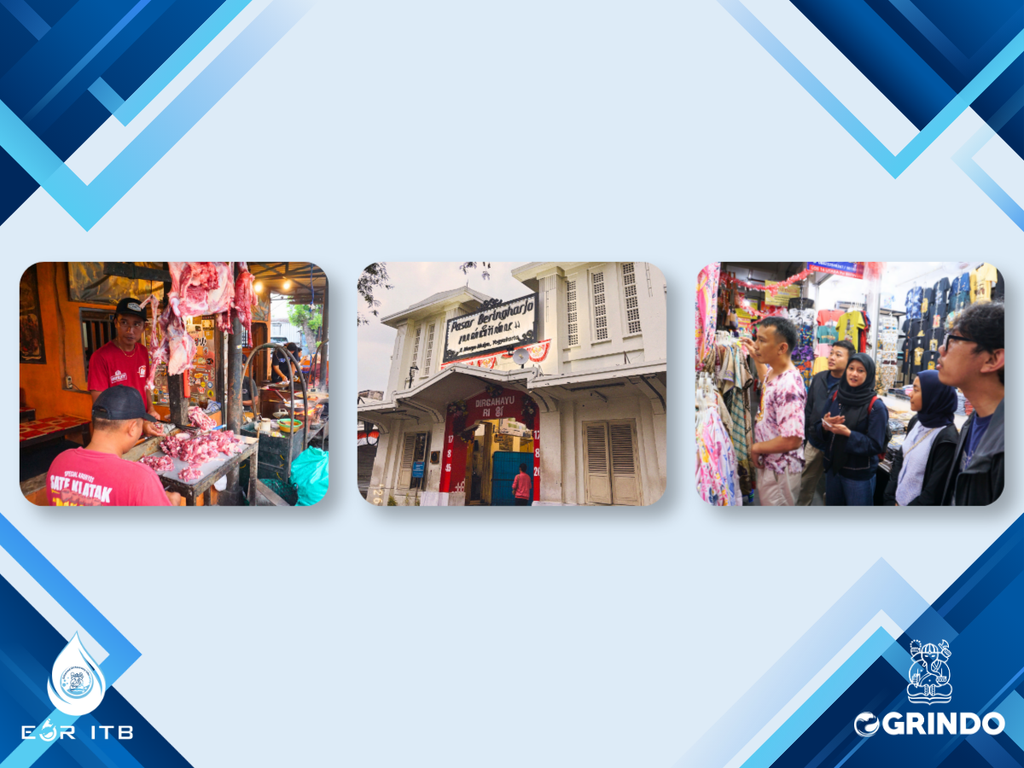
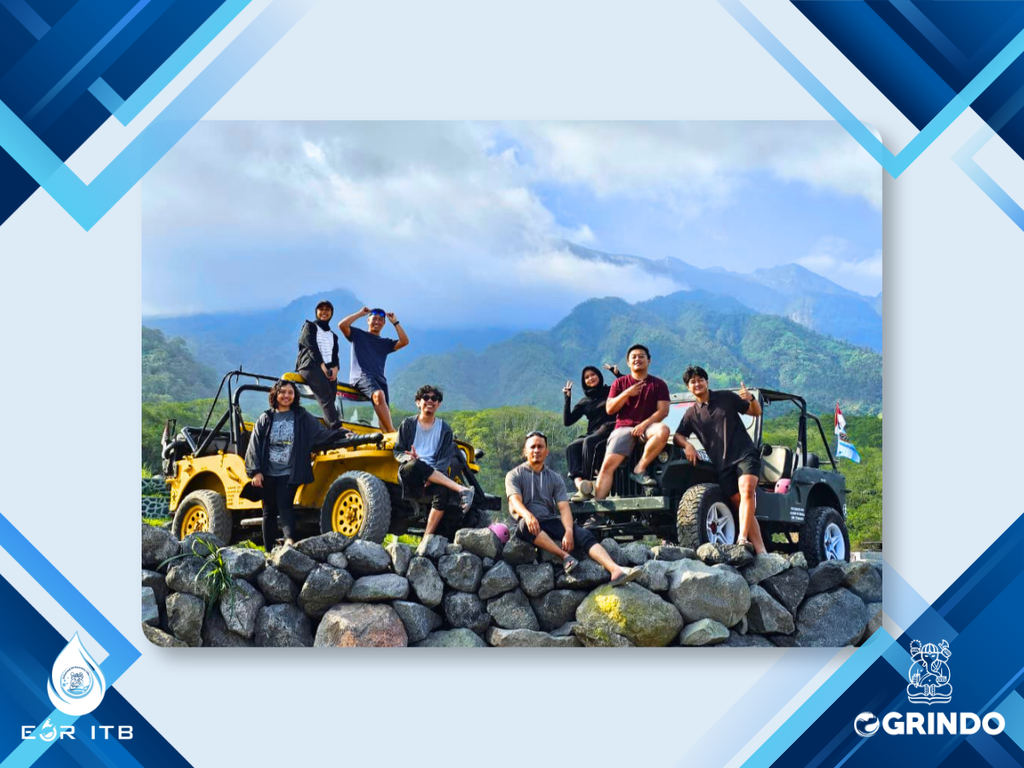
During their time in Yogyakarta, the EOR ITB Laboratory team enjoyed various experiences together, from visiting Prambanan Temple and the Beringharjo area, enjoying local cuisine, to exploring the Merapi area through a Lava Tour by jeep. These activities provided opportunities for team members to interact in a more relaxed atmosphere and enjoy new experiences together.

Traveling together, sharing meals, having team dinner, and exploring destinations became part of the team building process that strengthened communication, coordination, and teamwork among team members. More than just a trip, the shared experiences helped build mutual trust and create stronger working relationships.

Figure 3. Sharing experiences, creating memories, and building stronger connections as a team.

Strengthening Character and Professionalism

Team building also provides an opportunity to develop values that are important in a professional environment. Communication, responsibility, adaptability, care for others, and the ability to work as a team are qualities needed in carrying out research and testing activities at the EOR Laboratory ITB.

The connections built outside the laboratory are expected to have a positive impact when the team returns to their professional activities. With stronger relationships, each member can support one another and contribute more effectively.

Figure 4. Informal moments that brought team members closer beyond their professional roles.

Family Bonding and Renewed Energy

In addition to strengthening teamwork, this activity also became a moment of family bonding for the EOR ITB Laboratory team. More informal interactions provided an opportunity to get to know one another beyond their respective roles and responsibilities in the laboratory.

Figure 5. Enjoying shared moments and taking home memories from the journey as one team.

Ultimately, a strong team is not only about working together, but also about growing together. Through the Laboratorium EOR ITB Goes to Yogyakarta, the team brought home more than just memories—but also renewed energy, stronger connections, and the motivation to continue working and growing together.

Figure 6. One journey, one team, and a renewed spirit to grow together.

As part of OGRINDO ITB, the EOR ITB Laboratory will continue to foster a culture of collaboration and professionalism to support research activities, technology development, and innovation in the field of Enhanced Oil Recovery.

Growing Together. Working Together. Innovating Together.

📩 For research and collaboration inquiries:
eor@itb.ac.id | info@ogrindoitb.com

Categories
News Article

Coreflood Preparation: From Rock to Core Plug

A good coreflood experiment begins long before the testing is conducted. Before being used, the rock must first be inspected and selected to identify suitable candidate plug locations that can be made into core plug. This is important because selecting a good and representative plug location will later affect the coreflood experiment and the results of its analysis.

At EOR Laboratory ITB, which is part of OGRINDO ITB, this process begins with an inspection of the available rock material. Based on this inspection, the suitable rock sections are then selected for coring and preparation until they become core plug for experiment coreflood.

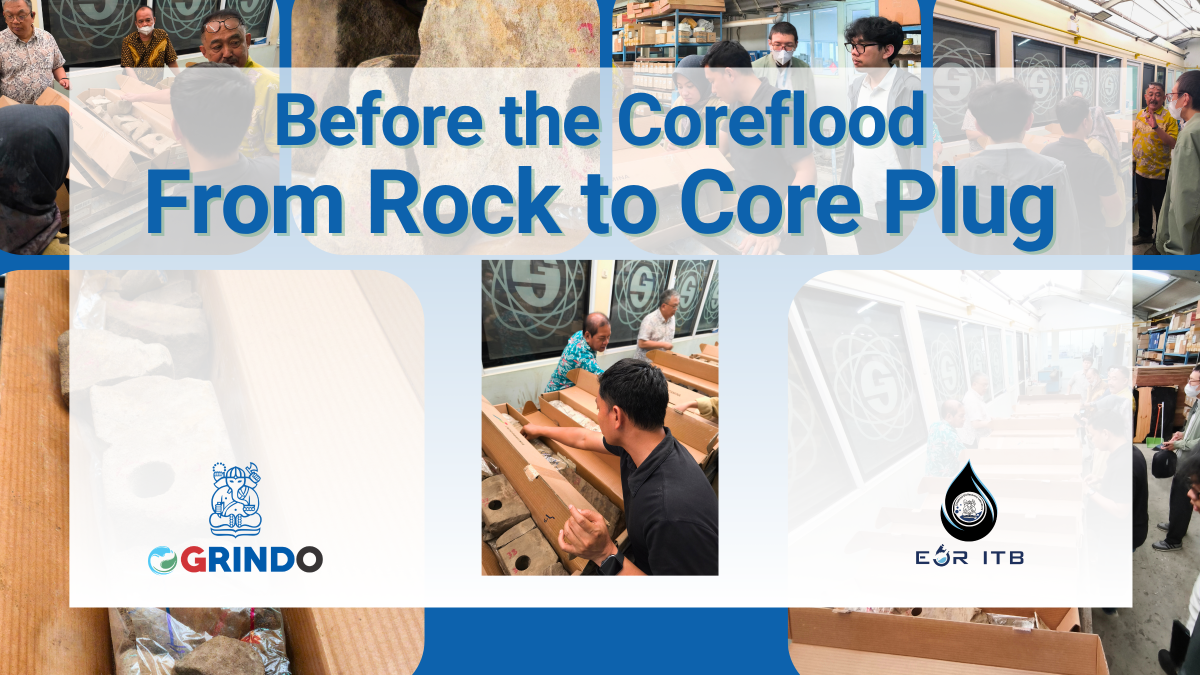
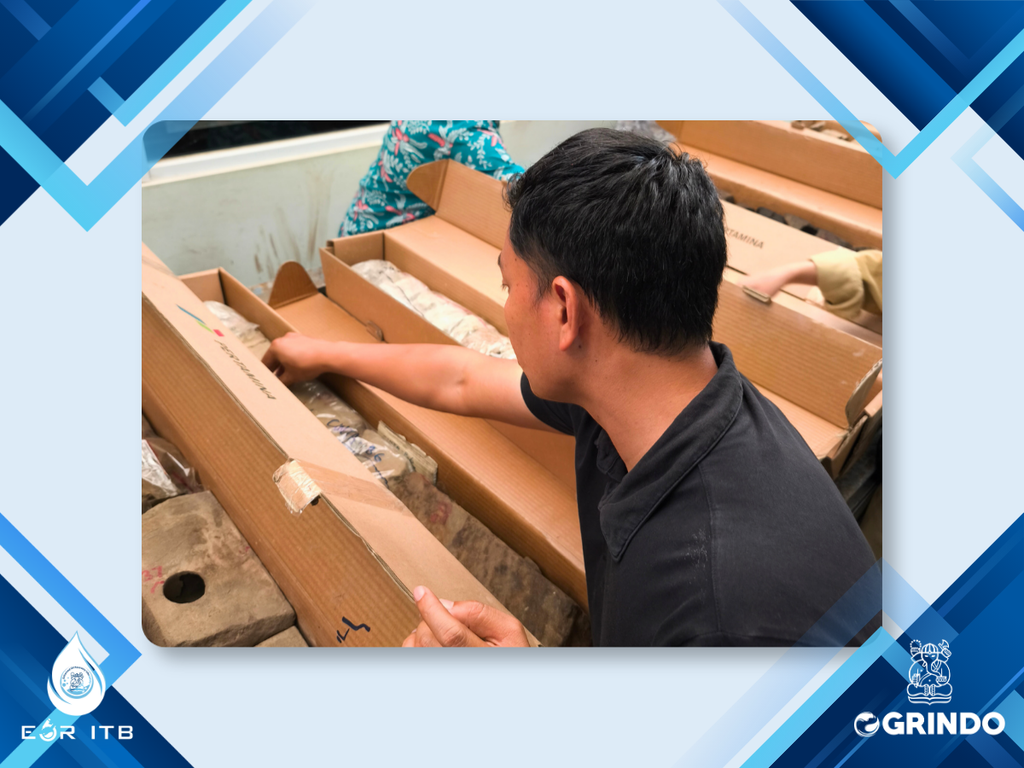
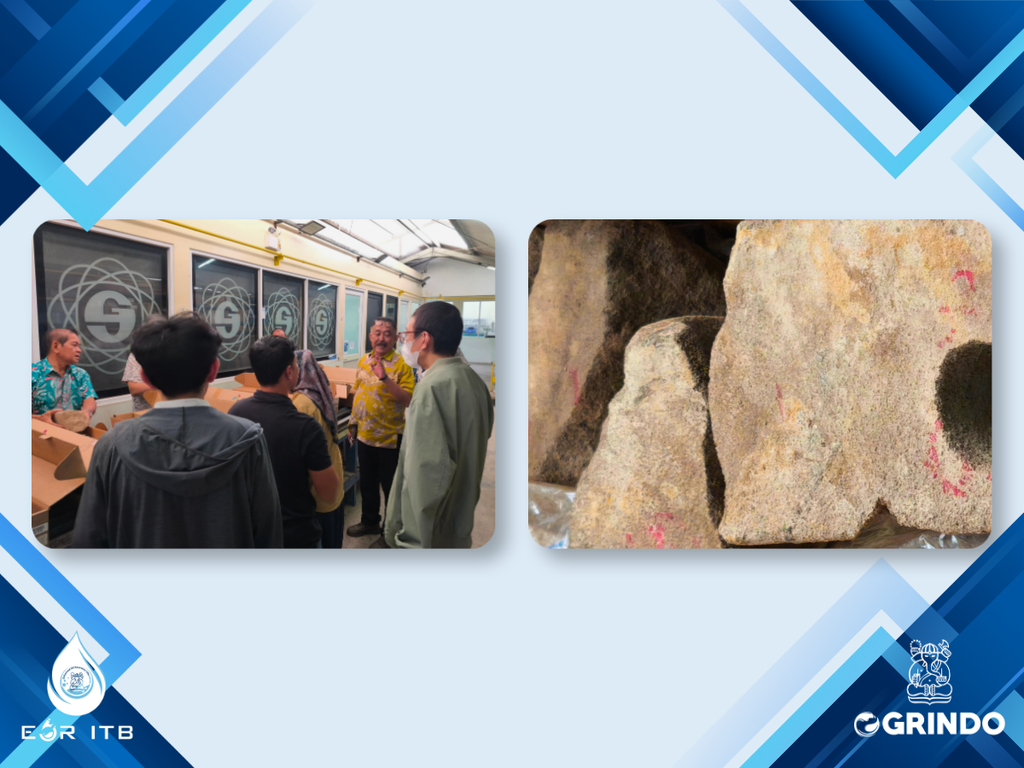
Figure 1. Observation of rock material as part of preparation process of the core plug.

Starting with Rock Inspection

Before becoming a core plug, the rock is first inspected in its original form. This inspection is conducted to observe the condition of the available rock material and identify suitable candidate plug locations.

This stage is important because not every part of the rock sample is suitable to be used as a plugThe initial inspection provides the basis for determining suitable and representative candidate plug locations before the coring process is conducted.

Figure 2. Initial inspection of rock material to identify suitable sections before coring.

Selecting the Suitable Rock Section

After the rock material is inspected, the team identifies sections with sufficient material and suitable conditions to be prepared into core plug.

The selection of suitable sections is carried out before coring. By determining the appropriate section from the beginning, the material can be prepared for the planned coreflood experiment.

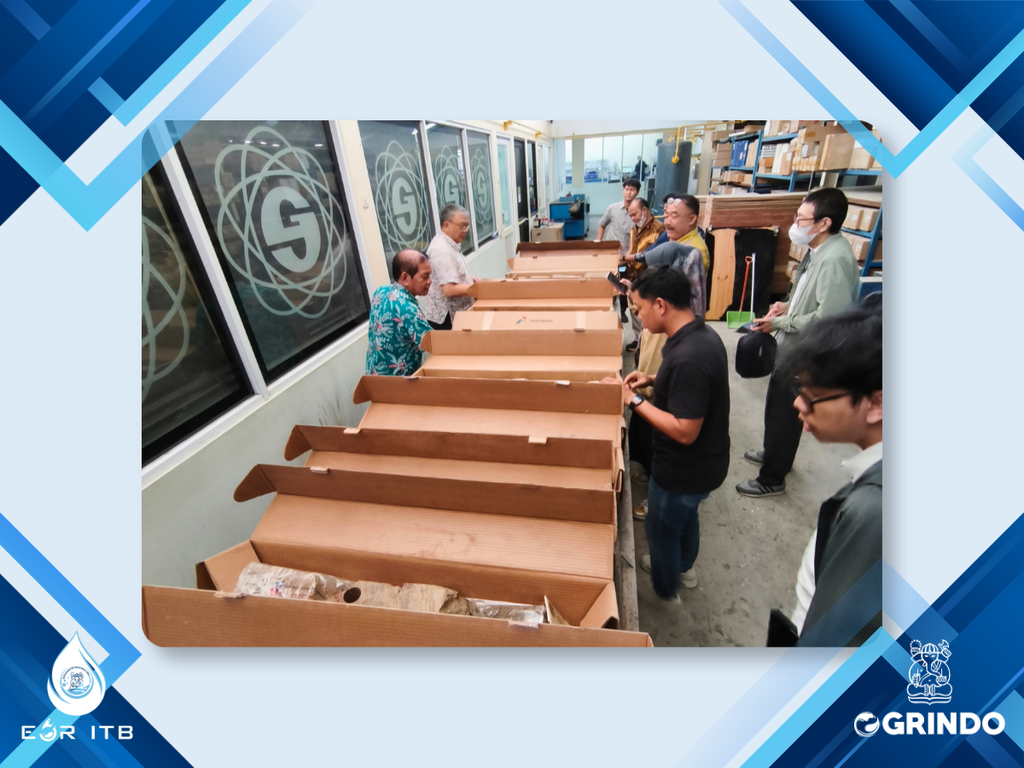
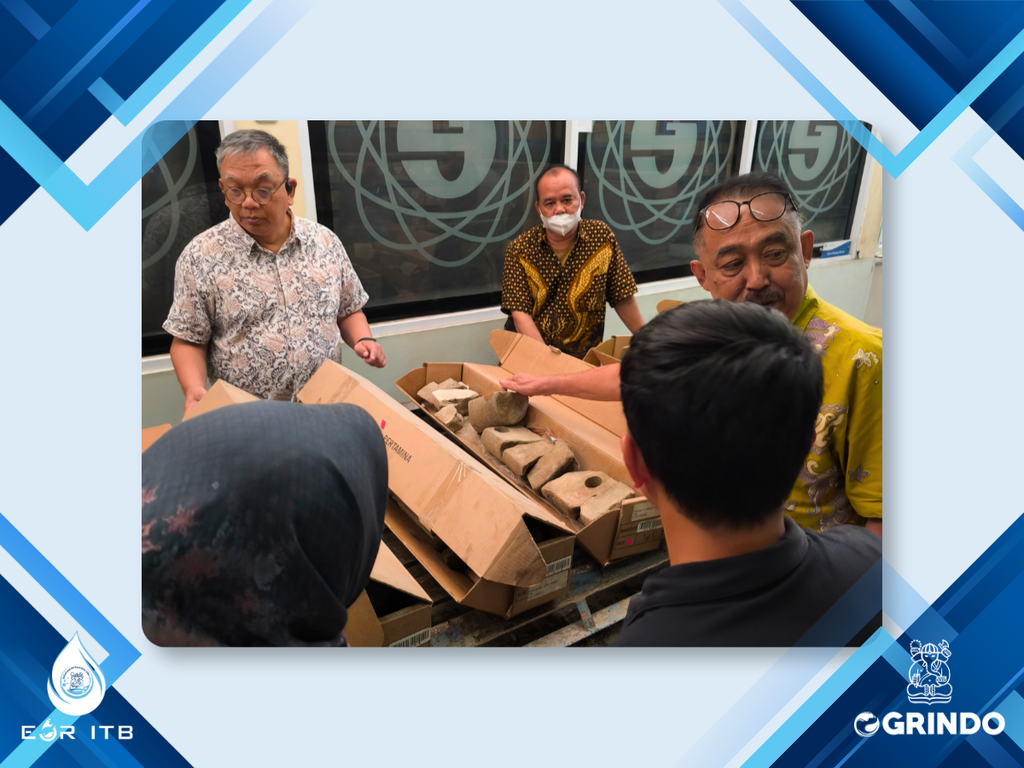
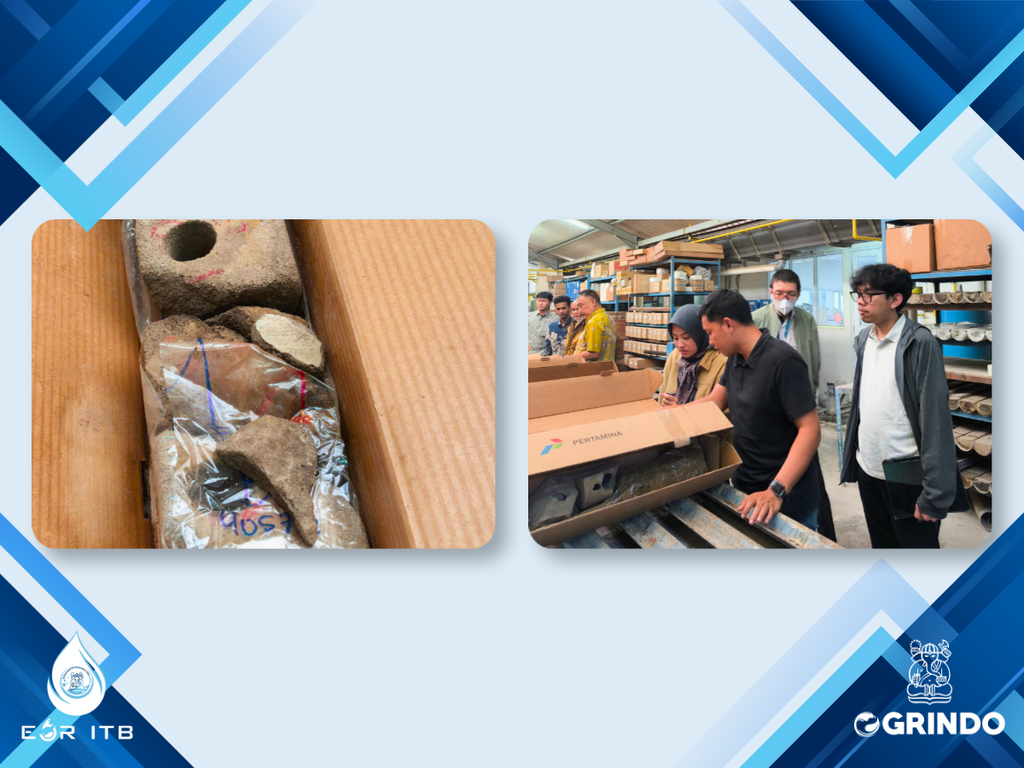
Figure 3. The team observes and discusses the rock material during the selection of suitable sections.
Figure 4. Rock material inspected to determine the suitable section to be prepared into a core plug.

From Rock to Core Plug

After the suitable section is determined, the process continues with coring and preparation. This stage produces core plug , which are then used for coreflood testing.

In simple terms, the preparation process can be summarized as follows:
Rock inspection → Suitable section selected → Coring & preparation → Core plug → Coreflood testing

Each stage is part of the overall experimental preparation. Rock inspection and the selection of suitable sections are the initial steps before the material is processed into core plug.

Figure 5. Observation of rock material to be made into a core plug as part of the preparation before coreflood.

Core Selection for Reliable Coreflood Data

Rock selection and preparation are important parts of the process before a coreflood experiment begins. Core plug used in the testing are obtained from rock material that has been inspected and selected through the preceding preparation stages.

Therefore, reliable coreflood data starts with the right core . The preparation carried out before testing is part of the effort to ensure that the experiment can be conducted using material that is suitable for the testing requirements.

Coreflood Testing at EOR Laboratory ITB

EOR Laboratory ITB supports research and testing activities in the field of Enhanced Oil Recovery (EOR), including needs related to coreflood testing and rock characterization.

If you need further information about corefloodtesting, rock characterization, or EOR laboratory services, please contact:
📩 EOR Laboratory ITB: eor@itb.ac.id
📩 OGRINDO ITB: info@ogrindoitb.com
For more information about OGRINDO ITB's activities, services, and research development, visit:
www.ogrindoitb.com

Let us discuss your EOR testing and research needs with EOR Laboratory ITB and OGRINDO ITB.

Categories
News Article

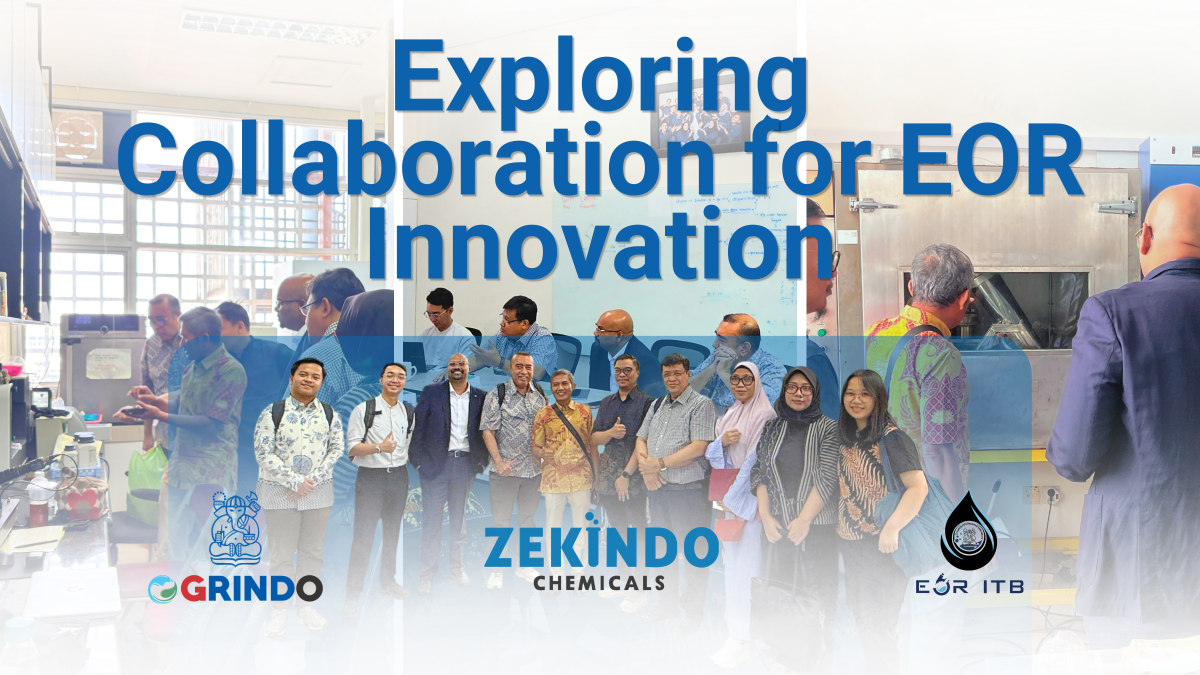
Exploring Collaboration Opportunities among OGRINDO ITB, Lab EOR ITB, and Zekindo

The development of Enhanced Oil Recovery (EOR) requires synergy between research, testing facilities, and industry solutions. In an effort to explore these collaboration opportunities, OGRINDO ITB and the Enhanced Oil Recovery Laboratory (Lab EOR ITB) held a meeting with PT Zeus Kimiatama Indonesia (Zekindo) on Friday, August 7, 2026.

The meeting was part of an initial exploration of potential collaboration in technology development, research, and chemical solutions to support EOR implementation in Indonesia.

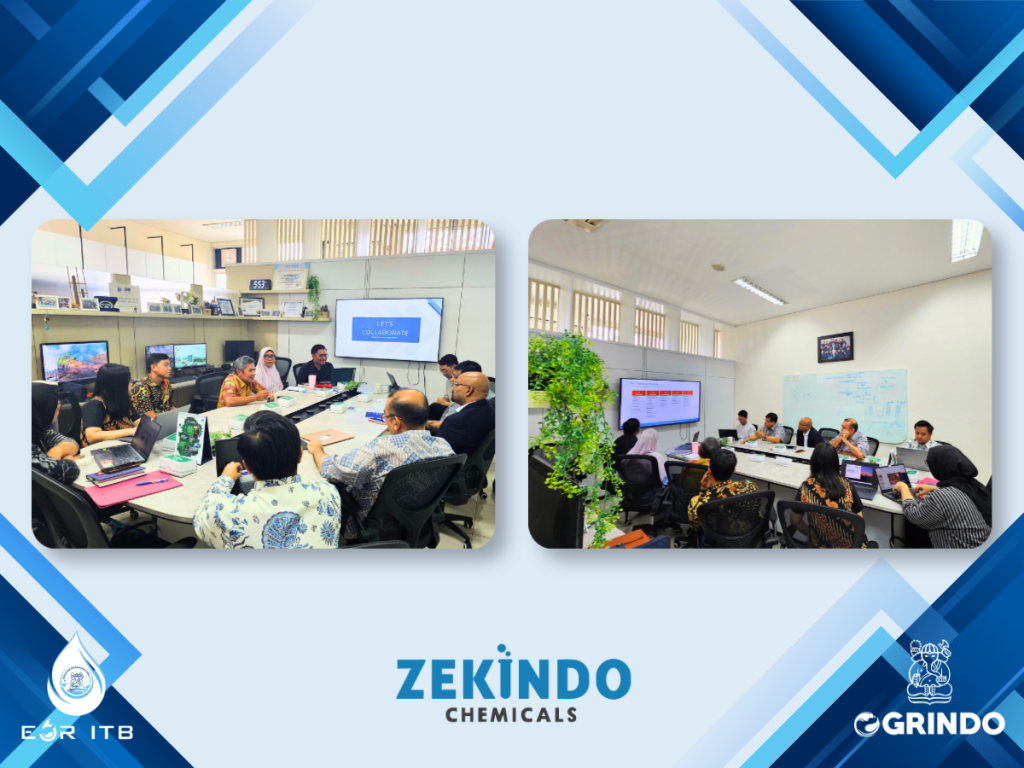
Figure 1. Discussion between OGRINDO ITB, Lab EOR ITB, and Zekindo to explore potential collaboration opportunities in the EOR field.

Exploring Collaboration Opportunities in the EOR Field

PT Zeus Kimiatama Indonesia (Zekindo) is a producer of specialty chemicals offering products and solutions for various industrial needs. In the EOR sector, Zekindo currently has polymer-based products and solutions that have the potential to be further explored through research and testing activities.

During the meeting, OGRINDO ITB, Lab EOR ITB, and Zekindo discussed potential collaboration in technology development, research, and chemical solutions chemical relevant to EOR needs.

As an initial step, this exploration opens opportunities to combine industry expertise with laboratory research and testing capabilities. Through this collaboration opportunity, the three parties can explore the development and evaluation of chemical solutions that can support Enhanced Oil Recovery implementation in Indonesia. Enhanced Oil Recovery in Indonesia.

The meeting is expected to serve as the beginning of a closer relationship and further collaboration opportunities among OGRINDO ITB, Lab EOR ITB, and Zekindo in research, technology, and EOR solutions.

The Role of Lab EOR ITB in Supporting Research and Testing

As part of OGRINDO ITB, Lab EOR ITB has facilities that can support various EOR-related research and testing activities.

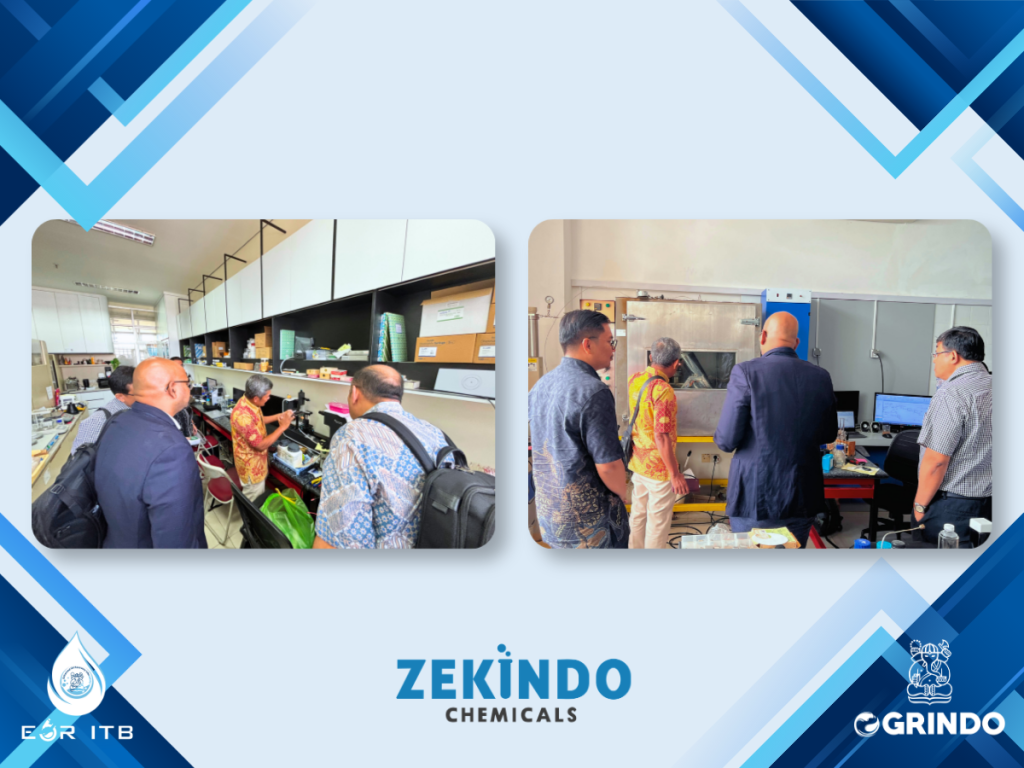
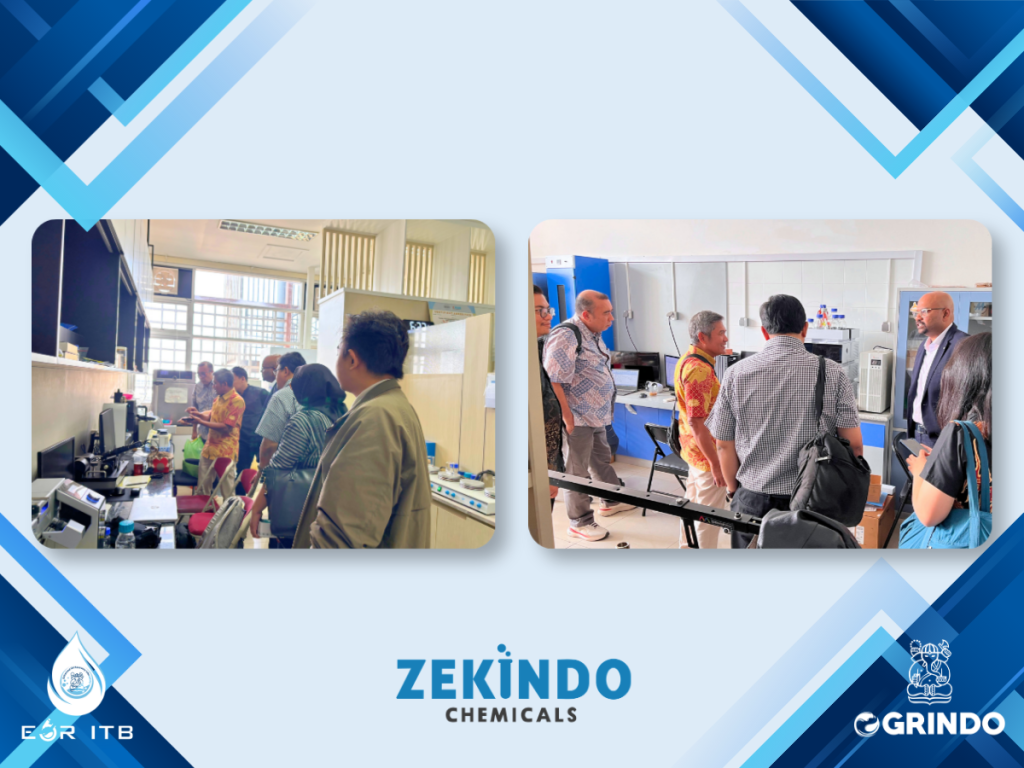
Figure 2. The Zekindo team observing the facilities and equipment at the EOR Laboratory ITB during the laboratory visit.

In addition to laboratory facilities, Lab EOR ITB is also supported by research assistants who can assist in conducting research and testing activities. This support can facilitate the evaluation and development of chemical solutions through research and testing activities according to specific needs.

With the support of these facilities and research resources, Lab EOR ITB can support testing and evaluation processes in the development of EOR solutions together with industry partners.

Figure 3. The Zekindo team discussing and receiving explanations about laboratory facilities and equipment.

Representatives in Attendance

Representing PT Zeus Kimiatama Indonesia (Zekindo), the meeting was attended by:

  • Sumantri Ishak — President Director
  • Istiyarso — Director of Oil and Gas Business Unit
  • Rajiul Fadli — Technical Manager, Oil and Gas
  • EOR Team, PT Zekindo

Meanwhile, OGRINDO ITB and Lab EOR ITB were represented by:

  • Prof. Ir. Taufan Marhaendrajana, M.Sc., Ph.D.
  • Dr. Miftah Hidayat
  • Ir. Mahruri
  • Dr. Boni Swadesi
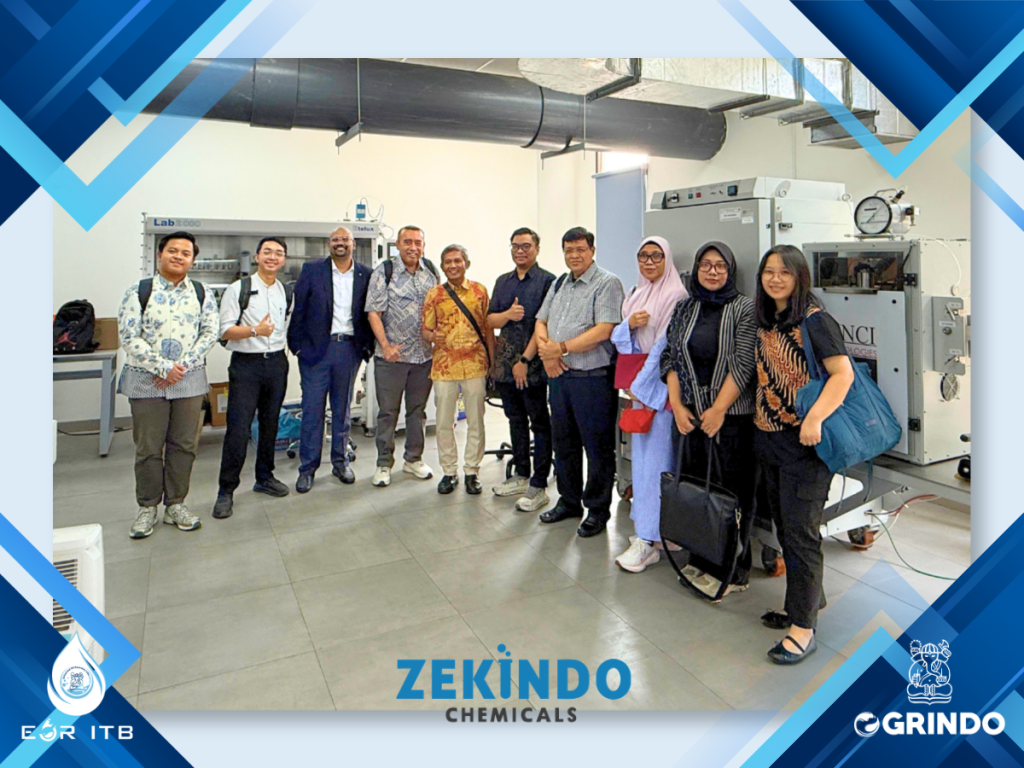
Figure 4. Representatives of OGRINDO ITB, Lab EOR ITB, and Zekindo during the visit and exploration of potential collaboration opportunities.

Open for Collaboration

OGRINDO ITB and Lab EOR ITB are open to exploring collaboration opportunities in EOR research, laboratory testing, technology development, and chemical solutions with partners from industry and other institutions.

Interested in discussing collaboration opportunities with OGRINDO ITB or Lab EOR ITB?

Contact us at:
📧 OGRINDO ITB: info@ogrindoitb.com
📧 Lab EOR ITB: eor@itb.ac.id

Let us explore collaboration opportunities together to support the development of EOR solutions in Indonesia.

Categories
News Article

EOR Laboratory ITB in Collaboration with OGRINDO ITB Portfolio: Supporting Enhanced Oil Recovery Projects from Laboratory Evaluation to Field Implementation

The successful implementation of Enhanced Oil Recovery (EOR) is determined not only by laboratory testing results but also by the ability to translate research findings into solutions that can be effectively implemented in the field. From reservoir evaluation, laboratory testing, and conceptual design to field implementation and performance monitoring, every stage requires an integrated approach.

As part of OGRINDO ITB, EOR Laboratory ITB contributes to the advancement of Enhanced Oil Recovery technologies through research, laboratory evaluation, reservoir studies, field implementation, and project performance monitoring. Supported by OGRINDO ITB as a research consortium and collaboration platform, research outcomes are connected with industry needs to deliver practical, science-based solutions that support the development of Indonesia's oil and gas sector.

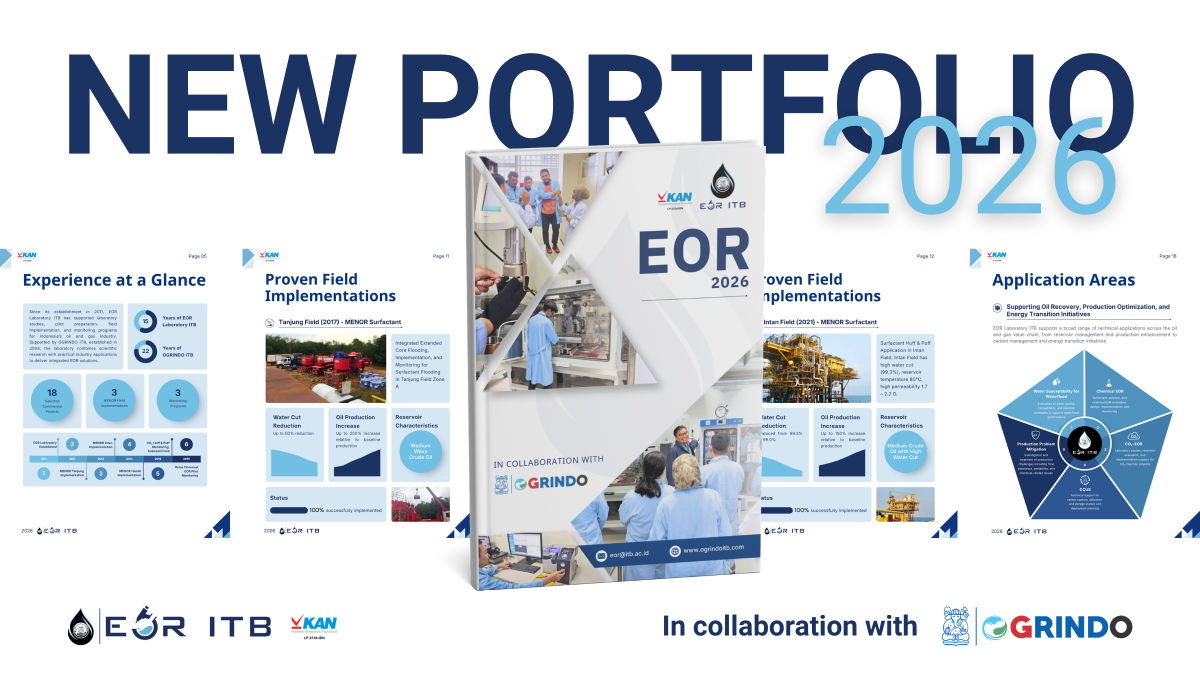
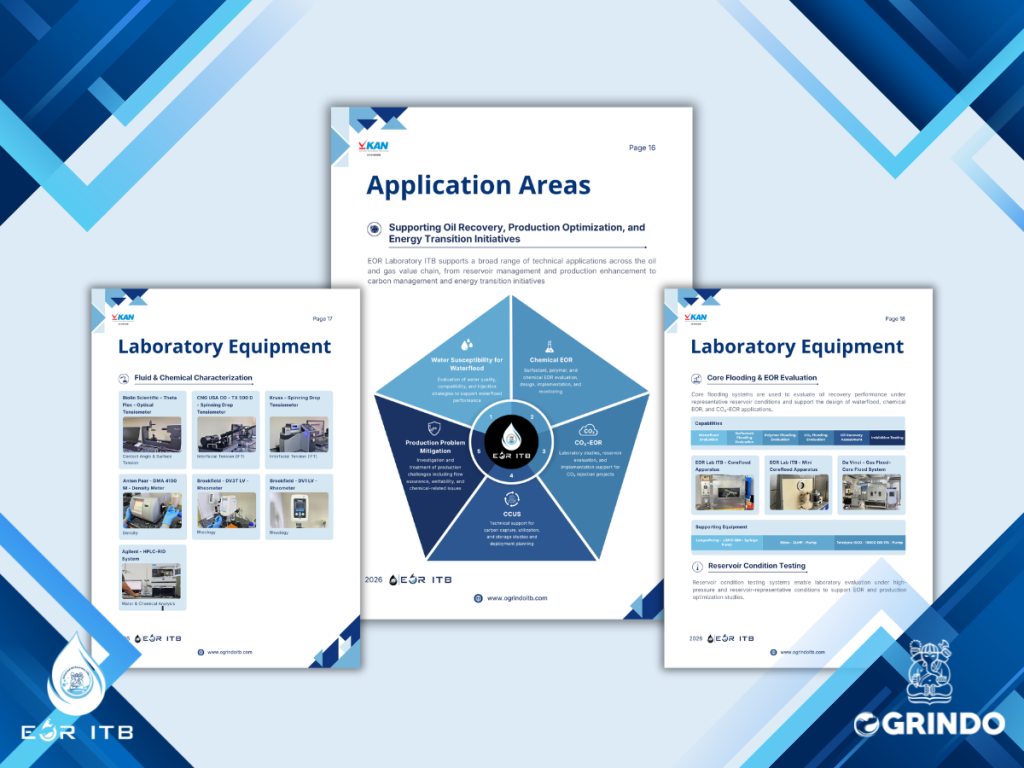
To introduce our experience, capabilities, and integrated approach, we proudly present the Portfolio EOR Laboratory ITB in Collaboration with OGRINDO ITB.

Introducing the EOR Laboratory ITB Portfolio

This portfolio is designed to provide a comprehensive overview of EOR Laboratory ITB's experience and capabilities in supporting Enhanced Oil Recoveryprojects, from laboratory evaluation to field implementation and performance monitoring.

Readers will discover how scientific research is integrated with industrial experience through anIntegrated Project Workflow, commercial project experience, field implementation of EOR technologies, and monitoring activities that support project performance evaluation.

More than simply introducing the laboratory, this portfolio demonstrates how research, technical evaluation, and collaboration can deliver practical solutions for the energy industry.

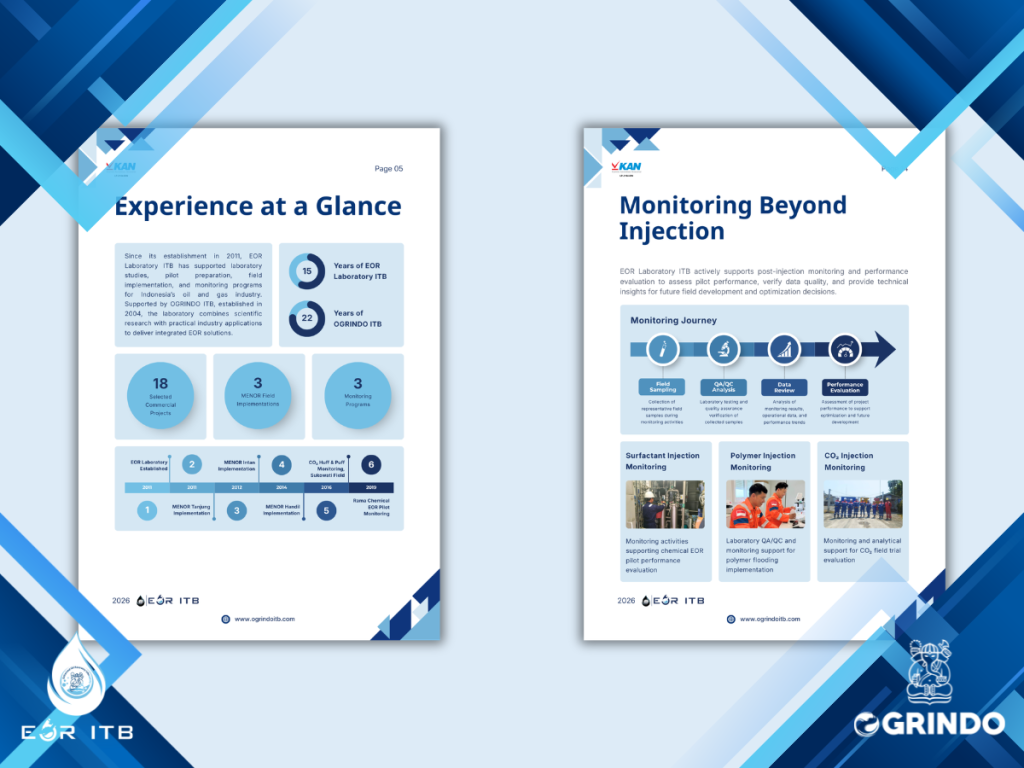
Figure 1. EOR Laboratory ITB's track record in supporting laboratory studies, field implementation, and monitoring activities across Indonesia's oil and gas industry.

Collaboration Between EOR Laboratory ITB and OGRINDO ITB

EOR Laboratory ITB is a laboratory dedicated to the development, evaluation, and implementation of Enhanced Oil Recovery technologies for the oil and gas industry. The laboratory is part of OGRINDO ITB (Oil and Gas Recovery for Indonesia), a research consortium established by the Petroleum Engineering Study Program, Faculty of Mining and Petroleum Engineering, Institut Teknologi Bandung (ITB).

As a research consortium and collaboration platform, OGRINDO ITB connects academia, industry, and research partners to advance technologies in reservoir engineering, Enhanced Oil Recovery, and energy transition. Through this collaboration, EOR Laboratory ITB contributes to delivering innovative and practical solutions to address the challenges of Indonesia's energy industry.

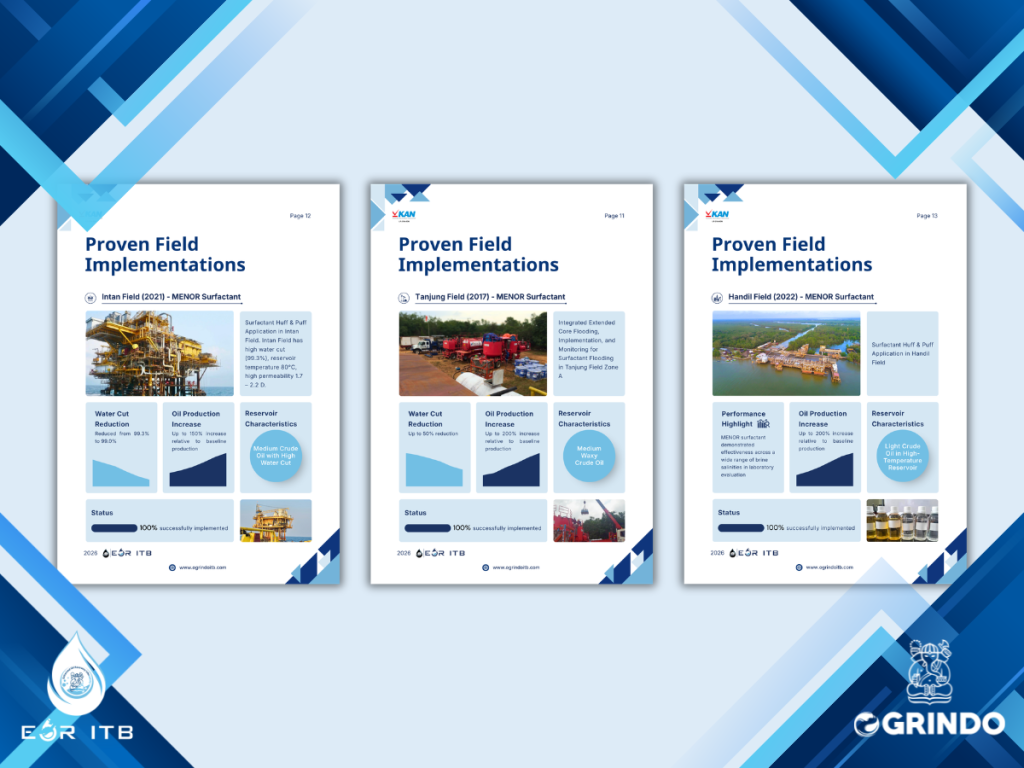
Figure 2. Successful implementation of MENOR Surfactant across various oil and gas fields in Indonesia.

What Will You Find in the Portfolio?

This portfolio presents a wide range of information relevant to energy companies, research institutions, academics, and prospective collaboration partners, including:

  • Profile of EOR Laboratory ITB and OGRINDO ITB
  • Integrated Project Workflow from laboratory evaluation to field implementation
  • Commercial and industrial project experience
  • Proven Field Implementations across various oil and gas fields in Indonesia
  • Monitoring Beyond Injection for project performance evaluation
  • Technical expertise
  • Laboratory equipment
  • Laboratory activities
  • Laboratory achievements and awards
  • Collaboration opportunities and partnership information

Through this portfolio, readers will gain insights into how experience, technical expertise, and collaboration among laboratories, academia, and industry are developed to support the sustainable implementation of EOR technologies.

Supporting the Industry Through an Integrated Approach

Each reservoir has unique characteristics that require different technical approaches. Therefore, the success of an EOR project depends not only on laboratory research but also on the integration of technical evaluation, field implementation, and performance monitoring.

Through the collaboration between EOR Laboratory ITB and OGRINDO ITB, a wide range of activities—including reservoir studies, laboratory testing, Chemical EORevaluation, implementation, and field monitoring—can be carried out in an integrated manner.

This integrated approach enables every stage, from laboratory evaluation and reservoir studies to field implementation and monitoring, to be connected within a single workflow that supports data-driven decision-making. As a result, research does not stop in the laboratory but evolves into practical solutions that are ready to address the challenges of the oil and gas industry.

Figure 3. Technical expertise and laboratory equipment at EOR Laboratory ITB supporting a wide range of oil and gas studies and field implementations.

Download the Portfolio EOR Laboratory ITB

Interested in learning more about the experience, capabilities, laboratory facilities, and projects supported by EOR Laboratory ITB?

Download the Portfolio EOR Laboratory ITB in Collaboration with OGRINDO ITB through the link below:
📄 Download Portfolio

This portfolio provides a comprehensive overview of project experience, technical capabilities, project implementation, and collaboration opportunities in supporting the advancement of Enhanced Oil Recovery in Indonesia.

Let’s Collaborate

EOR Laboratory ITB, together with OGRINDO ITB, welcomes collaboration opportunities with energy companies, research institutions, universities, and strategic partners in the development of Enhanced Oil Recovery technologies and energy transition initiatives.

If your organization requires support in reservoir studies, laboratory evaluation, Chemical EOR, field implementation and monitoring, or technology development, we are ready to become your trusted collaboration partner.

🌐 Website: www.ogrindoitb.com

📧 OGRINDO ITB Email: info@ogrindoitb.com
📧 EOR Laboratory ITB Email: eor@itb.ac.id

Categories
News Article

IPA Convex 2026 Golden Jubilee: OGRINDO ITB and Lab EOR ITB Expand Energy Networks and Collaboration Opportunities

How can research outcomes create a broader impact on the energy industry?

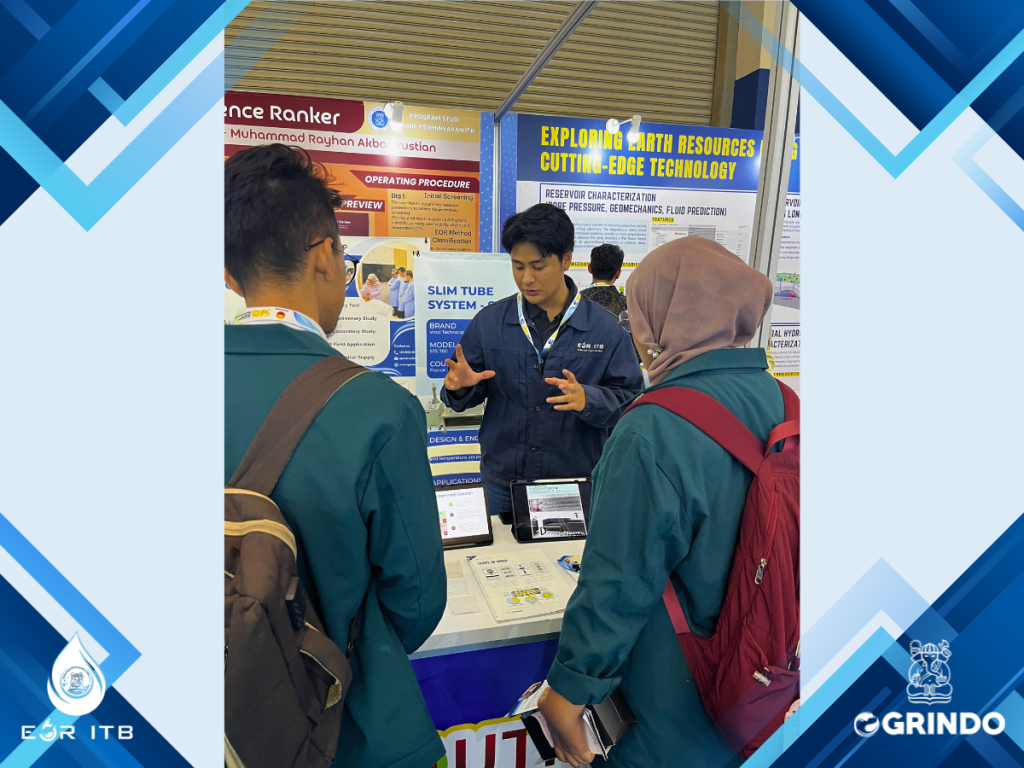
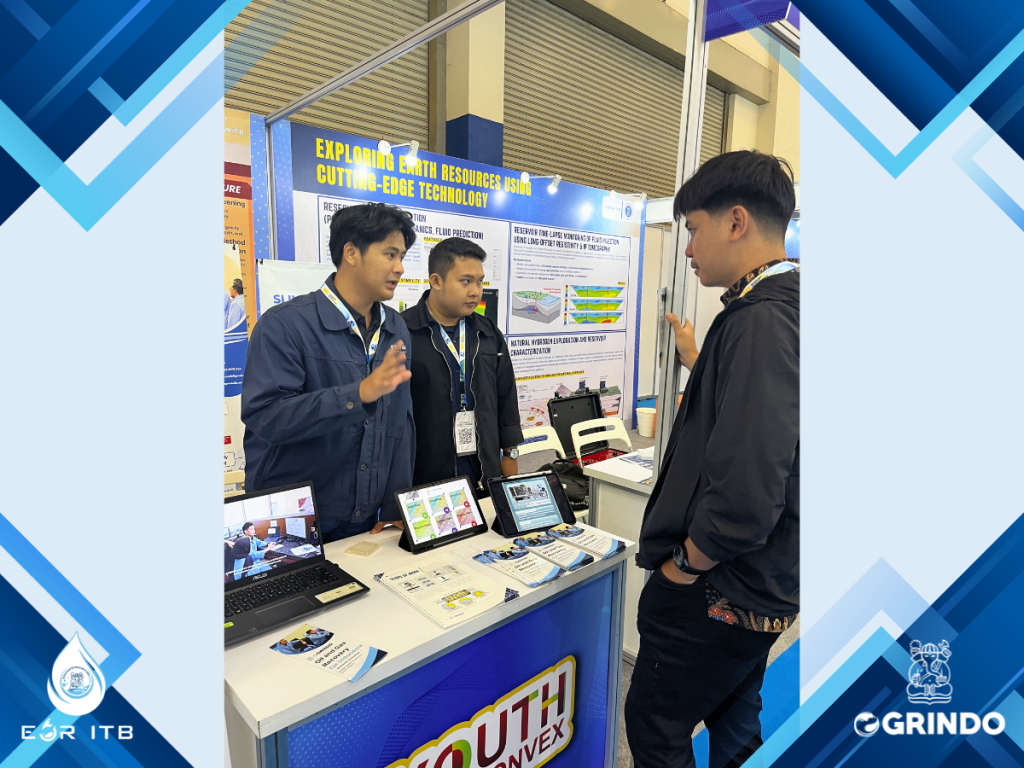
One way is by building direct communication and collaboration with various stakeholders involved in the energy sector. This spirit was brought by OGRINDO ITB in collaboration with Lab EOR ITB during their participation in IPA Convex 2026 Golden Jubilee.

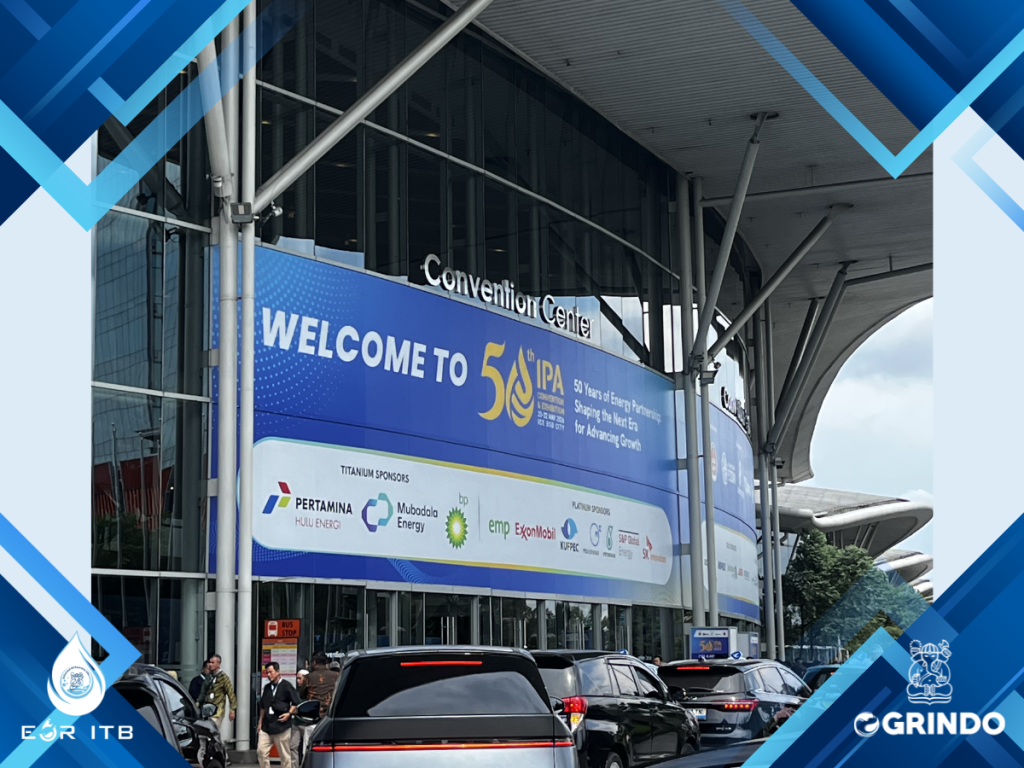
Held on May 20–22, 2026, at the Indonesia Convention Exhibition (ICE) BSD City, this year's IPA Convex marked a special milestone as it celebrated the 50th edition, or Golden Jubilee of one of the largest and most influential energy industry forums in Indonesia. For five decades, IPA Convex has served as a platform that brings together industry, government, academia, technology providers, and various related stakeholders to discuss the challenges, opportunities, and future of the national energy sector.

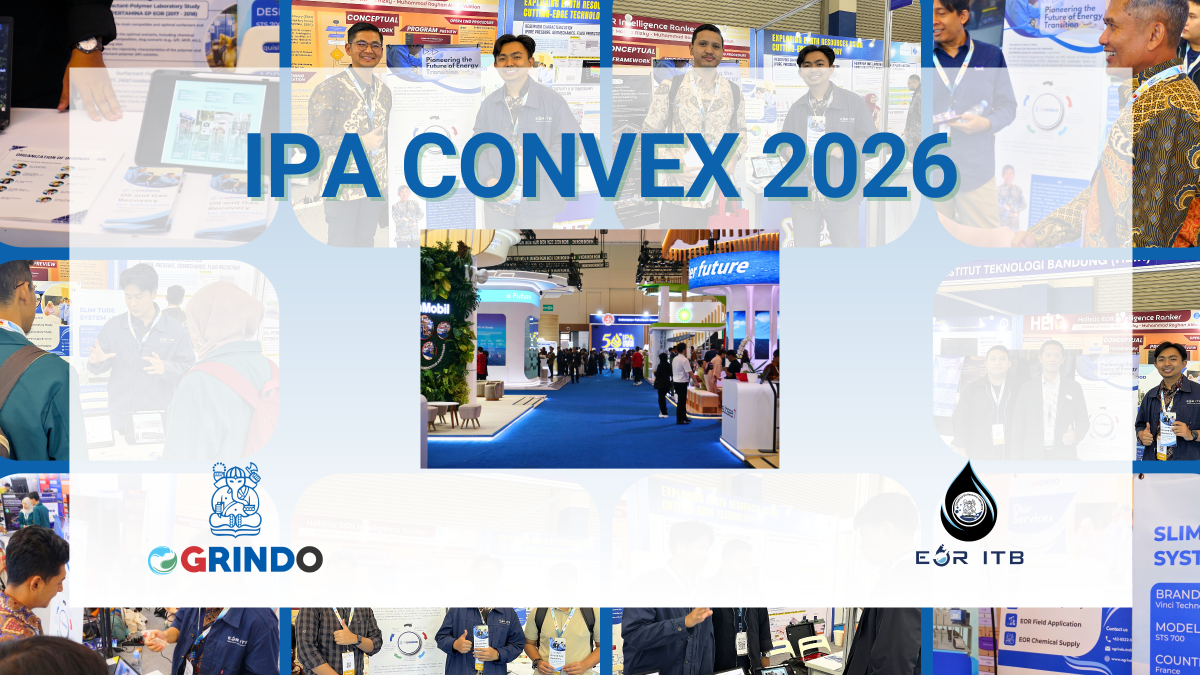
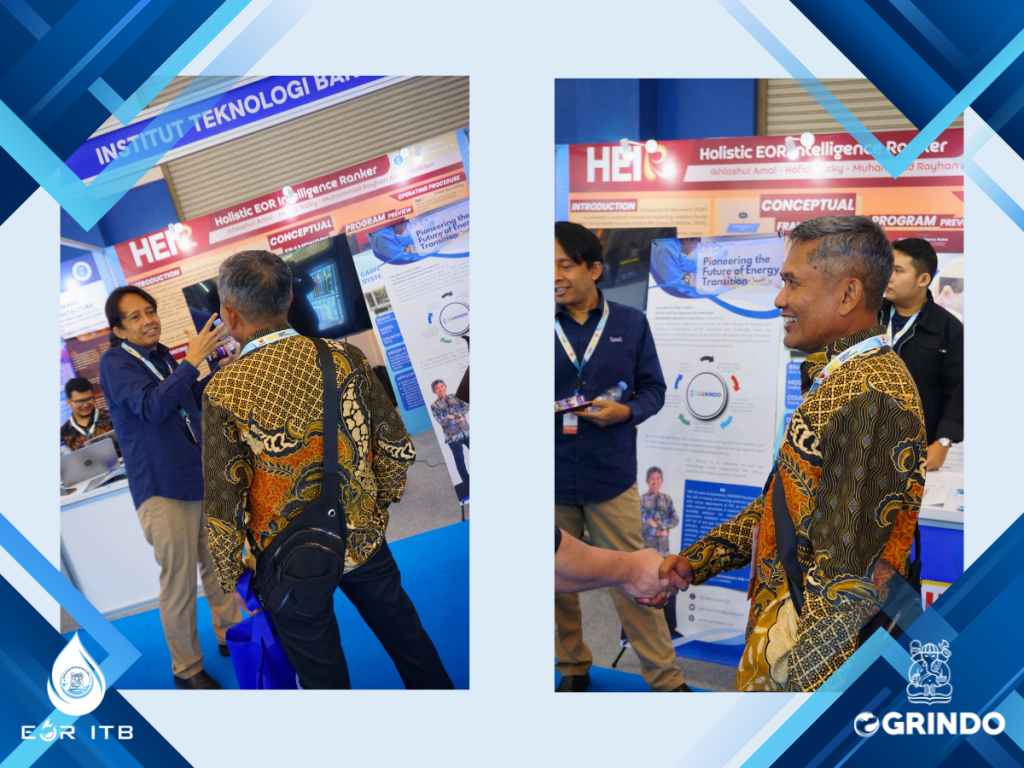
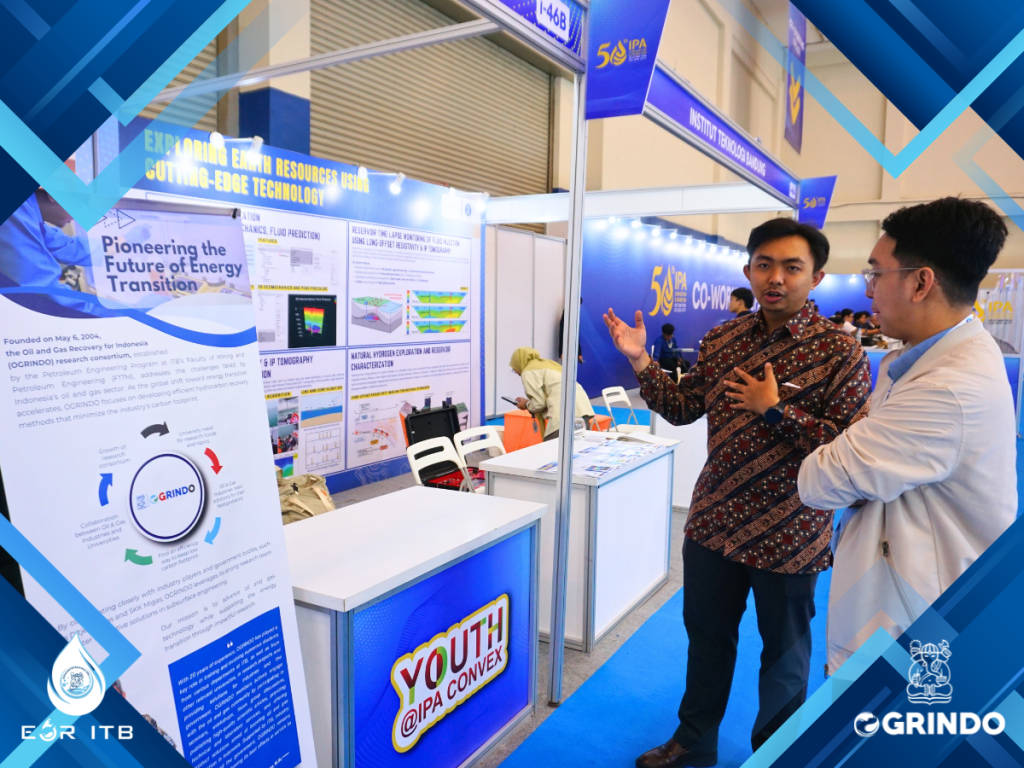
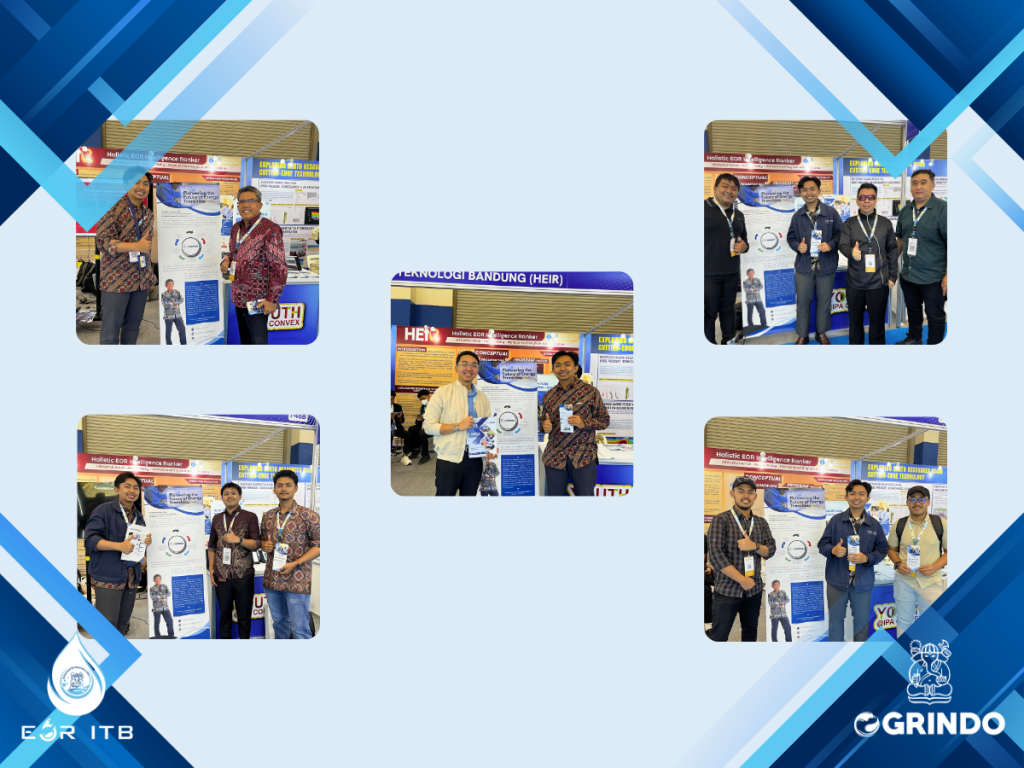
Figure 1. IPA Convex 2026 Golden Jubilee at ICE BSD City served as a meeting point for industry players, academics, government representatives, and various stakeholders involved in the energy sector.

Showcasing Research Capabilities and Energy Innovation

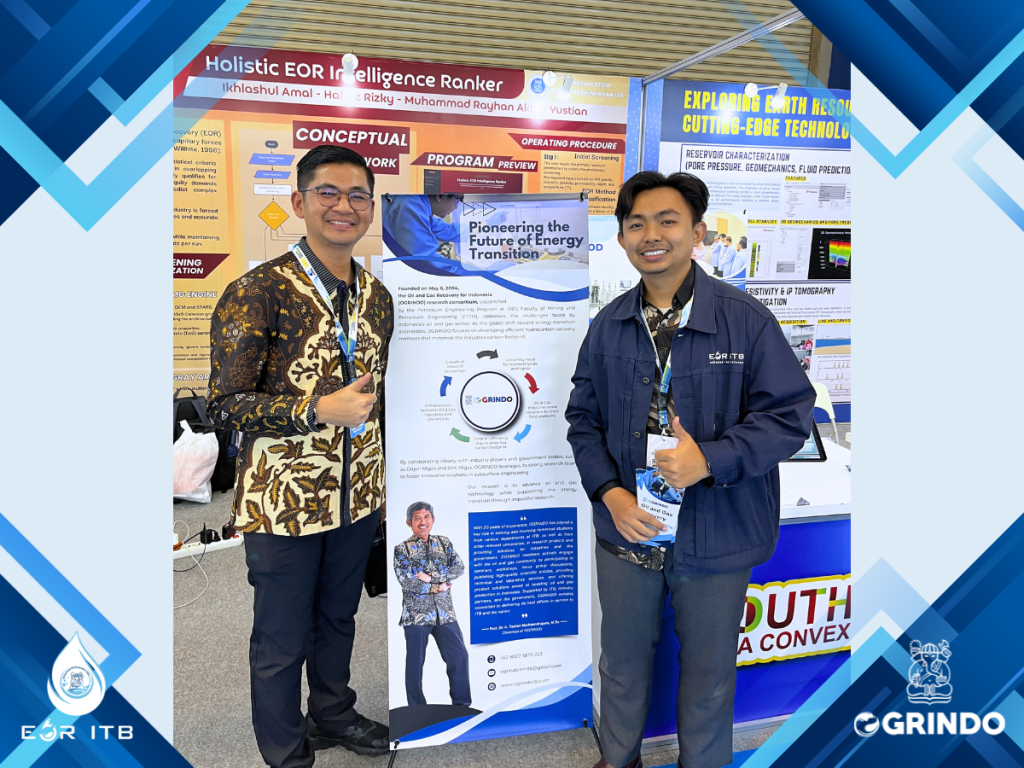
In this event, OGRINDO ITB and Lab EOR ITB were represented by Fatahillah Mahfuzh Ridha, S.Tr.T. and Rizki Ardi Prakosa, S.T., who participated in various activities throughout IPA Convex 2026.

The presence of both delegates was part of an effort to introduce the research capabilities, laboratory services, and technology development initiatives of OGRINDO ITB and Lab EOR ITB to participants from industry, academia, and student communities.

In addition to introducing the organizations’ profiles, the delegates also supported the dissemination of research outcomes and innovations showcased in the Institut Teknologi Bandung exhibition area as a contribution of academia to the advancement of energy science and technology.

Prof. Ir. Taufan Marhaendrajana, M.Sc., Ph.D., Chairman of OGRINDO ITB, also attended IPA Convex 2026 to provide direct support to the OGRINDO ITB team while actively engaging with visitors from various backgrounds, including industry professionals, academics, and government representatives. On this occasion, he emphasized the importance of strong research and cross-stakeholder collaboration as a foundation for driving innovation and supporting the sustainable development of Indonesia’s energy sector.

Sharing Knowledge and Building Communication with Industry

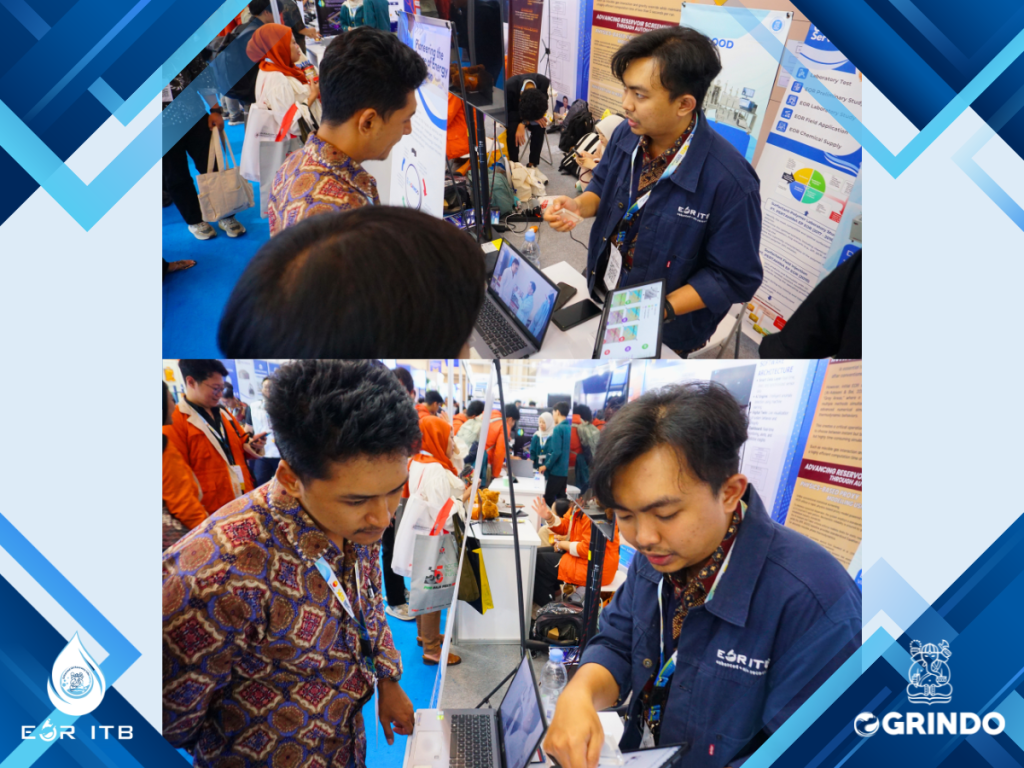
One of the key values of IPA Convex is the opportunity to interact directly with various stakeholders who are concerned with the development of the energy sector. Throughout the event, delegates from OGRINDO ITB and Lab EOR ITB actively engaged in discussions with visitors regarding research activities, technology development, and various issues that are of concern to the energy industry.

Through these interactions, the delegates gained insights into the needs and challenges faced by the industry while introducing the various research activities and services developed by OGRINDO ITB and Lab EOR ITB.

Expanding Networks and Collaboration Opportunities

In addition to being a technology exhibition, IPA Convex also served as a platform for building professional networks and opening collaboration opportunities. Delegates from OGRINDO ITB and Lab EOR ITB had the opportunity to interact with participants from energy companies, technology providers, educational institutions, and professional organizations present throughout the event.

The discussions established during the event opened opportunities for exchanging insights and developing research collaborations to support technology development and solutions for Indonesia’s energy sector.

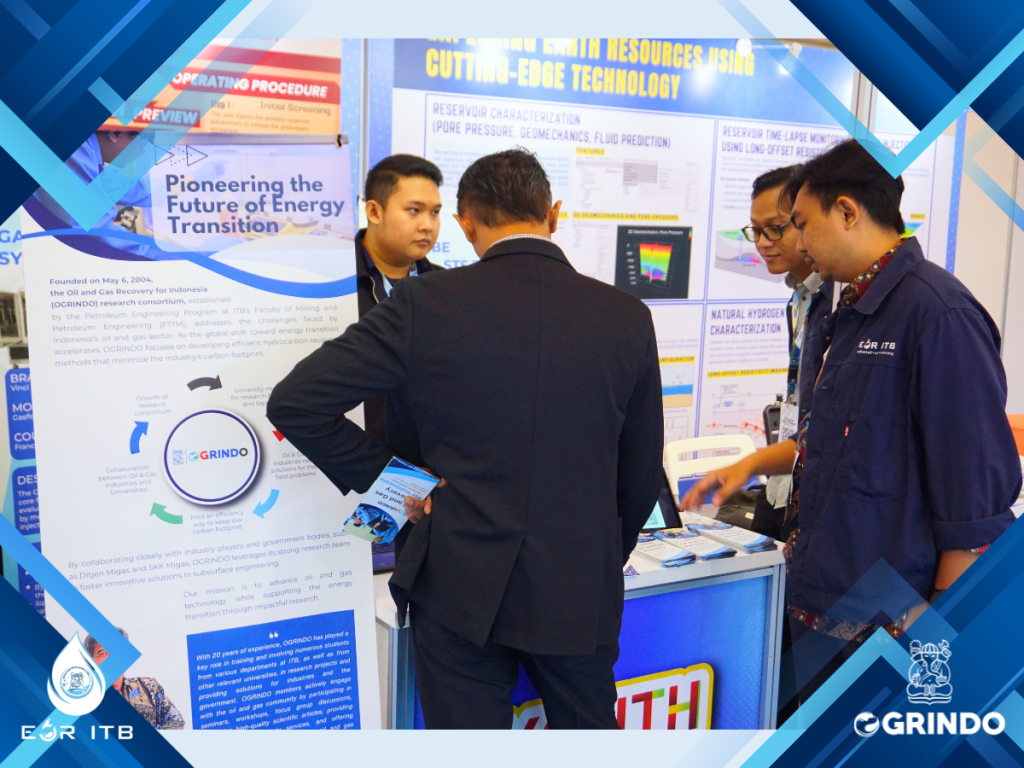
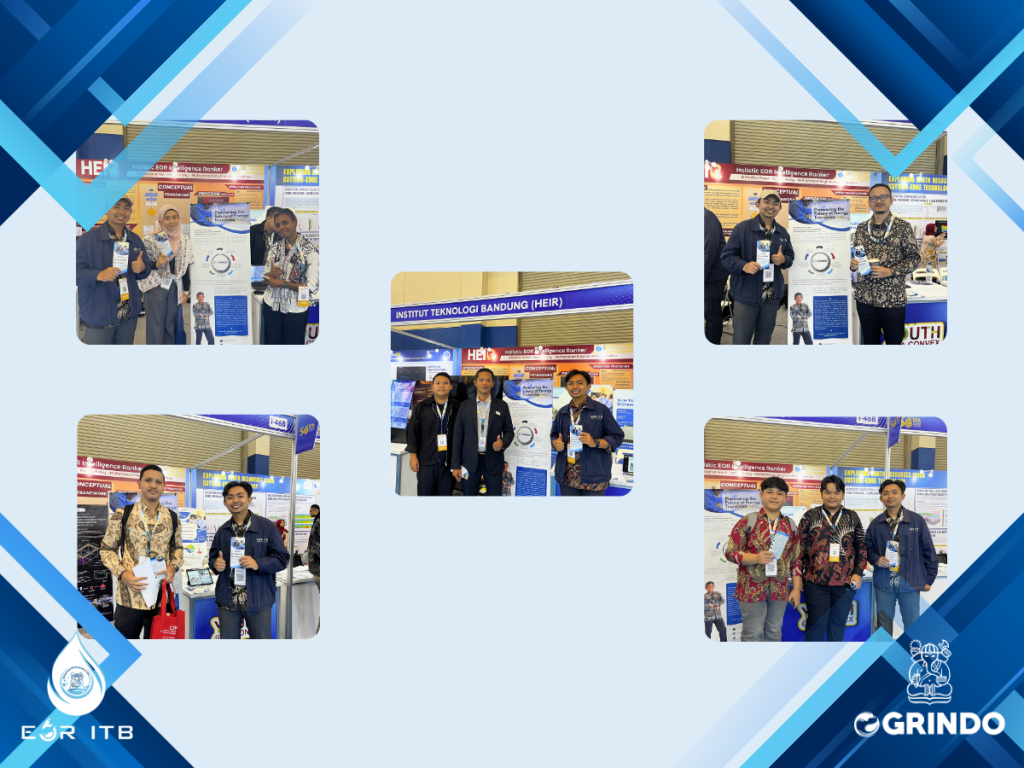
Figure 5. Visitors interacting with OGRINDO ITB profile materials showcasing the organization’s research focus and contributions to energy technology development.

Connecting Research with Industry Needs

As a forum that brings together various elements of the energy sector, IPA Convex provided OGRINDO ITB and Lab EOR ITB with the opportunity to gain insights into industry developments and evolving technological needs.

Various topics such as increasing oil and gas production, the development of Enhanced Oil Recovery (EOR) technology, digitalization, and the transition toward a more sustainable energy system were among the discussions throughout the event. Enhanced Oil Recovery (EOR), digitalisasi, serta transisi menuju sistem energi yang lebih berkelanjutan menjadi bagian dari diskusi selama kegiatan berlangsung.

Through forums such as IPA Convex, research developed within academic institutions can become increasingly aligned with real industry needs while creating opportunities for broader research collaboration in the future.

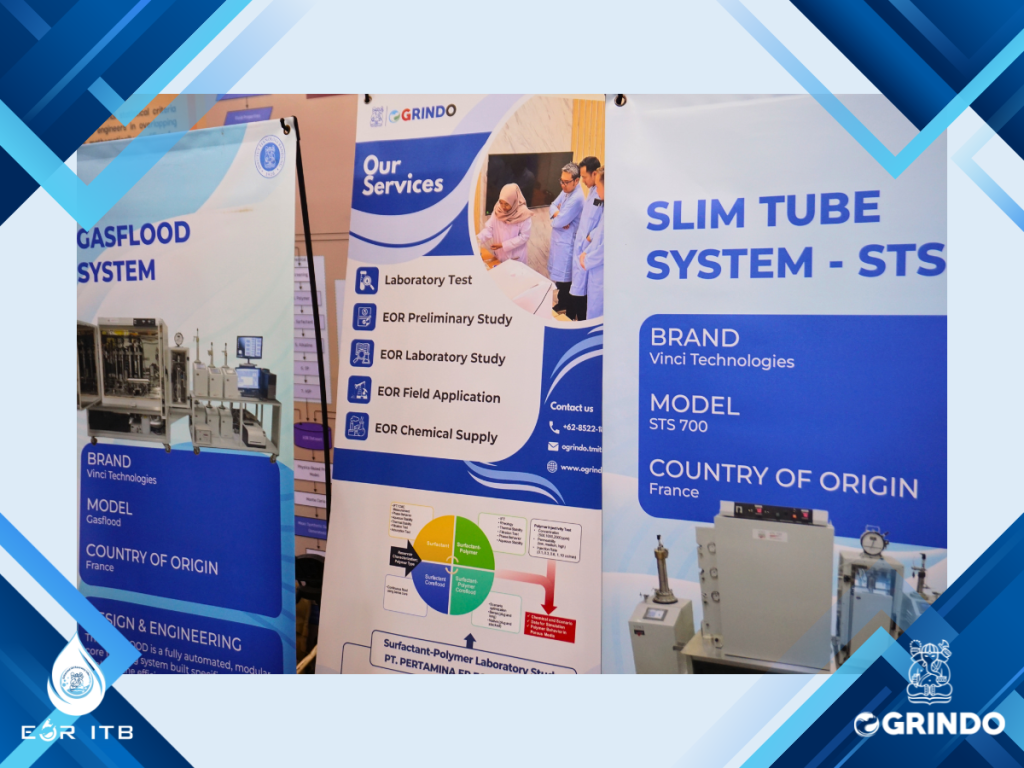
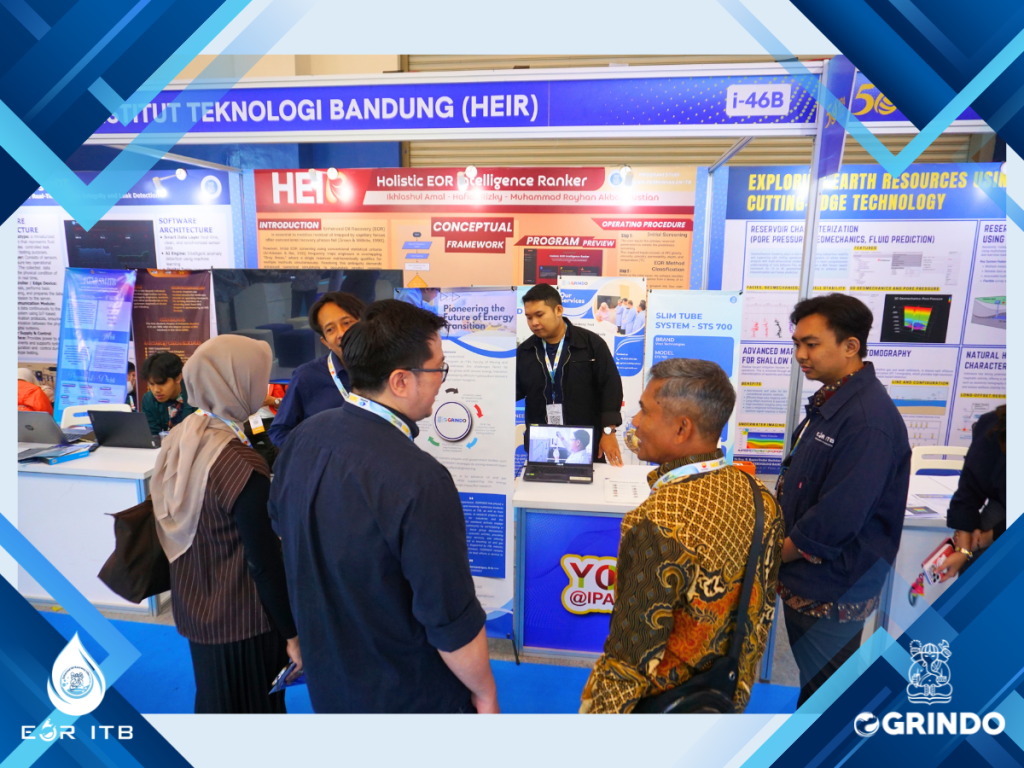
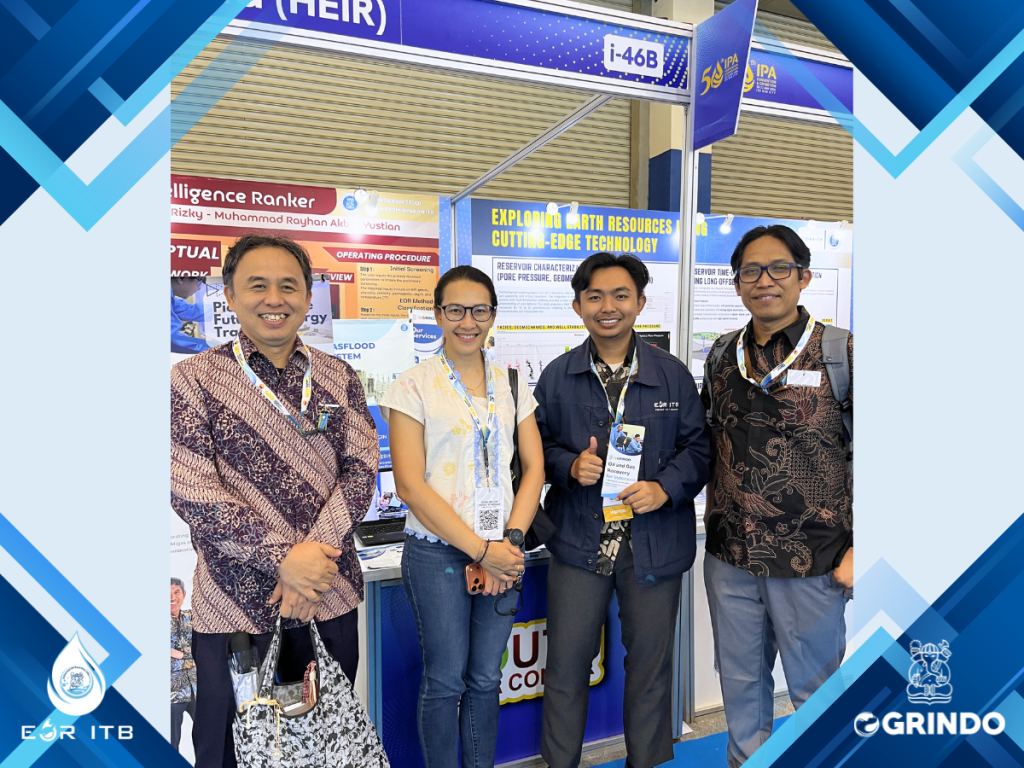
Figure 6. Booth of Institut Teknologi Bandung served as a platform for OGRINDO ITB and Lab EOR ITB to introduce research activities, build networks, and engage with participants at IPA Convex 2026 Golden Jubilee.

Supporting Indonesia’s Energy Future Through Collaboration

Through this event, OGRINDO ITB and Lab EOR ITB gained opportunities to expand professional networks, introduce their research capabilities, and build communication with various stakeholders who share a similar vision in supporting the development of Indonesia’s energy sector.

Participation in IPA Convex 2026 Golden Jubilee forms part of OGRINDO ITB and Lab EOR ITB’s efforts to strengthen the relationship between academia and industry while advancing Indonesia’s energy sector through collaboration, innovation, and knowledge exchange.

Let’s Collaborate

The presence of OGRINDO ITB and Lab EOR ITB at IPA Convex 2026 Golden Jubilee highlights the importance of collaboration between academia and industry in supporting technology development and a more sustainable energy future for Indonesia.

OGRINDO ITB and Lab EOR ITB remain committed to bridging academic research with industry needs through collaboration, innovation, and the development of technologies relevant to Indonesia’s energy sector.

We are open to research collaboration, laboratory studies, technology development, training programs, and technical discussions related to the energy sector and Enhanced Oil Recovery (EOR).

Let us work together to build more innovative, sustainable, and impactful energy solutions through synergy among academia, industry, and various stakeholders.
📩 OGRINDO ITB: info@ogrindoitb.com
📩 Lab EOR ITB: eor@itb.ac.id
🌐 Website: www.ogrindoitb.com

Categories
News Article

Training HPLC – RID Part 2: Hands-on System Operation and Polymer Sample Analysis

Analysis using High Performance Liquid Chromatography (HPLC) with Refractive Index Detector (RID) is one of the important methods in the characterization of chemical EOR such as surfactants and polymers, particularly to support research needs and application of Enhanced Oil Recovery (EOR). Mastery of this method requires not only theoretical understanding but also the ability to operate the instrument and interpret data accurately. Therefore, OGRINDO ITB together with the EOR Laboratory ITB conducted Training HPLC–RID Part 2, which focuses on hands-on practice and comprehensive system operation, including method setup, system operation, and troubleshooting during testing.

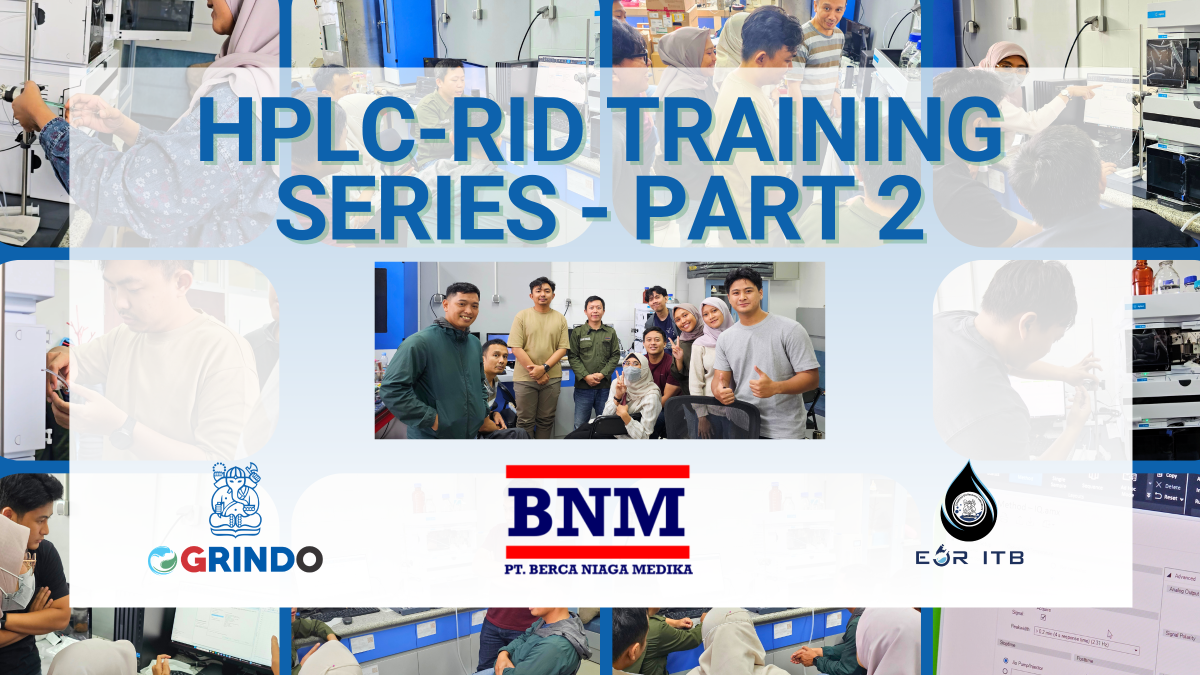
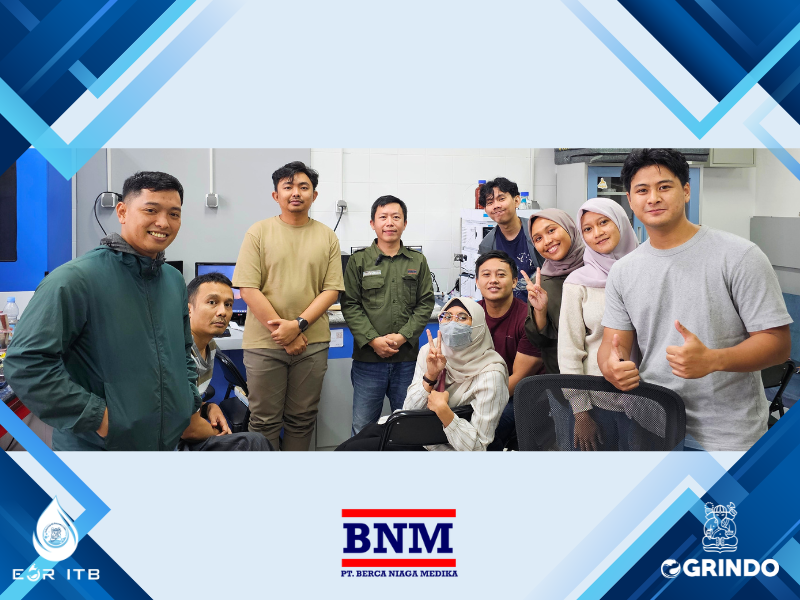
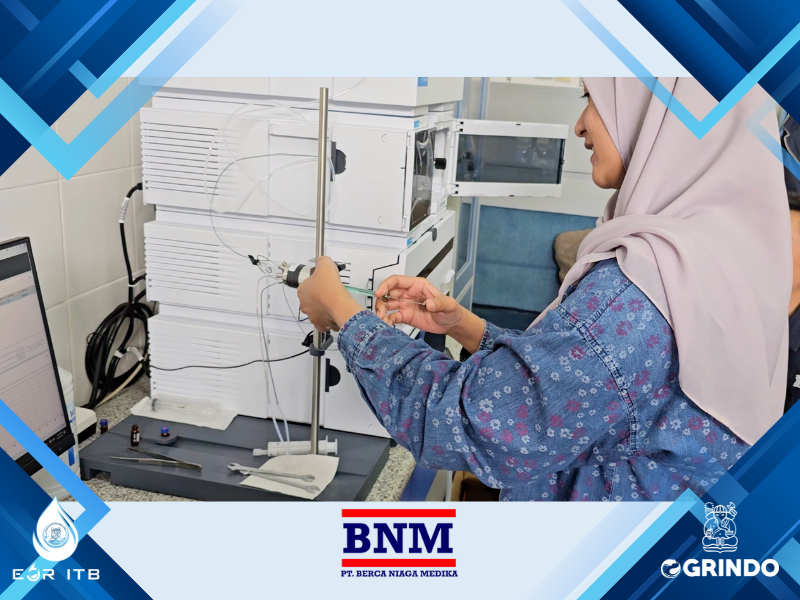
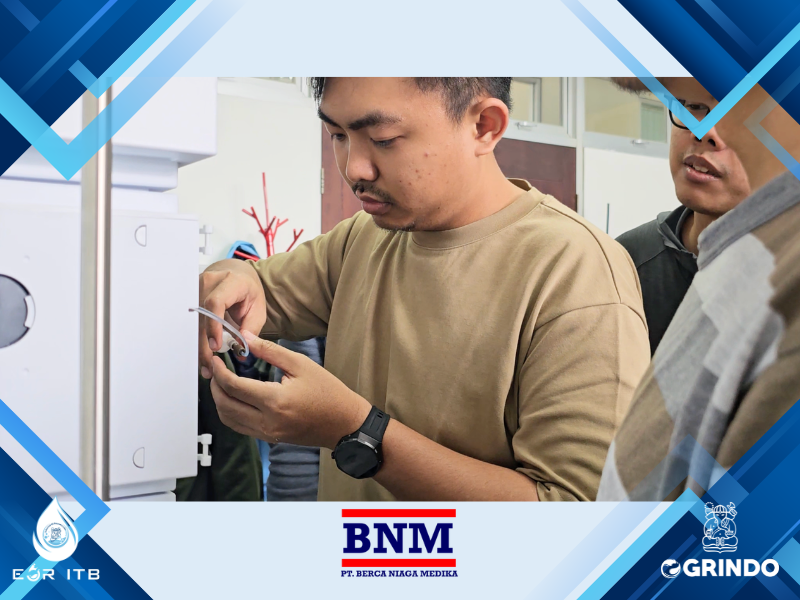
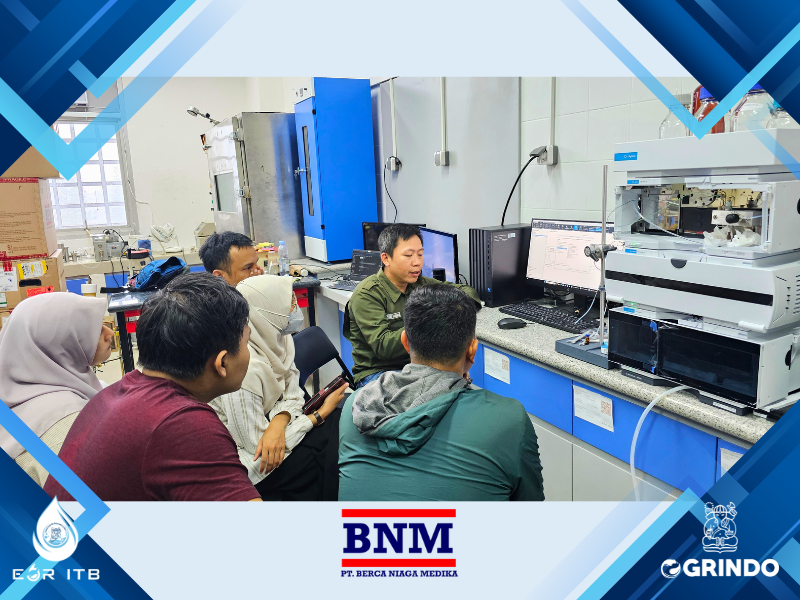
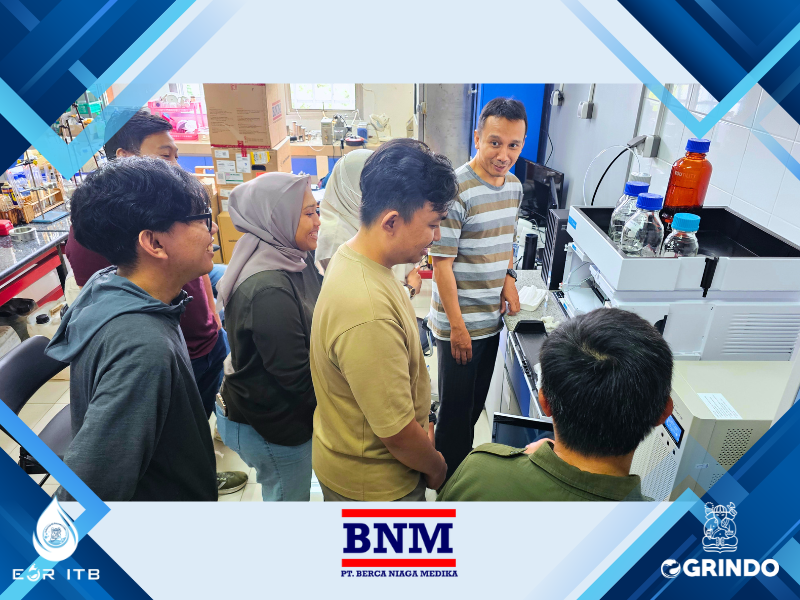
Figure 1. HPLC–RID Part 2 training with PT. Berca Niaga Medika and the EOR Laboratory ITB and OGRINDO ITB team.

Hands-on Operation and System Setup of HPLC–RID

Mastery of the instrument does not stop at understanding theory—but at the ability to operate the system directly and interpret its response in real-time.

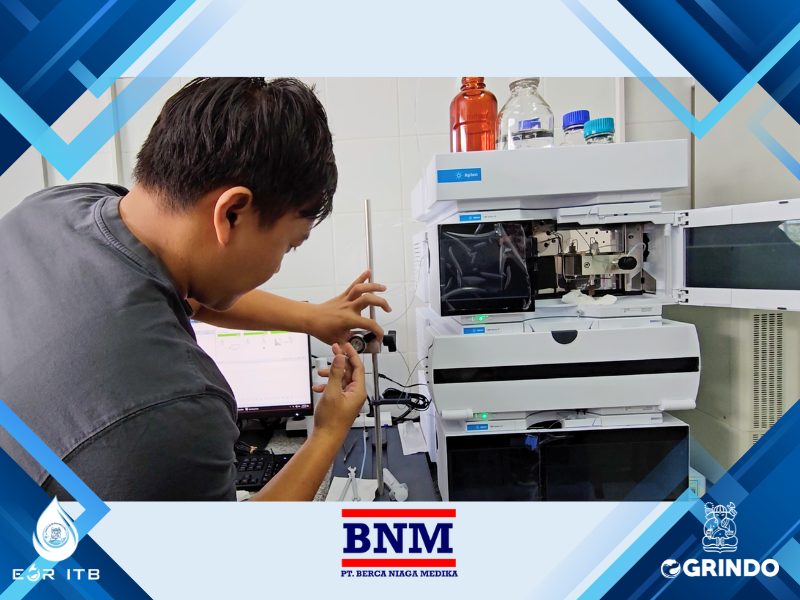
In this session, the training focused on hands-on operation of the HPLC–RID system comprehensively. Participants started from the initial stage of instrument operation to the analysis running process, emphasizing systematic and safe working procedures.

The activities began with:

  • Procedures for turning on the instrument according to the operational sequence
  • Ensuring the system is in a ready condition
  • Recognizing indicators on the software and instrument as signs that the system has started running

Next, participants performed:

  • Checking system readiness before analysis
  • Setting up methods in the software, both for acquisition and data processing
  • Adjusting important parameters such as baseline, retention time, and peak integration

During this process, participants also directly observed the system response to each parameter setting. This is important to understand how parameter changes can affect the resulting chromatogram.

In addition, the training also emphasized conditions that commonly occur during testing, such as unstable baseline yang tidak stabil, noise , or poorly detected peaks. Participants were guided to recognize these symptoms and understand initial handling steps so that the analysis process can continue properly.

This hands-on approach is key to building participants’ confidence in independently operating the HPLC–RID system in a laboratory environment.

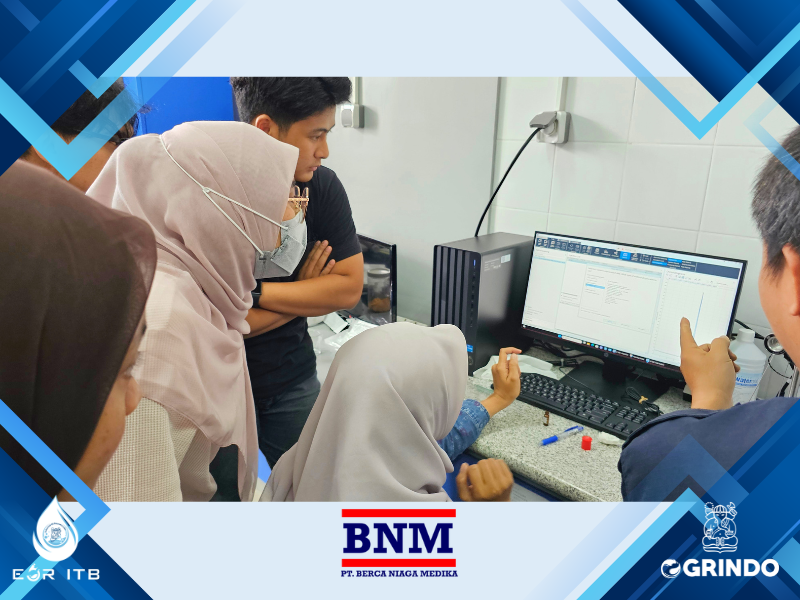
Figure 3. Method setup and data analysis process using HPLC software for chromatogram acquisition and interpretation.

Hands-on Polymer Sample Analysis

After understanding system operation and method setup, participants then directly applied this knowledge through polymer sample testing to evaluate system performance.

As the main part of the training, polymer samples were tested with several concentration variations to evaluate the RID detector response and the consistency of the analytical method used.

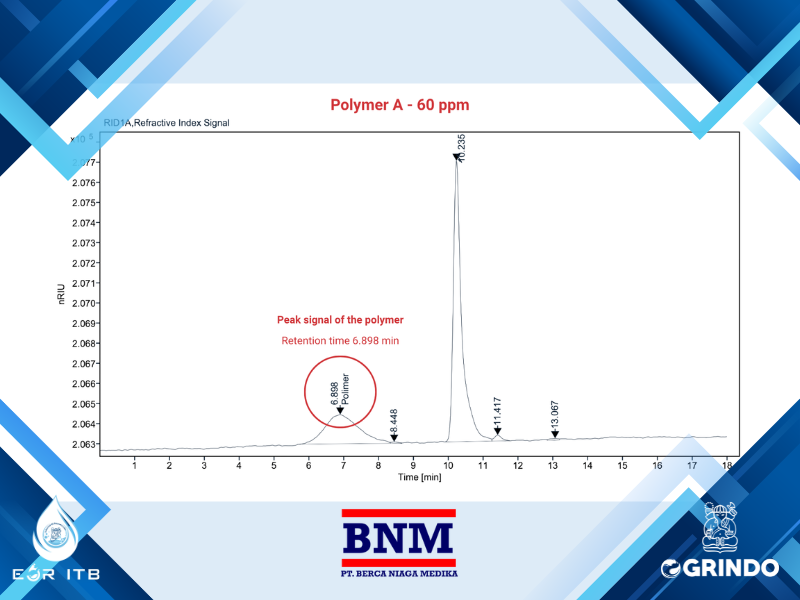
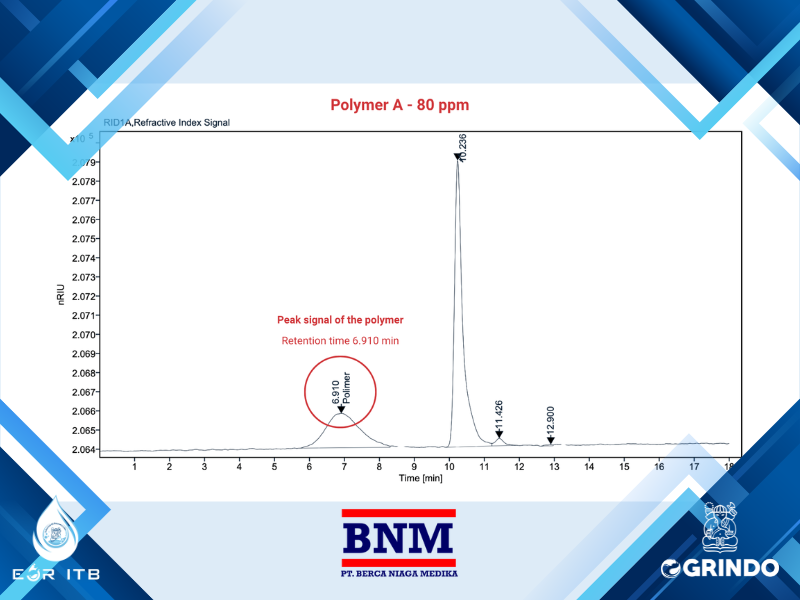
The chromatogram results show that the polymer peak is consistently detected at a retention time of approximately 6.6 – 6.9 minutes, indicating stable system conditions during the analysis.

In addition, an increasing trend in peak area is observed with increasing sample concentration, indicating that the detector response is proportional to the amount of sample tested.
Summary of Polymer Test Results
60 ppm | RT: 6,898 menit | Area: 9.950
80 ppm | RT: 6,910 menit | Area: 12.414
100 ppm | RT: 6,677 menit | Area: 15.431

Figure 5. Chromatogram of HPLC–RID analysis of polymer sample (60 ppm) showing the main peak at a retention time of approximately 6.898 minutes.
Figure 6. Chromatogram of HPLC–RID analysis of polymer sample (80 ppm) showing the main peak at a retention time of approximately 6.910 minutes.

Brief Analysis of Test Results

The test results show that the method used has provided consistent and reliable responses. The relatively stable retention time at each concentration variation indicates that the system conditions were well maintained during the analysis.

On the other hand, the increase in area values in line with concentration indicates that the RID detector is capable of providing a proportional response to the amount of polymer analyzed. This indicates that the method has good potential for use in quantitative analysis.

However, at this stage, a calibration curve has not yet been applied, so the results obtained are still indicative and have not been used for absolute quantification.

Enhancement of Laboratory Analytical Competence

Through this hands-on session, participants gained practical experience in conducting HPLC–RID analysis comprehensively, from system operation to interpretation of test results. Participants also learned to understand the relationship between method parameters, instrument conditions, and the quality of the resulting chromatogram.

This approach not only improves technical skills but also builds analytical capabilities required in research and laboratory testing activities.

Conclusion

Training HPLC–RID Part 2 provides a comprehensive understanding of system operation and polymer sample analysis through hands-on practice. With a combination of instrument mastery, method understanding, and data interpretation, this training is expected to improve analysis quality and human resource readiness in supporting industrial and research needs, particularly in the EOR field.

Interested in Collaborating?

OGRINDO ITB and the EOR Laboratory ITB open opportunities for collaboration in the form of training, research, and laboratory analysis services that can be tailored to the needs of industry and academia.

For more information, please contact:
📧 OGRINDO ITB: info@ogrindoitb.com
📧 Laboratorium EOR ITB: eor@itb.ac.id

Enhance your analytical capabilities with us through research-driven training and best-practice collaboration.

Categories
News Article

Final Presentation Internship Lab EOR ITB: Strengthening Chemical Enhanced Oil Recovery Competencies

Monday, February 2, 2026 marked an important milestone for the participants of the Internship Program at the EOR Laboratory ITB who had completed a series of intensive learning activities over the past two months. Final Presentation session held in the Meeting Room of Lab EOR ITB, Energy Building 7th Floor ITB, served as the official closing of the program as well as a reflection on the in-depth study process in the field of Chemical Enhanced Oil Recovery (EOR).

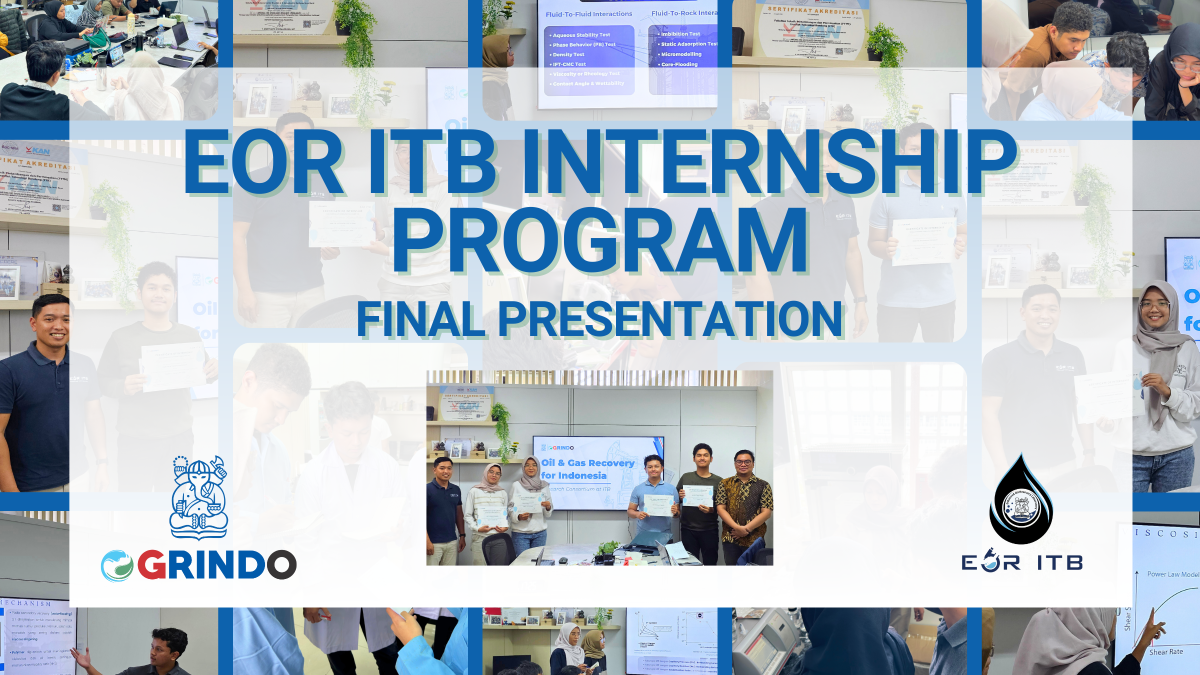
Figure 1. Participants presented a comprehensive evaluation covering laboratory test design, data interpretation, and the development of workflow implementation for Chemical EOR.

This internship program was designed under a hybrid scheme for two months, consisting of one month onsite at the EOR Laboratory ITB and one month offsite (online). This approach provided a balance between hands-on laboratory experience and conceptual deepening, technical discussions, as well as independent literature studies.

Comprehensive Study of Chemical EOR

During the program, participants explored three main components in the implementation of Chemical namely surfactants, polymers, and the ASP (Alkali–Surfactant–Polymer).

In the surfactant study, participants learned about the mechanism of interfacial tension (IFT) reduction between oil and water to enhance the mobilization of trapped oil within reservoir rock pores. This understanding becomes key to improving oil recovery efficiency in the later stages of production.

Figure 2. Participants presented a comprehensive analysis related to polymer mechanisms, adsorption behavior, and Chemical EOR implementation strategies at the field scale.

In the polymer study, the focus was placed on increasing the viscosity of the injection fluid to improve the mobility ratio and enhance sweep efficiency. The analysis of rheological characteristics and polymer stability became an essential part of evaluating the performance of the chemical injection system.

Meanwhile, in the ASP system, participants studied the integration of alkali, surfactant, and polymer as a combined approach aimed at increasing oil recovery through the synergy of mutually supportive chemical mechanisms.

Figure 3. Viscosity analysis, shearsensitivity, and reservoir compatibility as key parameters in the design of polymer flooding.

Through the final presentation session, participants presented the results of their analysis, conceptual understanding, and the applicative implications of the studies conducted. This presentation demonstrated their ability to integrate theory, laboratory practice, and field implementation relevance.

Figure 4. An active discussion session between participants, researchers, and supervisors in examining the practical challenges of Chemical EOR implementation.

Strengthening EOR Talent Competencies and Academic–Industry Integration

The Final Presentation activity demonstrated how collaboration between research institutions and academic programs can produce talent ready to enter both research and the petroleum industry. The hybrid learning scheme provided flexibility while ensuring in-depth technical understanding aligned with current energy industry needs.

Figure 5. Appreciation for the dedication, analytical rigor, and technical contributions of participants throughout the Chemical EOR competency strengthening program.

The active participation of the interns during the presentation session reflected their ability to translate fundamental scientific principles and advanced engineering concepts into applicable technical solutions within the context of Chemical EOR. Their in-depth understanding of surfactant mechanisms, polymer characteristics for mobility control, and ASP system integration demonstrated their readiness to comprehend the complexity of modern reservoir challenges.

This program not only focused on theoretical mastery, but also emphasized practical relevance to real industry challenges, particularly in efforts to enhance production in maturereservoirs. This initiative further strengthens a collaborative learning ecosystem that bridges academia with the professional competency needs of the energy sector.

Through this program, Lab EOR ITB together with OGRINDO ITB reaffirmed their role as a center for capacity building and talent strengthening in the field of Chemical EOR, ready to contribute to the oil and gas industry and the national energy sector.

Interested in Collaborating or Joining the Next Program?

The Lab EOR ITB Internship Program is part of a continuous commitment to competency development and the strengthening of a science-driven and industry-oriented energy research ecosystem.

For further information regarding:

  • The next internship program
  • Chemical EOR research collaboration
  • Laboratory testing and evaluation
  • Training and capacity development programs

Please contact:

📧Laboratorium EOR ITB: eor@itb.ac.id

📧OGRINDO ITB: info@ogrindoitb.com
We are open to academic collaboration, industry research partnerships, and talent development initiatives in the field of subsurface and technology of Enhanced Oil Recovery.

Categories
News Article

Ivan Kurnia, S.T., M.Sc., Ph.D.: Strengthening Chemical EOR Research and Energy Transition at OGRINDO ITB

With more than 15 years of experience in petroleum engineering, Ivan Kurnia, S.T., M.Sc., Ph.D. is a Senior Researcher at OGRINDO ITB with a strong track record in Chemical Enhanced Oil Recovery (EOR) research, matureoil field revitalization, and Carbon Capture, Utilization, and Storage (CCUS). He has produced numerous scientific publications in reputable international journals and has been actively involved in research projects and industry collaborations at both national and international levels.

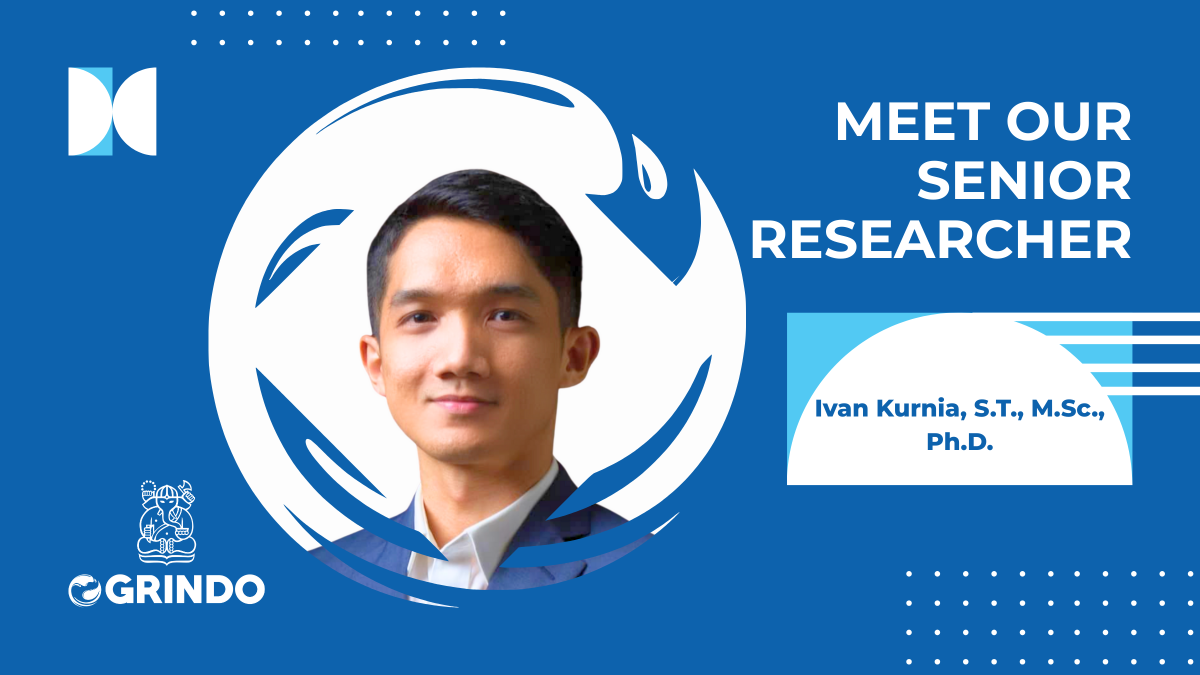
Figure 1. Ivan Kurnia, S.T., M.Sc., Ph.D. as Senior Researcher at OGRINDO ITB.

Educational Background

Dr. Ivan Kurnia pursued formal education in Petroleum Engineering through a strong and well-structured academic pathway. He earned his Bachelor of Engineering (S.T.) degree from Institut Teknologi Bandung (ITB), and subsequently completed his Master of Science (M.Sc.) and Doctor of Philosophy (Ph.D.) degrees at the New Mexico Institute of Mining and Technology, United States—an institution well known for its excellence in reservoir research and enhanced oil recovery.

As recognition of his professional competence, Dr. Ivan has also completed the Professional Engineer Program in Petroleum Engineering at ITB, further strengthening his role as both an academic and a practitioner.

Research Expertise and Scientific Contributions

Currently, Dr. Ivan is actively engaged as a lecturer and researcher at Institut Teknologi Bandung, while also serving in a strategic role as Senior Researcher at OGRINDO ITB. His areas of expertise include:

  • Chemical Enhanced Oil Recovery (EOR), including surfactant formulation, interfacial tension (IFT) measurement, phase behavioranalysis, and coreflood
  • Revitalization of oil field mature
  • Carbon Capture, Utilization, and Storage (CCUS)
  • Reservoir modeling and simulation

Dr. Ivan’s research contributions have been published in various reputable international journals and global scientific forums, covering topics such as surfactant–nanoparticle synergy for EOR, salinity design in alkali-surfactant-polymer (ASP) flooding, and insights from surfactant–polymer and alkali–surfactant–polymer coreflood experiments. These publications serve as an important scientific foundation for the development of data-driven and practical EOR technologies.

Project Experience and Industry Collaboration

In addition to his academic activities, Dr. Ivan has extensive experience in applied projects and industrial services. He has been involved in various studies related to chemical EOR, CCUS, gas injection, and reservoir modeling, and has worked within multidisciplinary teams involving academics, oil and gas operators, and other stakeholders.

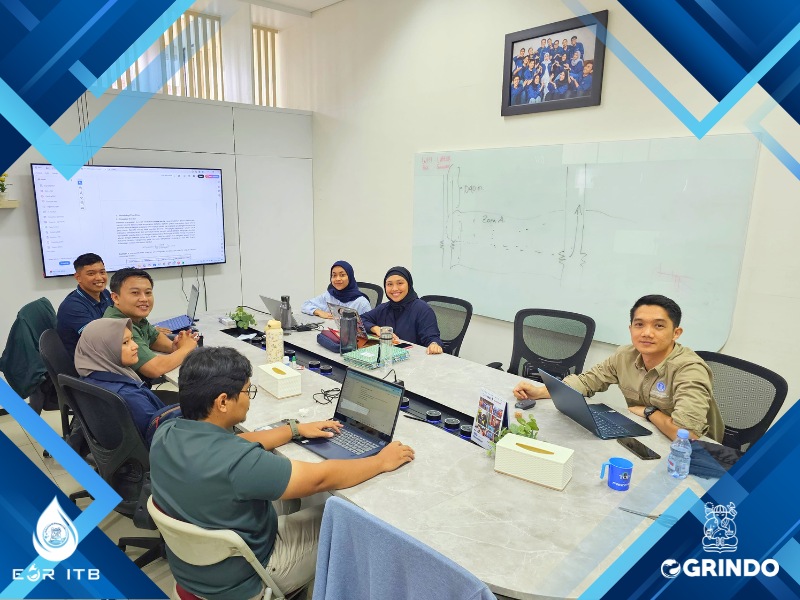
Figure 2. Dr. Ivan with the team during research discussions and coordination of industrial projects.

He also serves as the person in charge and manager of strategic laboratory equipment, such as gasflood systems and slim tube apparatus, which support experimental research activities and feasibility studies of EOR technologies at OGRINDO ITB. Through an approach that integrates fundamental research with field requirements, Dr. Ivan contributes to delivering innovative yet realistic technical recommendations that can be implemented by the industry.

Beyond his role in research and industry collaboration, Dr. Ivan Kurnia is also entrusted with an organizational role as Deputy Coordinator for Internal Audit. In this capacity, he contributes to strengthening governance, transparency, and accountability in the implementation of research activities and professional services, thereby supporting institutional sustainability and credibility.

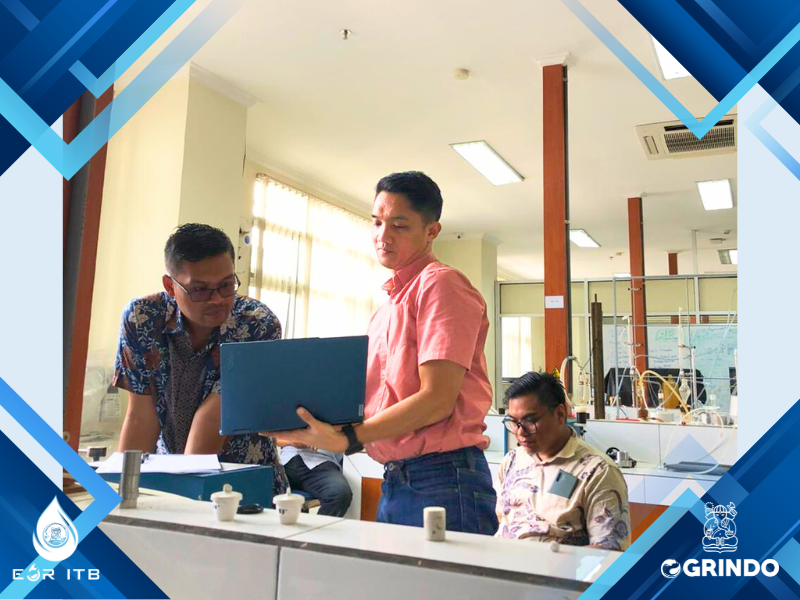
Figure 3. Dr. Ivan conducting an internal audit at the Department of Petroleum Engineering.

Leadership Role and Global Contribution

Dr. Ivan’s commitment to the development of the energy community is reflected not only in his research activities but also in his leadership at the international level. In September 2025, he was appointed as the Chair of the Organizing Committee of the International Conference on Green Energy and Resources Engineering (ICGERE).

The conference serves as a strategic platform that brings together academics, industry practitioners, and policymakers from various countries to discuss technological innovation, resource management, and the future of sustainable energy. This role underscores Dr. Ivan’s capacity as a bridge between research, industry, and global energy policy.

Strengthening OGRINDO ITB’s Role in Research and Energy Transition

With a combination of international education, more than 15 years of experience, reputable scientific publications, active involvement in industrial projects, and professional leadership, Ivan Kurnia, S.T., M.Sc., Ph.D. stands as one of the key pillars in strengthening OGRINDO ITB’s research capacity and professional services.

Through a collaborative and science-based approach, OGRINDO ITB is ready to serve as a strategic partner for industry, government, and academic institutions in the development of EOR technologies, mature reservoir management, and energy transition initiatives. mature, serta inisiatif transisi energi.

📩 Interested in collaborating with OGRINDO ITB?

Please contact us via email at info@ogrindoitb.com or visit www.ogrindoitb.com for more information.
Categories
News Article

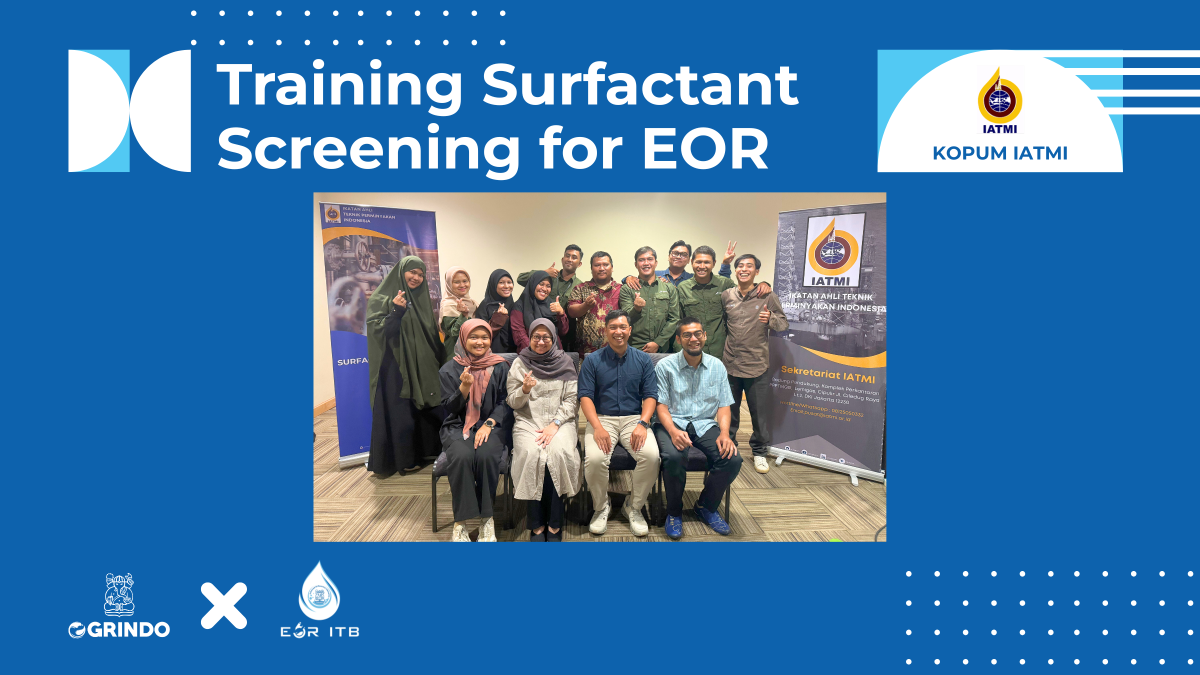
Training Surfactant Screening for EOR: Transforming Research Outcomes into Practical EOR Strategies

Efforts to increase national oil and gas production amid the decline of existing field production require the application of Enhanced Oil Recovery (EOR) technology that is increasingly mature, measurable, and research-based. In response to this challenge, the Training Surfactant Screening for Enhanced Oil Recovery (EOR) was conducted on Tuesday, 9 December 2025, at Best Western Premier The Hive, Cawang, DKI Jakarta.

This training featured Ir. Mahruri, S.T., M.Sc., Project Manager of the EOR Laboratory ITB as well as a Researcher at OGRINDO ITB, as the main speaker. The activity was organized by KOPUM IATMI (Koperasi Jasa Usaha Mandiri Ikatan Ahli Teknik Perminyakan Indonesia) and was attended by professionals from Pertamina RTI.

This training served as a strategic momentum to enhance technical capacity and strengthen the competencies of petroleum professionals, particularly in supporting the development and optimization of EOR technology implementation across various oil and gas working areas in Indonesia.

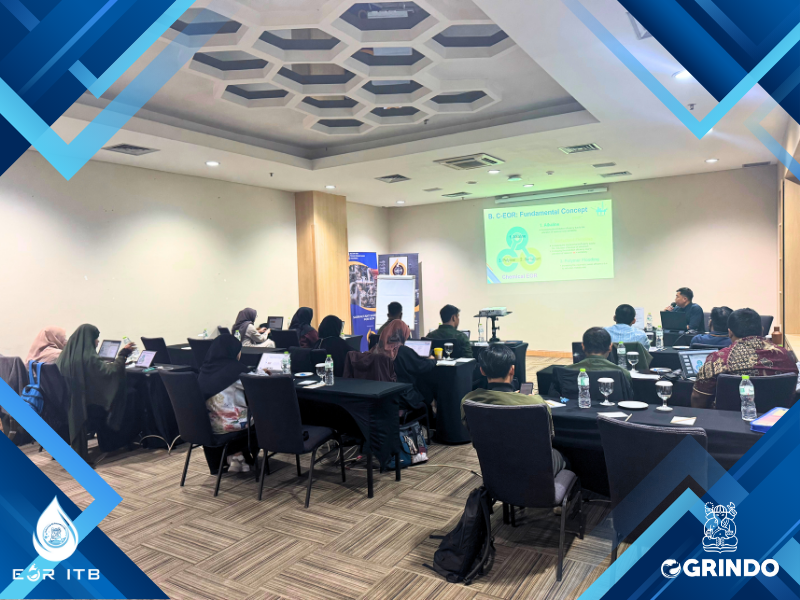
Figure 1. Ir. Mahruri, S.T., M.Sc. delivering fundamental concepts of Chemical Enhanced Oil Recovery (C-EOR).

Urgency of EOR Implementation in Indonesian Oil and Gas Fields

In the opening session, Ir. Mahruri presented a comprehensive overview of the stages of oil production—ranging from primary recovery, secondary recovery, to Enhanced Oil Recovery. It was conveyed that although waterflood and gas flood methods have been widely implemented, a significant portion of oil remains trapped in the reservoir due to limitations of conventional displacement mechanisms.

In this context, EOR emerges as a strategic solution to:

  • Drain residual oil that is microscopically trapped,
  • Increase recovery factor,
  • Extend the productive life of existing oil and gas fields.

Globally, the contribution of EOR to world oil production continues to increase, particularly in countries with maturefields. Indonesia has significant potential to optimize EOR, especially Chemical EOR, in both sandstone and carbonate reservoirs.

Chemical EOR and the Strategic Role of Surfactants

The main focus of this training was Chemical EOR, with an emphasis on surfactant flooding. Fundamentally, Chemical EOR aims to modify the physicochemical properties of reservoir fluids and rocks through the injection of chemical agents such as alkali, surfactants, and polymers.

Ir. Mahruri explained that surfactants play a crucial role in:

  • Reducing the interfacial tension (IFT) between oil and water to achieve ultra-low IFT conditions,
  • Forming microemulsions capable of mobilizing residual oil,
  • Altering rock wettability (wettability alteration),
  • Improving displacement efficiency and imbibition processes.

The success of surfactant flooding is highly dependent on a comprehensive screening and laboratory evaluation process to ensure that the applied surfactants are truly compatible with reservoir characteristics.

Surfactant Screening: From Concept to Laboratory Evaluation

One of the main strengths of this training was the in-depth discussion of the laboratory-based surfactant screening workflow, covering fluid–fluid and rock–fluidinteractions, as well as chemical performance in porous media.
Several key tests discussed included:

  1. CMC–IFT Test
    Determines the optimum surfactant concentration to achieve the lowest IFT value. An effective surfactant is expected to reach ultra-low IFT (<10⁻² mN/m) at an economically feasible concentration.
  2. Aqueous Stability Test
    Evaluates surfactant stability and compatibility in injection brine and native brine reservoir to avoid the risk of precipitation and plugging.
  3. Phase Behavior Test
    Assesses microemulsion formation (Winsor Type III) as the main indicator of surfactant effectiveness in mobilizing residual oil.
  4. Thermal Stability & Filtration Test
    Ensures surfactant stability at reservoir temperature and minimizes potential injectivity issues during the injection process.
  5. Wettability, Adsorption, and Imbibition Test
    Evaluates the ability of surfactants to alter rock wettability and minimize surfactant loss due to adsorption.
  6. Coreflooding and Micromodel
    Advanced stages to dynamically simulate surfactant performance in porous media while visualizing displacement mechanisms in two dimensions. displacement secara dua dimensi.

This series of tests emphasizes that Chemical EOR is not merely a chemical injection process, but an integrated scientific approach that must be supported by strong and representative laboratory data.

Bridging Research and Field Implementation

Through this training, participants gained not only conceptual understanding but also practical insights into how research outcomes and laboratory test results can be translated into EOR strategies ready for field implementation.

The discussion also addressed common challenges in Chemical EOR implementation, including:

  • Polymer adsorption and degradation,
  • Surfactant sensitivity to salinity and temperature,
  • Risks of plugging, scaling, and corrosion,
  • Economic considerations and surface facility readiness.

Various case studies and lesson learned from EOR implementations both domestically and internationally enriched participants’ perspectives on the complexity as well as the opportunities of this technology.

Opening Opportunities for Strategic Collaboration

Through this activity, OGRINDO ITB and the EOR Laboratory ITB reaffirmed their commitment to supporting the development of EOR technology based on research, laboratory testing, and close collaboration with industry.

Opportunities for collaboration are open for:

  • Research and development of Chemical EOR,
  • Surfactant screening and laboratory evaluation,
  • EOR feasibility studies,
  • Technical training and consultancy,
  • Industry–academia collaborative projects.
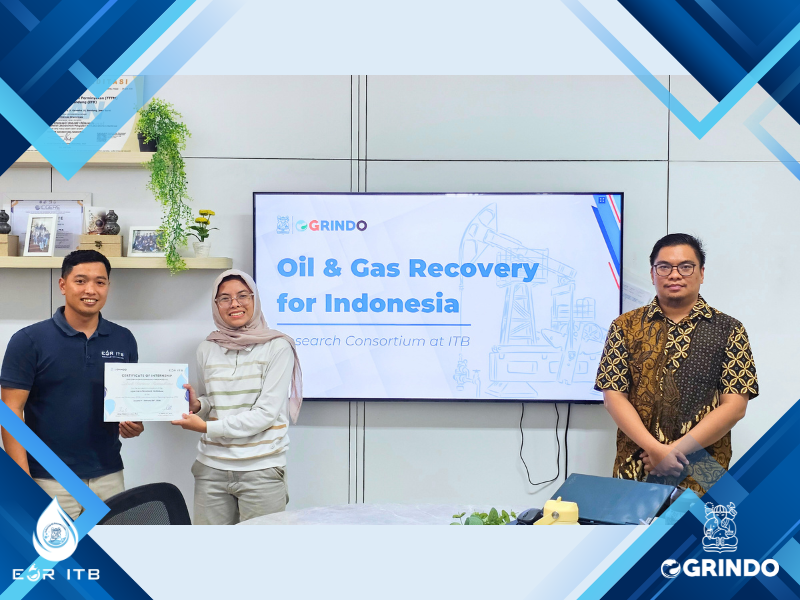
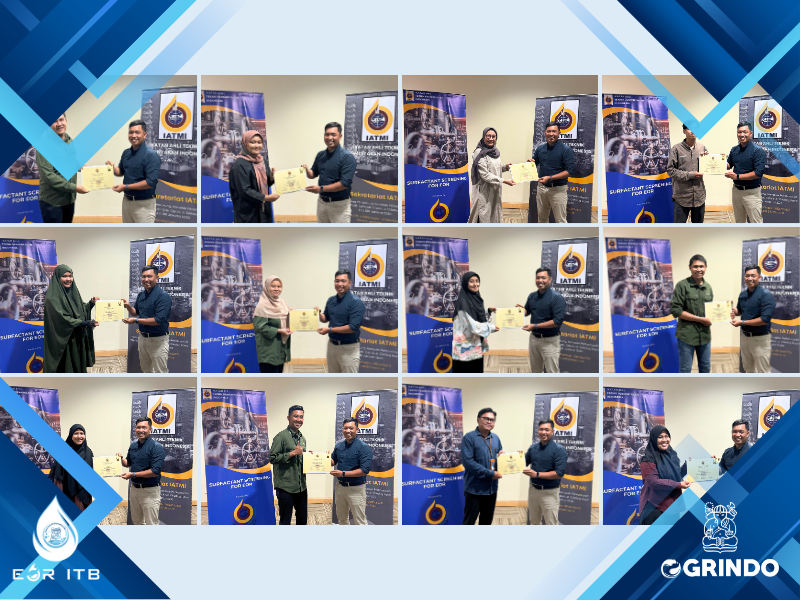
Figure 4. Certificate handover to participants of the Training Surfactant Screening for Enhanced Oil Recovery (EOR) as a form of technical competency strengthening.

📩 Collaboration contacts:

OGRINDO ITB: info@ogrindoitb.com

EOR Laboratory ITB: labifteoritb@gmail.com

This training serves as a tangible example of how synergy between research, laboratories, and industry can accelerate the adoption of practical, effective, and sustainable EOR technologies to support national energy security.

Categories
News Article

Hands-on Laboratory Training on Chemical EOR at Lab EOR ITB: Bridging Knowledge, Industry, and Innovation

On Tuesday, August 26, 2025, Enhanced Oil Recovery Laboratory of Institut Teknologi Bandung (ITB), in collaboration with Oil and Gas Recovery for Indonesia (OGRINDO) ITB, successfully conducted the Hands-on Laboratory Training Chemical Enhanced Oil Recovery (CEOR). This event served as an important platform for industry professionals and academics to gain a deeper understanding of Chemical EOR metode through direct laboratory practice.

The main activities in this Hands-on Laboratory Training Chemical EOR were Screening Polymer and Surfactant Formulation, carried out intensively at the EOR Laboratory ITB. Participants not only learned the theoretical foundations but also conducted a series of comprehensive laboratory tests to evaluate the performance of chemical EOR under various reservoir conditions.

Figure 1. Training participants listening to the instructor’s explanation of Chemical EOR at Lab EOR ITB

Training Details

  1. Screening Polymer

In this session, participants conducted several key tests to assess polymer performance, including:

  • Fluid–Fluid Compatibility Test: viscosity measurement, polymer–water compatibility, filtration ratio, screen factor, and thermal stability test
  • Rock–Fluid Compatibility Test: static adsorption test, dynamic adsorption test and IPV, as well as injectivity test (RF and RRF)
  • Coreflood Test: the test of tertiary oil recovery to evaluate the potential improvement of oil recovery
Figure 2. Surfactant testing session: participants engaged in an interactive discussion with the instructor on laboratory testing methods

2. Surfactant Formulation Lab Test

This session focused on surfactant formulation under various laboratory conditions, including:

  • Fluid–Fluid Compatibility Test: uji kompatibilitas surfaktan dengan air, IFT test, phase behavior test, IFT thermal stability test, and filtration test
  • Rock–Fluid Compatibility Test: wettability test, static adsorption test, dynamic adsorption testoil field revitalization, and capillary desaturation curves (CDC) test
  • Coreflood Test: the test of tertiary oil recovery test to evaluate the effectiveness of surfactants in mobilizing residual oil.
Figure 3. Laboratory practice session: participants conducting direct fluid–rock compatibility testing

Through this series of tests, participants gained hands-on experience in CEOR laboratory evaluations using methods applied globally in the oil and gas industry. This further strengthens the position of Lab EOR ITB as a research and training center equipped with facilities and expertise capable of addressing the real needs of Indonesia’s petroleum industry.

Training Participants

This training was attended by professionals from various national oil and gas companies, namely:

  • Pertamina Hulu Energi (PHE) – including PHE OSES, PHE ONWJ, and PHE SHU SDRE
  • Pertamina EP (PEP) – including PEP Zone 7
  • Pertamina Hulu Mahakam (PHM)
  • Pertamina Hulu Rokan (PHR)
  • Pertamina Hulu Indonesia (PHI)
Figure 4. Group photo of Hands-on Laboratory Training Chemical EOR participants at Lab EOR ITB.
Figure 5. Chemical EOR training participants at the Faculty of Mining and Petroleum Engineering, ITB.

Impact and Benefits

Through this hands-on experience, participants not only enhanced their technical skills, but also gained strategic insights to support increased recovery factor and the sustainability of Indonesia’s energy sector.

With complete laboratory facilities and the support of experienced experts, Lab EOR ITB together with OGRINDO are ready to become strategic partners for the oil and gas industry in developing and implementing Enhanced Oil Recovery in Indonesia.

This training is a tangible form of collaboration between OGRINDO ITB and Lab EOR ITB in strengthening human resource capacity in the oil and gas sector. It provides participants with a comprehensive understanding of Chemical EORimplementation, from laboratory scale to field applications.

Categories
News Article

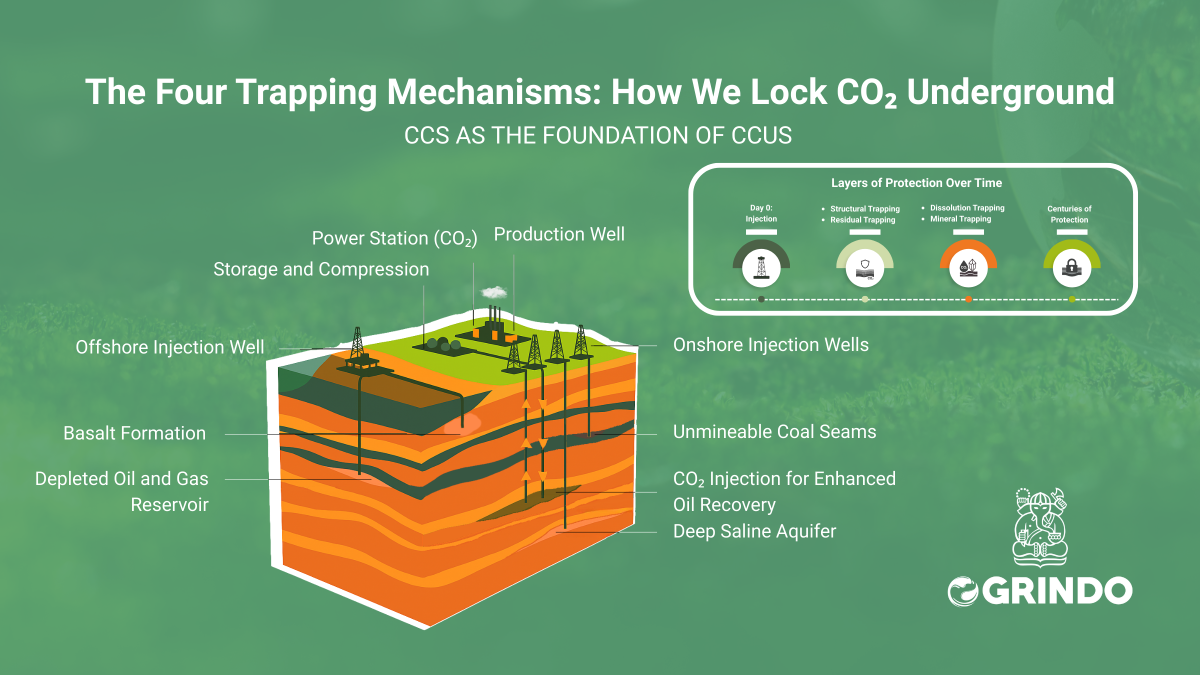
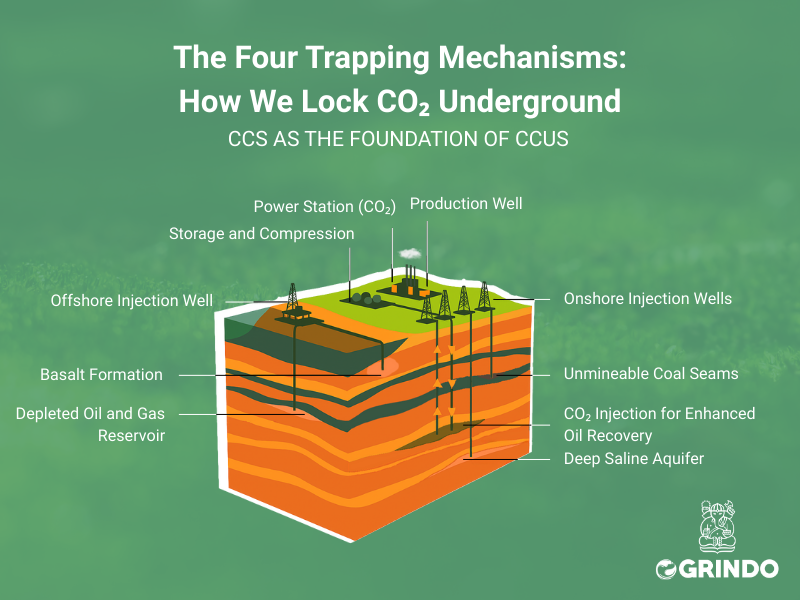
Four Trapping Mechanisms: How CO₂ Stays Safely Locked Underground

Climate change caused by the increasing CO₂ emissions is a major challenge we face today. To prevent its impact, Carbon Capture and Storage (CCS) emerges as a proven safe solution to store CO₂ deep underground. CCS not only prevents emissions from reaching the atmosphere, but also becomes an essential foundation of Carbon Capture, Utilization, and Storage (CCUS)—a pathway that allows CO₂ emissions to be transformed into valuable opportunities.

Figure 1. General scheme of a CCS project: starting from capturing CO₂ emissions, transportation, to permanent storage beneath the earth’s surface (Ali et al, 2022)

Four CO₂ Trapping Mechanisms
The long-term security of CO₂ storage is ensured by four natural mechanisms that complement each other over time:

  1. Structural Trapping
    CO₂ that moves upward due to density differences will be stopped by the caprock. Since gas density tends to be smaller than oil and water, CO₂ gas will gradually move in a vertical direction. To ensure CO₂ remains trapped within the formation, caprock yang cukup reliable, with extremely low permeability and wettability that favors strong water wet conditions.
  2. Residual Trapping
    A portion of CO₂ is trapped within the rock pores as small immobile bubbles. This mechanism provides long-term storage stability.
  3. Dissolution Trapping
    CO₂ dissolves into formation water and forms a carbonate solution with a density heavier than the other fluids present in the formation, thus tending to sink downward and reducing the risk of CO₂ leakage.
  4. Mineral Trapping
    Dissolved CO₂ reacts with rock minerals (Ca, Mg, Fe) and forms solid carbonate minerals such as calcite or magnesite. This is the most permanent form of storage because CO₂ transforms into new stable rock over thousands of years.

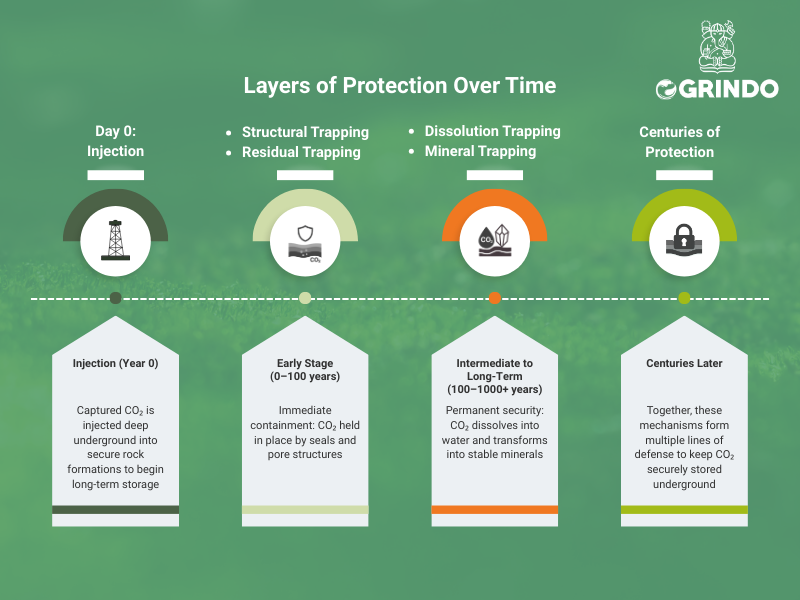
These mechanisms work in layers: structural and residual provide immediate protection, while dissolution and mineral ensure long-term security. Together, they create a multi-layered line of defense that guarantees CO₂ remains safely stored for centuries.

Figure 2. Layered contribution of CO₂ trapping mechanisms that complement each other over time, ensuring storage security across generations.

CCS as the Foundation of CCUS
Understanding these four mechanisms helps us see that CCS is a crucial first step in the journey toward CCUS. Without secure storage, it is difficult to develop large-scale CO₂ utilization. Through CCS, CO₂ is not only safely stored underground, but also opens opportunities for reuse—for example in Enhanced Oil Recovery (EOR) as part of the CCUS solution.

🌱 This Is Just the First Step
In the next episode, we will discuss how CCUS transforms CO₂ from a burden into a valuable resource, driving industrial innovation and accelerating the transition to cleaner energy.
✨ Keep following our article series, and be part of the journey toward a low-carbon future.
📩 Contact us: info@ogrindoitb.com

🌐 Learn more: www.ogrindoitb.com
Reference:
IPCC, 2005: IPCC Special Report on Carbon Dioxide Capture and Storage. Prepared by Working Group III of the Intergovernmental Panel on Climate Change [Metz, B., Davidson, O., de Coninck, H.C., Loos, M., and Meyer, L.A. (eds.)]. Cambridge University Press, Cambridge, United Kingdom and New York, NY, USA, 442 pp.
Categories
News Article

Micromodel: An Innovative Technology for Optimizing Enhanced Oil Recovery

Amid the challenges of enhanced oil recovery (Enhanced Oil Recovery), laboratory methods capable of visually representing fluid displacement mechanisms have become increasingly crucial. This is where the micromodel emerges as an innovative solution proudly developed by Indonesian researchers.

Micromodel is a two-dimensional laboratory device designed to replicate the pore structure of reservoir rocks, such as sandstone or carbonate rocks. Through a micromodel, the movement of fluids—such as water, oil, surfactants, and polymers—can be observed directly and in real-time.

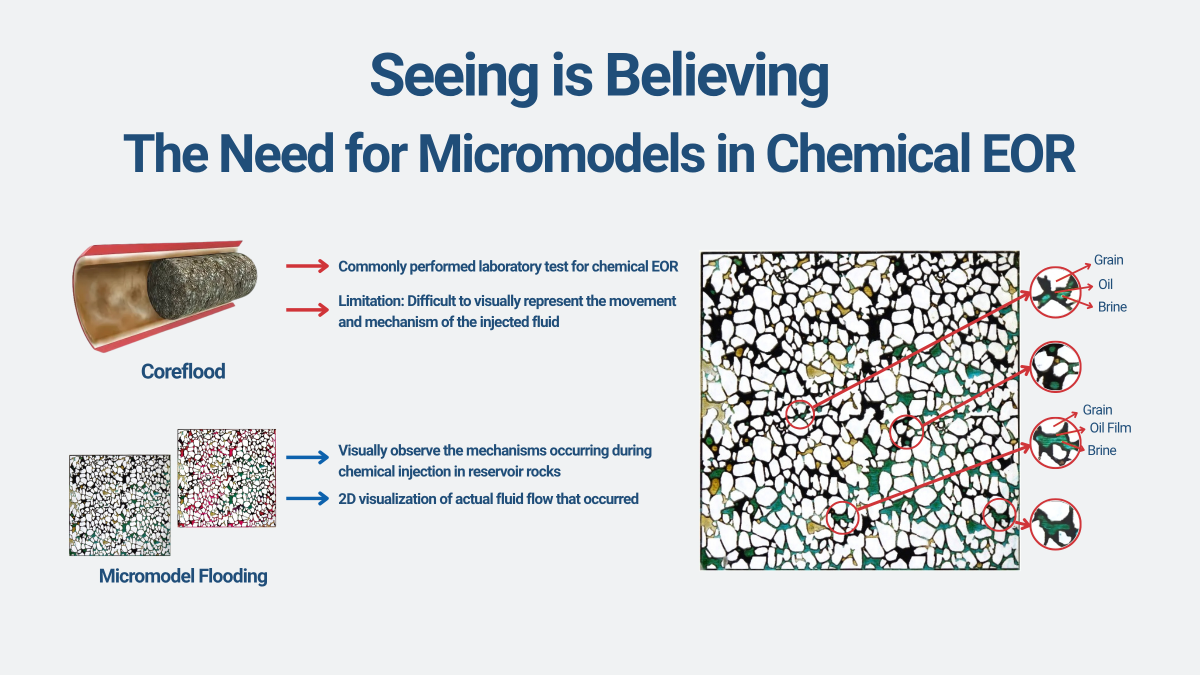
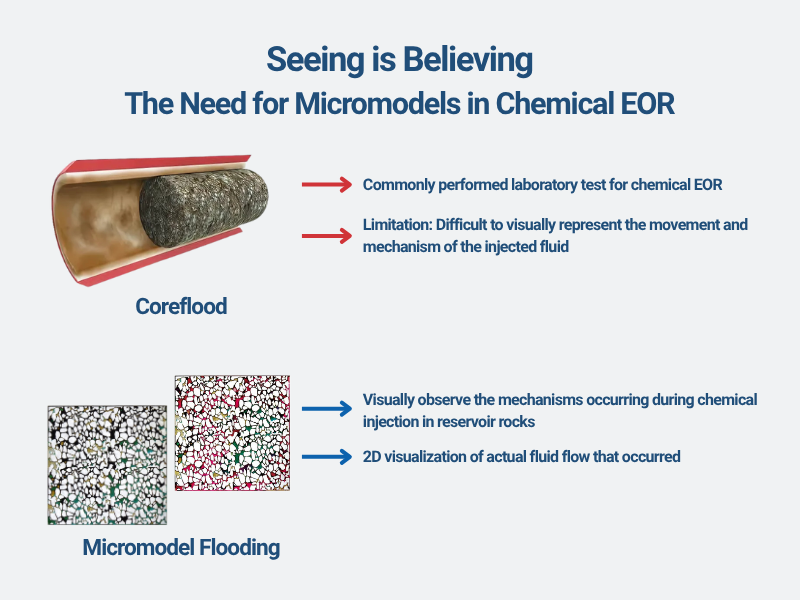
Comparison of coreflood and micromodel flooding methods in observing fluid flow in reservoir rocks

Most conventional laboratory tests, like coreflooding, have limitations in providing direct visualization of chemical injection mechanisms. Micromodel address this challenge by enabling real-time observation of interfacial tension changes, wettability alteration, and viscosity displacement efficiency at the pore scale.

What Is the Purpose of Using a Micromodel?

Micromodel are used to:

  • Visually analyze the working mechanisms of chemical EOR
  • Evaluate the effectiveness of surfactants or polymers before upscaling to larger tests
  • Design efficient and targeted injection strategies
  • Identify phenomena such as channeling, viscous fingering, and oil entrapment often undetectable in conventional tests

Micromodel of OGRINDO ITB have some advantages:

  • Indigenous Innovation: Designed and developed by skilled local researchers.
  • Fast, Simple, and Cost-Effective: More efficient than coreflooding, in terms of time and cost.
  • Costumized Design: Tailored to match pore characteristics of sandstone or carbonat, even based on actual reservoir data.
  • Real-Time Visualization: Enables direct observation of fluid behavior at the microscopic scale.
  • Supports More Accurate EOR Design: Acts as a bridge between laboratory results and real-field applications.

Fabrication Process of the Micromodel

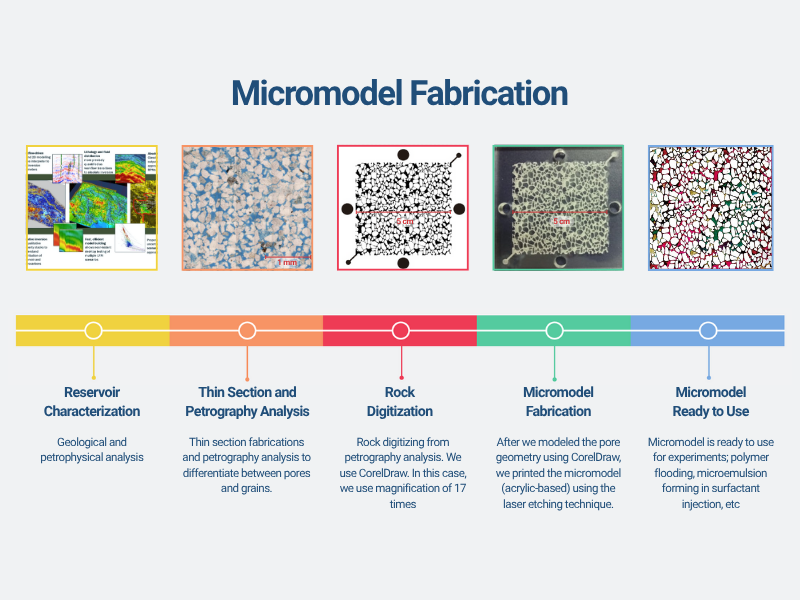
Fabrication process of micromodel includes the following stages:

Five main stages of micromodel
  1. Reservoir Characterization: Identifying the physical and petrophysical properties of the reservoir rock, such as porosity, permeability, fluid saturation, and geological structure.
  2. Thin Section & Petrography Analysis: Observing ultra-thin rock slices under a microscope to study mineral composition and rock textures.
  3. Rock Digitization: Converting physical rock data into 2D or 3D digital models.
  4. Micromodel Fabrication: Creating the micromodel through pore-pattern design, etching, and assembling materials using techniques such as thermal bonding.
  5. Micromodel Ready to Use: Final stage where micromodel has passed all fabrication and characterization tests, making it ready for EOR experiments such as surfactant or polymer injection or other EOR mechanism.

The key advantage of OGRINDO's micromodel lies in its design flexibility. By incorporating actual geological and petrophysical field data, micromodel can be customized to closely replicate real reservoir conditions. This makes the experimental results more relevant and reliable for supporting technical decisions in the field.

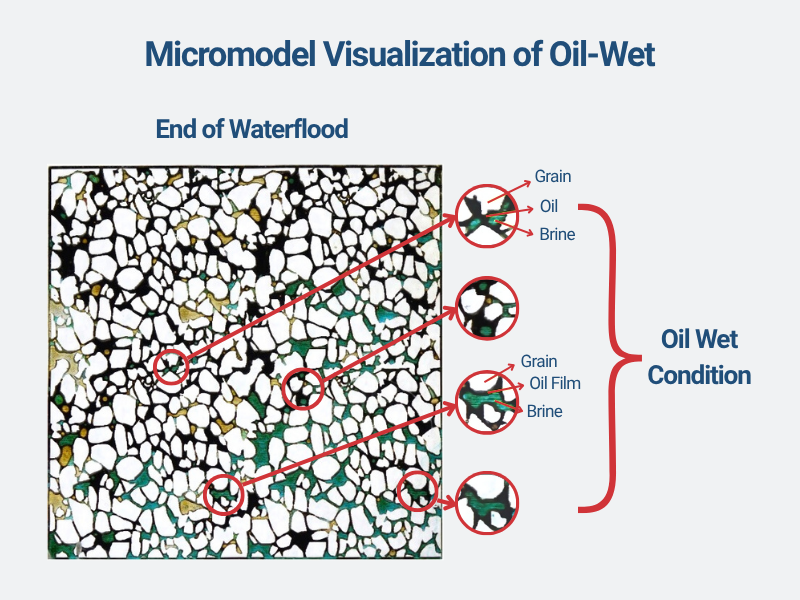
Visualization of oil-wet state in the micromodel

🔬 Micromodel is more than just a testing device—it is a window into a deeper understanding of subsurface fluid behavior. With OGRINDO ITB, let’s create smarter, more efficient, and data-driven EOR solutions.

📞 For more information or collaboration opportunities, contact our team at OGRINDO ITB.
Categories
News Article

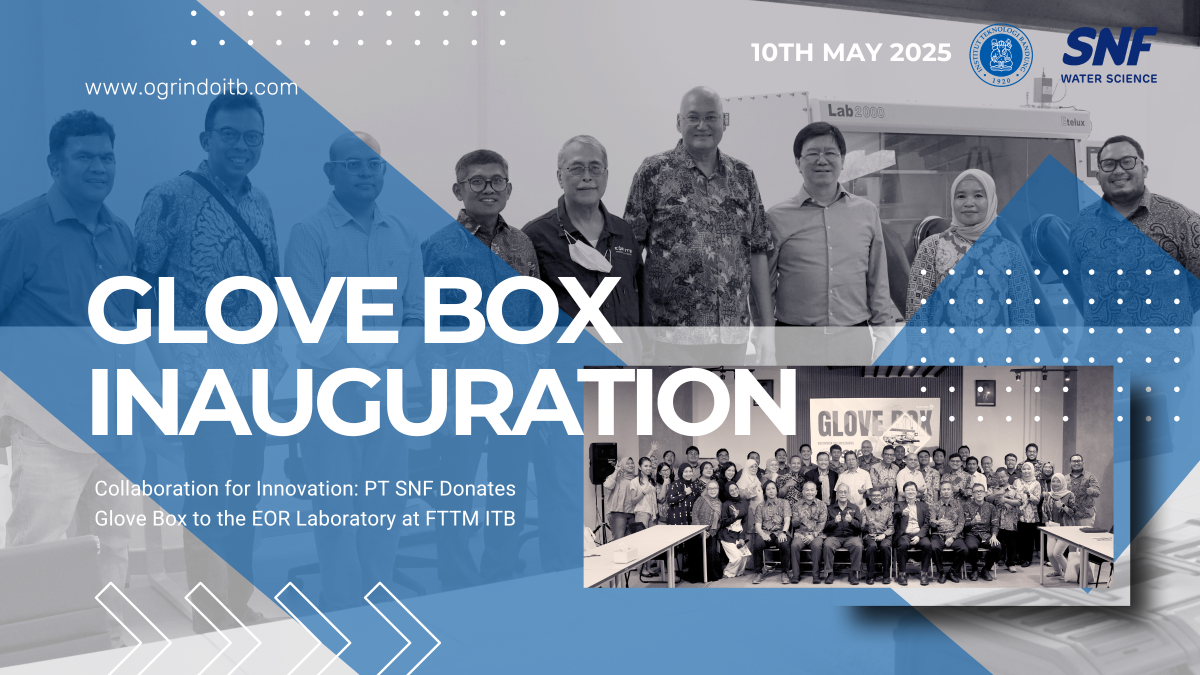
Collaboration for Innovation: PT SNF Donates a Glove Box to the EOR Laboratory of FTTM ITB

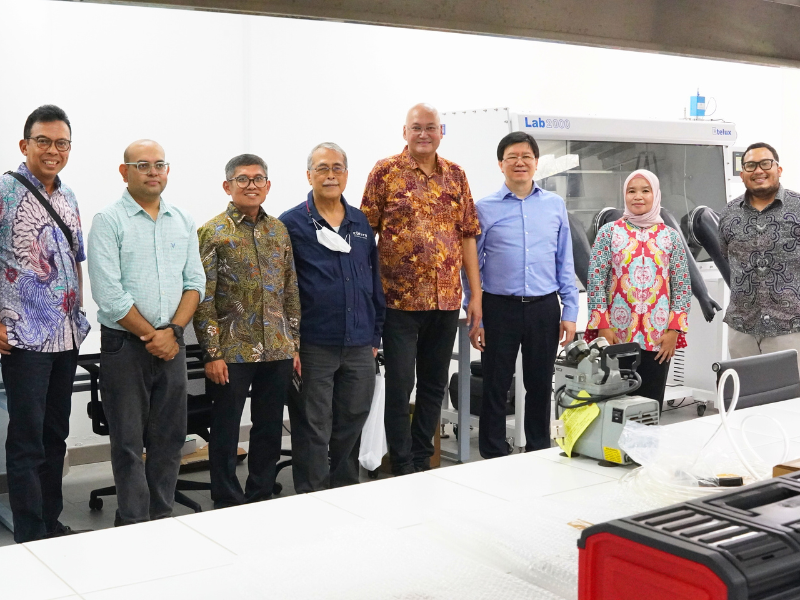
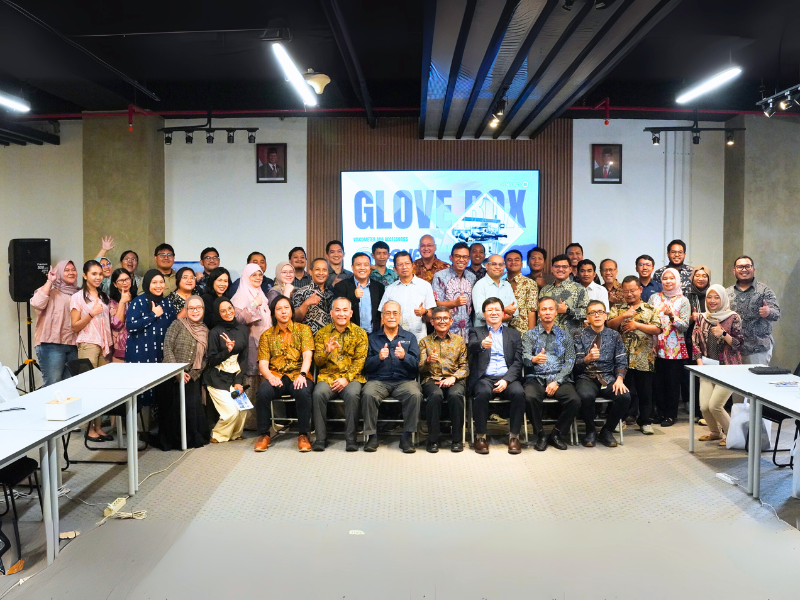
The guests took a group photo in front of the Glove Box unit from SNF
As a tangible form of collaboration between industry and academia, PT SNF Water Science Indonesia officially handed over one unit of Glove Box, Viscometer, and supporting accessories to the Laboratory Enhanced Oil Recovery (EOR) Faculty of Mining and Petroleum Engineering (FTTM), Bandung Institute of Technology (ITB)
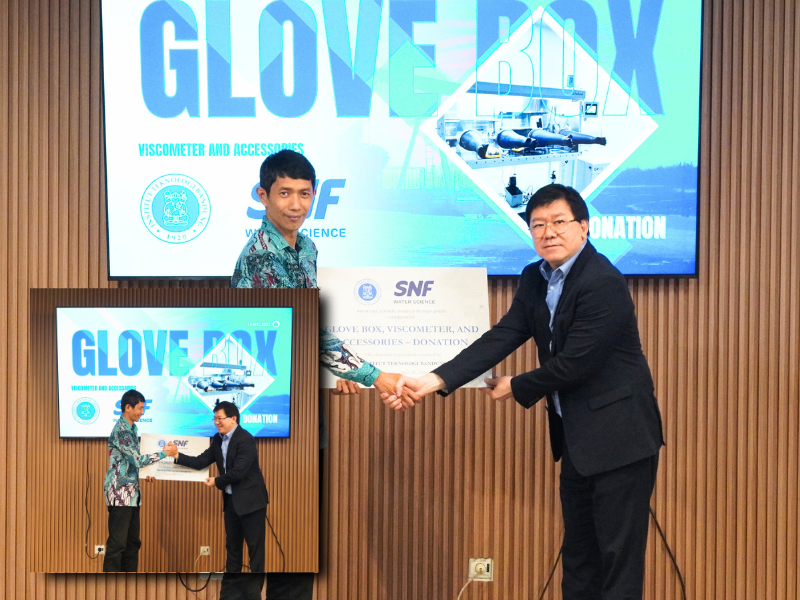
Dr. Ir. Dedy Irawan (Head of the Master’s and Doctoral Programs in Petroleum Engineering at ITB) shakes hands with Mr. David Chan, B.Eng (Managing Director of PT SNF Indonesia)

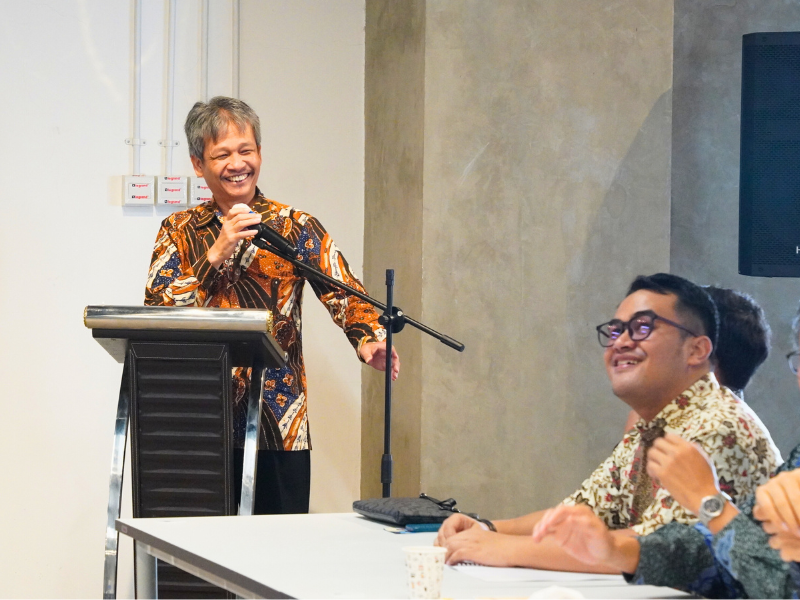
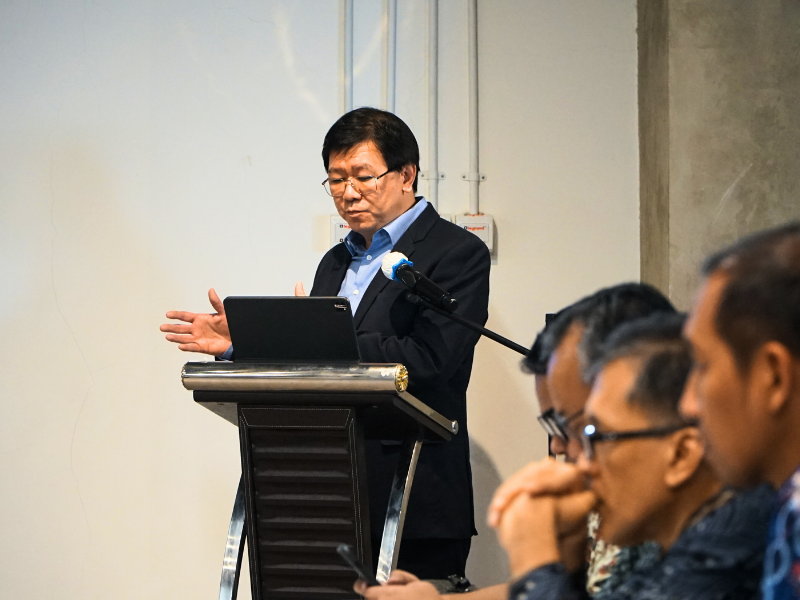
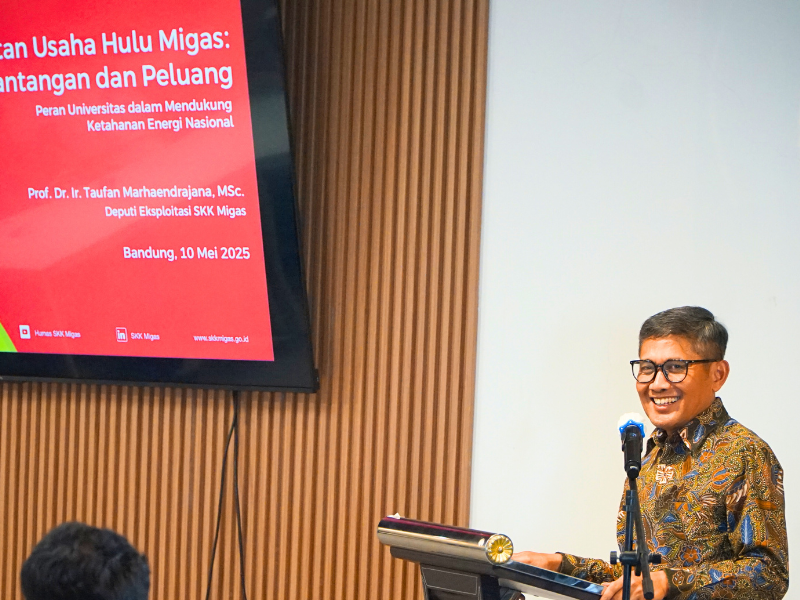
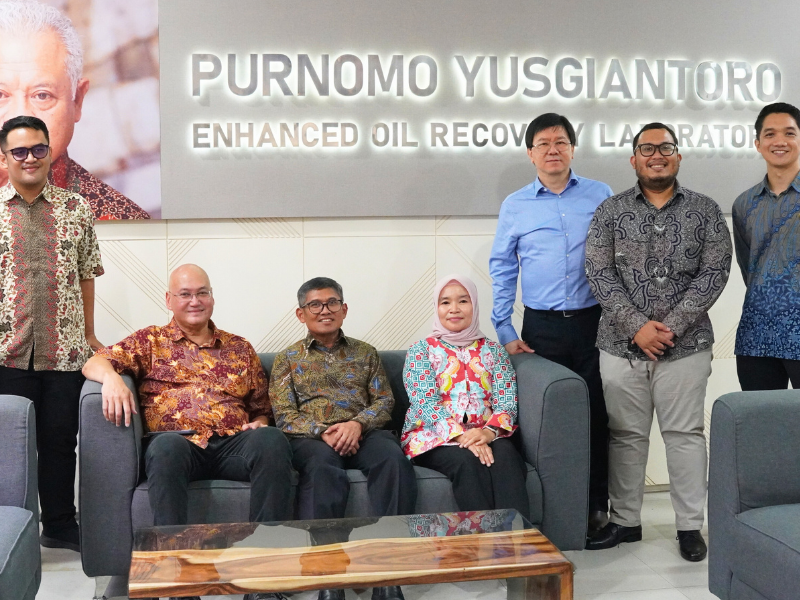
The donation ceremony took place on May 10, 2025, at the Auditorium Room, 8th floor of the PAU Building, ITB. The event was attended by Mr. David Chan, B.Eng., as Managing Director of PT SNF Indonesia, Prof. Dr. Elfahmi, S.Si., M.Si., as Director of Research and Innovation ITB, Head of the Master & Doctoral Program in Petroleum Engineering Dr. Ir. Dedy Irawan, S.T., M.T., Prof. Dr. Ir. Taufan Marhaendrajana, M.Sc., as Deputy of Exploitation at SKK Migas, and a team of lecturers and researchers involved in EOR technology research and development at ITB.

The glove box is a crucial tool in chemical and material research, including in the development of surfactants and polymers for technology Chemical Enhanced Oil Recovery (CEOR). The addition of this facility is expected to strengthen the capacity of the EOR Laboratory at FTTM ITB in producing more precise, safe, and impactful oil and gas technology innovations, contributing directly to the efficiency of national oil production.

PT SNF Indonesia, as a leading chemical company active in the supply of chemicals for the oil and gas industry, demonstrates its strong commitment to supporting research development and higher education in Indonesia. Through this donation, PT SNF not only provides equipment but also builds a collaborative bridge between industry and academic institutions as a strategic step to strengthen the oil and gas research ecosystem in Indonesia, particularly in the development of environmentally friendly and sustainable EOR methods.

📌 With close collaboration between academia and industry, we can jointly drive the advancement of national energy technology.

Categories
News Article

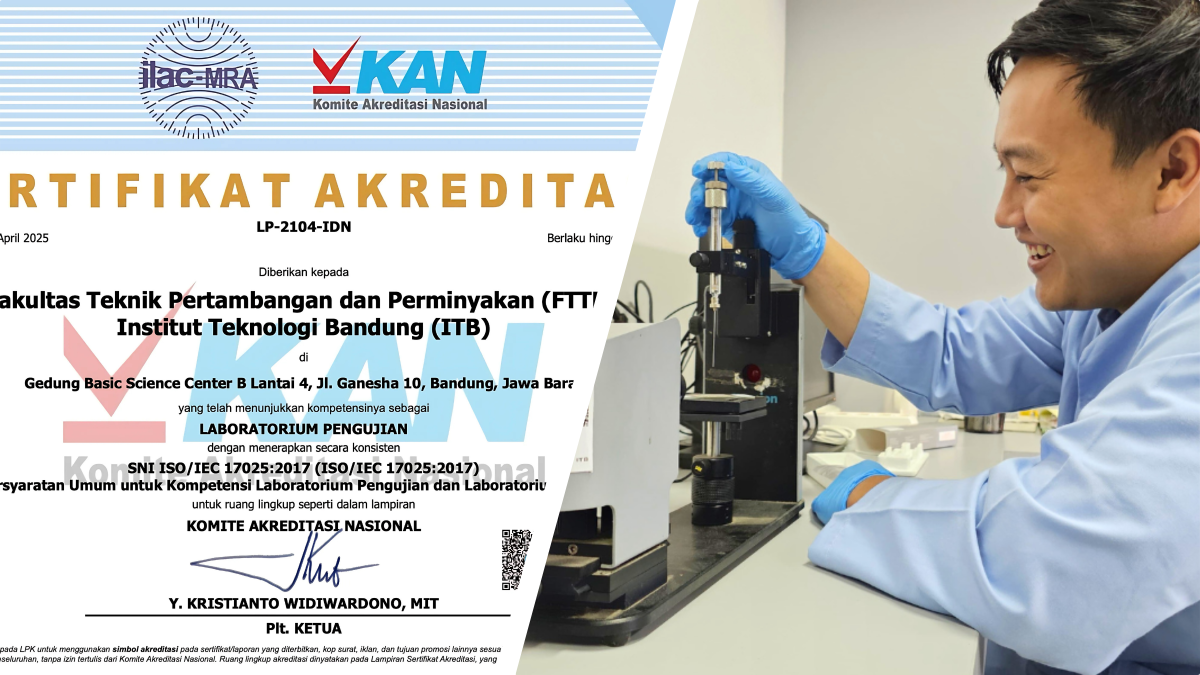
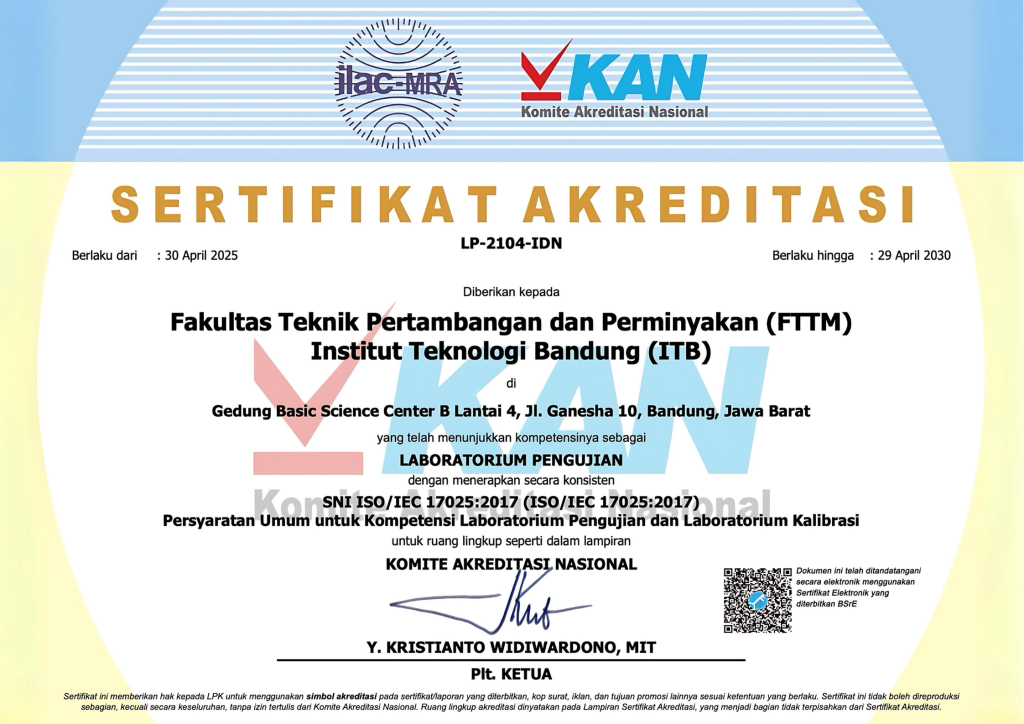
EOR Laboratory ITB Officially Accredited by KAN: “Accurate, Reliable, & Professional”

Laboratory Enhanced Oil Recovery (EOR) Institut Teknologi Bandung (ITB) has officially obtained accreditation from the National Accreditation Committee (KAN), marking a significant milestone in ensuring the quality and competence of the laboratory in conducting testing and calibration in accordance with national and international standards. This accreditation serves as formal recognition of the quality of the EOR Lab’s management system, technical procedures, and the reliability of its testing results, thereby reinforcing its position as one of the leading laboratories in the oil and energy sector in Indonesia.

The accreditation not only proves that the equipment and procedures in our laboratory meet the highest standards, but also provides an objective assurance of the reliability and analytical results of our testing. We are now capable of offering services that are competitive not only in technical terms, but also in terms of legality and credibility.

For companies or institutions operating in the oil and gas sector, particularly in the EOR phase, this means:

  • Assured Data Validity
    Testing results from an accredited laboratory are more trusted and can serve as a reliable reference in strategic decision-making.
  • Enhance Project Reputation and Value
    Utilizing services from an accredited laboratory adds value to technical reports, project proposals, and tender documentation.
  • Compliance with Regulatory and Audit Requirements
    Many regulatory bodies or investors require the use of accredited facilities to ensure data quality and integrity.

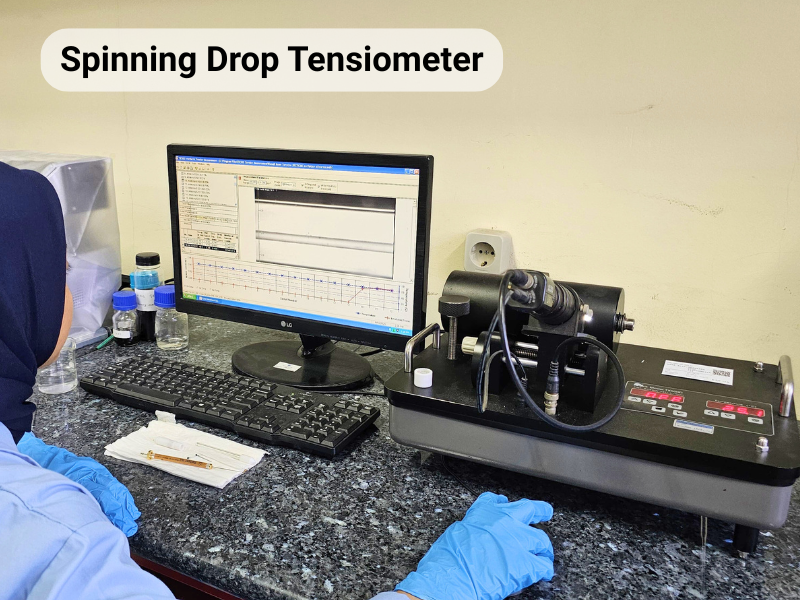
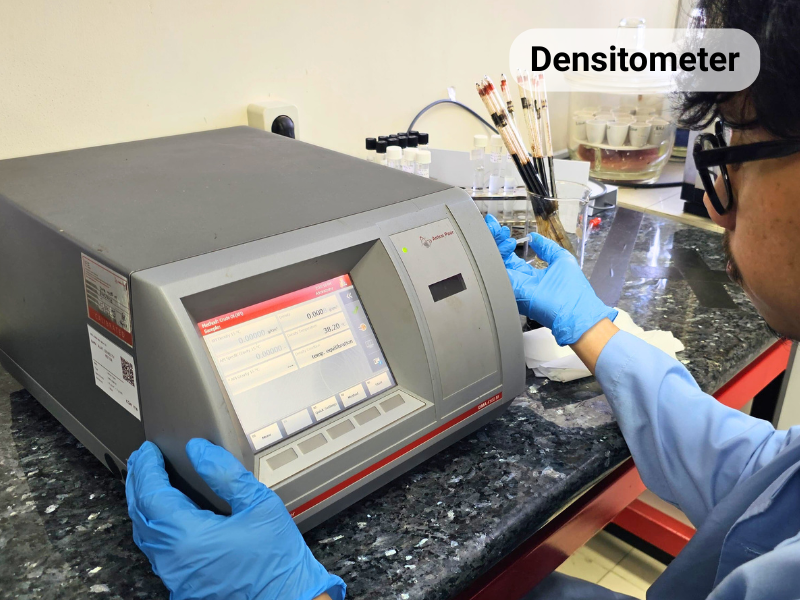
Below is the list of KAN-accredited equipment :

Spinning Drop Tensiometer The Spinning Drop Tensiometer is a laboratory instrument used to measure interfacial tension (IFT). This measurement is crucial in Enhance Oil Recovery (EOR) studies and evaluating the effectiveness of surfactants in reducing interfacial tension between oil and formation fluids.

Densitometer is used to measure the density of fluids, both liquids or gas. It plays a vital role in fluid characterization of reservoirs and in designing EOR scenarios involving injected fluids.

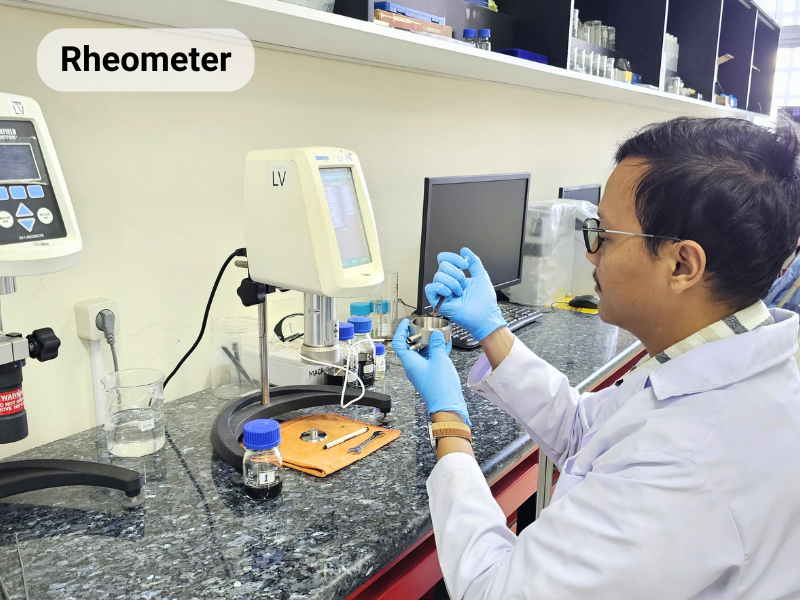
Rheometer is a laboratory device used to measure the rheology or flow resistance of fluids, including non-Newtonian fluids such as polymers. This tool is essential in polymer flooding research and design, enabling in-depth analysis of polymer flow behavior, which is critical to the success of field-scale injection processes.

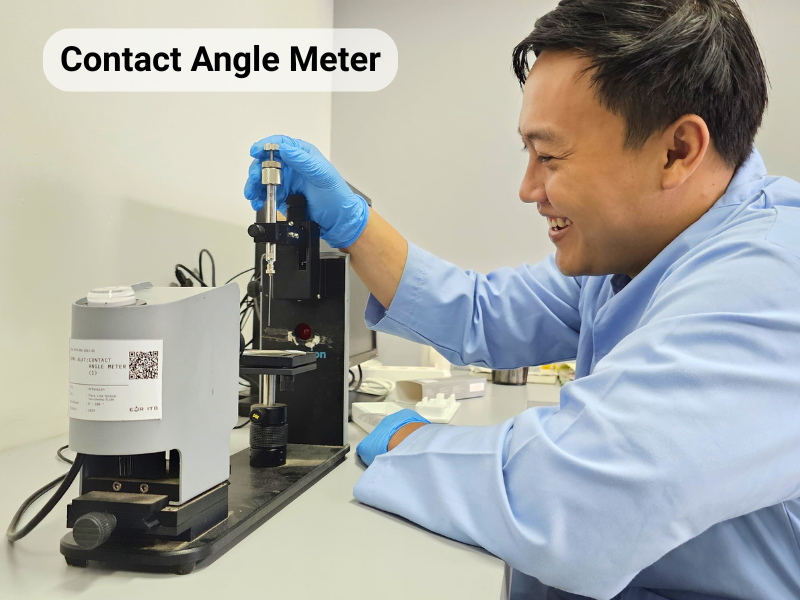
Contact Angle Meter is an instrument used to measure the contact angle between a fluid droplet and a solid surface (such as rock). It plays an important role in the development and evaluation of surfactant flooding, as it directly measures changes in the wettability of reservoir rocks due to surfactant interaction.

This accreditation is not merely a technical achievement, but also part of the Laboratory’s vision Enhance Oil Recovery (EOR) ITB to become a national center of excellence in EOR testing and technology development. Moving forward, our laboratory will continue to enhance its competencies, both in terms of human resources and facilities, to support the transformation of Indonesia’s energy industry towards greater efficiency and sustainability. We are ready to be your strategic partner in delivering EOR solutions that are not only advanced, but also officially recognized and trusted.