Categories
News Article

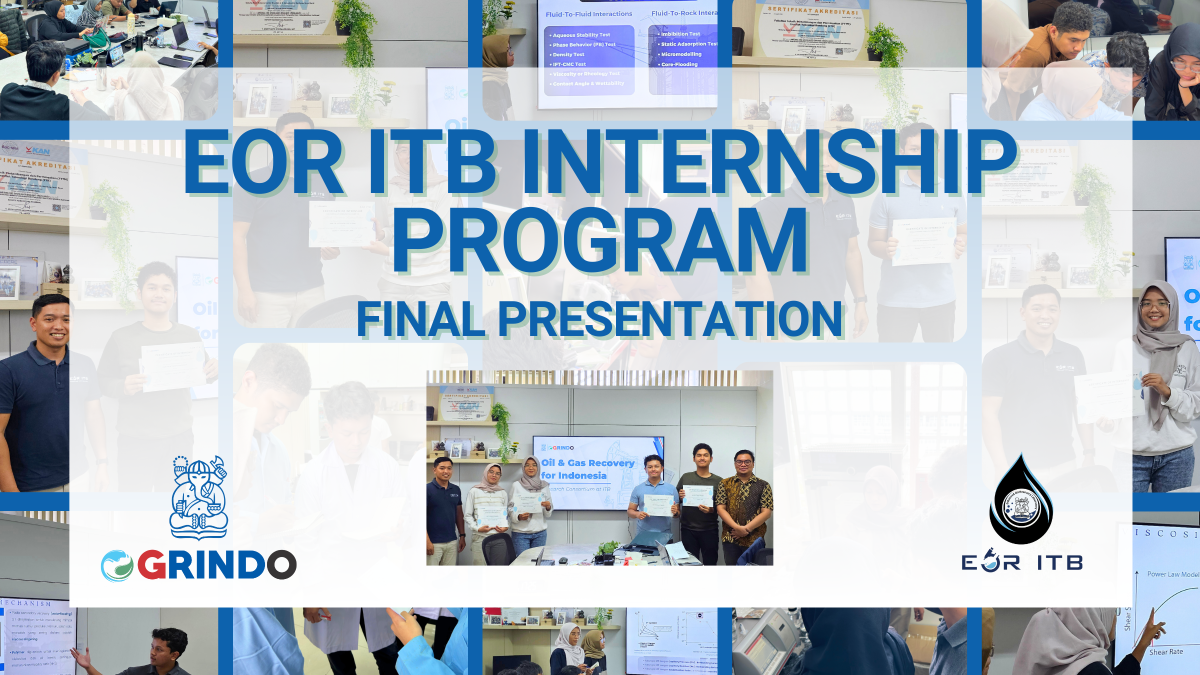
Final Presentation Internship Lab EOR ITB: Strengthening Chemical Enhanced Oil Recovery Competencies

Monday, February 2, 2026 marked an important milestone for the participants of the Internship Program at the EOR Laboratory ITB who had completed a series of intensive learning activities over the past two months. Final Presentation session held in the Meeting Room of Lab EOR ITB, Energy Building 7th Floor ITB, served as the official closing of the program as well as a reflection on the in-depth study process in the field of Chemical Enhanced Oil Recovery (EOR).
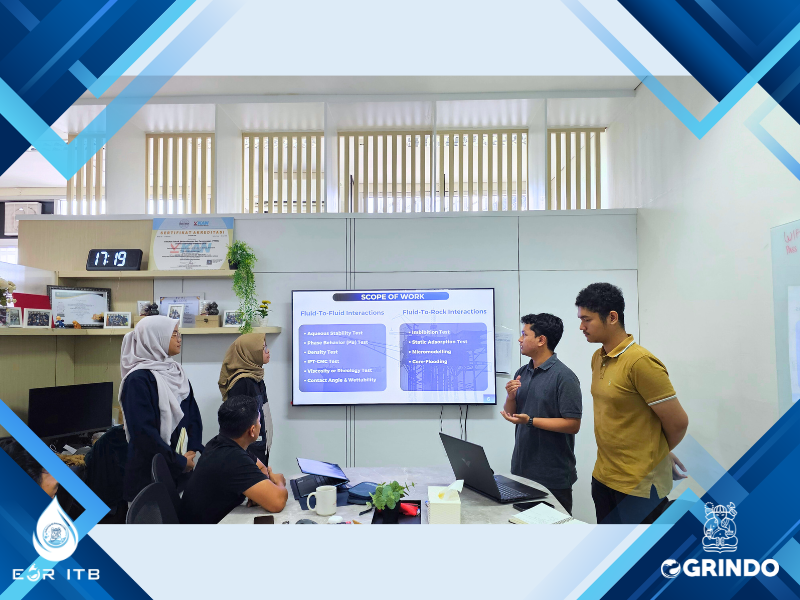
Figure 1. Participants presented a comprehensive evaluation covering laboratory test design, data interpretation, and the development of workflow implementation for Chemical EOR.

This internship program was designed under a hybrid scheme for two months, consisting of one month onsite at the EOR Laboratory ITB and one month offsite (online). This approach provided a balance between hands-on laboratory experience and conceptual deepening, technical discussions, as well as independent literature studies.

Comprehensive Study of Chemical EOR

During the program, participants explored three main components in the implementation of Chemical namely surfactants, polymers, and the ASP (Alkali–Surfactant–Polymer).

In the surfactant study, participants learned about the mechanism of interfacial tension (IFT) reduction between oil and water to enhance the mobilization of trapped oil within reservoir rock pores. This understanding becomes key to improving oil recovery efficiency in the later stages of production.
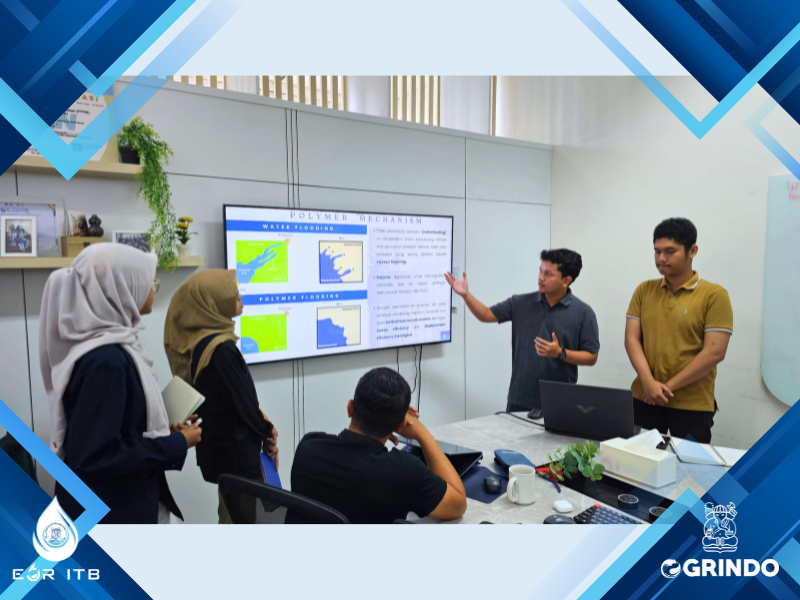
Figure 2. Participants presented a comprehensive analysis related to polymer mechanisms, adsorption behavior, and Chemical EOR implementation strategies at the field scale.

In the polymer study, the focus was placed on increasing the viscosity of the injection fluid to improve the mobility ratio and enhance sweep efficiency. The analysis of rheological characteristics and polymer stability became an essential part of evaluating the performance of the chemical injection system.

Meanwhile, in the ASP system, participants studied the integration of alkali, surfactant, and polymer as a combined approach aimed at increasing oil recovery through the synergy of mutually supportive chemical mechanisms.
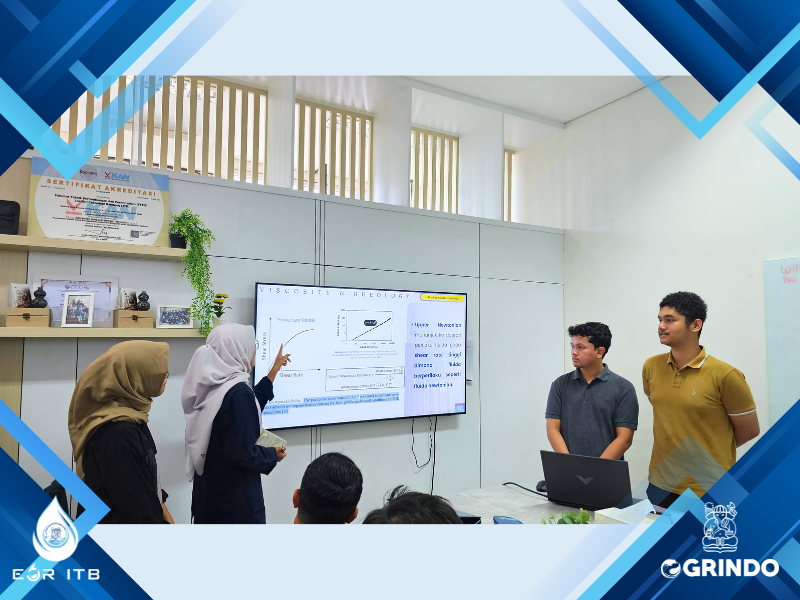
Figure 3. Viscosity analysis, shearsensitivity, and reservoir compatibility as key parameters in the design of polymer flooding.

Through the final presentation session, participants presented the results of their analysis, conceptual understanding, and the applicative implications of the studies conducted. This presentation demonstrated their ability to integrate theory, laboratory practice, and field implementation relevance.
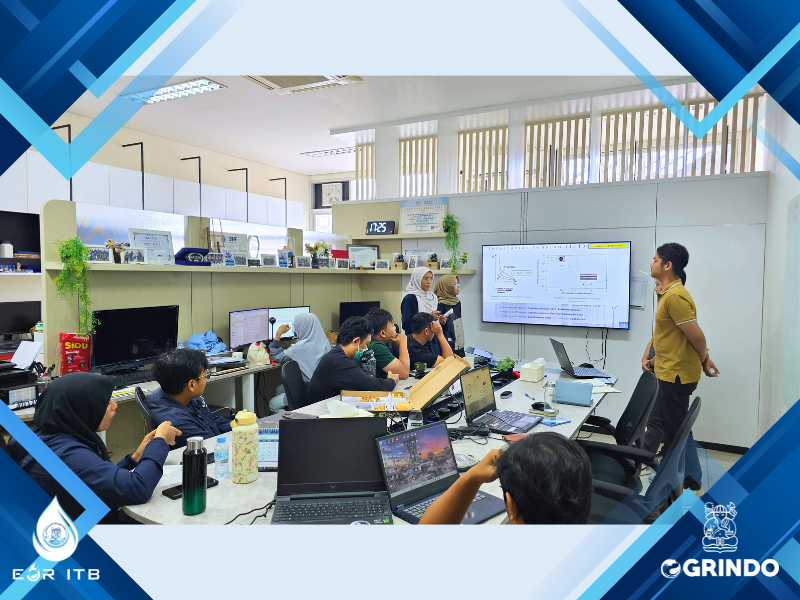
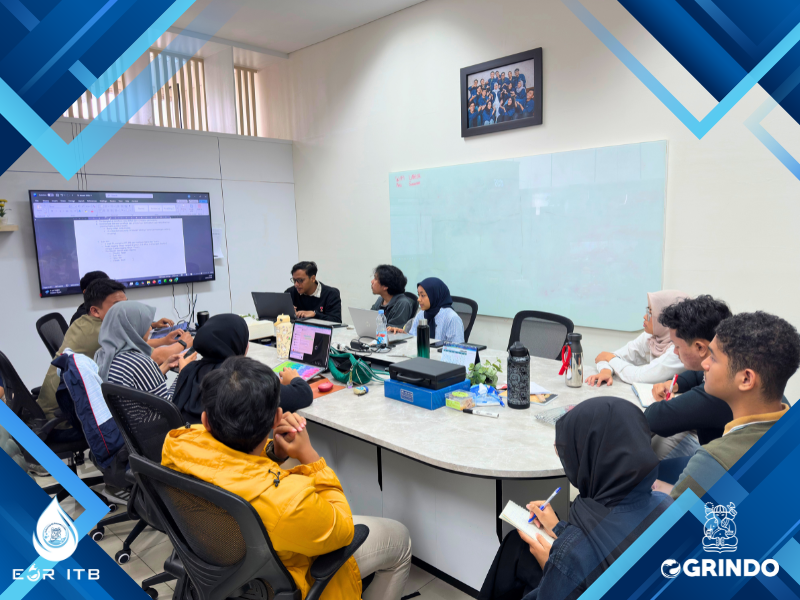
Figure 4. An active discussion session between participants, researchers, and supervisors in examining the practical challenges of Chemical EOR implementation.

Strengthening EOR Talent Competencies and Academic–Industry Integration

The Final Presentation activity demonstrated how collaboration between research institutions and academic programs can produce talent ready to enter both research and the petroleum industry. The hybrid learning scheme provided flexibility while ensuring in-depth technical understanding aligned with current energy industry needs.
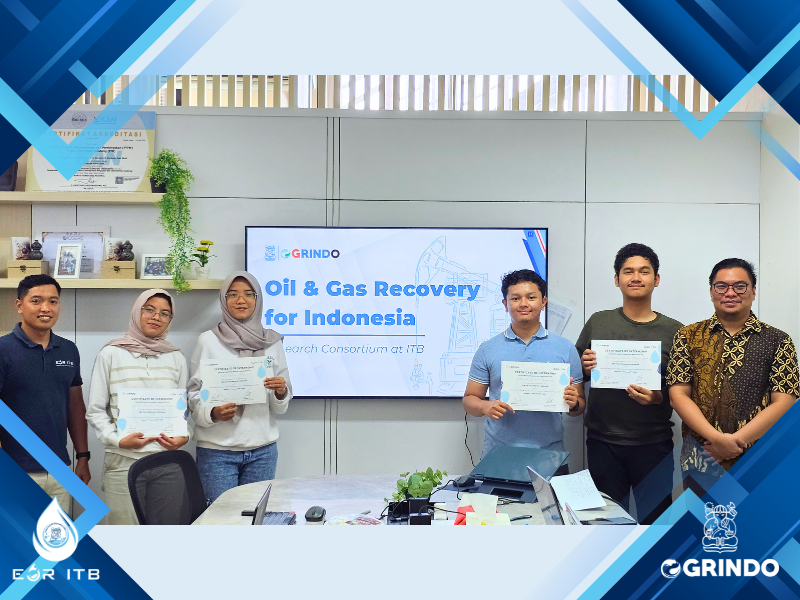
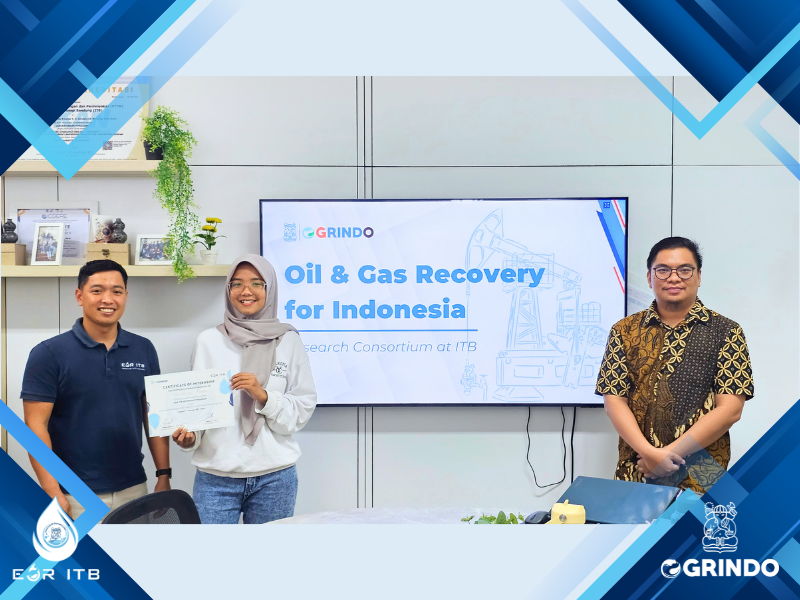
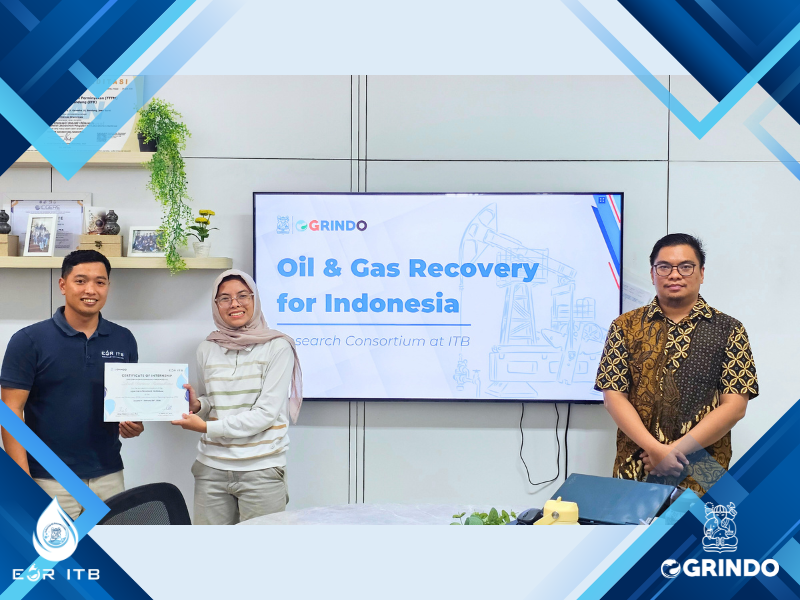
Figure 5. Appreciation for the dedication, analytical rigor, and technical contributions of participants throughout the Chemical EOR competency strengthening program.

The active participation of the interns during the presentation session reflected their ability to translate fundamental scientific principles and advanced engineering concepts into applicable technical solutions within the context of Chemical EOR. Their in-depth understanding of surfactant mechanisms, polymer characteristics for mobility control, and ASP system integration demonstrated their readiness to comprehend the complexity of modern reservoir challenges.

This program not only focused on theoretical mastery, but also emphasized practical relevance to real industry challenges, particularly in efforts to enhance production in maturereservoirs. This initiative further strengthens a collaborative learning ecosystem that bridges academia with the professional competency needs of the energy sector.

Through this program, Lab EOR ITB together with OGRINDO ITB reaffirmed their role as a center for capacity building and talent strengthening in the field of Chemical EOR, ready to contribute to the oil and gas industry and the national energy sector.
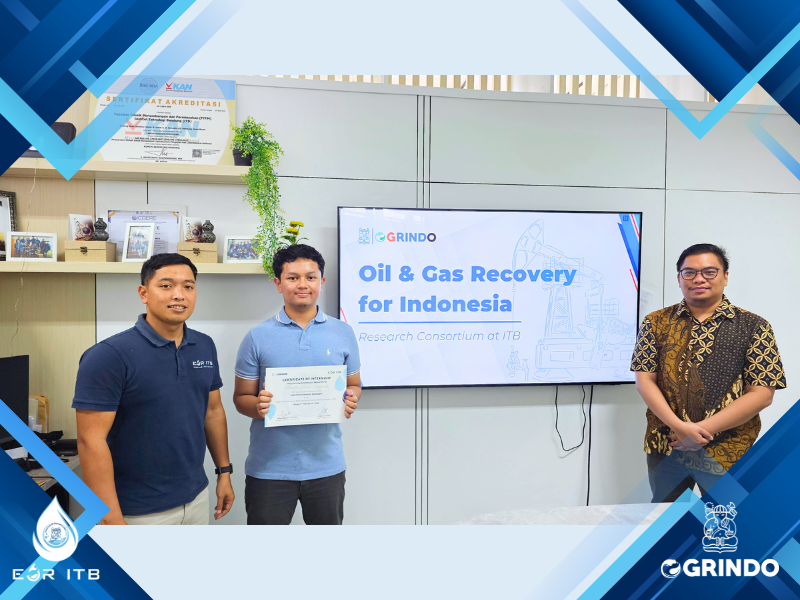
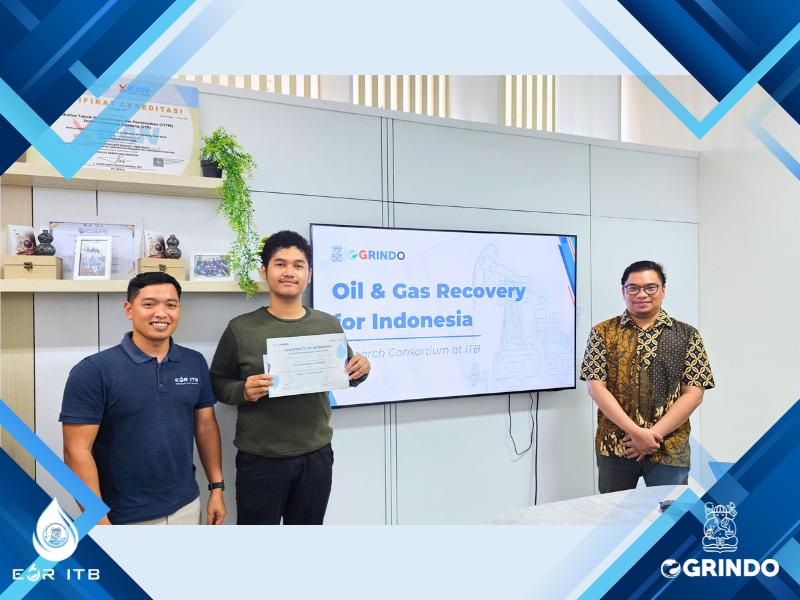
Interested in Collaborating or Joining the Next Program?

The Lab EOR ITB Internship Program is part of a continuous commitment to competency development and the strengthening of a science-driven and industry-oriented energy research ecosystem.

For further information regarding:

  • The next internship program
  • Chemical EOR research collaboration
  • Laboratory testing and evaluation
  • Training and capacity development programs

Please contact:

📧Laboratorium EOR ITB: labifteoritb@gmail.com

📧OGRINDO ITB: info@ogrindoitb.com

We are open to academic collaboration, industry research partnerships, and talent development initiatives in the field of subsurface and technology of Enhanced Oil Recovery.
Categories
News Article

EOR Laboratory ITB Internship Program

As part of its ongoing commitment to human resource development and the strengthening of the energy research ecosystem, the Enhanced Oil Recovery (EOR) Laboratory of ITB officially launched the Lab EOR ITB Internship Program for the first time. This internship program is designed as an integrated learning platform that bridges the academic world with real-world practices in a professional research laboratory.

This program is attended by four selected students from the Petroleum Engineering Study Program of UPN Veteran Yogyakarta, who successfully passed a competitive selection process. The implementation of this program is expected to serve as a strategic initial step in developing future energy researchers and practitioners who are competent, adaptive, and possess strong integrity.

Figure 1. Opening session of the Lab EOR ITB Internship Program , which began with participant introductions, program briefing, and the explanation of laboratory rules and regulations.

Background and Objectives of the Program

The energy industry, particularly the upstream oil and gas sector and Enhanced Oil Recovery technology, requires human resources who are not only strong in theoretical knowledge but also skilled in practical applications. Recognizing this need, Lab EOR ITB presents this internship program with several main objectives, including:

  1. Equipping students with real work experience and testing activities in the EOR laboratory,
  2. Providing opportunities to be directly involved in research- and experiment-based hands-on projects berbasis riset dan eksperimen,
  3. Training and developing students’ soft skills such as communication, teamwork, problem solvingand professional ethics,
  4. Strengthening fundamental concepts in petroleum engineering and Chemical EOR through an applicative approach.

Through this program, students not only learn how it works, but also why it matters in the context of research and industry.

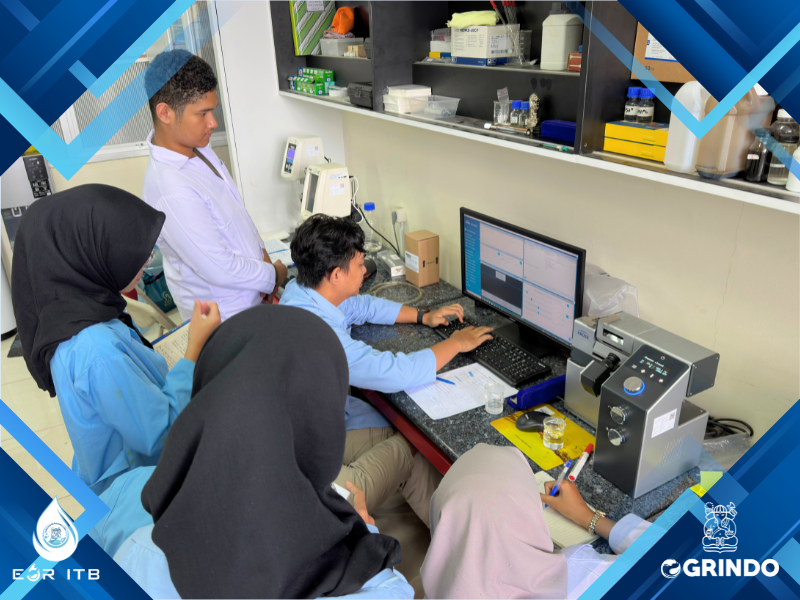
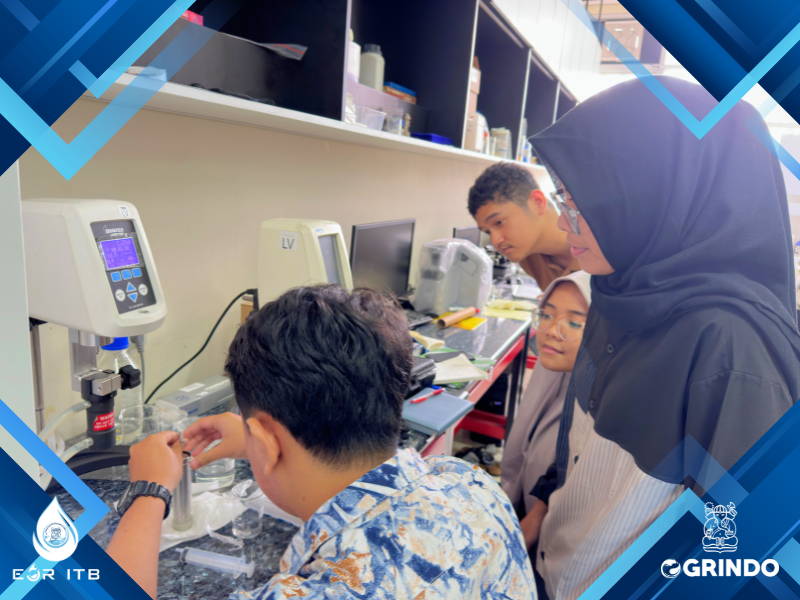
Figure 2. Lab EOR ITB Internship participants observing laboratory instrument operations and learning directly through hands-on practice at the workbench.

Part of Community Service and Social Contribution

More than just an academic program, the Lab EOR ITB Internship Program represents a tangible form of Lab EOR ITB’s concern for the community. This program is part of the Community Serviceinitiative, in which the laboratory not only focuses on research projects and industry collaboration, but also on community service through education and the development of young talents.

In this context, Lab EOR ITB opens access to inclusive, structured, and high-quality learning for students as a concrete contribution to strengthening the national research ecosystem.

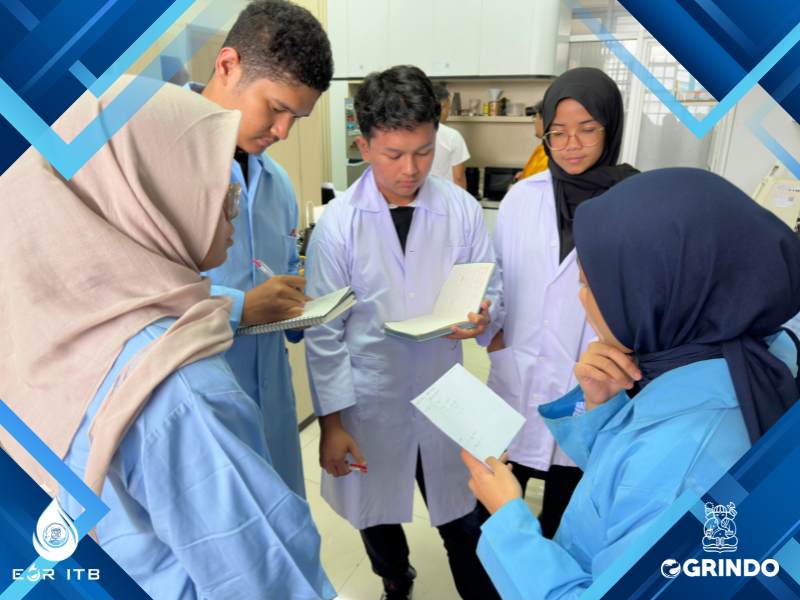
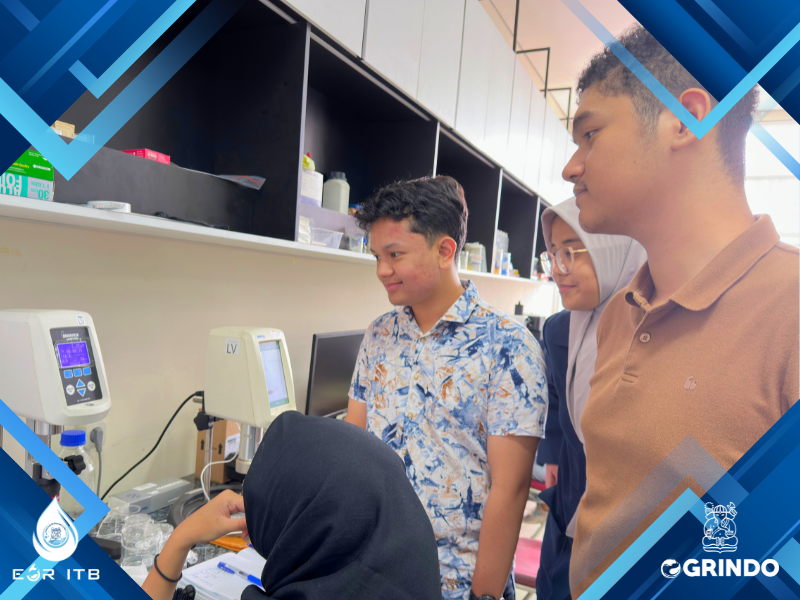
Figure 3. Lab EOR ITB Internship participants attentively listening to and taking notes during explanations of laboratory research activities.

Competitive and Transparent Selection Process

The enthusiasm for this program is reflected in the high number of applicants. In this inaugural batch: batch perdana ini:

  • 80 Petroleum Engineering students registered at the initial stage,
  • Through administrative selection, the applicants were narrowed down to 10 top students,
  • The final stage was conducted through a Focus Group Discussion (FGD) process to assess critical thinking skills, communication abilities, and readiness to collaborate.

All participants in this inaugural program came from Universitas Pembangunan Nasional (UPN) Veteran Yogyakarta. From the entire selection process, four students were ultimately selected as those most aligned with the objectives and needs of the program.

This selection process was designed to ensure that participants are not only academically excellent, but also possess strong motivation, work ethics, and growth potential.

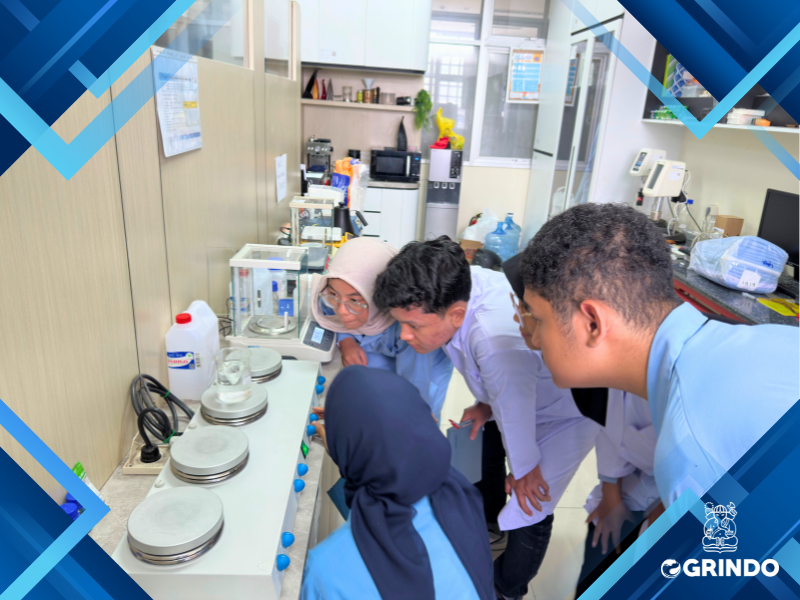
Figure 4. Lab EOR ITB Internship participants directly observing the use of laboratory equipment and samples.

Collaboration and Contributions with OGRINDO ITB

Although this program was initiated by Lab EOR ITB, the implementation of the internship is also supported by contributions from a broader research ecosystem, including OGRINDO ITB. This program reflects the synergy between academic laboratories and applied research groups in supporting student capacity development.

This contribution aligns with OGRINDO ITB’s vision of promoting impactful research, strengthening human resource competencies, and ensuring the sustainable development of energy technologies in Indonesia.

Expectations and Long-Term Impact

Through the Lab EOR ITB Internship Program, it is expected that participants will gain valuable experiences that serve as important provisions for their academic and professional journeys. On the other hand, this program is also expected to become a foundation for the implementation of sustainable and increasingly inclusive internship programs in the future.

Going forward, Lab EOR ITB opens opportunities to accept students from various universities across Indonesia, in order to expand the program’s impact and strengthen national academic collaboration networks. This initiative aligns with the spirit of community service and the development of young talents in the energy sector.

Lab EOR ITB believes that the best investment for the future of energy lies in human development. This Internship Program marks the first step in that long journey.

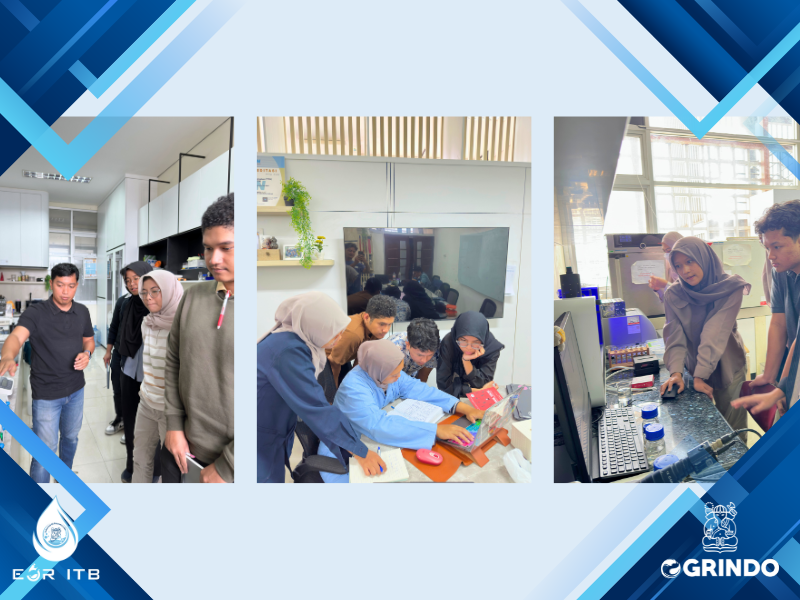
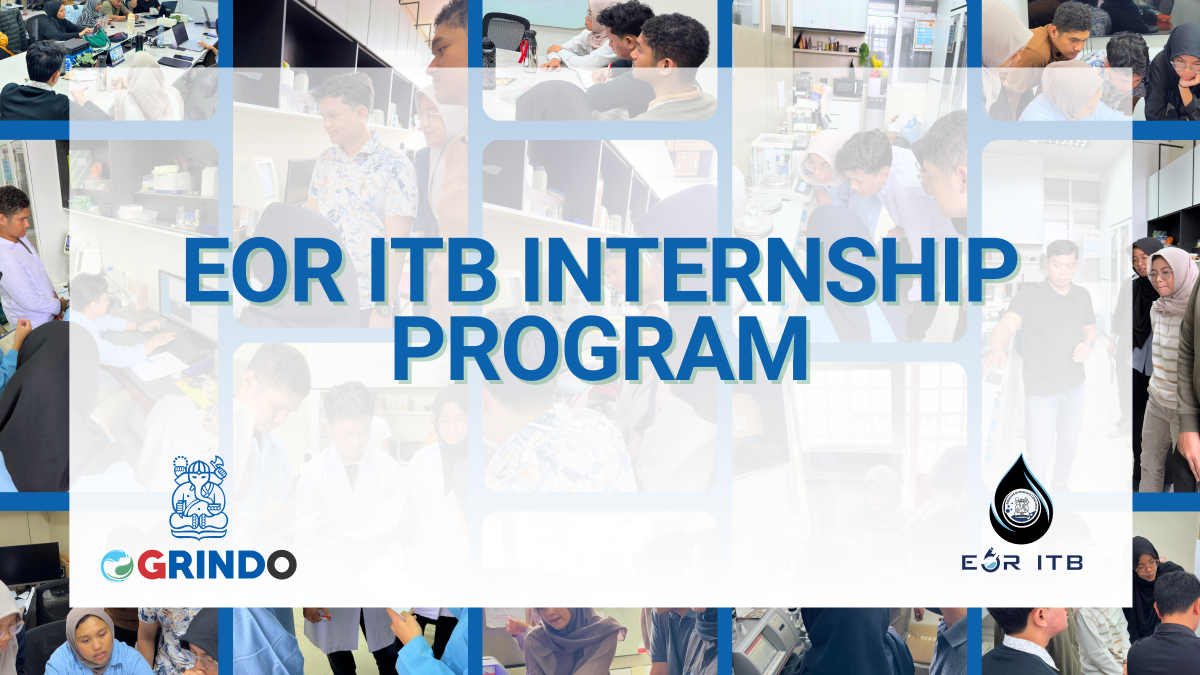
Figure 6. A vibrant laboratory atmosphere—EOR ITB internship students engaging in discussions, conducting experiments, and learning together throughout the internship program.

Information and Collaboration Opportunities

Lab EOR ITB invites students, academics, and industry partners to stay engaged with the development of the Lab EOR ITB Internship Program and various other research initiatives. For educational institutions or organizations interested in collaboration, opening internship opportunities, or exploring research and community service partnerships, we are open to further discussion.


For more information, please contact:
📧 OGRINDO ITB: info@ogrindoitb.com
📧 Lab EOR ITB: labifteoritb@gmail.com
Let us work together to contribute to the development of young talents and the advancement of national energy research