Categories
News Article

Ivan Kurnia, S.T., M.Sc., Ph.D.: Strengthening Chemical EOR Research and Energy Transition at OGRINDO ITB

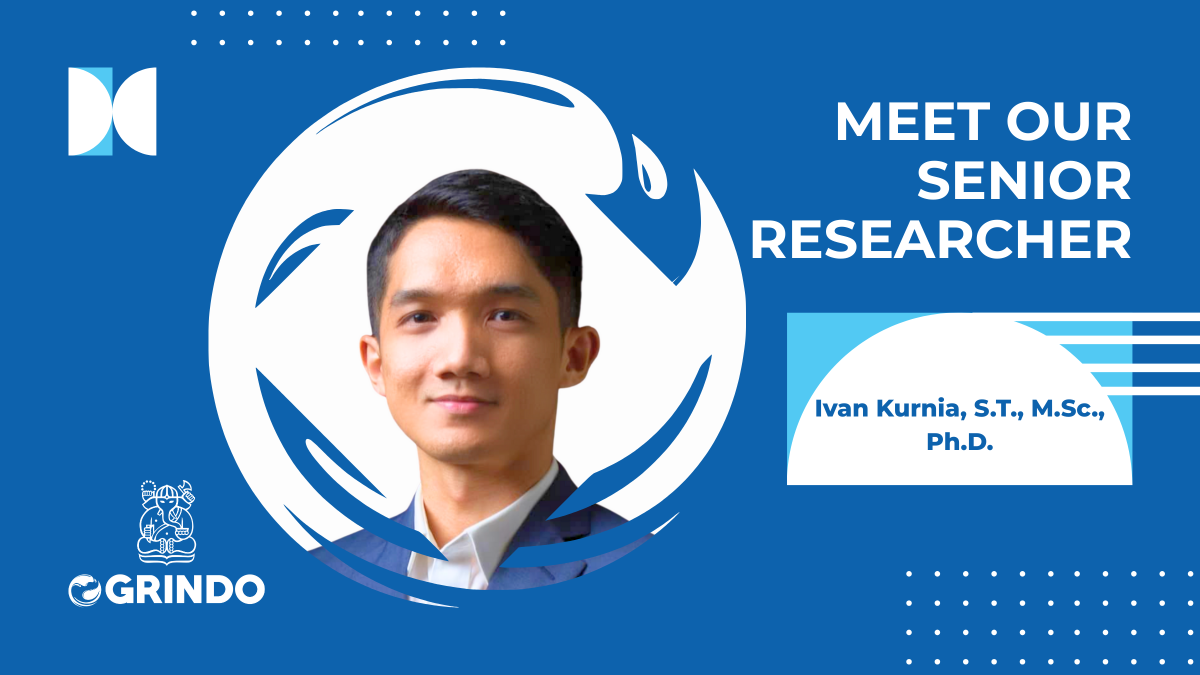
With more than 15 years of experience in petroleum engineering, Ivan Kurnia, S.T., M.Sc., Ph.D. is a Senior Researcher at OGRINDO ITB with a strong track record in Chemical Enhanced Oil Recovery (EOR) research, matureoil field revitalization, and Carbon Capture, Utilization, and Storage (CCUS). He has produced numerous scientific publications in reputable international journals and has been actively involved in research projects and industry collaborations at both national and international levels.

Figure 1. Ivan Kurnia, S.T., M.Sc., Ph.D. as Senior Researcher at OGRINDO ITB.

Educational Background

Dr. Ivan Kurnia pursued formal education in Petroleum Engineering through a strong and well-structured academic pathway. He earned his Bachelor of Engineering (S.T.) degree from Institut Teknologi Bandung (ITB), and subsequently completed his Master of Science (M.Sc.) and Doctor of Philosophy (Ph.D.) degrees at the New Mexico Institute of Mining and Technology, United States—an institution well known for its excellence in reservoir research and enhanced oil recovery.

As recognition of his professional competence, Dr. Ivan has also completed the Professional Engineer Program in Petroleum Engineering at ITB, further strengthening his role as both an academic and a practitioner.

Research Expertise and Scientific Contributions

Currently, Dr. Ivan is actively engaged as a lecturer and researcher at Institut Teknologi Bandung, while also serving in a strategic role as Senior Researcher at OGRINDO ITB. His areas of expertise include:

  • Chemical Enhanced Oil Recovery (EOR), including surfactant formulation, interfacial tension (IFT) measurement, phase behavioranalysis, and coreflood
  • Revitalization of oil field mature
  • Carbon Capture, Utilization, and Storage (CCUS)
  • Reservoir modeling and simulation

Dr. Ivan’s research contributions have been published in various reputable international journals and global scientific forums, covering topics such as surfactant–nanoparticle synergy for EOR, salinity design in alkali-surfactant-polymer (ASP) flooding, and insights from surfactant–polymer and alkali–surfactant–polymer coreflood experiments. These publications serve as an important scientific foundation for the development of data-driven and practical EOR technologies.

Project Experience and Industry Collaboration

In addition to his academic activities, Dr. Ivan has extensive experience in applied projects and industrial services. He has been involved in various studies related to chemical EOR, CCUS, gas injection, and reservoir modeling, and has worked within multidisciplinary teams involving academics, oil and gas operators, and other stakeholders.
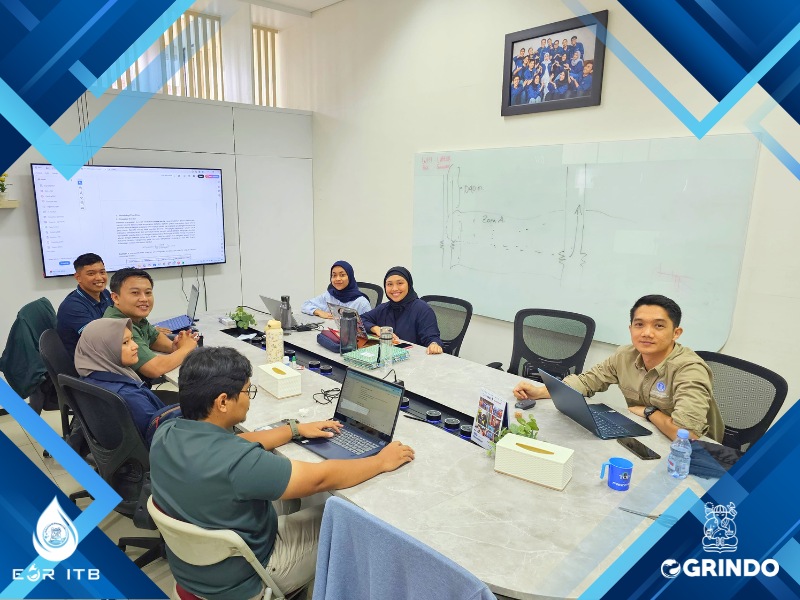
Figure 2. Dr. Ivan with the team during research discussions and coordination of industrial projects.

He also serves as the person in charge and manager of strategic laboratory equipment, such as gasflood systems and slim tube apparatus, which support experimental research activities and feasibility studies of EOR technologies at OGRINDO ITB. Through an approach that integrates fundamental research with field requirements, Dr. Ivan contributes to delivering innovative yet realistic technical recommendations that can be implemented by the industry.

Beyond his role in research and industry collaboration, Dr. Ivan Kurnia is also entrusted with an organizational role as Deputy Coordinator for Internal Audit. In this capacity, he contributes to strengthening governance, transparency, and accountability in the implementation of research activities and professional services, thereby supporting institutional sustainability and credibility.
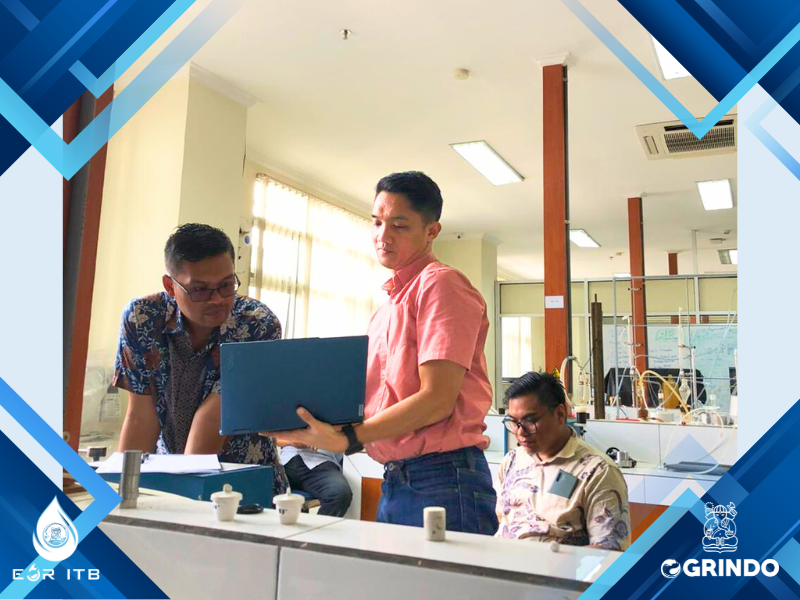
Figure 3. Dr. Ivan conducting an internal audit at the Department of Petroleum Engineering.

Leadership Role and Global Contribution

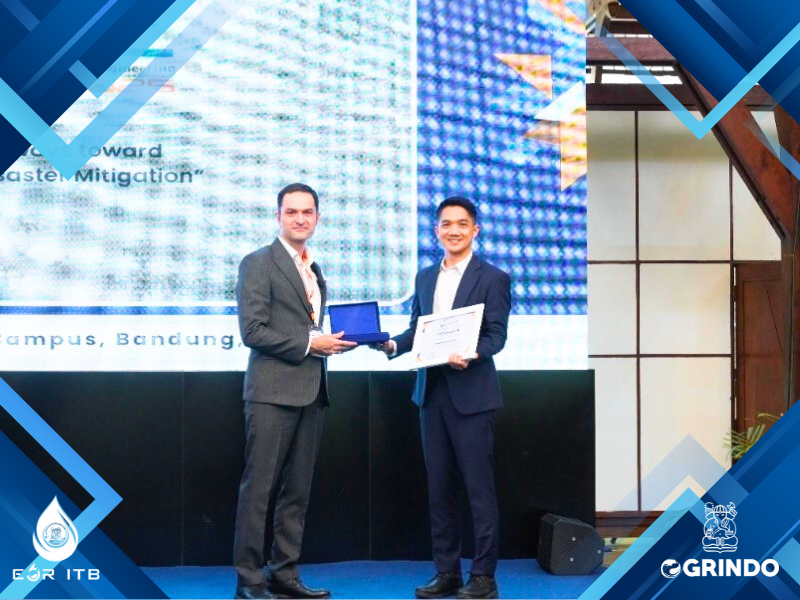
Dr. Ivan’s commitment to the development of the energy community is reflected not only in his research activities but also in his leadership at the international level. In September 2025, he was appointed as the Chair of the Organizing Committee of the International Conference on Green Energy and Resources Engineering (ICGERE).

The conference serves as a strategic platform that brings together academics, industry practitioners, and policymakers from various countries to discuss technological innovation, resource management, and the future of sustainable energy. This role underscores Dr. Ivan’s capacity as a bridge between research, industry, and global energy policy.
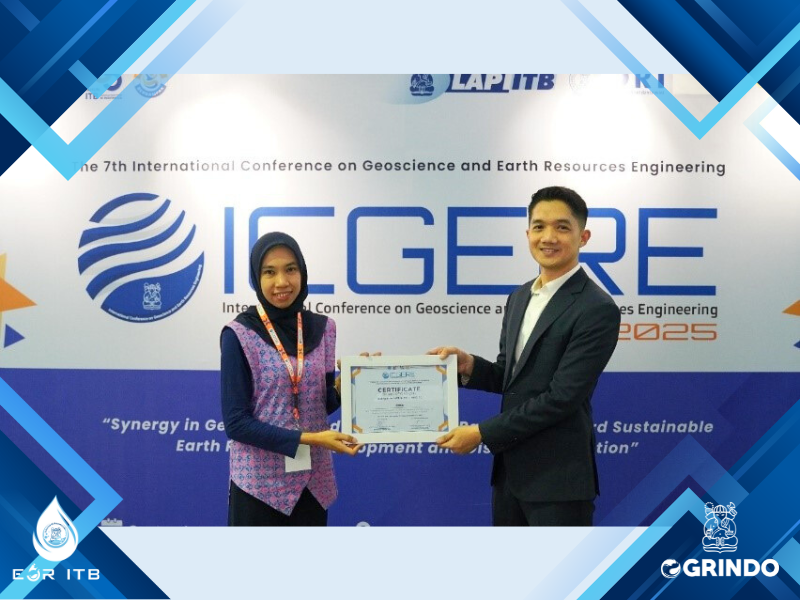
Strengthening OGRINDO ITB’s Role in Research and Energy Transition

With a combination of international education, more than 15 years of experience, reputable scientific publications, active involvement in industrial projects, and professional leadership, Ivan Kurnia, S.T., M.Sc., Ph.D. stands as one of the key pillars in strengthening OGRINDO ITB’s research capacity and professional services.

Through a collaborative and science-based approach, OGRINDO ITB is ready to serve as a strategic partner for industry, government, and academic institutions in the development of EOR technologies, mature reservoir management, and energy transition initiatives. mature, serta inisiatif transisi energi.

đŸ“© Interested in collaborating with OGRINDO ITB?

Please contact us via email at info@ogrindoitb.com or visit www.ogrindoitb.com for more information.
Categories
News Article

Training Surfactant Screening for EOR: Transforming Research Outcomes into Practical EOR Strategies

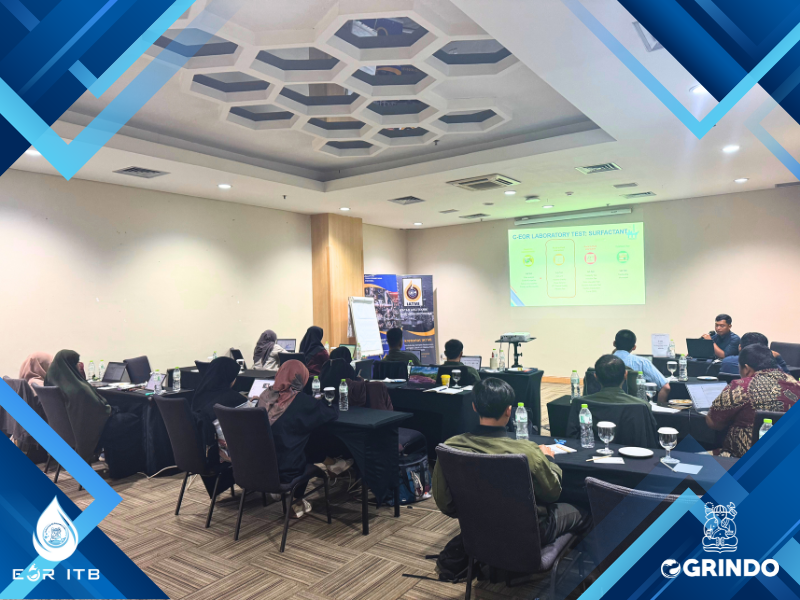
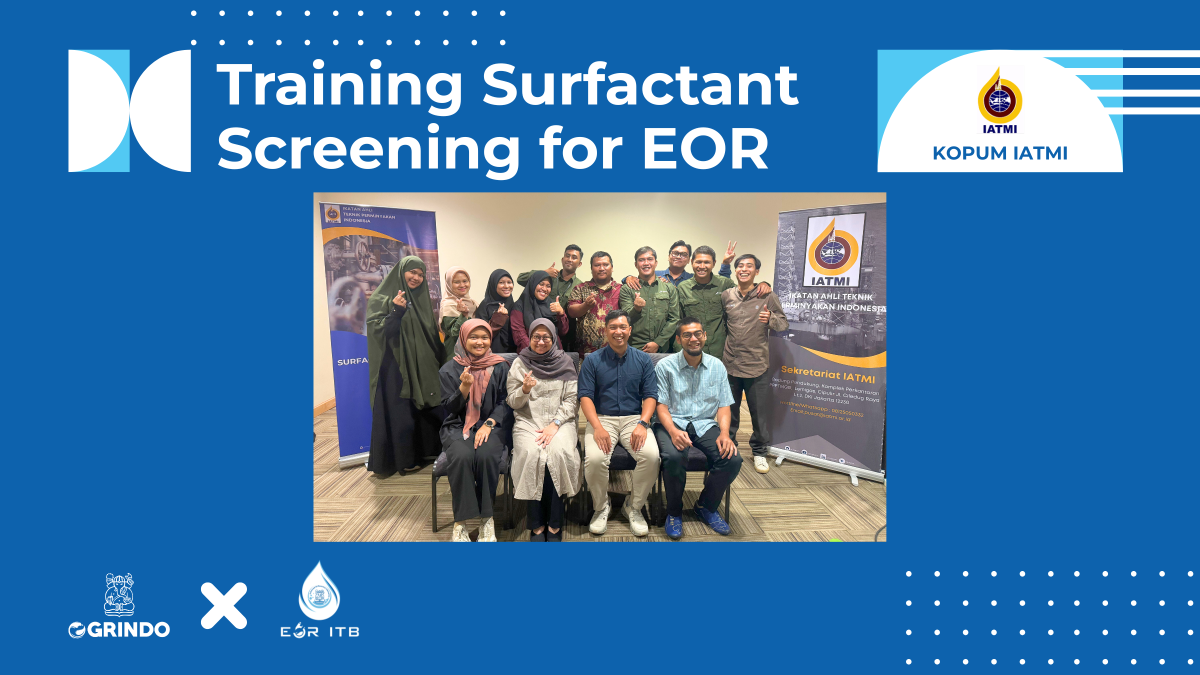
Efforts to increase national oil and gas production amid the decline of existing field production require the application of Enhanced Oil Recovery (EOR) technology that is increasingly mature, measurable, and research-based. In response to this challenge, the Training Surfactant Screening for Enhanced Oil Recovery (EOR) was conducted on Tuesday, 9 December 2025, at Best Western Premier The Hive, Cawang, DKI Jakarta.

This training featured Ir. Mahruri, S.T., M.Sc., Project Manager of the EOR Laboratory ITB as well as a Researcher at OGRINDO ITB, as the main speaker. The activity was organized by KOPUM IATMI (Koperasi Jasa Usaha Mandiri Ikatan Ahli Teknik Perminyakan Indonesia) and was attended by professionals from Pertamina RTI.

This training served as a strategic momentum to enhance technical capacity and strengthen the competencies of petroleum professionals, particularly in supporting the development and optimization of EOR technology implementation across various oil and gas working areas in Indonesia.

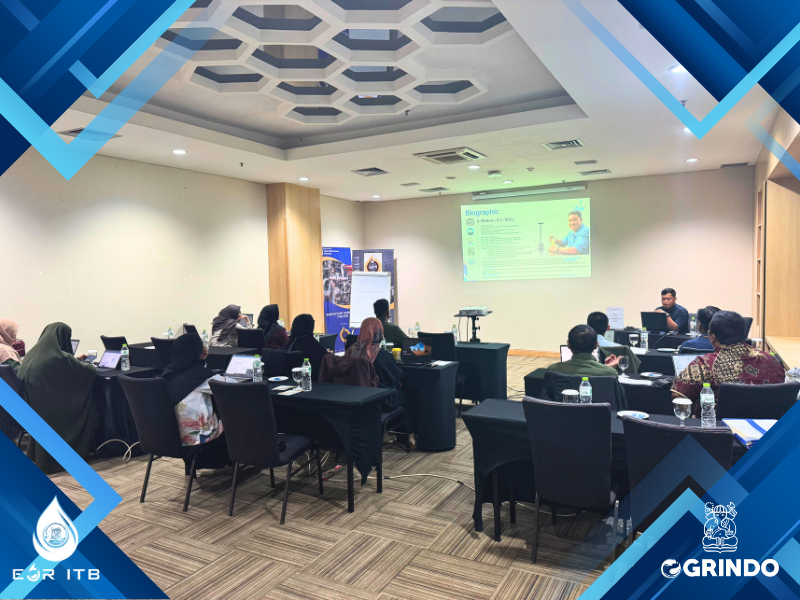
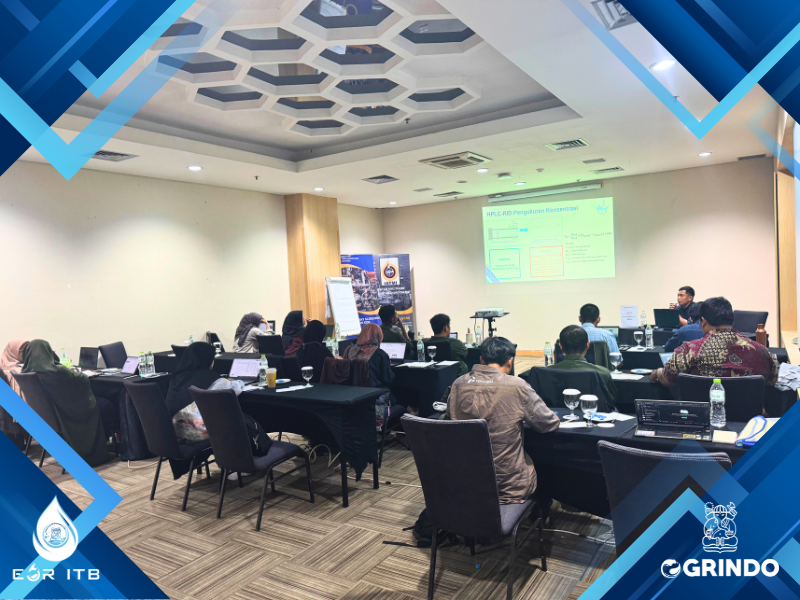
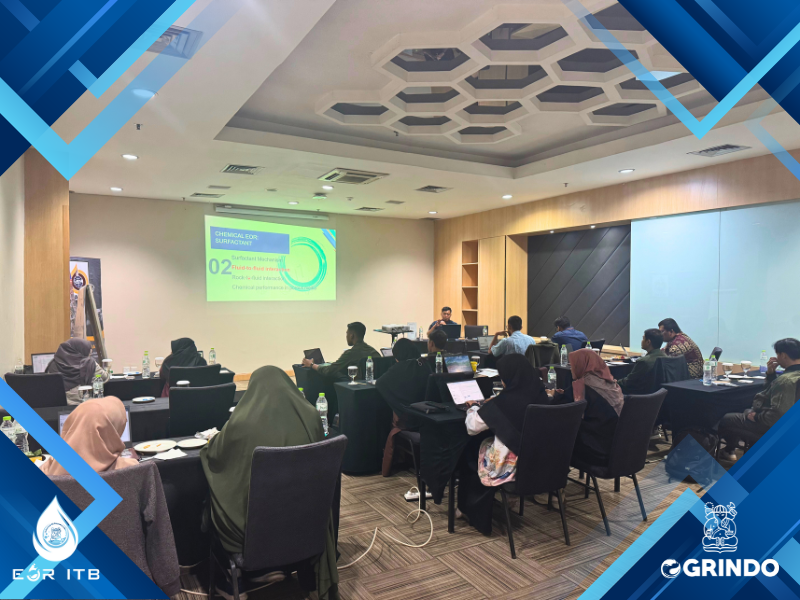
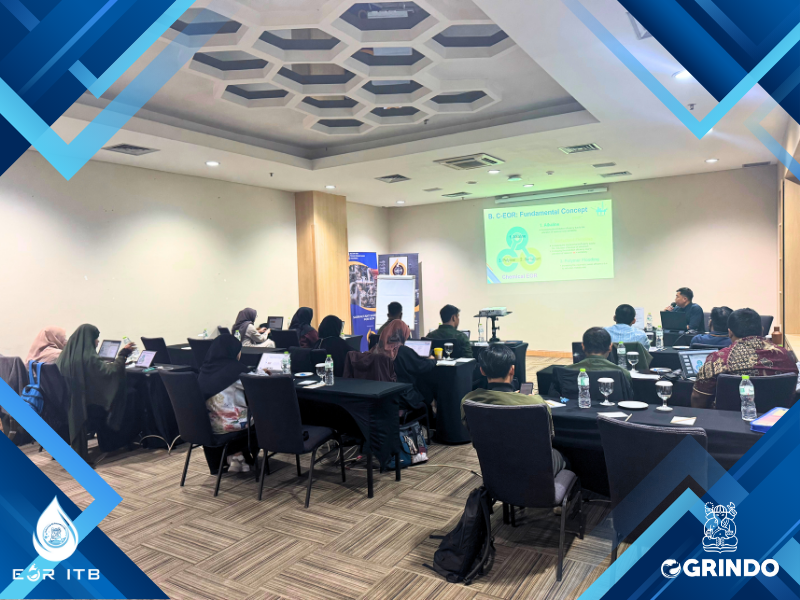
Figure 1. Ir. Mahruri, S.T., M.Sc. delivering fundamental concepts of Chemical Enhanced Oil Recovery (C-EOR).

Urgency of EOR Implementation in Indonesian Oil and Gas Fields

In the opening session, Ir. Mahruri presented a comprehensive overview of the stages of oil production—ranging from primary recovery, secondary recovery, to Enhanced Oil Recovery. It was conveyed that although waterflood and gas flood methods have been widely implemented, a significant portion of oil remains trapped in the reservoir due to limitations of conventional displacement mechanisms.

In this context, EOR emerges as a strategic solution to:

  • Drain residual oil that is microscopically trapped,
  • Increase recovery factor,
  • Extend the productive life of existing oil and gas fields.

Globally, the contribution of EOR to world oil production continues to increase, particularly in countries with maturefields. Indonesia has significant potential to optimize EOR, especially Chemical EOR, in both sandstone and carbonate reservoirs.

Chemical EOR and the Strategic Role of Surfactants

The main focus of this training was Chemical EOR, with an emphasis on surfactant flooding. Fundamentally, Chemical EOR aims to modify the physicochemical properties of reservoir fluids and rocks through the injection of chemical agents such as alkali, surfactants, and polymers.

Ir. Mahruri explained that surfactants play a crucial role in:

  • Reducing the interfacial tension (IFT) between oil and water to achieve ultra-low IFT conditions,
  • Forming microemulsions capable of mobilizing residual oil,
  • Altering rock wettability (wettability alteration),
  • Improving displacement efficiency and imbibition processes.

The success of surfactant flooding is highly dependent on a comprehensive screening and laboratory evaluation process to ensure that the applied surfactants are truly compatible with reservoir characteristics.

Surfactant Screening: From Concept to Laboratory Evaluation

One of the main strengths of this training was the in-depth discussion of the laboratory-based surfactant screening workflow, covering fluid–fluid and rock–fluidinteractions, as well as chemical performance in porous media.
Several key tests discussed included:

  1. CMC–IFT Test
    Determines the optimum surfactant concentration to achieve the lowest IFT value. An effective surfactant is expected to reach ultra-low IFT (<10⁻ÂČ mN/m) at an economically feasible concentration.
  2. Aqueous Stability Test
    Evaluates surfactant stability and compatibility in injection brine and native brine reservoir to avoid the risk of precipitation and plugging.
  3. Phase Behavior Test
    Assesses microemulsion formation (Winsor Type III) as the main indicator of surfactant effectiveness in mobilizing residual oil.
  4. Thermal Stability & Filtration Test
    Ensures surfactant stability at reservoir temperature and minimizes potential injectivity issues during the injection process.
  5. Wettability, Adsorption, and Imbibition Test
    Evaluates the ability of surfactants to alter rock wettability and minimize surfactant loss due to adsorption.
  6. Coreflooding and Micromodel
    Advanced stages to dynamically simulate surfactant performance in porous media while visualizing displacement mechanisms in two dimensions. displacement secara dua dimensi.

This series of tests emphasizes that Chemical EOR is not merely a chemical injection process, but an integrated scientific approach that must be supported by strong and representative laboratory data.

Bridging Research and Field Implementation

Through this training, participants gained not only conceptual understanding but also practical insights into how research outcomes and laboratory test results can be translated into EOR strategies ready for field implementation.

The discussion also addressed common challenges in Chemical EOR implementation, including:

  • Polymer adsorption and degradation,
  • Surfactant sensitivity to salinity and temperature,
  • Risks of plugging, scaling, and corrosion,
  • Economic considerations and surface facility readiness.

Various case studies and lesson learned from EOR implementations both domestically and internationally enriched participants’ perspectives on the complexity as well as the opportunities of this technology.

Opening Opportunities for Strategic Collaboration

Through this activity, OGRINDO ITB and the EOR Laboratory ITB reaffirmed their commitment to supporting the development of EOR technology based on research, laboratory testing, and close collaboration with industry.

Opportunities for collaboration are open for:

  • Research and development of Chemical EOR,
  • Surfactant screening and laboratory evaluation,
  • EOR feasibility studies,
  • Technical training and consultancy,
  • Industry–academia collaborative projects.
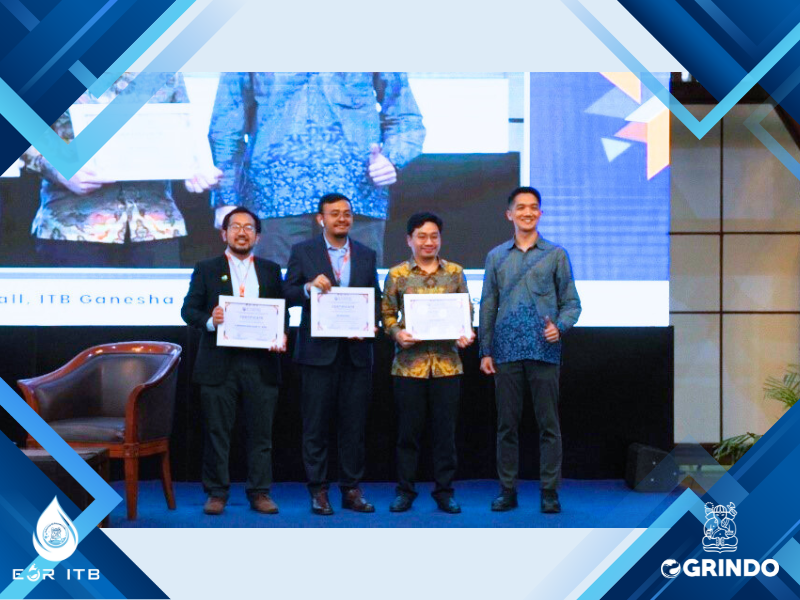
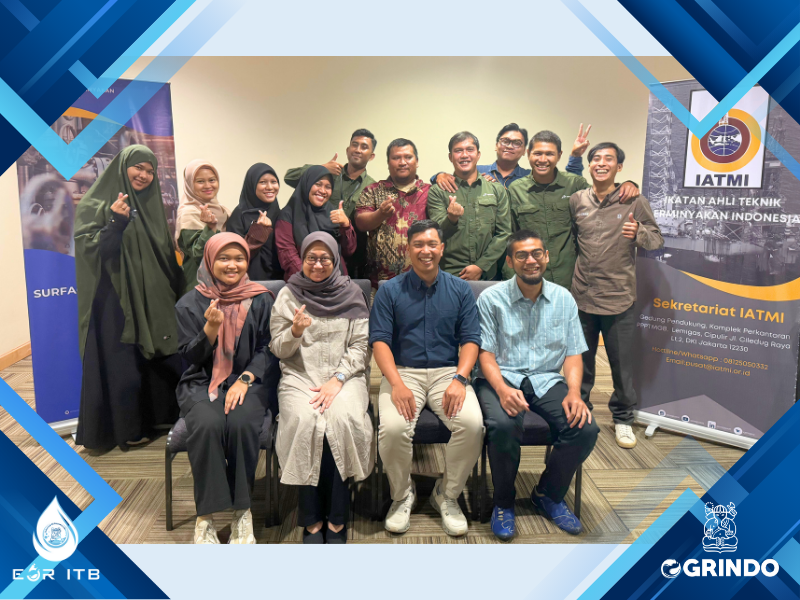
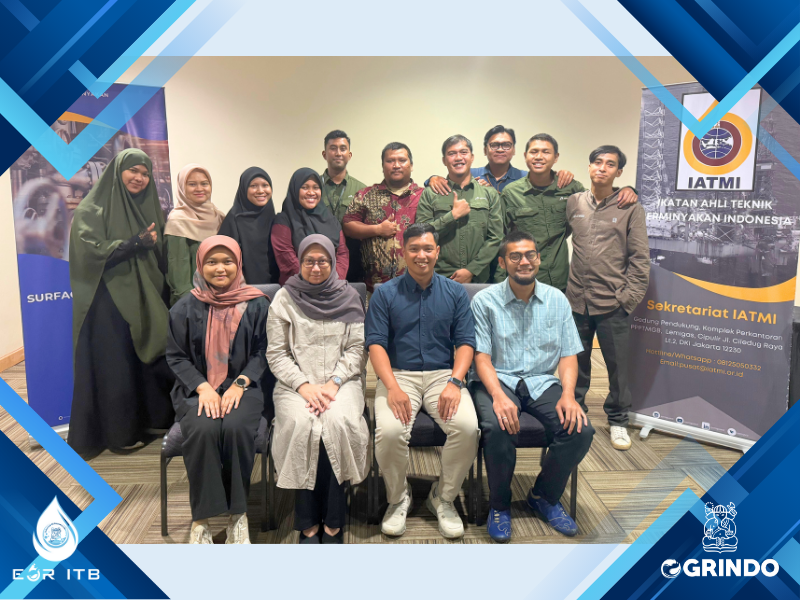
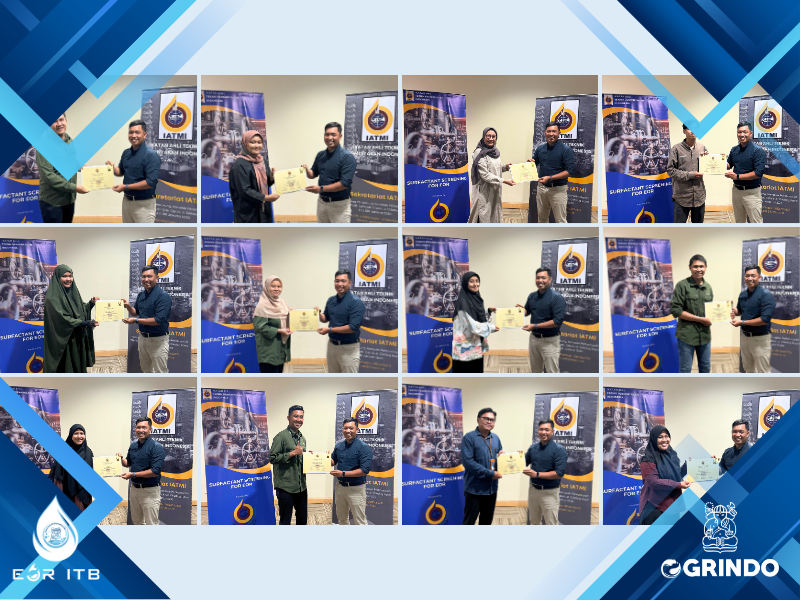
Figure 4. Certificate handover to participants of the Training Surfactant Screening for Enhanced Oil Recovery (EOR) as a form of technical competency strengthening.

đŸ“© Collaboration contacts:

OGRINDO ITB: info@ogrindoitb.com
EOR Laboratory ITB: labifteoritb@gmail.com

This training serves as a tangible example of how synergy between research, laboratories, and industry can accelerate the adoption of practical, effective, and sustainable EOR technologies to support national energy security.

Categories
News Article

Optimization of Enhanced Oil Recovery Using Low Salinity Water and TiO₂ Nanofluid in Sandstone Reservoirs

The application of Enhanced Oil Recovery (EOR) technology continues to be a strategic focus in efforts to increase national oil production, especially in reservoirs that have entered the late stage of their productive life. One EOR method that is currently gaining attention is the use of Low Salinity Water (LSW) as an injection fluid. Several studies have shown that low-salinity brine is able to mobilize residual oil more effectively compared to brine with high salinity.

Recent research indicates that the effectiveness of LSW can be further enhanced through the addition of titanium dioxide (TiO₂) nanoparticles. This study becomes important because experimental data regarding the compatibility and synergistic mechanisms of both in the crude oil–brine–rock (COBR) system are still limited.

Figure 1. Illustration of crude oil–brine–rock (COBR) interaction in the LSW–TiO₂ study.

Why Does Low Salinity Water Become More Effective with TiO₂ Nanoparticle?

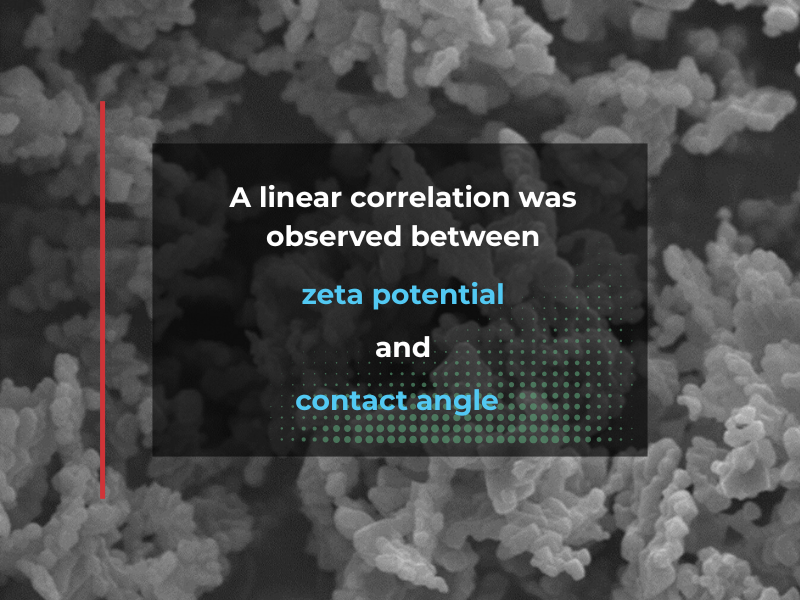
Recent laboratory studies investigated crude oil–brine–rock (COBR) interactions within a salinity range of 500–32,000 ppm and TiO₂ concentrations of 0–100 ppm using sample from Berea sandstone. The results show that the addition of TiO₂ into LSW induces significant physicochemical changes, particularly in pH, zeta potential, and contact angle parameters, which directly influence the mechanism of oil detachment from the rock surface.

This combination produces an effective LSW–TiO₂ nanofluid capable of altering the rock wettability toward a more water-wet (wettability alteration). In water-wetconditions, the rock surface is more easily wetted by water, allowing oil that was previously strongly attached to the pore surfaces to move and be produced more efficiently.

Figure 2. Changes in zeta potential (ZP) values at various TiO₂ concentrations and salinity levels.

Implications for EOR

Findings from this study show that the combination of LSW and TiO₂ nanoparticles has significant potential for optimizing the EOR process in sandstonereservoirs. Modifications of interfacial properties—particularly through changes in wettability—emerge as the main mechanism supporting enhanced oil mobilization.

This study also demonstrates that the tested TiO₂ concentrations provide consistent physicochemical responses, opening opportunities for designing more optimal injection fluids to maximize oil recovery.

In addition to offering a fundamental understanding of fluid–rock interactions under low-salinity conditions, the results of this research provide new direction for developing more effective LSW–TiO₂ nanofluid formulations for field applications. Further studies, such as coreflooding,, are planned as the next step to validate the implications of these findings on direct oil recovery improvement.

🔗 Access to the Published Paper

Interested in understanding the mechanisms, experimental data, and complete analysis in greater detail?
The paper can be accessed here.

đŸ€ Research and Industry Collaboration

OGRINDO ITB welcomes collaboration opportunities for further research and industrial partnerships in the fields of EOR, nanotechnology, and reservoir chemistry.
Contact us at: đŸ“© info@ogrindoitb.com

Categories
News Article

ITB Energy Transition Summit 2025: Driving the Acceleration of Indonesia’s Energy Transition Through Multi-Sector Collaboration

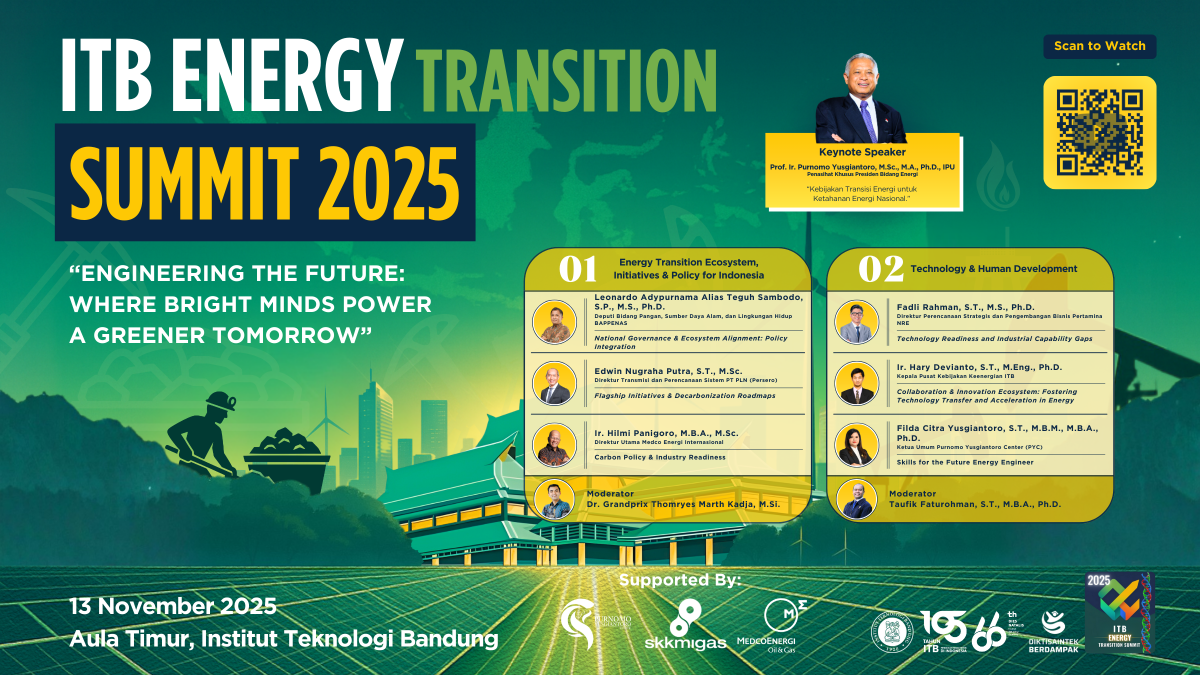
Bandung, 13 November 2025 — Several researchers from OGRINDO ITB participated in the ITB Energy Transition Summit 2025, an academic and stakeholder forum organized by Institut Teknologi Bandung and coordinated by the Research Group of Drilling, Production, and Oil and Gas Management (TPPMM) as a platform for scientific collaboration to accelerate the national energy transition. The event brought together government, the energy industry, research institutions, academics, and students to discuss policy direction, challenges, and strategic opportunities for Indonesia’s energy transition and energy security.

As a form of institutional contribution, this event was designed to strengthen ITB’s support toward the government’s efforts to accelerate the national energy transition process. The forum is expected to serve as a strategic dialogue space to generate policy recommendations, strengthen cross-sector synergy, andæŽšćŠš the implementation of strategies toward a cleaner, more modern, and more sustainable Indonesian energy system.

đŸŽ€ Opening and Keynote: Awakening Awareness, Sharpening the Direction of Change

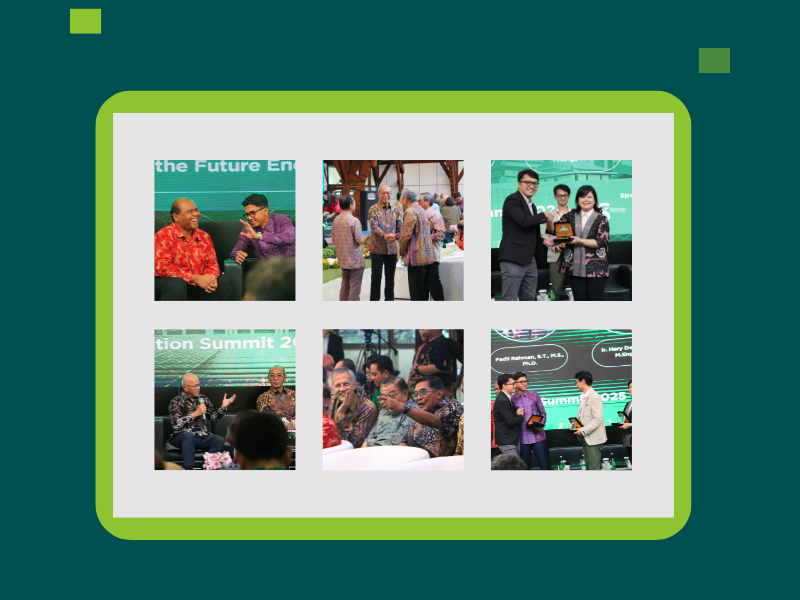
Figure 1. Opening of the ITB Energy Transition Summit 2025 by Prof. Syafrizal and keynote speech by Prof. Purnomo Yusgiantoro on the urgency of energy transition for national energy security.

The event began with remarks from Prof. Dr. Eng. Ir. Syafrizal, S.T., M.T., IPM, as Dean of FTTM ITB representing the Rector of ITB. In his opening speech, he emphasized the important role of universities in producing scientific foundations, strategic research, and technological innovations that can support the acceleration of the energy transition.

The atmosphere of the forum became more engaging when Prof. Ir. Purnomo Yusgiantoro, M.Sc., MA, Ph.D. delivered his keynote speech highlighting Indonesia’s strategic position in the global map of energy transition and energy security. He asserted that the energy transition is no longer a choice but an urgency and inevitability to ensure a sustainable future while strengthening national energy security.

In his presentation, Prof. Purnomo emphasized that Indonesia’s success depends not only on technological readiness, but also on the ability to build an integrated collaborative ecosystem — involving government, industry, research institutions, and the younger generation as drivers of innovation. This perspective aligns with Indonesia’s overarching energy transformation direction that requires cross-sector synergy, accelerated innovation, and long-term policy sustainability.

The transition to the panel session then deepened the discussion through technical and strategic analyses from policy, industry, and academic perspectives.

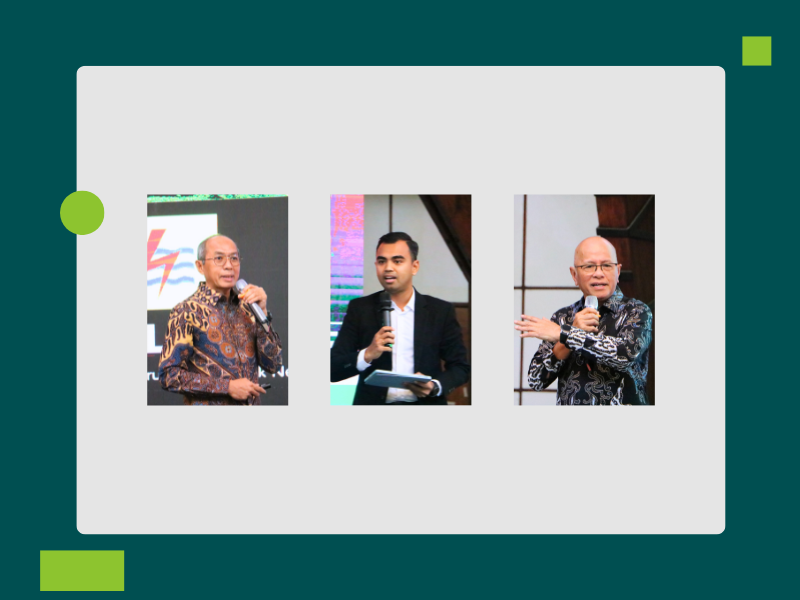
🧭 Panel Session 1: Aligning Policies, Ecosystems, and Energy Transition Initiatives

The first panel, titled “Energy Transition, Ecosystem, Initiative, Policies for Indonesia", was moderated by Dr. Ir. Grandprix Thomryes Marth Kadja, M.Si., lecturer and researcher at ITB.

Speakers in Panel Discussion 1:
Togu Santoso Pardede, S.T., MIDS, Ph.D. – Bappenas
2. Edwin Nugraha Putra, S.T., M.Sc. – PT PLN (Persero)
3. Ir. Hilmi Panigoro, M.B.A., M.Sc. – Medco Energi Internasional

The first session discussion illustrated how policies, industry, and infrastructure must move harmoniously in shaping the national energy transition ecosystem. The speakers emphasized that transformation cannot stand alone — policies must align with industry readiness, while industry actors require regulatory certainty and a consistent roadmap to guide investment and technological development.

This panel highlighted the crucial role of government in providing long-term vision and solid policy foundations, while industry ensures that innovation, funding, and field implementation can follow the transformation direction. With this integrated approach, the energy transition is expected not only to remain a discourse, but to materialize into concrete actions across every level of the national energy system.

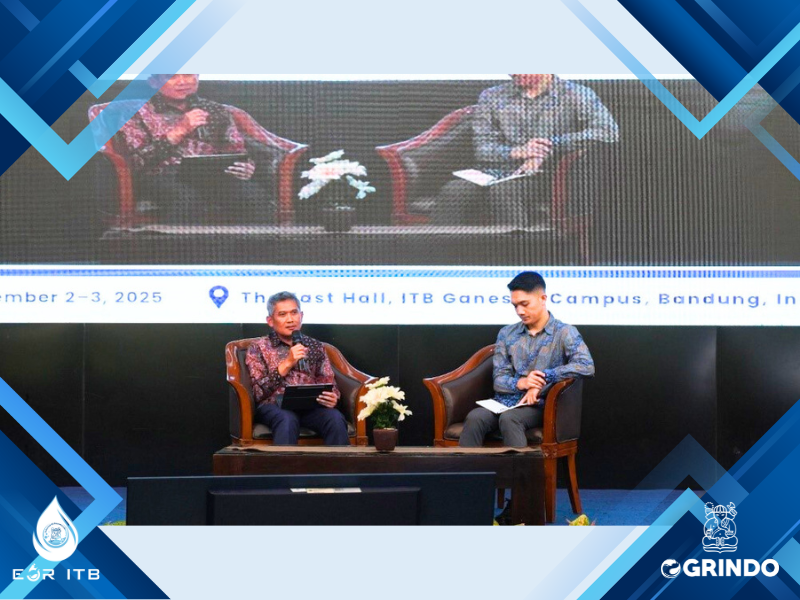
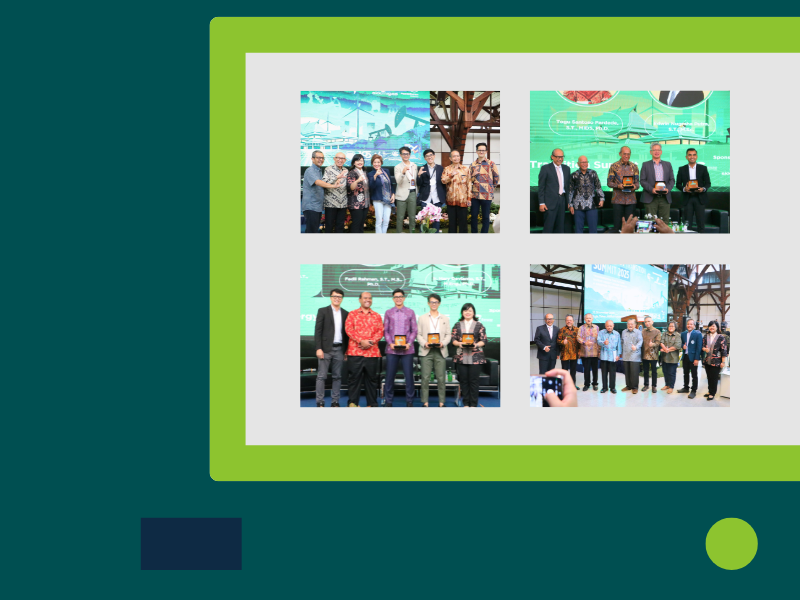
Figure 2. Panel Session 1 featuring stakeholders from Bappenas, PLN, and Medco Energi, moderated by Dr. Grandprix Kadja.

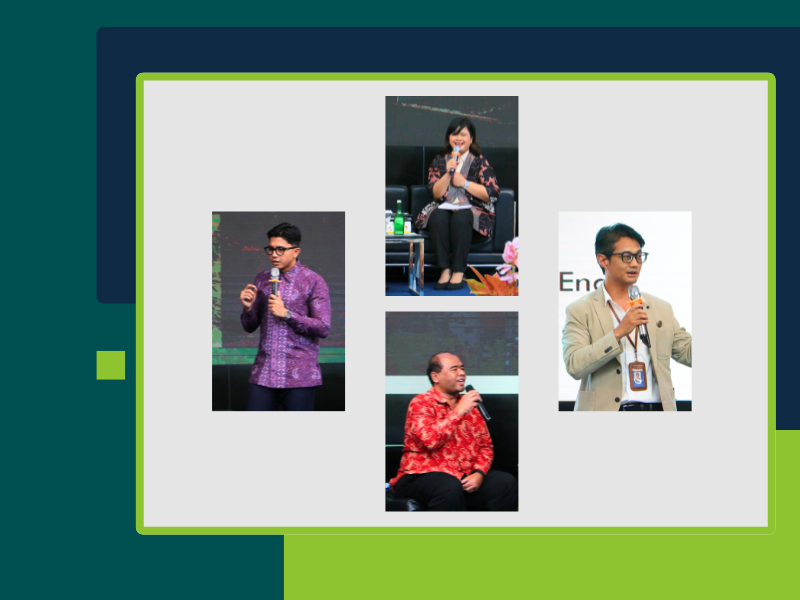
🚀 Panel Session 2: Technology and Human Resource Development as Catalysts of Transformation

The second session raised the theme “Technology and Human Development”, with Taufik Faturohman, S.T., M.B.A., Ph.D. as moderator.

Speakers in Panel Discussion 2:
1. Fadli Rahman, S.T., M.S., Ph.D. – Pertamina NRE
2. Ir. Hary Devianto, S.T., M.Eng., Ph.D. – Pusat Kebijakan Keenergian ITB
3. Filda Citra Yusgiantoro, S.T., M.B.M., M.B.A., Ph.D. – Purnomo Yusgiantoro Center

The second panel focused on two main pillars of the energy transition: technology and human resources. The discussion flowed from future technologies such as CCUS, green hydrogen, and digitalization of the energy system — all of which are considered to hold great potential to accelerate Indonesia’s energy sector transformation. The speakers emphasized that technology can only deliver optimal impact if supported by competent and adaptive human resources.

During this session, the perspective developed that investment in technology must go hand in hand with investment in human capacity development. Universities, industry, and research institutions need to build a learning and innovation ecosystem capable of producing multidisciplinary talents. Research–industry collaboration and relevant curricula are key factors for Indonesia to remain competitive in the rapidly changing global energy landscape.

Figure 3. Panel Session 2 with speakers from Pertamina NRE, ITB Energy Policy Center, and Purnomo Yusgiantoro Center, moderated by Dr. Taufik Faturohman.

🔍 Key Summary (confirmed several strategic points:)

confirmed several strategic points: menegaskan beberapa poin strategis:

  • the urgency of science- and policy-based cross-sector collaboration,
  • the need for a roadmap that is integrated and consistent energy transition,
  • the importance of investment in low-carbon technology,
  • and the strengthening of human resource capacity as the main pillar of successful energy transformation.

These findings serve as important references for stakeholders in designing subsequent policies and strategies to accelerate Indonesia’s energy transition.

To watch the complete series of events, including keynote and panel discussion sessions, the live recording of the ITB Energy Transition Summit 2025 can be accessed via the following link:

🔗 Can be accessed via the following link:

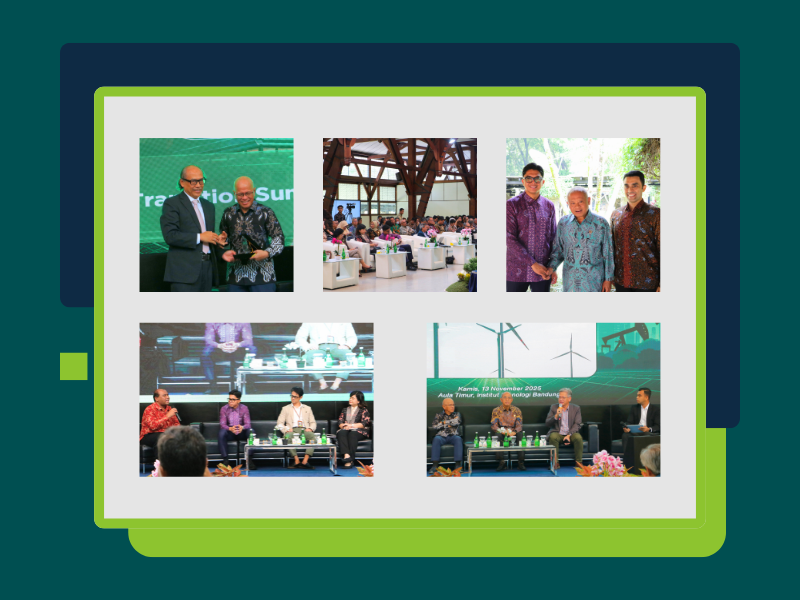
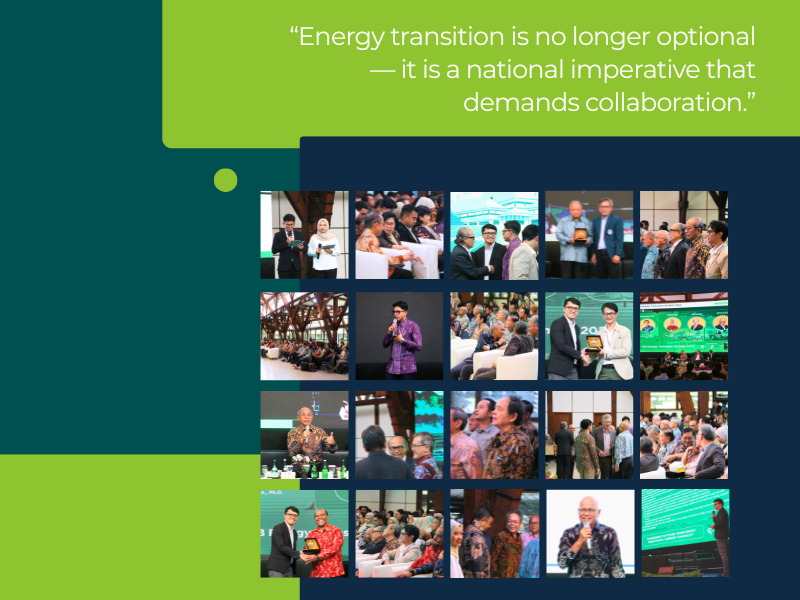
Figure 4. Atmosphere of discussions, Q&A, and networking among participants, showcasing multi-sector strategic collaboration to accelerate Indonesia’s energy transition.
Figure 5. Atmosphere of discussions, Q&A, and networking among participants, showcasing multi-sector strategic collaboration to accelerate Indonesia’s energy transition.
Figure 6. Group photo session of speakers, moderators, and government representatives attending the event.

🎓 ITB as a Bridge of Scientific Knowledge and Real Action

Through this event, ITB once again demonstrated its role as a knowledge hub capable of bridging science, policy, and real field implementation. The collaboration built in this forum is expected to continue developing into sustainable initiatives and actions to build a cleaner and more resilient energy future for Indonesia.

Figure 7. Documentation recap of the ITB Energy Transition Summit 2025.
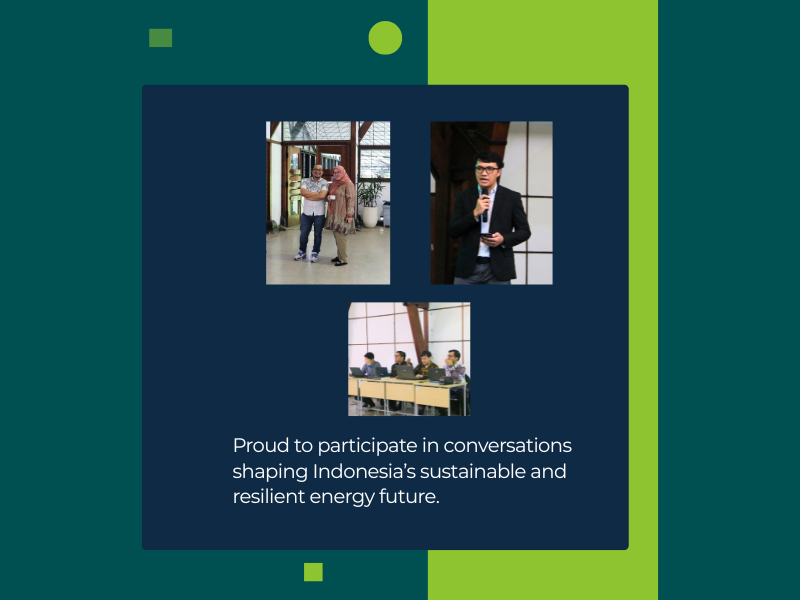
Figure 8. The organizing committee of the ITB Energy Transition Summit 2025 is proud to have contributed to this event.

For government institutions, industry, and research partners who wish to collaborate in energy transition programs, research, or low-carbon energy technology development:

📧 Contact us via email: info@ogrindoitb.com
We welcome opportunities for collaboration, scientific discussion, and strategic partnerships to strengthen Indonesia’s energy ecosystem together.