Categories
News Article

PVT 300/700 FV EDU: An Educational and Reliable Solution for Industrial-Standard Reservoir Fluid Property Analysis

In the petroleum industry, understanding reservoir fluid characteristics is a crucial step in designing efficient production strategies. To meet this need, PVT 300/700 FV EDU is presented as an educational tool with industrial standards, capable of performing various essential experiments on crude oil, volatile oil, and gas condensate.
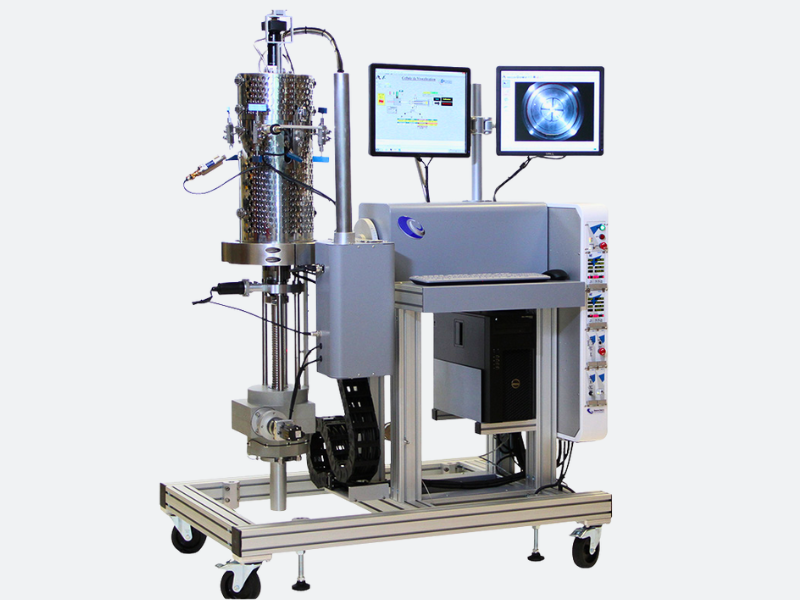
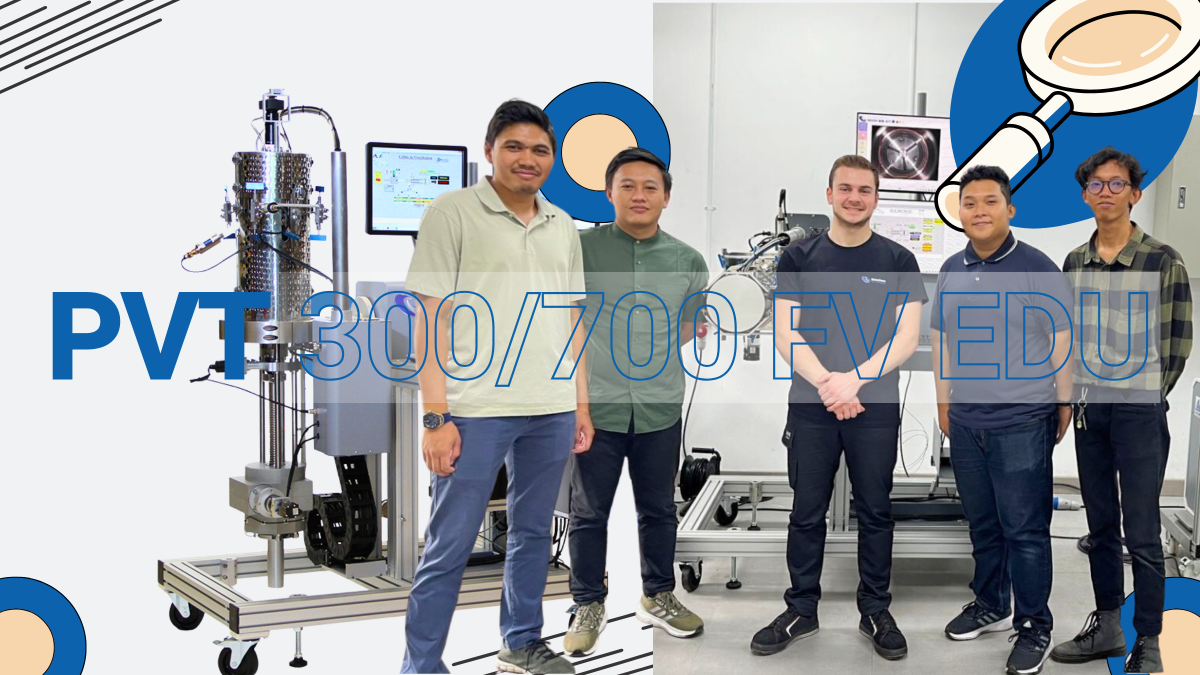
Figure 1. PVT 300/700 FV EDU apparatus with a capacity of 300 ml and pressure up to 700 bar

🔎Why Choose PVT 300/700 FV EDU?

PVT 300/700 FV EDU is specifically designed for educational purposes, but it retains analytical capabilities equivalent to our flagship product, PVT FV. The difference lies in the reduced pressure/volume ratio and lower automation level (automatic rotating mechanism, automated pneumatic valves).

🔹 Full Visibility Cell: All analysis processes can be directly observed through a full-capacity visual cell, providing an interactive and in-depth learning experience.

🔹 Multifunctional and Highly Precise: This tool can be used for various essential types of experiments, such as:

  • Constant Compositional Expansion (CCE)
  • Constant Compositional Depletion (CCD)
  • Separator Test
  • Differential Vaporization
  • Fluid Envelop Phase
  • Constant Volume Depletion (CVD)

🎯Measurement Accuracy

PVT 300/700 FV EDU is designed to deliver precise and reliable data, with the following measurement specifications:

  • Pressure: 0,1 bar
  • Temperature: ±0,1°C
  • Liquid deposit: 0,005 ml
  • Bubble/dew point repeatability: ±0,35 bar
  • Resisting corrosive abilities CO₂ and H₂S

⚙️Key Technical Specifications

  • Maximum Pressure: 700 bar
  • Maximum operating temperature: up to 180°C
  • PVT cell volume: 300 ml
  • Visual Volume: 300ml

PVT 300/700 FV EDU is equipped with a digital data acquisition and processing system, calibrated pressure and temperature sensors, as well as automatic valves and a control panel. These features make it ideal for use in academic laboratories, petroleum research centers, and technical training institutions.

🧪 OGRINDO Personnel Are Trained in Operating PVT 300/700 FV EDU

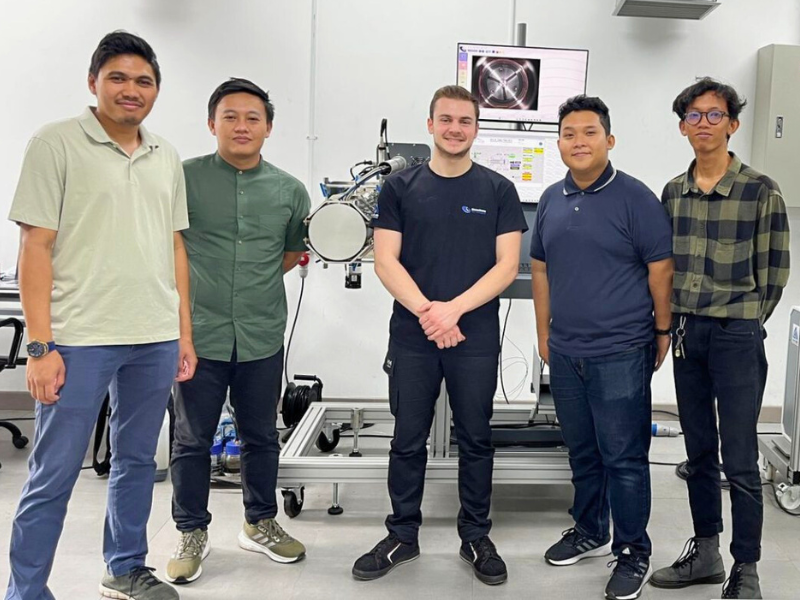
As part of OGRINDO’s commitment to ensuring internal technical competence, our personnel have participated in intensive training for operating the PVT 300/700 FV EDU facilitated by Petroleum Engineering Study Program, Bandung Institute of Technology. This training provided hands-on experience in operating the tool and understanding its application in practical reservoir fluid analysis.

👉 For complete training information here.
🌟 Innovation in PVT Learning

With PVT 300/700 FV EDU, OGRINDO presents a practical learning tool that bridges theory and real-world application in the oil and gas industry. Gain hands-on experience in observing fluid phases, analyzing PVT properties, and understanding reservoir dynamics comprehensively.

Contact us for a tool demonstration or educational collaboration offer!
📧 Email: info@ogrindoitb.com
Categories
News Article

Micromodel: An Innovative Technology for Optimizing Enhanced Oil Recovery

Amid the challenges of enhanced oil recovery (Enhanced Oil Recovery), laboratory methods capable of visually representing fluid displacement mechanisms have become increasingly crucial. This is where the micromodel emerges as an innovative solution proudly developed by Indonesian researchers.

Micromodel is a two-dimensional laboratory device designed to replicate the pore structure of reservoir rocks, such as sandstone or carbonate rocks. Through a micromodel, the movement of fluids—such as water, oil, surfactants, and polymers—can be observed directly and in real-time.

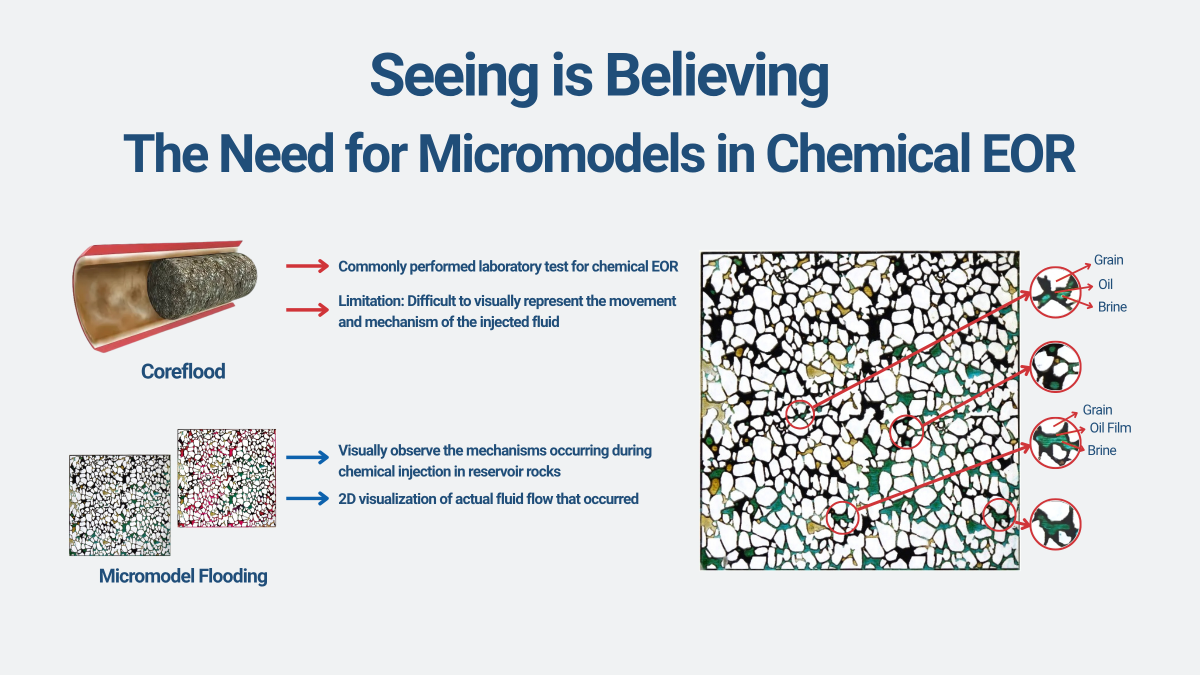
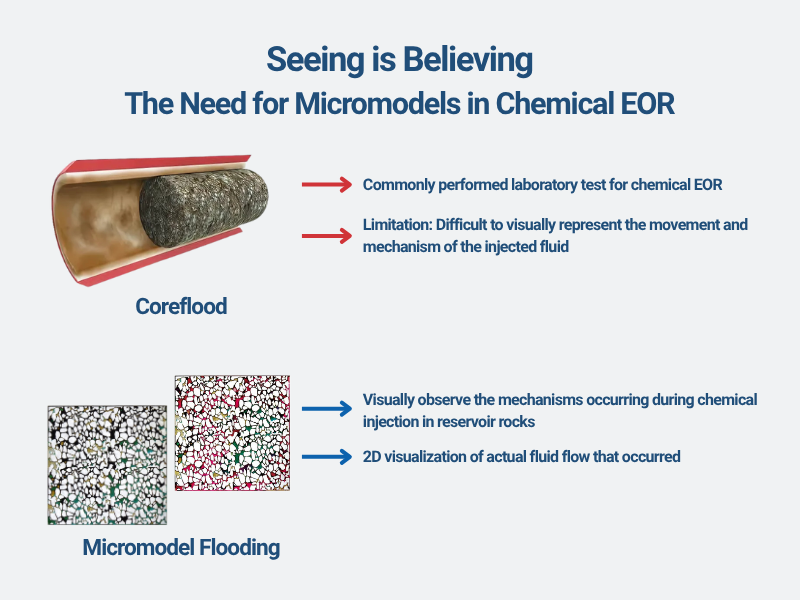
Comparison of coreflood and micromodel flooding methods in observing fluid flow in reservoir rocks

Most conventional laboratory tests, like coreflooding, have limitations in providing direct visualization of chemical injection mechanisms. Micromodel address this challenge by enabling real-time observation of interfacial tension changes, wettability alteration, and viscosity displacement efficiency at the pore scale.

What Is the Purpose of Using a Micromodel?

Micromodel are used to:

  • Visually analyze the working mechanisms of chemical EOR
  • Evaluate the effectiveness of surfactants or polymers before upscaling to larger tests
  • Design efficient and targeted injection strategies
  • Identify phenomena such as channeling, viscous fingering, and oil entrapment often undetectable in conventional tests

Micromodel of OGRINDO ITB have some advantages:

  • Indigenous Innovation: Designed and developed by skilled local researchers.
  • Fast, Simple, and Cost-Effective: More efficient than coreflooding, in terms of time and cost.
  • Costumized Design: Tailored to match pore characteristics of sandstone or carbonat, even based on actual reservoir data.
  • Real-Time Visualization: Enables direct observation of fluid behavior at the microscopic scale.
  • Supports More Accurate EOR Design: Acts as a bridge between laboratory results and real-field applications.

Fabrication Process of the Micromodel

Fabrication process of micromodel includes the following stages:

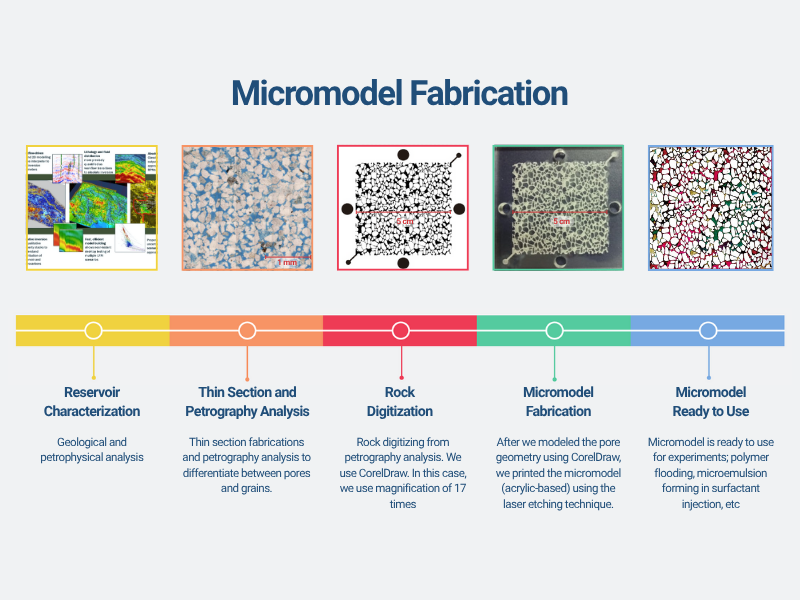
Five main stages of micromodel
  1. Reservoir Characterization: Identifying the physical and petrophysical properties of the reservoir rock, such as porosity, permeability, fluid saturation, and geological structure.
  2. Thin Section & Petrography Analysis: Observing ultra-thin rock slices under a microscope to study mineral composition and rock textures.
  3. Rock Digitization: Converting physical rock data into 2D or 3D digital models.
  4. Micromodel Fabrication: Creating the micromodel through pore-pattern design, etching, and assembling materials using techniques such as thermal bonding.
  5. Micromodel Ready to Use: Final stage where micromodel has passed all fabrication and characterization tests, making it ready for EOR experiments such as surfactant or polymer injection or other EOR mechanism.

The key advantage of OGRINDO's micromodel lies in its design flexibility. By incorporating actual geological and petrophysical field data, micromodel can be customized to closely replicate real reservoir conditions. This makes the experimental results more relevant and reliable for supporting technical decisions in the field.

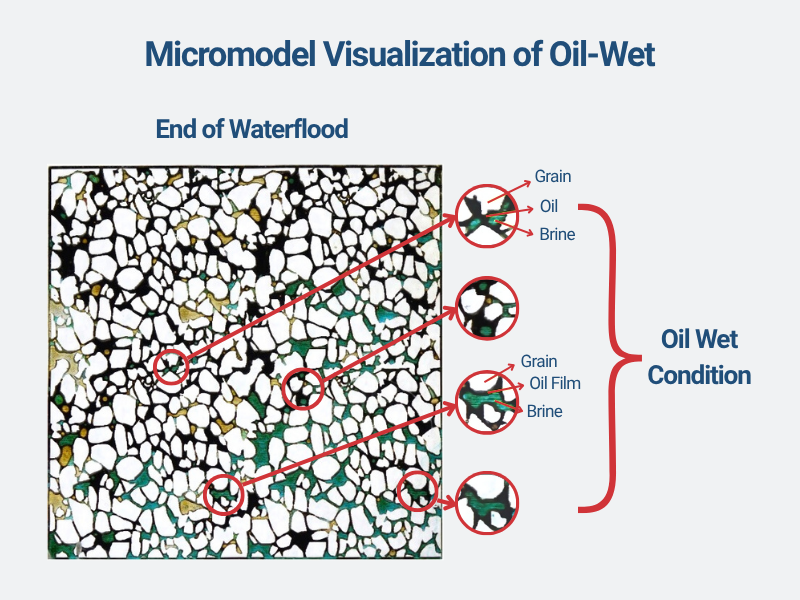
Visualization of oil-wet state in the micromodel

🔬 Micromodel is more than just a testing device—it is a window into a deeper understanding of subsurface fluid behavior. With OGRINDO ITB, let’s create smarter, more efficient, and data-driven EOR solutions.

📞 For more information or collaboration opportunities, contact our team at OGRINDO ITB.

Categories
News Article

OGRINDO ITB Research Breakthrough: Combination of Surfactant & Titanium Dioxide Nanoparticles, Enhances Oil Recovery in Sandstone Reservoir

Innovation in technology Enhanced Oil Recovery (EOR) continues to evolve to address production challenges in mature oil fields. One of the current approaches gaining attention from researchers is the utilization of titanium dioxide (TiO₂) nanoparticles to improve surfactant performance in oil recovery processes, particularly in sandstone.
A research team from OGRINDO ITB recently published their latest research findings in a scientific article titled:
“Enhancement of Surfactant Performance via Titanium Dioxide Nanoparticles: Implication for Oil Recovery in Sandstone.”

🌟 What Makes This Research Special?

Surfactant alkyl ethoxy carboxylate (AEC) surfactant is one of the chemical agents commonly used in EOR methods. However, the OGRINDO team went further by exploring how the addition of TiO₂ nanoparticles to AEC could drastically alter the system’s performance. Comprehensive testing was conducted, covering:

  • Interfacial tension
  • Contact angle
  • Zeta potential
  • Coreflooding test

State of the Art

The latest innovation in this research is the evaluation of AEC surfactant performance by adding TiO₂ nanoparticles within a concentration range of 0%–0.05% w/w.

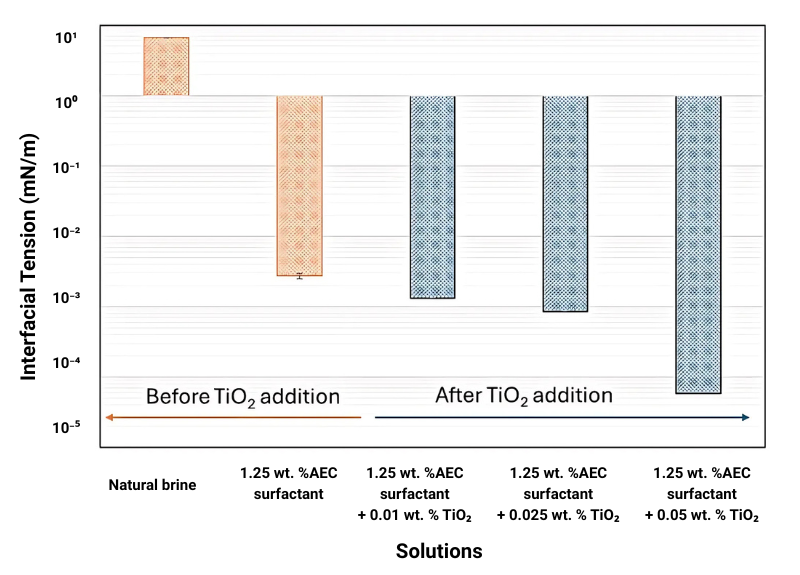
The addition of 0.05% w/w TiO₂ nanoparticles to 1.25% w/w AEC surfactant was able to reduce interfacial tension to a value of 5.85 × 10⁻⁵ mN/m. This excellent performance was also confirmed in the coreflooding,, where oil recovery increased to a maximum value of 59.52%.

This finding highlights the importance of TiO₂ nanoparticle stability in surfactant solutions, which turns out to be the key factor in enhancing oil recovery efficiency.

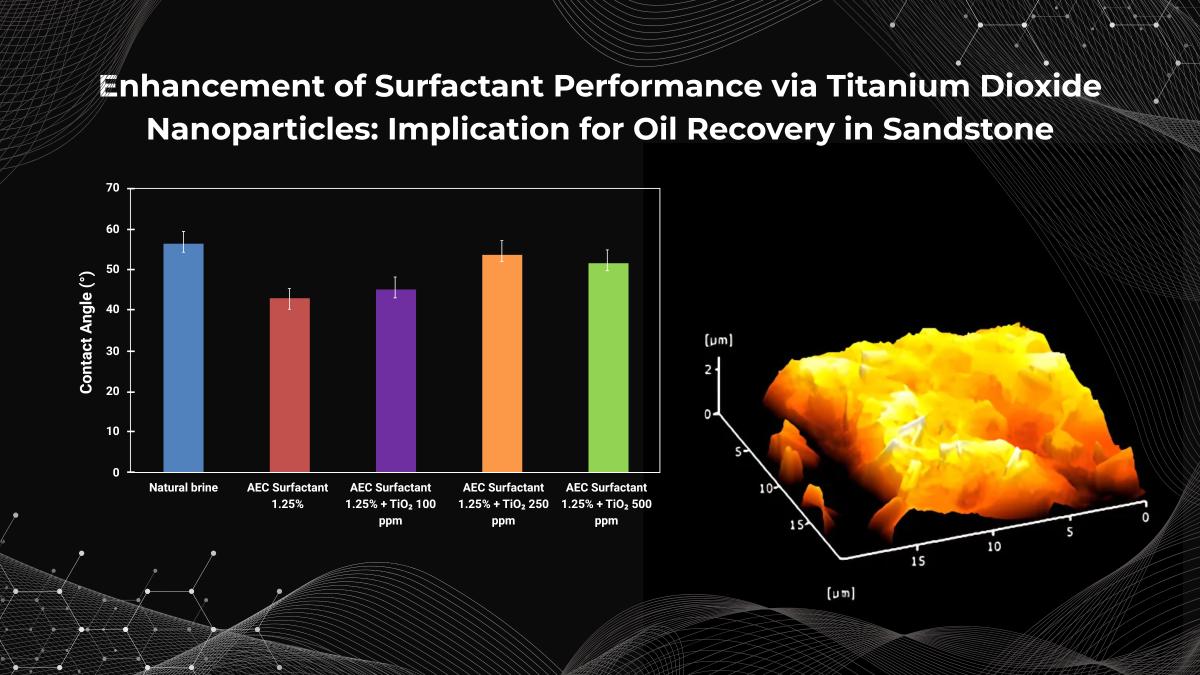
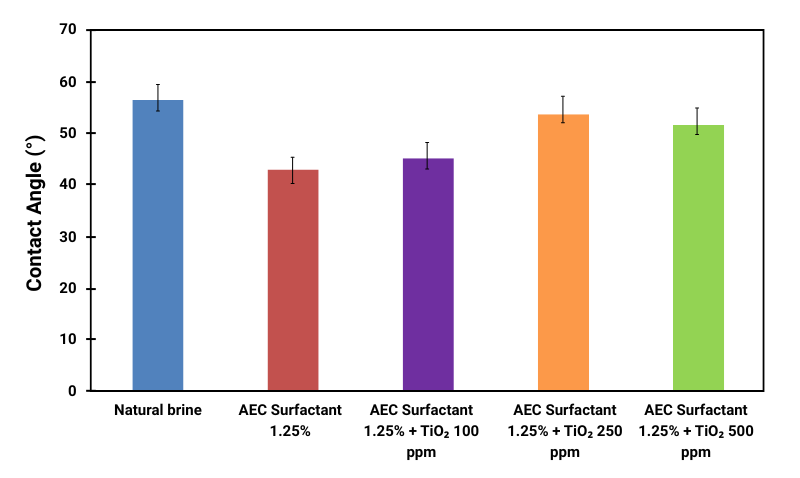
Figure 1: Contact angles of all tested solutions on the Berea sandstone thin section. Error bars represent the standard deviation of the measurements
Figure 2: Effect of TiO₂ nanoparticle addition to AEC surfactant on interfacial tension (adapted from Megayanti et al. (2023))

Why Is This Important?

This research provides valuable new insights into the development of surfactant- and nanoparticle-based EOR methods. With this approach, it is expected to open new opportunities for improving oil recovery efficiency from sandstone reservoir — especially in fields that have experienced production decline.

This discovery also strengthens OGRINDO’s position as a leading EOR research center in Indonesia, focusing on the development of environmentally friendly, sustainable technologies tailored to national industry needs.

📚 Read the full journal here

🌐 Explore More of Our Flagship Research

Visit the complete list of OGRINDO ITB scientific publications to explore our breakthroughs in Enhanced Oil Recovery, CO₂, hydrogen, and other energy transition technologies: 👉 OGRINDO ITB Scientific Publications

Through research, collaboration, and innovation, OGRINDO ITB is committed to being at the forefront of supporting national and global energy transformation.

Let’s create a smarter and more sustainable energy future — together with OGRINDO.

🙏 Acknowledgement

The researchers express their gratitude to Oil and Gas Recovery for Indonesia (OGRINDO) ITB and the Enhanced Oil Recovery (EOR) ITB for access to the experimental equipment used in this study.

Categories
News Article

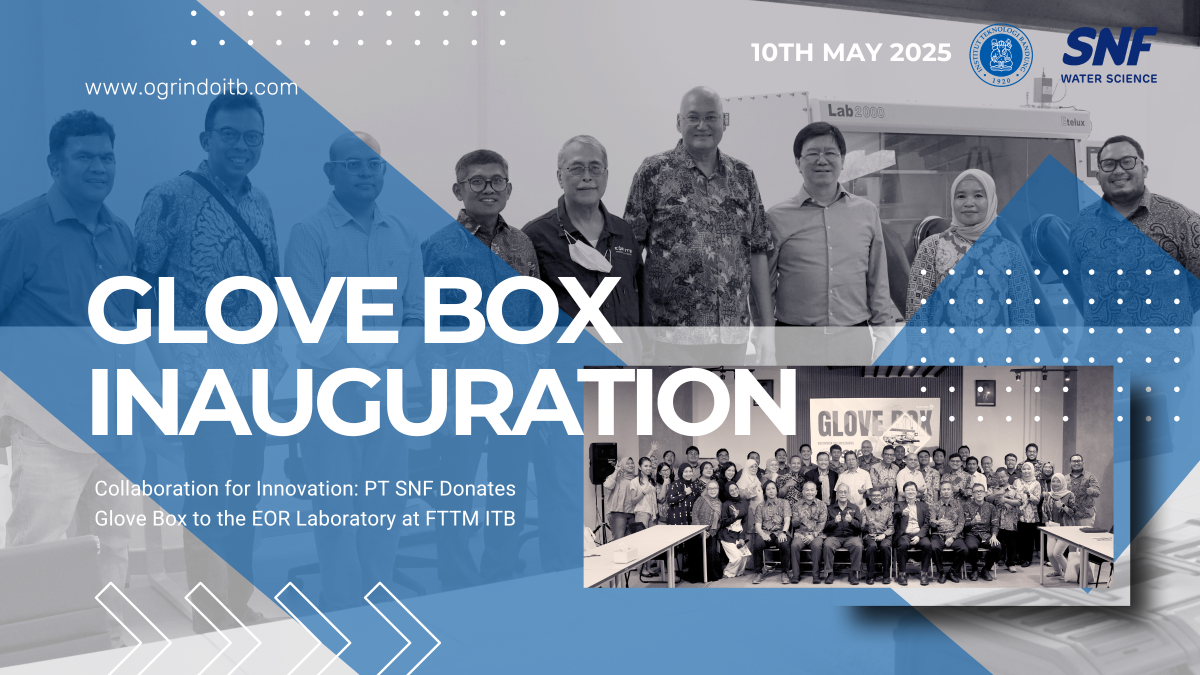
Collaboration for Innovation: PT SNF Donates a Glove Box to the EOR Laboratory of FTTM ITB

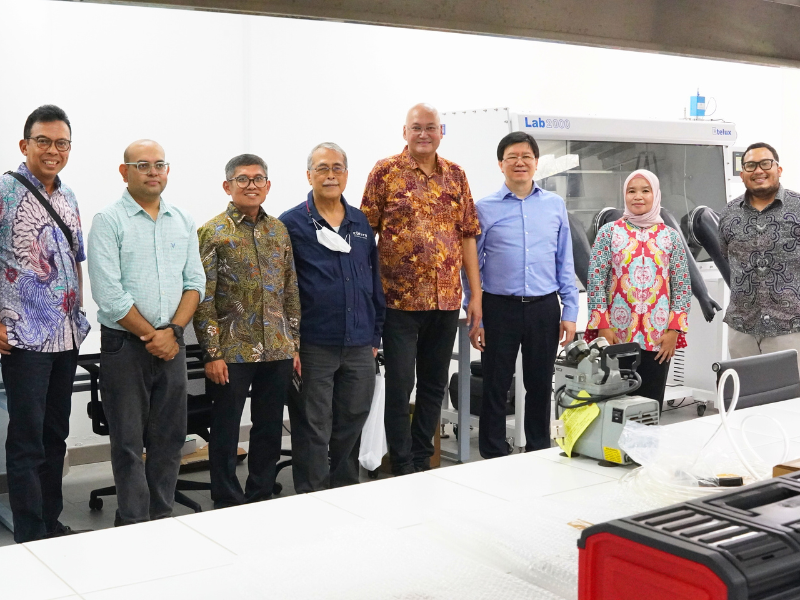
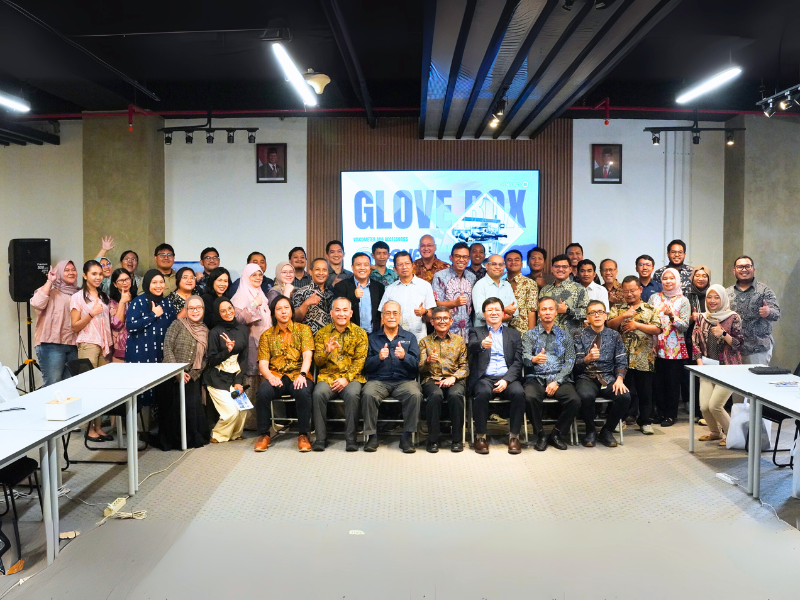
The guests took a group photo in front of the Glove Box unit from SNF

As a tangible form of collaboration between industry and academia, PT SNF Water Science Indonesia officially handed over one unit of Glove Box, Viscometer, and supporting accessories to the Laboratory Enhanced Oil Recovery (EOR) Faculty of Mining and Petroleum Engineering (FTTM), Bandung Institute of Technology (ITB)

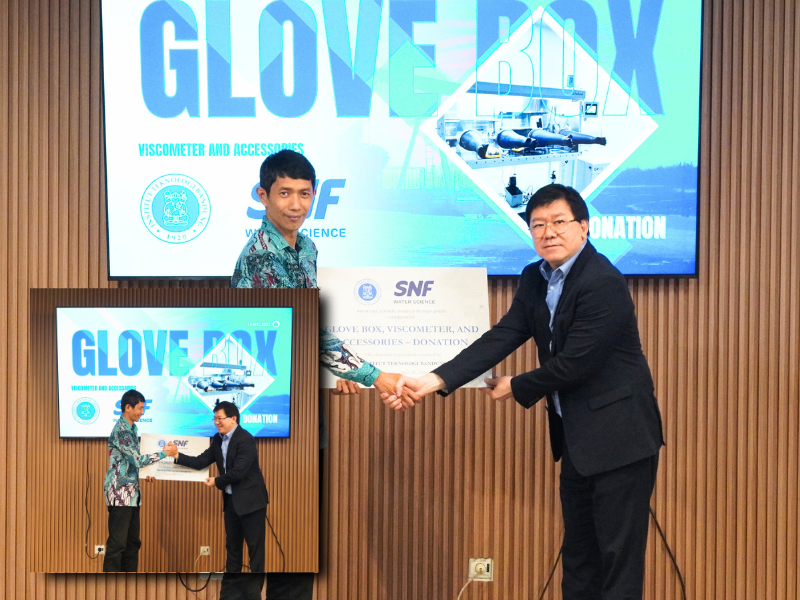
Dr. Ir. Dedy Irawan (Head of the Master’s and Doctoral Programs in Petroleum Engineering at ITB) shakes hands with Mr. David Chan, B.Eng (Managing Director of PT SNF Indonesia)

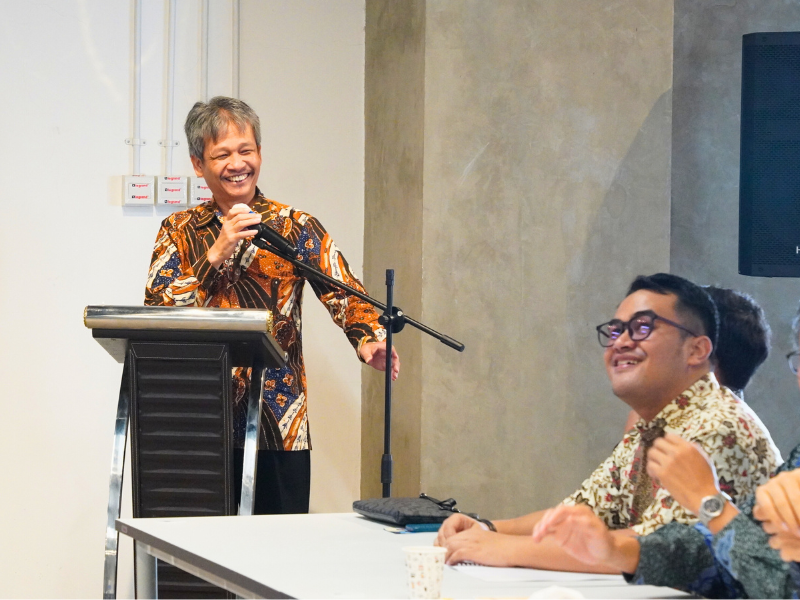
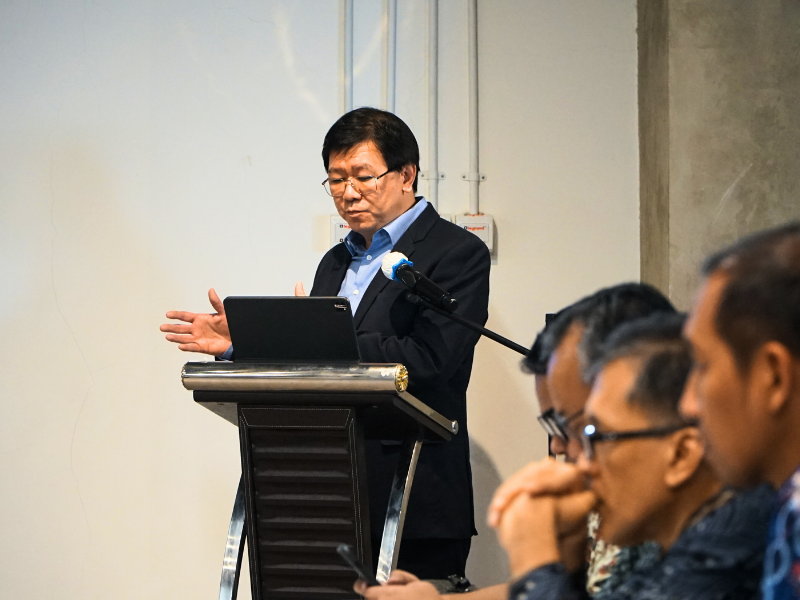
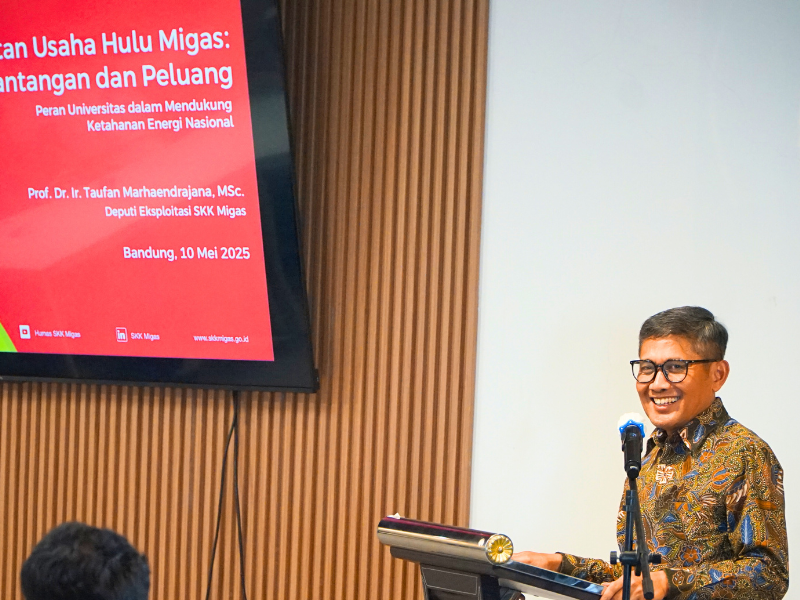
The donation ceremony took place on May 10, 2025, at the Auditorium Room, 8th floor of the PAU Building, ITB. The event was attended by Mr. David Chan, B.Eng., as Managing Director of PT SNF Indonesia, Prof. Dr. Elfahmi, S.Si., M.Si., as Director of Research and Innovation ITB, Head of the Master & Doctoral Program in Petroleum Engineering Dr. Ir. Dedy Irawan, S.T., M.T., Prof. Dr. Ir. Taufan Marhaendrajana, M.Sc., as Deputy of Exploitation at SKK Migas, and a team of lecturers and researchers involved in EOR technology research and development at ITB.

The glove box is a crucial tool in chemical and material research, including in the development of surfactants and polymers for technology Chemical Enhanced Oil Recovery (CEOR). The addition of this facility is expected to strengthen the capacity of the EOR Laboratory at FTTM ITB in producing more precise, safe, and impactful oil and gas technology innovations, contributing directly to the efficiency of national oil production.

PT SNF Indonesia, as a leading chemical company active in the supply of chemicals for the oil and gas industry, demonstrates its strong commitment to supporting research development and higher education in Indonesia. Through this donation, PT SNF not only provides equipment but also builds a collaborative bridge between industry and academic institutions as a strategic step to strengthen the oil and gas research ecosystem in Indonesia, particularly in the development of environmentally friendly and sustainable EOR methods.

📌 With close collaboration between academia and industry, we can jointly drive the advancement of national energy technology.

Categories
News Article

Polymer: The Key to Efficient and Sustainable EOR Innovation

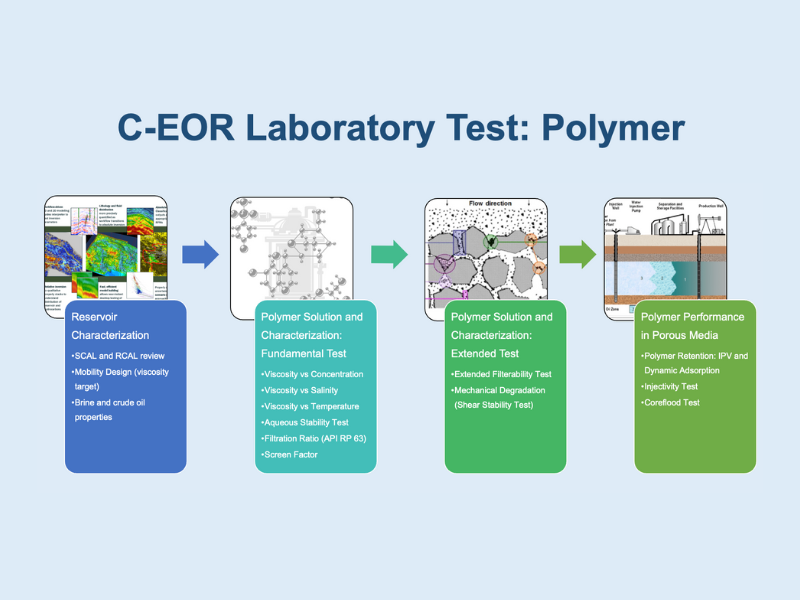
One of the most effective and increasingly adopted Enhanced Oil Recovery (EOR) methods is polymer flooding. Polymers function by increasing the viscosity of injected water, enabling it to displace oil more uniformly and improve sweep efficiency. Polymer injection can contribute to an additional oil recovery of 5% to 30% of the Original Oil in Place (OOIP).

OGRINDO’s Strategic Role in Application of Polymer Flooding

As a technology- and research-based company, OGRINDO (Oil and Gas Recovery for Indonesia) is strongly committed to advancing innovation in polymer injection technology—ranging from laboratory testing (polymer screening) and field injection assistance to monitoring the injection well response post-injection.

The polymer screening process includes:

To date, OGRINDO ITB has partnered with chemical provider, both local and international, such as PT. Rakhara Chemical Technology, SNF Water Science, Kemira, Enerkon, and others. These collaborations ensure that we always use high-quality chemicals and top-tier testing methodologies. Trust your testing needs with us, and discover a dedicated and professional research partner.

OGRINDO’s Competitive Advantages

  • KAN-accredited laboratory facilities
  • Reliable, advanced, and up-to-date equipment
  • Skilled and professional research assistants
  • Continuous innovation in laboratory testing methods
  • Strong network of local and international partners
  • Proven track record in field projects
  • Commitment to energy efficiency and sustainability

Let’s Collaborate for an Optimal Polymer-Based EOR Solution!

In the face of future energy challenges, OGRINDO is your strategic partner in EOR technology. We offer not only laboratory testing services but also comprehensive solutions—from feasibility studies and injection design to full-scale field implementation.


🔗 Ready to boost your oil recovery with a more scientific, efficient, and sustainable approach?
📞 Contact us to explore collaboration opportunities in polymer-based EOR projects that support national oil and gas production.

Categories
News Article

Surfactant EOR: An Efficient Solution for Optimizing Oil and Gas Production

In the oil and gas industry, understanding the fundamental concepts of surfactants is key to developing technologies that are not only efficient but also environmentally friendly and economically viable. Surfactants are far more than ordinary chemical compounds—they play a strategic role in various applications, particularly in Enhanced Oil Recovery (EOR).

Surfactant is surface active agent—a chemical compound capable of reducing surface tension between two phases: water and oil. A surfactant molecule consists of two main parts:
• A hydrophilic “head” (attracted to the water phase)
• A hydrophobic “tail” (attracted to the oil phase)

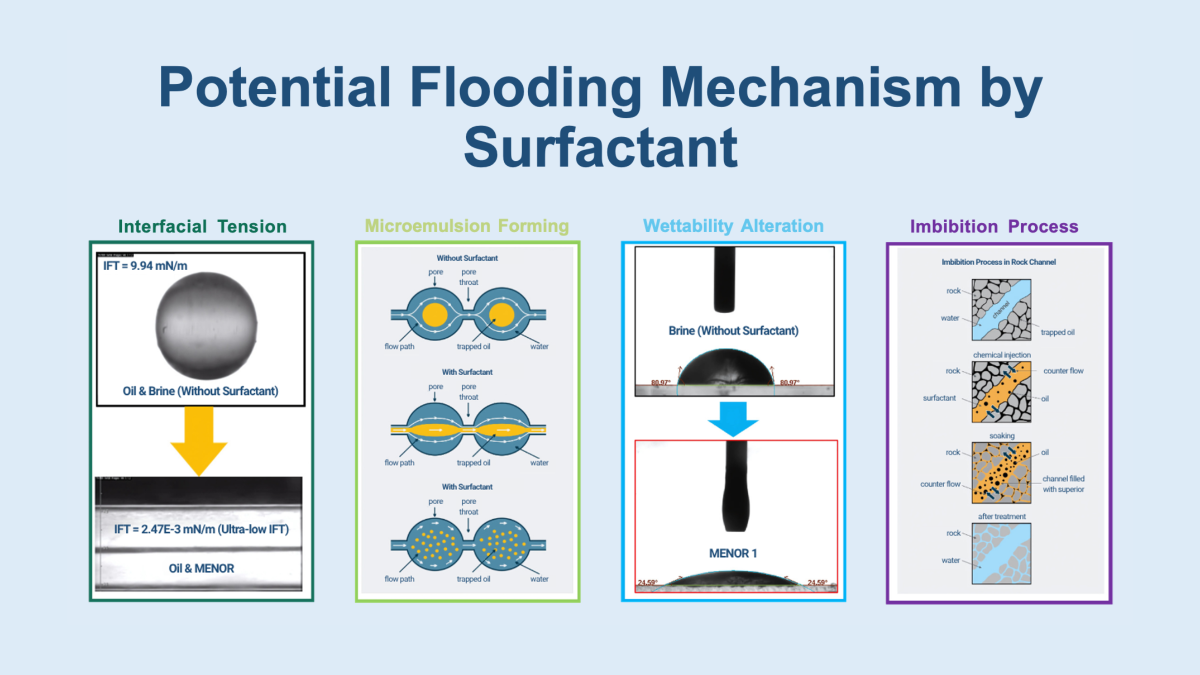
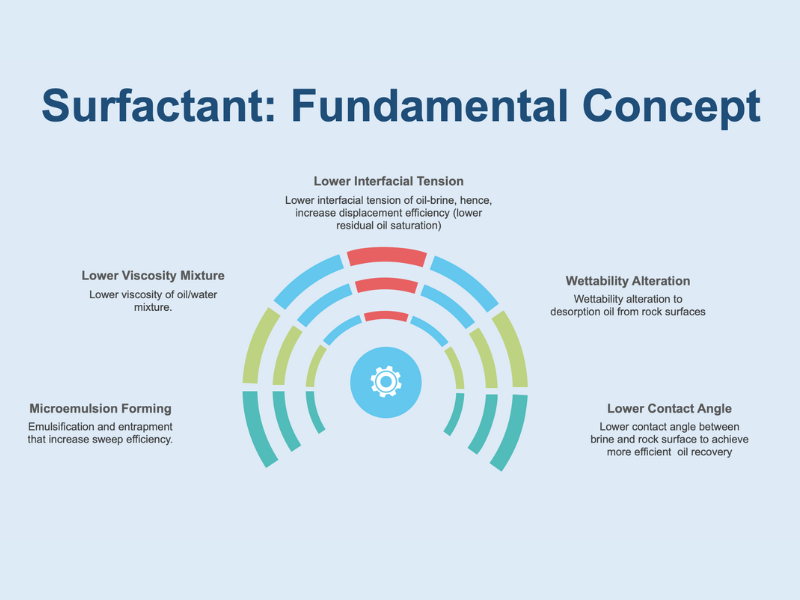
This structure allows surfactants to function as interfacial tension reducers between oil and water, microemulsion formers (emulsifiers), and wetting agents.

Mechanism of Surfactant for Optimal Oil Recovery
Effects of surfactant application on reservoir rocks

Why Choosing the Right Surfactant Matters
There is no one-size-fits-all surfactant for every reservoir. Selection must be tailor-made to match the specific conditions of each reservoir. Factors such as salinity, temperature, rock type, and crude oil characteristics significantly influence surfactant performance in enhancing oil recovery. Therefore, choosing and formulating the right surfactant is critical to optimizing production and reducing operational costs.

OGRINDO and Surfactant Research
As a company rooted in petroleum engineering expertise, OGRINDO (Oil and Gas Recovery for Indonesia) has in-depth competence in the research, development, and application of surfactant technology in the energy sector. We are committed to delivering science-based solutions that are lab-proven and field-tested. Our focus lies in creating efficient, environmentally friendly solutions—including the development of locally sourced surfactants that support Indonesia’s energy independence.

Categories
News Article

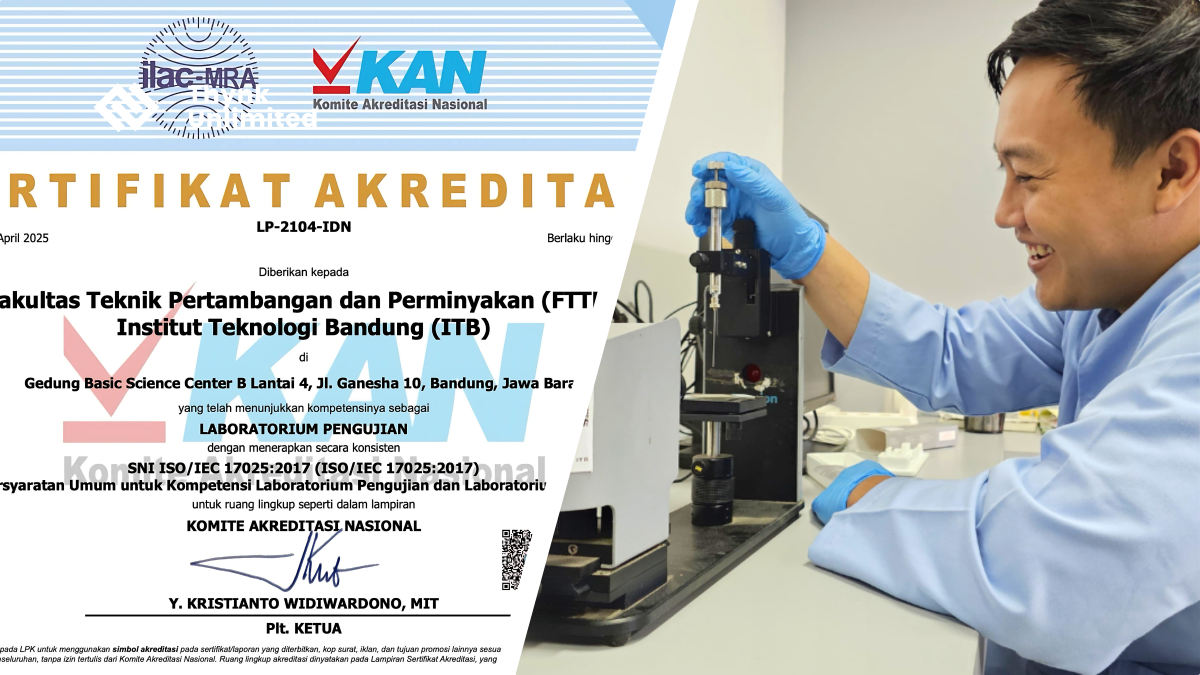
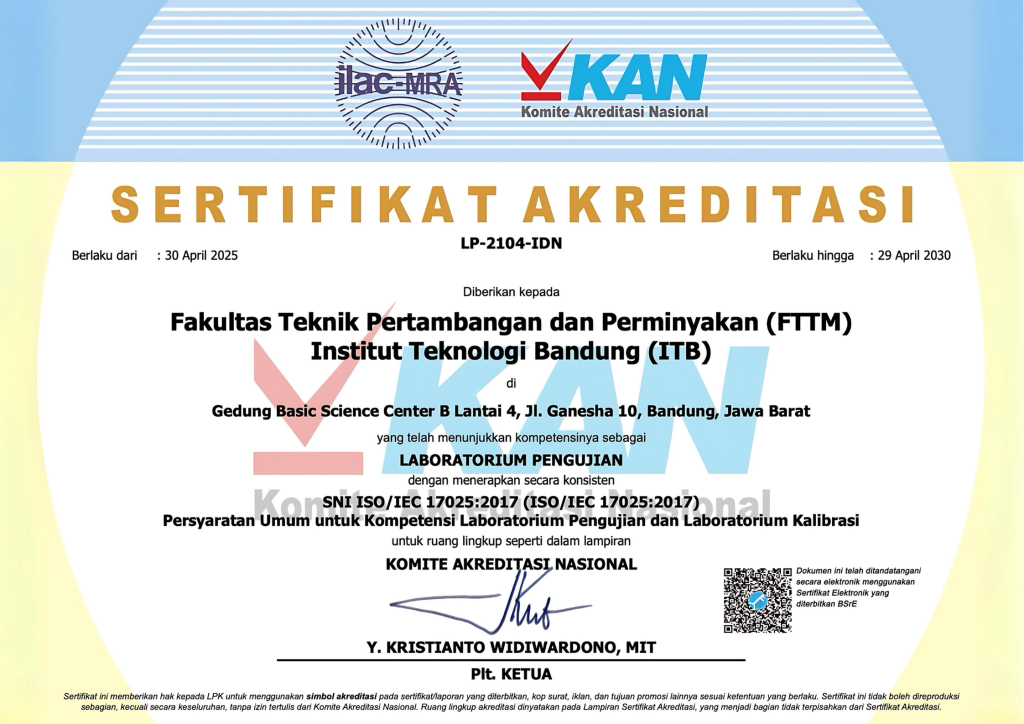
EOR Laboratory ITB Officially Accredited by KAN: “Accurate, Reliable, & Professional”

Laboratory Enhanced Oil Recovery (EOR) Institut Teknologi Bandung (ITB) has officially obtained accreditation from the National Accreditation Committee (KAN), marking a significant milestone in ensuring the quality and competence of the laboratory in conducting testing and calibration in accordance with national and international standards. This accreditation serves as formal recognition of the quality of the EOR Lab’s management system, technical procedures, and the reliability of its testing results, thereby reinforcing its position as one of the leading laboratories in the oil and energy sector in Indonesia.

The accreditation not only proves that the equipment and procedures in our laboratory meet the highest standards, but also provides an objective assurance of the reliability and analytical results of our testing. We are now capable of offering services that are competitive not only in technical terms, but also in terms of legality and credibility.

For companies or institutions operating in the oil and gas sector, particularly in the EOR phase, this means:

  • Assured Data Validity
    Testing results from an accredited laboratory are more trusted and can serve as a reliable reference in strategic decision-making.
  • Enhance Project Reputation and Value
    Utilizing services from an accredited laboratory adds value to technical reports, project proposals, and tender documentation.
  • Compliance with Regulatory and Audit Requirements
    Many regulatory bodies or investors require the use of accredited facilities to ensure data quality and integrity.

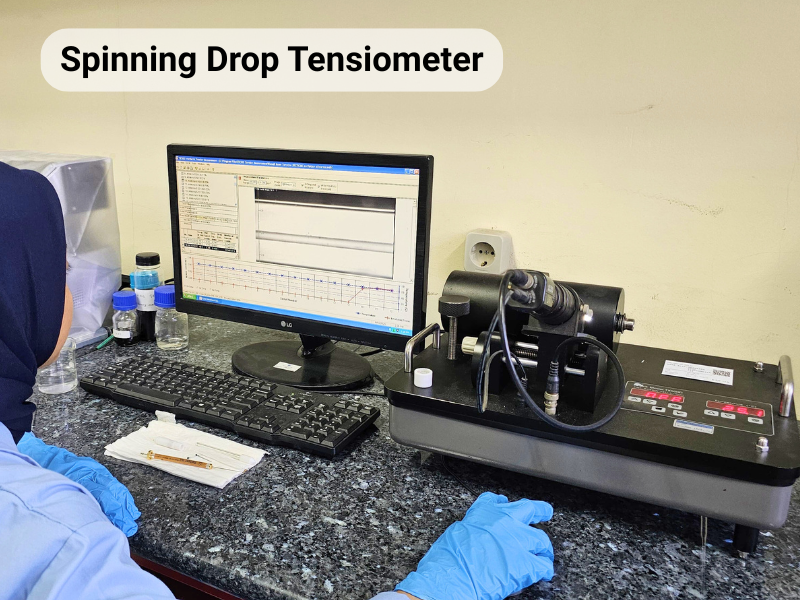
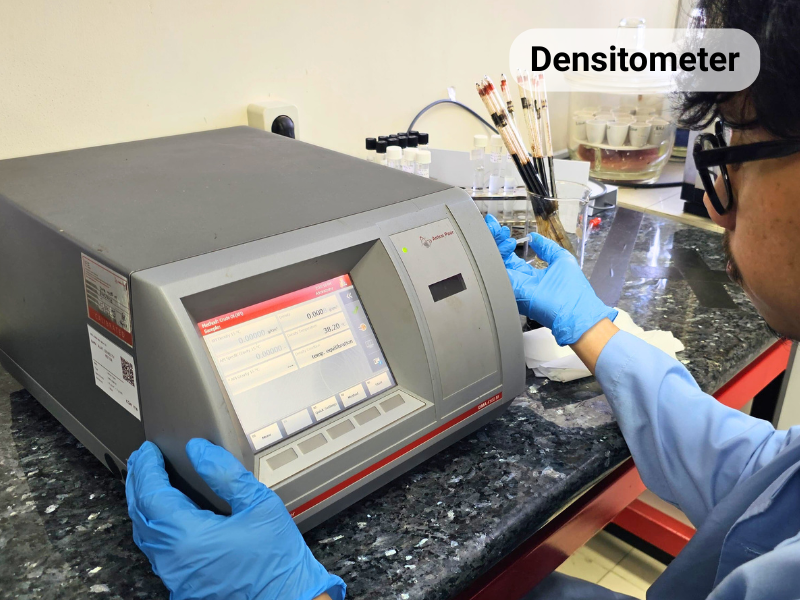
Below is the list of KAN-accredited equipment :

Spinning Drop Tensiometer The Spinning Drop Tensiometer is a laboratory instrument used to measure interfacial tension (IFT). This measurement is crucial in Enhance Oil Recovery (EOR) studies and evaluating the effectiveness of surfactants in reducing interfacial tension between oil and formation fluids.

Densitometer is used to measure the density of fluids, both liquids or gas. It plays a vital role in fluid characterization of reservoirs and in designing EOR scenarios involving injected fluids.

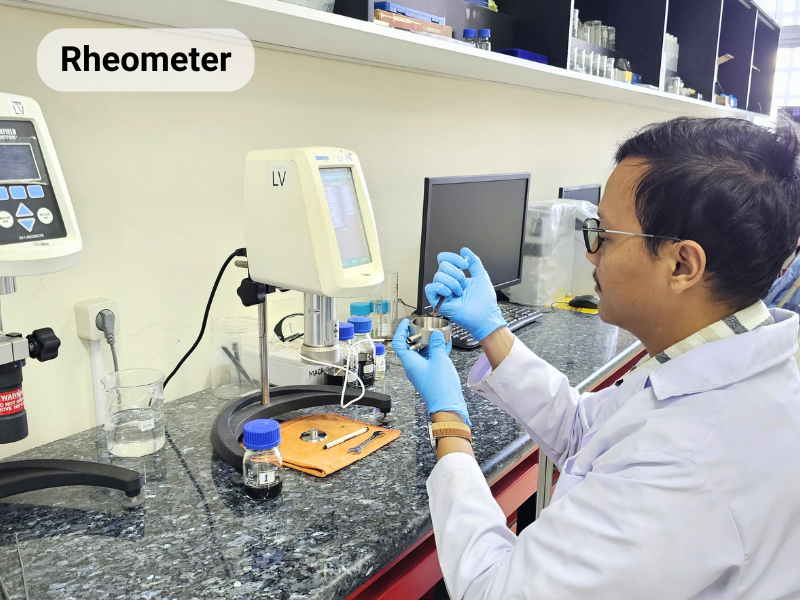
Rheometer is a laboratory device used to measure the rheology or flow resistance of fluids, including non-Newtonian fluids such as polymers. This tool is essential in polymer flooding research and design, enabling in-depth analysis of polymer flow behavior, which is critical to the success of field-scale injection processes.

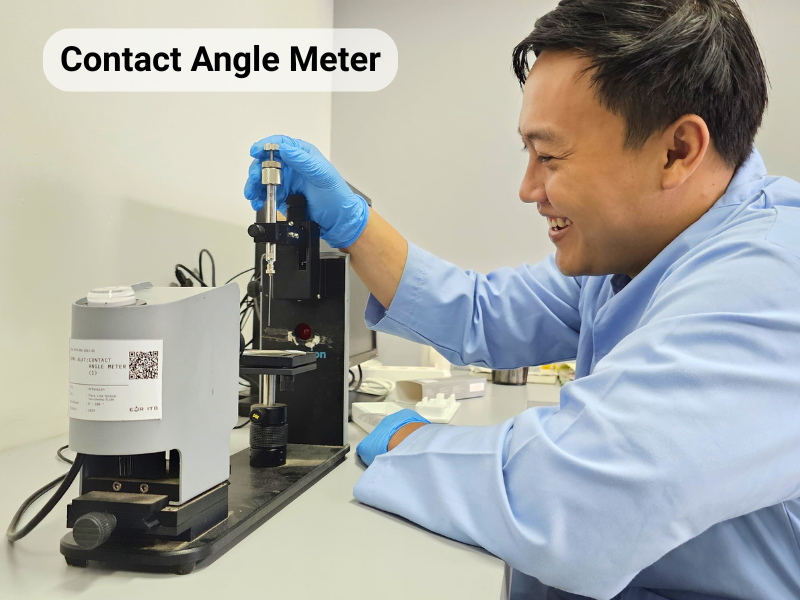
Contact Angle Meter is an instrument used to measure the contact angle between a fluid droplet and a solid surface (such as rock). It plays an important role in the development and evaluation of surfactant flooding, as it directly measures changes in the wettability of reservoir rocks due to surfactant interaction.

This accreditation is not merely a technical achievement, but also part of the Laboratory’s vision Enhance Oil Recovery (EOR) ITB to become a national center of excellence in EOR testing and technology development. Moving forward, our laboratory will continue to enhance its competencies, both in terms of human resources and facilities, to support the transformation of Indonesia’s energy industry towards greater efficiency and sustainability. We are ready to be your strategic partner in delivering EOR solutions that are not only advanced, but also officially recognized and trusted.


Categories
News Article

Inauguration of Ogrindo ITB’s New Office Space

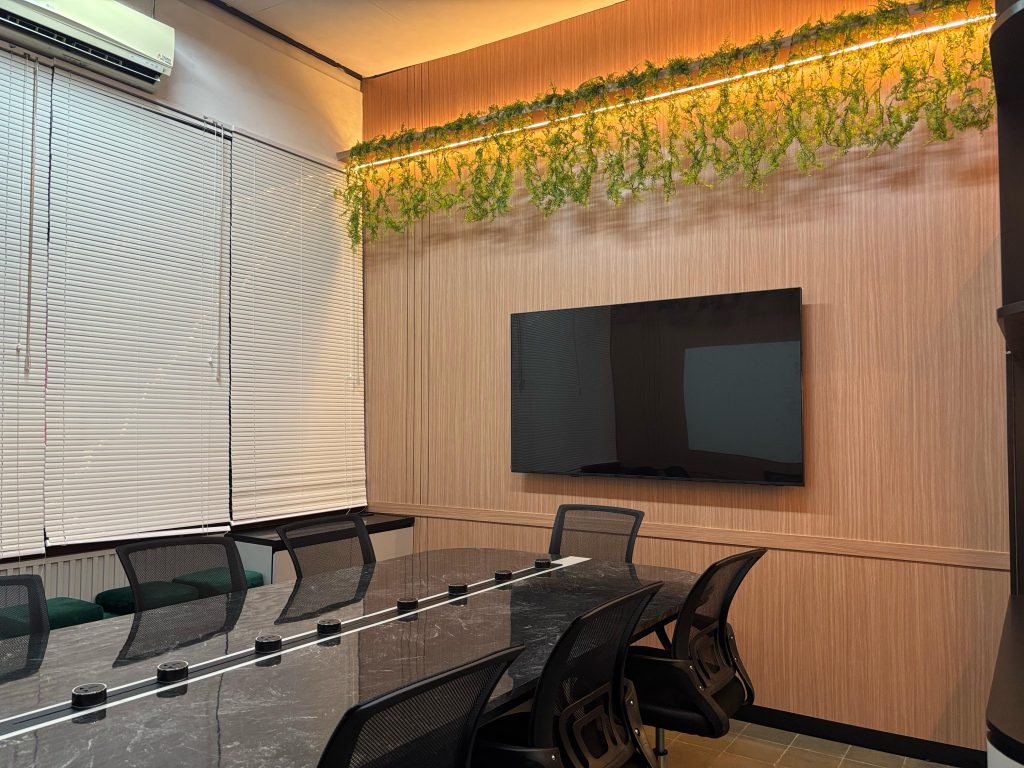
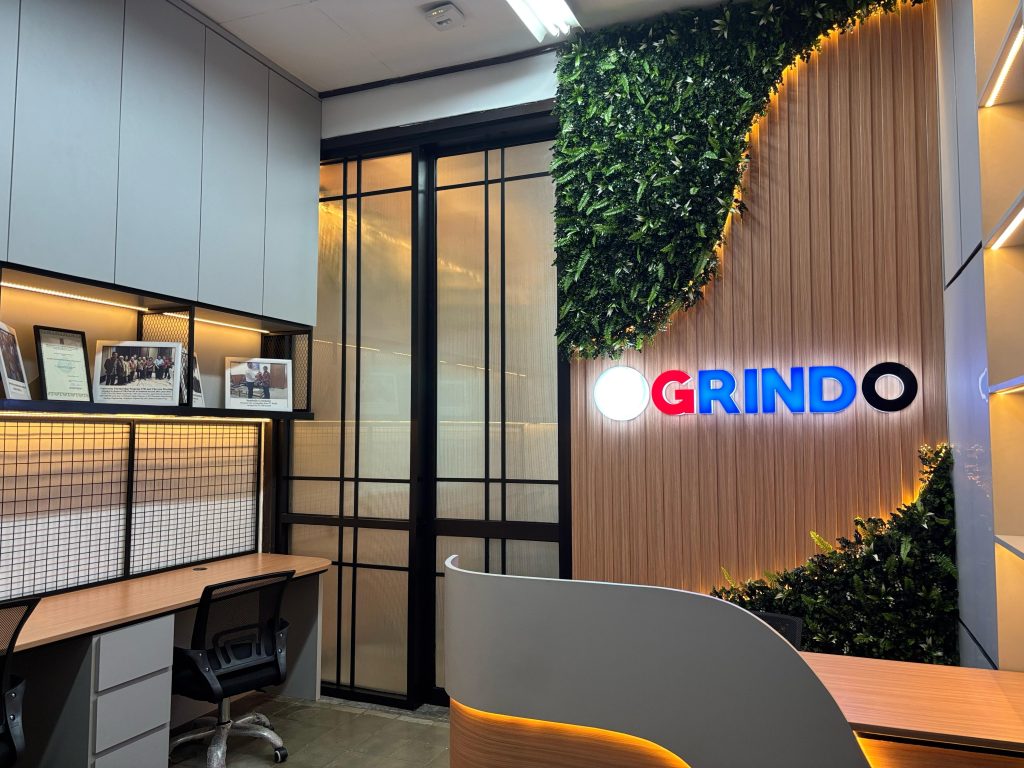
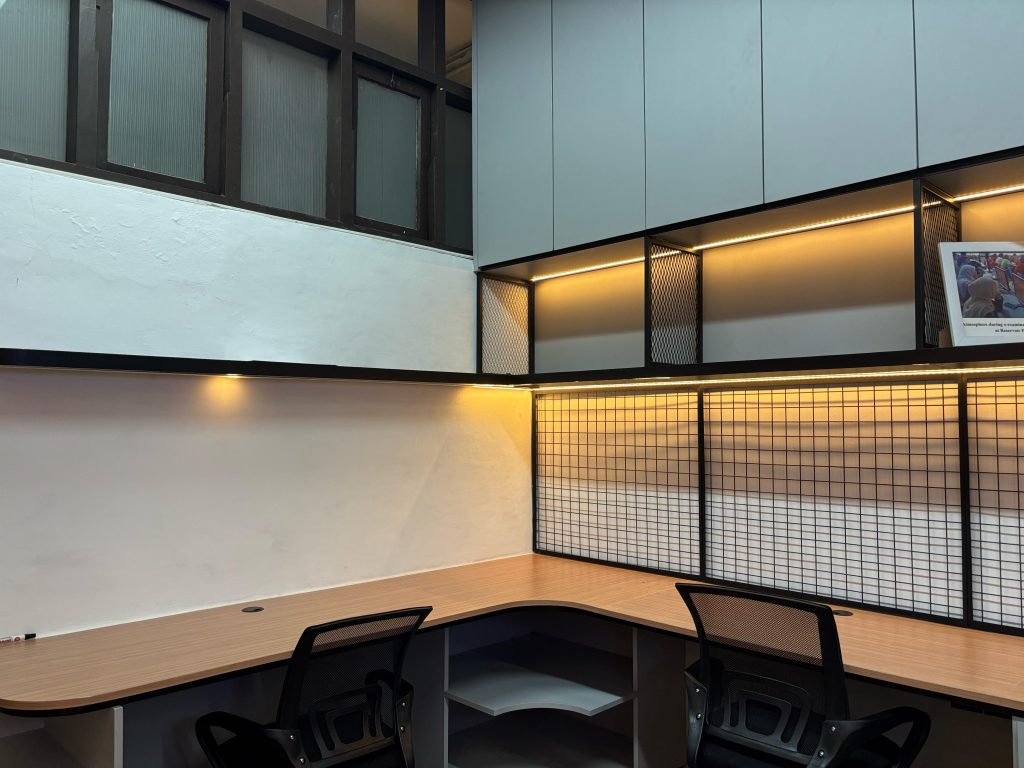
In April 2025, Ogrindo ITB proudly announced the completion of the renovation of its new office space , located in the Petroleum Engineering Building at Institut Teknologi Bandung (ITB). This renovation project was part of a strategic initiative aimed at improving both comfort and productivity for all Ogrindo team members in supporting academic and research activities. Situated on the second floor, the office has been redesigned with a more modern, clean, and functional layout.

The primary goal of this renovation was to create a more inspiring and enjoyable work environment that fosters a strong sense of collaboration among team members. During this revitalization process, various furnishings and interior elements were updated, including the replacement of old furniture with new pieces, reorganization of the room layout, and the addition of aesthetic features such as warmer lighting and calming color schemes. This combination not only delivers a modern and elegant look but also strengthens Ogrindo’s image as one of ITB’s most active and innovative student organizations.

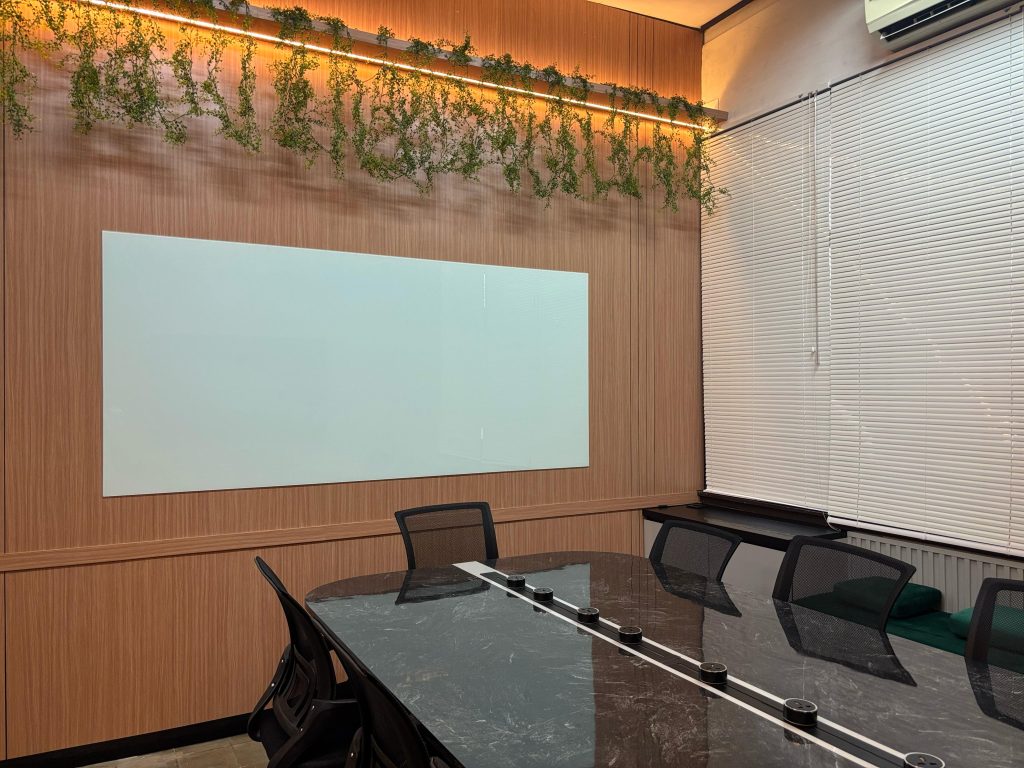
The newly renovated Ogrindo office is now equipped with a variety of facilities that support organizational activities. These include a dedicated meeting room furnished with a set of ergonomic chairs and a table, a TV screen for digital presentations, and a large whiteboard for brainstorming project ideas or research discussions. Wooden accents and ornamental plants placed throughout the room also help create a warmer, more refreshing atmosphere—offering a comfortable, homey feel while maintaining a professional tone.

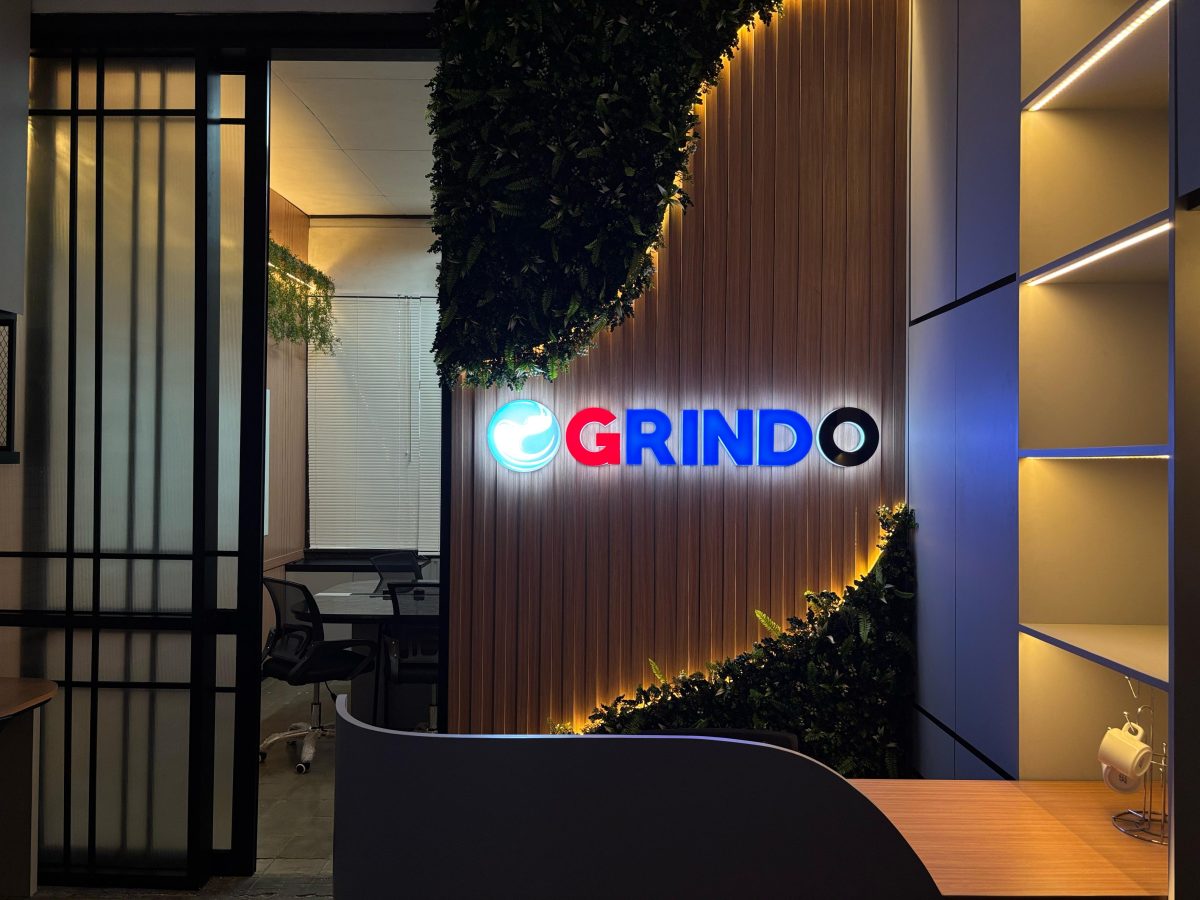
At the front of the office, there is a shared workspace featuring several desks and chairs that can be used for individual tasks or informal discussions. The room also prominently displays the Ogrindo name and emblem, emphasizing that the space is officially designated for the organization’s activities. This visual identity not only serves as a symbol of pride but also fosters a strong sense of belonging among team members.

Miftah Hidayat, S.T., M.Sc., Ph.D., representing Ogrindo, expressed his gratitude and pride regarding the completion of the renovation, which took approximately three months. He noted that the final results exceeded expectations in terms of aesthetics, comfort, and functionality. “We hope that with the completion of this renovation, the team’s enthusiasm and morale will continue to grow, the work atmosphere will become more conducive, and overall productivity will keep improving,” he stated.

With the successful completion of this renovation, the Ogrindo ITB office is expected to become not only a place to workbut also a space to grow, gather, and innovate —driven by a shared passion for contributing to the university and the wider community.

Categories
News Article

Halal Bihalal Ogrindo ITB Pasca-Ramadhan

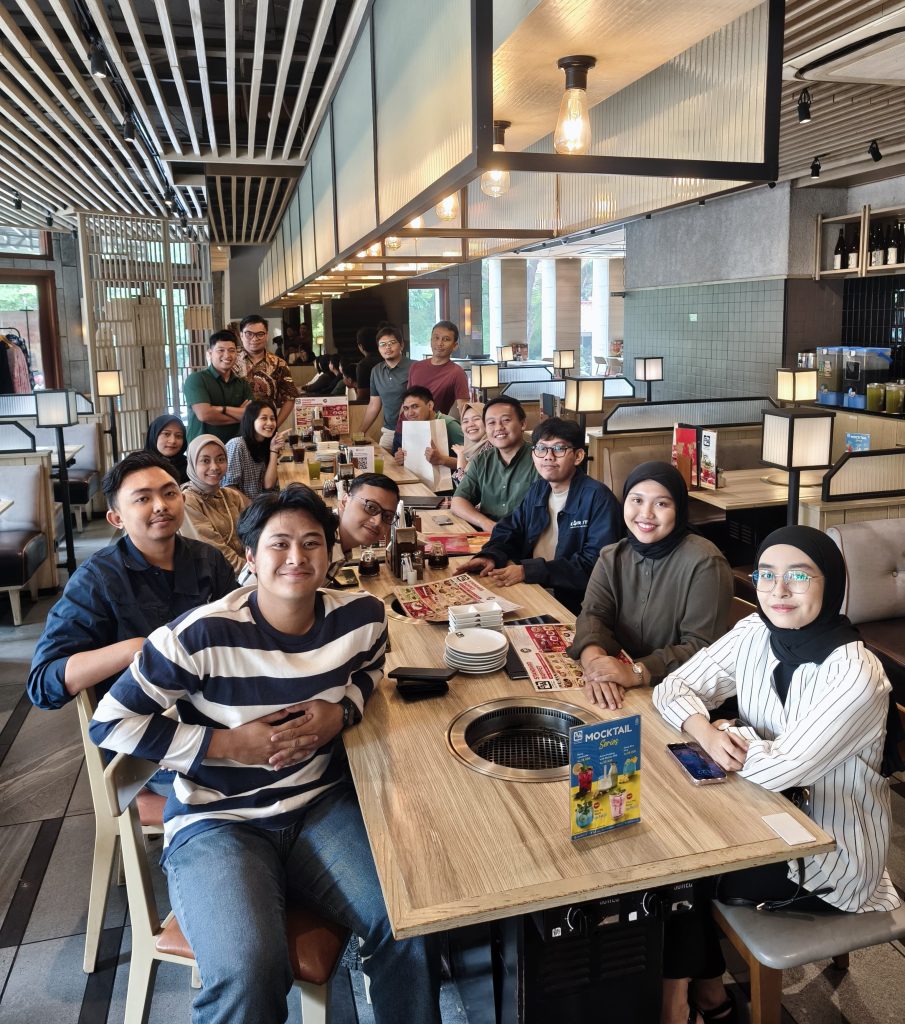
Setelah menjalani ibadah puasa selama sebulan penuh di bulan suci Ramadhan, Ogrindo ITB dan Laboratorium Enhanced Oil Recovery (EOR) ITB menyambut dimulainya aktivitas pasca-Ramadhan dengan mengadakan acara halal bihalal. Kegiatan ini bertujuan untuk mempererat tali silaturahim, memperkuat rasa kebersamaan, serta menjadi momen yang tepat untuk saling memaafkan setelah merayakan Hari Raya Idul Fitri.

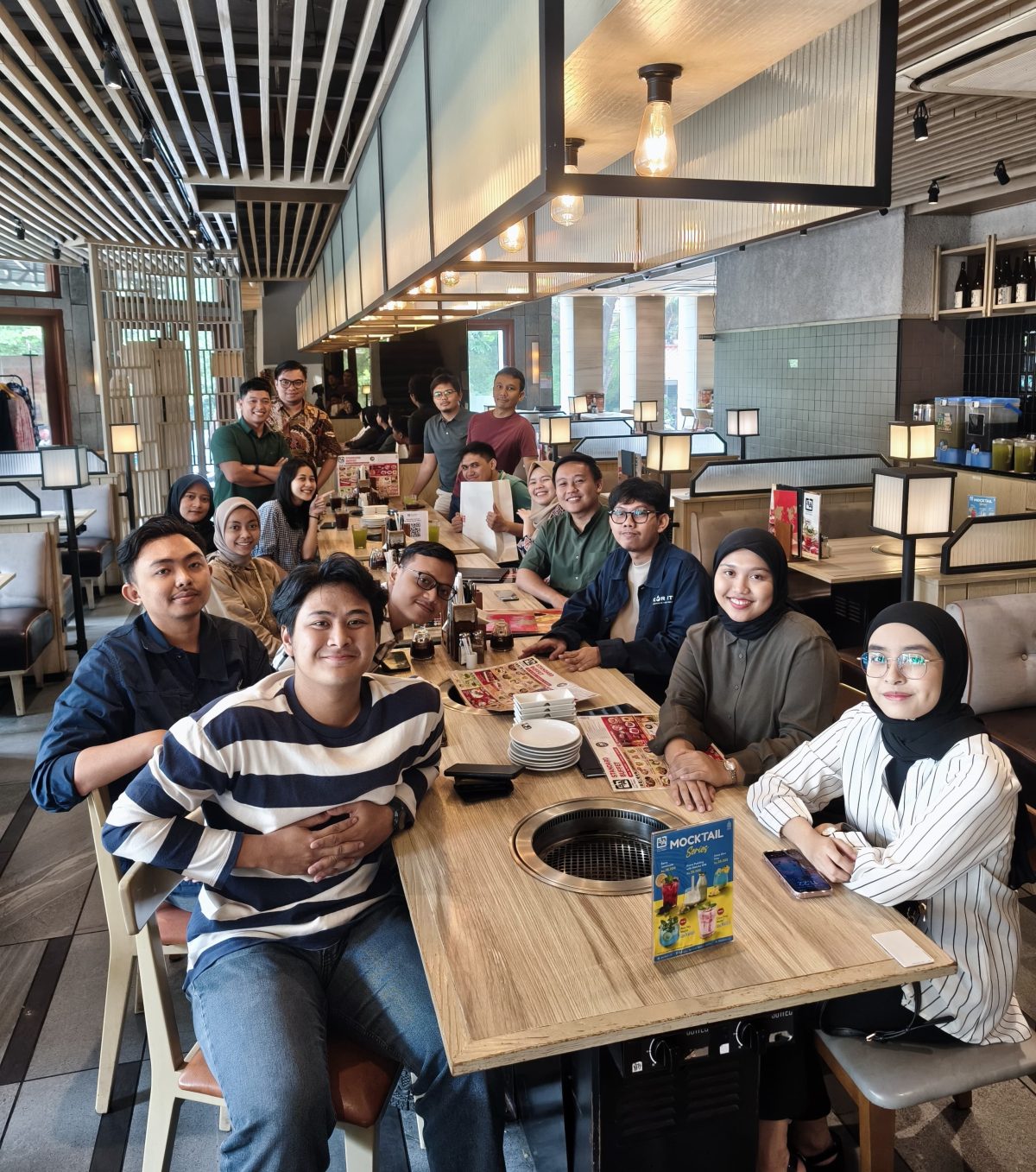
Acara halal bihalal ini dilaksanakan pada hari Kamis, 10 April 2025, dan bertempat di restoran Japanese BBQ Gyu-Kaku. Suasana hangat dan penuh keakraban terasa sejak awal acara, yang dibuka dengan sambutan dari dua perwakilan peneliti, yakni Miftah Hidayat, S.T., M.Sc., Ph.D. selaku perwakilan dari Ogrindo ITB serta Ir. Mahruri, S.T., M.Sc. selaku perwakilan dari Laboratorium EOR ITB. Dalam sambutannya, keduanya mengungkapkan rasa syukur atas kesempatan yang diberikan untuk berkumpul kembali bersama seluruh anggota tim dalam suasana yang penuh kebahagiaan dan kekeluargaan.

Seluruh anggota menyambut kegiatan ini dengan antusias. Banyak dari mereka menyampaikan bahwa kegiatan halal bihalal seperti ini perlu dijadikan agenda rutin setiap tahun, khususnya menjelang dimulainya kembali aktivitas penelitian setelah libur panjang Idul Fitri. Momen ini dinilai sangat penting dalam menjaga hubungan antar anggota tim agar tetap kompak dan harmonis.

Selain sebagai ajang silaturahmi, halal bihalal ini juga menjadi kesempatan untuk berbagi cerita dan pengalaman selama merayakan Idul Fitri bersama keluarga di kampung halaman. Cerita-cerita yang dibagikan membawa suasana penuh tawa dan kehangatan, serta menumbuhkan semangat baru untuk kembali menjalankan tugas dan tanggung jawab di lingkungan laboratorium.

Acara ditutup dengan doa bersama yang dipanjatkan demi kelancaran dan keberkahan dalam pelaksanaan kegiatan riset dan penelitian di Ogrindo ITB serta Laboratorium EOR ITB ke depannya. Harapan besar disampaikan oleh seluruh anggota tim agar semangat kebersamaan yang tercipta dalam momen ini dapat terus terjaga, serta menjadi modal berharga untuk meraih kesuksesan dalam berbagai program dan penelitian yang akan datang.

Dengan terselenggaranya kegiatan ini, Ogrindo ITB dan Laboratorium EOR ITB menunjukkan komitmennya tidak hanya dalam aspek akademik dan profesional, tetapi juga dalam membangun budaya kerja yang humanis, harmonis, dan penuh kekeluargaan.

Categories
News Article

Ramah-Tamah dan Buka Puasa Bersama Ogrindo ITB

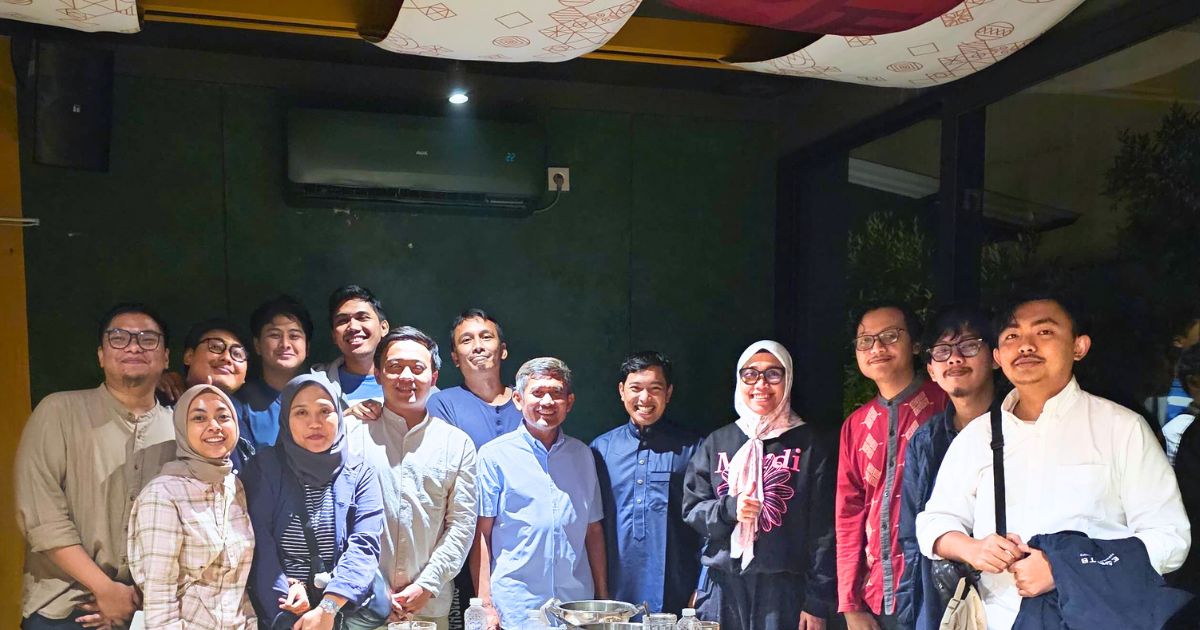
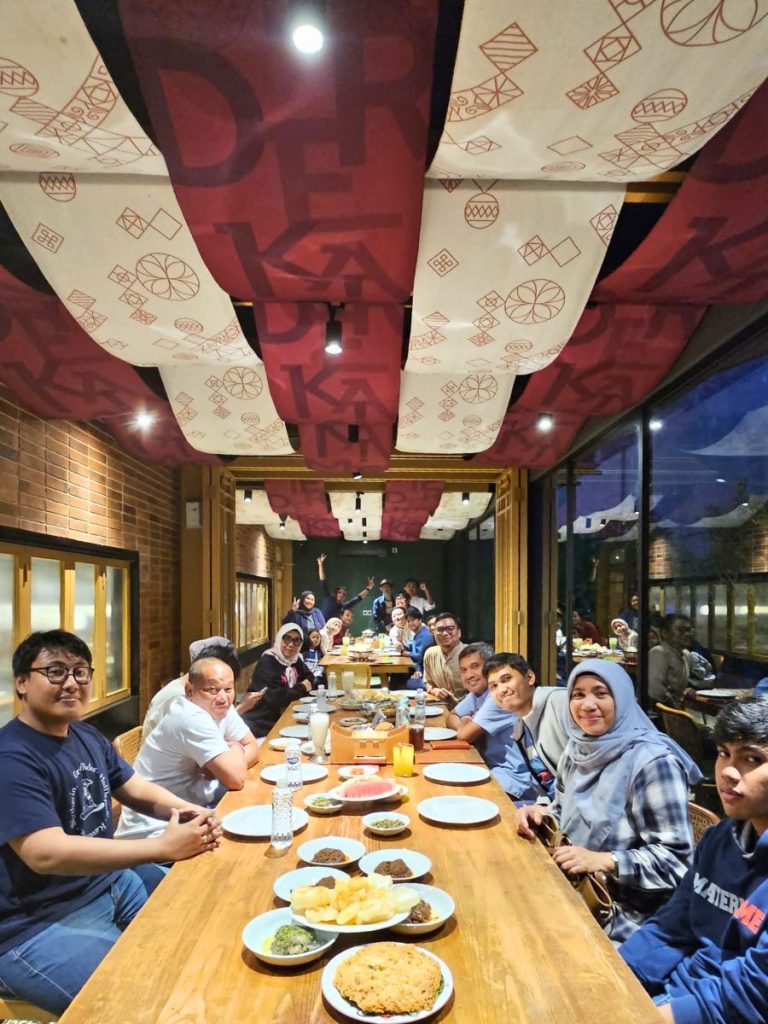
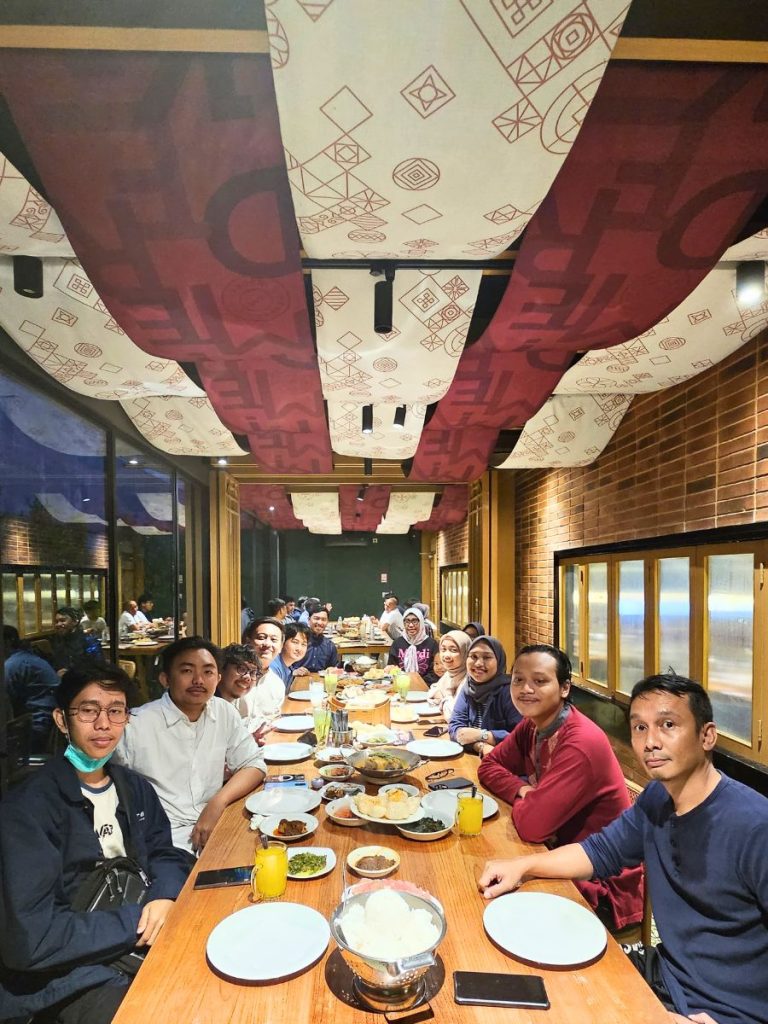
Dalam menyambut bulan Ramadhan tahun 2025 ini, Ogrindo ITB mengadakan agenda ramah-tamah dan buka puasa bersama seluruh tim peneliti. Acara ini diselenggarakan pada Sabtu, 15 Maret 2025, di Rumah Makan Padang Merdeka, Kota Bandung. Hadir pula pada agenda kali ini yaitu Prof. Dr. Ir. Taufan Marhaendrajana, M.Sc. selaku Chairman Ogrindo ITB. Kegiatan ini berlangsung dalam suasana yang hangat dan penuh makna.

Acara ini berlangsung dengan penuh keakraban, dimulai dari sesi ramah-tamah, di mana para anggota tim dapat berbincang santai satu sama lain, berbagi pengalaman, serta mempererat hubungan antarindividu di dalam tim. Tepat saat azan magrib berkumandang, seluruh peserta menikmati hidangan berbuka puasa yang telah disiapkan. Suasana kekeluargaan semakin terasa saat makanan khas Minang tersaji di meja, mengundang kebersamaan dalam setiap suapan. Selain buka puasa bersama, diskusi ringan mengenai rencana berbagai riset, penelitian, dan pengembangan di Ogrindo ITB juga turut mengisi waktu, menunjukkan bahwa semangat inovasi tetap menyala meskipun dalam suasana santai.

Adanya agenda buka puasa bersama ini disambut dengan sangat baik oleh seluruh anggota tim. Mereka merasa bahwa momen seperti ini bukan hanya sekadar kesempatan untuk berbagi makanan, tetapi juga sebagai ajang untuk membangun kekompakan, mempererat persaudaraan, dan meningkatkan semangat kerja tim. Beberapa anggota tim bahkan mengungkapkan harapan agar kegiatan serupa dapat terus diadakan setiap tahun, sebagai tradisi yang memperkuat nilai kebersamaan di lingkungan Ogrindo ITB.

Dengan penuh rasa syukur, acara ini pun ditutup dengan doa bersama, memohon kelancaran dalam menjalankan ibadah puasa serta keberkahan bagi seluruh tim dalam menjalani tugas dan tanggung jawab mereka ke depannya. Semoga kebersamaan ini terus terjalin dan memberikan inspirasi bagi perjalanan Ogrindo ITB di masa mendatang.