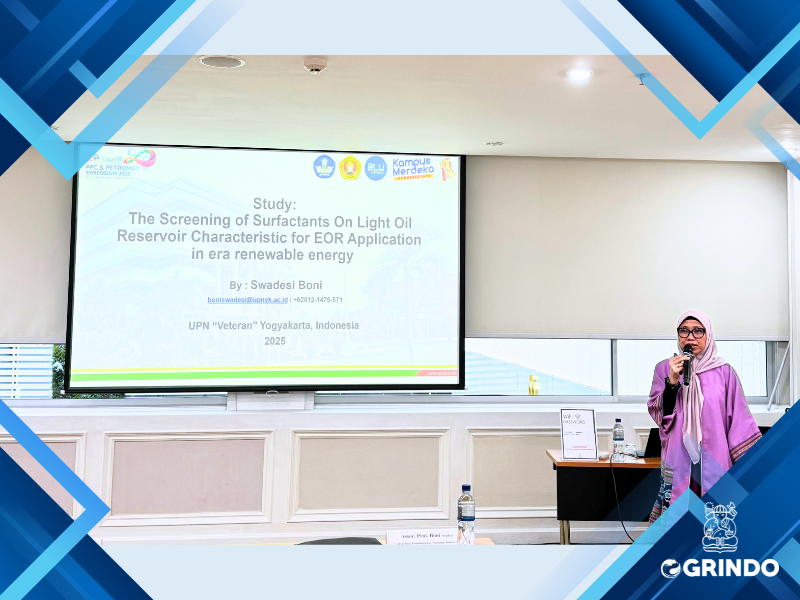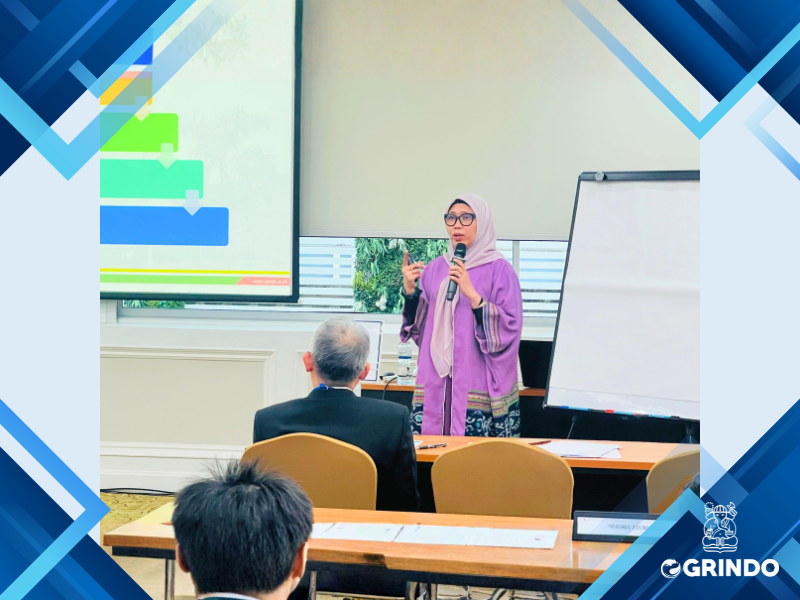
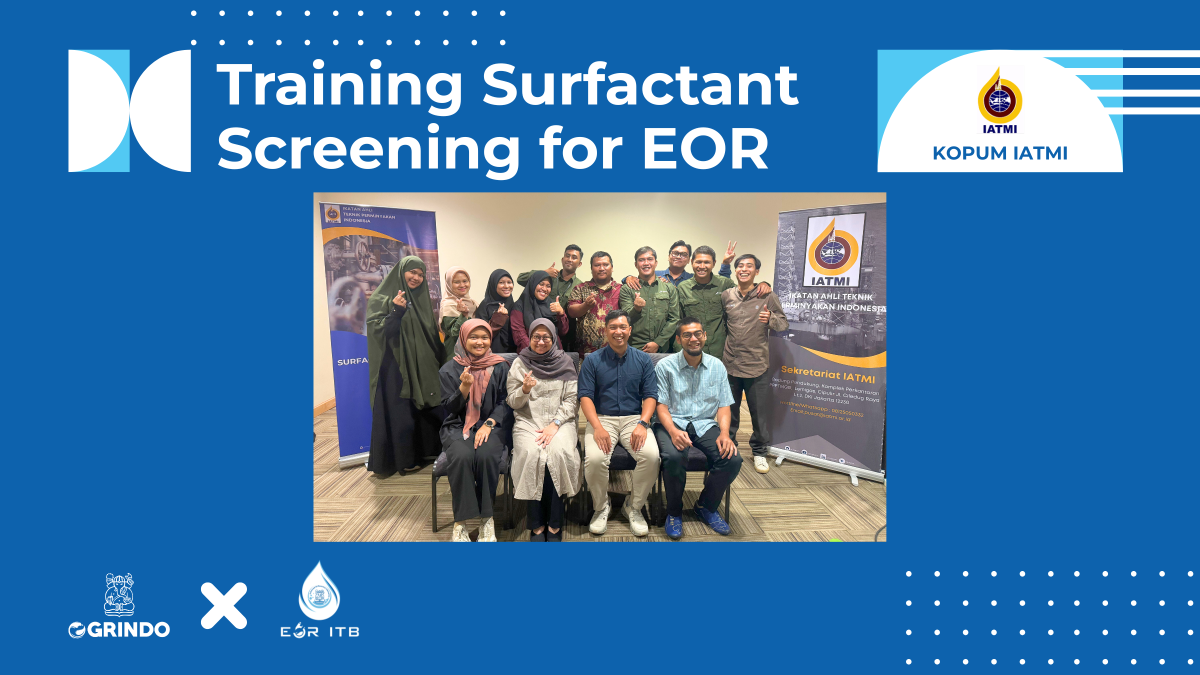
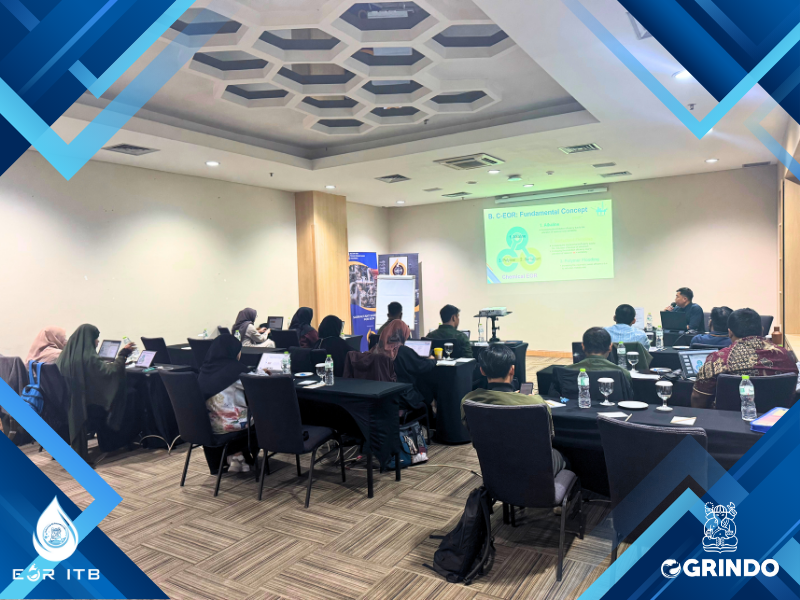
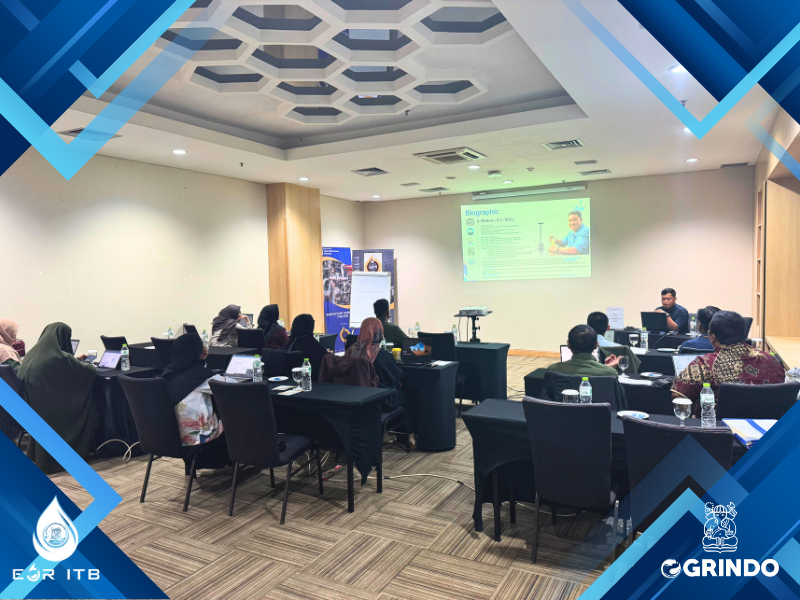
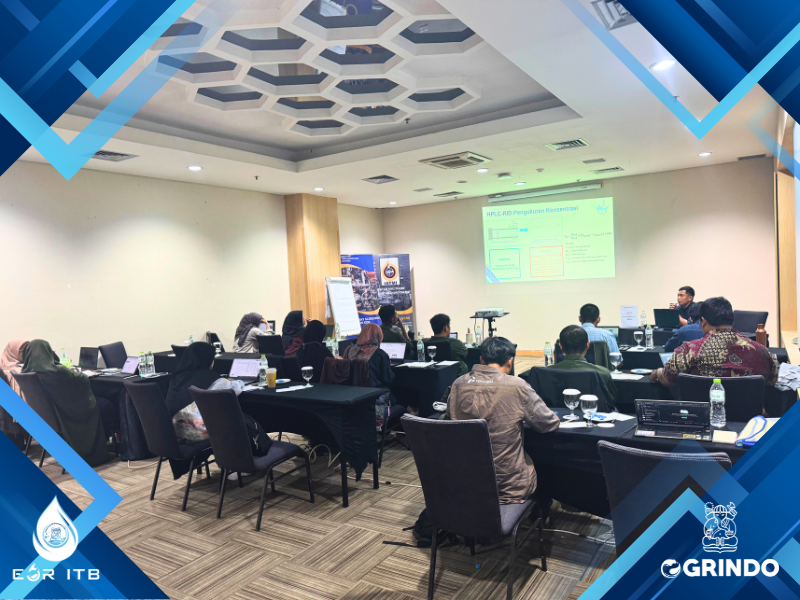
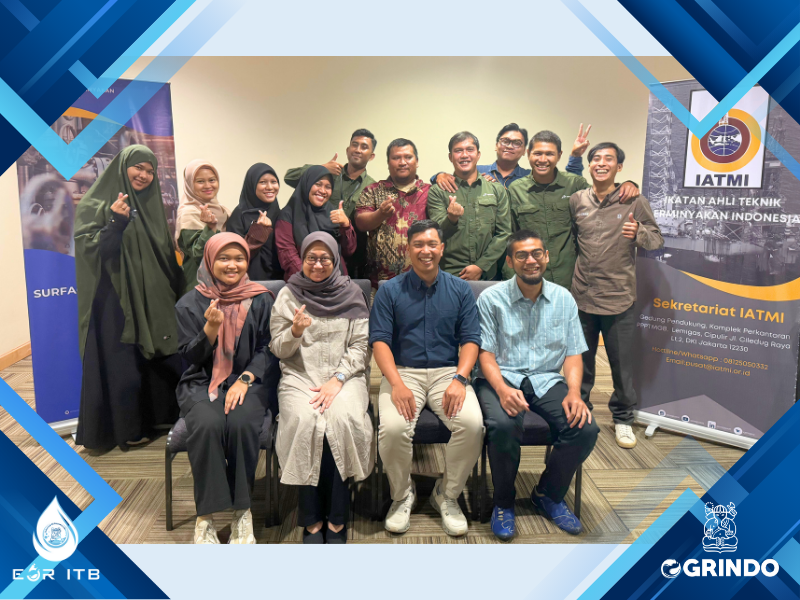
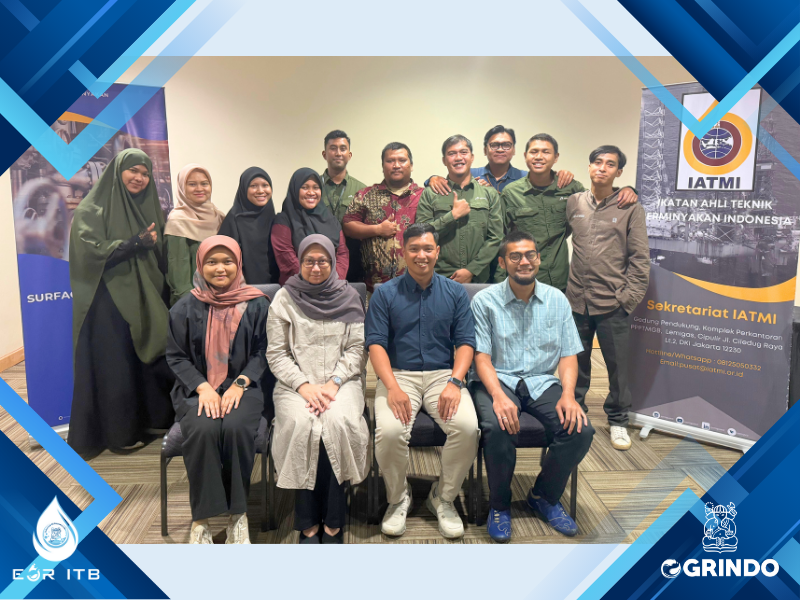
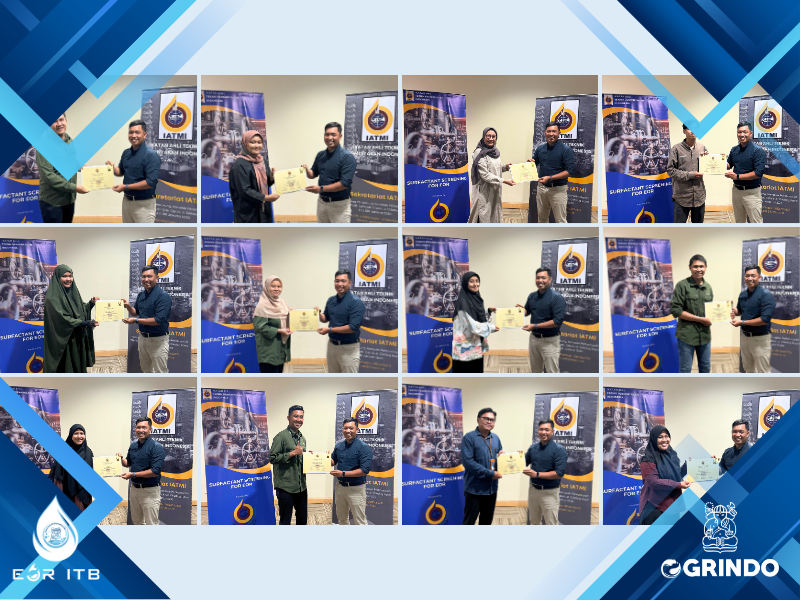
Efforts to increase national oil and gas production amid the decline of existing field production require the application of Enhanced Oil Recovery (EOR) technology that is increasingly mature, measurable, and research-based. In response to this challenge, the Training Surfactant Screening for Enhanced Oil Recovery (EOR) was conducted on Tuesday, 9 December 2025, at Best Western Premier The Hive, Cawang, DKI Jakarta.
This training featured Ir. Mahruri, S.T., M.Sc., Project Manager of the EOR Laboratory ITB as well as a Researcher at OGRINDO ITB, as the main speaker. The activity was organized by KOPUM IATMI (Koperasi Jasa Usaha Mandiri Ikatan Ahli Teknik Perminyakan Indonesia) and was attended by professionals from Pertamina RTI.
This training served as a strategic momentum to enhance technical capacity and strengthen the competencies of petroleum professionals, particularly in supporting the development and optimization of EOR technology implementation across various oil and gas working areas in Indonesia.
Urgency of EOR Implementation in Indonesian Oil and Gas Fields
In the opening session, Ir. Mahruri presented a comprehensive overview of the stages of oil production—ranging from primary recovery, secondary recovery, to Enhanced Oil Recovery. It was conveyed that although waterflood and gas flood methods have been widely implemented, a significant portion of oil remains trapped in the reservoir due to limitations of conventional displacement mechanisms.
In this context, EOR emerges as a strategic solution to:
- Drain residual oil that is microscopically trapped,
- Increase recovery factor,
- Extend the productive life of existing oil and gas fields.
Globally, the contribution of EOR to world oil production continues to increase, particularly in countries with maturefields. Indonesia has significant potential to optimize EOR, especially Chemical EOR, in both sandstone and carbonate reservoirs.
Chemical EOR and the Strategic Role of Surfactants
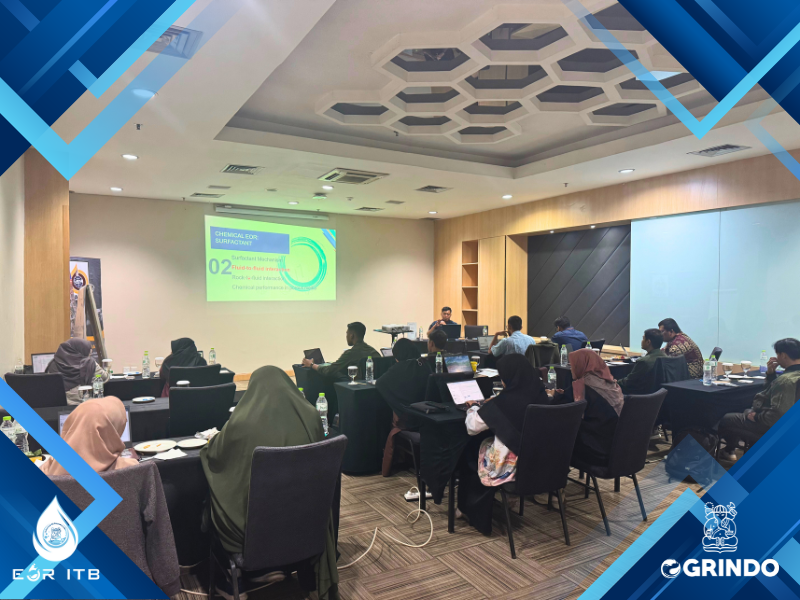
The main focus of this training was Chemical EOR, with an emphasis on surfactant flooding. Fundamentally, Chemical EOR aims to modify the physicochemical properties of reservoir fluids and rocks through the injection of chemical agents such as alkali, surfactants, and polymers.
Ir. Mahruri explained that surfactants play a crucial role in:
- Reducing the interfacial tension (IFT) between oil and water to achieve ultra-low IFT conditions,
- Forming microemulsions capable of mobilizing residual oil,
- Altering rock wettability (wettability alteration),
- Improving displacement efficiency and imbibition processes.
The success of surfactant flooding is highly dependent on a comprehensive screening and laboratory evaluation process to ensure that the applied surfactants are truly compatible with reservoir characteristics.
Surfactant Screening: From Concept to Laboratory Evaluation
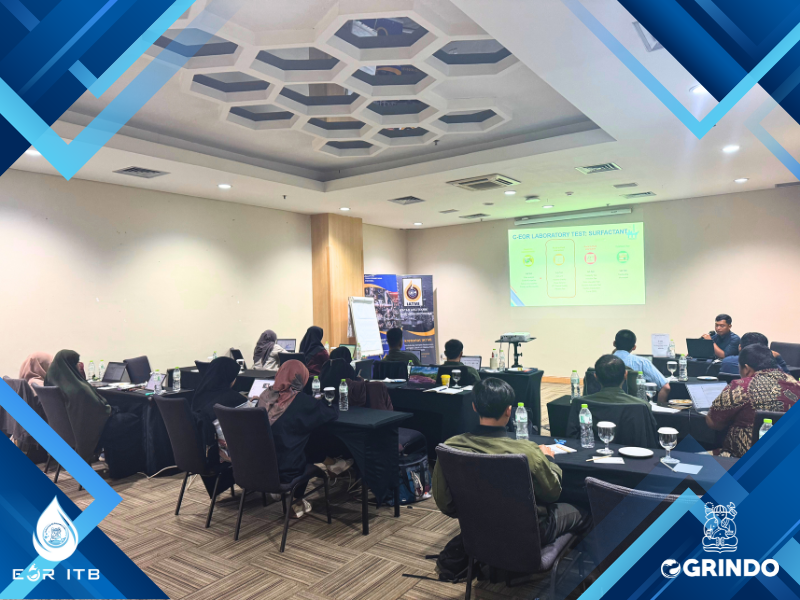
One of the main strengths of this training was the in-depth discussion of the laboratory-based surfactant screening workflow, covering fluid–fluid and rock–fluidinteractions, as well as chemical performance in porous media.
Several key tests discussed included:
- CMC–IFT Test
Determines the optimum surfactant concentration to achieve the lowest IFT value. An effective surfactant is expected to reach ultra-low IFT (<10⁻² mN/m) at an economically feasible concentration. - Aqueous Stability Test
Evaluates surfactant stability and compatibility in injection brine and native brine reservoir to avoid the risk of precipitation and plugging. - Phase Behavior Test
Assesses microemulsion formation (Winsor Type III) as the main indicator of surfactant effectiveness in mobilizing residual oil. - Thermal Stability & Filtration Test
Ensures surfactant stability at reservoir temperature and minimizes potential injectivity issues during the injection process. - Wettability, Adsorption, and Imbibition Test
Evaluates the ability of surfactants to alter rock wettability and minimize surfactant loss due to adsorption. - Coreflooding and Micromodel
Advanced stages to dynamically simulate surfactant performance in porous media while visualizing displacement mechanisms in two dimensions. displacement secara dua dimensi.
This series of tests emphasizes that Chemical EOR is not merely a chemical injection process, but an integrated scientific approach that must be supported by strong and representative laboratory data.
Bridging Research and Field Implementation
Through this training, participants gained not only conceptual understanding but also practical insights into how research outcomes and laboratory test results can be translated into EOR strategies ready for field implementation.
The discussion also addressed common challenges in Chemical EOR implementation, including:
- Polymer adsorption and degradation,
- Surfactant sensitivity to salinity and temperature,
- Risks of plugging, scaling, and corrosion,
- Economic considerations and surface facility readiness.
Various case studies and lesson learned from EOR implementations both domestically and internationally enriched participants’ perspectives on the complexity as well as the opportunities of this technology.
Opening Opportunities for Strategic Collaboration
Through this activity, OGRINDO ITB and the EOR Laboratory ITB reaffirmed their commitment to supporting the development of EOR technology based on research, laboratory testing, and close collaboration with industry.
Opportunities for collaboration are open for:
- Research and development of Chemical EOR,
- Surfactant screening and laboratory evaluation,
- EOR feasibility studies,
- Technical training and consultancy,
- Industry–academia collaborative projects.
📩 Collaboration contacts:
OGRINDO ITB: info@ogrindoitb.com
EOR Laboratory ITB: labifteoritb@gmail.com
This training serves as a tangible example of how synergy between research, laboratories, and industry can accelerate the adoption of practical, effective, and sustainable EOR technologies to support national energy security.