Categories
News Article

Training HPLC – RID Part 1: System Introduction for Precise Analysis

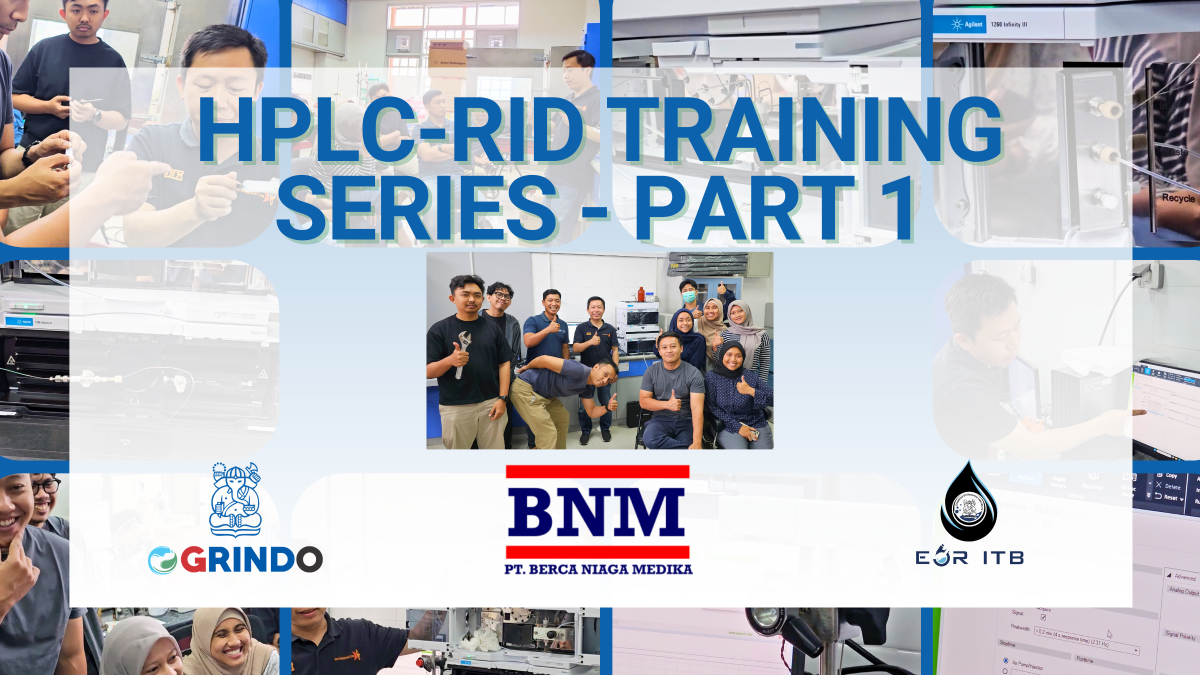
In an effort to maintain accurate, precise, and reproducibleanalytical quality standards, OGRINDO ITB and the EOR Laboratory ITB organized an HPLC–RID Training in collaboration with PT. Berca Niaga Medika. This activity aims to strengthen the team's understanding of the High Performance Liquid Chromatography (HPLC) system with a Refractive Index Detector (RID), ensuring optimal instrument operation and generating reliable data to support research and applications of Chemical EOR.
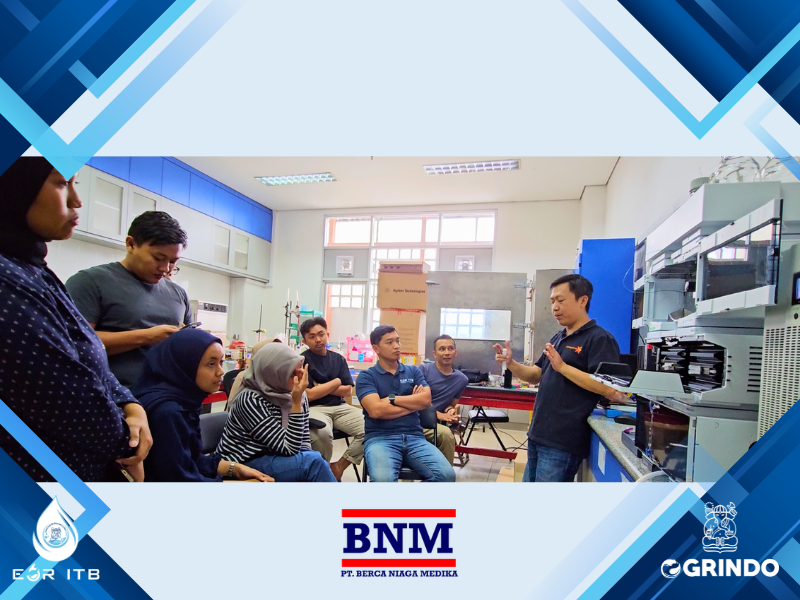
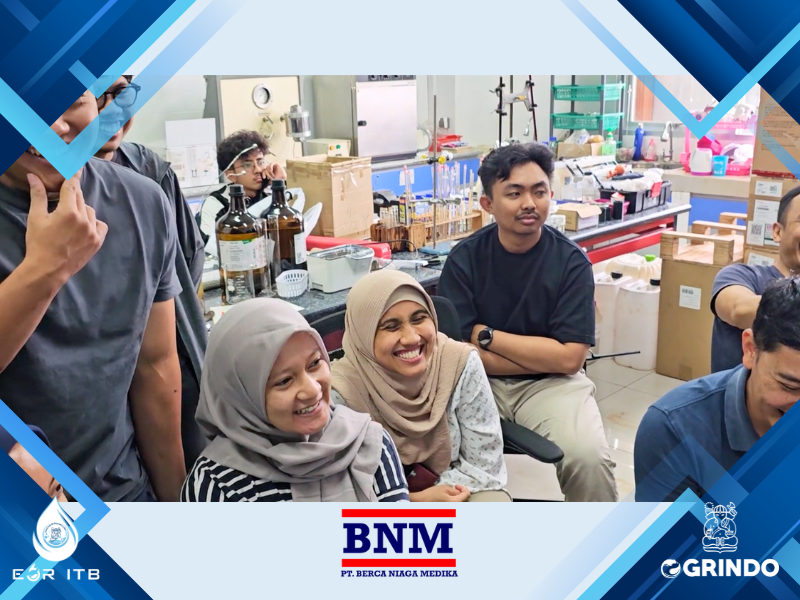
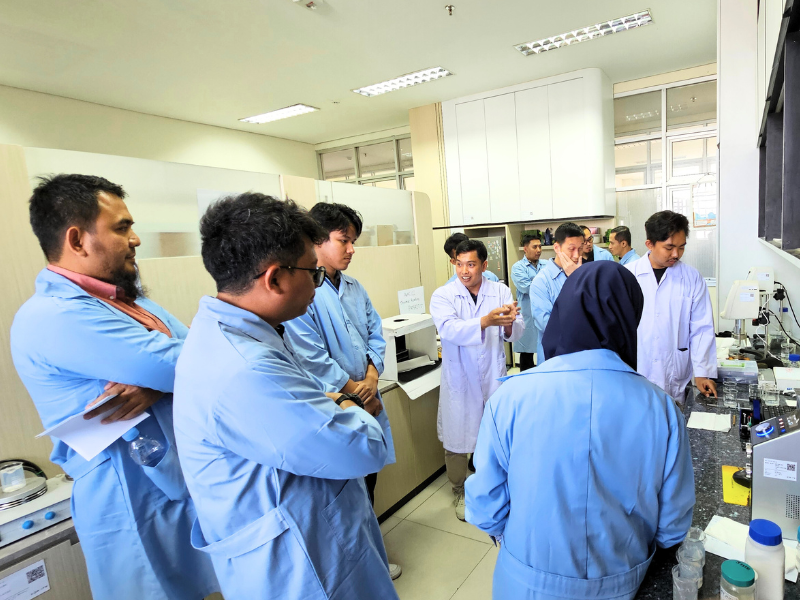
Figure 1. Technical discussion session during the HPLC–RID Training with the team from PT. Berca Niaga Medika at the EOR Laboratory ITB.
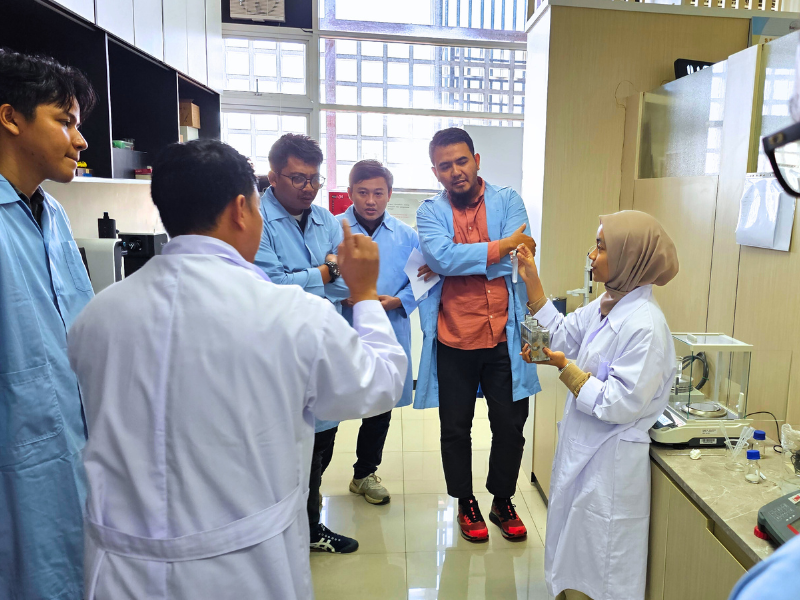
Figure 2. Training participants enthusiastically taking part in the discussion and introduction session of the HPLC–RID system at the EOR Laboratory ITB.

HPLC 1260 – RID System at the EOR Laboratory ITB

The EOR Laboratory ITB utilizes an HPLC type 1260 equipped with an RID detector system and a manual injector. This configuration is highly suitable for analyzing compounds such as polymers and surfactants, particularly in studies of chemical adsorption onto rock, detection and quantification of polymers and surfactants in monitoring wells, as well as evaluation of injection performance in Chemical EOR schemes. Understanding each component is key to maintaining system stability and ensuring the quality of analytical results.
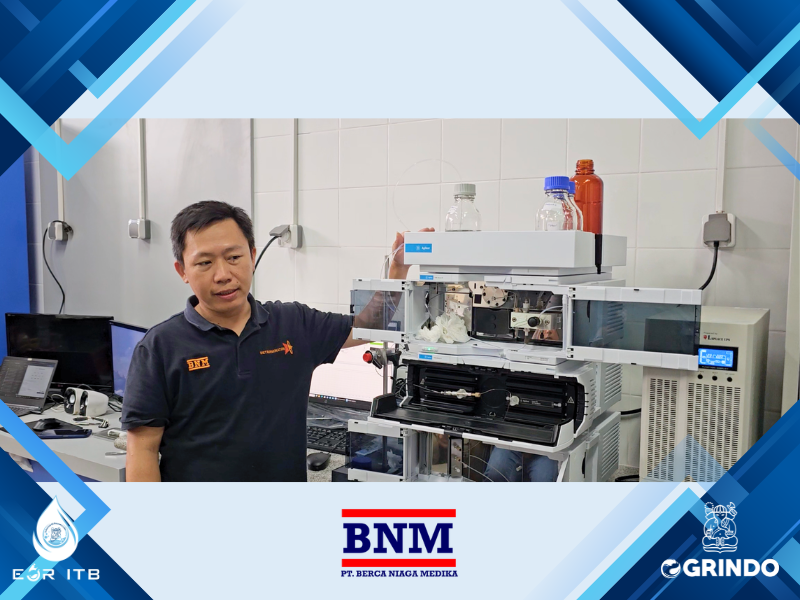
Figure 3. The instructor explaining the configuration and main components of the HPLC–RID system used in the sample analysis process.

Main Components and Their Functions

  1. Mobile Phase Reservoir
    A container used to store the solvent (mobile phase) that will flow through the system. The quality and cleanliness of the mobile phase greatly determine pressure stability and the baseline chromatogram.
  2. Isocratic Pump
    The system used is isocratic, meaning it uses a single, constant mobile phase composition throughout the analysis. In contrast, gradient systems allow changes in the composition of 2–4 solvents through softwarecontrol, isocratic systems are simpler and more stable for routine methods with relatively consistent sample matrices.
  3. Manual Injector
    The injection process is carried out manually using a 20 µL loop and a precision syringe (typically 50 µL) to ensure consistent injection volume and repeatability maintain.
  4. HPLC Column
    The column is the core of the separation process. The column compartment is equipped with a heater with temperatures up to 85°C to maintain temperature stability and consistency retention time.
  5. Refractive Index Detector (RID)
    RID operates based on differences in refractive index between the mobile phase and sample components. This detector is highly sensitive to temperature changes, solvent composition, and the presence of air bubbles, making system stability a crucial factor.
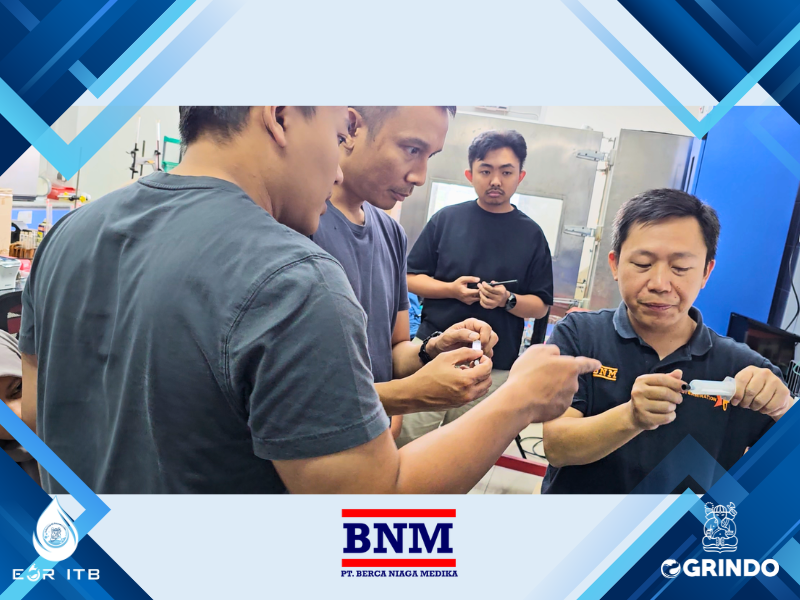
Figure 4. Demonstration of the sample injection process using a syringe in the system of manual injector HPLC.
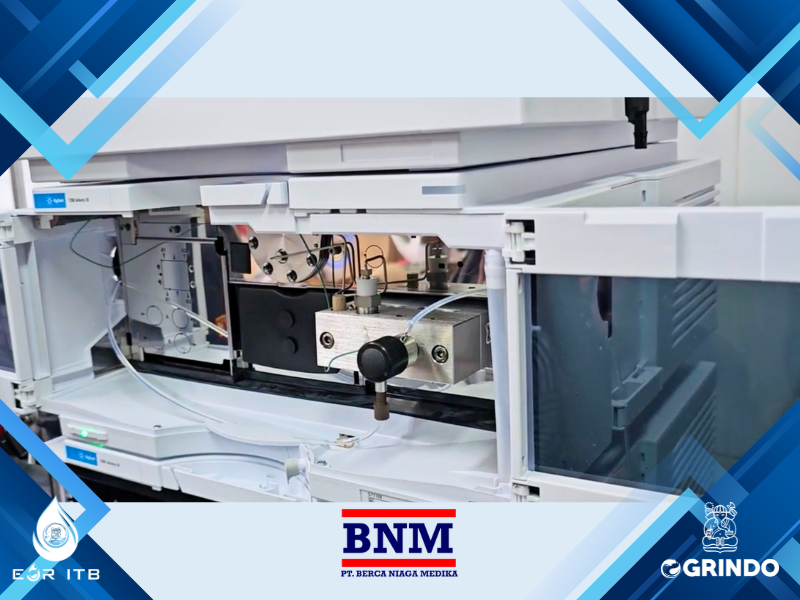
Figure 5. Internal view of the HPLC system showing the flow path of the mobile phase toward the column and detector.

System Stability Begins with the Mobile Phase

One of the main topics discussed during the training was the importance of ensuring that the mobile phase is free from air bubbles (bubble).

Indications that the System Contains Bubble:

  • Pressure graph fluctuates abnormally
  • Baseline unstable
  • Changes in retention time compared to previous methods

To prevent these issues:

  • The mobile phase must be filtered and sonicated (degassing).
  • The system should first be run with water before switching to the main mobile phase to ensure no air is trapped in the flow path.
  • If bubbleare detected, remove the air until the pressure becomes stable before starting the analysis.
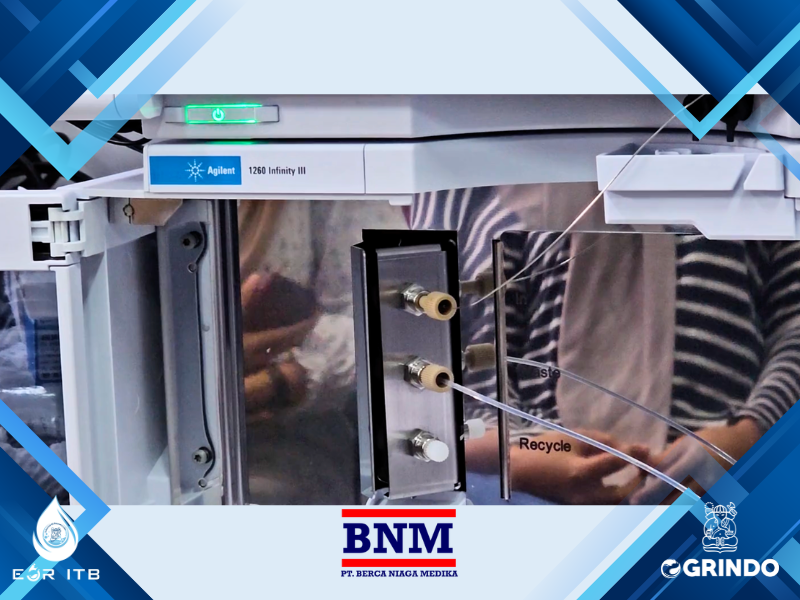
Figure 6. Detailed view of tubing connections and flow paths in the HPLC system that require stable pressure and must be free of air bubbles.

Purging Pump: A Mandatory Step Before Analysis

Purging is performed to remove air from the system. The general purging procedure is as follows:

  • Run the mobile phase with flow rate ±2 mL/min for approximately ±2 minutes.
  • If the pressure is still unstable or bubble are present, the flow rate can be increased up to 4 mL/min (maximum 5 mL/min according to system limits).
  • The process continues until the pressure stabilizes.
  • The duration of purging depends on the system condition.
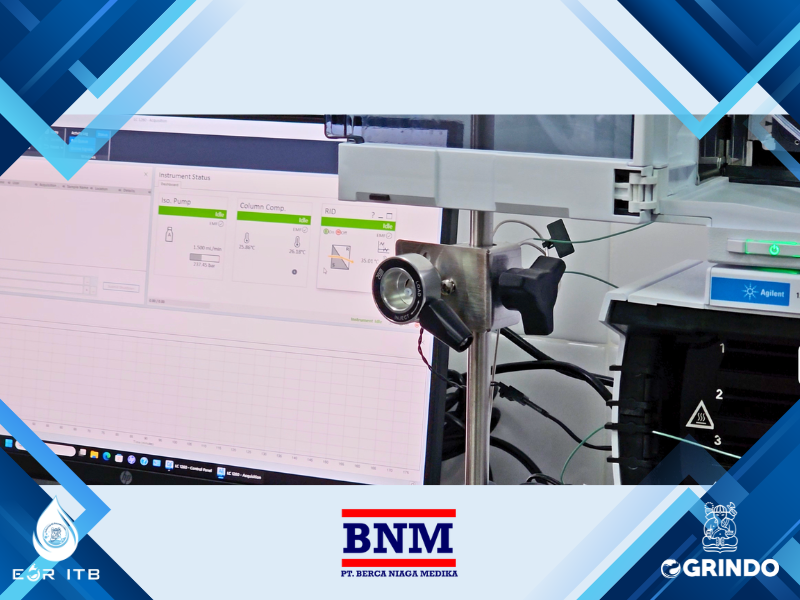
Figure 7. The HPLC instrument software interface used to monitor system conditions and record chromatogram data during the analysis process.

Maintaining Column Performance and Data Accuracy

Several best practice emphasized during the training:

  • Use a mobile phase that is clear and free from turbidity
  • Avoid excessively high viscosity, as it can increase system pressure.
  • High viscosity over time can accelerate column saturation.
  • Stabilize column temperature to maintain consistency of retention time.
  • Perform gradual flushing when changing solvents with different characteristics.

In the early stages, the system may still show good results. However, without proper procedures, column performance may gradually decline and affect the validity of analytical data.
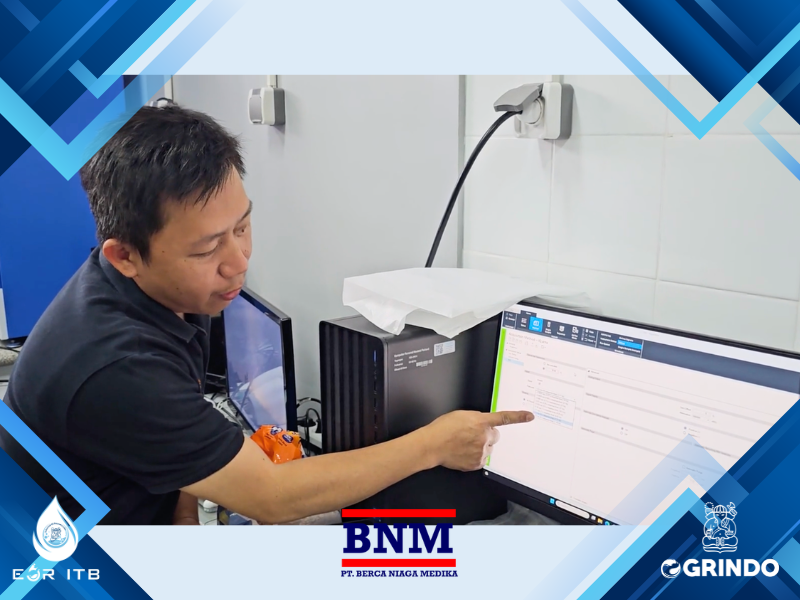
Figure 8. Explanation of method settings and monitoring of HPLC analysis parameters through the instrument software system.

Building a Culture of Precise Analysis

Training not only focuses on how to operate the instrument but also builds a comprehensive understanding of working principles, potential operational risks, and the importance of standard procedures in maintaining data integrity.
With well-maintained systems and proper procedures, HPLC–RID becomes a strategic instrument in supporting polymer and surfactant analysis for the successful implementation of Chemical EOR.
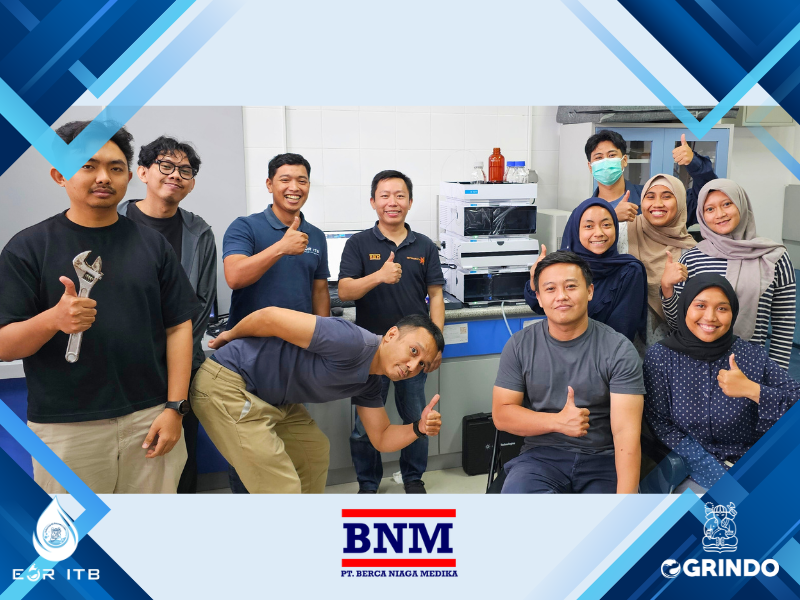
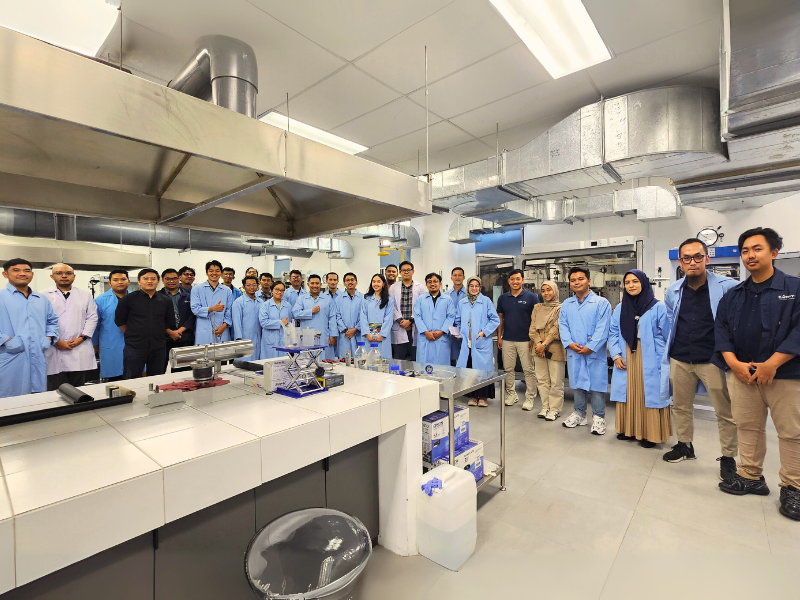
Figure 9. Group photo of participants and the instructor after the HPLC–RID instrument operation practice session.

Interested in Collaborating?

OGRINDO ITB and the EOR Laboratory ITB open opportunities for research collaboration, laboratory testing, and analytical method development for both industrial and academic needs.
📩 Contact us:
ogrindo@itb.ac.id
eor@itb.ac.id
Let us achieve more precise analysis, more stable systems, and more reliable data to support sustainable energy innovation.
Categories
News Article

Hands-on Laboratory Training on Chemical EOR at Lab EOR ITB: Bridging Knowledge, Industry, and Innovation

On Tuesday, August 26, 2025, Enhanced Oil Recovery Laboratory of Institut Teknologi Bandung (ITB), in collaboration with Oil and Gas Recovery for Indonesia (OGRINDO) ITB, successfully conducted the Hands-on Laboratory Training Chemical Enhanced Oil Recovery (CEOR). This event served as an important platform for industry professionals and academics to gain a deeper understanding of Chemical EOR metode through direct laboratory practice.

The main activities in this Hands-on Laboratory Training Chemical EOR were Screening Polymer and Surfactant Formulation, carried out intensively at the EOR Laboratory ITB. Participants not only learned the theoretical foundations but also conducted a series of comprehensive laboratory tests to evaluate the performance of chemical EOR under various reservoir conditions.

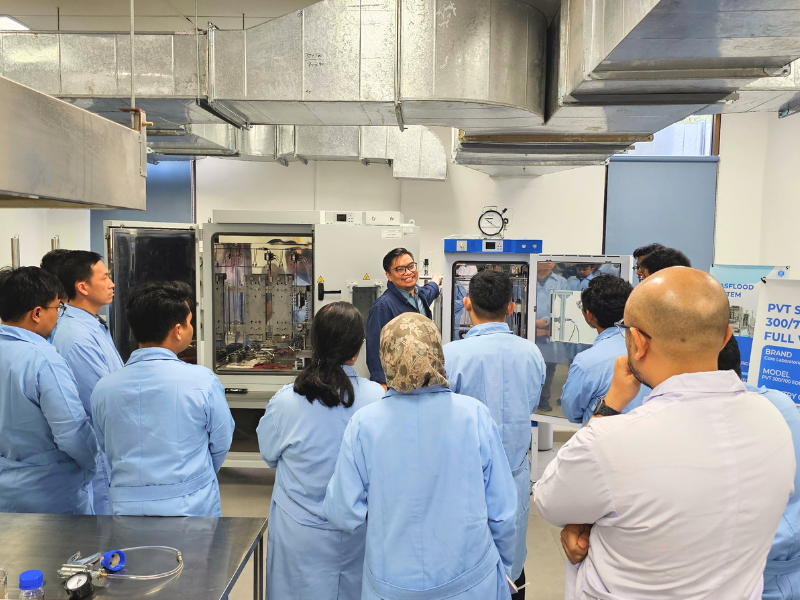
Figure 1. Training participants listening to the instructor’s explanation of Chemical EOR at Lab EOR ITB

Training Details

  1. Screening Polymer

In this session, participants conducted several key tests to assess polymer performance, including:

  • Fluid–Fluid Compatibility Test: viscosity measurement, polymer–water compatibility, filtration ratio, screen factor, and thermal stability test
  • Rock–Fluid Compatibility Test: static adsorption test, dynamic adsorption test and IPV, as well as injectivity test (RF and RRF)
  • Coreflood Test: the test of tertiary oil recovery to evaluate the potential improvement of oil recovery
Figure 2. Surfactant testing session: participants engaged in an interactive discussion with the instructor on laboratory testing methods

2. Surfactant Formulation Lab Test

This session focused on surfactant formulation under various laboratory conditions, including:

  • Fluid–Fluid Compatibility Test: uji kompatibilitas surfaktan dengan air, IFT test, phase behavior test, IFT thermal stability test, and filtration test
  • Rock–Fluid Compatibility Test: wettability test, static adsorption test, dynamic adsorption testoil field revitalization, and capillary desaturation curves (CDC) test
  • Coreflood Test: the test of tertiary oil recovery test to evaluate the effectiveness of surfactants in mobilizing residual oil.
Figure 3. Laboratory practice session: participants conducting direct fluid–rock compatibility testing

Through this series of tests, participants gained hands-on experience in CEOR laboratory evaluations using methods applied globally in the oil and gas industry. This further strengthens the position of Lab EOR ITB as a research and training center equipped with facilities and expertise capable of addressing the real needs of Indonesia’s petroleum industry.

Training Participants

This training was attended by professionals from various national oil and gas companies, namely:

  • Pertamina Hulu Energi (PHE) – including PHE OSES, PHE ONWJ, and PHE SHU SDRE
  • Pertamina EP (PEP) – including PEP Zone 7
  • Pertamina Hulu Mahakam (PHM)
  • Pertamina Hulu Rokan (PHR)
  • Pertamina Hulu Indonesia (PHI)
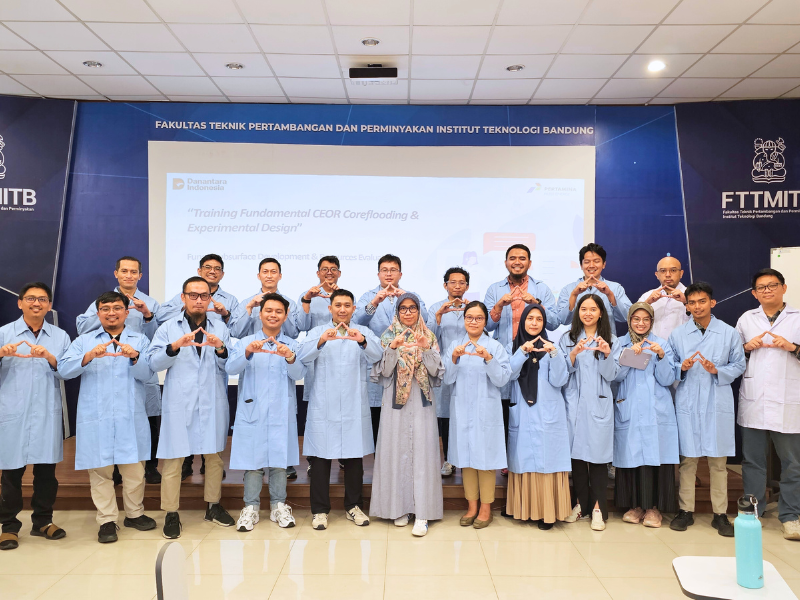
Figure 4. Group photo of Hands-on Laboratory Training Chemical EOR participants at Lab EOR ITB.
Figure 5. Chemical EOR training participants at the Faculty of Mining and Petroleum Engineering, ITB.

Impact and Benefits

Through this hands-on experience, participants not only enhanced their technical skills, but also gained strategic insights to support increased recovery factor and the sustainability of Indonesia’s energy sector.

With complete laboratory facilities and the support of experienced experts, Lab EOR ITB together with OGRINDO are ready to become strategic partners for the oil and gas industry in developing and implementing Enhanced Oil Recovery in Indonesia.

This training is a tangible form of collaboration between OGRINDO ITB and Lab EOR ITB in strengthening human resource capacity in the oil and gas sector. It provides participants with a comprehensive understanding of Chemical EORimplementation, from laboratory scale to field applications.