Categories
News Article

Rheological Interactions Between Barium and Sulfate Ions in HPG Fracturing Fluids: New Insights from the Use of Produced Water

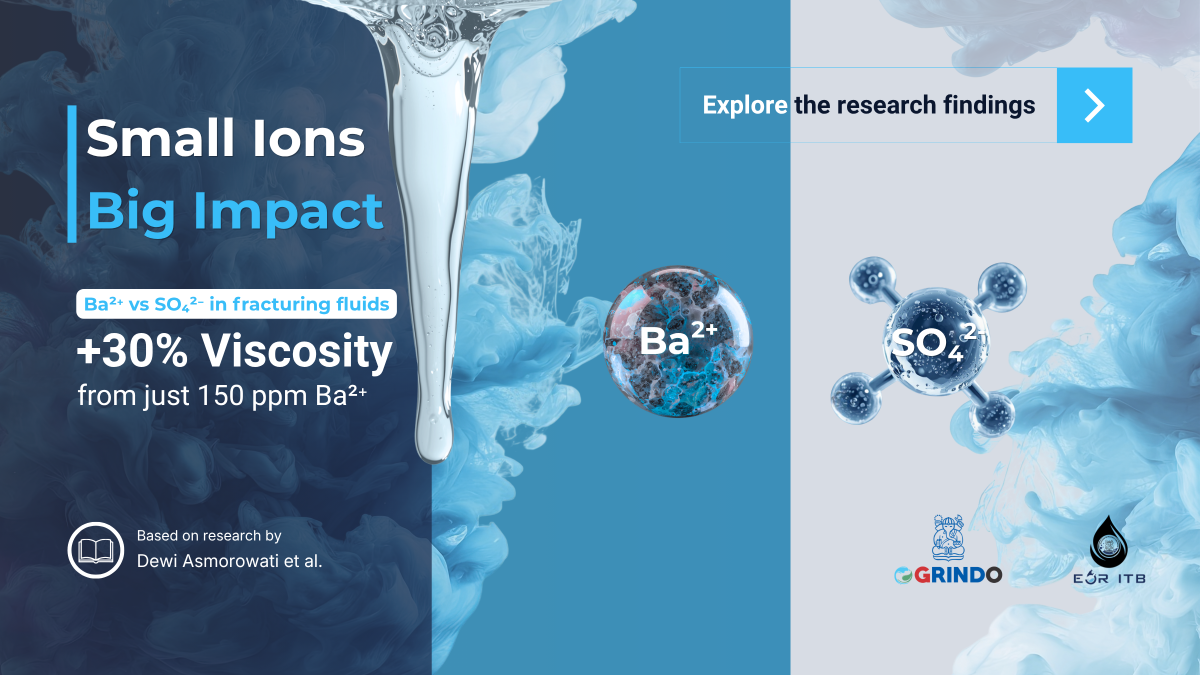
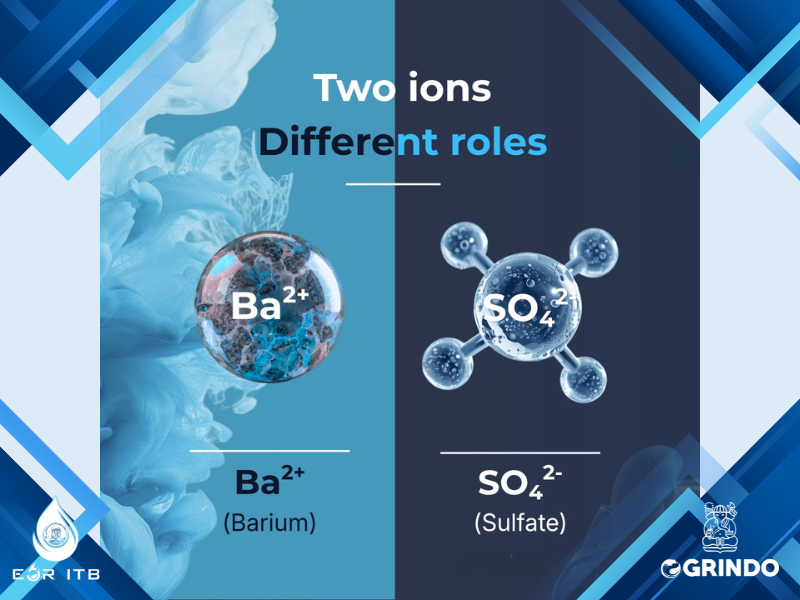
Figure 1. Barium and sulfate in produced water exhibit different effects on performance of fracturing fluid.

Utilization of produced water as an alternative in fracturing fluid formulation is gaining increasing attention in the oil and gas industry, particularly amid limited freshwater availability in the field. However, the complexity of the chemical composition of produced water, especially the presence of monovalent and divalent ions, can significantly affect the rheological properties of the fluid, including viscosity, which is a key parameter in the success of hydraulic fracturing. Therefore, a deeper understanding of ion–polymer interactions becomes crucial in designing fracturing fluid which is optimal and applicable.

This study reviews the results of recent research on the effects of barium and sulfate ions on hydroxypropyl guar (HPG)-based fracturing fluid , as well as their implications for the use of produced water in the field.

Utilization of Produced Water in Fracturing Fluid: Challenges and Opportunities

The use of produced water offers advantages in terms of availability and cost efficiency. However, its complex ionic composition can affect the stability and performance of fracturing fluid. Dissolved ions, both monovalent and divalent, are known to play a role in determining fluid viscosity and flow behavior, and therefore require further investigation.

Research Objective: Understanding the Role of Ions in Performance Fracturing Fluids

This study aims to evaluate the effect of divalent ions, particularly barium (Ba²⁺) and sulfate (SO₄²⁻), on the viscosity of HPG-based fracturing fluid . In addition, this study also aims to understand how these ions influence the rheological behavior of the fluid under various operating conditions.

Testing Methodology: Evaluation of HPG Fluid Rheology under Various Conditions

The testing was conducted experimentally using HPG solutions with varying concentrations of barium and sulfate ions. The main parameter observed was fluid viscosity under different shear rate and temperature conditions.

In general, the testing includes:

  • The addition of BaCl₂ and Na₂SO₄ ions up to a concentration of 150 ppm
  • Viscosity measurement using a rheometer at several shear rate
  • Evaluation at 25°C (surface conditions) and 70°C (reservoir conditions)
  • Analysis of polymer hydration time and fluid residue testing

This approach is used to represent actual field conditions.
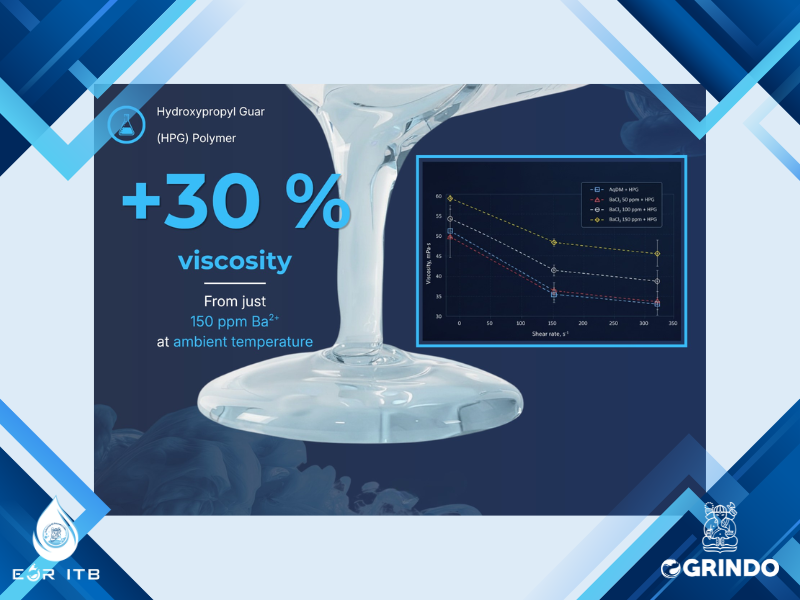
Figure 2. The addition of 150 ppm Ba²⁺ can increase HPG viscosity by up to ~30% under low-temperature conditions.

Results and Discussion: The Impact of Barium and Sulfate Ions on Viscosity

The results show that the ionic content in produced water has different effects on the rheological properties of fracturing fluid:
Barium Ion (Ba²⁺)
At a concentration of 150 ppm, barium can increase fluid viscosity by approximately 30% at 25°C. However, at 70°C, this effect becomes less significant.
Sulfate Ion (SO₄²⁻)
Sulfate shows a relatively small effect on viscosity, with an increase of around 7% at low temperature, and no significant effect at higher temperatures.
Fluid Rheological Behavior
The fluid exhibits shear thinningbehavior, where viscosity decreases as increasing shear rate.
Fluid Residue
The presence of barium and sulfate ions increases residue levels, but they remain within industry standard limits.
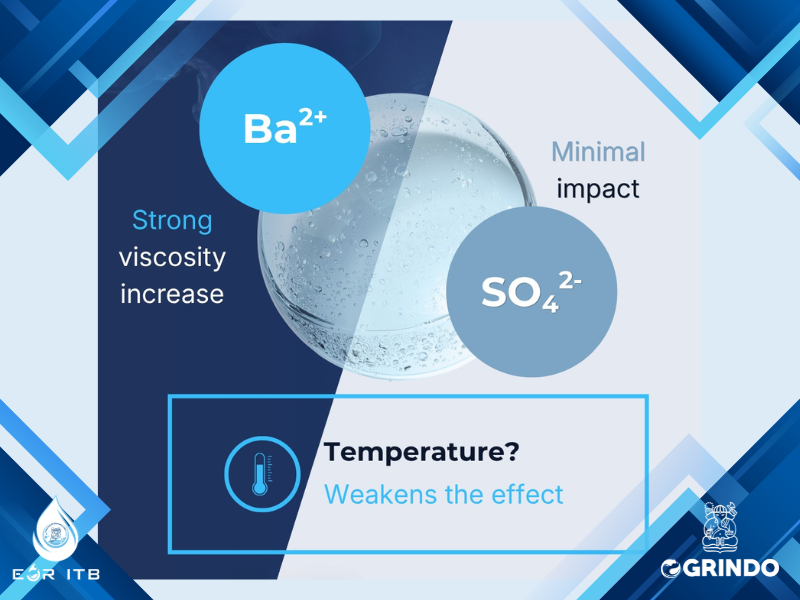
Figure 3. Barium significantly increases viscosity, while sulfate has a minimal effect. However, this effect weakens as temperature increases.

Conclusion: Implications for Fracturing Fluid Design in the Field

This study shows that barium ions have a more significant effect than sulfate ions in increasing the viscosity of HPG-based fracturing fluid , particularly at low temperatures. Meanwhile, the influence of both ions tends to decrease at higher temperatures.

These findings highlight the importance of characterizing ionic composition in produced water as part of the fracturing fluiddesign process to ensure optimal performance under reservoir conditions.
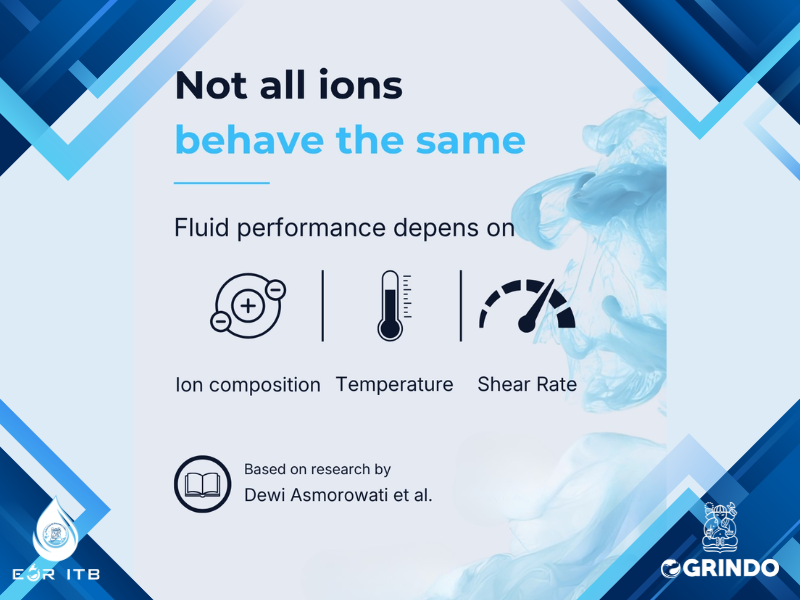
Figure 4. Fluid performance is determined by ion composition, temperature, and flow conditions.

Access to the Published Paper

To gain a deeper understanding of this study, you can access the full publication through the following link: 👉 click here.

Research and Industry Collaboration

OGRINDO ITB and the EOR Laboratory ITB remain committed to supporting the development of Enhanced Oil Recovery technologies based on research and industry needs. If you are interested in discussion or exploring collaboration opportunities, please contact us through:
📩 info@ogrindoitb.com
📩 eor@itb.ac.id

Categories
News Article

Meet Our Team: Dr. Prasandi Abdul Aziz, S.Si., M.T. — Senior Researcher at OGRINDO ITB

OGRINDO ITB is supported by a team of researchers with strong academic backgrounds and industry experience. One of them is Dr. Prasandi Abdul Aziz, S.Si., M.T., Senior Researcher with expertise in reservoir engineering and petroleum economic evaluation.

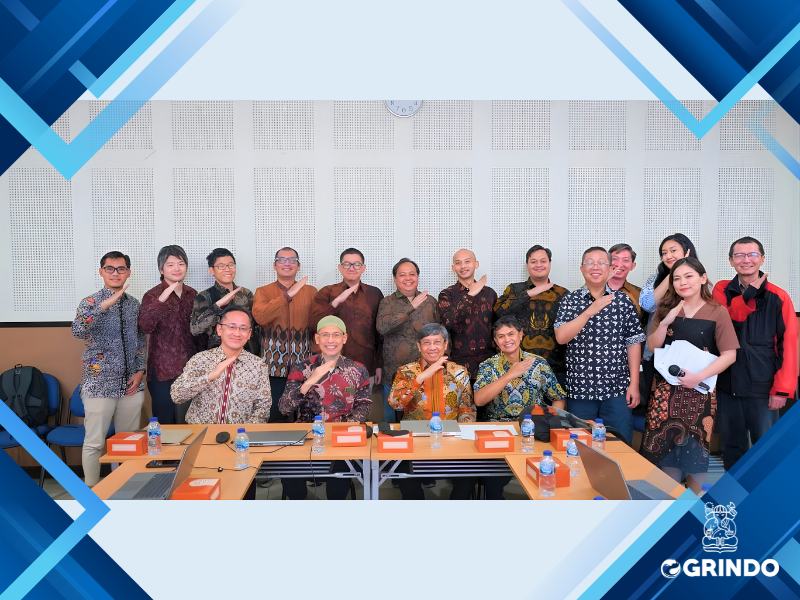
Figure 1. Involvement in professional collaboration as part of capacity building and knowledge exchange in the oil and gas industry.

Educational Background and Analytical-Based Expertise

Dr. Prasandi completed his Bachelor’s degree in Mathematics from Institut Teknologi Bandung (ITB) in 2011. He then continued his Master’s (2014) and Doctoral (2025) studies in Petroleum Engineering at ITB.

His research topic focuses on optimizing the direction and length of horizontal wells using a genetic algorithm approach by considering geomechanical aspects and drainage area. This background has developed strong competencies in analytical approaches and modeling for reservoir studies.

Professional Experience in Reservoir, Production, and Economic Evaluation

Dr. Prasandi has extensive professional experience through his involvement in various projects at LAPI ITB, covering roles as Reservoir Engineer, Production Engineer, to Petroleum Economist.

Some of the work he has handled includes reservoir simulation studies, reserve evaluation, production performance analysis, and economic assessment of oil and gas blocks. He has also been involved in various projects with SKK Migas, including resource and reserve evaluation activities as well as studies on enhanced oil recovery.

In addition, since 2018 he has been active as a lecturer in the Petroleum Engineering Study Program at ITB.

Figure 2. Dr. Prasandi’s involvement in technical discussions and professional collaboration activities.

Contributions in Research and Scientific Publications

Dr. Prasandi is also active in scientific publications related to field development optimization, reservoir engineering, and petroleum economic evaluation.

Some of his research discusses topics such as horizontal well optimization, the combination of genetic algorithms and artificial neural network, as well as economic evaluation of oil and gas projects and the potential of CO₂-EOR in Indonesia. This contribution reflects his involvement in developing data-driven methods to support decision-making in the industry.

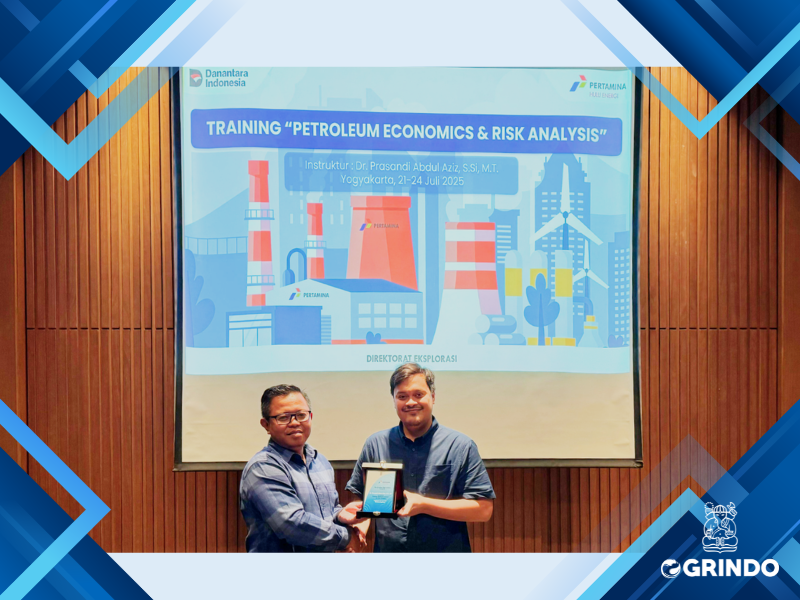
Figure 3. Dr. Prasandi Abdul Aziz as an instructor in the “Petroleum Economics & Risk Analysis”.

Role at OGRINDO ITB

As a Senior Researcher at OGRINDO ITB, Dr. Prasandi plays a role in conducting technical studies related to reservoirs and oil and gas project evaluation.

With his cross-functional experience, he supports research activities that integrate technical and economic aspects, and contributes to the preparation of studies relevant to industry needs.

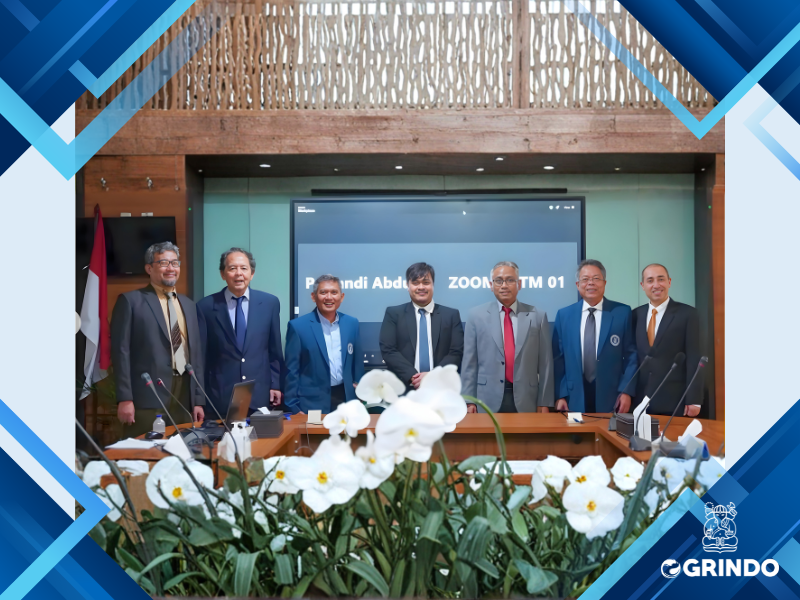
Figure 4. Dr. Prasandi’s involvement in academic and professional forums as part of the synergy between educational institutions, research, and the energy industry.

📩 Interested in collaborating with OGRINDO ITB?

OGRINDO ITB welcomes collaboration opportunities in reservoir studies, field evaluation, as well as technical and economic analysis in the upstream oil and gas sector.

📩 Email: info@ogrindoitb.com

We are ready to discuss how we can support your research and development needs.

Categories
News Article

Training HPLC – RID Part 2: Hands-on System Operation and Polymer Sample Analysis

Analysis using High Performance Liquid Chromatography (HPLC) with Refractive Index Detector (RID) is one of the important methods in the characterization of chemical EOR such as surfactants and polymers, particularly to support research needs and application of Enhanced Oil Recovery (EOR). Mastery of this method requires not only theoretical understanding but also the ability to operate the instrument and interpret data accurately. Therefore, OGRINDO ITB together with the EOR Laboratory ITB conducted Training HPLC–RID Part 2, which focuses on hands-on practice and comprehensive system operation, including method setup, system operation, and troubleshooting during testing.

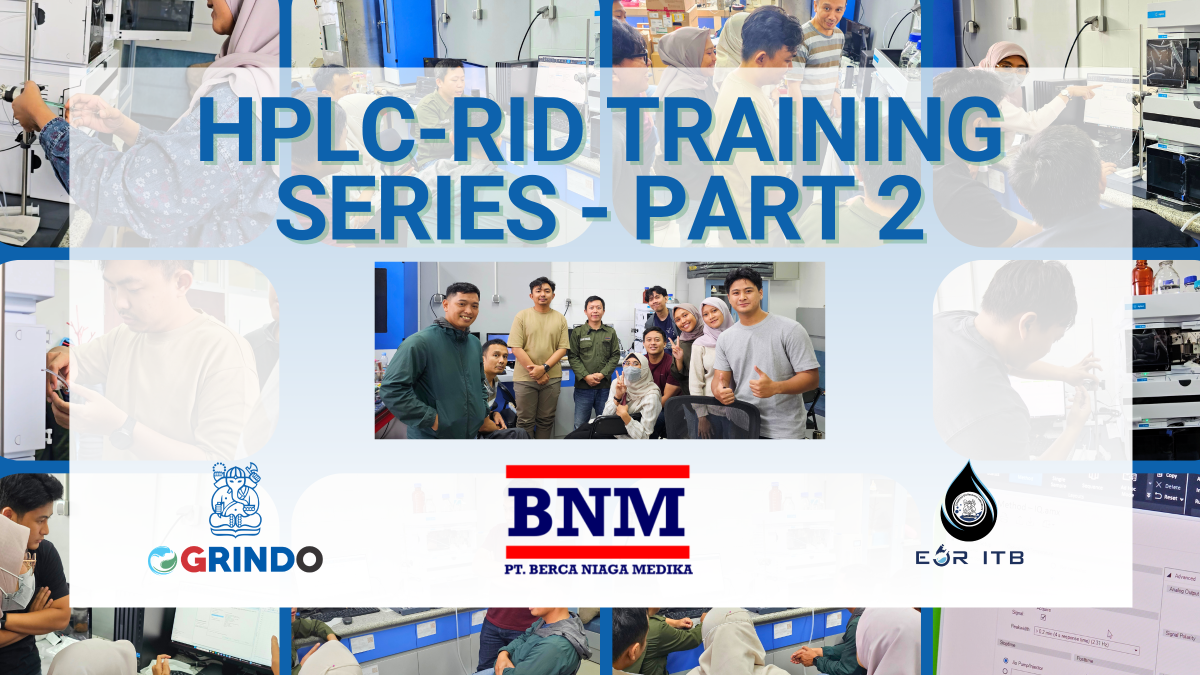
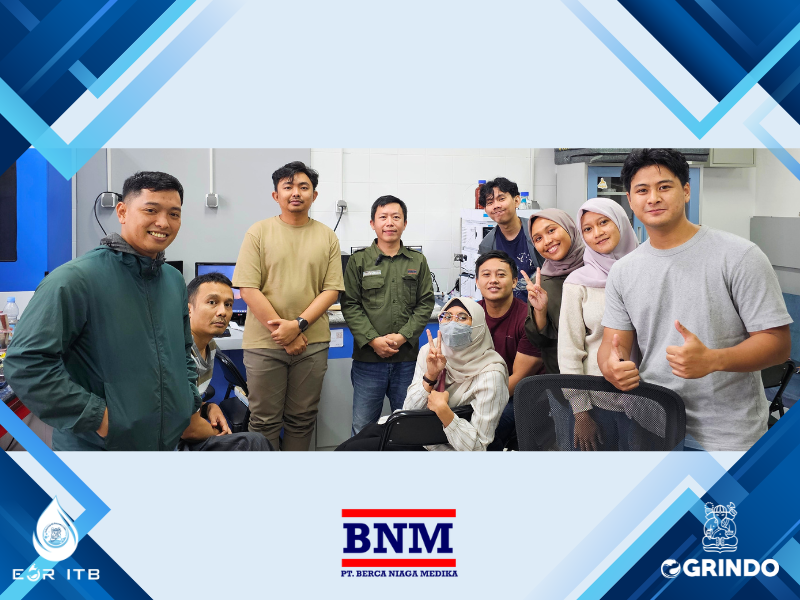
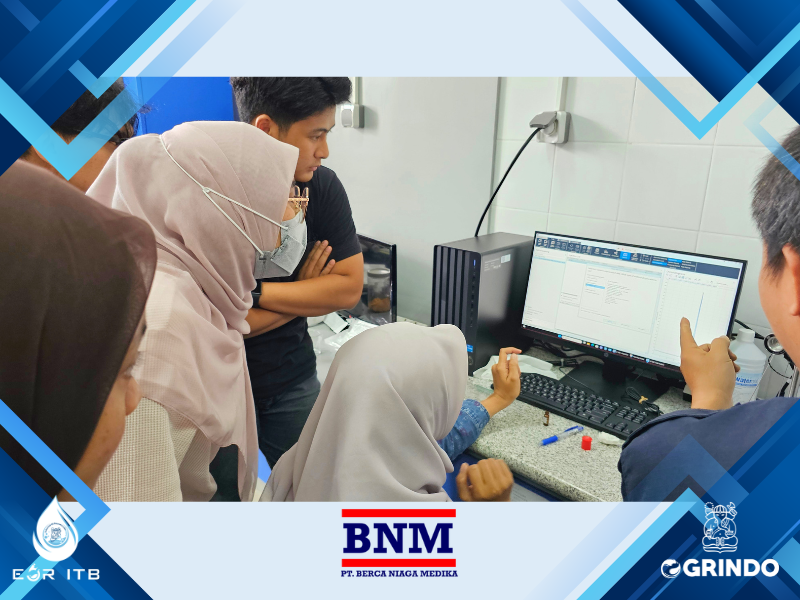
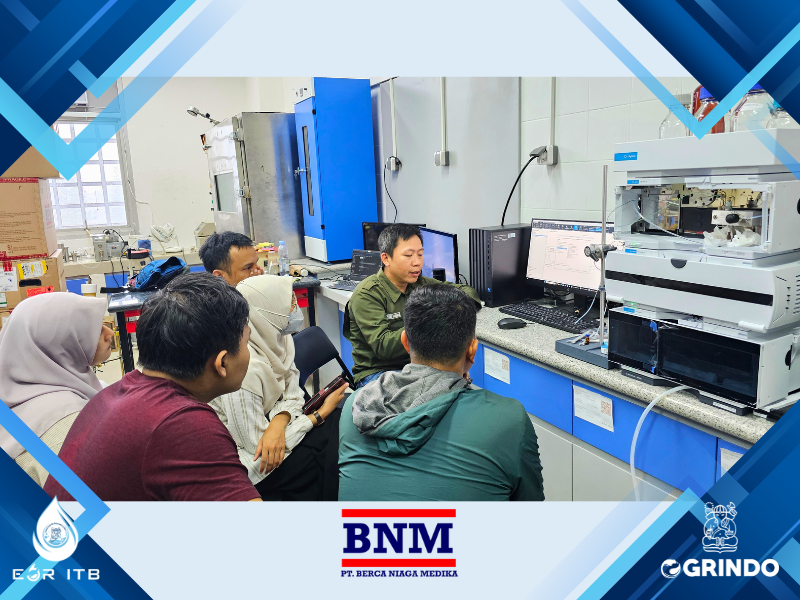
Figure 1. HPLC–RID Part 2 training with PT. Berca Niaga Medika and the EOR Laboratory ITB and OGRINDO ITB team.

Hands-on Operation and System Setup of HPLC–RID

Mastery of the instrument does not stop at understanding theory—but at the ability to operate the system directly and interpret its response in real-time.

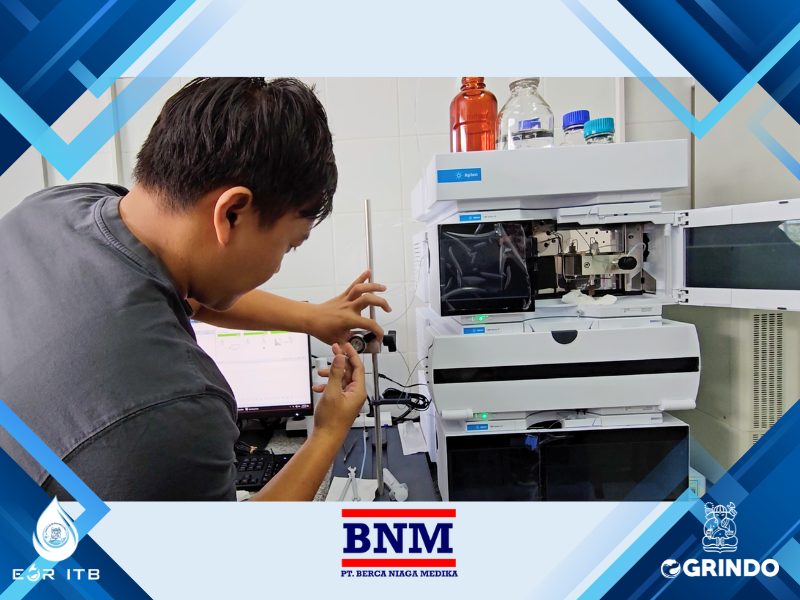
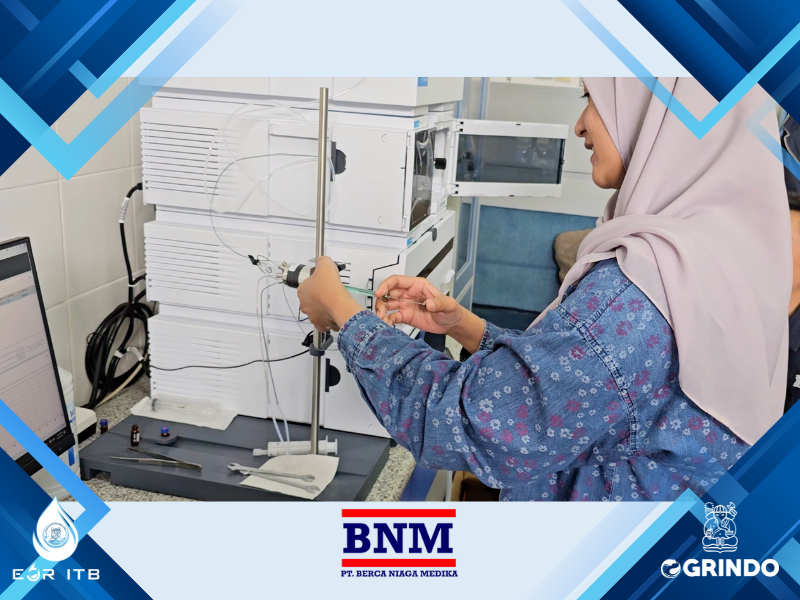
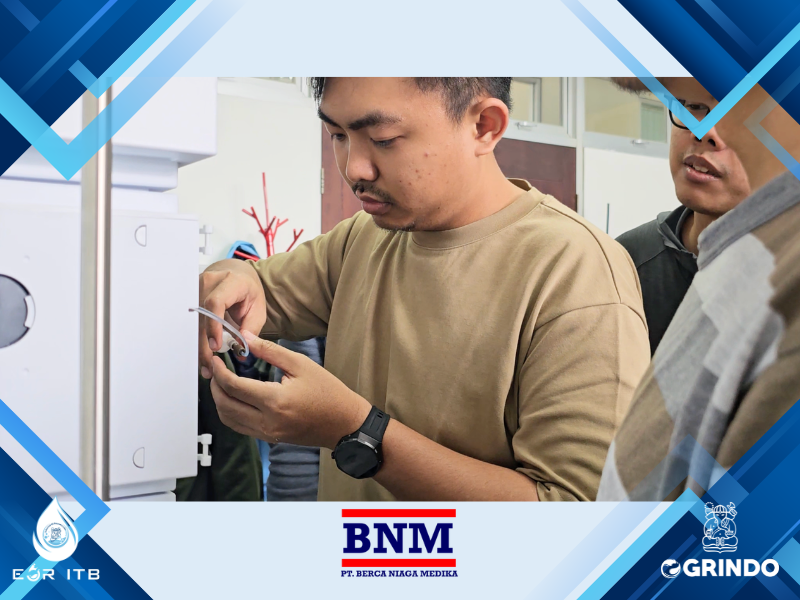
In this session, the training focused on hands-on operation of the HPLC–RID system comprehensively. Participants started from the initial stage of instrument operation to the analysis running process, emphasizing systematic and safe working procedures.

The activities began with:

  • Procedures for turning on the instrument according to the operational sequence
  • Ensuring the system is in a ready condition
  • Recognizing indicators on the software and instrument as signs that the system has started running

Next, participants performed:

  • Checking system readiness before analysis
  • Setting up methods in the software, both for acquisition and data processing
  • Adjusting important parameters such as baseline, retention time, and peak integration

During this process, participants also directly observed the system response to each parameter setting. This is important to understand how parameter changes can affect the resulting chromatogram.

In addition, the training also emphasized conditions that commonly occur during testing, such as unstable baseline yang tidak stabil, noise , or poorly detected peaks. Participants were guided to recognize these symptoms and understand initial handling steps so that the analysis process can continue properly.

This hands-on approach is key to building participants’ confidence in independently operating the HPLC–RID system in a laboratory environment.

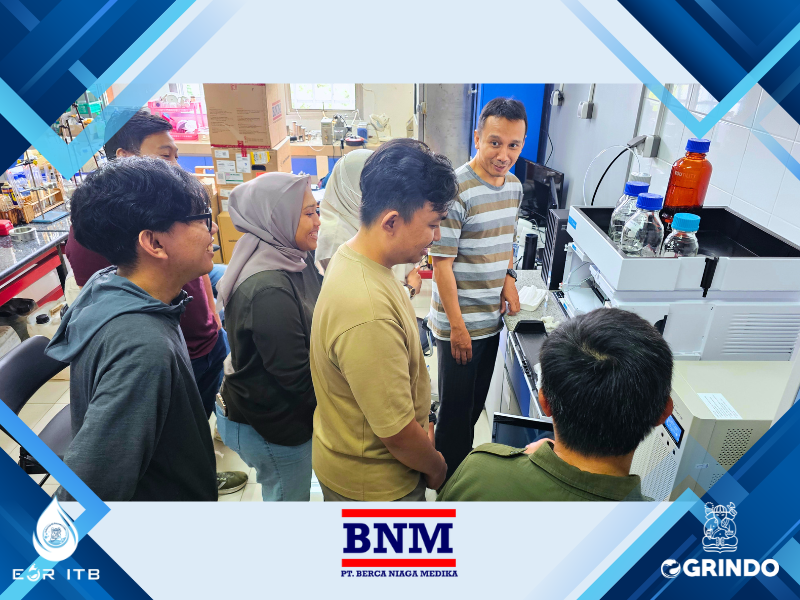
Figure 3. Method setup and data analysis process using HPLC software for chromatogram acquisition and interpretation.

Hands-on Polymer Sample Analysis

After understanding system operation and method setup, participants then directly applied this knowledge through polymer sample testing to evaluate system performance.

As the main part of the training, polymer samples were tested with several concentration variations to evaluate the RID detector response and the consistency of the analytical method used.

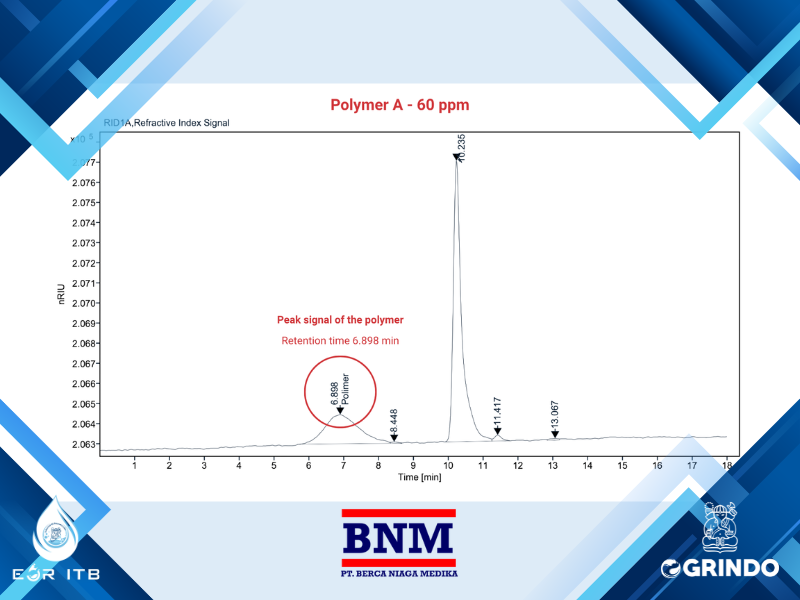
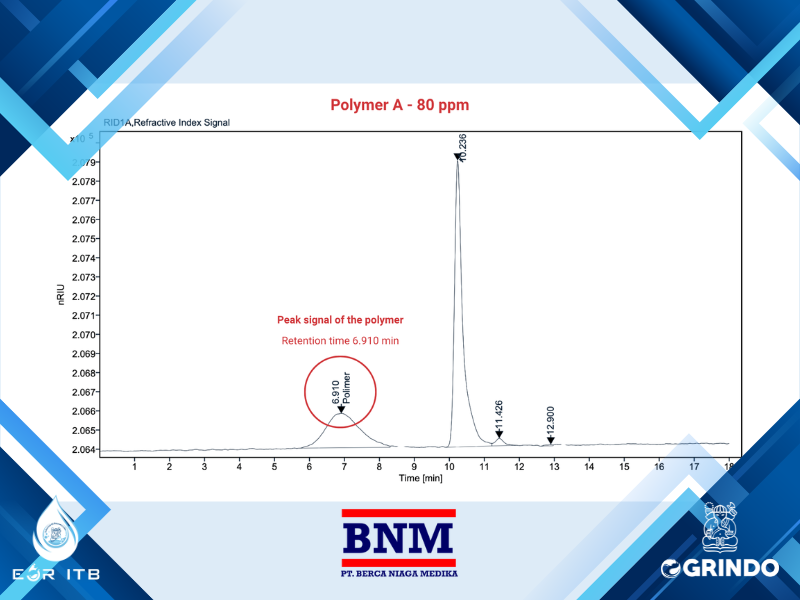
The chromatogram results show that the polymer peak is consistently detected at a retention time of approximately 6.6 – 6.9 minutes, indicating stable system conditions during the analysis.

In addition, an increasing trend in peak area is observed with increasing sample concentration, indicating that the detector response is proportional to the amount of sample tested.
Summary of Polymer Test Results
60 ppm | RT: 6,898 menit | Area: 9.950
80 ppm | RT: 6,910 menit | Area: 12.414
100 ppm | RT: 6,677 menit | Area: 15.431

Figure 5. Chromatogram of HPLC–RID analysis of polymer sample (60 ppm) showing the main peak at a retention time of approximately 6.898 minutes.
Figure 6. Chromatogram of HPLC–RID analysis of polymer sample (80 ppm) showing the main peak at a retention time of approximately 6.910 minutes.

Brief Analysis of Test Results

The test results show that the method used has provided consistent and reliable responses. The relatively stable retention time at each concentration variation indicates that the system conditions were well maintained during the analysis.

On the other hand, the increase in area values in line with concentration indicates that the RID detector is capable of providing a proportional response to the amount of polymer analyzed. This indicates that the method has good potential for use in quantitative analysis.

However, at this stage, a calibration curve has not yet been applied, so the results obtained are still indicative and have not been used for absolute quantification.

Enhancement of Laboratory Analytical Competence

Through this hands-on session, participants gained practical experience in conducting HPLC–RID analysis comprehensively, from system operation to interpretation of test results. Participants also learned to understand the relationship between method parameters, instrument conditions, and the quality of the resulting chromatogram.

This approach not only improves technical skills but also builds analytical capabilities required in research and laboratory testing activities.

Conclusion

Training HPLC–RID Part 2 provides a comprehensive understanding of system operation and polymer sample analysis through hands-on practice. With a combination of instrument mastery, method understanding, and data interpretation, this training is expected to improve analysis quality and human resource readiness in supporting industrial and research needs, particularly in the EOR field.

Interested in Collaborating?

OGRINDO ITB and the EOR Laboratory ITB open opportunities for collaboration in the form of training, research, and laboratory analysis services that can be tailored to the needs of industry and academia.

For more information, please contact:
📧 OGRINDO ITB: info@ogrindoitb.com
📧 Laboratorium EOR ITB: eor@itb.ac.id

Enhance your analytical capabilities with us through research-driven training and best-practice collaboration.