Categories
News Article

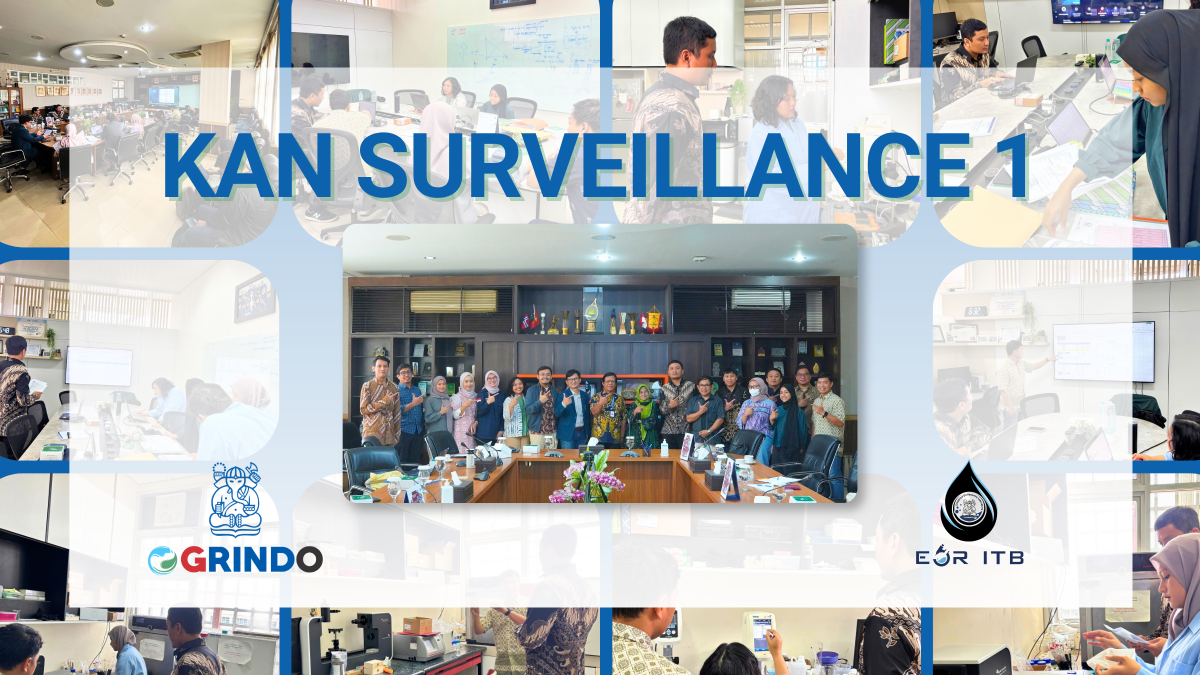
KAN Accreditation Surveillance 1 at EOR Laboratory ITB: System and Competency Evaluation

Maintaining the quality of laboratory testing activities depends not only on complete documentation but also on the consistent implementation of systems and personnel competency in conducting tests. These aspects were part of the evaluation during KAN Accreditation Surveillance 1 at EOR Laboratory ITB, held on October 1, 2026.

This activity was part of the series of Surveillance 1 assessments conducted at laboratories within the Faculty of Mining and Petroleum Engineering (FTTM), ITB. Each laboratory underwent an evaluation process according to its respective systems, activities, and accreditation scope.

EOR Laboratory ITB is part of OGRINDO and conducts testing activities in accordance with the applicable systems and requirements within its accreditation scope.
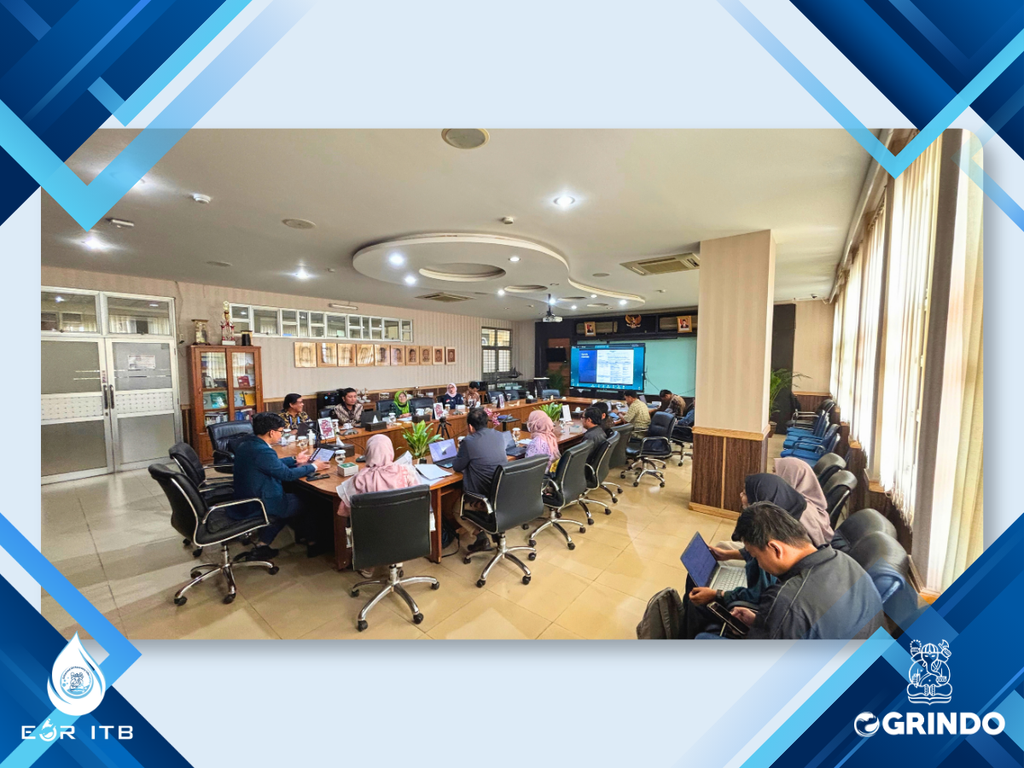
Figure 1. FTTM ITB staff gathering for a group photo before the KAN Accreditation Surveillance 1 assessments began at their respective laboratories.

What Is KAN Accreditation Surveillance 1?

Surveillance 1 is an evaluation activity conducted to ensure that a laboratory continues to implement its management system and perform testing activities in accordance with accreditation requirements.

During the process, assessors evaluate the implementation of the laboratory system by reviewing documents, records, and various supporting evidence. The evaluation also includes direct observation of testing activities to assess the implementation of methods, the use of equipment, and personnel competency.

Therefore, Surveillance 1 does not only assess the availability of documents but also examines how the established system is implemented in laboratory activities.
Reviewing Laboratory Documents and Records

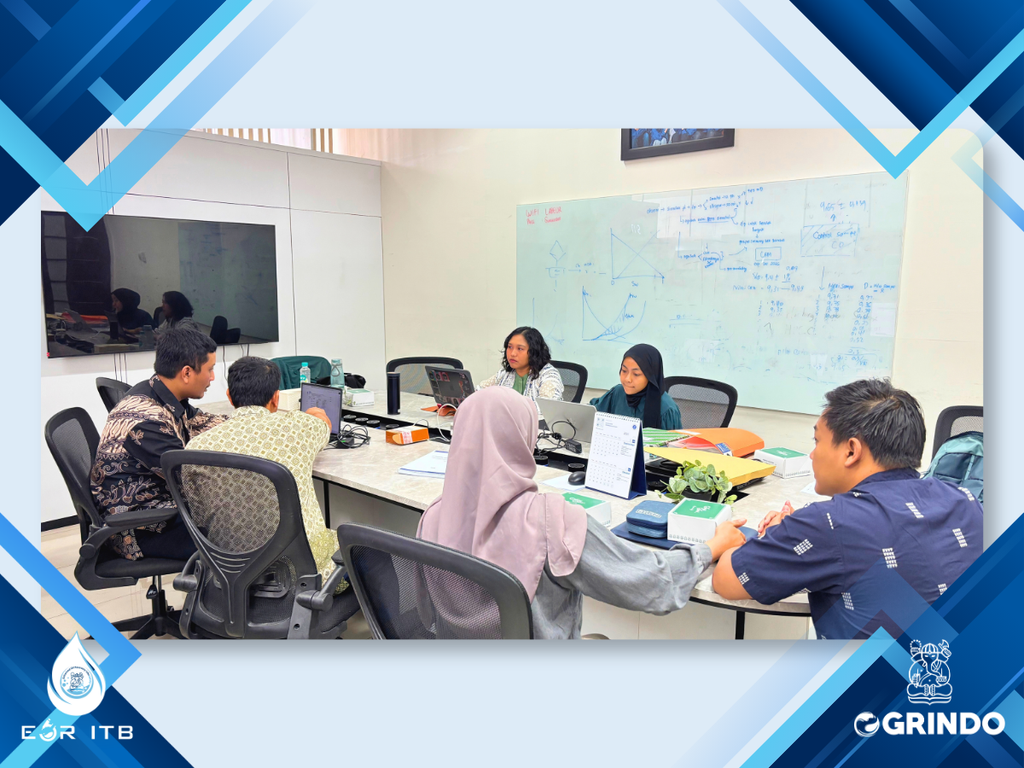
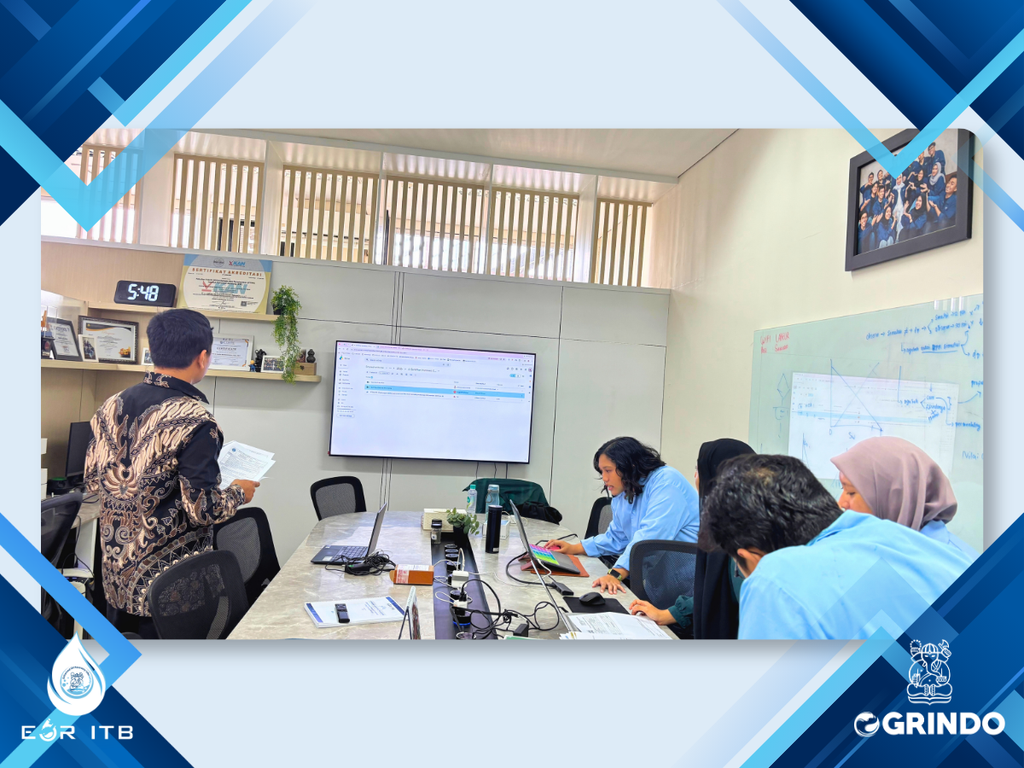
One part of Surveillance 1 involves reviewing documents and records used in laboratory activities.

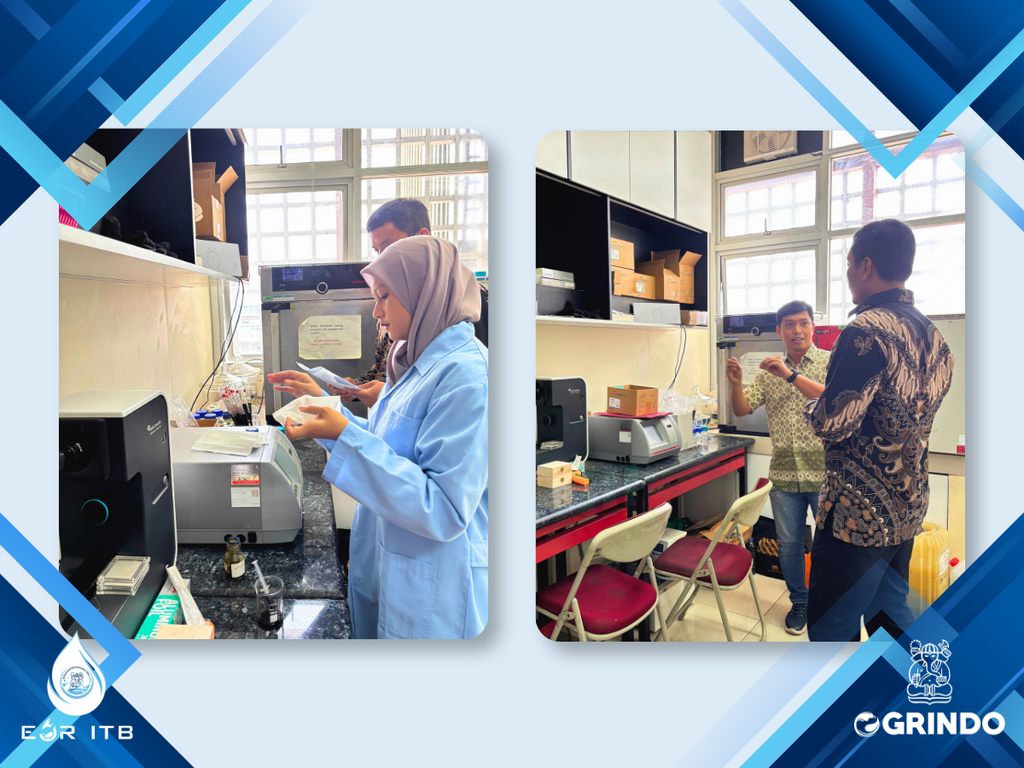
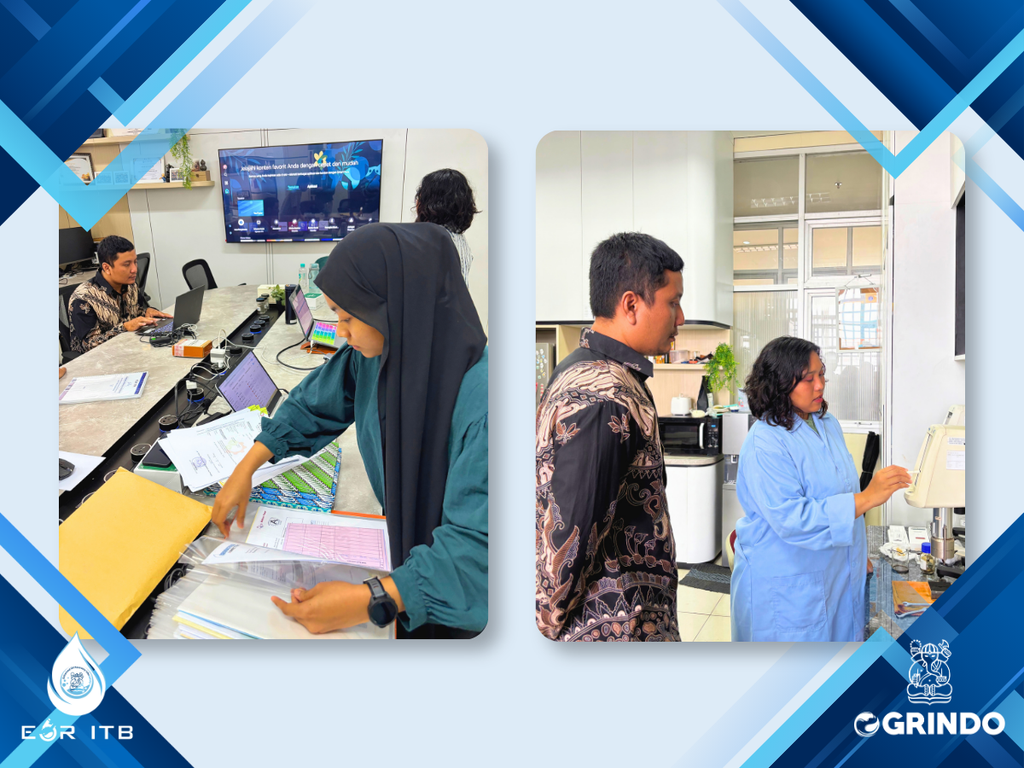
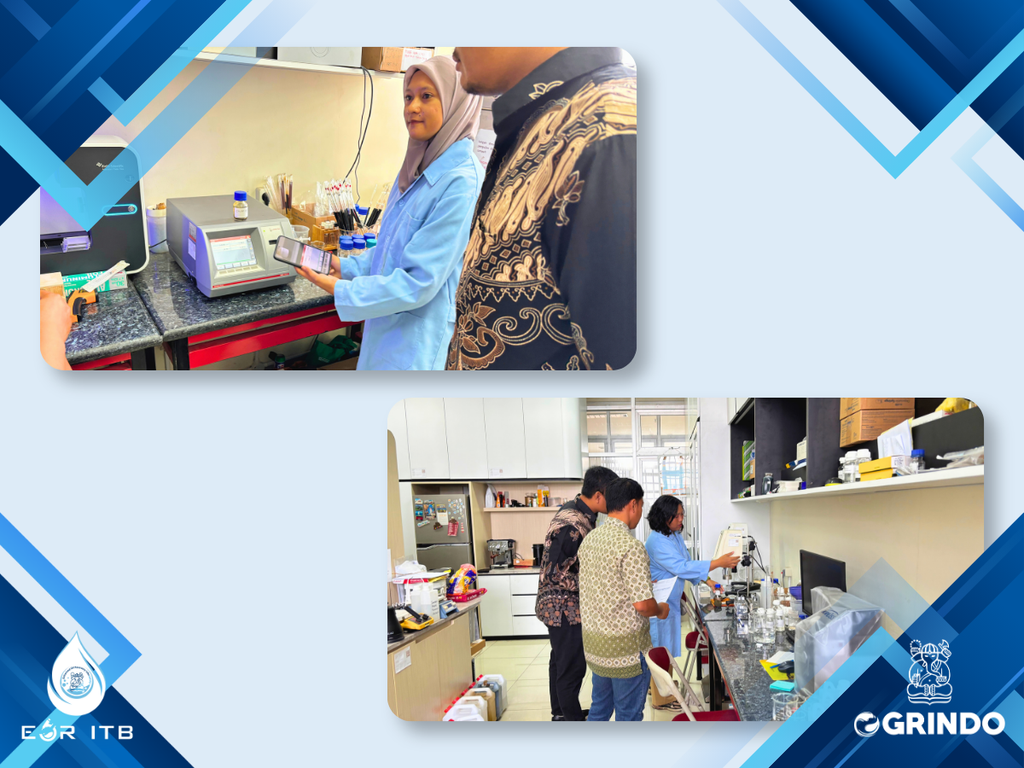
The EOR Laboratory ITB team showed the locations where documents were stored and explained how they were implemented and controlled. The assessors also reviewed various supporting evidence related to testing activities, including equipment calibration certificates, Certified Reference Material (CRM), testing records, and other relevant documents.

This review provided an overview of how documents and records are managed, controlled, and used as part of laboratory activities.
Testing Observation and Personnel Competency

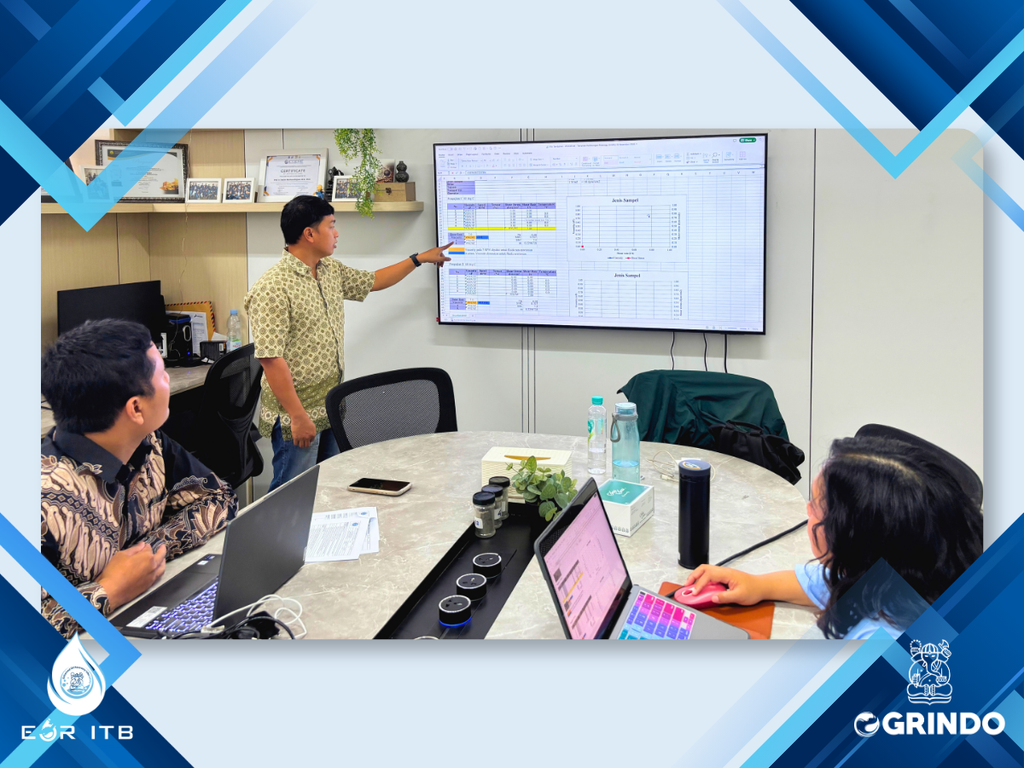
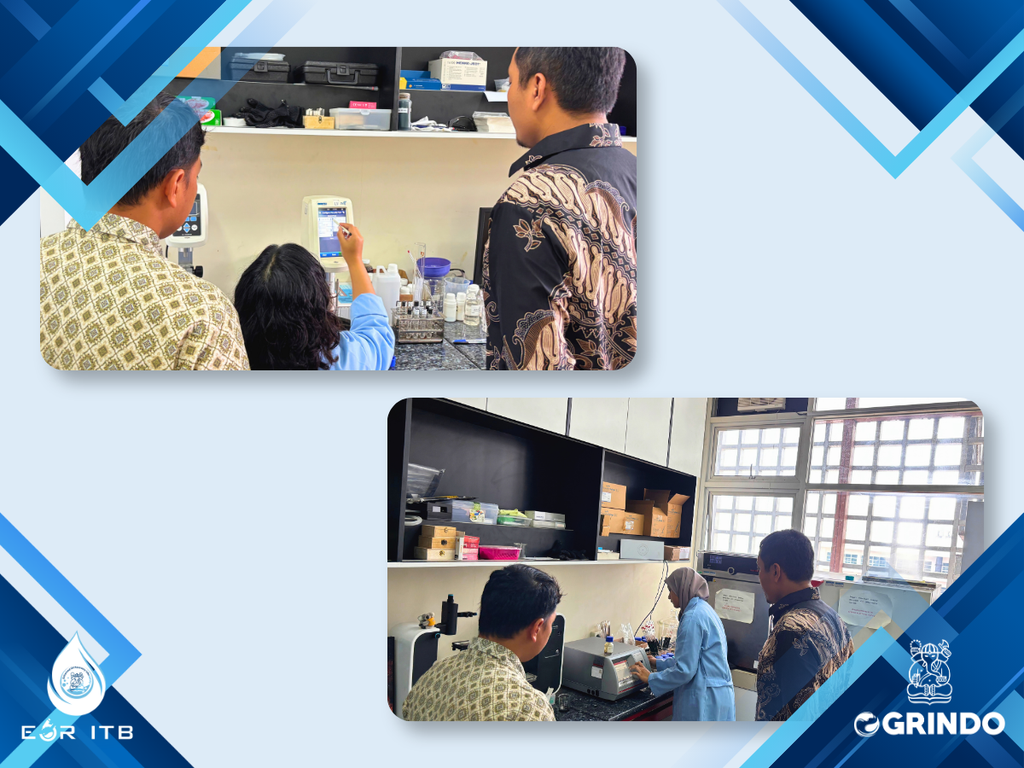
In addition to reviewing documents and records, Surveillance 1 includes direct observation of testing activities.

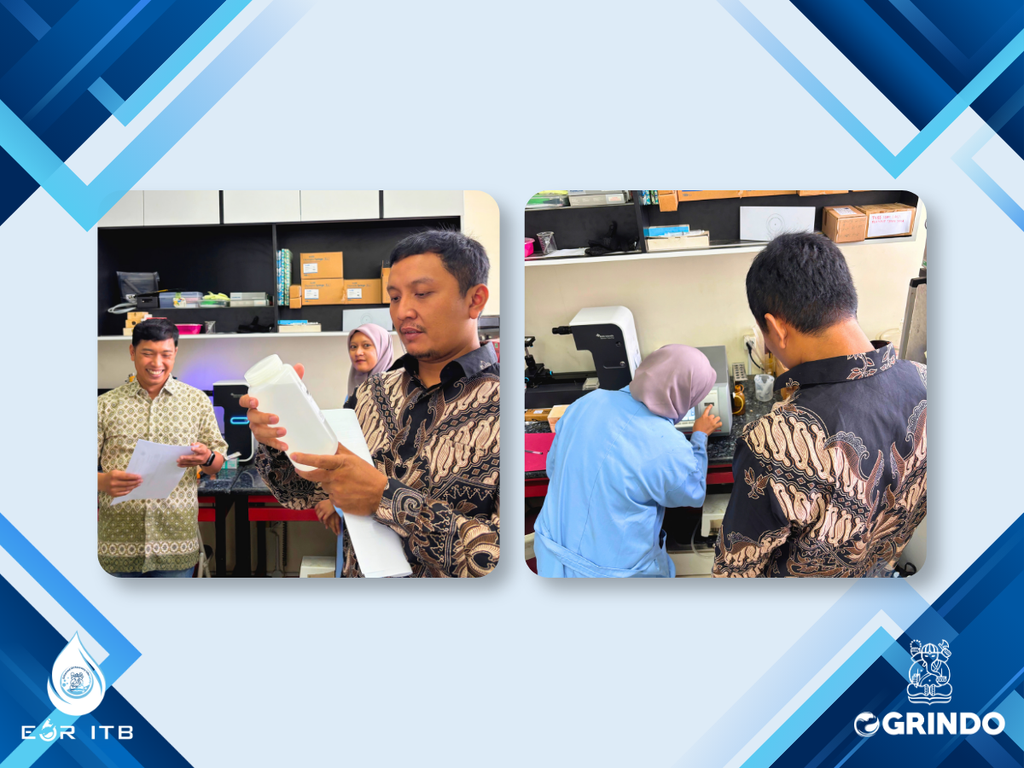
At this stage, laboratory personnel demonstrate the testing process and explain how the equipment works and how it is used. The assessors also observe how personnel handle errors or issues that may occur with the instruments during the testing process.

The test results are then recorded in a worksheet and submitted to the assessors as part of the evidence of testing activities.

This observation is an important part of evaluating both the implementation of procedures and personnel competency in conducting testing activities.
Ensuring System Implementation in Practice

Surveillance 1 demonstrates that laboratory evaluation goes beyond reviewing the completeness of documentation. The practical implementation of systems and personnel competency are also important aspects of the evaluation process.

Through the review of documents, records, supporting evidence, and direct observation of testing activities, assessors evaluate how established requirements are implemented in laboratory operations.

For EOR Laboratory ITB, as part of OGRINDO, this activity is part of the ongoing efforts to maintain the implementation of systems and competency that support the quality of laboratory testing activities.
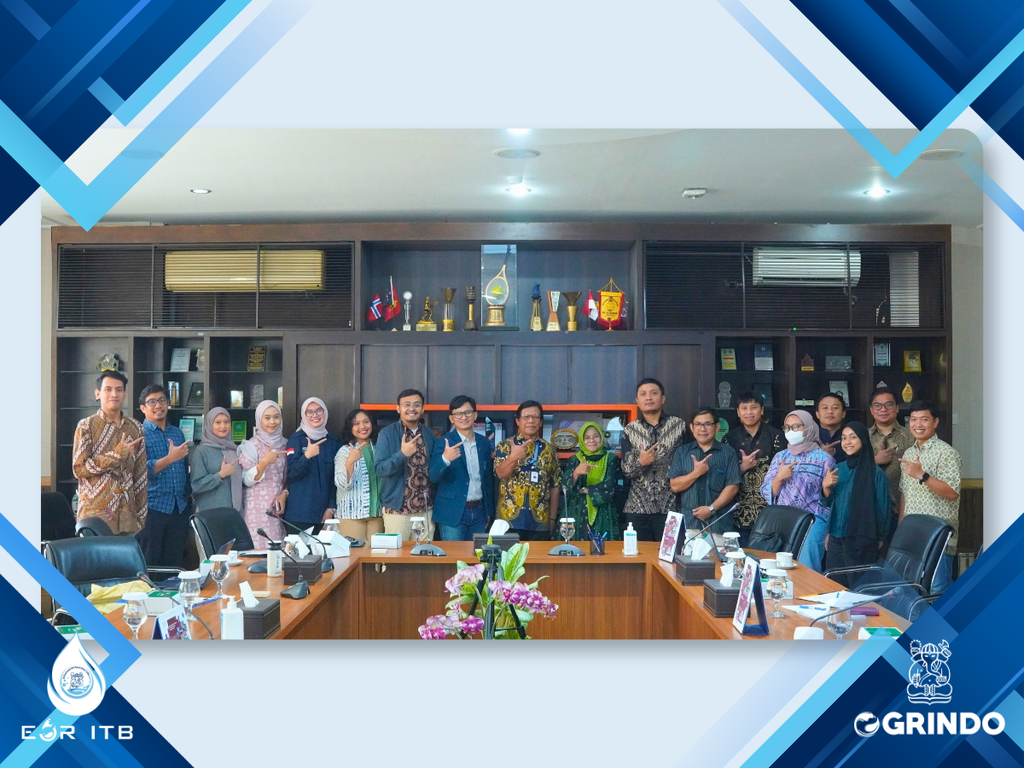
Figure 5. FTTM ITB staff gathered for a group photo at the closing of the KAN Accreditation Surveillance 1 assessment series.

Contact Us

For more information about testing activities and services at EOR Laboratory ITB, please contact:

EOR Laboratory ITB
Email: eor@itb.ac.id

For information about OGRINDO and collaboration in research and development related to enhanced oil recovery technology and energy, please contact:

OGRINDO
Email: info@ogrindoitb.com
Categories
News Article

Basic Sea Survival (BSS) Training: Preparation for Offshore Activities

Activities in an offshore environment require more than just technical readiness. An understanding of marine safety and the ability to respond to emergency situations are important aspects to consider before conducting visits or work at facility offshore.

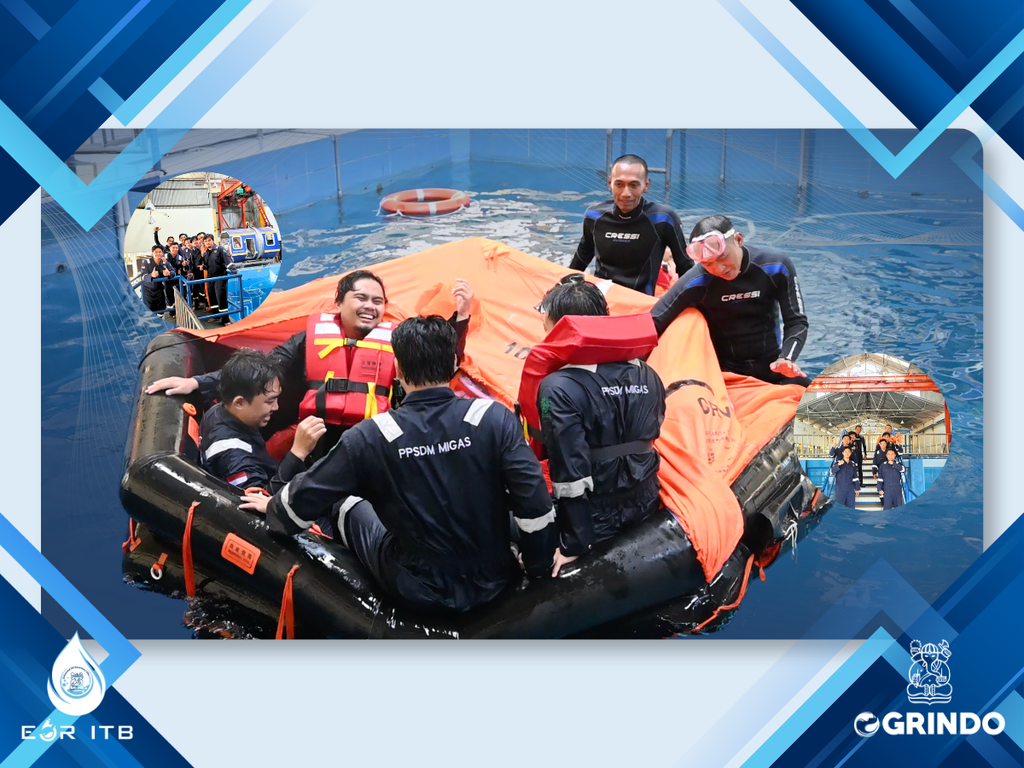
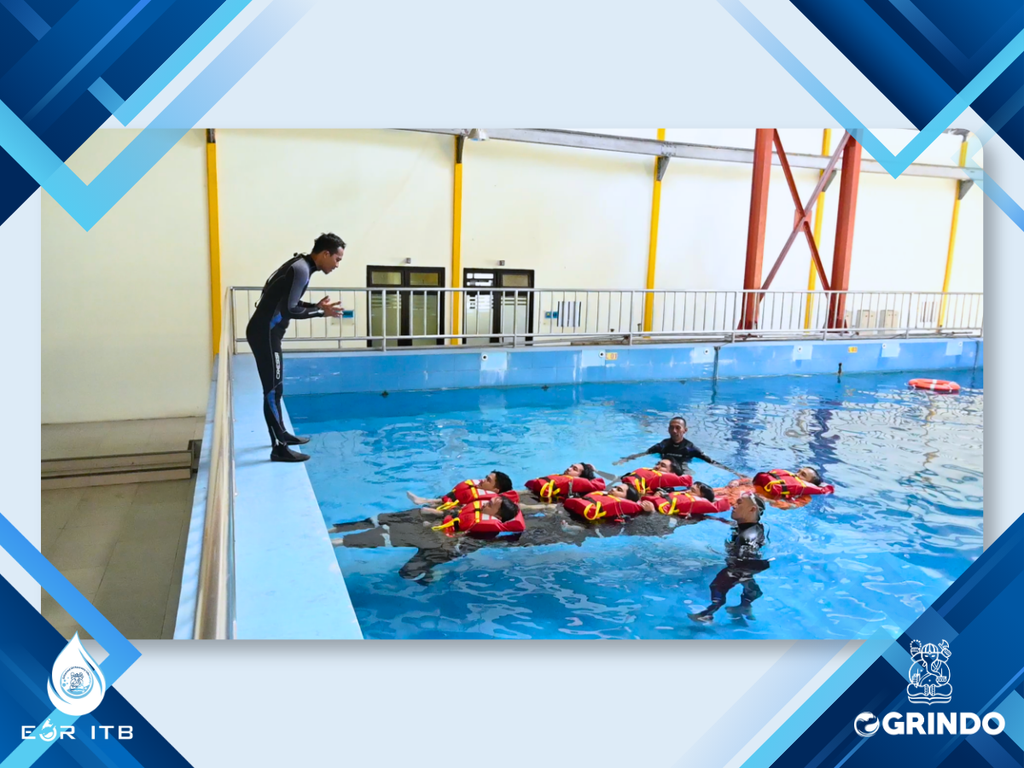
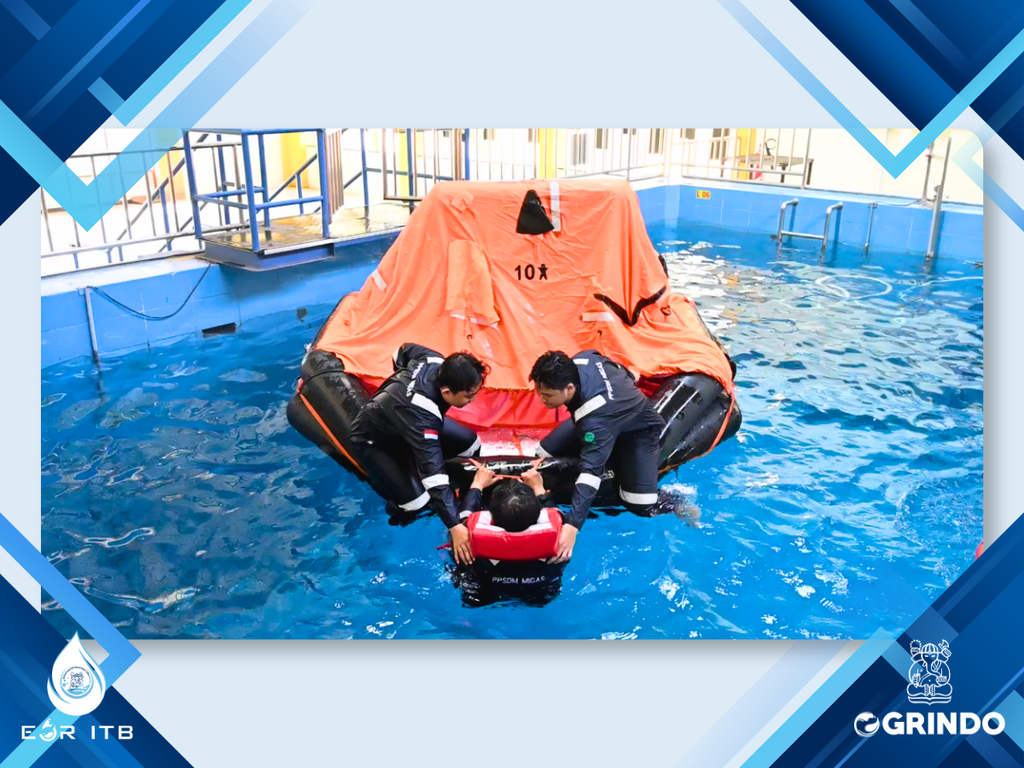
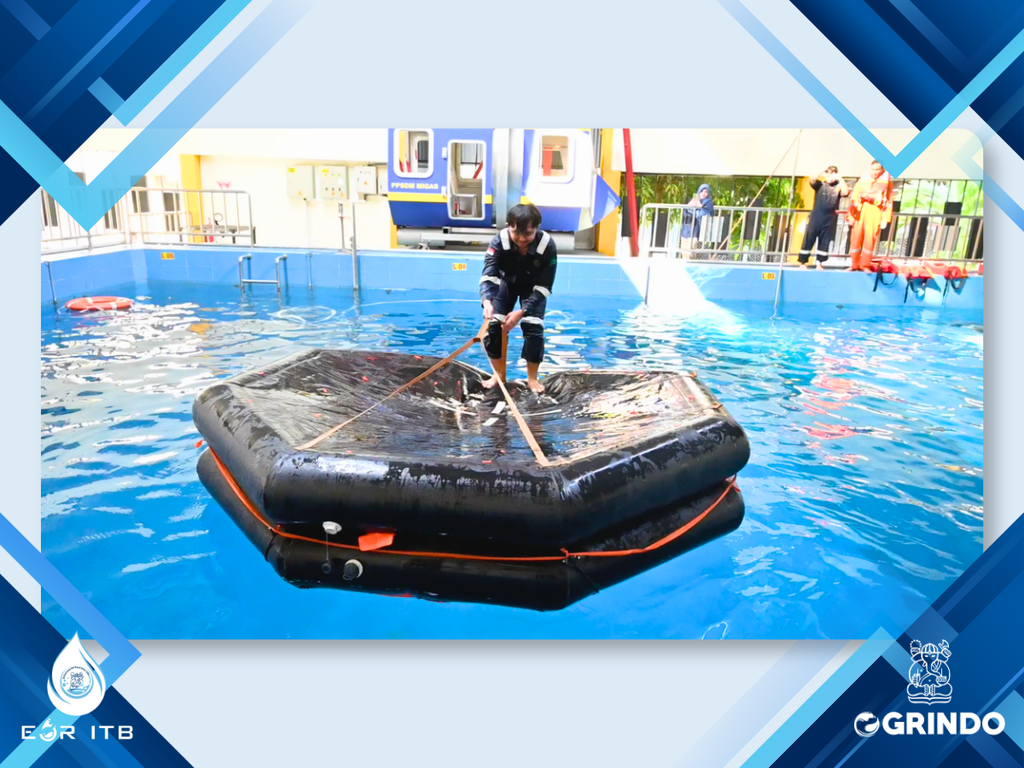
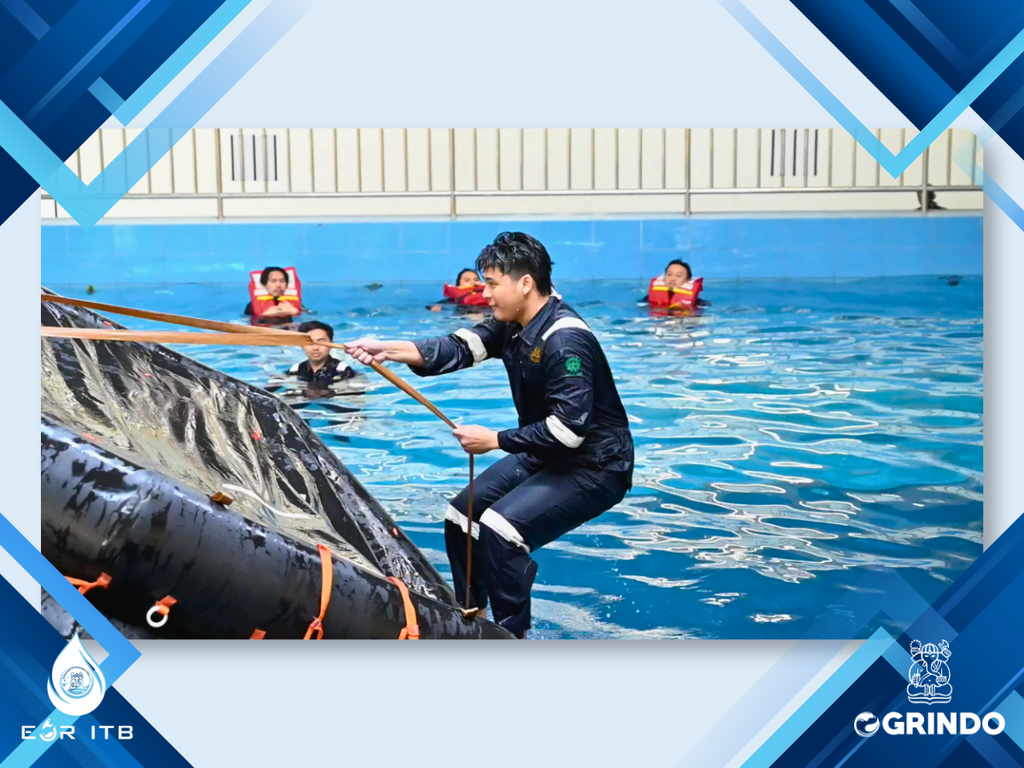
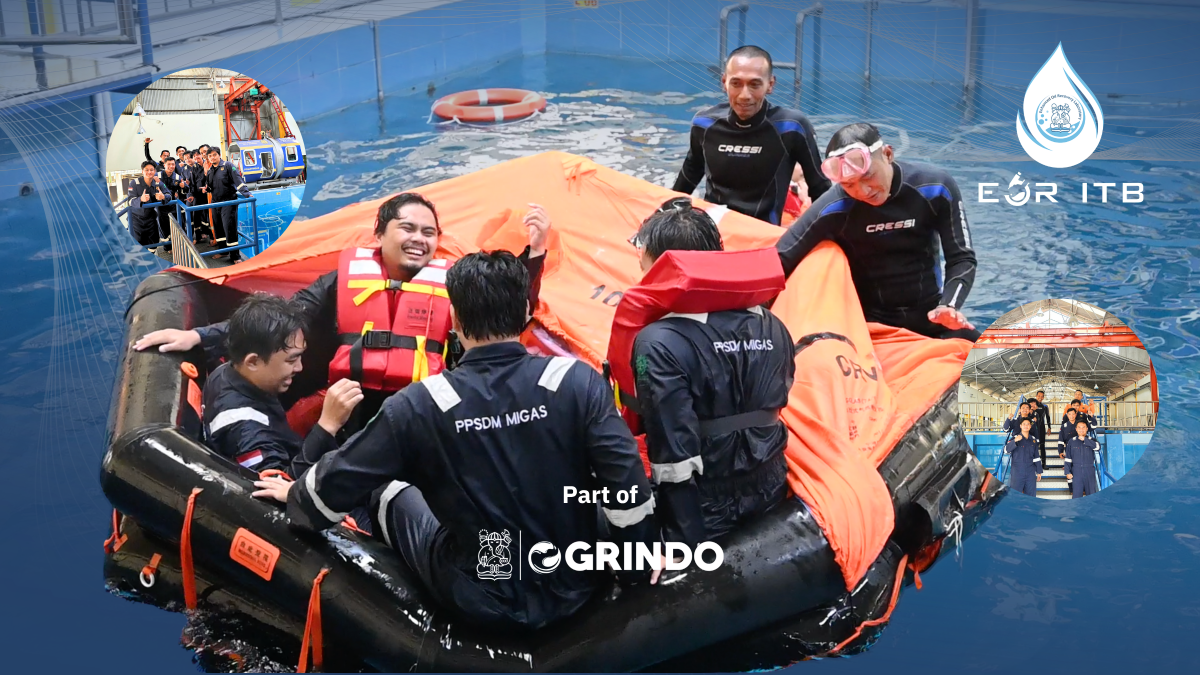
As part of this preparation, the EOR Laboratory ITB, which is part of OGRINDO ITB, participated in Basic Sea Survival (BSS) Training on 16–17 September 2026. This training provided theoretical and practical training on marine safety, survival techniques, and the introduction to safety equipment as part of the preparation for activities in an environment offshore.

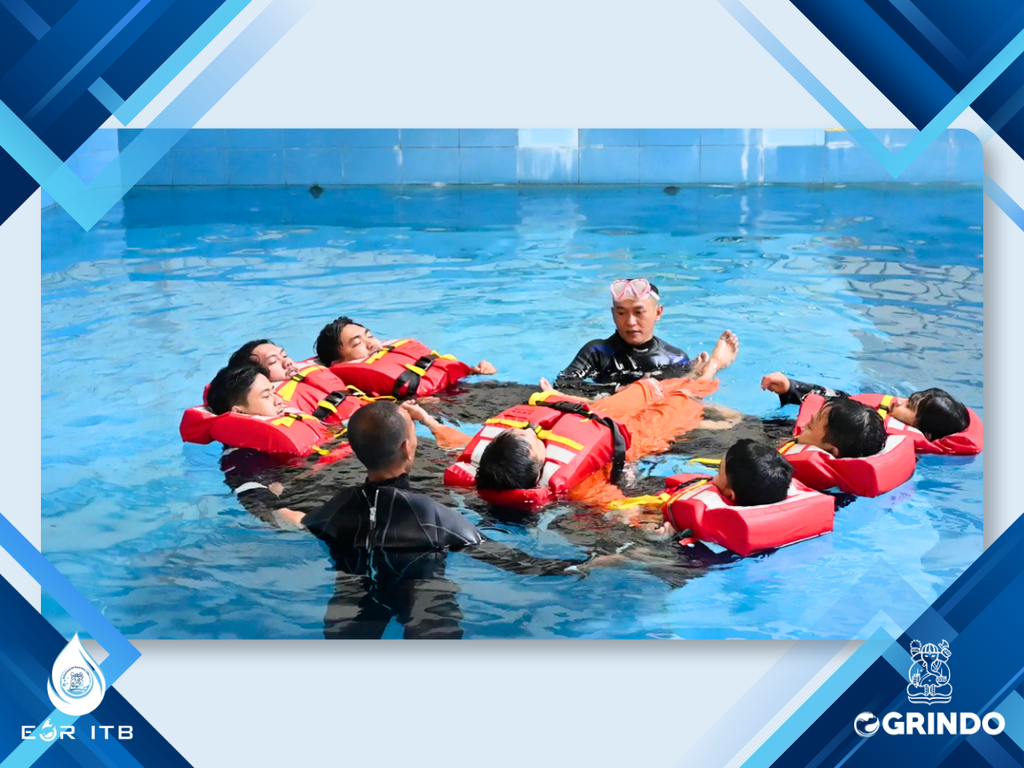
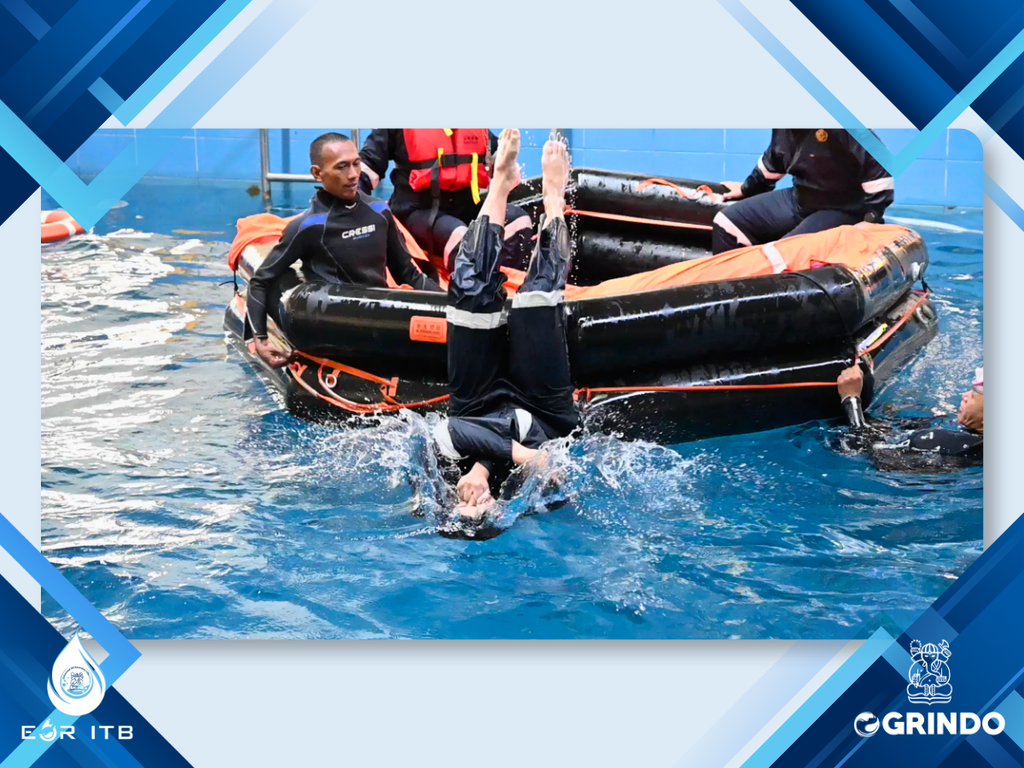
Figure 1. Training Basic Sea Survival (BSS) training to enhance readiness and skills in responding to emergency situations at sea.

What Is Basic Sea Survival (BSS) Training?

Basic Sea Survival (BSS) Training is a training program that provides an understanding and practical experience of safety and survival techniques in a marine environment.

The materials covered in this training included Basic Marine Safety, Sea Survival Techniques, and Equipment Familiarization. The training was conducted through a combination of theoretical sessions and practical activities so that participants not only understood safety principles but also gained experience in applying them.

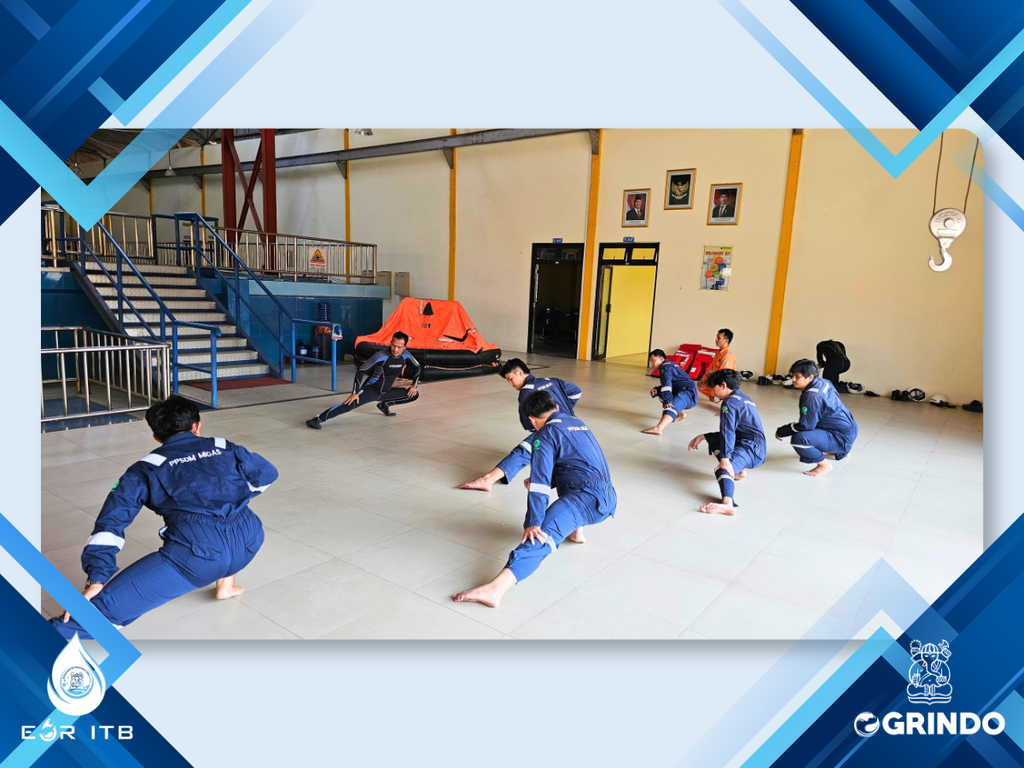
Figure 2. Participants performing warm-up exercises as part of the preparation before taking part in the practical session Basic Sea Survival (BSS).

Learning through Practice and Simulation

One of the important parts of the Basic Sea Survival (BSS) Training was the opportunity to directly practice safety procedures.

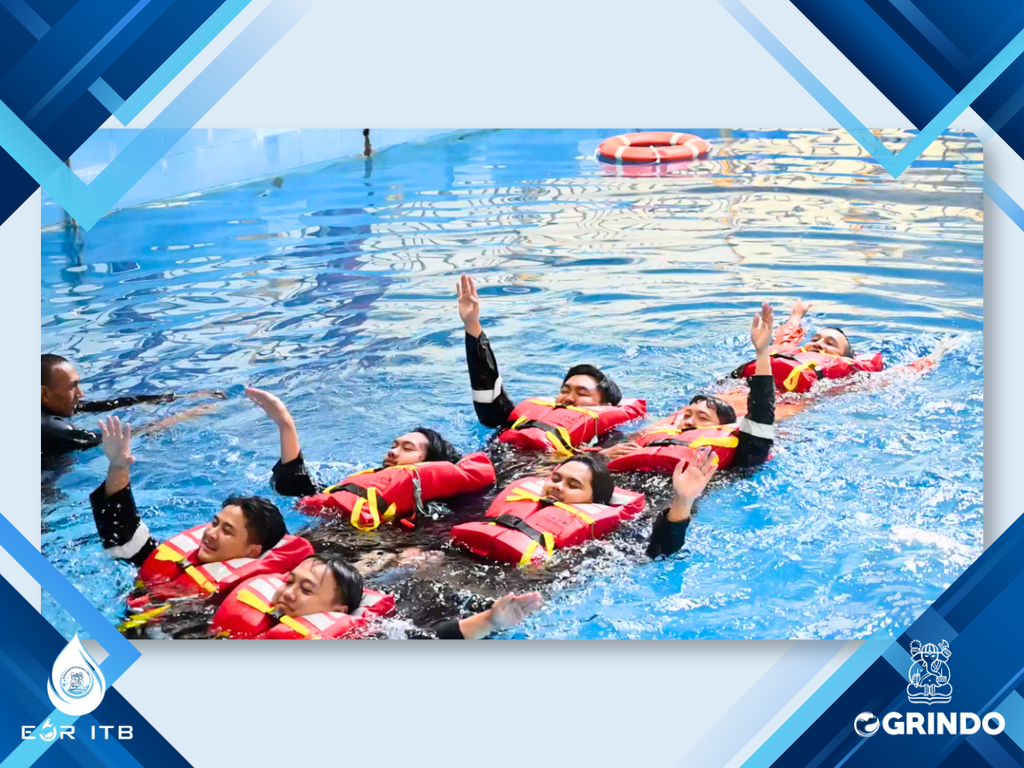
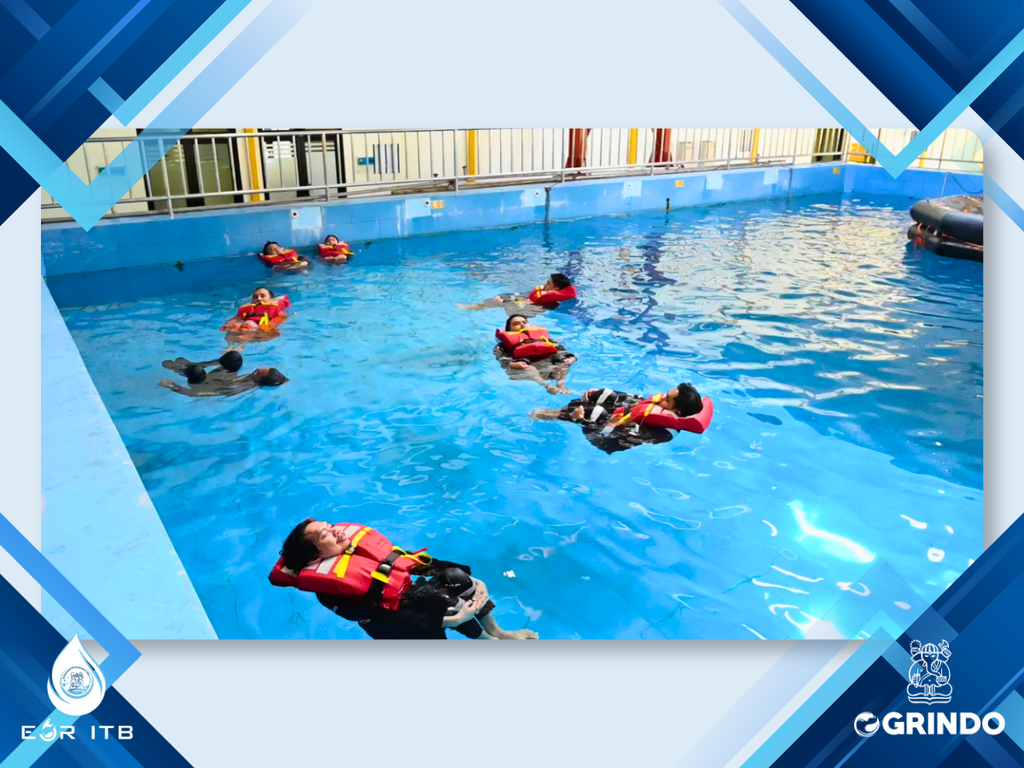
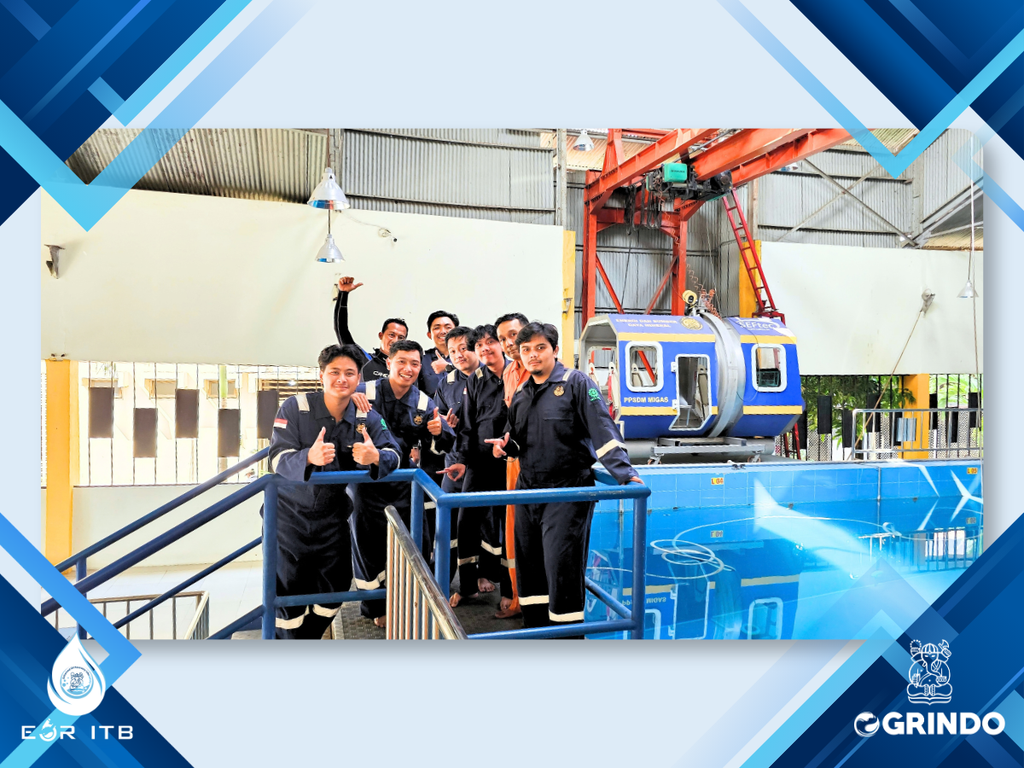
After receiving training on basic marine safety, survival techniques, and equipment familiarization, participants took part in a series of practical activities. This session provided an opportunity for participants to apply the knowledge they had gained while building their readiness to respond to conditions in a marine environment.

Through a combination of theory and practice, participants could understand that preparedness for emergency situations requires not only knowledge of procedures but also an understanding of safety equipment and the ability to apply those procedures appropriately.

Why Does BSS Training Important for Activity Offshore?

Unlike activities on land, the offshore environment presents conditions and risks that require specific preparedness. Therefore, an understanding of marine safety and the procedures to follow in emergency situations is an important part of preparation before entering such an environment.

For personnel supporting field activities, Basic Sea Survival (BSS) Training provides knowledge of marine safety principles, survival techniques, safety equipment, and preparedness through practical activities.

This preparedness complements technical competencies when personnel are required to support activities outside the laboratory environment.

Building Readiness Beyond the Laboratory

The activities of the EOR Laboratory ITB are not limited to the laboratory. In supporting research, testing, and field activities, personnel may also be involved in activities in offshore.

Participating in Basic Sea Survival (BSS) Training is one form of preparation to ensure that safety is also given proper attention when activities are conducted outside the laboratory environment.

For the EOR Laboratory ITB and OGRINDO ITB, personnel readiness is an important part of supporting activities and collaboration in the oil and gas sector, both in the laboratory and in the field.

Safety Starts with Preparation

Safety depends not only on equipment and procedures but also on the readiness of each individual to understand and apply them appropriately.

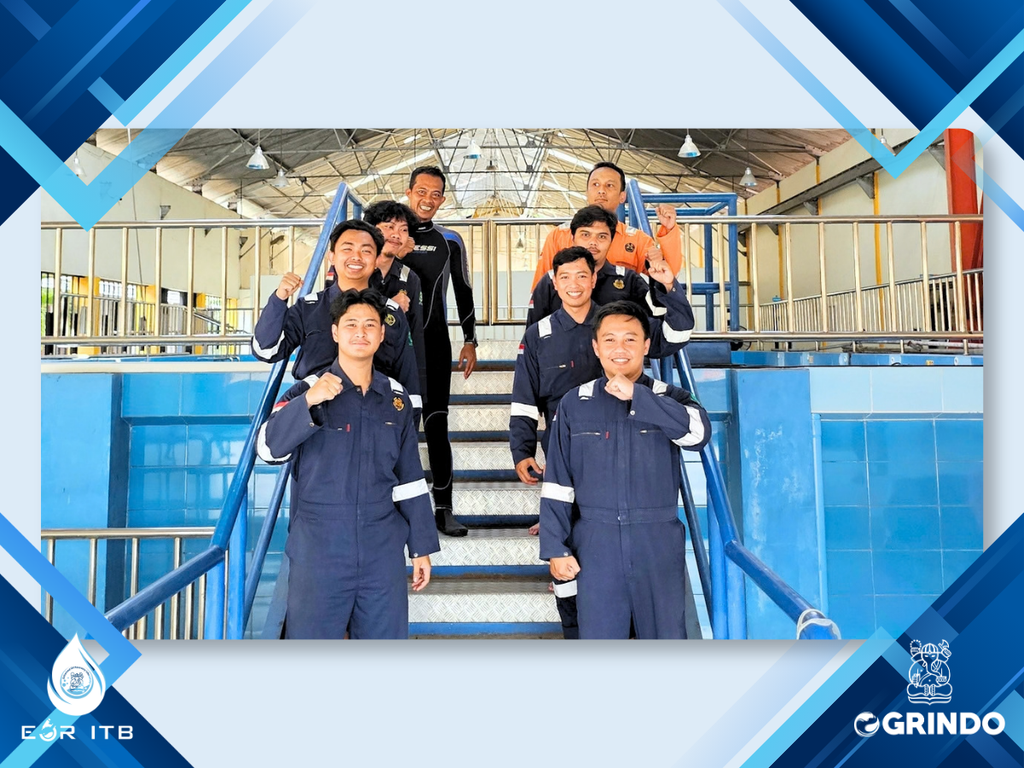
Through Basic Sea Survival (BSS) Training, the EOR Laboratory ITB team strengthened its basic knowledge and skills in marine safety as part of the preparation to support activities in an offshore.

Learn. Practice. Respond.

Would you like to learn more about the activities and services of OGRINDO ITB and the EOR Laboratory ITB?

Contact us at:
OGRINDO ITB: info@ogrindoitb.com
EOR Laboratory ITB: eor@itb.ac.id
Website: www.ogrindoitb.com