Categories
News Article

Understanding Surfactant Retention in Chemical EOR

In surfactant flooding, surfactants are injected into the reservoir to help increase oil recovery, one of which is by reducing the interfacial tension (IFT) between oil and water. However, not all injected surfactants will continue to move with the fluid phase. Some surfactants may be retained within the porous media through several mechanisms. Understanding surfactant retention is important for evaluating how surfactants are transported through the rock and how retention can affect the efficiency of chemical in Chemical Enhanced Oil Recovery (EOR).
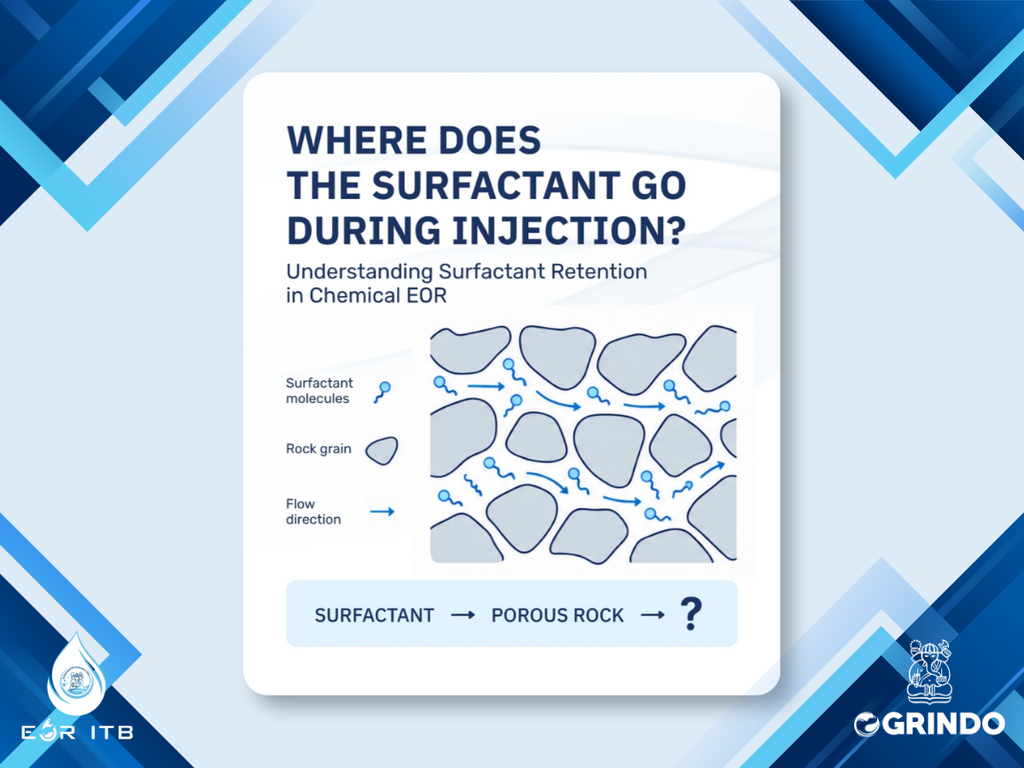
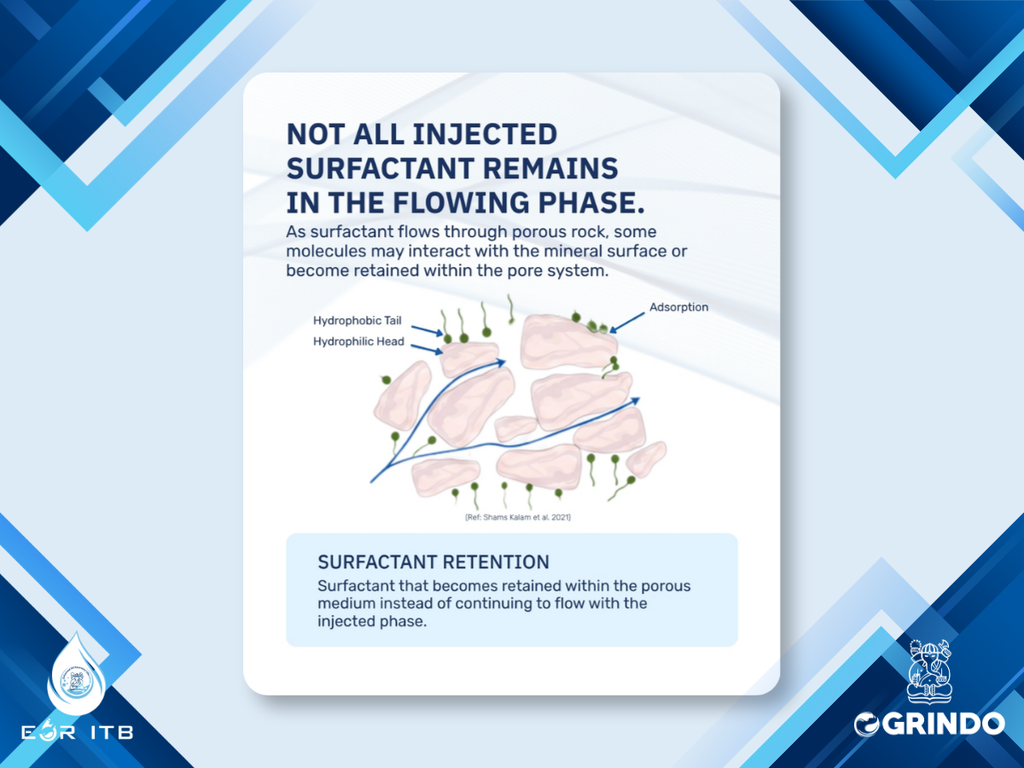
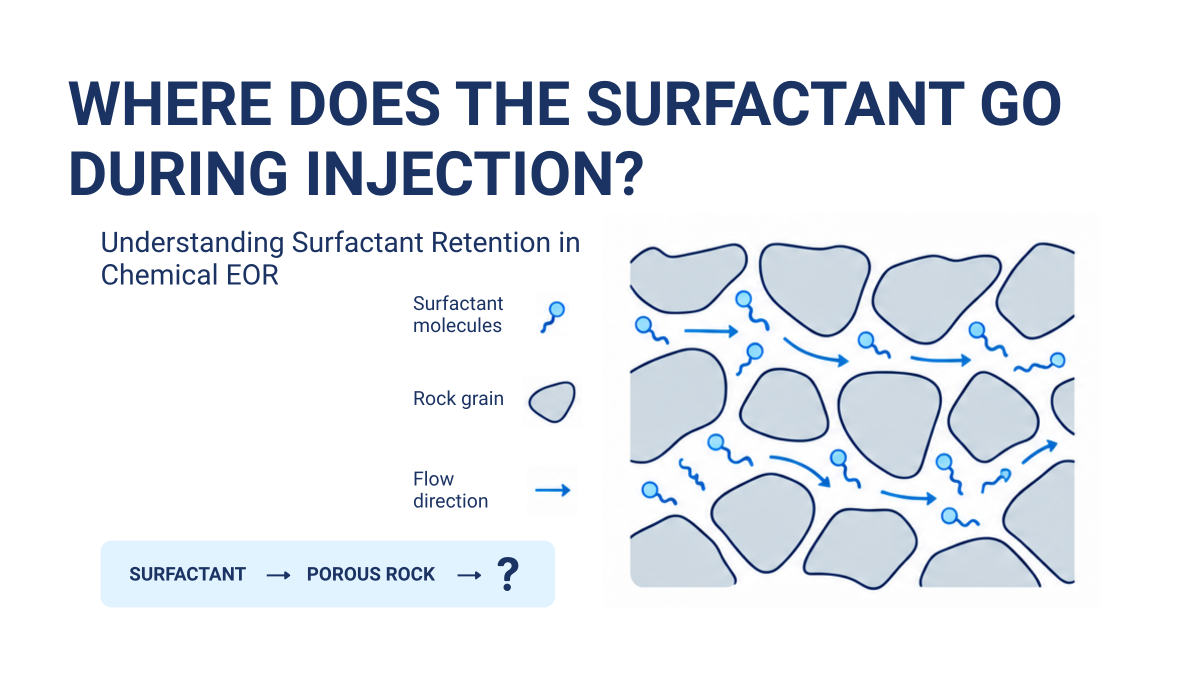
Figure 1. Surfactant flow through porous rock during injection.
Figure 2. Surfactant retention due to interactions with mineral surfaces and the pore system.

What Happens to Surfactants in Porous Media?

When surfactants flow through the rock, their molecules can interact with the rock surface and the fluids within the pores. These interactions can cause some surfactants to be retained within the porous media.

Several mechanisms of surfactant retention includes:

  • Adsorption, which is the interaction of surfactant molecules with the rock surface, causing the surfactants to be adsorbed onto the surface.
  • Phase trapping, which is the retention of surfactants due to the distribution and interactions between phases within the pores.
  • Precipitation, which is the formation of precipitates or solid phases under certain conditions, causing some surfactants to no longer remain in the flowing fluid phase.

These mechanisms can affect surfactant transport within the porous media.
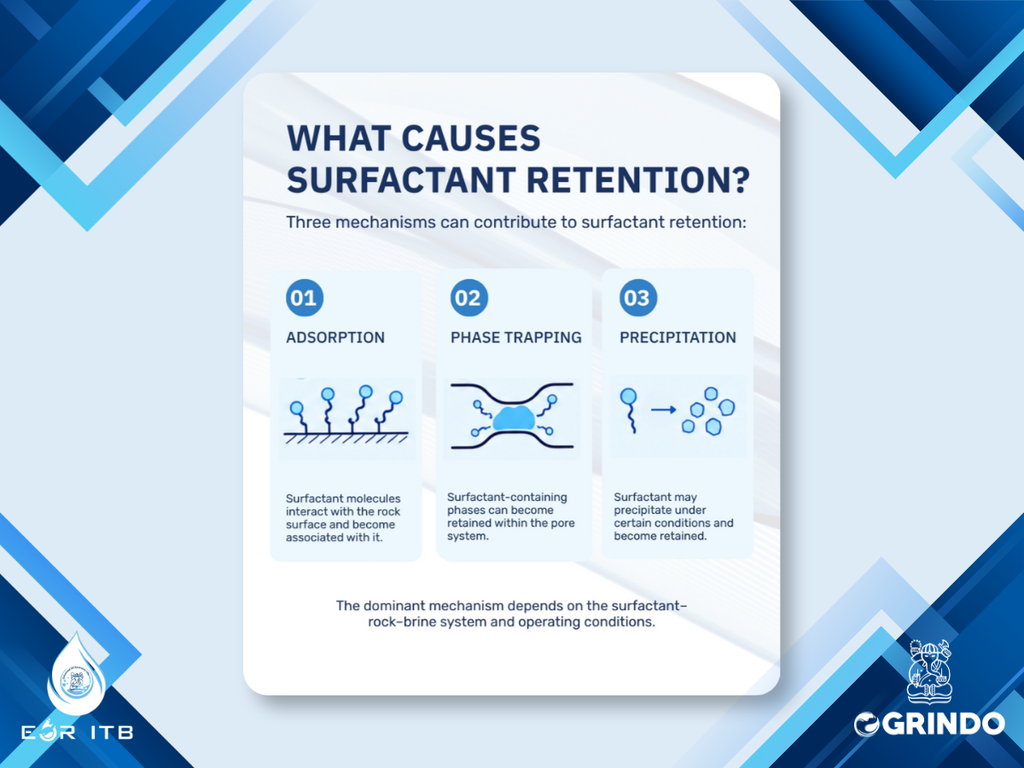
Figure 3. Several mechanisms of surfactant retention.

Why Does Surfactant Retention Important?

Retained surfactants no longer move with the flowing phase. Retention higher can reduce the amount of surfactant that continues to move through the porous media and potentially increase the requirement chemical to reach the target area.

Therefore, retention is one of the important aspects in evaluating chemical behavior and efficiency in chemical state in the Chemical EOR. However, retention is not the only parameter for assessing surfactant performance. The evaluation may also include IFT, phase behavior, stability, wettability, and the performance of coreflood.
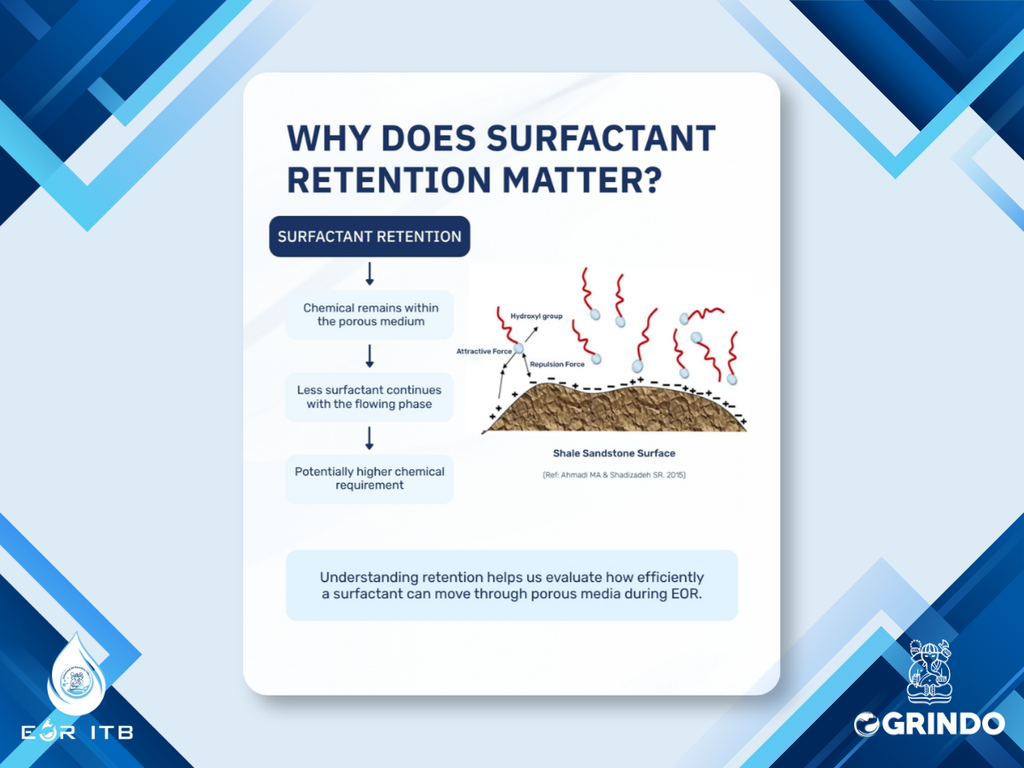
Figure 4. Why surfactant retention is important.

How is Retention Evaluated in the Laboratory?

Retention can be studied through both static and dynamic tests. In dynamic tests such as coreflood, surfactant is flowed through a core plug, and then effluent the effluent collected and analyzed.

In simple terms, the test can be conducted through the following stages:

Brine saturation → Surfactant injection through the core → Post-flush → Effluent collection → Concentration analysis

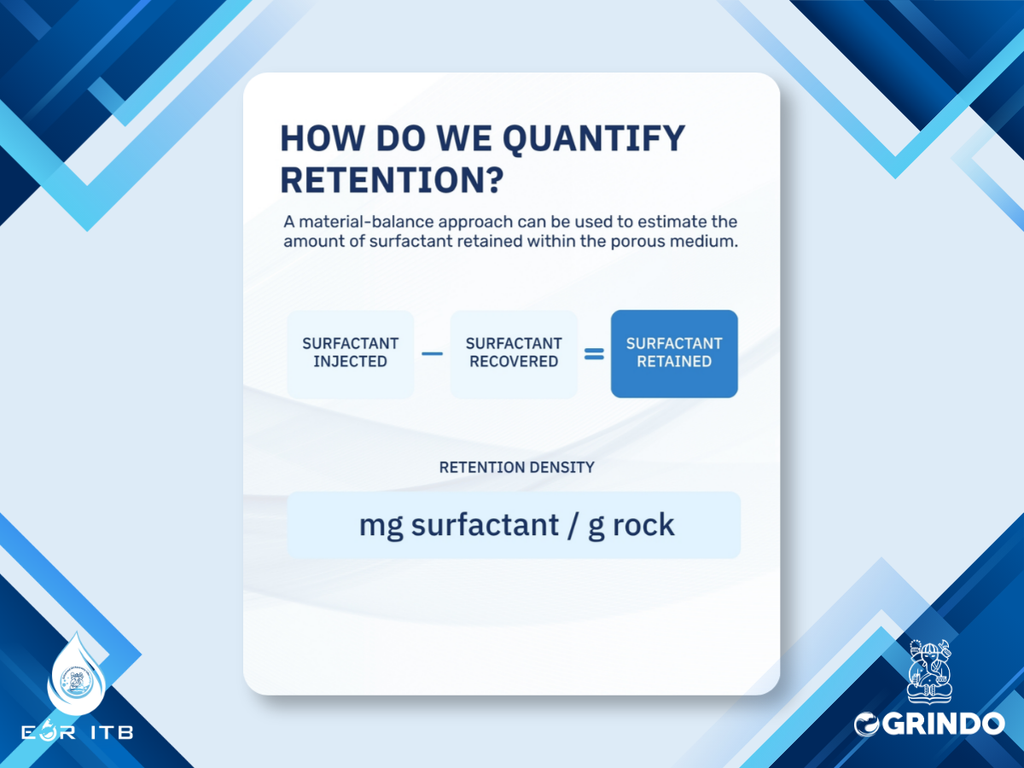
In simple terms, the amount of surfactant injected is compared with the amount of surfactant recovered from the effluent. Based on the material balanceapproach, the difference between the two can be used to estimate the amount of surfactant retained within the porous media:

Surfactant injected − Surfactant recovered = Surfactant retained

The result of retention can be expressed, for example, in mg of surfactant/g of rock.
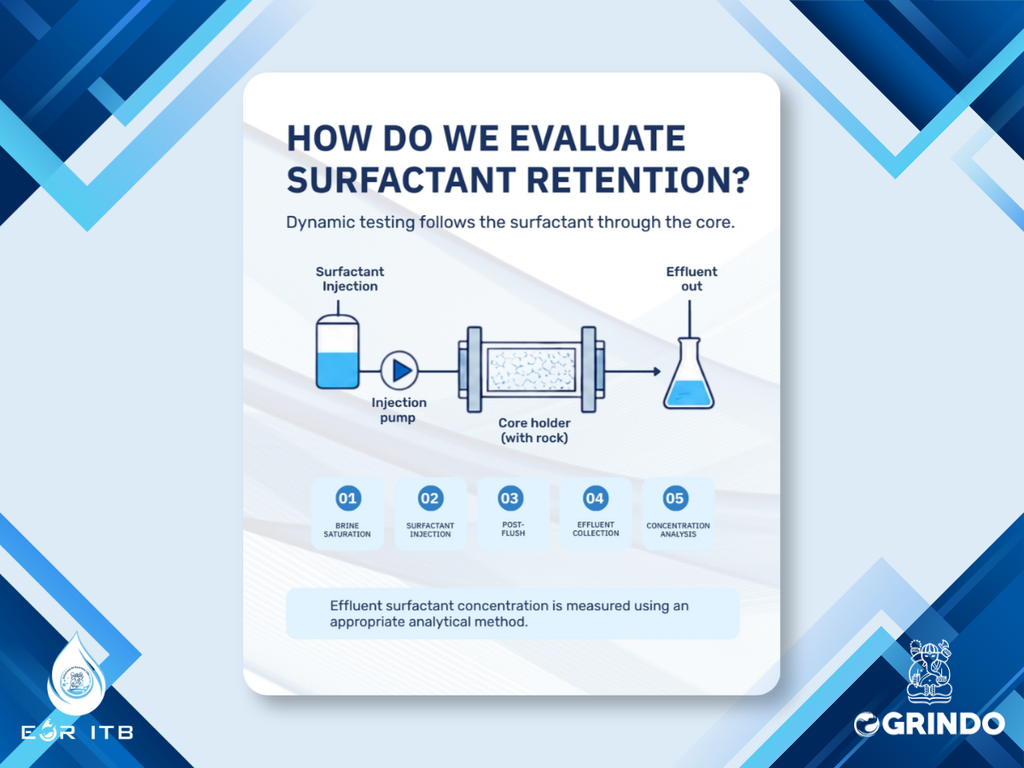
Figure 5. Stages of the dynamic test conducted to evaluate surfactant retention.
Figure 6. How to estimate the amount of surfactant retained in porous media using an approach of material balance.

Factors Affecting Retention

The extent of surfactant retention can vary in each system and is influenced by various factors, including:

  • rock type and mineralogy
  • surfactant type and concentration
  • brine composition and salinity brine
  • pH
  • temperature
  • the interactions of rock–surfactant–brine

Therefore, testing under conditions relevant to the reservoir system is an important part of evaluation Chemical EOR.

From Laboratory to EOR Application

The data of surfactant retention provide an overview of how surfactants are transported through porous media and can be used as one part of the screening and evaluation of Chemical EOR.

In its application, the data of retention do not stand alone. The test results need to be considered together with other parameters such as IFT, phase behavior, stability, wettability, and coreflood performance to provide a more comprehensive understanding of chemical behavior and performance.

Thus, the testing of retention—particularly under dynamic conditions—can help connect evaluation chemical in laboratory with the need of design and development Chemical EOR.

For Information and Collaboration
EOR Laboratory ITB
Email: eor@itb.ac.id

OGRINDO ITB
Email: info@ogrindoitb.com
Website: www.ogrindoitb.com
Categories
News Article

From Laboratory Research to Field Success: Surfactant Flooding in Tanjung Field

Surfactant flooding is one of the Enhanced Oil Recovery EOR) methods that can be used to improve oil recovery through the injection of surfactants into the reservoir. Its application requires a formulation that is suitable for the characteristics of the oil and formation water, as well as evaluation through laboratory testing before being implemented in the field.

A study published in Scientific Reports discusses the implementation of surfactant flooding small-scale in a waxy oil reservoir in Tanjung Field, Indonesia. The study connects the formulation and evaluation of surfactants in the laboratory with coreflood testing and field implementation in Zone A, which has remaining oil significant.

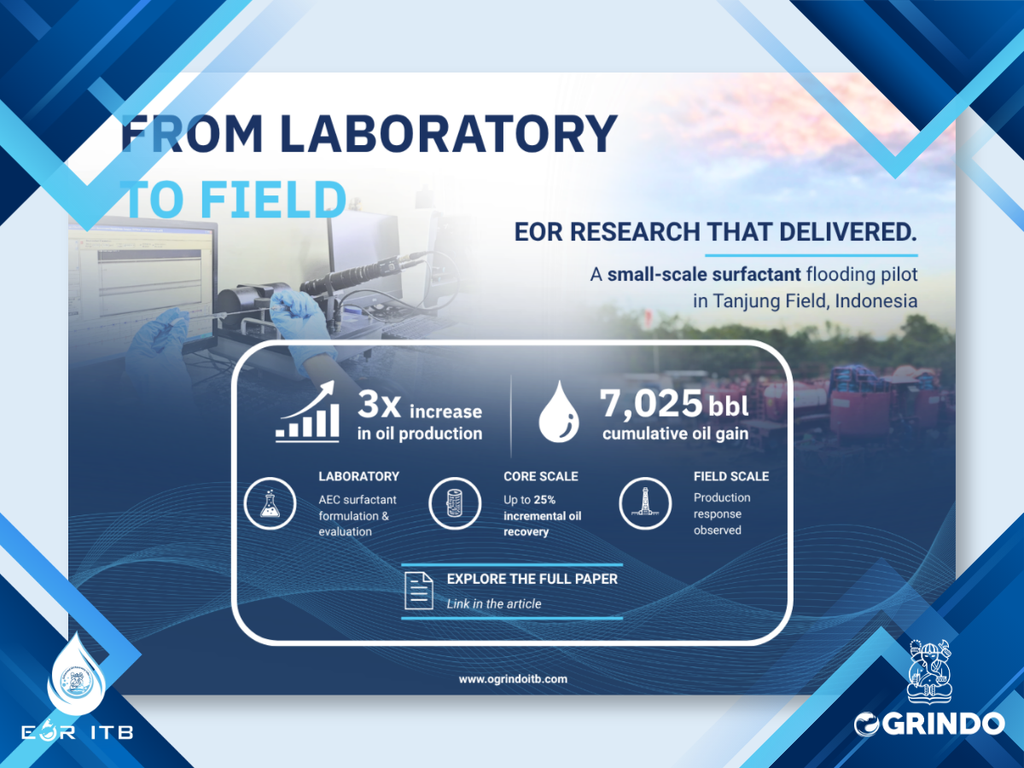
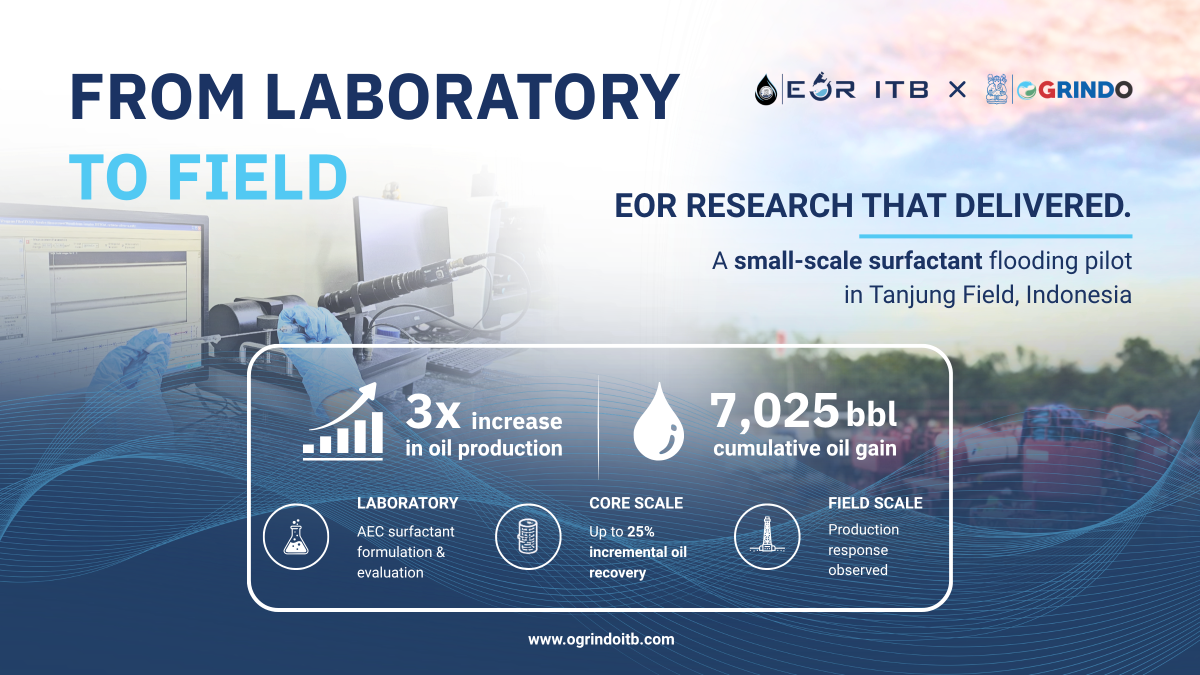
Figure 1. The surfactant flooding study in Tanjung Field achieved a threefold increase in oil production and a cumulative oil gain of 7,025 bbl.

Formulation and Laboratory Testing

This study used an Alkyl Ethoxy Carboxylate surfactant that was formulated and optimized based on the characteristics of the oil and formation water from Tanjung Field.

The optimization resulted in an interfacial tension (IFT) of 0.042 mN/m, compared to the initial oil-brine IFT of 18.3 mN/m. The formulation also demonstrated IFT stability during a thermal stability test at a temperature of 63 °C for three months.

The evaluation was then continued through coreflood testing using sample native core. Injection of a surfactant slug of 0.2 pore volume (PV) at a surfactant concentration of 2.0 wt.% resulted in a 25% increase in oil recovery.

Implementation of Surfactant Flooding Design in the Field

For the field test, an injector-producer pair was selected based on good connectivity and close proximity. This selection was made to achieve a faster response while maintaining testing cost efficiency.

The surfactant was continuously injected for four days, beginning on January 19, 2016, followed by water injection. Production was monitored until March 2017, targeting an effective reservoir pore volume of 10,625 bbl.

Results and Research Collaboration

Implementation of surfactant flooding resulted in a threefold increase in oil production rate and a cumulative oil gain of 7,025 bbl. The total testing cost was recorded at USD 61,812, including chemical and operational costs.

This study involved Lab EOR ITB through the authors' research affiliations. OGRINDO ITB was also acknowledged in the publication for its support through access to experimental equipment and facilities that supported the research.

The results of this study demonstrate how laboratory evaluation and field testing can form part of the implementation of surfactant flooding to support improved oil recovery in the Tanjung Field case study.

Scientific Publication

This study was published in Scientific Reports under the title:
“Surfactant flooding in waxy oil reservoir in Tanjung field, Indonesia: a case study of successful small-scaled field implementation.”

Read the full publication here.

Interested in EOR Research and Testing?

OGRINDO ITB and Lab EOR ITB are open to research development, laboratory testing, and collaboration in the field of Enhanced Oil Recovery and related oil recovery technologies.

Contact us:
📩 OGRINDO ITB
info@ogrindoitb.com
📩 Lab EOR ITB
eor@itb.ac.id

Categories
News Article

EOR Laboratory ITB Goes to Yogyakarta: Strengthening Teamwork and Professionalism

Within the OGRINDO ITB research environment, the success of a team is determined not only by technical capabilities, but also by teamwork, communication, and mutual trust. As part of OGRINDO ITB, the EOR ITB Laboratory recognizes that building a solid team is an important part of creating a professional and collaborative working environment.

To strengthen these aspects, the Laboratorium EOR ITB Goes to Yogyakarta activity was held from August 22–25, 2026. Over four days and three nights, this activity provided an opportunity for all team members to interact, share experiences, and build connections beyond their laboratory routines.

Figure 1. The Lab EOR ITB team during the team building experience in Yogyakarta.

Building Teamwork Through Shared Experiences

During their time in Yogyakarta, the EOR ITB Laboratory team enjoyed various experiences together, from visiting Prambanan Temple and the Beringharjo area, enjoying local cuisine, to exploring the Merapi area through a Lava Tour by jeep. These activities provided opportunities for team members to interact in a more relaxed atmosphere and enjoy new experiences together.

Traveling together, sharing meals, having team dinner, and exploring destinations became part of the team building process that strengthened communication, coordination, and teamwork among team members. More than just a trip, the shared experiences helped build mutual trust and create stronger working relationships.

Figure 3. Sharing experiences, creating memories, and building stronger connections as a team.

Strengthening Character and Professionalism

Team building also provides an opportunity to develop values that are important in a professional environment. Communication, responsibility, adaptability, care for others, and the ability to work as a team are qualities needed in carrying out research and testing activities at the EOR Laboratory ITB.

The connections built outside the laboratory are expected to have a positive impact when the team returns to their professional activities. With stronger relationships, each member can support one another and contribute more effectively.

Figure 4. Informal moments that brought team members closer beyond their professional roles.

Family Bonding and Renewed Energy

In addition to strengthening teamwork, this activity also became a moment of family bonding for the EOR ITB Laboratory team. More informal interactions provided an opportunity to get to know one another beyond their respective roles and responsibilities in the laboratory.

Figure 5. Enjoying shared moments and taking home memories from the journey as one team.

Ultimately, a strong team is not only about working together, but also about growing together. Through the Laboratorium EOR ITB Goes to Yogyakarta, the team brought home more than just memories—but also renewed energy, stronger connections, and the motivation to continue working and growing together.

Figure 6. One journey, one team, and a renewed spirit to grow together.

As part of OGRINDO ITB, the EOR ITB Laboratory will continue to foster a culture of collaboration and professionalism to support research activities, technology development, and innovation in the field of Enhanced Oil Recovery.

Growing Together. Working Together. Innovating Together.

📩 For research and collaboration inquiries:
eor@itb.ac.id | info@ogrindoitb.com