Categories
News Article

Training Surfactant Screening for EOR: Transforming Research Outcomes into Practical EOR Strategies

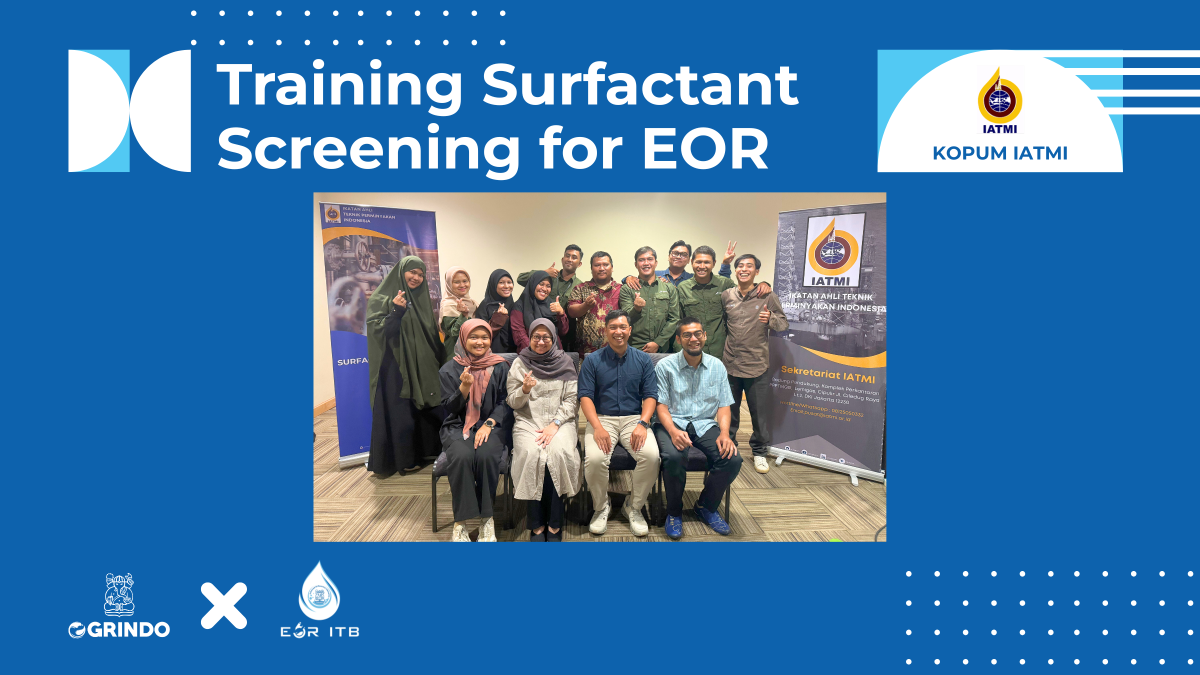
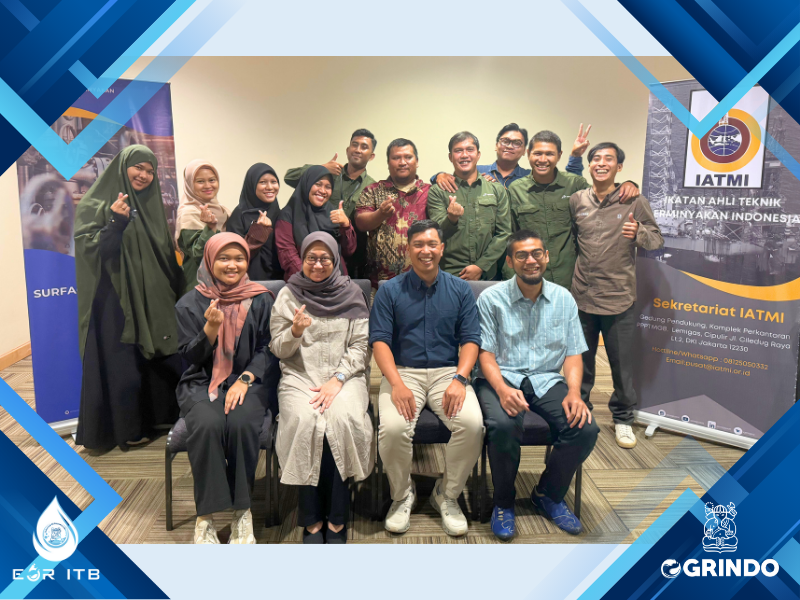
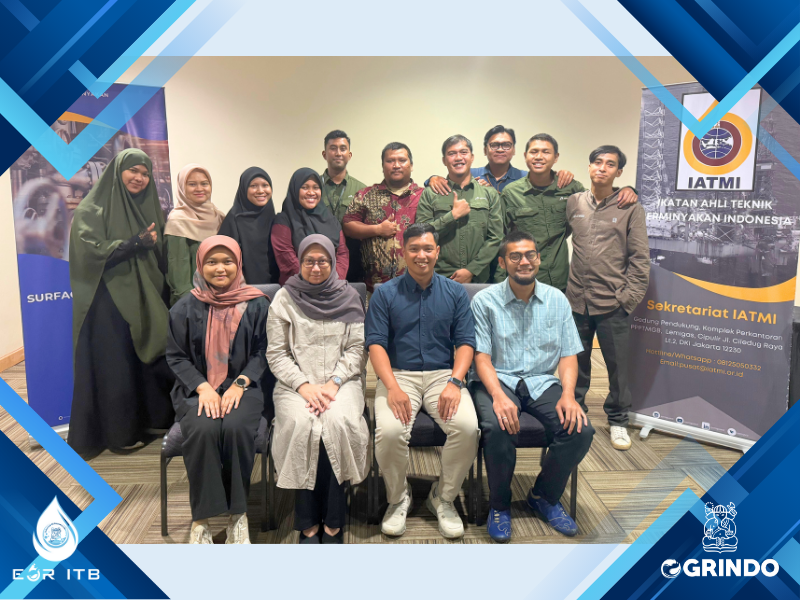
Efforts to increase national oil and gas production amid the decline of existing field production require the application of Enhanced Oil Recovery (EOR) technology that is increasingly mature, measurable, and research-based. In response to this challenge, the Training Surfactant Screening for Enhanced Oil Recovery (EOR) was conducted on Tuesday, 9 December 2025, at Best Western Premier The Hive, Cawang, DKI Jakarta.

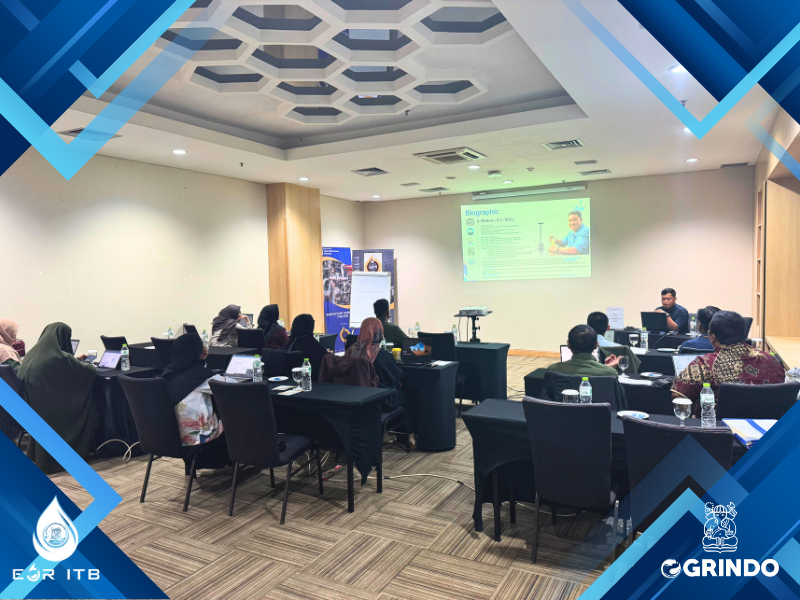
This training featured Ir. Mahruri, S.T., M.Sc., Project Manager of the EOR Laboratory ITB as well as a Researcher at OGRINDO ITB, as the main speaker. The activity was organized by KOPUM IATMI (Koperasi Jasa Usaha Mandiri Ikatan Ahli Teknik Perminyakan Indonesia) and was attended by professionals from Pertamina RTI.

This training served as a strategic momentum to enhance technical capacity and strengthen the competencies of petroleum professionals, particularly in supporting the development and optimization of EOR technology implementation across various oil and gas working areas in Indonesia.
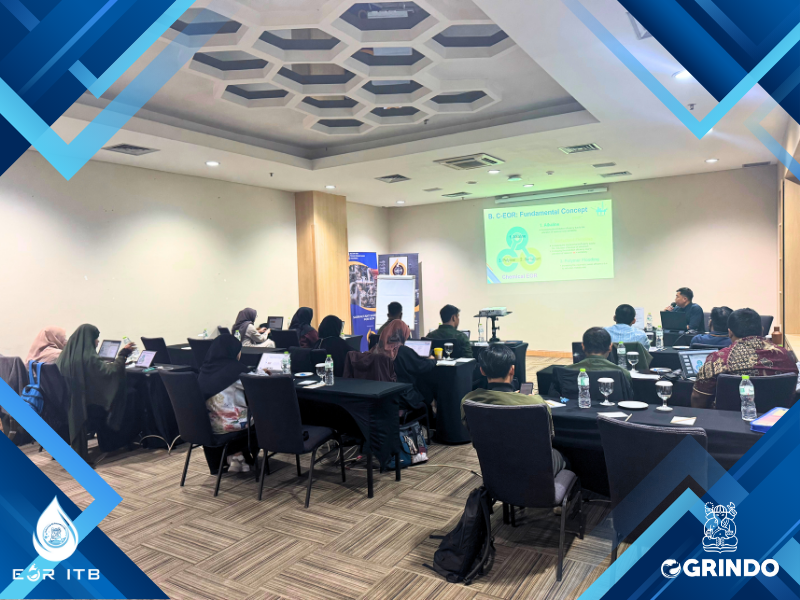
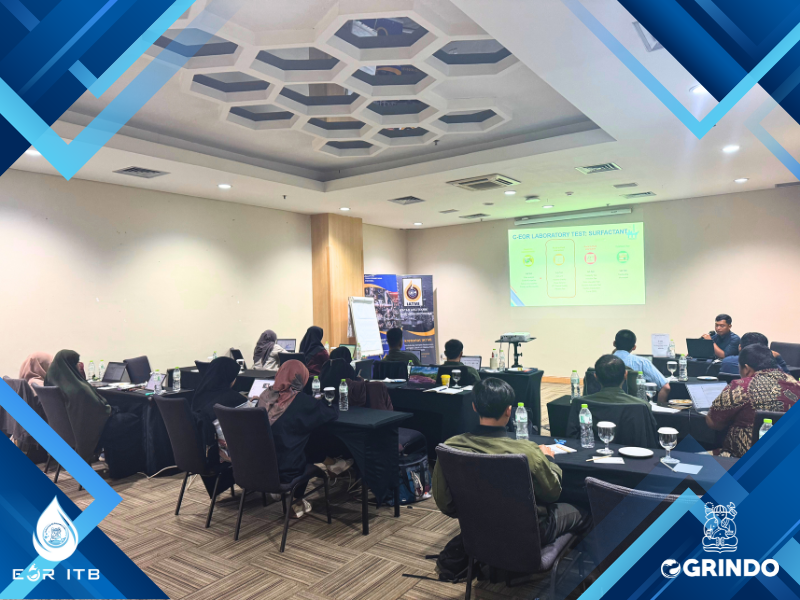
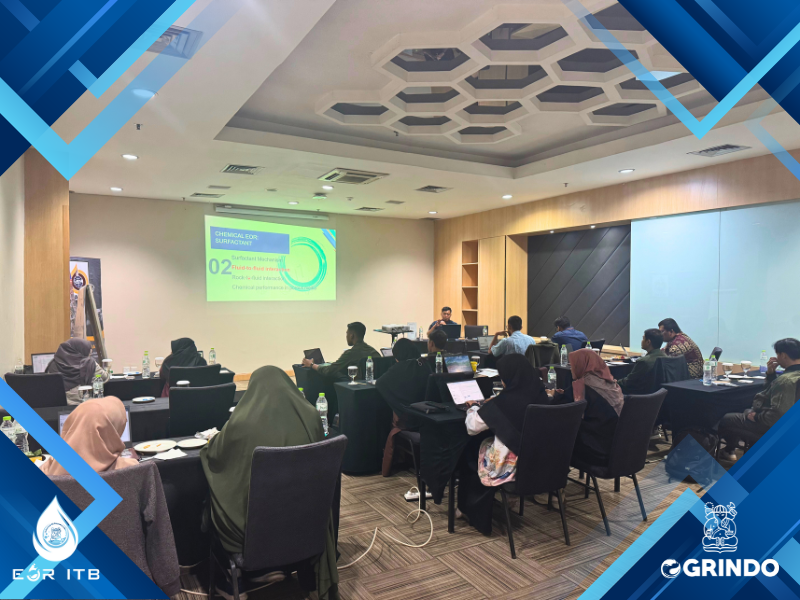
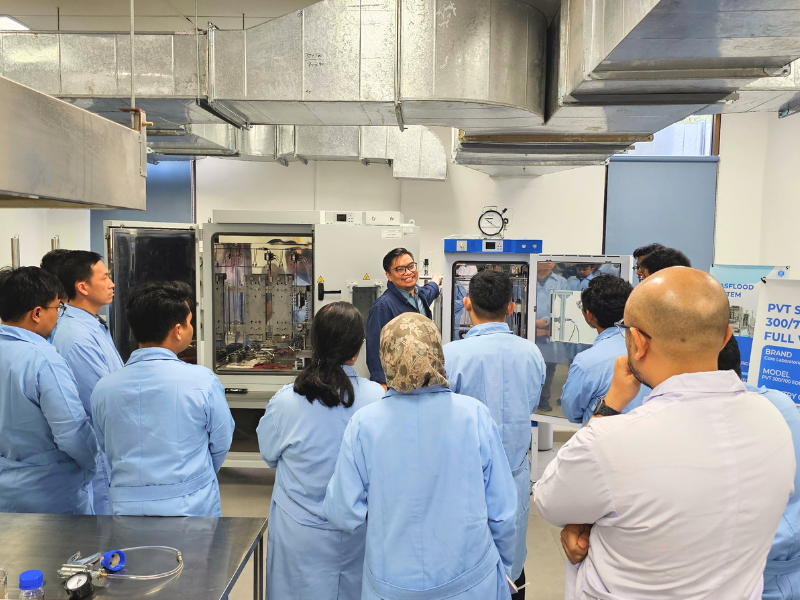
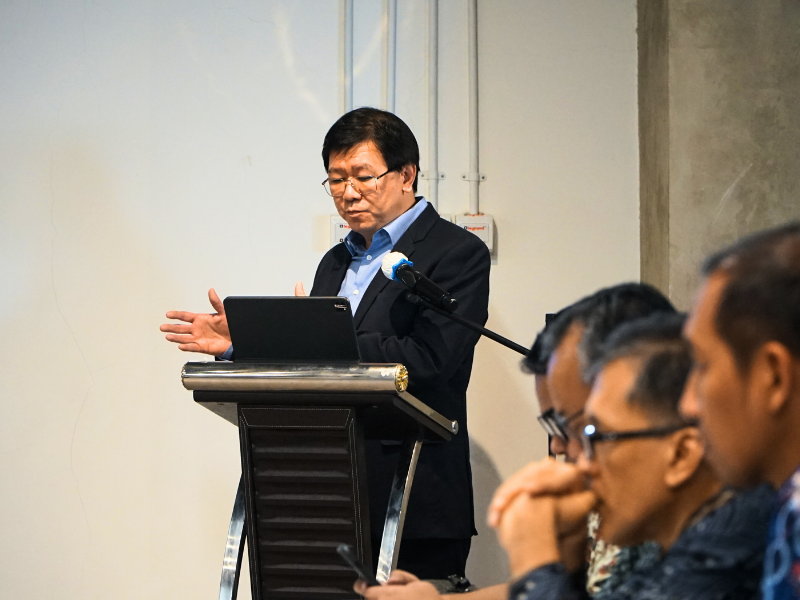
Figure 1. Ir. Mahruri, S.T., M.Sc. delivering fundamental concepts of Chemical Enhanced Oil Recovery (C-EOR).

Urgency of EOR Implementation in Indonesian Oil and Gas Fields

In the opening session, Ir. Mahruri presented a comprehensive overview of the stages of oil production—ranging from primary recovery, secondary recovery, to Enhanced Oil Recovery. It was conveyed that although waterflood and gas flood methods have been widely implemented, a significant portion of oil remains trapped in the reservoir due to limitations of conventional displacement mechanisms.

In this context, EOR emerges as a strategic solution to:

  • Drain residual oil that is microscopically trapped,
  • Increase recovery factor,
  • Extend the productive life of existing oil and gas fields.

Globally, the contribution of EOR to world oil production continues to increase, particularly in countries with maturefields. Indonesia has significant potential to optimize EOR, especially Chemical EOR, in both sandstone and carbonate reservoirs.

Chemical EOR and the Strategic Role of Surfactants

The main focus of this training was Chemical EOR, with an emphasis on surfactant flooding. Fundamentally, Chemical EOR aims to modify the physicochemical properties of reservoir fluids and rocks through the injection of chemical agents such as alkali, surfactants, and polymers.

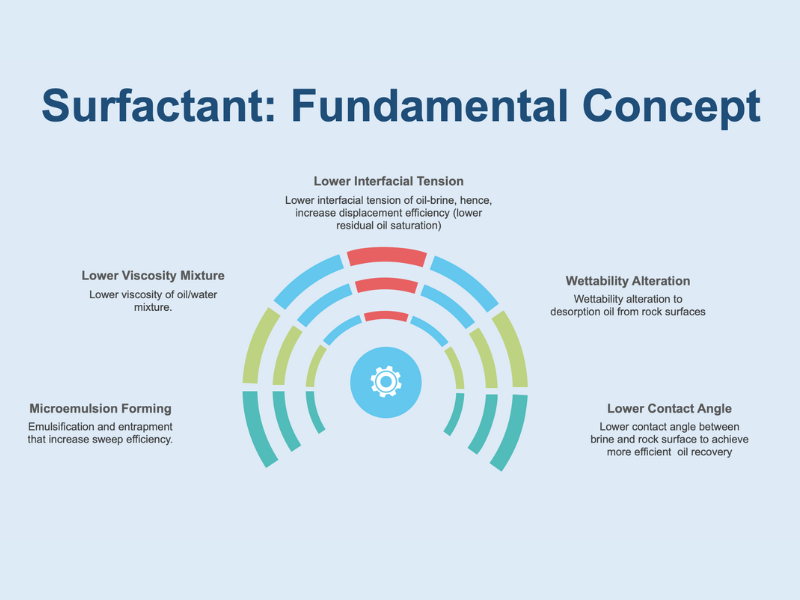
Ir. Mahruri explained that surfactants play a crucial role in:

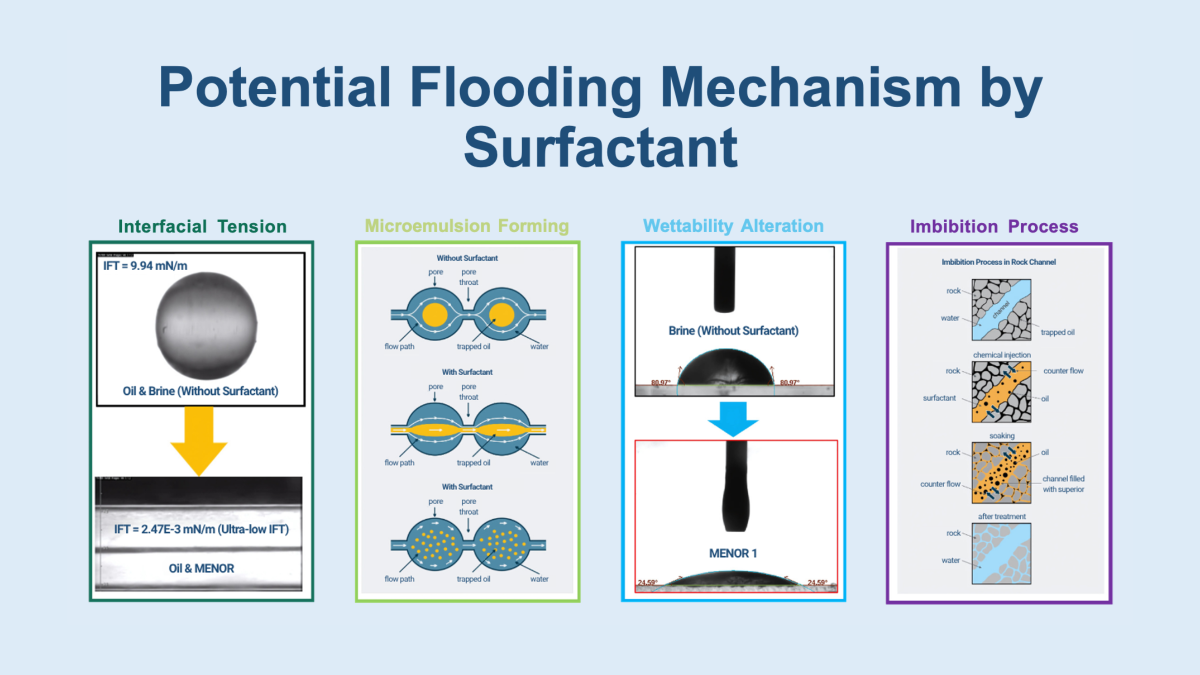
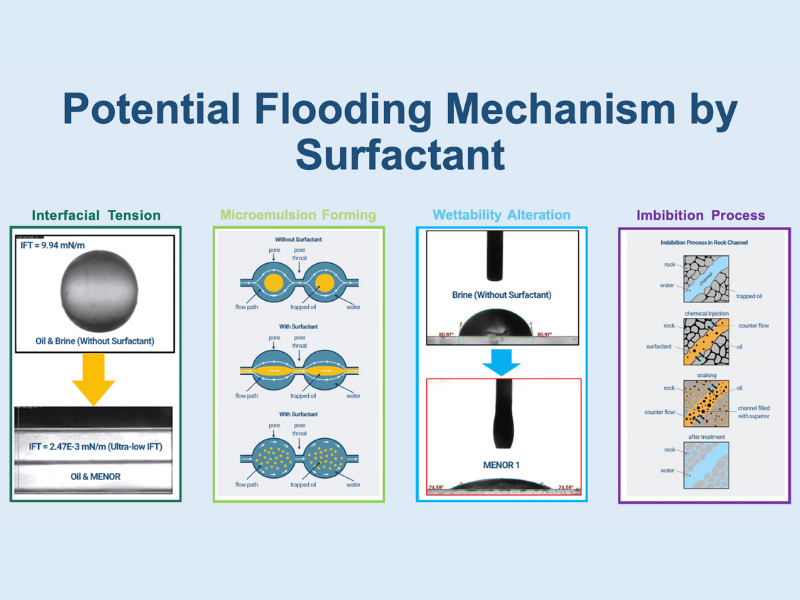
  • Reducing the interfacial tension (IFT) between oil and water to achieve ultra-low IFT conditions,
  • Forming microemulsions capable of mobilizing residual oil,
  • Altering rock wettability (wettability alteration),
  • Improving displacement efficiency and imbibition processes.

The success of surfactant flooding is highly dependent on a comprehensive screening and laboratory evaluation process to ensure that the applied surfactants are truly compatible with reservoir characteristics.
Surfactant Screening: From Concept to Laboratory Evaluation

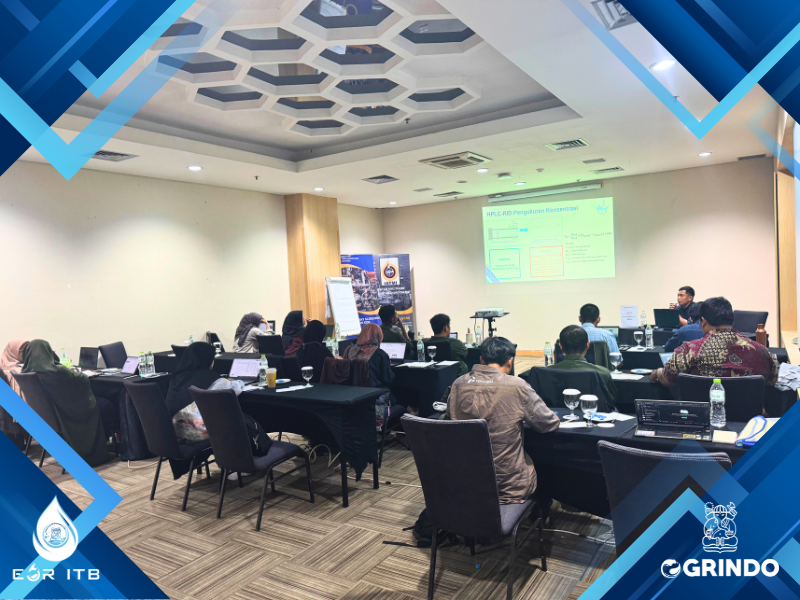
One of the main strengths of this training was the in-depth discussion of the laboratory-based surfactant screening workflow, covering fluid–fluid and rock–fluidinteractions, as well as chemical performance in porous media.
Several key tests discussed included:

  1. CMC–IFT Test
    Determines the optimum surfactant concentration to achieve the lowest IFT value. An effective surfactant is expected to reach ultra-low IFT (<10⁻² mN/m) at an economically feasible concentration.
  2. Aqueous Stability Test
    Evaluates surfactant stability and compatibility in injection brine and native brine reservoir to avoid the risk of precipitation and plugging.
  3. Phase Behavior Test
    Assesses microemulsion formation (Winsor Type III) as the main indicator of surfactant effectiveness in mobilizing residual oil.
  4. Thermal Stability & Filtration Test
    Ensures surfactant stability at reservoir temperature and minimizes potential injectivity issues during the injection process.
  5. Wettability, Adsorption, and Imbibition Test
    Evaluates the ability of surfactants to alter rock wettability and minimize surfactant loss due to adsorption.
  6. Coreflooding and Micromodel
    Advanced stages to dynamically simulate surfactant performance in porous media while visualizing displacement mechanisms in two dimensions. displacement secara dua dimensi.

This series of tests emphasizes that Chemical EOR is not merely a chemical injection process, but an integrated scientific approach that must be supported by strong and representative laboratory data.

Bridging Research and Field Implementation

Through this training, participants gained not only conceptual understanding but also practical insights into how research outcomes and laboratory test results can be translated into EOR strategies ready for field implementation.

The discussion also addressed common challenges in Chemical EOR implementation, including:

  • Polymer adsorption and degradation,
  • Surfactant sensitivity to salinity and temperature,
  • Risks of plugging, scaling, and corrosion,
  • Economic considerations and surface facility readiness.

Various case studies and lesson learned from EOR implementations both domestically and internationally enriched participants’ perspectives on the complexity as well as the opportunities of this technology.
Opening Opportunities for Strategic Collaboration

Through this activity, OGRINDO ITB and the EOR Laboratory ITB reaffirmed their commitment to supporting the development of EOR technology based on research, laboratory testing, and close collaboration with industry.

Opportunities for collaboration are open for:

  • Research and development of Chemical EOR,
  • Surfactant screening and laboratory evaluation,
  • EOR feasibility studies,
  • Technical training and consultancy,
  • Industry–academia collaborative projects.
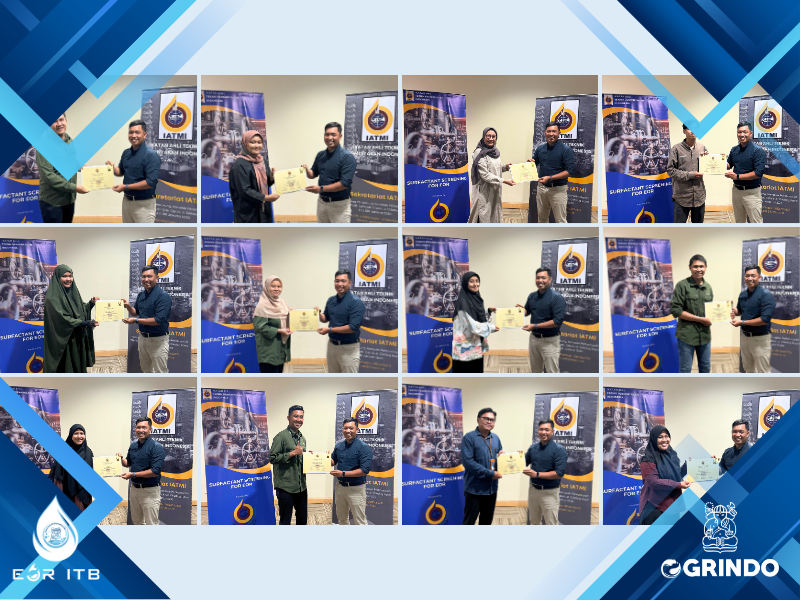
Figure 4. Certificate handover to participants of the Training Surfactant Screening for Enhanced Oil Recovery (EOR) as a form of technical competency strengthening.

📩 Collaboration contacts:

OGRINDO ITB: info@ogrindoitb.com
EOR Laboratory ITB: labifteoritb@gmail.com

This training serves as a tangible example of how synergy between research, laboratories, and industry can accelerate the adoption of practical, effective, and sustainable EOR technologies to support national energy security.
Categories
News Article

Optimization of Enhanced Oil Recovery Using Low Salinity Water and TiO₂ Nanofluid in Sandstone Reservoirs

The application of Enhanced Oil Recovery (EOR) technology continues to be a strategic focus in efforts to increase national oil production, especially in reservoirs that have entered the late stage of their productive life. One EOR method that is currently gaining attention is the use of Low Salinity Water (LSW) as an injection fluid. Several studies have shown that low-salinity brine is able to mobilize residual oil more effectively compared to brine with high salinity.

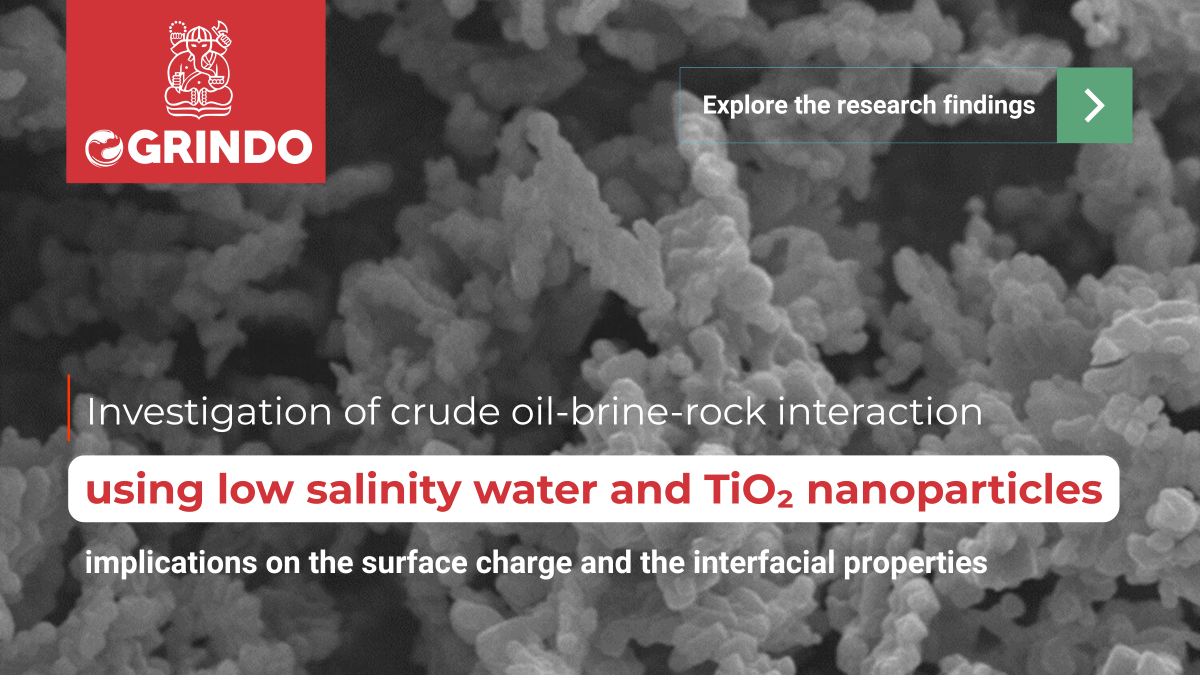
Recent research indicates that the effectiveness of LSW can be further enhanced through the addition of titanium dioxide (TiO₂) nanoparticles. This study becomes important because experimental data regarding the compatibility and synergistic mechanisms of both in the crude oil–brine–rock (COBR) system are still limited.

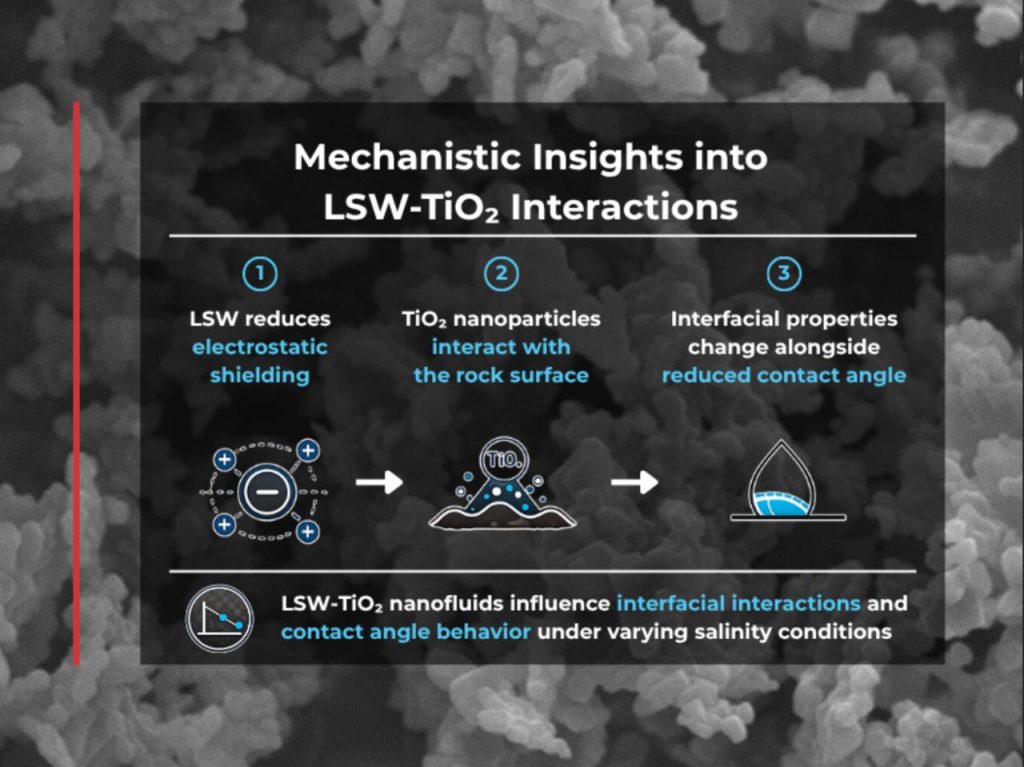
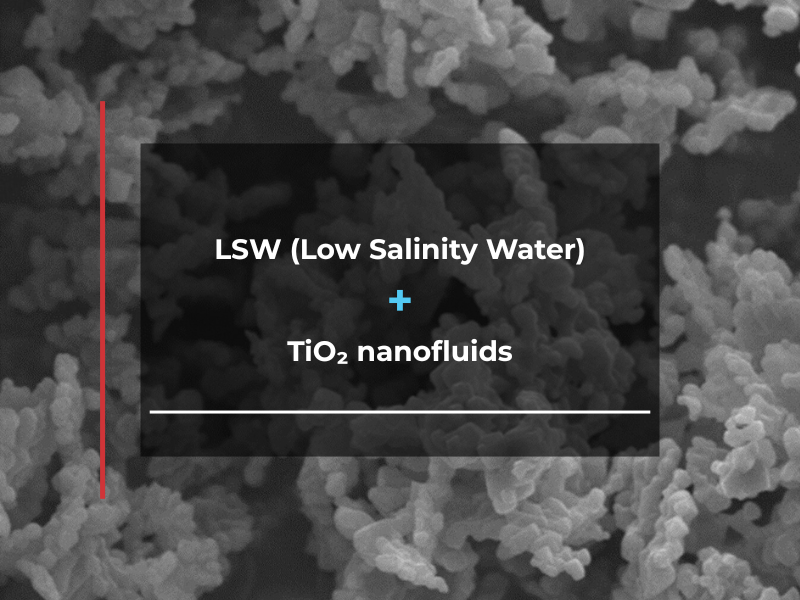
Figure 1. Illustration of crude oil–brine–rock (COBR) interaction in the LSW–TiO₂ study.

Why Does Low Salinity Water Become More Effective with TiO₂ Nanoparticle?

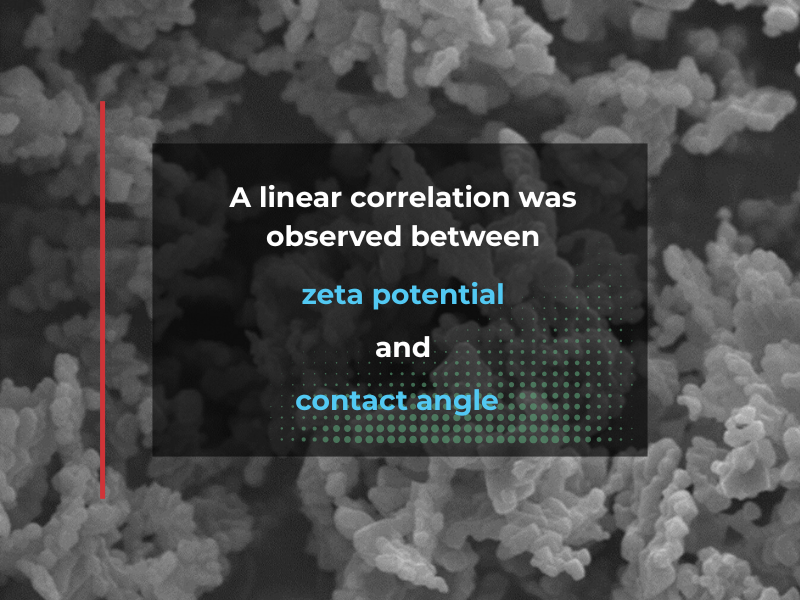
Recent laboratory studies investigated crude oil–brine–rock (COBR) interactions within a salinity range of 500–32,000 ppm and TiO₂ concentrations of 0–100 ppm using sample from Berea sandstone. The results show that the addition of TiO₂ into LSW induces significant physicochemical changes, particularly in pH, zeta potential, and contact angle parameters, which directly influence the mechanism of oil detachment from the rock surface.

This combination produces an effective LSW–TiO₂ nanofluid capable of altering the rock wettability toward a more water-wet (wettability alteration). In water-wetconditions, the rock surface is more easily wetted by water, allowing oil that was previously strongly attached to the pore surfaces to move and be produced more efficiently.

Figure 2. Changes in zeta potential (ZP) values at various TiO₂ concentrations and salinity levels.

Implications for EOR

Findings from this study show that the combination of LSW and TiO₂ nanoparticles has significant potential for optimizing the EOR process in sandstonereservoirs. Modifications of interfacial properties—particularly through changes in wettability—emerge as the main mechanism supporting enhanced oil mobilization.

This study also demonstrates that the tested TiO₂ concentrations provide consistent physicochemical responses, opening opportunities for designing more optimal injection fluids to maximize oil recovery.

In addition to offering a fundamental understanding of fluid–rock interactions under low-salinity conditions, the results of this research provide new direction for developing more effective LSW–TiO₂ nanofluid formulations for field applications. Further studies, such as coreflooding,, are planned as the next step to validate the implications of these findings on direct oil recovery improvement.

🔗 Access to the Published Paper

Interested in understanding the mechanisms, experimental data, and complete analysis in greater detail?
The paper can be accessed here.

🤝 Research and Industry Collaboration

OGRINDO ITB welcomes collaboration opportunities for further research and industrial partnerships in the fields of EOR, nanotechnology, and reservoir chemistry.
Contact us at: 📩 info@ogrindoitb.com

Categories
News Article

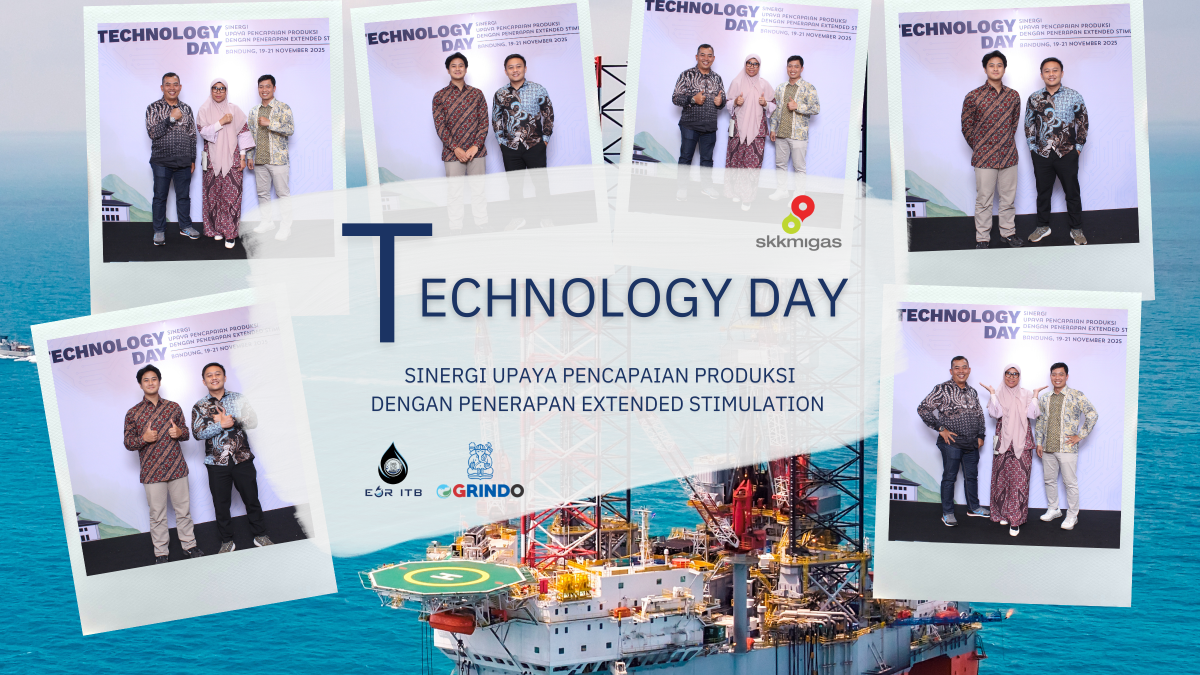
Technology Day 2025: Strengthening Synergy for Production Enhancement through Extended Stimulation & Enhanced Oil Recovery (EOR)

Bandung, 19–21 November 2025 — OGRINDO ITB together with the EOR Laboratory ITB attended Technology Day: Sinergi Upaya Pencapaian Produksi dengan Penerapan Extended Stimulation, a technical forum organized by SKK Migas as a strategic step to accelerate national oil production toward the 2026 target. The event took place over three days and brought together representatives from Pertamina, LEMIGAS, KKKS, and EOR technology providers.

This event was designed to strengthen collaboration between operators, regulators, research institutions, and technology providers in addressing production challenges in mature oil fields, particularly those requiring the application of EOR (Enhanced Oil Recovery) and Extended Stimulation.

Technical Forum with a Comprehensive Three-Day Agenda

The Technology Day agenda was designed to facilitate technical discussions, case study reviews, field experience exchanges, and the formation of follow-up implementation plans. Based on the official rundown issued by SKK Migas, the series of activities included:

📌 Day One — Opening & Panel of Extended Stimulation

  • Participant registration and opening remarks by the Deputy of Exploration, Development, and Management of Working Areas (EPMWK) of SKK Migas
  • Panel discussion “Sinergi Upaya Pencapaian Produksi dengan Penerapan Extended Stimulation
  • Booth visit with technology providers
  • Technical presentations and PEP discussions on the Tanjung, North Kutai Lama, Kenali Asam, and Tempino fields

📌 Day Two — PEP Discussions & Implementation Opportunities

  • Discussion of conditions and stimulation plans for the Pamusian, Limau, Ramba, Rantau, and Sago fields
  • Structured technical dialogue between SKK Migas, KKKS, and technology providers
  • Booth visit with technology providers

📌 Day Three — Strategy Finalization & Follow-Up

  • Discussion and evaluation of follow-up actions by SKK Migas × KKKS × technology providers
  • Compilation of summaries and conclusions from all sessions
  • Program closing

The series of agendas demonstrated the commitment of all participants to unify operational, technological, and research perspectives to produce measurable, integrated production enhancement strategies that are ready for field implementation.

Key Message: Collaboration as the Foundation of Success

In every discussion session, technology presentation, and case study review, one overarching theme consistently emerged:

The success of implementing Extended Stimulation and EOR depends on close collaboration between operators, regulators, research institutions, and technology solution providers.

Technology selection and chemical formulation decisions must be based on:

  • reservoir characteristics,
  • comprehensive laboratory data,
  • field performance evaluation, and
  • operational readiness.

With these elements, EOR and Extended Stimulation can be designed to deliver effective, economical, and sustainable results for Indonesian oil fields.

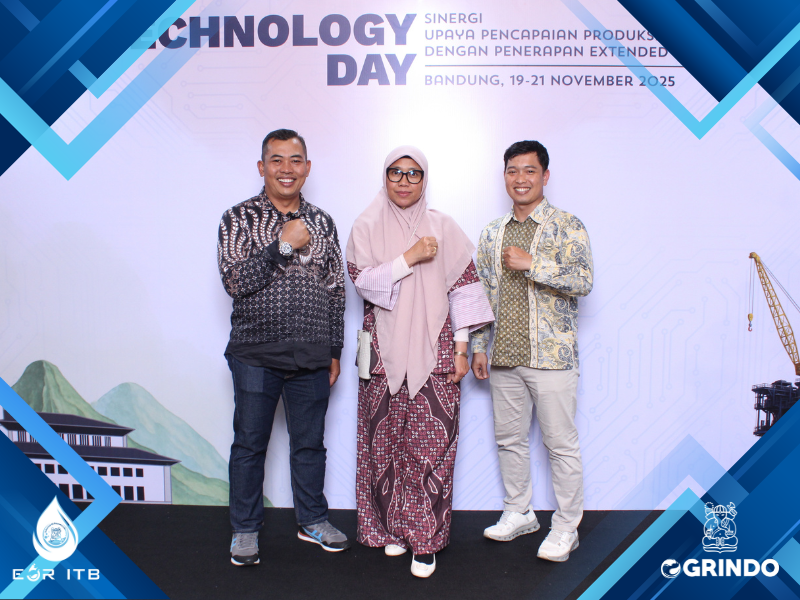
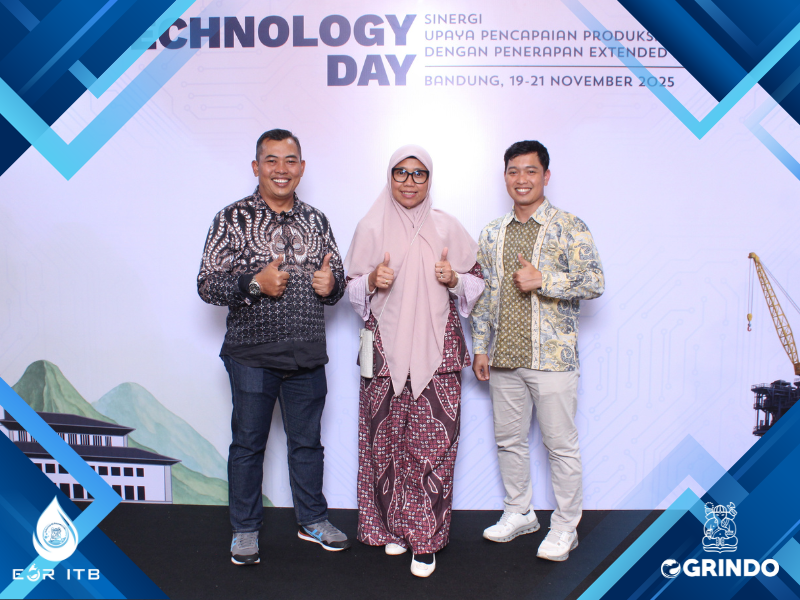
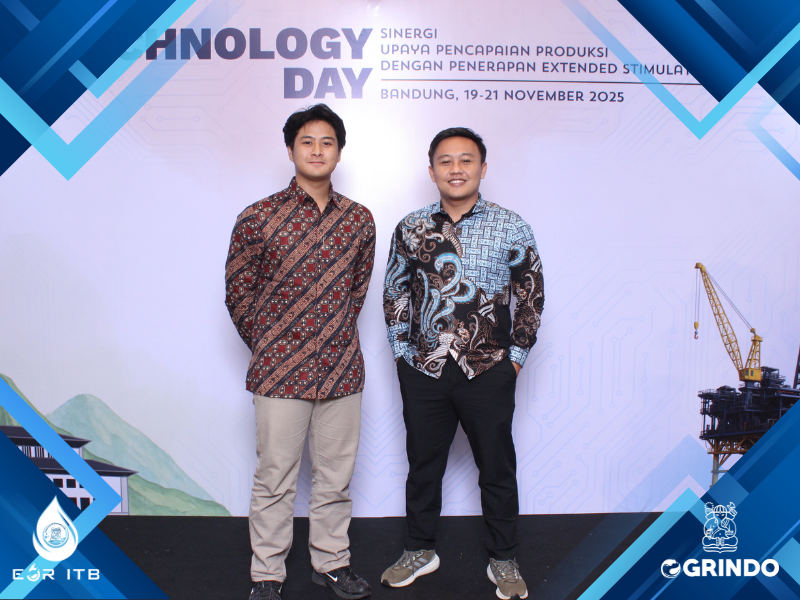
Figure 3. The enthusiasm of representatives from OGRINDO ITB and the EOR Laboratory ITB while participating in the activities of Technology Day.

OGRINDO × Lab EOR ITB Commitment to Supporting National Production

The participation of OGRINDO ITB and the EOR Laboratory ITB in this event is part of strengthening our contribution to the upstream oil and gas sector through:

🔹 The application of data-driven research to support field decision-making
🔹 The provision of EOR laboratory study services
🔹 The development of technological solutions through collaboration with industry
🔹 Engagement in forums for knowledge exchange and formulation of production enhancement strategies

We believe that continuous collaboration between industry, regulators, and academia is a crucial foundation for the success of EOR and Extended Stimulation in Indonesia.

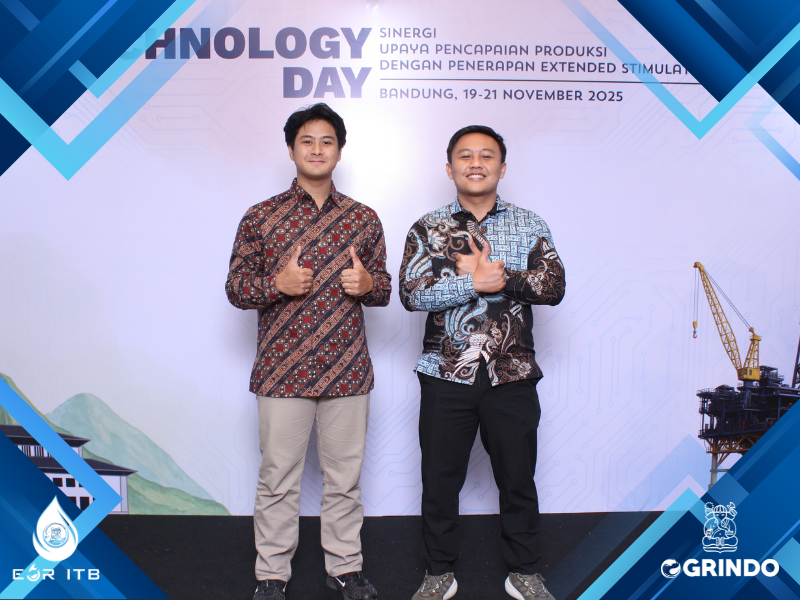
Figure 4. The enthusiasm of representatives from OGRINDO ITB and the EOR Laboratory ITB while participating in the activities of Technology Day.

Conclusion

We hope this spirit of synergy continues through real implementation in the field to support national energy resilience and the achievement of Indonesia’s oil production targets.

OGRINDO ITB together with the EOR Laboratory ITB remain committed to strengthening collaboration between industry, regulators, and academia to deliver effective and sustainable production enhancement solutions.

📩 For further information, technical discussions, or collaboration opportunities, please contact:
info@ogrindoitb.com

Categories
News Article

Collaboration between OGRINDO ITB and Purnomo Yusgiantoro EOR Laboratory: Utilizing Gas Flood Core Flooding Technology for Enhanced Oil Recovery

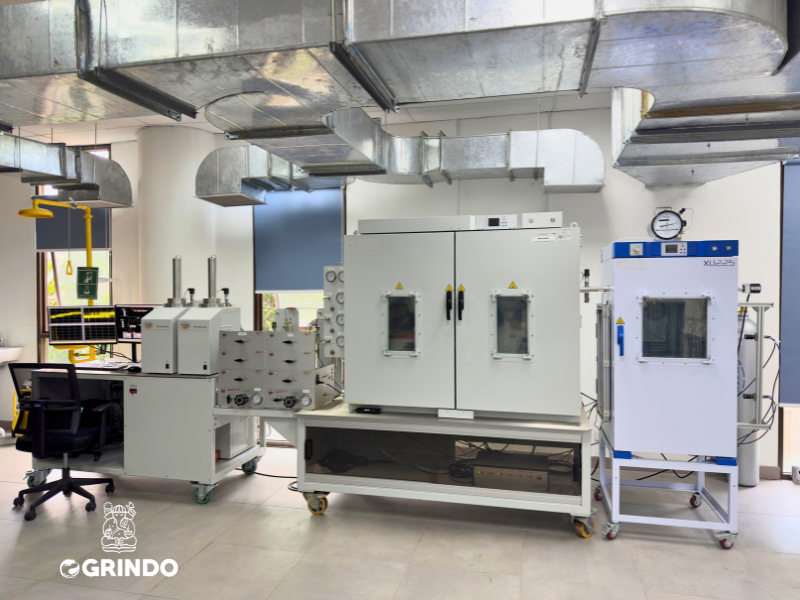
Welcome to our premier research facility at Gedung Dato (Labtek XVII), Institut Teknologi Bandung!
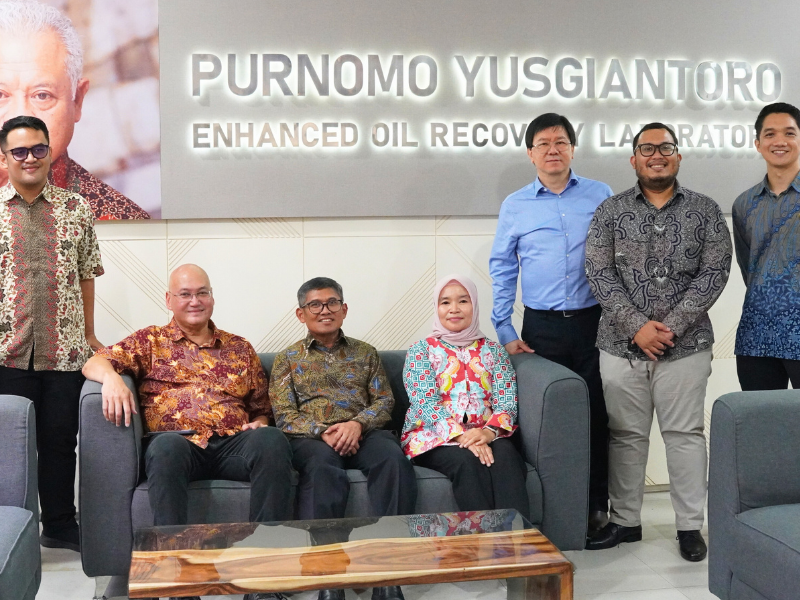
Through a partnership between OGRINDO ITB and Purnomo Yusgiantoro Enhanced Oil Recovery (EOR) Laboratory, we jointly utilize the advanced Gas Flood Core Flooding facility to support research and development of Enhanced Oil Recovery (EOR) strategies based on gas injection (miscible and immiscible).

This collaboration enables resource sharing between academic research and industrial needs, ensuring that the facility can provide broader benefits for energy technology development.

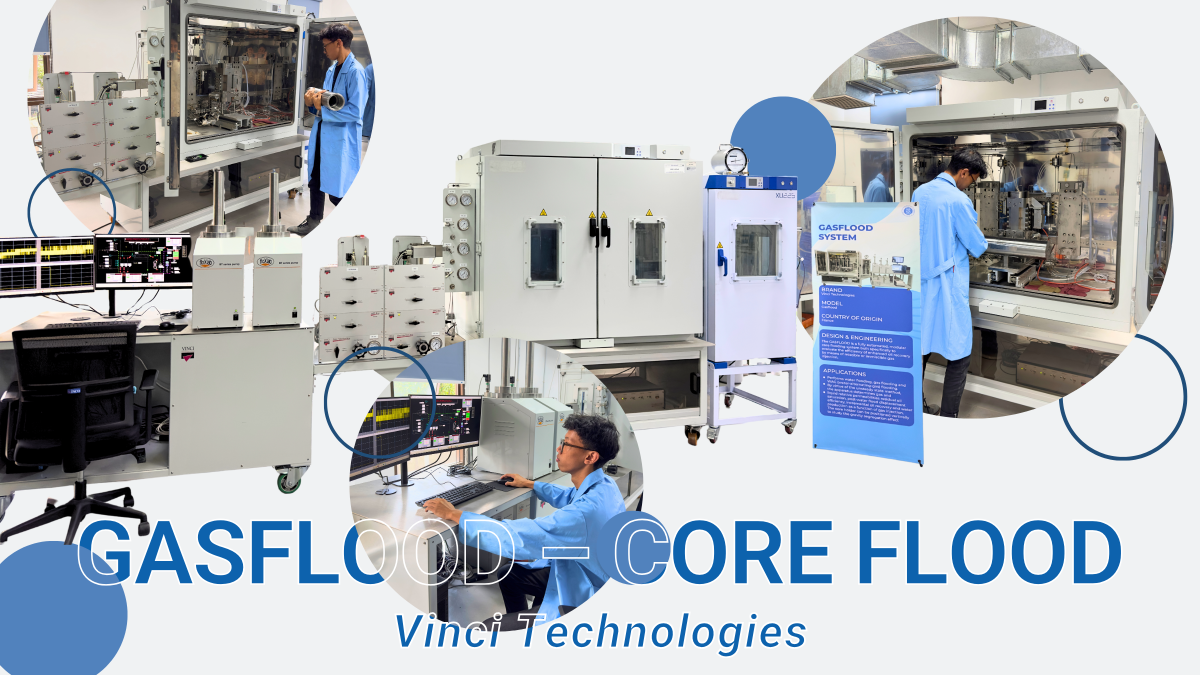
Figure 1. Apparatus of Gas Flood ready to support gas injection and core flooding studies for both research and industrial collaboration.

🛠️ Key Features of the Gas Flooding

This system offers the following advanced technical capabilities:

  • High pressure: Confining pressure and pore pressure up to 700 bar (~10,000 psi).
  • High temperature: Working temperature up to 150 °C.
  • Capability to use gases such as CO₂, N₂, or hydrocarbon gases.
  • Ability to perform water flooding, gas flooding, and WAG (Water-Alternating-Gas).
  • The unsteady state method to obtain key parameters such as gas and liquid relative permeability, saturation of remaining oil, displacement efficiency after waterflooding, and water production related to gas injection.
  • Core holder can be positioned horizontally.
  • Wetted parts made of Hastelloy for superior durability.

With this system, the Purnomo Yusgiantoro EOR Laboratory in collaboration with OGRINDO ITB is able to simulate reservoir conditions in the laboratory and generate crucial experimental data for optimizing gas injection in the field.

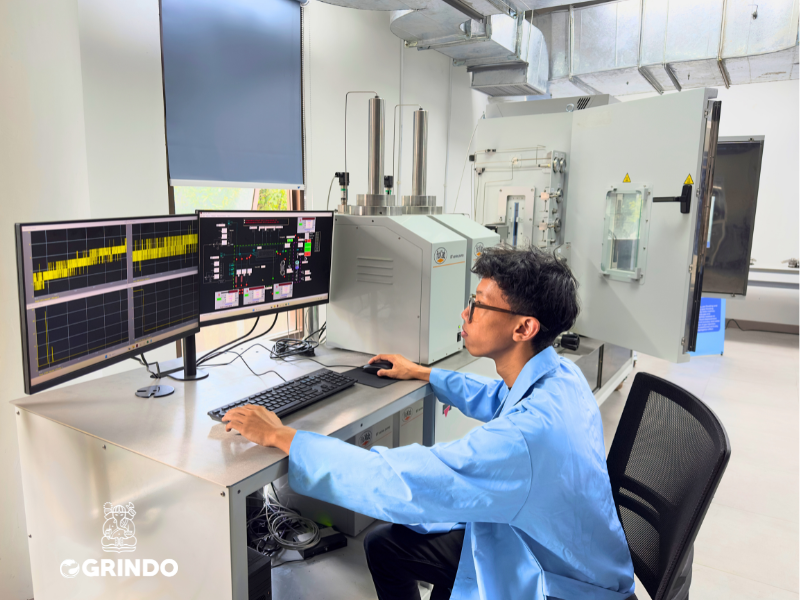
Figure 2. Monitoring of pressure, temperature, and flow rates in real time to ensures precise control during gas injection experiments.

🔍 Applications and Benefits of the Collaboration

The collaboration between OGRINDO ITB and the Purnomo Yusgiantoro EOR Lab opens opportunities for research and services to:

  • Determine the optimal gas injection strategy (gas type, pressure, and injection rate).
  • Evaluate efficient WAG schemes.
  • Assess oil displacement efficiency after waterflooding.
  • Estimate additional oil production potential.
  • Understand gravity segregation effects in gas injection.
  • Provide critical laboratory test data as key input for reservoir modeling.
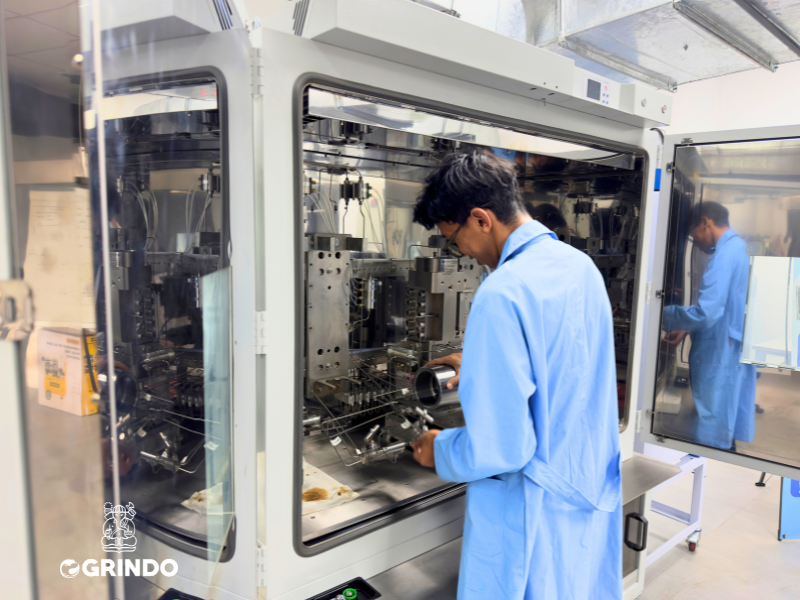
Figure 3. Preparation of core sample inside the Gas Flood chamber to simulate reservoir conditions up to 700 bar and 150 °C.

🤝 Joint Research and Services

The Purnomo Yusgiantoro EOR Laboratory, in collaboration with OGRINDO ITB, conducts various gas injection experiments, including CO₂, N₂, and other core flood studies, according to research and project requirements.

This collaboration represents a tangible example of resource sharing between industry and academia. Through this partnership, OGRINDO ITB and the Purnomo Yusgiantoro EOR Lab are ready to support:

  • Joint research with oil and gas companies.
  • Academic studies and university projects.
  • Pilot study for energy and EOR technologies.
  • CO₂-EOR initiatives or CCUS projects.

With a team of reservoir experts, state-of-the-art facilities, and extensive research experience, we are ready to be your strategic partner in advancing EOR technology in Indonesia.

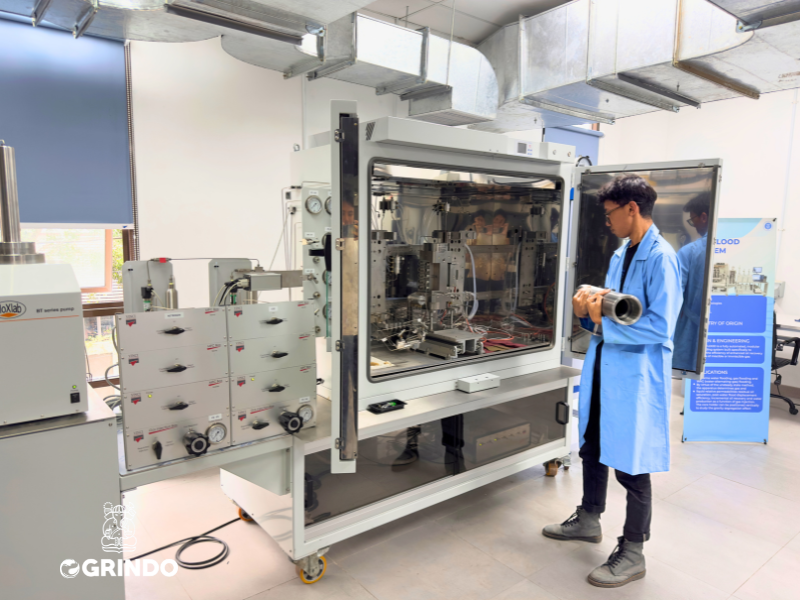
Figure 4. Inside view of the Gas Flood: advanced device for gas injection EOR studies.

📞 Contact Us

For more technical information, service inquiries, or research collaboration:
📧 Email: info@ogrindoitb.com
🌐 Website: www.ogrindoitb.com
Visit our website to see complete specifications, research portfolios, and available services. Together, let’s build the future of production optimization with advanced gas injection technology!

Categories
News Article

Hands-on Laboratory Training on Chemical EOR at Lab EOR ITB: Bridging Knowledge, Industry, and Innovation

On Tuesday, August 26, 2025, Enhanced Oil Recovery Laboratory of Institut Teknologi Bandung (ITB), in collaboration with Oil and Gas Recovery for Indonesia (OGRINDO) ITB, successfully conducted the Hands-on Laboratory Training Chemical Enhanced Oil Recovery (CEOR). This event served as an important platform for industry professionals and academics to gain a deeper understanding of Chemical EOR metode through direct laboratory practice.

The main activities in this Hands-on Laboratory Training Chemical EOR were Screening Polymer and Surfactant Formulation, carried out intensively at the EOR Laboratory ITB. Participants not only learned the theoretical foundations but also conducted a series of comprehensive laboratory tests to evaluate the performance of chemical EOR under various reservoir conditions.

Figure 1. Training participants listening to the instructor’s explanation of Chemical EOR at Lab EOR ITB

Training Details

  1. Screening Polymer

In this session, participants conducted several key tests to assess polymer performance, including:

  • Fluid–Fluid Compatibility Test: viscosity measurement, polymer–water compatibility, filtration ratio, screen factor, and thermal stability test
  • Rock–Fluid Compatibility Test: static adsorption test, dynamic adsorption test and IPV, as well as injectivity test (RF and RRF)
  • Coreflood Test: the test of tertiary oil recovery to evaluate the potential improvement of oil recovery
Figure 2. Surfactant testing session: participants engaged in an interactive discussion with the instructor on laboratory testing methods

2. Surfactant Formulation Lab Test

This session focused on surfactant formulation under various laboratory conditions, including:

  • Fluid–Fluid Compatibility Test: uji kompatibilitas surfaktan dengan air, IFT test, phase behavior test, IFT thermal stability test, and filtration test
  • Rock–Fluid Compatibility Test: wettability test, static adsorption test, dynamic adsorption testoil field revitalization, and capillary desaturation curves (CDC) test
  • Coreflood Test: the test of tertiary oil recovery test to evaluate the effectiveness of surfactants in mobilizing residual oil.
Figure 3. Laboratory practice session: participants conducting direct fluid–rock compatibility testing

Through this series of tests, participants gained hands-on experience in CEOR laboratory evaluations using methods applied globally in the oil and gas industry. This further strengthens the position of Lab EOR ITB as a research and training center equipped with facilities and expertise capable of addressing the real needs of Indonesia’s petroleum industry.

Training Participants

This training was attended by professionals from various national oil and gas companies, namely:

  • Pertamina Hulu Energi (PHE) – including PHE OSES, PHE ONWJ, and PHE SHU SDRE
  • Pertamina EP (PEP) – including PEP Zone 7
  • Pertamina Hulu Mahakam (PHM)
  • Pertamina Hulu Rokan (PHR)
  • Pertamina Hulu Indonesia (PHI)
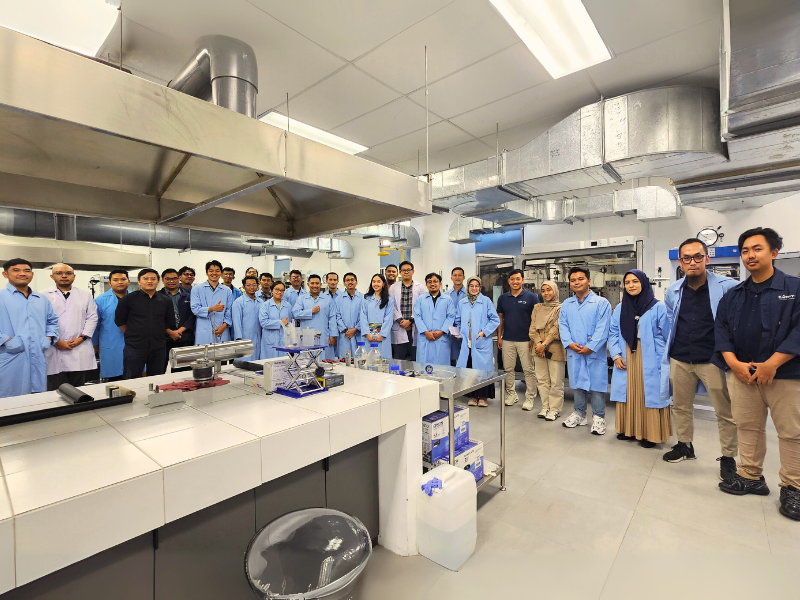
Figure 4. Group photo of Hands-on Laboratory Training Chemical EOR participants at Lab EOR ITB.
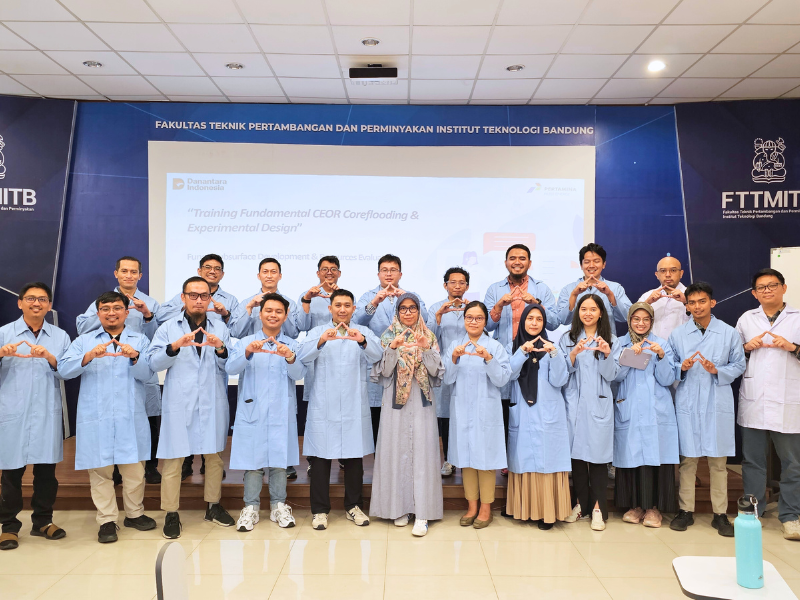
Figure 5. Chemical EOR training participants at the Faculty of Mining and Petroleum Engineering, ITB.

Impact and Benefits

Through this hands-on experience, participants not only enhanced their technical skills, but also gained strategic insights to support increased recovery factor and the sustainability of Indonesia’s energy sector.

With complete laboratory facilities and the support of experienced experts, Lab EOR ITB together with OGRINDO are ready to become strategic partners for the oil and gas industry in developing and implementing Enhanced Oil Recovery in Indonesia.

This training is a tangible form of collaboration between OGRINDO ITB and Lab EOR ITB in strengthening human resource capacity in the oil and gas sector. It provides participants with a comprehensive understanding of Chemical EORimplementation, from laboratory scale to field applications.

Categories
News Article

Four Trapping Mechanisms: How CO₂ Stays Safely Locked Underground

Climate change caused by the increasing CO₂ emissions is a major challenge we face today. To prevent its impact, Carbon Capture and Storage (CCS) emerges as a proven safe solution to store CO₂ deep underground. CCS not only prevents emissions from reaching the atmosphere, but also becomes an essential foundation of Carbon Capture, Utilization, and Storage (CCUS)—a pathway that allows CO₂ emissions to be transformed into valuable opportunities.

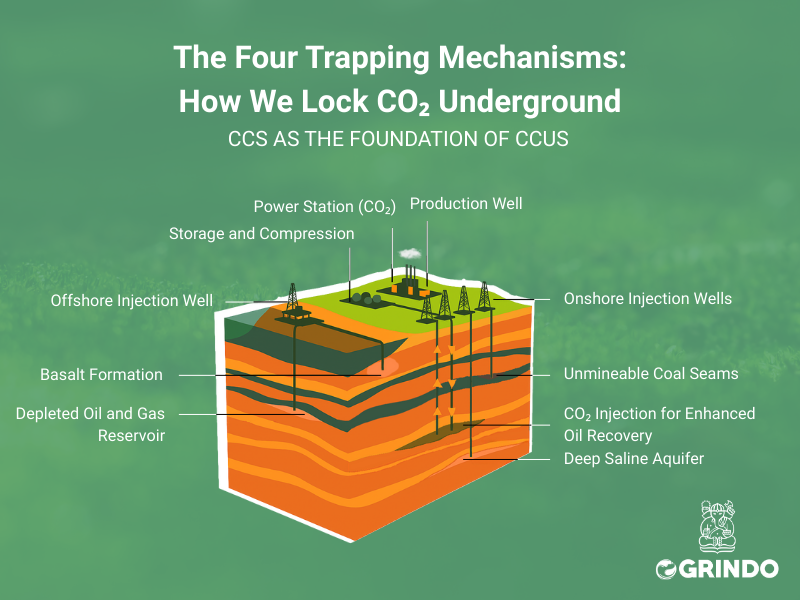
Figure 1. General scheme of a CCS project: starting from capturing CO₂ emissions, transportation, to permanent storage beneath the earth’s surface (Ali et al, 2022)

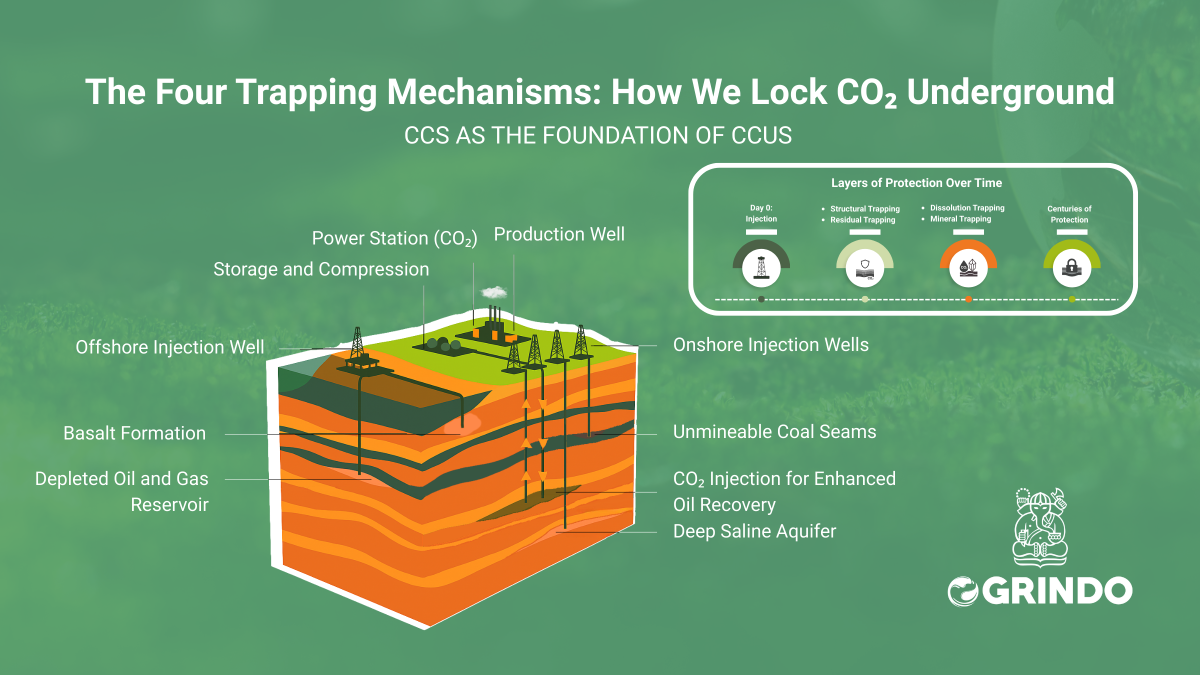
Four CO₂ Trapping Mechanisms
The long-term security of CO₂ storage is ensured by four natural mechanisms that complement each other over time:

  1. Structural Trapping
    CO₂ that moves upward due to density differences will be stopped by the caprock. Since gas density tends to be smaller than oil and water, CO₂ gas will gradually move in a vertical direction. To ensure CO₂ remains trapped within the formation, caprock yang cukup reliable, with extremely low permeability and wettability that favors strong water wet conditions.
  2. Residual Trapping
    A portion of CO₂ is trapped within the rock pores as small immobile bubbles. This mechanism provides long-term storage stability.
  3. Dissolution Trapping
    CO₂ dissolves into formation water and forms a carbonate solution with a density heavier than the other fluids present in the formation, thus tending to sink downward and reducing the risk of CO₂ leakage.
  4. Mineral Trapping
    Dissolved CO₂ reacts with rock minerals (Ca, Mg, Fe) and forms solid carbonate minerals such as calcite or magnesite. This is the most permanent form of storage because CO₂ transforms into new stable rock over thousands of years.

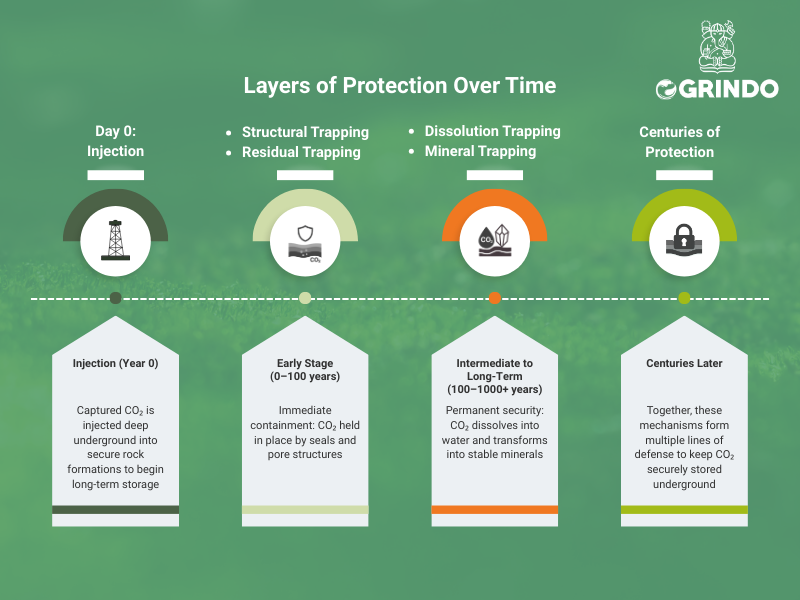
These mechanisms work in layers: structural and residual provide immediate protection, while dissolution and mineral ensure long-term security. Together, they create a multi-layered line of defense that guarantees CO₂ remains safely stored for centuries.
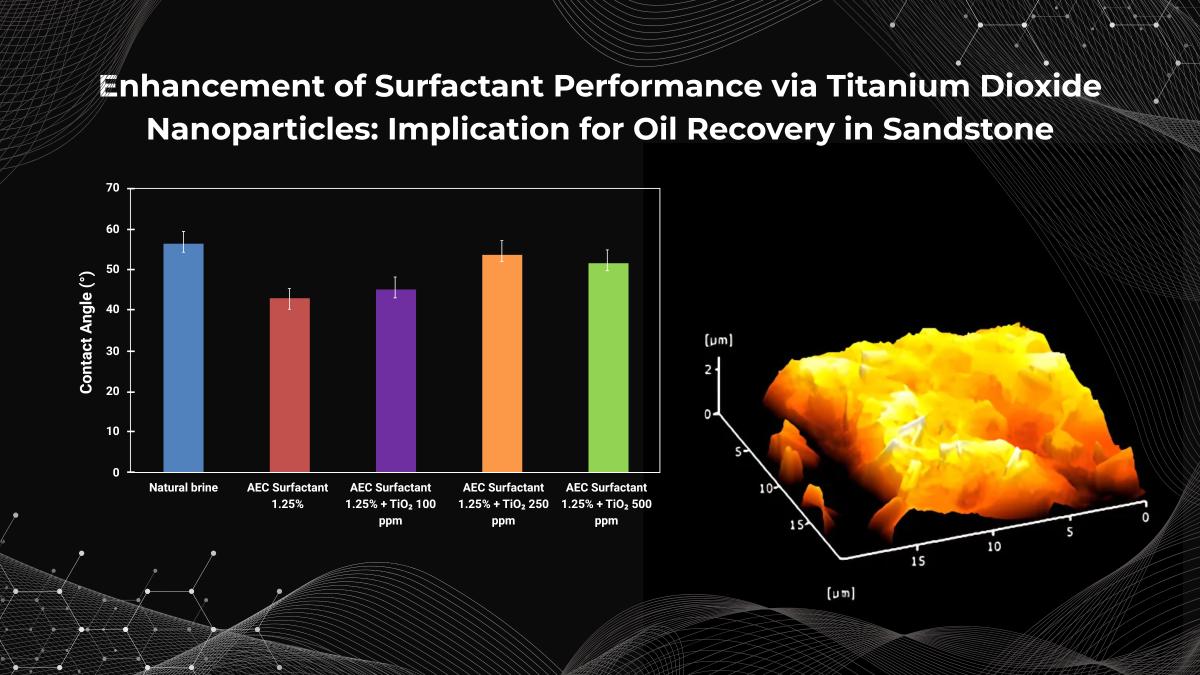
Figure 2. Layered contribution of CO₂ trapping mechanisms that complement each other over time, ensuring storage security across generations.

CCS as the Foundation of CCUS
Understanding these four mechanisms helps us see that CCS is a crucial first step in the journey toward CCUS. Without secure storage, it is difficult to develop large-scale CO₂ utilization. Through CCS, CO₂ is not only safely stored underground, but also opens opportunities for reuse—for example in Enhanced Oil Recovery (EOR) as part of the CCUS solution.

🌱 This Is Just the First Step
In the next episode, we will discuss how CCUS transforms CO₂ from a burden into a valuable resource, driving industrial innovation and accelerating the transition to cleaner energy.
✨ Keep following our article series, and be part of the journey toward a low-carbon future.
📩 Contact us: info@ogrindoitb.com
🌐 Learn more: www.ogrindoitb.com

Reference:
IPCC, 2005: IPCC Special Report on Carbon Dioxide Capture and Storage. Prepared by Working Group III of the Intergovernmental Panel on Climate Change [Metz, B., Davidson, O., de Coninck, H.C., Loos, M., and Meyer, L.A. (eds.)]. Cambridge University Press, Cambridge, United Kingdom and New York, NY, USA, 442 pp.

Categories
News Article

Micromodel: An Innovative Technology for Optimizing Enhanced Oil Recovery

Amid the challenges of enhanced oil recovery (Enhanced Oil Recovery), laboratory methods capable of visually representing fluid displacement mechanisms have become increasingly crucial. This is where the micromodel emerges as an innovative solution proudly developed by Indonesian researchers.

Micromodel is a two-dimensional laboratory device designed to replicate the pore structure of reservoir rocks, such as sandstone or carbonate rocks. Through a micromodel, the movement of fluids—such as water, oil, surfactants, and polymers—can be observed directly and in real-time.

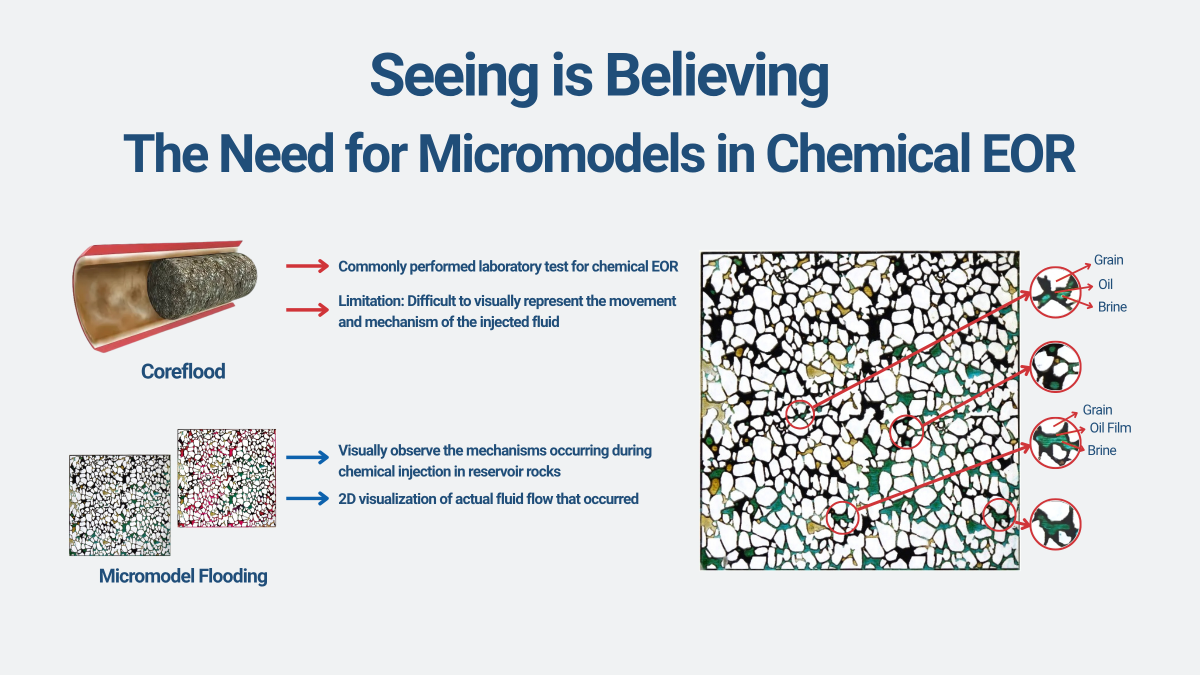
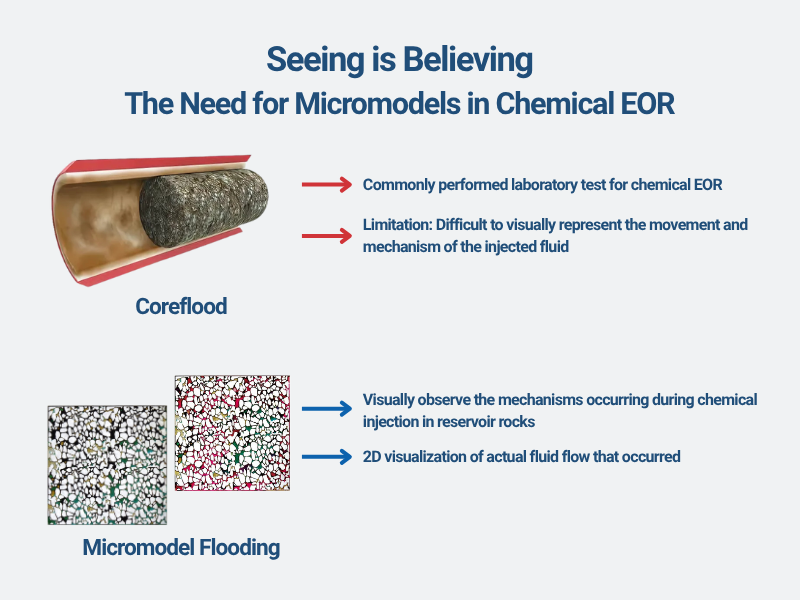
Comparison of coreflood and micromodel flooding methods in observing fluid flow in reservoir rocks

Most conventional laboratory tests, like coreflooding, have limitations in providing direct visualization of chemical injection mechanisms. Micromodel address this challenge by enabling real-time observation of interfacial tension changes, wettability alteration, and viscosity displacement efficiency at the pore scale.

What Is the Purpose of Using a Micromodel?

Micromodel are used to:

  • Visually analyze the working mechanisms of chemical EOR
  • Evaluate the effectiveness of surfactants or polymers before upscaling to larger tests
  • Design efficient and targeted injection strategies
  • Identify phenomena such as channeling, viscous fingering, and oil entrapment often undetectable in conventional tests

Micromodel of OGRINDO ITB have some advantages:

  • Indigenous Innovation: Designed and developed by skilled local researchers.
  • Fast, Simple, and Cost-Effective: More efficient than coreflooding, in terms of time and cost.
  • Costumized Design: Tailored to match pore characteristics of sandstone or carbonat, even based on actual reservoir data.
  • Real-Time Visualization: Enables direct observation of fluid behavior at the microscopic scale.
  • Supports More Accurate EOR Design: Acts as a bridge between laboratory results and real-field applications.

Fabrication Process of the Micromodel

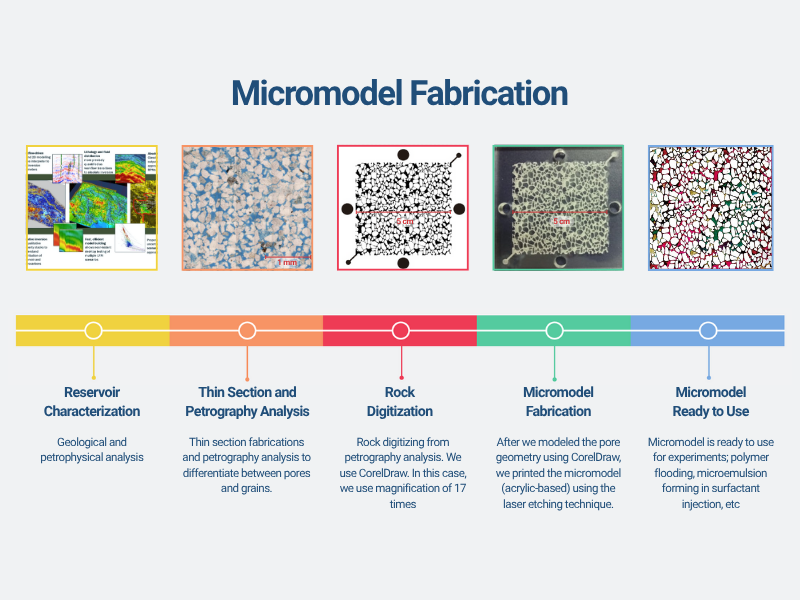
Fabrication process of micromodel includes the following stages:

Five main stages of micromodel
  1. Reservoir Characterization: Identifying the physical and petrophysical properties of the reservoir rock, such as porosity, permeability, fluid saturation, and geological structure.
  2. Thin Section & Petrography Analysis: Observing ultra-thin rock slices under a microscope to study mineral composition and rock textures.
  3. Rock Digitization: Converting physical rock data into 2D or 3D digital models.
  4. Micromodel Fabrication: Creating the micromodel through pore-pattern design, etching, and assembling materials using techniques such as thermal bonding.
  5. Micromodel Ready to Use: Final stage where micromodel has passed all fabrication and characterization tests, making it ready for EOR experiments such as surfactant or polymer injection or other EOR mechanism.

The key advantage of OGRINDO's micromodel lies in its design flexibility. By incorporating actual geological and petrophysical field data, micromodel can be customized to closely replicate real reservoir conditions. This makes the experimental results more relevant and reliable for supporting technical decisions in the field.
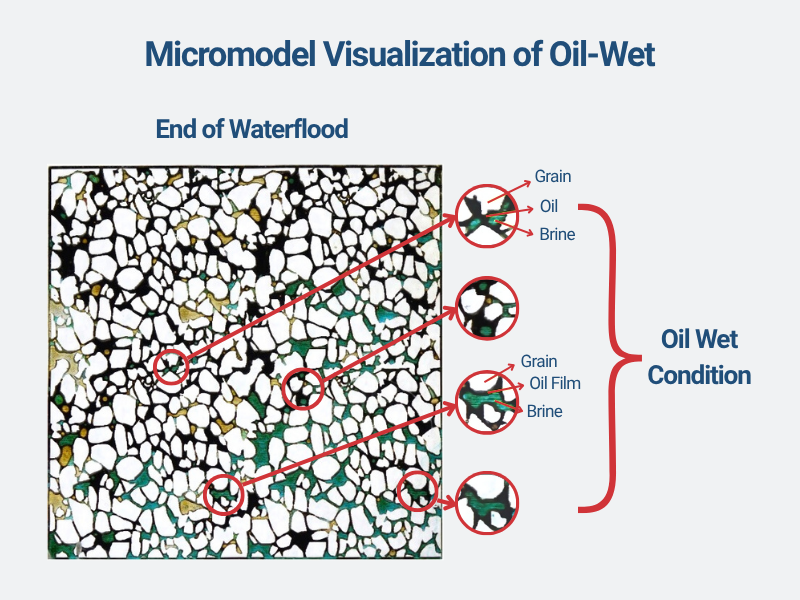
Visualization of oil-wet state in the micromodel

🔬 Micromodel is more than just a testing device—it is a window into a deeper understanding of subsurface fluid behavior. With OGRINDO ITB, let’s create smarter, more efficient, and data-driven EOR solutions.

📞 For more information or collaboration opportunities, contact our team at OGRINDO ITB.

Categories
News Article

OGRINDO ITB Research Breakthrough: Combination of Surfactant & Titanium Dioxide Nanoparticles, Enhances Oil Recovery in Sandstone Reservoir

Innovation in technology Enhanced Oil Recovery (EOR) continues to evolve to address production challenges in mature oil fields. One of the current approaches gaining attention from researchers is the utilization of titanium dioxide (TiO₂) nanoparticles to improve surfactant performance in oil recovery processes, particularly in sandstone.

A research team from OGRINDO ITB recently published their latest research findings in a scientific article titled:
“Enhancement of Surfactant Performance via Titanium Dioxide Nanoparticles: Implication for Oil Recovery in Sandstone.”

🌟 What Makes This Research Special?

Surfactant alkyl ethoxy carboxylate (AEC) surfactant is one of the chemical agents commonly used in EOR methods. However, the OGRINDO team went further by exploring how the addition of TiO₂ nanoparticles to AEC could drastically alter the system’s performance. Comprehensive testing was conducted, covering:

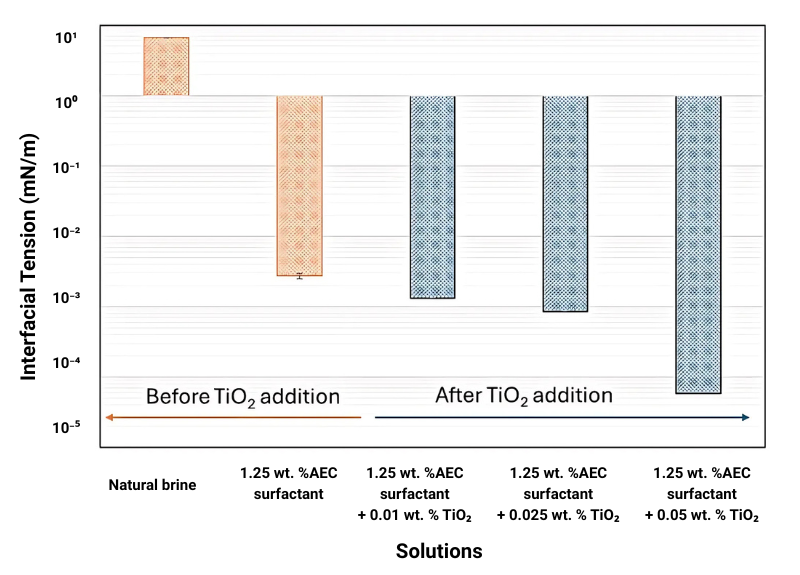
  • Interfacial tension
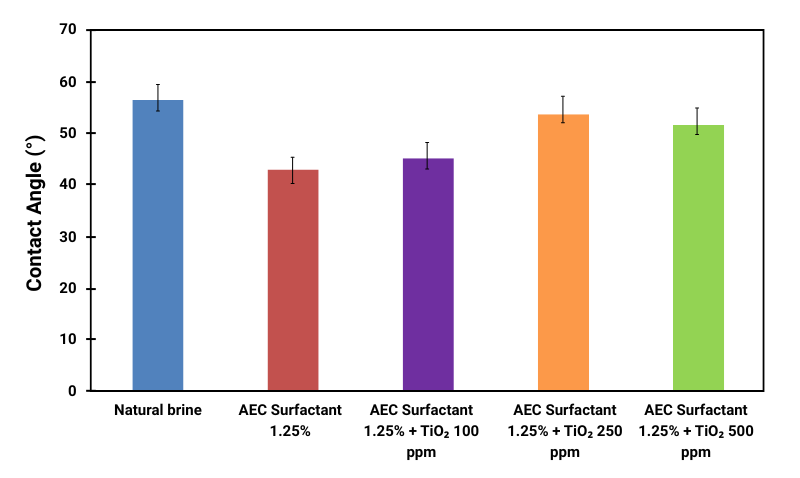
  • Contact angle
  • Zeta potential
  • Coreflooding test

State of the Art

The latest innovation in this research is the evaluation of AEC surfactant performance by adding TiO₂ nanoparticles within a concentration range of 0%–0.05% w/w.

The addition of 0.05% w/w TiO₂ nanoparticles to 1.25% w/w AEC surfactant was able to reduce interfacial tension to a value of 5.85 × 10⁻⁵ mN/m. This excellent performance was also confirmed in the coreflooding,, where oil recovery increased to a maximum value of 59.52%.

This finding highlights the importance of TiO₂ nanoparticle stability in surfactant solutions, which turns out to be the key factor in enhancing oil recovery efficiency.
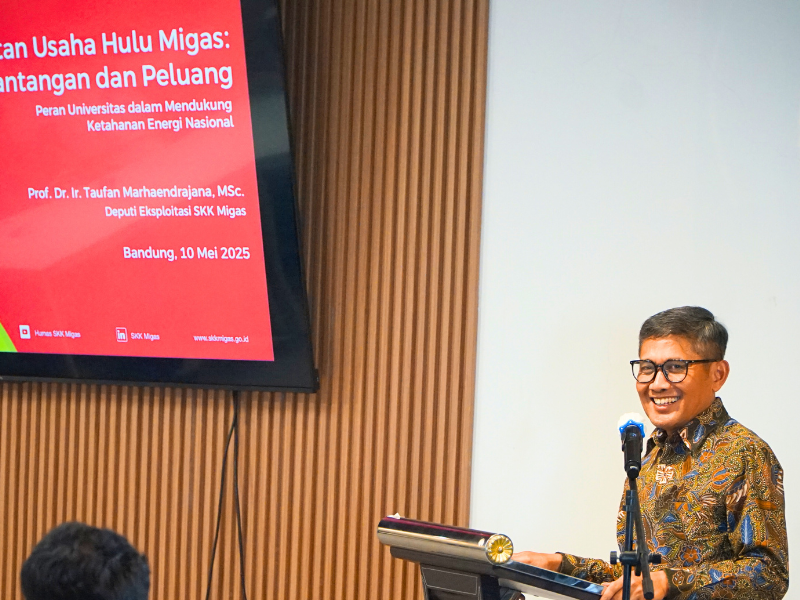
Figure 1: Contact angles of all tested solutions on the Berea sandstone thin section. Error bars represent the standard deviation of the measurements
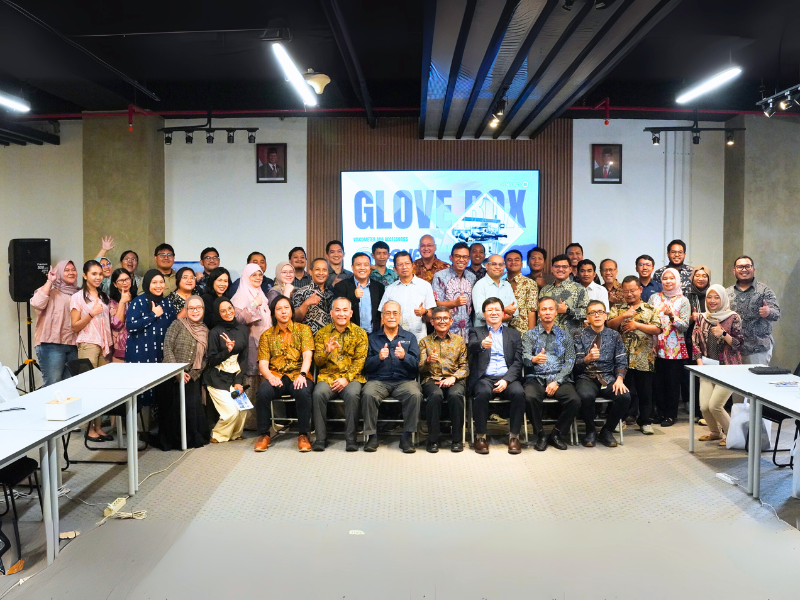
Figure 2: Effect of TiO₂ nanoparticle addition to AEC surfactant on interfacial tension (adapted from Megayanti et al. (2023))

Why Is This Important?

This research provides valuable new insights into the development of surfactant- and nanoparticle-based EOR methods. With this approach, it is expected to open new opportunities for improving oil recovery efficiency from sandstone reservoir — especially in fields that have experienced production decline.

This discovery also strengthens OGRINDO’s position as a leading EOR research center in Indonesia, focusing on the development of environmentally friendly, sustainable technologies tailored to national industry needs.

📚 Read the full journal here

🌐 Explore More of Our Flagship Research

Visit the complete list of OGRINDO ITB scientific publications to explore our breakthroughs in Enhanced Oil Recovery, CO₂, hydrogen, and other energy transition technologies: 👉 OGRINDO ITB Scientific Publications

Through research, collaboration, and innovation, OGRINDO ITB is committed to being at the forefront of supporting national and global energy transformation.

Let’s create a smarter and more sustainable energy future — together with OGRINDO.

🙏 Acknowledgement

The researchers express their gratitude to Oil and Gas Recovery for Indonesia (OGRINDO) ITB and the Enhanced Oil Recovery (EOR) ITB for access to the experimental equipment used in this study.

Categories
News Article

Collaboration for Innovation: PT SNF Donates a Glove Box to the EOR Laboratory of FTTM ITB

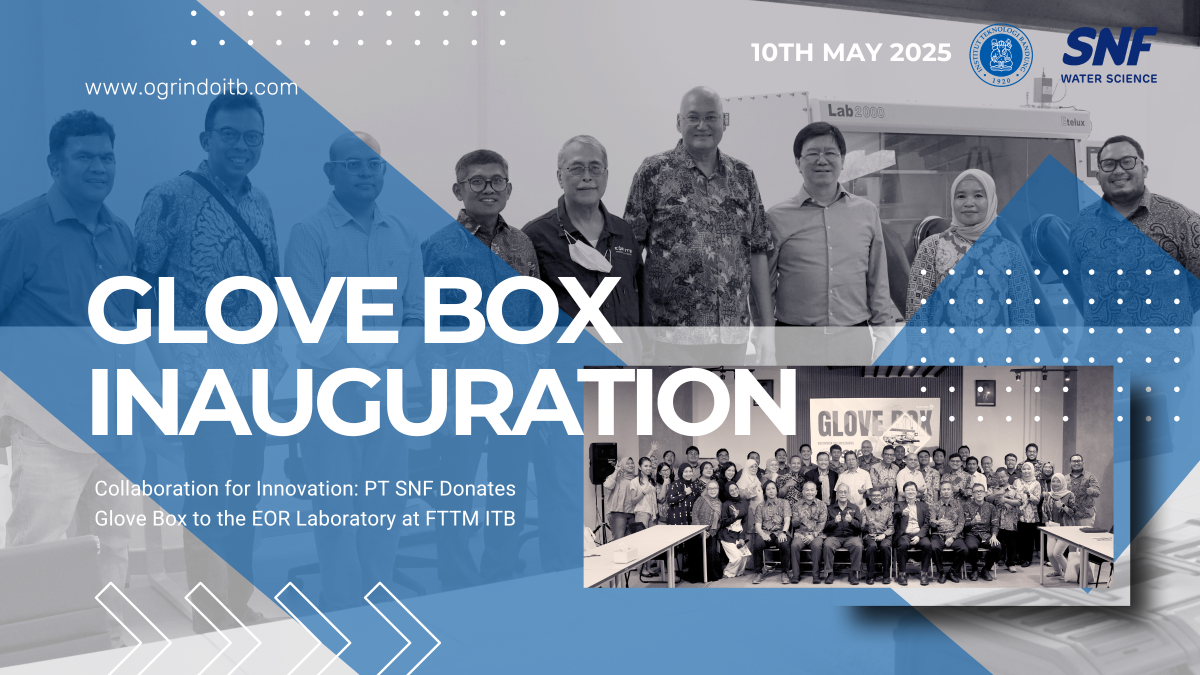
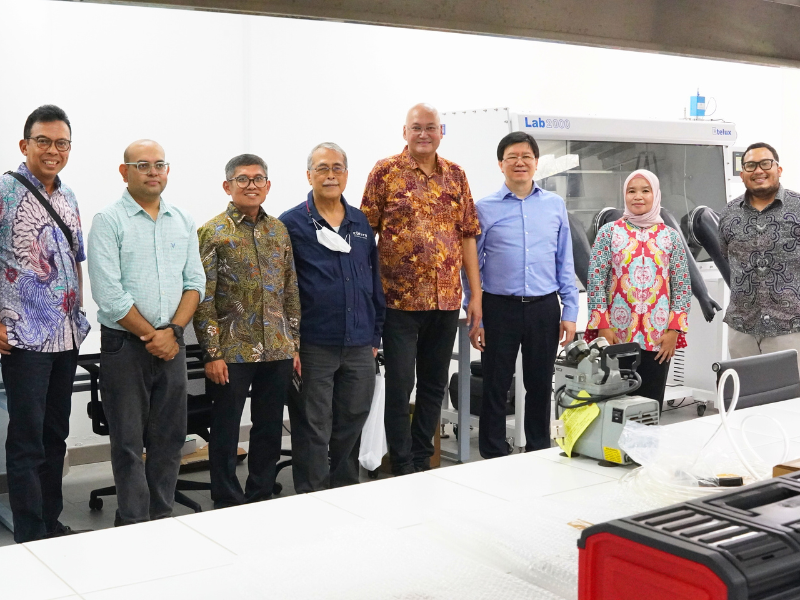
The guests took a group photo in front of the Glove Box unit from SNF

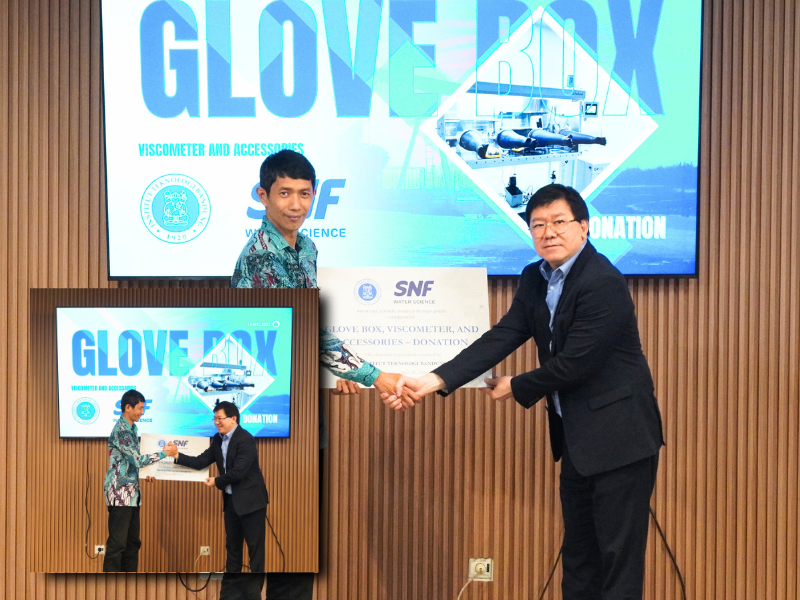
As a tangible form of collaboration between industry and academia, PT SNF Water Science Indonesia officially handed over one unit of Glove Box, Viscometer, and supporting accessories to the Laboratory Enhanced Oil Recovery (EOR) Faculty of Mining and Petroleum Engineering (FTTM), Bandung Institute of Technology (ITB)

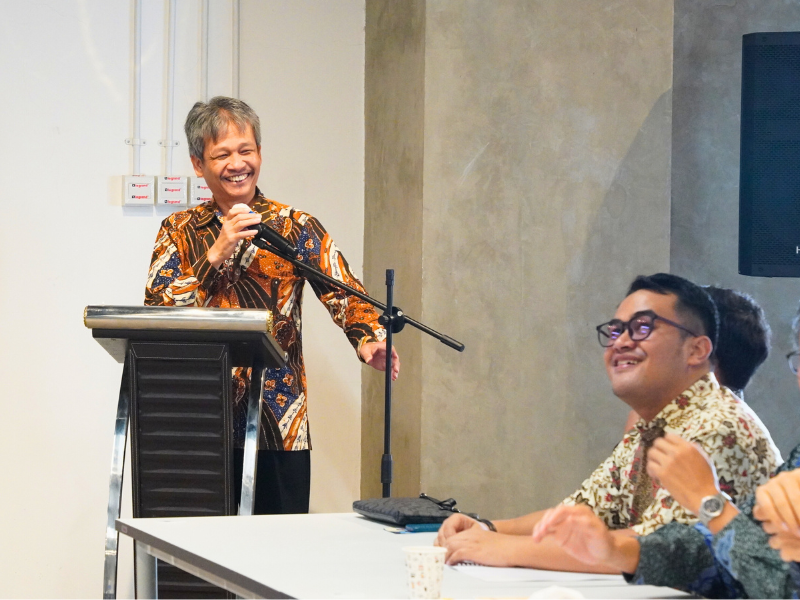
Dr. Ir. Dedy Irawan (Head of the Master’s and Doctoral Programs in Petroleum Engineering at ITB) shakes hands with Mr. David Chan, B.Eng (Managing Director of PT SNF Indonesia)

The donation ceremony took place on May 10, 2025, at the Auditorium Room, 8th floor of the PAU Building, ITB. The event was attended by Mr. David Chan, B.Eng., as Managing Director of PT SNF Indonesia, Prof. Dr. Elfahmi, S.Si., M.Si., as Director of Research and Innovation ITB, Head of the Master & Doctoral Program in Petroleum Engineering Dr. Ir. Dedy Irawan, S.T., M.T., Prof. Dr. Ir. Taufan Marhaendrajana, M.Sc., as Deputy of Exploitation at SKK Migas, and a team of lecturers and researchers involved in EOR technology research and development at ITB.

The glove box is a crucial tool in chemical and material research, including in the development of surfactants and polymers for technology Chemical Enhanced Oil Recovery (CEOR). The addition of this facility is expected to strengthen the capacity of the EOR Laboratory at FTTM ITB in producing more precise, safe, and impactful oil and gas technology innovations, contributing directly to the efficiency of national oil production.

PT SNF Indonesia, as a leading chemical company active in the supply of chemicals for the oil and gas industry, demonstrates its strong commitment to supporting research development and higher education in Indonesia. Through this donation, PT SNF not only provides equipment but also builds a collaborative bridge between industry and academic institutions as a strategic step to strengthen the oil and gas research ecosystem in Indonesia, particularly in the development of environmentally friendly and sustainable EOR methods.

📌 With close collaboration between academia and industry, we can jointly drive the advancement of national energy technology.

Categories
News Article

Polymer: The Key to Efficient and Sustainable EOR Innovation

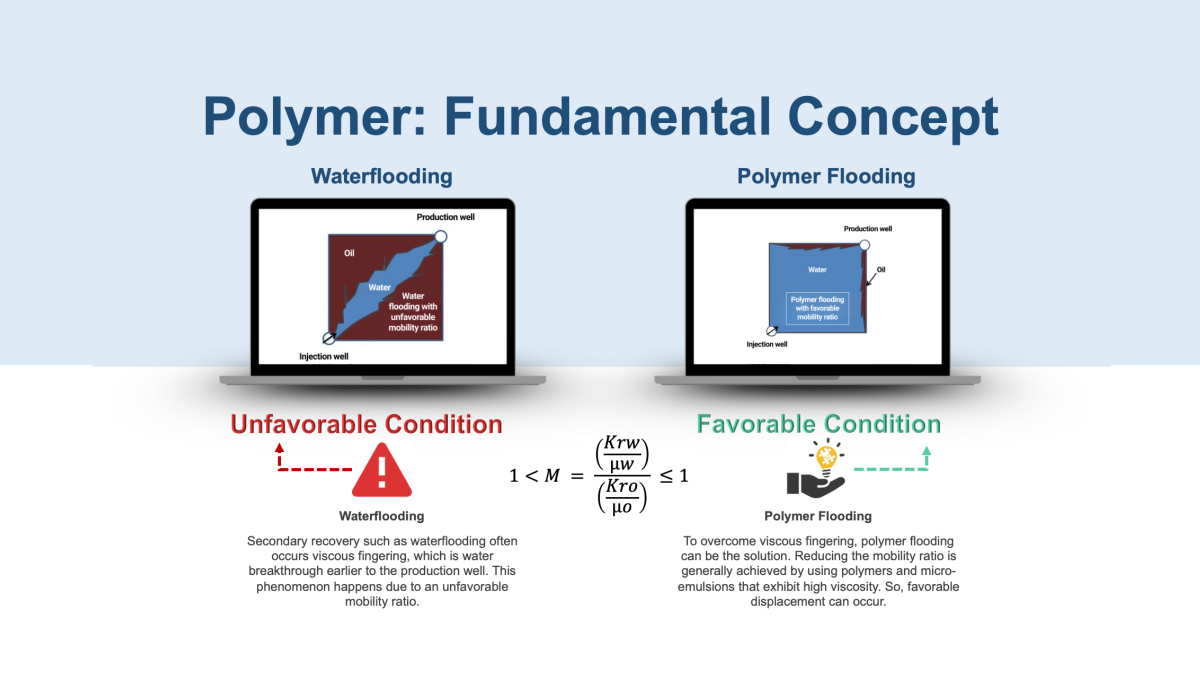
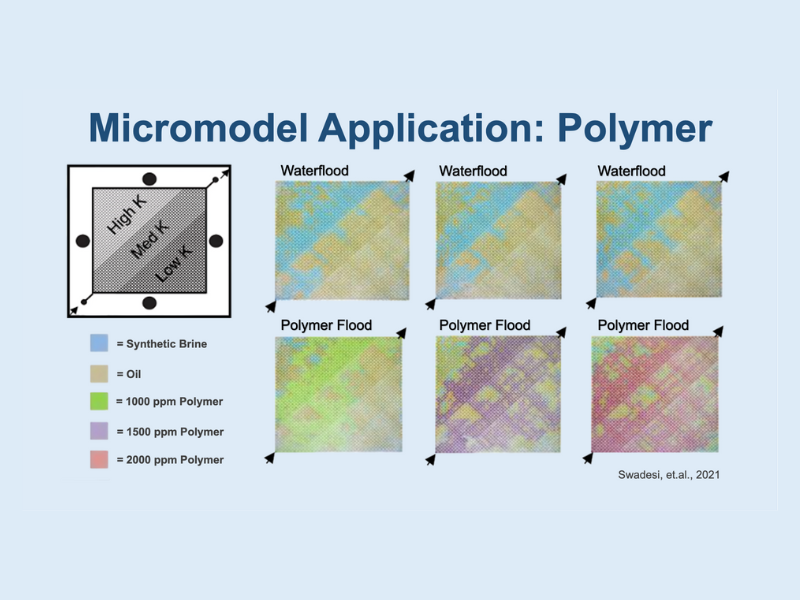
One of the most effective and increasingly adopted Enhanced Oil Recovery (EOR) methods is polymer flooding. Polymers function by increasing the viscosity of injected water, enabling it to displace oil more uniformly and improve sweep efficiency. Polymer injection can contribute to an additional oil recovery of 5% to 30% of the Original Oil in Place (OOIP).

OGRINDO’s Strategic Role in Application of Polymer Flooding

As a technology- and research-based company, OGRINDO (Oil and Gas Recovery for Indonesia) is strongly committed to advancing innovation in polymer injection technology—ranging from laboratory testing (polymer screening) and field injection assistance to monitoring the injection well response post-injection.

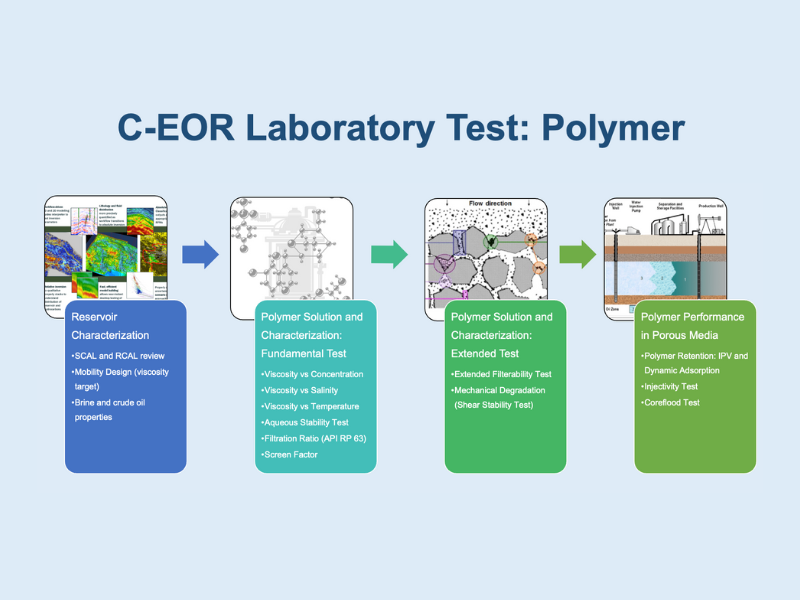
The polymer screening process includes:

To date, OGRINDO ITB has partnered with chemical provider, both local and international, such as PT. Rakhara Chemical Technology, SNF Water Science, Kemira, Enerkon, and others. These collaborations ensure that we always use high-quality chemicals and top-tier testing methodologies. Trust your testing needs with us, and discover a dedicated and professional research partner.

OGRINDO’s Competitive Advantages

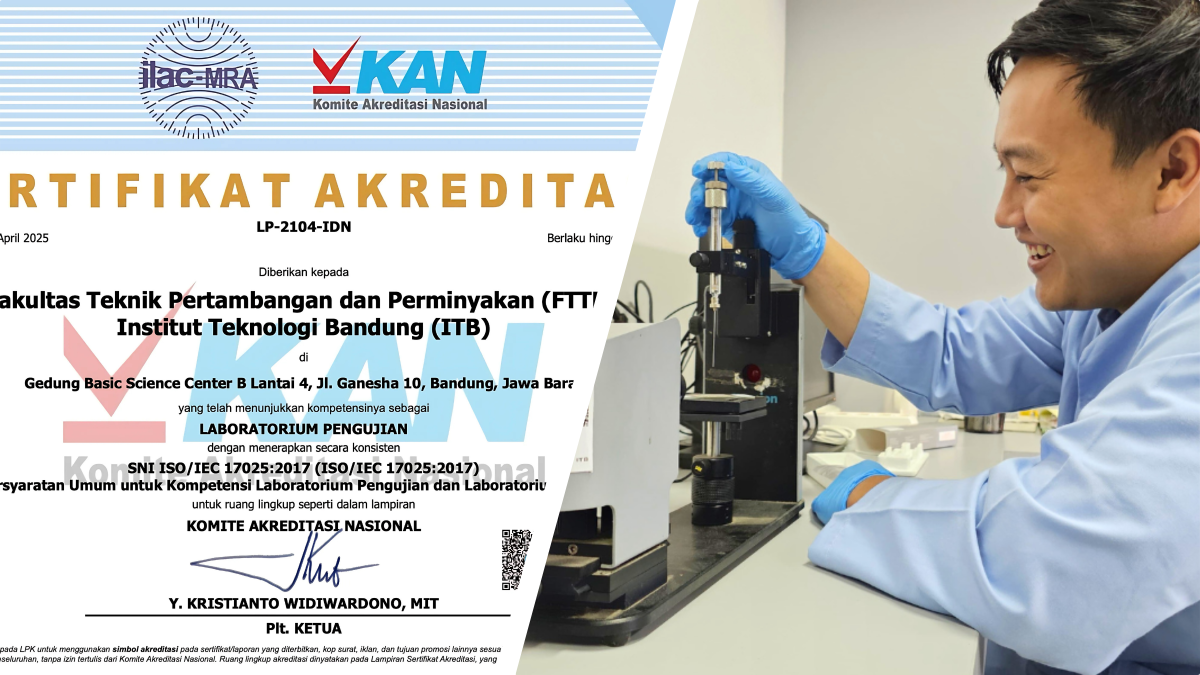
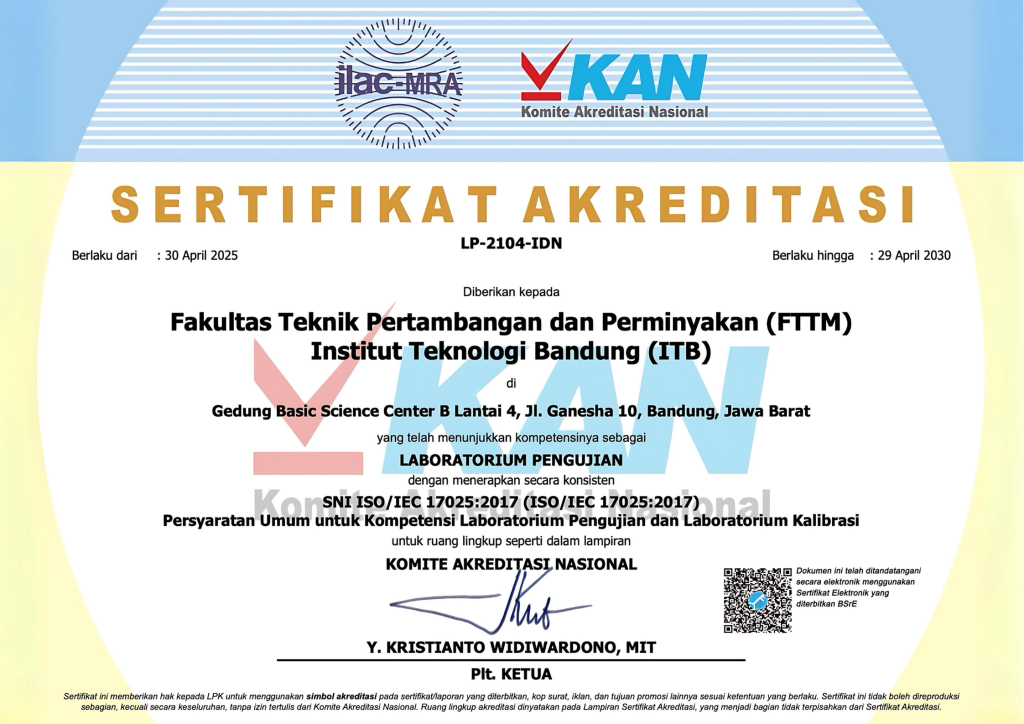
  • KAN-accredited laboratory facilities
  • Reliable, advanced, and up-to-date equipment
  • Skilled and professional research assistants
  • Continuous innovation in laboratory testing methods
  • Strong network of local and international partners
  • Proven track record in field projects
  • Commitment to energy efficiency and sustainability

Let’s Collaborate for an Optimal Polymer-Based EOR Solution!

In the face of future energy challenges, OGRINDO is your strategic partner in EOR technology. We offer not only laboratory testing services but also comprehensive solutions—from feasibility studies and injection design to full-scale field implementation.


🔗 Ready to boost your oil recovery with a more scientific, efficient, and sustainable approach?
📞 Contact us to explore collaboration opportunities in polymer-based EOR projects that support national oil and gas production.