Categories
News Article

From Laboratory Research to Field Success: Surfactant Flooding in Tanjung Field

Surfactant flooding is one of the Enhanced Oil Recovery EOR) methods that can be used to improve oil recovery through the injection of surfactants into the reservoir. Its application requires a formulation that is suitable for the characteristics of the oil and formation water, as well as evaluation through laboratory testing before being implemented in the field.

A study published in Scientific Reports discusses the implementation of surfactant flooding small-scale in a waxy oil reservoir in Tanjung Field, Indonesia. The study connects the formulation and evaluation of surfactants in the laboratory with coreflood testing and field implementation in Zone A, which has remaining oil significant.
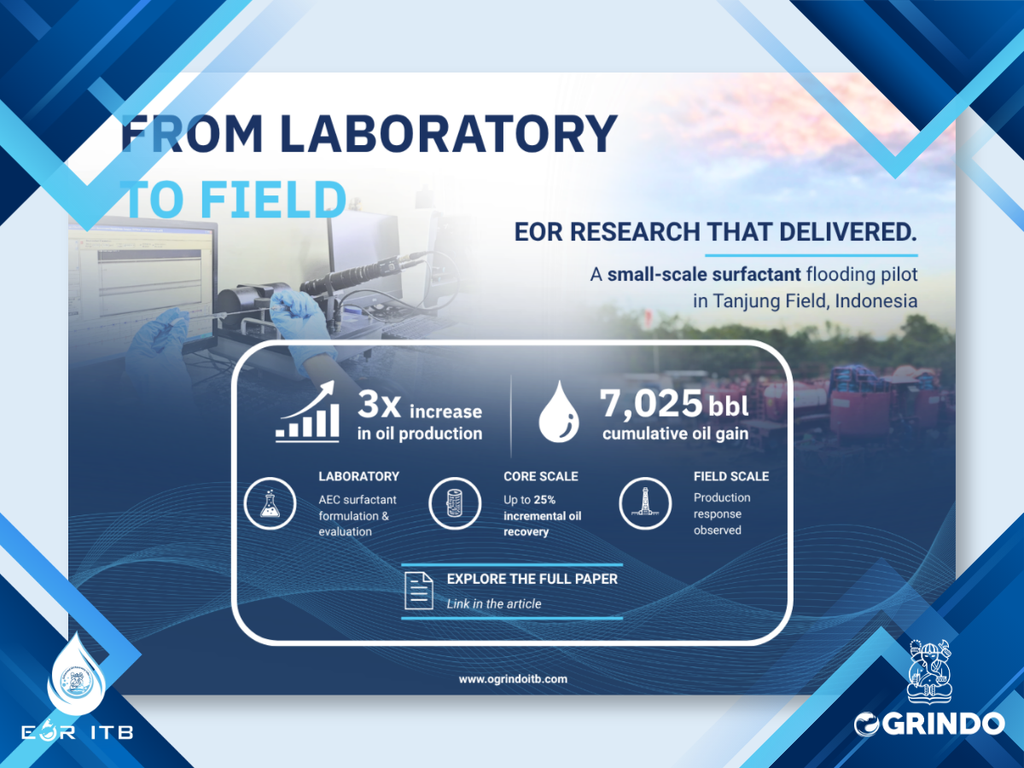
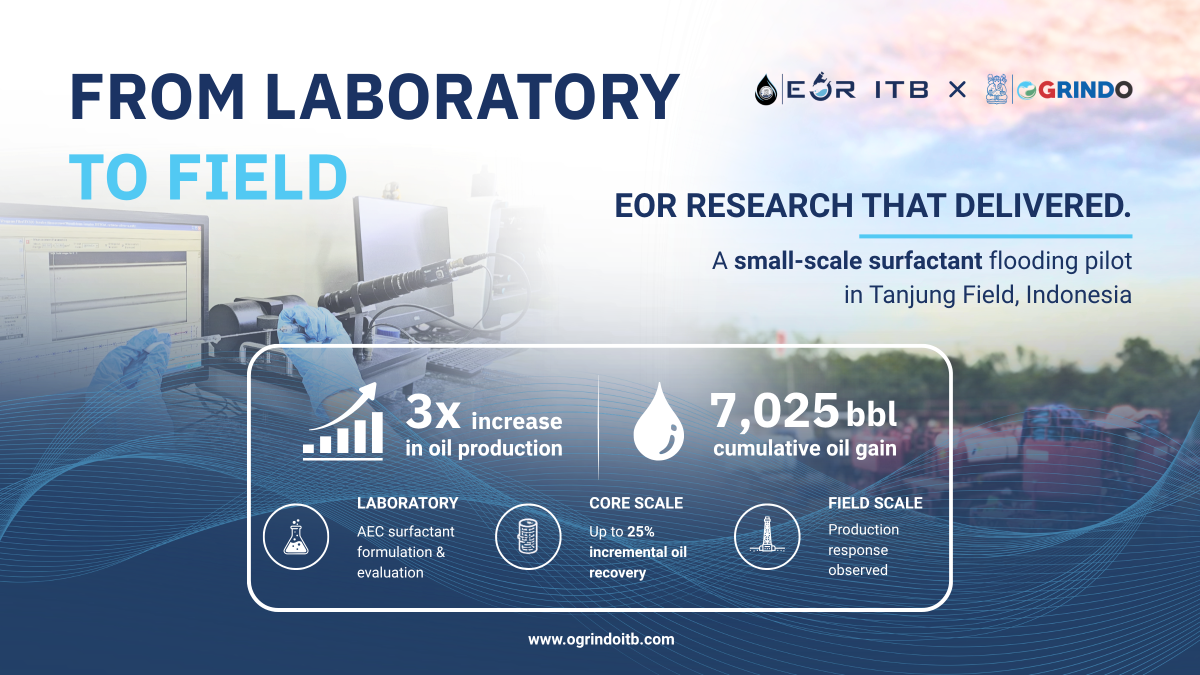
Figure 1. The surfactant flooding study in Tanjung Field achieved a threefold increase in oil production and a cumulative oil gain of 7,025 bbl.

Formulation and Laboratory Testing

This study used an Alkyl Ethoxy Carboxylate surfactant that was formulated and optimized based on the characteristics of the oil and formation water from Tanjung Field.

The optimization resulted in an interfacial tension (IFT) of 0.042 mN/m, compared to the initial oil-brine IFT of 18.3 mN/m. The formulation also demonstrated IFT stability during a thermal stability test at a temperature of 63 °C for three months.

The evaluation was then continued through coreflood testing using sample native core. Injection of a surfactant slug of 0.2 pore volume (PV) at a surfactant concentration of 2.0 wt.% resulted in a 25% increase in oil recovery.

Implementation of Surfactant Flooding Design in the Field

For the field test, an injector-producer pair was selected based on good connectivity and close proximity. This selection was made to achieve a faster response while maintaining testing cost efficiency.

The surfactant was continuously injected for four days, beginning on January 19, 2016, followed by water injection. Production was monitored until March 2017, targeting an effective reservoir pore volume of 10,625 bbl.

Results and Research Collaboration

Implementation of surfactant flooding resulted in a threefold increase in oil production rate and a cumulative oil gain of 7,025 bbl. The total testing cost was recorded at USD 61,812, including chemical and operational costs.

This study involved Lab EOR ITB through the authors' research affiliations. OGRINDO ITB was also acknowledged in the publication for its support through access to experimental equipment and facilities that supported the research.

The results of this study demonstrate how laboratory evaluation and field testing can form part of the implementation of surfactant flooding to support improved oil recovery in the Tanjung Field case study.

Scientific Publication

This study was published in Scientific Reports under the title:
“Surfactant flooding in waxy oil reservoir in Tanjung field, Indonesia: a case study of successful small-scaled field implementation.”

Read the full publication here.

Interested in EOR Research and Testing?

OGRINDO ITB and Lab EOR ITB are open to research development, laboratory testing, and collaboration in the field of Enhanced Oil Recovery and related oil recovery technologies.

Contact us:
📩 OGRINDO ITB
info@ogrindoitb.com
📩 Lab EOR ITB
eor@itb.ac.id
Categories
News Article

QA/QC Laboratory in Chemical EOR Pilot Monitoring in an Offshore Field

As part of the commitment to providing accurate and traceable analytical data, Lab EOR ITB together with OGRINDO ITB collaborates with Yayasan LAPI ITB in implementing a laboratory QA/QC (Quality Assurance dan Quality Control) program. This program supports the monitoring activities of a Chemical Enhanced Oil Recovery (EOR) pilot in an offshore field.

In the implementation of a Chemical EOR pilot, the success of performance evaluation depends not only on the chemical injection process in the field but also on the quality of the data obtained during monitoring activities. Laboratory data generated through monitoring activities provide the information needed to support the performance evaluation of the Chemical EOR.

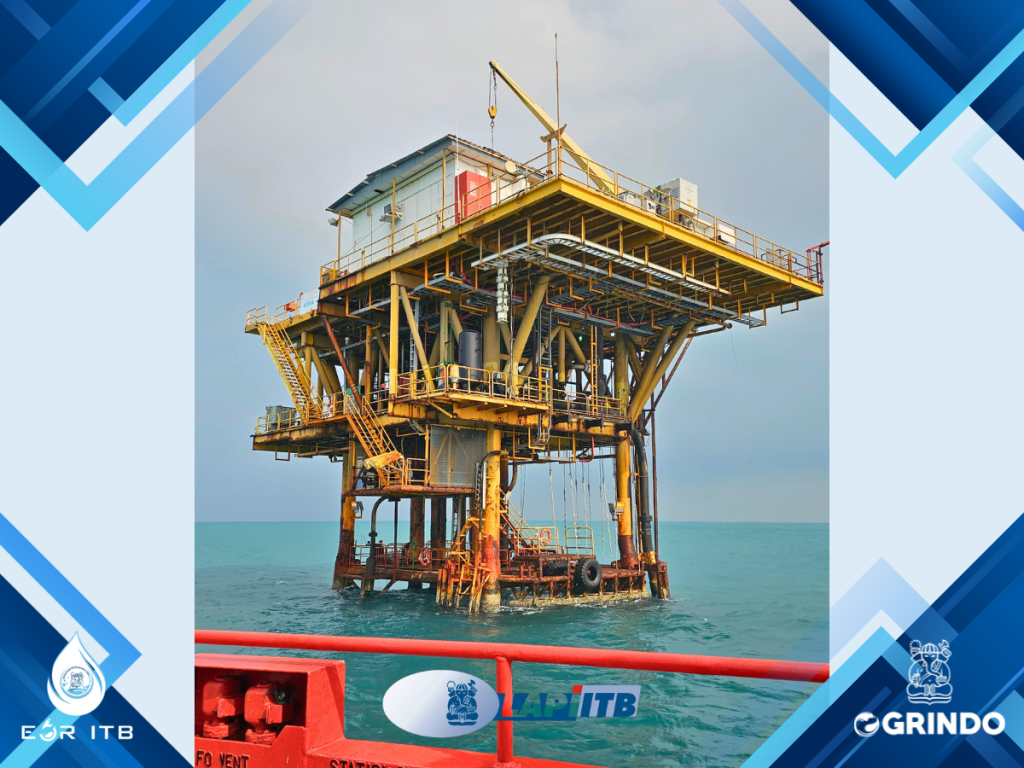
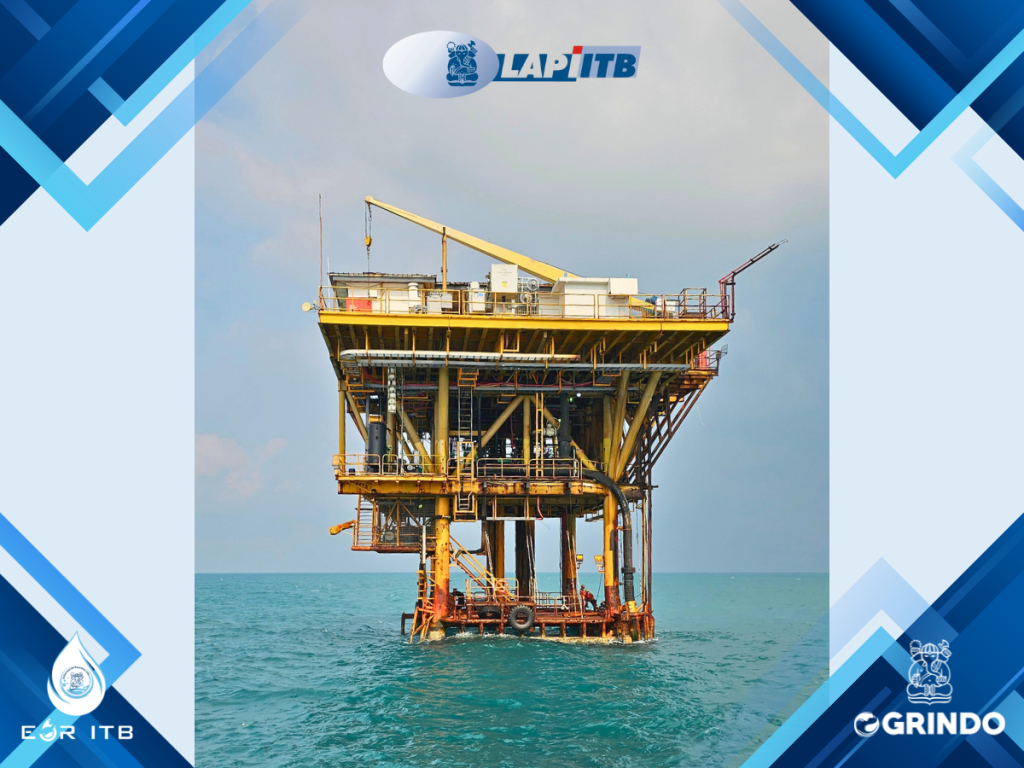
Figure 1. The facility of offshore serving as the location for the monitoring program of Chemical EOR.

Monitoring the Chemical EOR Pilot from the Field to the Laboratory

The monitoring journey begins with the implementation of injection through the presence of a field laboratory team that supports monitoring activities and quality testing directly in the field. All activities are conducted based on established procedures to ensure that the monitoring process is carried out consistently throughout the pilot implementation.

The monitored samples include polymer powder, injection water, polymer solution to be injected, as well as production fluids from wells located within the injection pattern. Through systematic QA/QC procedures, every stage of testing, quality verification, and result documentation is performed to ensure that the generated monitoring data remain consistent, accurate, and traceable.

Ensuring Chemical Quality and Injection System Conditions Meet the Target

Quality control is carried out at various stages before and during the injection process. The quality of polymer powder is evaluated through packaging condition inspection, visual observation, viscosity measurement, and total solid analysis.

In addition, injection water quality is monitored through testing of conductivity, equivalent salinity, total suspended solids (TSS), iron (Fe) content, dissolved oxygen (DO), and pH. These parameters provide insights into the condition of the injection system that may influence the performance of Chemical EOR.

The polymer solution to be injected also undergoes testing to ensure that its condition and performance remain within the targeted specifications. The evaluation includes visual condition, solution homogeneity, dissolved oxygen (DO) content, viscosity at reservoir temperature conditions, polymer concentration, and filtration ratio (FR).

Monitoring Production Response to Evaluate Pilot Performance

Monitoring does not stop after chemical are injected into the reservoir. The team also conducts observations of production fluids from wells within the injection pattern to understand the reservoir response to polymer injection.

Several monitored parameters include wellhead pressure (WHP), bottom hole pressure (BHP), injection rate, oil production rate improvement, water cut, and production fluid conditions. Additional testing, including polymer viscosity and concentration, evaluation of flocculationphenomena, emulsion stability, and the presence of bacteria in the effluent is also conducted as part of the pilot performance evaluation.

Through this series of monitoring activities, the team ensures that the quality of polymer powder, injection water, and polymer solution remains within the target specifications. The obtained data are also used to monitor the presence and behavior of polymers within the production system and support the evaluation of production well responses throughout the pilot implementation.

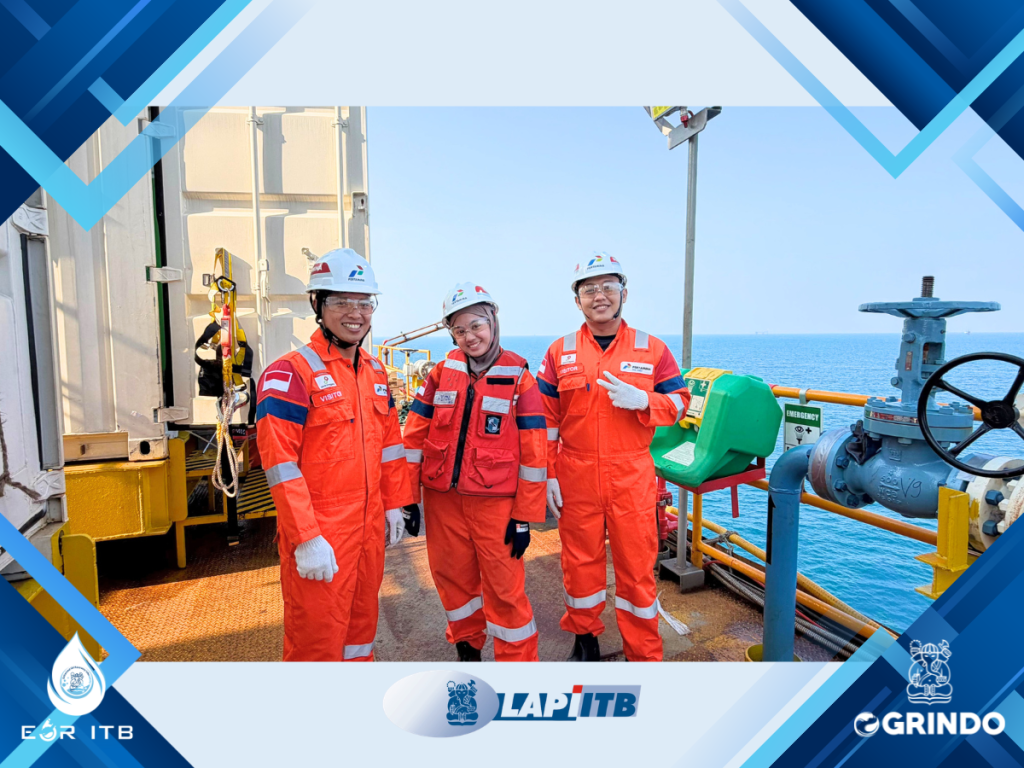
Figure 3. Monitoring activities conducted within the offshore production facility environment during the implementation of Chemical EOR.

Laboratory QA/QC as the Foundation of Reliable Data for Evaluation Chemical EOR

The laboratory QA/QC program is an integral part of monitoring activities, ensuring that all testing processes are conducted according to established procedures. Through the implementation of structured QA/QC procedures, the generated monitoring data can be used to support the performance evaluation of the pilot Chemical EOR.

The collaboration between Lab EOR ITB, OGRINDO ITB, and Yayasan LAPI ITB reflects the synergy between academia and industry in providing science-based technical support for the development of technology Enhanced Oil Recovery in Indonesia.

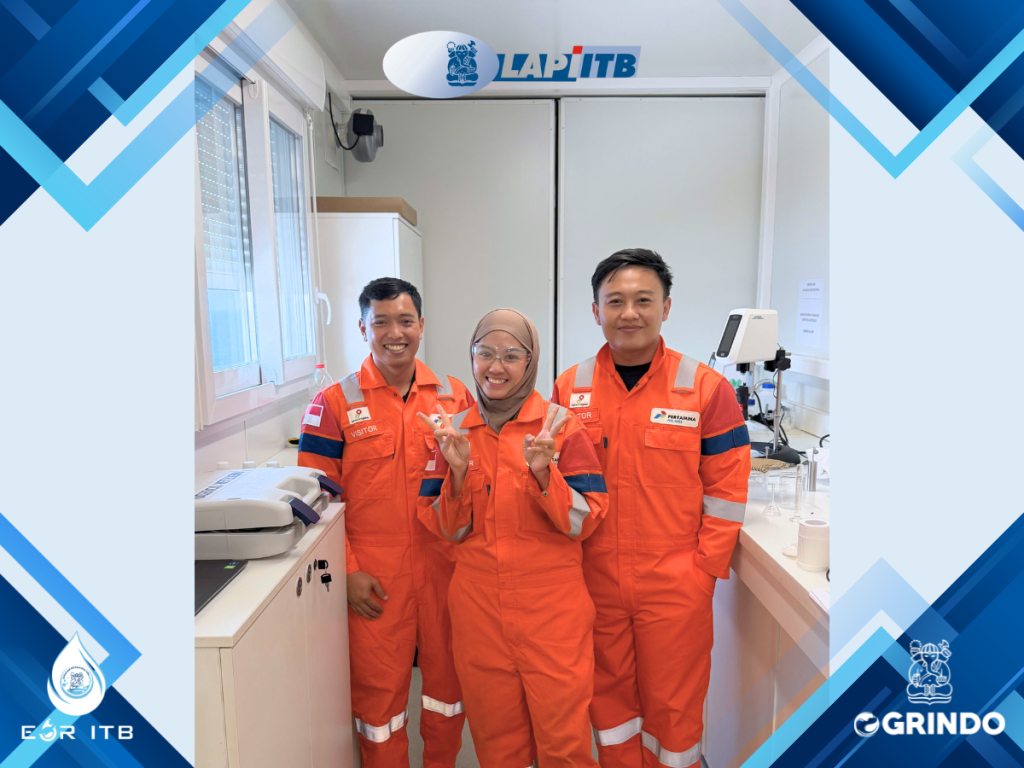
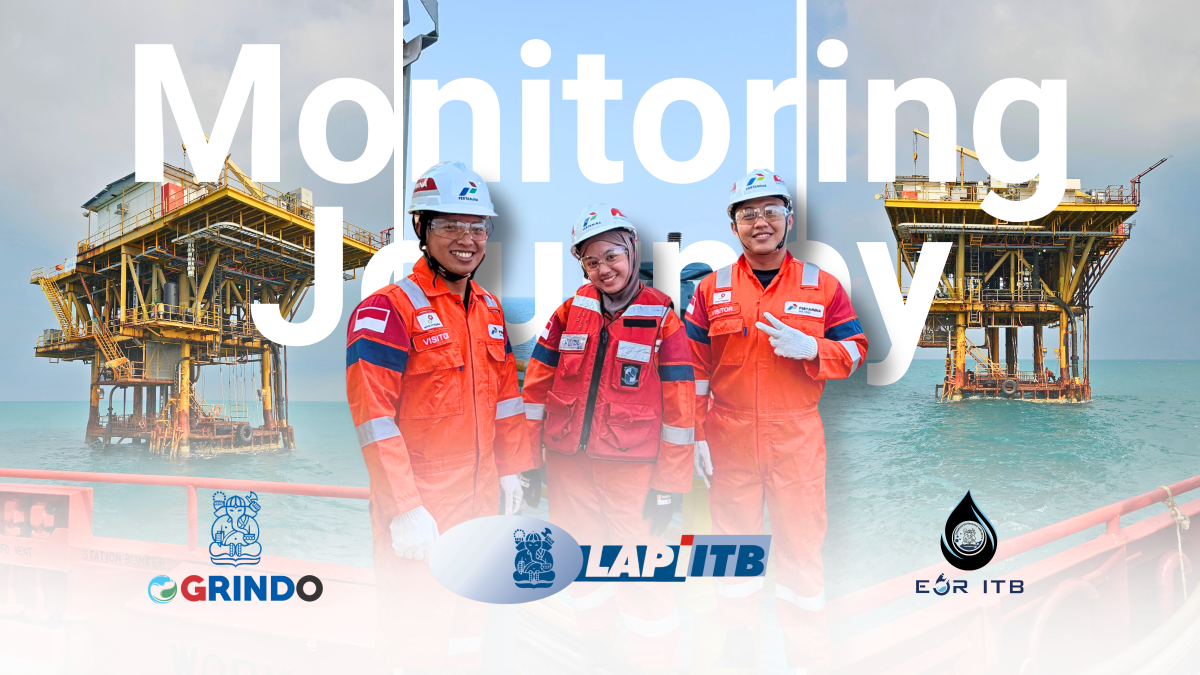
Figure 4. The monitoring journey supported by the systematic implementation of laboratory QA/QC throughout the pilot Chemical EOR.

Let's Collaborate with Us

With experience in research, laboratory testing, and technical support in the field of Enhanced Oil Recovery (EOR), Lab EOR ITB and OGRINDO ITB are ready to be your partners in providing data-driven solutions for various challenges in the oil and gas industry.

For further information regarding research collaboration, laboratory testing, or technical studies, please contact:
📧 OGRINDO ITB
info@ogrindoitb.com
📧 Lab EOR ITB
eor@itb.ac.id